
Japan
Nakasendo Trail & Kiso Valley
Edo-era post towns, cedar mountain passes, and slow travel through rural history
Plan & book
Sort your Nakasendo Trail & Kiso Valley trip in one place.
We point you to the booking tools we'd actually use — live prices, no markup. Or let us build the day-by-day plan around you first, then book.
The Nakasendo was one of the five major highways developed during the Edo period to link Kyoto with Tokyo (then Edo). Its most scenic, preserved stretch runs through Nagano and Gifu prefectures in the Kiso Valley. Travelers navigate mossy cobblestone footpaths, forested mountain passes, and preserved timber post towns free of overhead telephone wires and neon signage.
2 to 3 days
Build your own trip with these prebuilt itineraries
Each one is a tested, day-by-day plan for Nakasendo Trail & Kiso Valley — start here, then make it yours.
Deep Kiso Valley Walking Circuit in Nakasendo Trail & Kiso Valley
Extended walking route encompassing Narai-juku, Yabuhara pass, Kiso-Fukushima onsen, and Tsumago
Tokyo to Kyoto Nakasendo Transit Route in Nakasendo Trail & Kiso Valley
Paced overland journey between Tokyo and Kyoto detouring through Nagano's preserved walking paths
Classic Post-Town Hike in Nakasendo Trail & Kiso Valley
Magome to Tsumago scenic walking trail, historic teahouses, and overnight stay in a cedarwood minshuku
Few places in modern Japan offer such an unhurried, tangible connection to Edo-era heritage. Hiking between towns like Magome and Tsumago or across the Torii Pass to Narai lets you trade crowded urban centers for misty cedar groves, stone trail bells, and nights in creaking wooden minshuku listening to mountain runoff.
Where to stay
Getting there
Getting around
Food & drink
What it costs
Skip it if
Skip it if you have severe mobility limitations or knee issues unable to handle steep cobblestone descents and steps, or if you require vibrant nightlife, fast convenience shopping, and western-style hotels.
Destination intelligence
Updated 9/13/2026The structured record we plan every Nakasendo Trail & Kiso Valley itinerary from.
Walkability
Excellent for trail hiking and exploring town centers; completely pedestrian-focused inside historical zones.
Transit quality
Good along the JR Chuo Line corridor, though regional bus departures are timed specifically to train arrivals and run infrequently.
Car needed
No. The point-to-point hiking route is far easier to execute using linear train and bus connections rather than retrieving a parked vehicle.
Ideal duration
2 to 3 days
Minimum useful
1 day (day hike between Magome and Tsumago)
Peak season
Mid-October through November for vivid alpine autumn colors, and April for weeping cherries and wild azaleas.
Shoulder season
May to June and September, featuring lush green cedar forests and manageable trail volume.
Low season
December to February, when temperatures plunge, snow covers the passes, and some minshuku and local bus routes close for the season.
Best for
Common mistakes
- Relying entirely on IC cards like Suica or Pasmo, which are not accepted on rural local buses or at smaller JR Chuo Line stations like Narai or Yabuhara
- Dragging heavy wheeled luggage on the trail instead of using the Magome-Tsumago baggage forwarding counter or Yamato luggage transport between major cities
- Assuming dinner will be available late without advance reservations; post town restaurants shutter promptly around 17:00
- Underestimating the elevation profile and attempting the trail in slippery fashion sneakers instead of broken-in walking shoes or trail runners
Best nearby
See what a trip to Japan actually costs. Travel Budget Co.
More in Japan
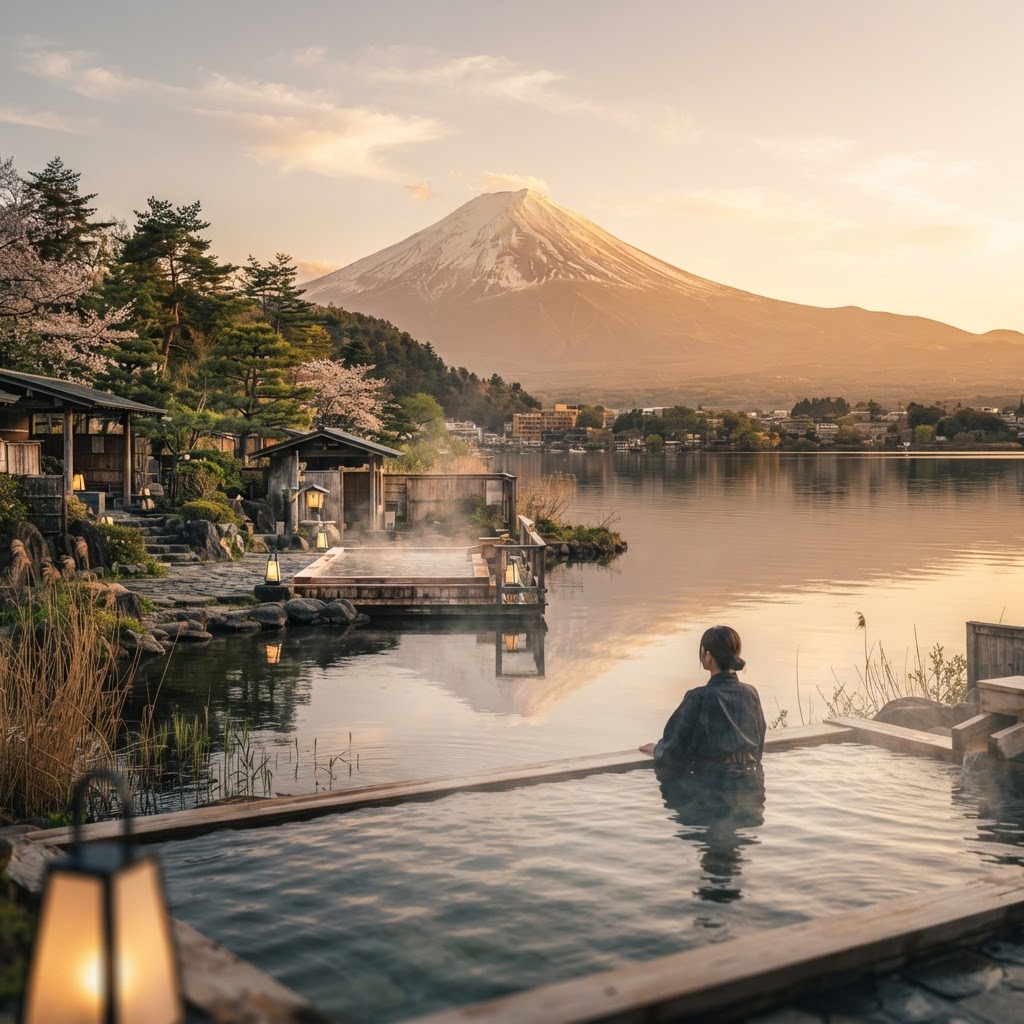
Kawaguchiko & Fuji Five Lakes
Japan
Unrivaled front-row views of Mount Fuji, lakeside onsens, and open mountain air.
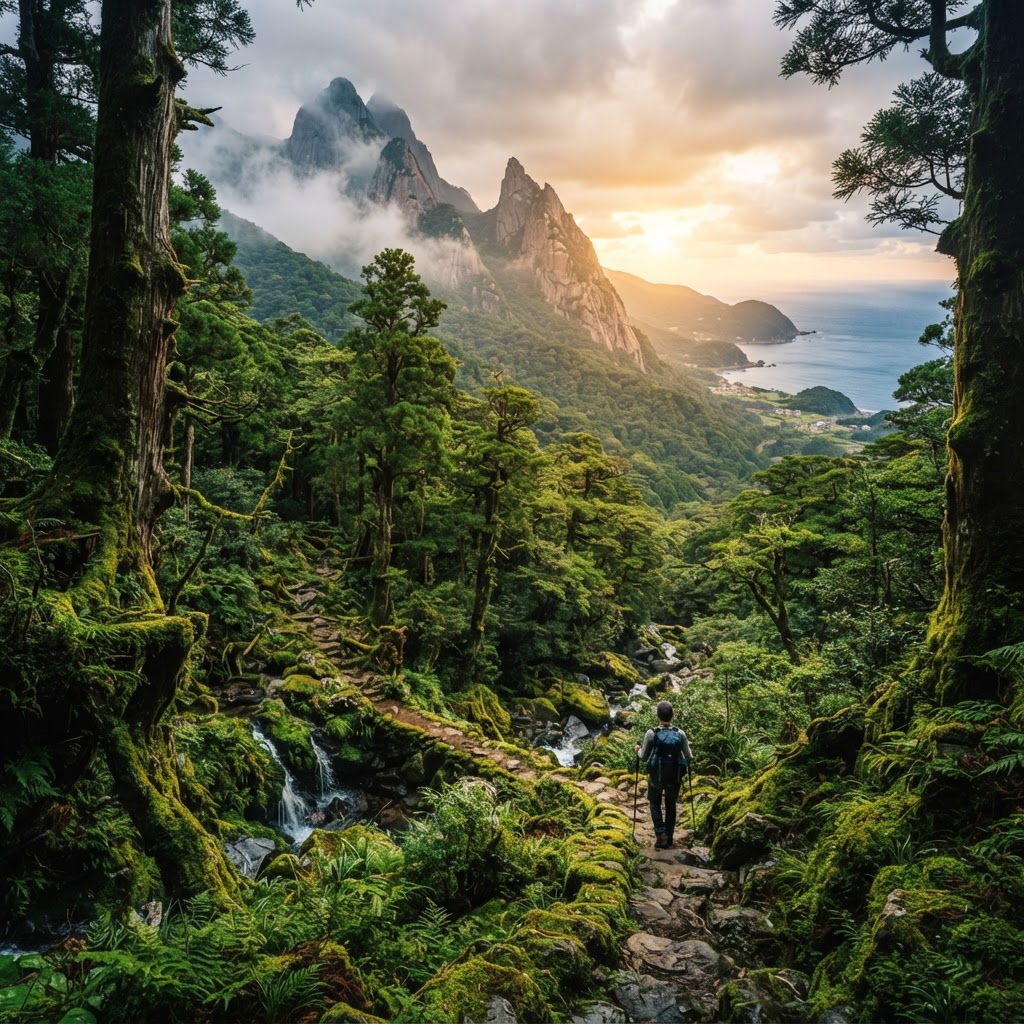
Yakushima, Japan
Japan
Ancient moss-draped cedar forests and misty granite peaks rising abruptly from the Pacific.
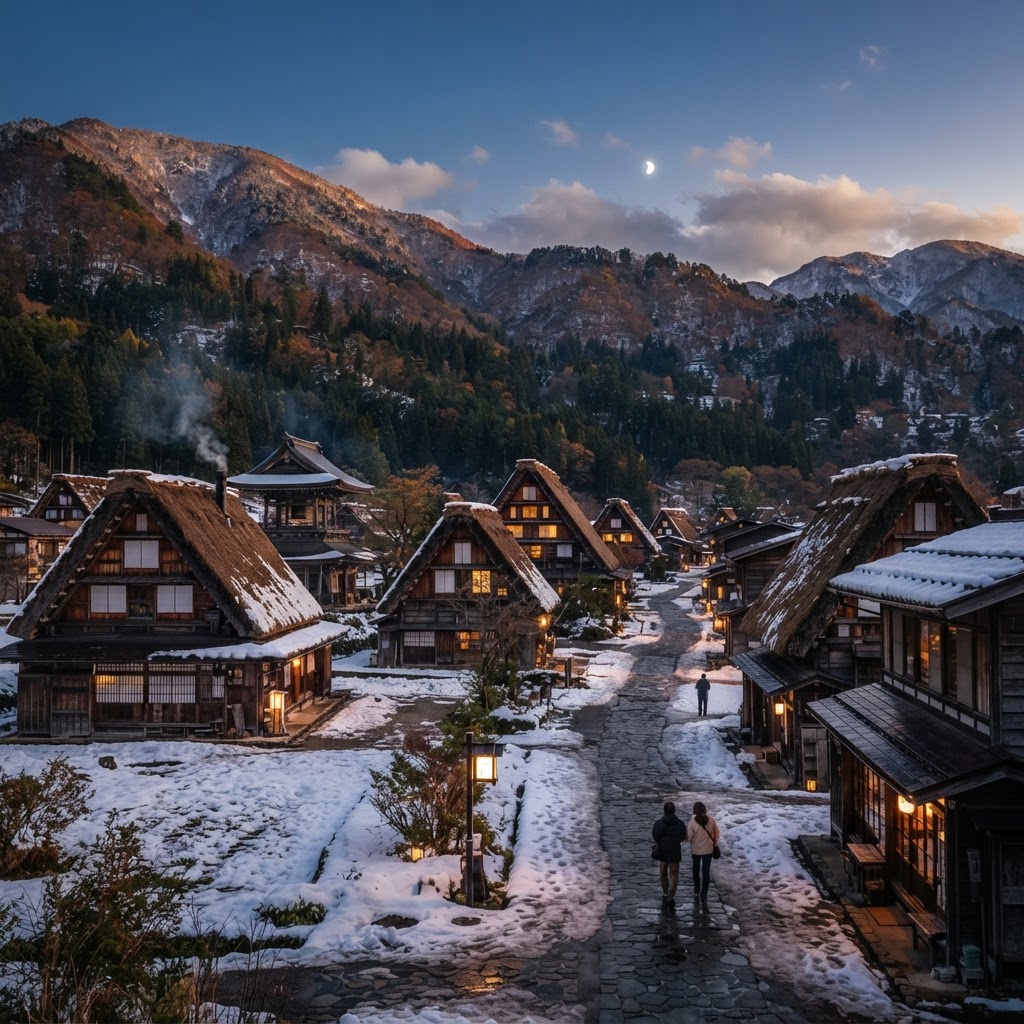
Shirakawa-go, Gifu, Japan
Japan
A living mountain settlement of steep-pitched thatch, silence at dusk, and alpine timbercraft.
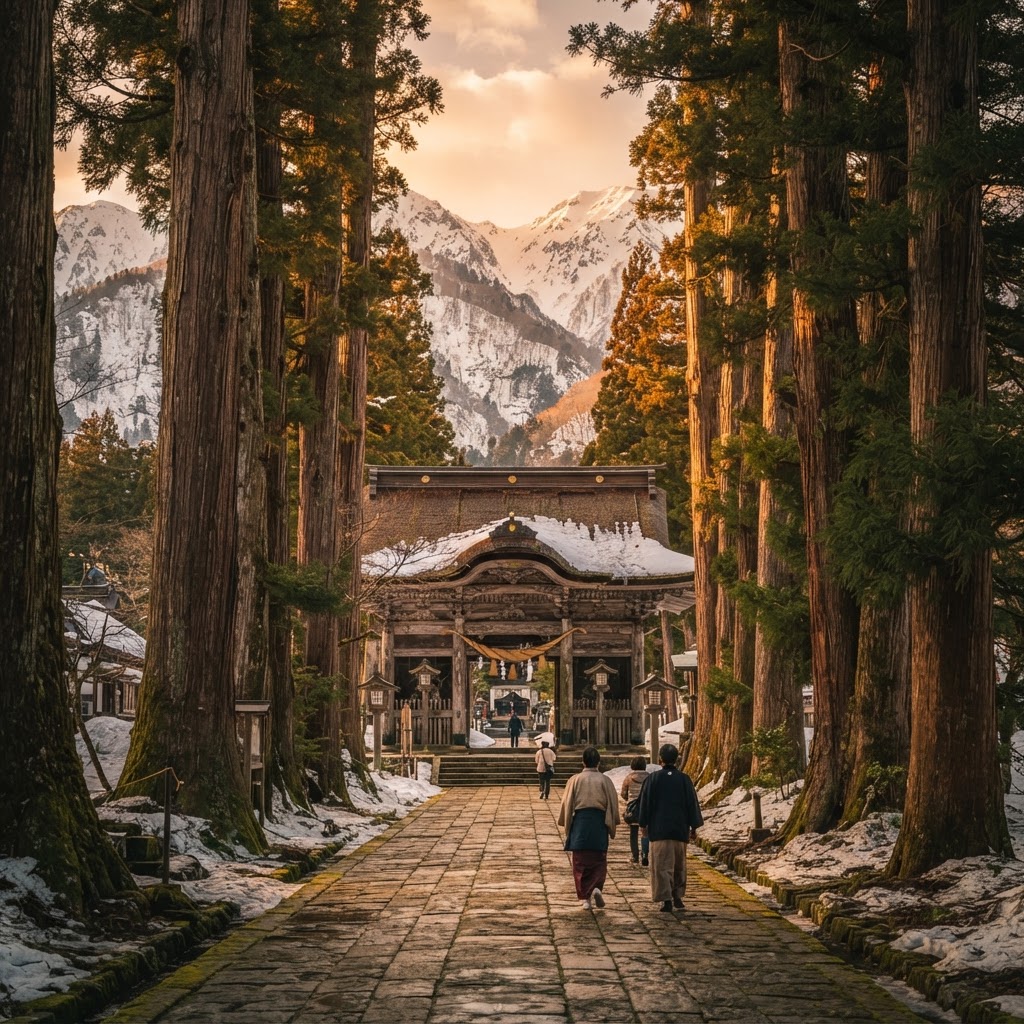
Nagano, Japan
Japan
Pilgrim temples, cedar-lined alpine shrines, and the gateway to Japan's northern powder peaks.
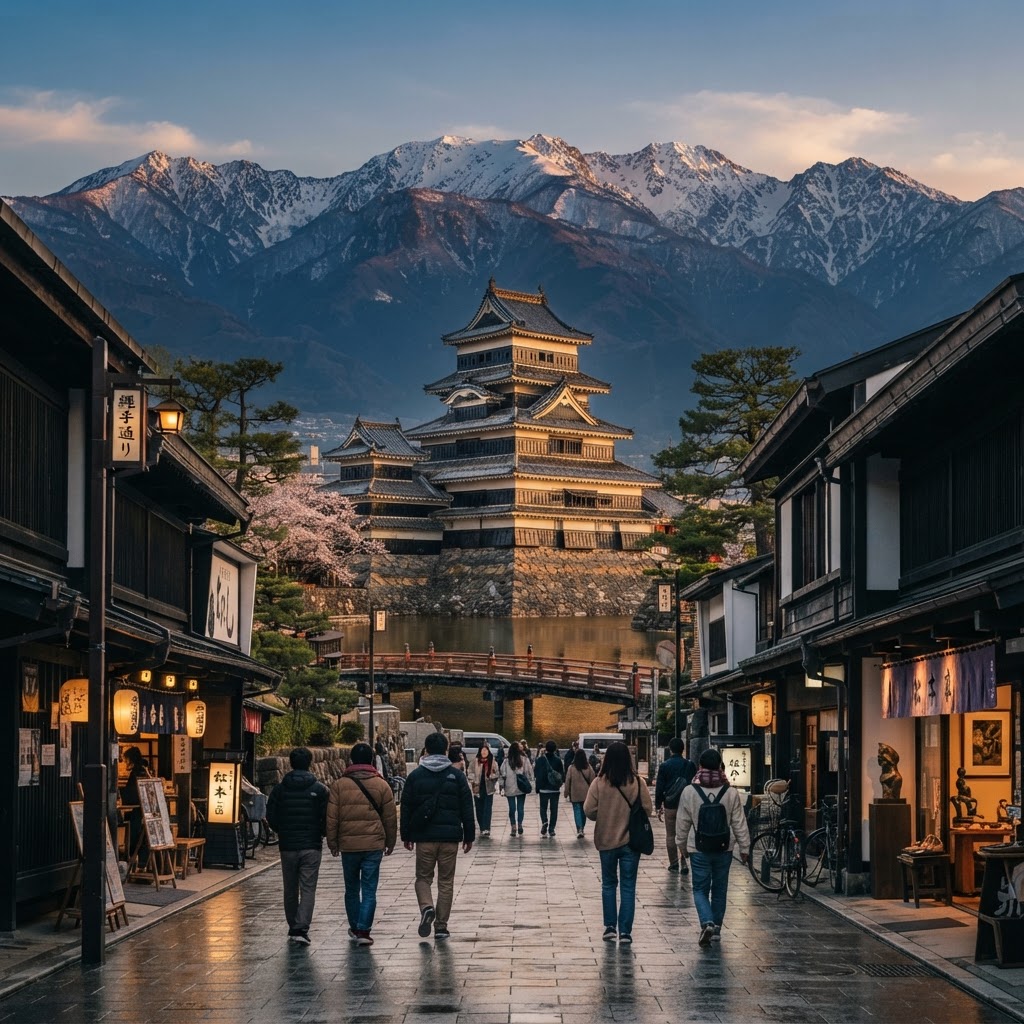
Matsumoto
Japan
Feudal black timber architecture framed by the Northern Alps and alpine art culture
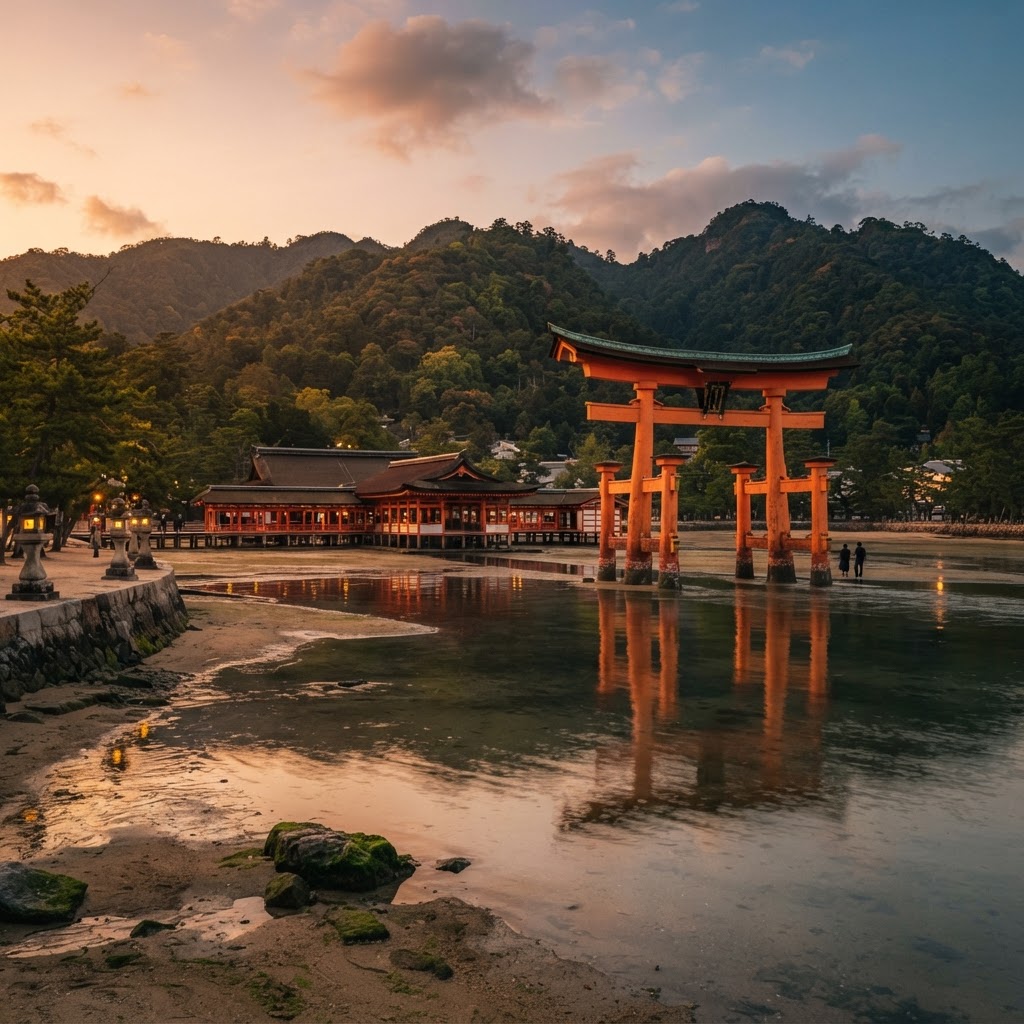
Miyajima (Itsukushima), Japan
Japan
A sacred island of tidal shrines, ancient virgin forest, and silent lantern-lit evenings.
Readymade itineraries
Start from a tested template — then make it yours.
Ready to book
Lock in your Nakasendo Trail & Kiso Valley trip
Everything in one place. We may earn a small commission — it never costs you more.
Plan a trip to Nakasendo Trail & Kiso Valley
Pick a length and we'll build a day-by-day plan around how you travel — neighborhoods clustered, budget-aware, and editable.
Get better at planning trips like this
Occasional notes on planning smarter — no spam, unsubscribe anytime.
Plan a trip to Nakasendo Trail & Kiso Valley
Turn this guide into a day-by-day plan built around your pace, your group, and your budget.
Build my Nakasendo Trail & Kiso Valley trip