Japan
Yakushima, Japan
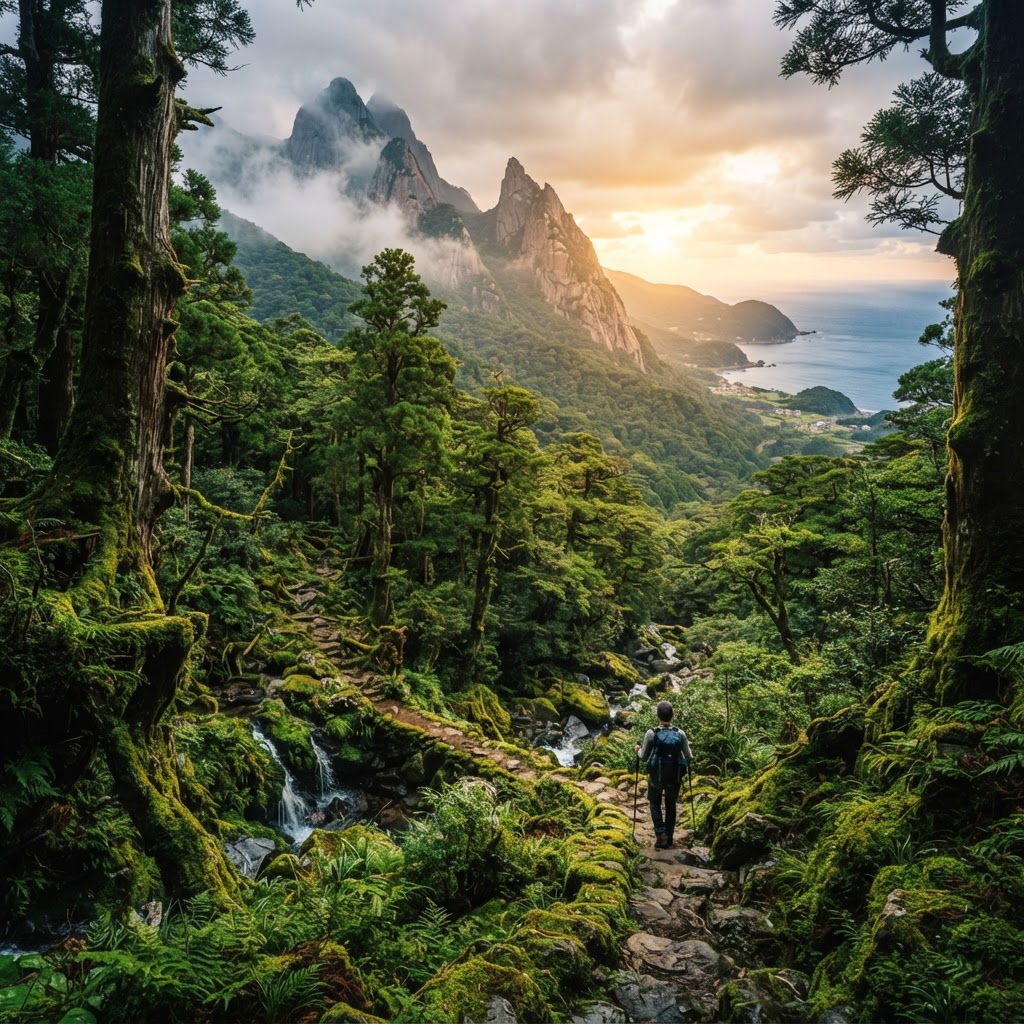
Ancient moss-draped cedar forests and misty granite peaks rising abruptly from the Pacific.
Plan & book
Sort your Yakushima, Japan trip in one place.
We point you to the booking tools we'd actually use — live prices, no markup. Or let us build the day-by-day plan around you first, then book.
Located off the southern coast of Kyushu, Yakushima is an ancient, weather-carved biosphere that feels detached from the rest of Japan. Its inland peaks—rising near 2,000 meters—trap Pacific moisture to create one of the wettest microclimates on earth, nourishing thousand-year-old Yakusugi cedars and moss forests so primordial they inspired Studio Ghibli's Princess Mononoke. This is not a manicured garden getaway: it is an elemental wilderness that demands proper mountain gear, waterproof boots, and flexibility in the face of sudden torrential downpours.
4 days / 3 nights
Best time
Mid-October through November for clear autumn skies and crisp, manageable mountain hiking conditions.
Build your own trip with these prebuilt itineraries
Each one is a tested, day-by-day plan for Yakushima, Japan — start here, then make it yours.
5 Days of Rugged Wilderness, Peak Traversing & Island Immersion in Yakushima
A slow, deep exploration combining Mt. Miyanoura high peaks, remote Seibu Rindo wildlife spotting, and relaxed coastal onsen soaking.
4 Days of Classic Yakushima Alpine & Ancient Cedar Trekking in Yakushima
The quintessential outdoor trekker itinerary featuring dawn starts for Jomon Sugi, Shiratani Unsuikyo, and rugged coastal hot springs.
3 Days of Ghibli Moss Forests & Coastal Scenic Drives in Yakushima
Accessible ancient forests, Shiratani Unsuikyo moss trails, and coastal waterfalls designed for nature photographers and moderate walkers.
Go for genuine primeval immersion. Yakushima allows you to walk through stands of cedar trees that were already old when Kyoto was established as the imperial capital. Between hiking granite riverbeds in Shiratani Unsuikyo, encountering unfazed Yaku deer and macaques along the Seibu Rindo forest road, and soaking in tidal ocean hot springs like Hirauchi Kaichu Onsen, the island offers an unmatched contrast to mainland Japan's urban rhythm.
Where to stay
Getting there
Getting around
Food & drink
What it costs
Things to do
Book tours & tickets in Yakushima, JapanSkip it if
Skip Yakushima if your itinerary is packed so tight that a 24-hour weather delay will derail your holiday, if you dislike rain and dampness, or if you are looking for resort beaches, nightlife, and luxury shopping.
When to go
Yakushima is one of the wettest places in Japan, recording up to 10,000mm of rain annually in its mountains. Autumn cuts the torrential summer typhoons and dense humidity while keeping high-elevation trails snow-free and manageable before winter sets in.
Peak (May to August)
Golden Week in early May and mid-summer bring heavy domestic crowds and turtle-nesting season at Nagata, but expect relentless heat, humidity, and typhoons that frequently shut down ferry links.
Shoulder (October to November & April)
The prime window: autumn offers stable, drier weather for alpine traverses, while April brings lush moss growth and mountain cherry blossoms without peak summer swells.
Low (December to February)
Coastal towns remain mild, but deep interior peaks receive heavy snowfall; mountain huts close or become mountaineering-only, and mountain bus timetables are significantly reduced.
Neighborhoods
Where you stay shapes the trip. Here's how to think about it.
Miyanoura
The island's main northern port town with the highest concentration of izakayas, gear rental shops, and ferry links.
Best for:First-timers, car-free travelers, and casual diners
Don't miss:Booking dinner days ahead at small local izakayas like Panorama or grabbing local craft pours at Catch the Beer.
Anbo
A low-key working port on the eastern coast serving as the premier strategic launchpad for alpine trails.
Best for:Dedicated trekkers tackling Jomon Sugi or Yakusugi Land
Don't miss:The freshly packed dawn bento boxes from local shops to fuel early trail starts at Arakawa Trailhead.
Onoaida & Southern Coast
Subtropical coastal hamlet with hot spring culture and towering granite cliffs plunging directly into the sea.
Best for:Relaxation seekers, onsen fans, and post-hike recovery
Don't miss:Soaking in the scorching sulfur waters of Onoaida Onsen or timing Hirauchi Kaichu Onsen with the low tide.
Nagata
Quiet, sun-drenched northwestern beach village hemmed by turquoise water and rugged hills.
Best for:Wildlife lovers and travelers looking for dramatic coastal sunsets
Don't miss:Nagata Inakahama Beach during evening hours to spot nesting loggerhead sea turtles between May and July.
Destination intelligence
Updated 9/14/2026The structured record we plan every Yakushima, Japan itinerary from.
Walkability
Low. The towns are small and pedestrian-friendly, but reaching trailheads, waterfalls, and coastal onsens requires a car or scheduled transit.
Transit quality
Limited. Island buses cover main coastal routes and principal trailheads, but timetables are sparse and make early alpine starts difficult.
Car needed
Strongly recommended. Exploring remote waterfalls, trailheads, and the Seibu Rindo route is frustrating and strictly limited without your own car.
Ideal duration
4 days / 3 nights
Minimum useful
3 days / 2 nights
Peak season
Spring (Golden Week in early May) and Summer through early Autumn (August to October) during long trekking days and turtle-nesting season.
Shoulder season
October to November (clearer skies, crisp weather, and lower humidity) and late March to April (cherry blossoms and fresh moss growth).
Low season
December to February. Coastal regions remain mild, but mountain peaks receive heavy snow, making deep interior ridges inaccessible.
Best for
Common mistakes
- Attempting the Jomon Sugi hike without adequate fitness, leaving after 6:00 AM, or skipping proper trekking poles and ankle-support footwear.
- Relying solely on umbrellas or cheap plastic ponchos instead of high-grade breathable Gore-Tex rain jackets and pants.
- Failing to reserve a rental car weeks in advance, especially during spring and autumn peaks when vehicle inventory on the island sells out.
- Booking tight mainland connecting flights on the same day as your return boat or flight, ignoring potential cancellations from rain, mist, or sea conditions.
Best nearby
See what a trip to Japan actually costs. Travel Budget Co.
How to plan it
- Base yourself in Miyanoura if you need ferry links, dinner options, and gear shops; stay in Anbo if your primary goal is an early morning start toward Arakawa Trailhead.
- Do not pair Shiratani Unsuikyo and Yakusugi Land on the same day: both require steep mountain road climbs in opposite directions; separate them across two days.
- Budget one half-day for driving the Seibu Rindo (Western Forest Path), an unpaved-edge coastal route through the UNESCO zone where wild Yaku deer and macaques outnumber cars.
- Arrange your morning bento lunchbox at your minshuku or local Anbo shop the afternoon before hiking, as convenience stores are virtually nonexistent near interior trailheads.
- Check tidal charts before driving to the southern coast so you hit Hirauchi Kaichu Onsen within its strict four-hour low-tide window.
Questions
More in Japan
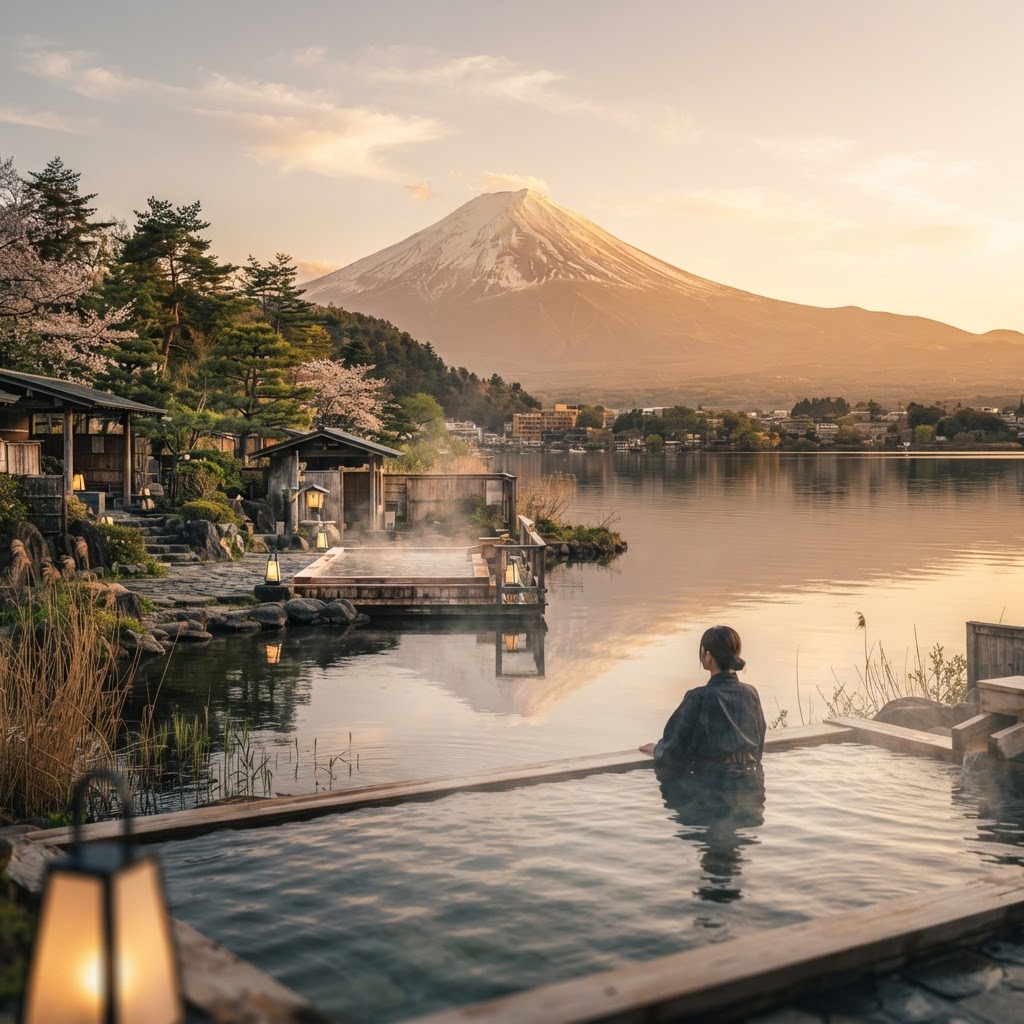
Kawaguchiko & Fuji Five Lakes
Japan
Unrivaled front-row views of Mount Fuji, lakeside onsens, and open mountain air.
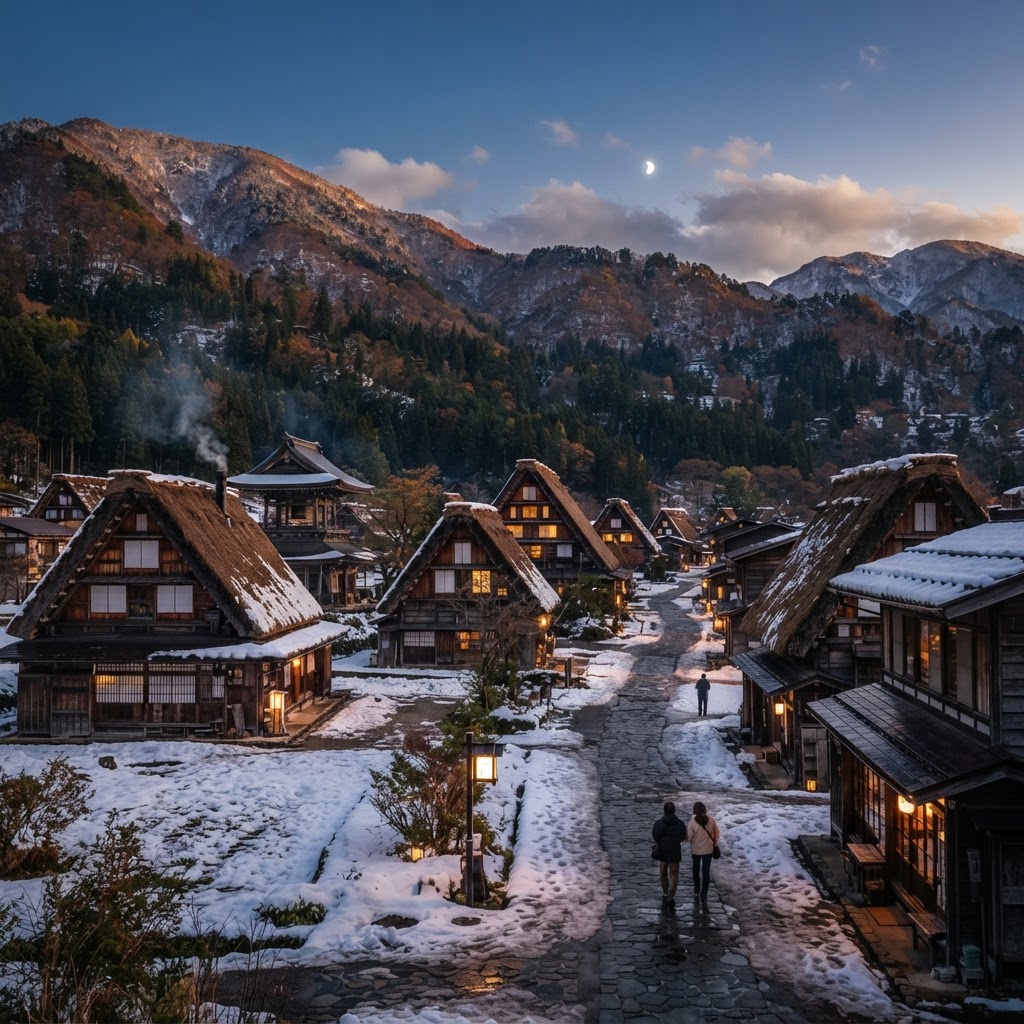
Shirakawa-go, Gifu, Japan
Japan
A living mountain settlement of steep-pitched thatch, silence at dusk, and alpine timbercraft.
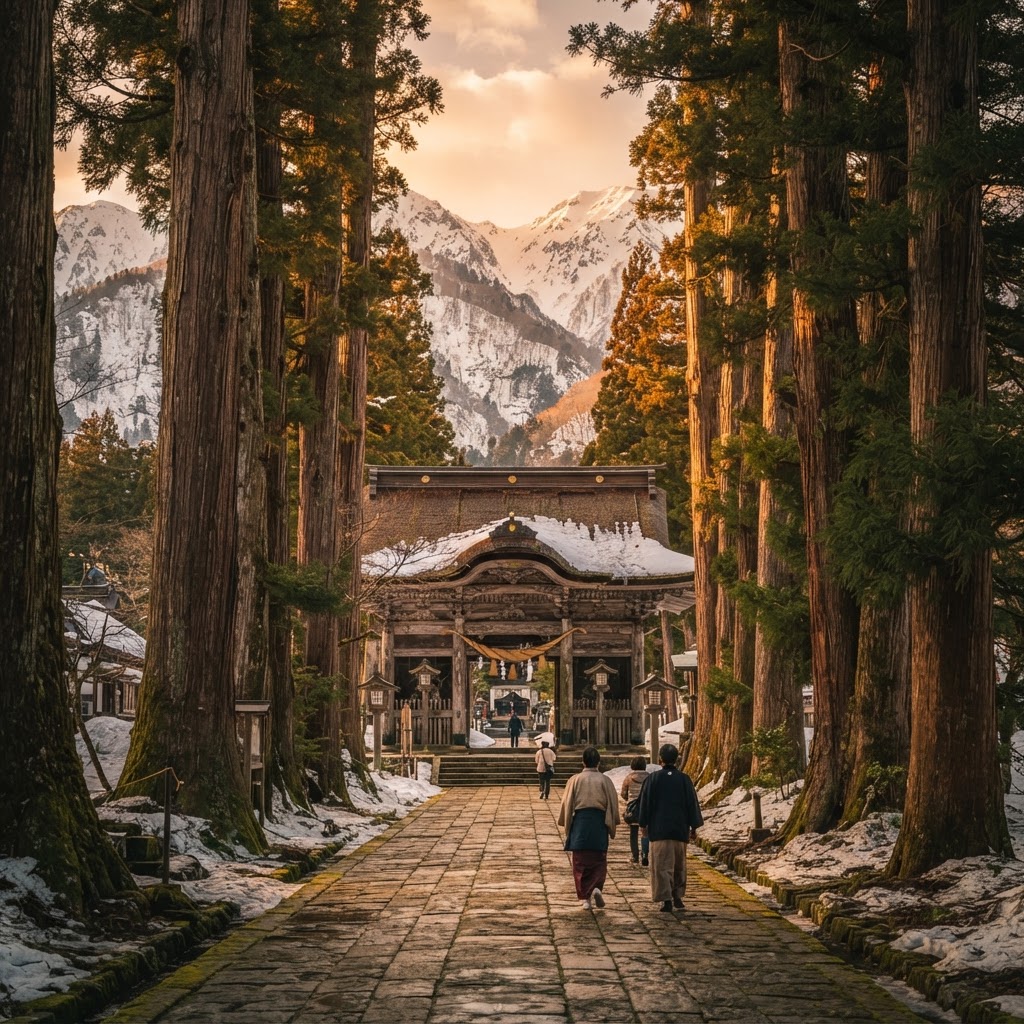
Nagano, Japan
Japan
Pilgrim temples, cedar-lined alpine shrines, and the gateway to Japan's northern powder peaks.
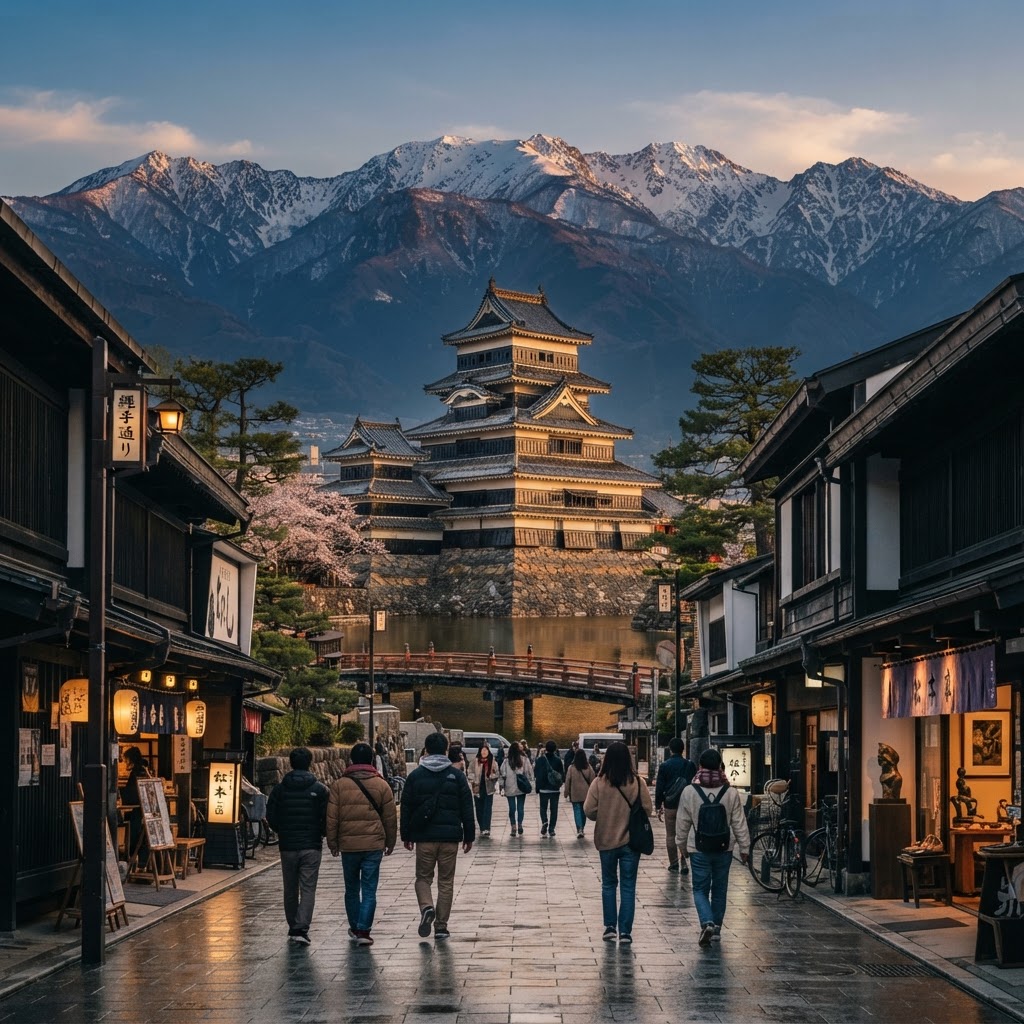
Matsumoto
Japan
Feudal black timber architecture framed by the Northern Alps and alpine art culture
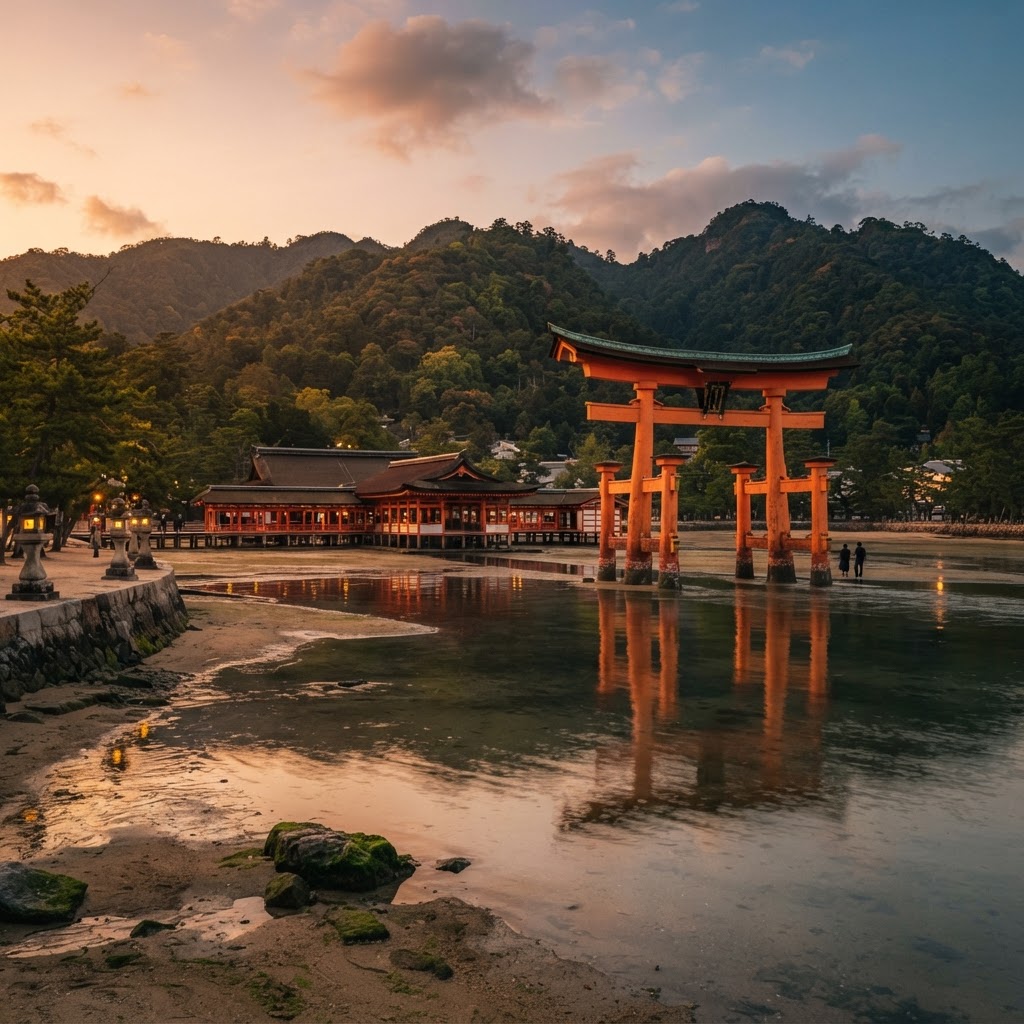
Miyajima (Itsukushima), Japan
Japan
A sacred island of tidal shrines, ancient virgin forest, and silent lantern-lit evenings.
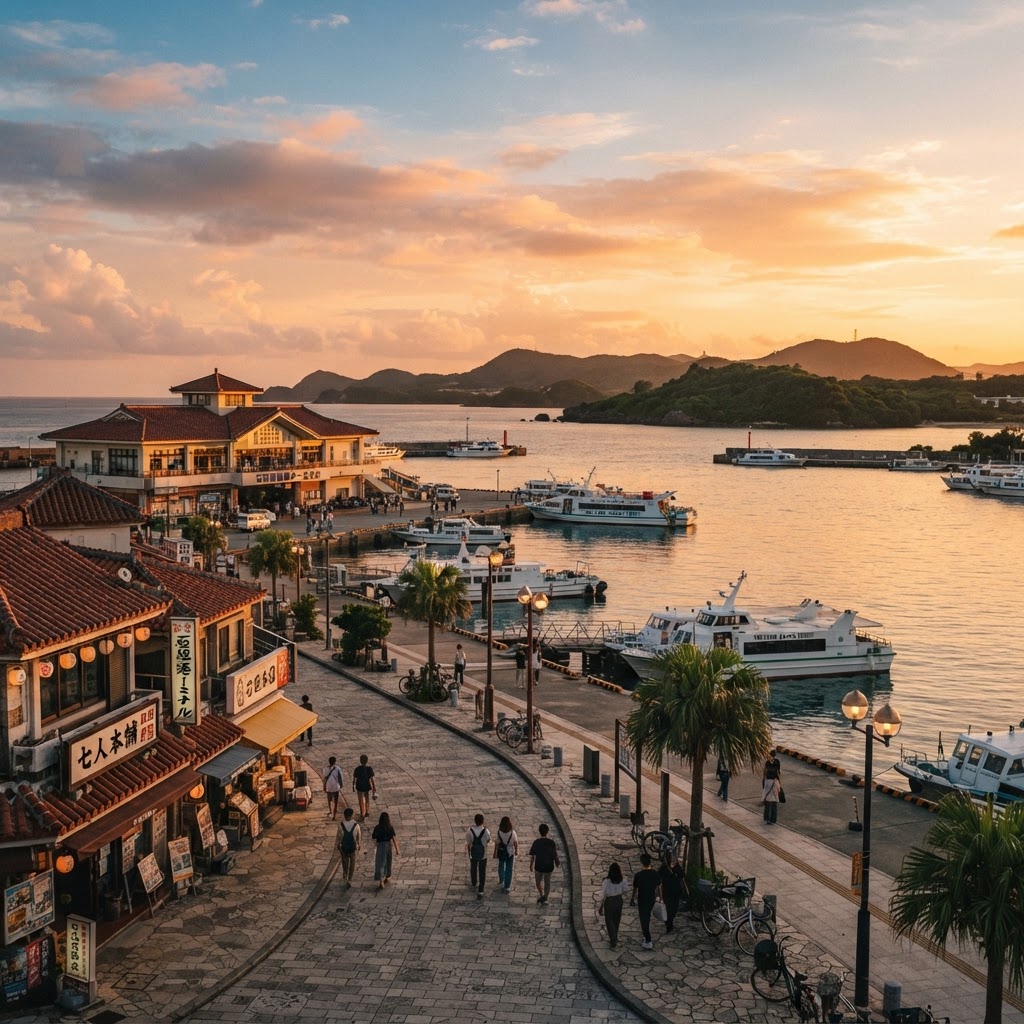
Ishigaki, Japan
Japan
The coral-fringed subtropical gateway to Japan's untamed southern archipelago.
Readymade itineraries
Start from a tested template — then make it yours.
Ready to book
Lock in your Yakushima, Japan trip
Everything in one place. We may earn a small commission — it never costs you more.
Plan a trip to Yakushima, Japan
Pick a length and we'll build a day-by-day plan around how you travel — neighborhoods clustered, budget-aware, and editable.
Get better at planning trips like this
Occasional notes on planning smarter — no spam, unsubscribe anytime.
Plan a trip to Yakushima, Japan
Turn this guide into a day-by-day plan built around your pace, your group, and your budget.
Build my Yakushima, Japan trip