Japan
Nagano, Japan
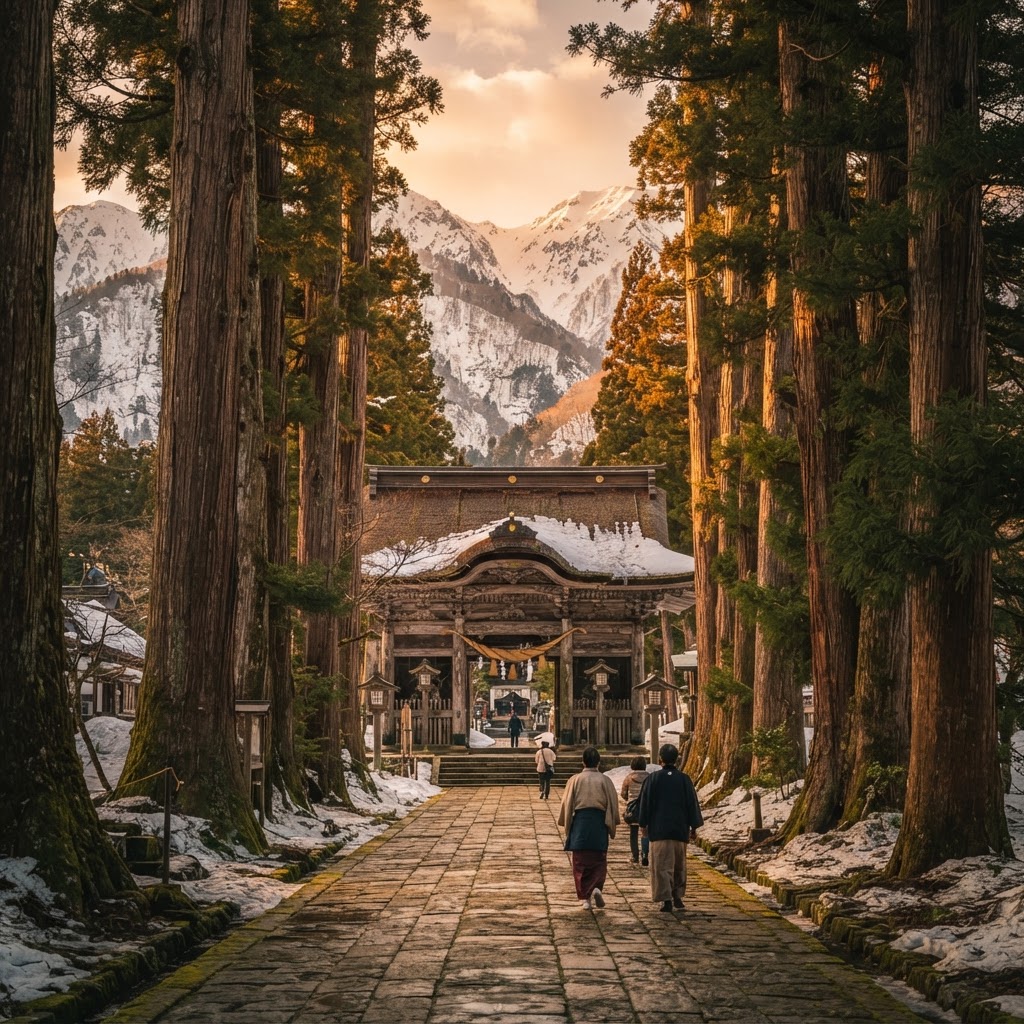
Pilgrim temples, cedar-lined alpine shrines, and the gateway to Japan's northern powder peaks.
Plan & book
Sort your Nagano, Japan trip in one place.
We point you to the booking tools we'd actually use — live prices, no markup. Or let us build the day-by-day plan around you first, then book.
Nagano City is where spiritual heritage collides directly with high alpine geography. Developed around the 1,400-year-old pilgrimage complex of Zenko-ji, the city serves as a launchpad into the northern Japanese Alps, ancient ninja forest trails in Togakushi, and world-class ski valleys. Located just under 90 minutes from Tokyo by bullet train, it trades urban density for quiet temple lodgings, craft sake, and rich mountain cuisine.
3 days
Best time
Mid-October to early November for vivid alpine foliage, or January to February for powder snow and steaming onsens.
Build your own trip with these prebuilt itineraries
Each one is a tested, day-by-day plan for Nagano, Japan — start here, then make it yours.
5 Days in Nagano: Deep Alpine Trails and Rural Valley Road Trip in Nagano
An active outdoor and backcountry route covering Togakushi ridge walks, remote mountain onsens, and high-elevation valley hiking
3 Days in Nagano: Temples, Soba, and Mountain Heritage in Nagano
First-time classic highlights combining Zenko-ji morning rites, historic Obuse, and the ancient cedar trails and soba tradition of Togakushi
2 Days in Nagano: Winter Snow Monkeys and Alpine Hot Springs in Nagano
A seasonal winter escape focused on Jigokudani snow monkeys, traditional onsen baths, and steaming oyaki comfort food
Nagano delivers an authentic mountain-city rhythm that Tokyo cannot offer, without sacrificing transit connectivity. Zenko-ji is one of Japan's most architecturally significant and non-sectarian pilgrimage sites, where visitors still touch the 'key to paradise' in pitch-black tunnels below the sanctuary. High above town, the ancient cedar groves of Togakushi offer cool highland hiking and world-class soba. In winter, it functions as the central logistical base for the powdery slopes of Shiga Kogen, Hakuba, and the thermal springs of Jigokudani.
Where to stay
Getting there
Getting around
Food & drink
What it costs
Things to do
Book tours & tickets in Nagano, JapanSkip it if
Skip Nagano if you have fewer than 6 days in Japan on a golden-route sprint between Tokyo and Kyoto, or if your trip demands bustling neon nightscapes and high-end urban luxury retail.
When to go
Nagano splits its appeal cleanly between winter powder and crisp autumn color; choosing between them determines whether your days revolve around ski lifts and snowy monkey baths or alpine ridge walks and temple gardens.
Peak (Dec–Feb & late Oct–mid Nov)
Winter brings deep snow to nearby peaks and atmospheric steaming baths at Jigokudani; late autumn delivers peak crimson fall colors across Togakushi and valley slopes. Book weekend transit and boutique lodgings months ahead.
Shoulder (Mid-Apr–May & Sep–early Oct)
Spring brings late cherry blossoms around mid-to-late April and pleasant walking temperatures (15°C–20°C daytime); early autumn brings brisk, sunny hiking without peak foliage crowds.
Low (Late Jun–Jul & late Nov)
Mid-summer brings the humid Tsuyu rainy season with frequent trail washouts; late November is a bare, frigid shoulder month where autumn foliage has fallen but ski resorts and heavy snow cover have not arrived.
Neighborhoods
Where you stay shapes the trip. Here's how to think about it.
Zenkoji-daira (Monzen-machi)
Historic pilgrimage atmosphere with stone-paved lanes, morning temple chants, and incense smoke.
Best for:Culture seekers, temple stays (shukubo), and early risers
Don't miss:The pre-dawn O-Asaji morning service and pitch-black passage walk beneath Zenko-ji's main hall.
Nagano Station Area (Eki-mae)
Efficient modern transit hub flanked by department stores, soba joints, and craft sake bars.
Best for:First-timers, late arrivals, and day-trippers relying on trains and buses
Don't miss:Local produce, regional sake flights, and freshly steamed oyaki inside the Midori department store food hall.
Gondo
Retro Showa-era covered arcade packed with casual izakayas, craft beer pubs, and local regulars.
Best for:Evening dining, craft beer lovers, and travelers wanting local neighborhood drinking spots
Don't miss:Nagano craft pours alongside local charcuterie at The Gondola craft beer bar.
Togakushi
Sacred highland sanctuary wrapped in 400-year-old cryptomeria cedars, cold mountain streams, and ninja history.
Best for:Hikers, folklore enthusiasts, and serious soba purists
Don't miss:Walking the towering cedar avenue leading to Togakushi Okusha shrine, followed by cold Togakushi soba at Uzuraya.
Matsushiro
Quiet, leafy former samurai quarter retaining clan residences, moat ruins, and underground WWII tunnels.
Best for:Edo-period history buffs and travelers seeking quiet strolls away from tourist circuits
Don't miss:The Sanada Clan Residence gardens and the massive subterranean chambers of the Matsushiro Underground Imperial Headquarters.
Destination intelligence
Updated 9/14/2026The structured record we plan every Nagano, Japan itinerary from.
Walkability
Moderate. The station area and Zenko-ji approach are pedestrian-friendly, but reaching mountain sights requires local buses or regional rail.
Transit quality
High. Excellent bullet train access, efficient regional buses to mountain hamlets, and direct connections to regional ski fields.
Car needed
No for city sights, Togakushi, and Obuse; recommended for deep alpine passes, backcountry onsens, and remote rural valleys.
Ideal duration
3 days
Minimum useful
1 day
Peak season
Winter (December to February) for winter sports and snow monkeys; Autumn (late October to mid-November) for alpine foliage.
Shoulder season
Spring (mid-April to May) for cherry blossoms and mild valley hiking; September to early October for pre-foliage trail walking.
Low season
Mid-summer rainy period (late June to July) and the late-November transition period when snow is not yet settled.
Best for
Common mistakes
- Assuming Nagano is just a ski town; the heritage sites and hiking in autumn and late spring rival its winter sports appeal.
- Staying far from Nagano Station when planning frequent day trips to Togakushi, Snow Monkey Park, or Matsumoto.
- Attempting winter mountain driving without reserving a 4WD vehicle equipped with proper studless snow tires.
- Skipping the early morning service at Zenko-ji to sleep in, missing the core cultural experience of the city.
Best nearby
See what a trip to Japan actually costs. Travel Budget Co.
How to plan it
- Stay near Nagano Station for effortless early departures and bus links; book a Zenko-ji shukubo (temple lodge) if experiential spirituality and dawn services matter more than nightlife.
- Pair Nagano with Matsumoto on the JR Shinano Line (50 minutes) rather than rushing back to Tokyo, giving you Japan's oldest original black castle and alpine valley trailheads.
- Do not attempt Togakushi and Jigokudani Monkey Park on the same day; they sit in opposite highland directions and public transit transfers through Nagano Station will consume over four hours of daylight.
- Reserve Togakushi soba shops like Uzuraya upon arrival by putting your name on the door registry early before doing the 45-minute trek to Okusha shrine to bypass two-hour lunchtime queues.
- Buy the Nagano Snow Monkey 2-Day Pass at Nagano Station if combining the monkey park with Obuse and Yamanouchi, which covers the Nagaden train and local connection buses.
Questions
More in Japan
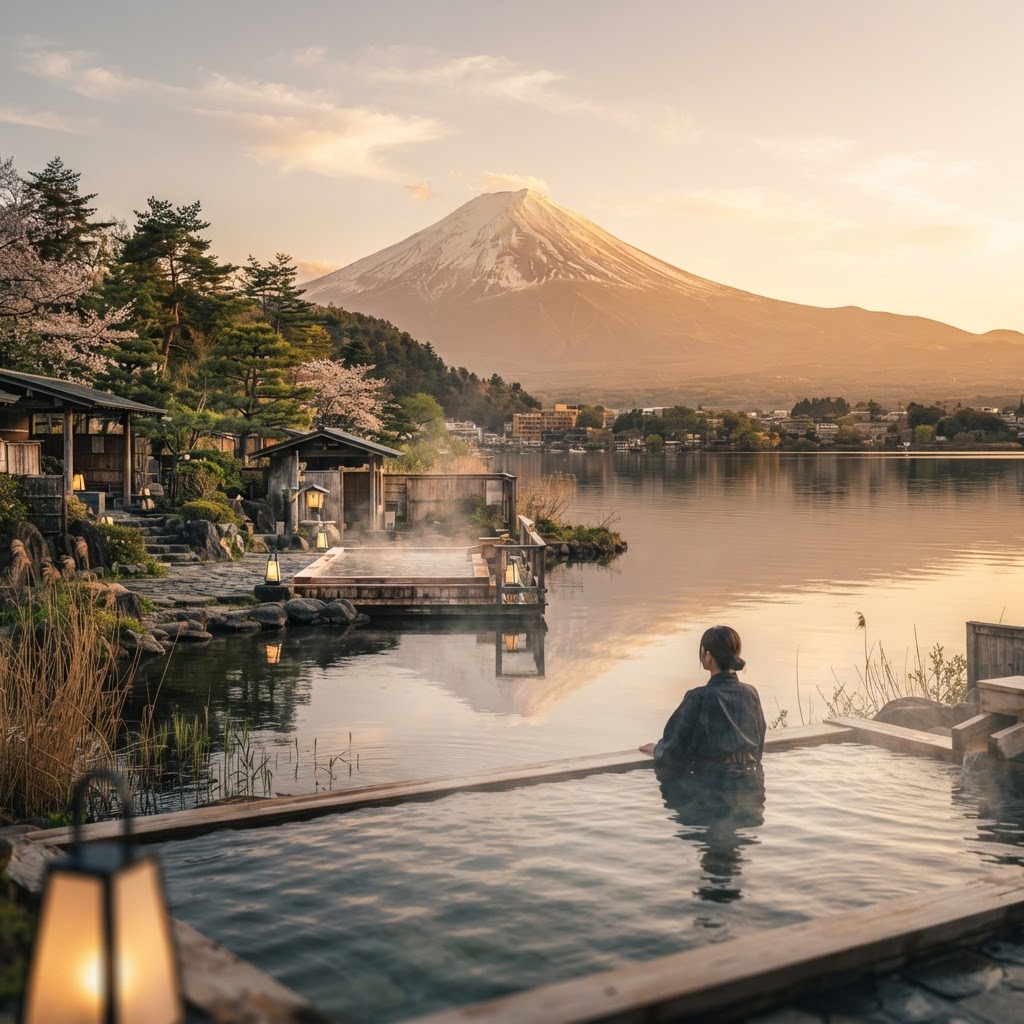
Kawaguchiko & Fuji Five Lakes
Japan
Unrivaled front-row views of Mount Fuji, lakeside onsens, and open mountain air.
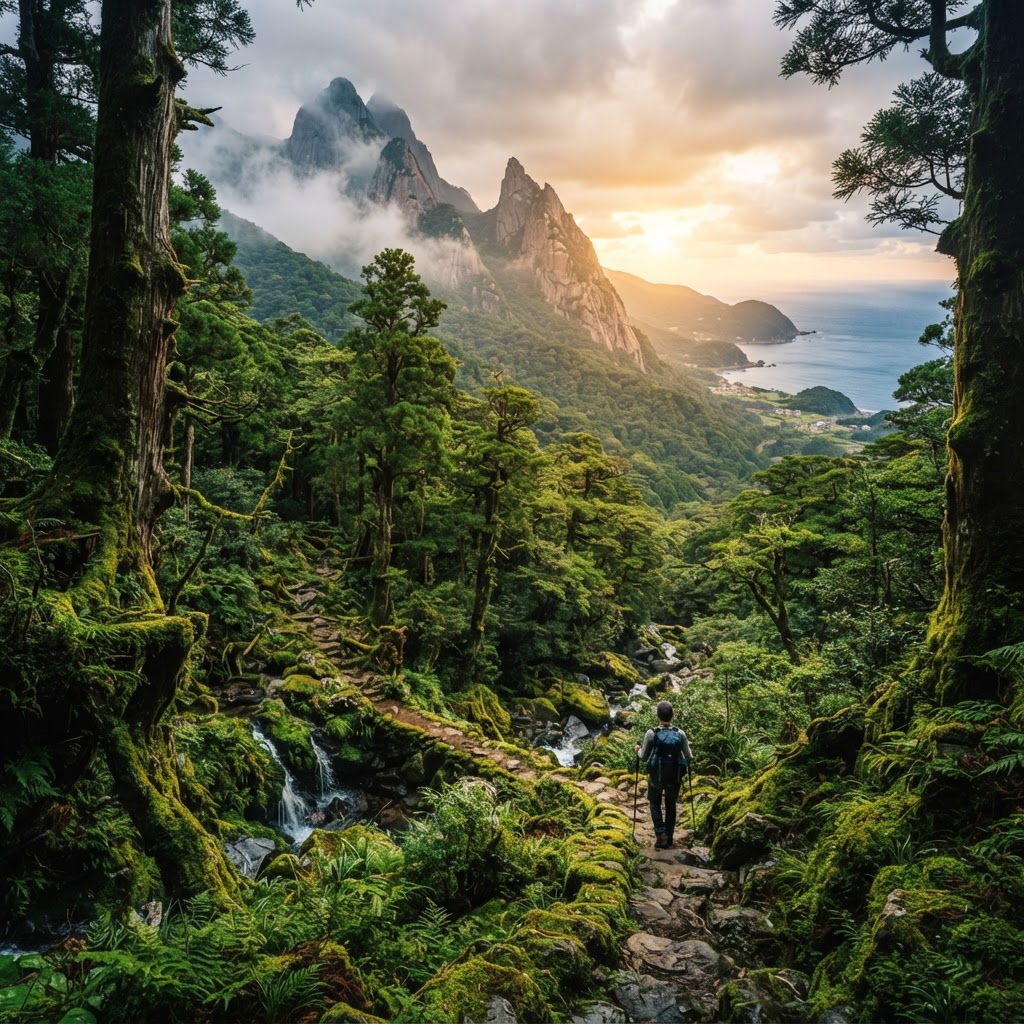
Yakushima, Japan
Japan
Ancient moss-draped cedar forests and misty granite peaks rising abruptly from the Pacific.
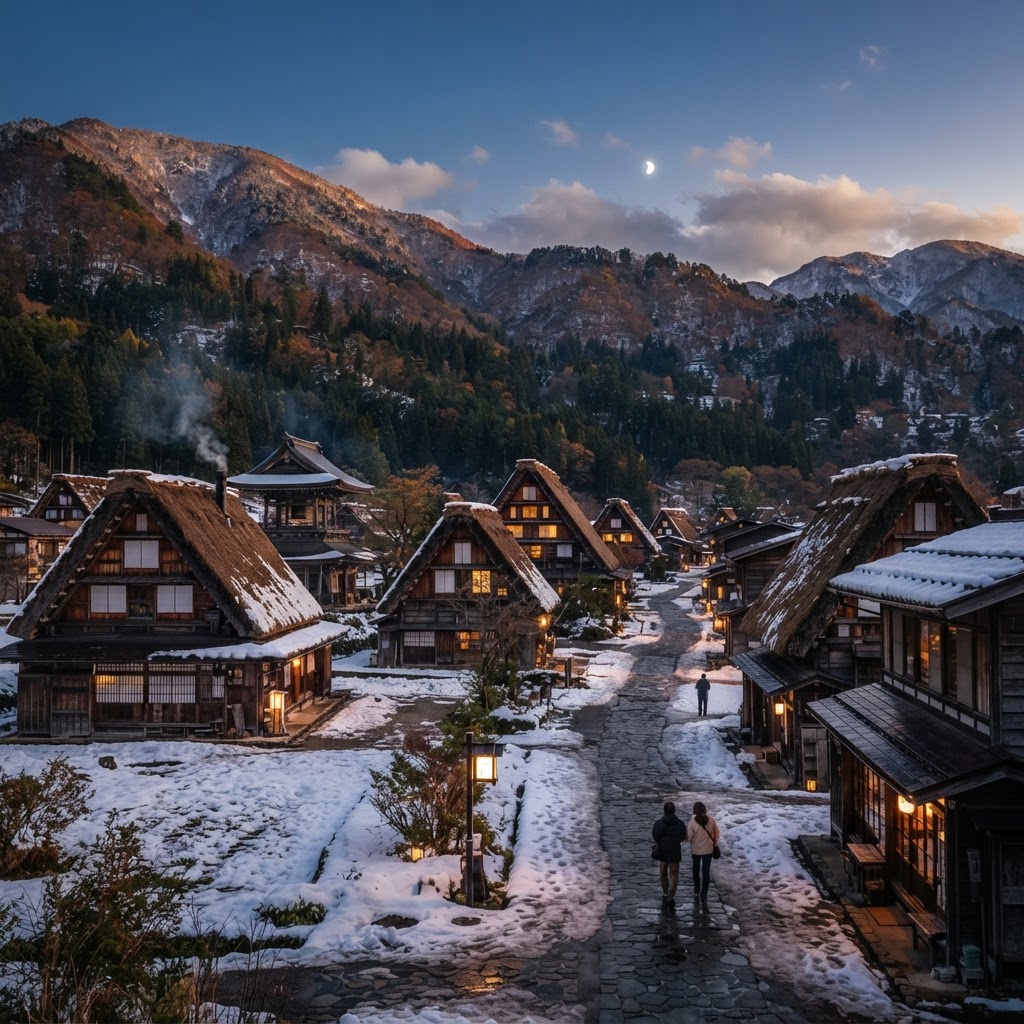
Shirakawa-go, Gifu, Japan
Japan
A living mountain settlement of steep-pitched thatch, silence at dusk, and alpine timbercraft.
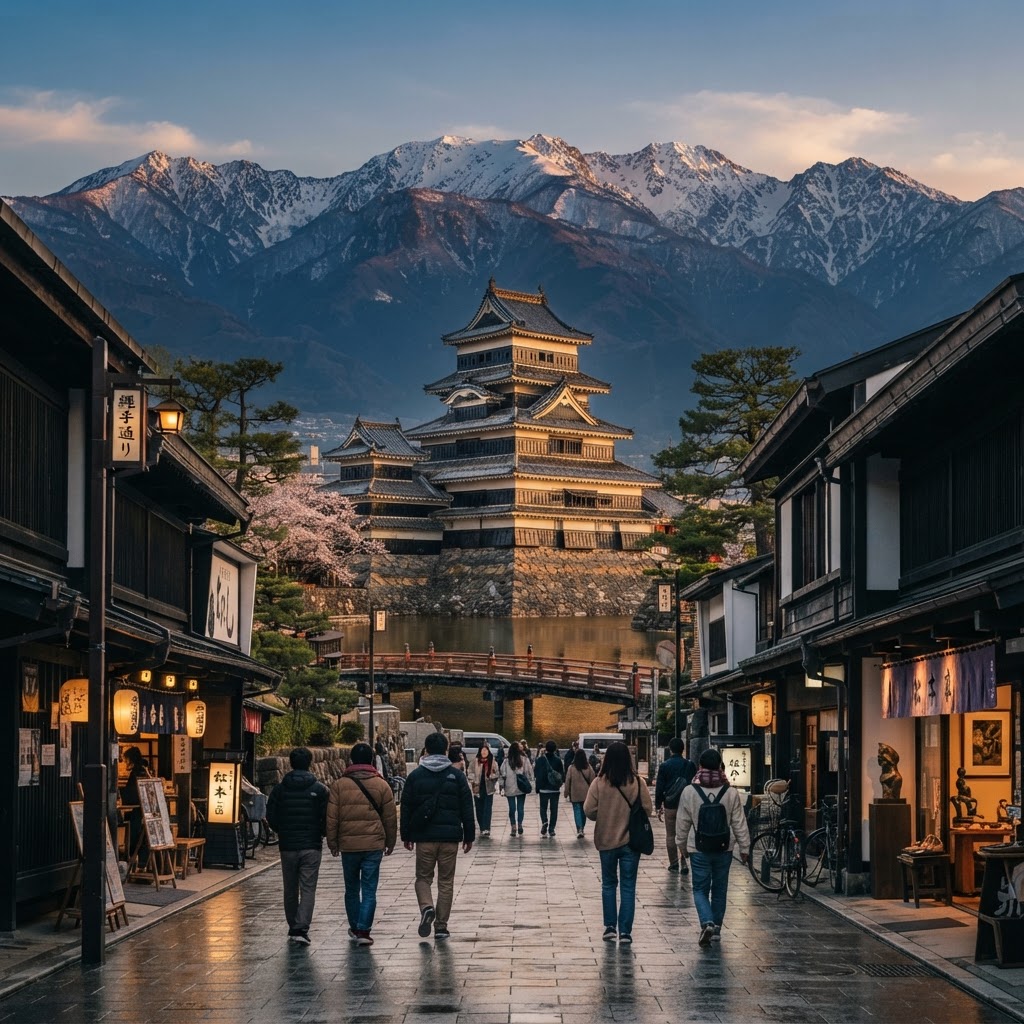
Matsumoto
Japan
Feudal black timber architecture framed by the Northern Alps and alpine art culture
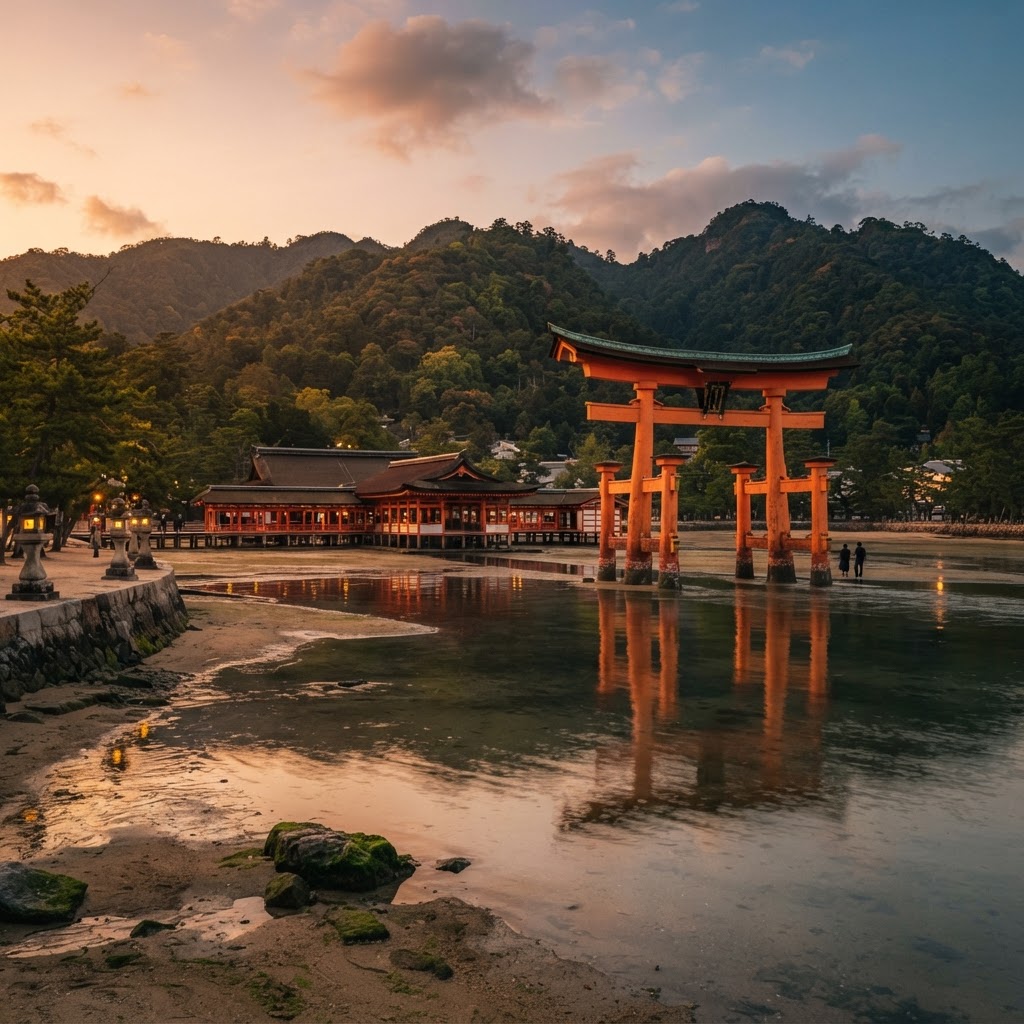
Miyajima (Itsukushima), Japan
Japan
A sacred island of tidal shrines, ancient virgin forest, and silent lantern-lit evenings.
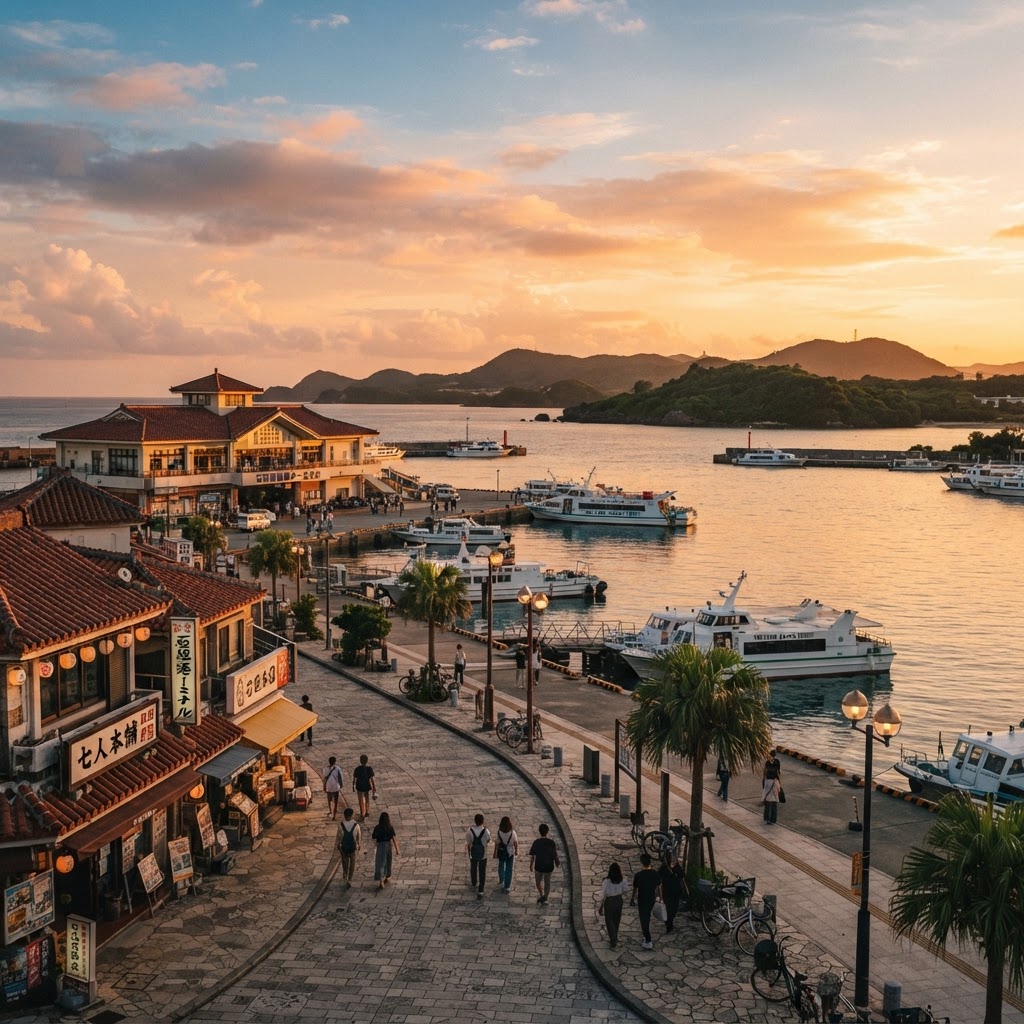
Ishigaki, Japan
Japan
The coral-fringed subtropical gateway to Japan's untamed southern archipelago.
Readymade itineraries
Start from a tested template — then make it yours.
Ready to book
Lock in your Nagano, Japan trip
Everything in one place. We may earn a small commission — it never costs you more.
Plan a trip to Nagano, Japan
Pick a length and we'll build a day-by-day plan around how you travel — neighborhoods clustered, budget-aware, and editable.
Get better at planning trips like this
Occasional notes on planning smarter — no spam, unsubscribe anytime.
Plan a trip to Nagano, Japan
Turn this guide into a day-by-day plan built around your pace, your group, and your budget.
Build my Nagano, Japan trip