Japan
Kawaguchiko & Fuji Five Lakes
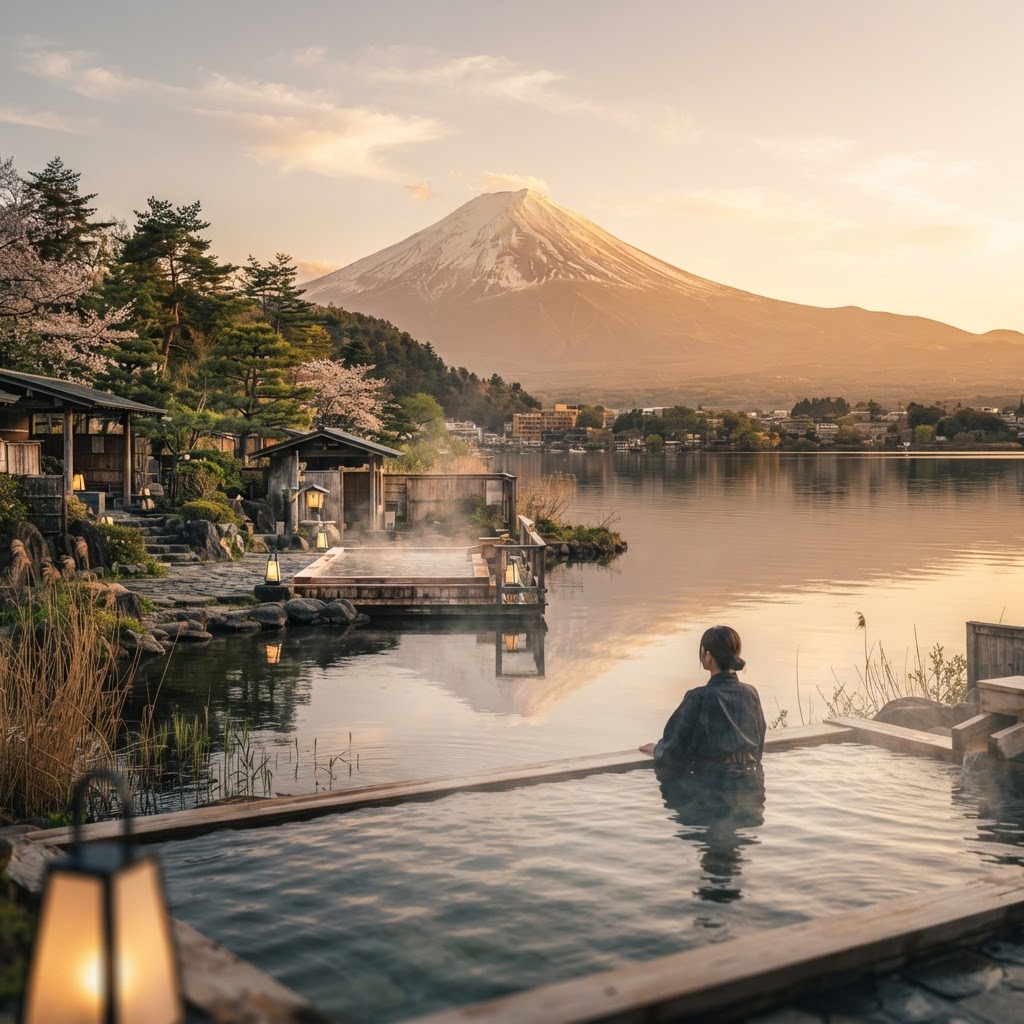
Unrivaled front-row views of Mount Fuji, lakeside onsens, and open mountain air.
Plan & book
Sort your Kawaguchiko & Fuji Five Lakes trip in one place.
We point you to the booking tools we'd actually use — live prices, no markup. Or let us build the day-by-day plan around you first, then book.
Kawaguchiko is the northern gateway to Mount Fuji and the most accessible of the Fuji Five Lakes (Fujigoko). Clustered around deep blue glacial waters, it balances upscale hot-spring ryokan retreats on its northern bank with classic mountain vistas. While tourism can feel dense around the main railway hub, moving just a few kilometers along the shore reveals tranquil pine groves, traditional noodle sheds, and dramatic views of Fuji towering over the lake.
2 nights
Best time
November for blazing maple foliage, or January through February for guaranteed crisp, snow-capped visibility.
Build your own trip with these prebuilt itineraries
Each one is a tested, day-by-day plan for Kawaguchiko & Fuji Five Lakes — start here, then make it yours.
3 Days in Fuji Five Lakes: Outdoor Adventure & Five Lakes Road Trip in Kawaguchiko/Fuji Five Lakes
Self-drive scenic exploration covering the wilder outer lakes, cycling, cave trails around Lake Saiko, and Motosuko watersports
2 Days in Kawaguchiko: Classic Fuji Views & North Shore Highlights in Kawaguchiko/Fuji Five Lakes
First-time visitor focus on iconic viewpoints, Chureito Pagoda, north shore lake views, and onsen ryokan stays
1 Day in Kawaguchiko: Clear Morning Express Trip in Kawaguchiko/Fuji Five Lakes
Fast-paced day-tripper route optimized for catching early morning Fuji visibility before midday clouds roll in
Go for the most dramatic unobstructed angles of Mount Fuji anywhere in Japan, paired with lakeside onsen culture. Unlike Hakone, where Fuji is frequently hidden behind outer crater rims, Kawaguchiko sits directly at the volcano's northern foot, offering crisp reflections on Lake Kawaguchi's surface, access to seasonal flower fields at Oishi Park, and proximity to the forested western lakes like Saiko and Motosuko.
Where to stay
Getting there
Getting around
Food & drink
What it costs
Skip it if
Skip Kawaguchiko if your itinerary has only one day to spare and the mountain weather forecast predicts complete overcast skies or rain, as the town's prime appeal evaporates without visibility. Also skip if you crave vibrant urban nightlife and late-night izakayas; towns around the Five Lakes shut down almost entirely after 8:00 PM.
When to go
Spring cherry blossoms and summer warmth draw staggering crowds, but heavy seasonal haze and frequent cloud blankets regularly hide Mount Fuji for days. Winter trades foliage for biting cold and stark branches, but delivers the driest, clearest skies of the calendar year with snow-topped mountain clarity.
Peak (Late March to Mid-April & Late October to Mid-November)
Peak cherry blossom bloom and autumn foliage bring stunning landscape contrast, but hotel rates triple, bus corridors gridlock, and photo spots like Chureito Pagoda require sunrise queueing.
Shoulder (December to February)
Sub-zero morning temperatures and minimal greenery, but the highest percentage of clear, unobstructed Fuji sighting days paired with uncrowded onsen baths.
Low (June to Early July)
Tsuyu rainy season brings oppressive humidity, heavy cloud cover, and near-zero mountain visibility; visit only for lush hydration and quiet ryokan soaking, not mountain vistas.
Neighborhoods
Where you stay shapes the trip. Here's how to think about it.
Kawaguchiko Station & Town Center
Practical transit crossroads packed with noodle houses, convenience stores, and bus queues.
Best for:Car-free travelers, budget inn seekers, and fast logistics.
Don't miss:A steaming bowl of thick pumpkin houtou noodles at Houtou Fudou right across from the station entrance.
Kawaguchiko North Shore (Asagawa & Ubuyagasaki)
Postcard-perfect ryokan row with postcard-clear water reflections and uninterrupted front-facing Fuji panoramas.
Best for:Luxury hot spring seekers, couples, and sunrise photographers.
Don't miss:The unobstructed waterside path between Ubuyagasaki Cape and the Nagasaki Park viewpoint at dawn.
Oishi & Western North Shore
Spacious, garden-lined lake edge transitioning into rural orchards and quiet shoreline cafes.
Best for:Cyclists, relaxed daytime strolls, and craft boutique browsers.
Don't miss:Walking through Oishi Park toward the Living Center for seasonal lavender or kochia bushes framing the mountain.
Lake Saiko & Nenba
Eerie volcanic forests, cavernous lava tubes, and thatched-roof hamlet stillness away from the tourist crush.
Best for:Active outdoor travelers, campers, and heritage architecture lovers.
Don't miss:The rebuilt thatched minka farmhouses of Saiko Iyashi-no-Sato Nenba framed directly against Mount Fuji.
Fujiyoshida & Shimoyoshida
Gritty, authentic regional town grid filled with nostalgic Showa-era alleys, textile history, and shrine stairs.
Best for:Culture seekers, classic architectural framing, and izakaya dining.
Don't miss:Climbing the 398 steps of Arakurayama Sengen Park at sunrise to see Chureito Pagoda before the tour buses arrive.
Destination intelligence
Updated 9/14/2026The structured record we plan every Kawaguchiko & Fuji Five Lakes itinerary from.
Walkability
Low to Moderate. While the town center around Kawaguchiko Station and flat stretches of the north shore are walkable, sights are spread across multiple lakes requiring bikes, buses, or a car.
Transit quality
Moderate. Good limited express train connections to Tokyo and regular tourist loop buses, but local buses thin out quickly around the outer lakes and run infrequently in the evening.
Car needed
Optional but advantageous. Unnecessary if you only want to visit Kawaguchiko's north shore and Chureito Pagoda, but highly recommended if you want to explore Lake Saiko, Shojiko, or Motosuko without timetable stress.
Ideal duration
2 nights
Minimum useful
1 night
Peak season
Spring (late March to mid-April for cherry blossoms and Fuji Shibazakura Festival) and Autumn (late October to mid-November for maple leaf corridors). Expect packed transit and elevated room rates.
Shoulder season
Winter (December to February). While cold, winter brings the clearest skies of the entire year, dramatically increasing your chances of seeing a crisp, snow-capped Mount Fuji.
Low season
Early summer and rainy season (June to early July). Heavy rainfall and thick cloud cover make Fuji visibility very low, despite warmer weather.
Best for
Common mistakes
- Booking only a single-day trip from Tokyo without checking weather forecasts; cloud cover often obscures Fuji by midday, leaving travelers with zero visibility.
- Booking a hotel on the south shore expecting Fuji views across the lake; only the north shore looks south across the water toward the mountain.
- Attempting to transit between Kyoto/Osaka and Kawaguchiko using local train lines instead of taking the Shinkansen to Mishima and connecting via express bus.
- Relying solely on loop buses during peak autumn foliage or cherry blossom weekends, when traffic gridlock can stall buses for hours.
- Assuming Mount Fuji climbing trails are open year-round; the official summit trail season only runs from early July to early September.
Best nearby
See what a trip to Japan actually costs. Travel Budget Co.
How to plan it
- Stay on the northeast shore if you want Fuji views directly across the lake from your bed, but stay near Kawaguchiko Station if you depend on morning transit links.
- Do not attempt to see Chureito Pagoda, Oishi Park, and Lake Saiko on the same day using solely public buses; loop bus headways and road traffic make this exhausting.
- Book the JR Fuji Excursion limited express train exactly one month ahead at 10:00 AM JST, as seats sell out instantly and local regional connections add significant transfer friction.
- Pair your visit with an overnight in Kofu or Tokyo rather than trying to cross directly over the mountain passes to Hakone in a single afternoon, which requires tedious multi-leg bus hops.
- Plan all major outdoor sightseeing and photography before 10:00 AM, before rising mountain thermals consistently create cloud cover around the volcanic peak.
Questions
More in Japan
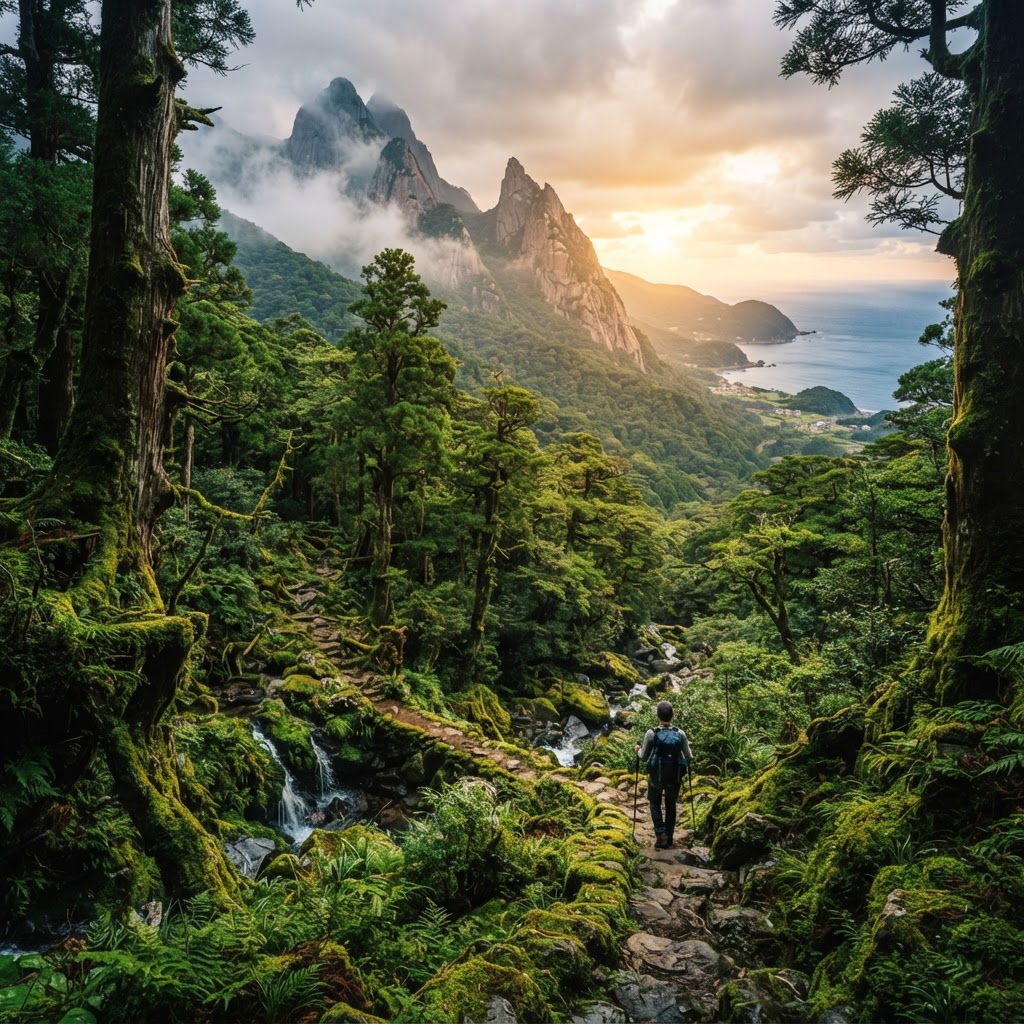
Yakushima, Japan
Japan
Ancient moss-draped cedar forests and misty granite peaks rising abruptly from the Pacific.
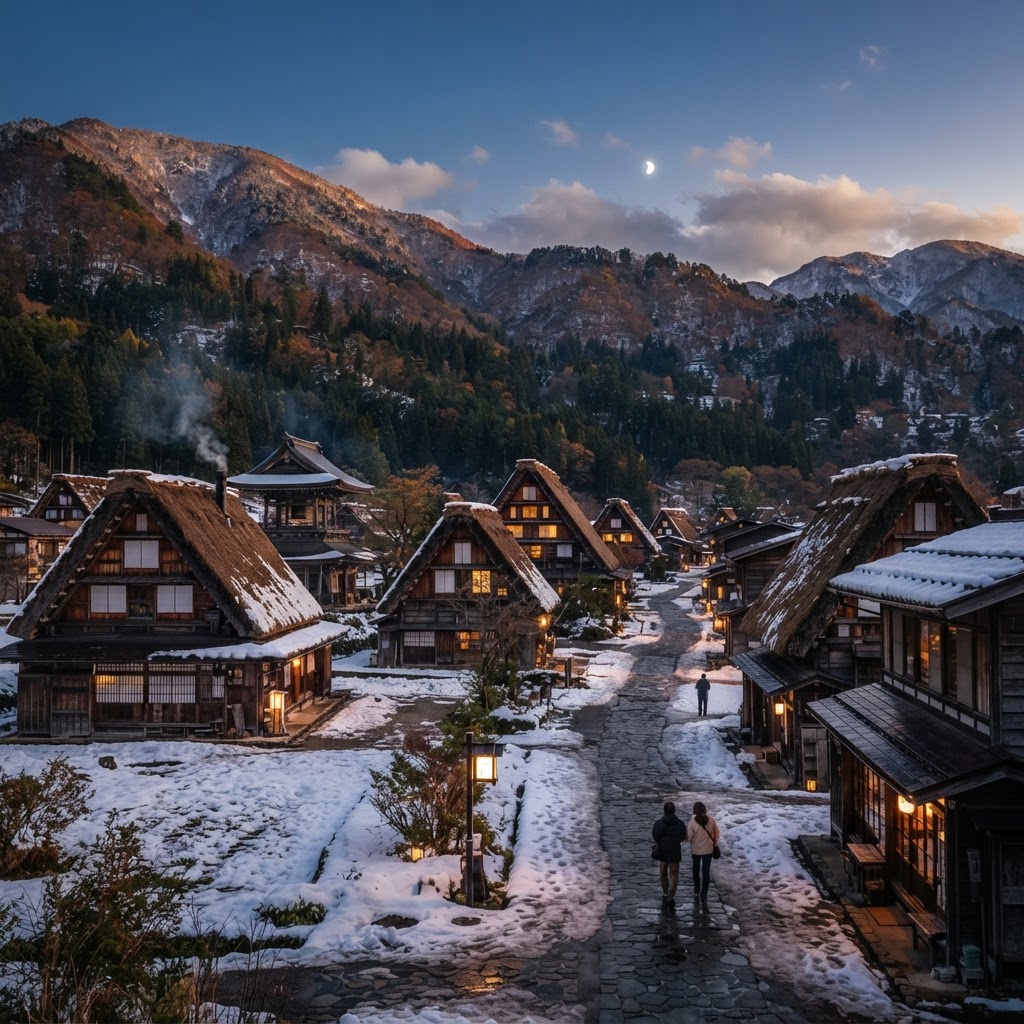
Shirakawa-go, Gifu, Japan
Japan
A living mountain settlement of steep-pitched thatch, silence at dusk, and alpine timbercraft.
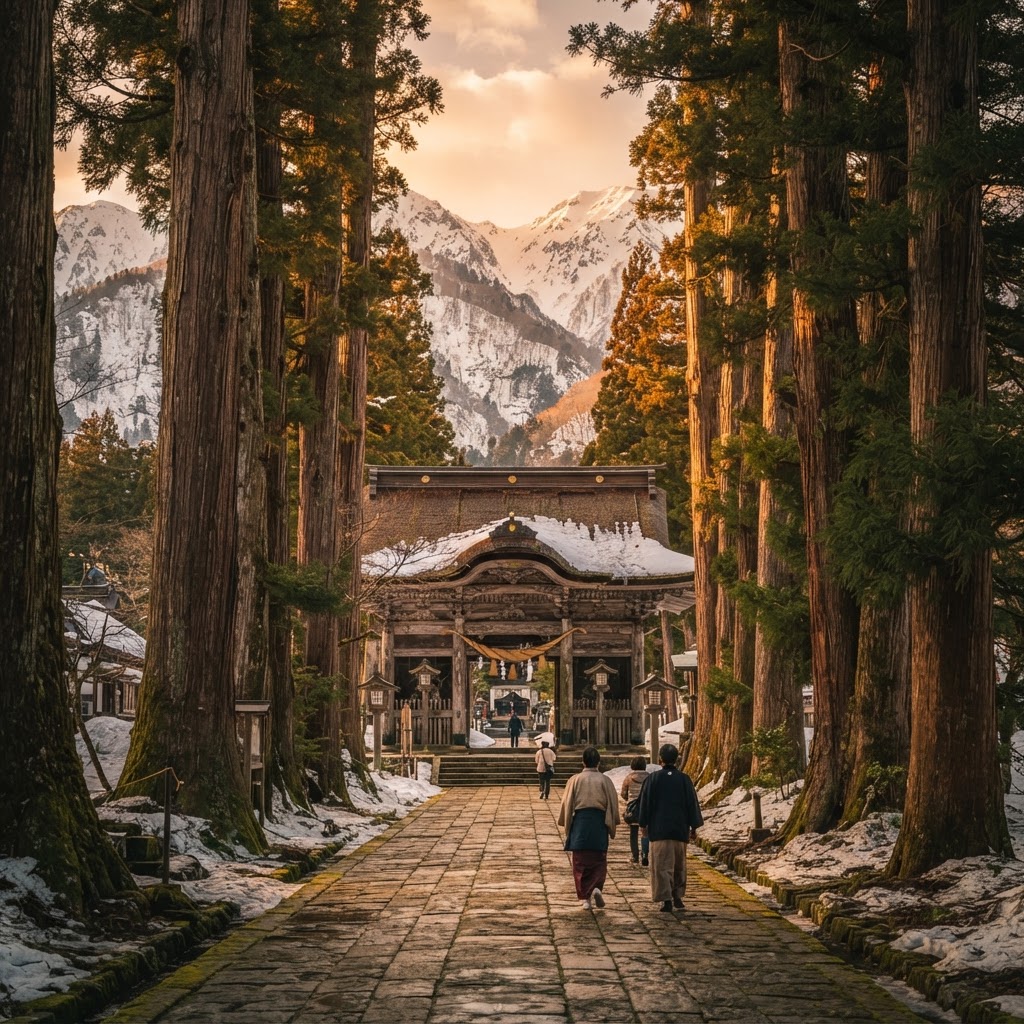
Nagano, Japan
Japan
Pilgrim temples, cedar-lined alpine shrines, and the gateway to Japan's northern powder peaks.
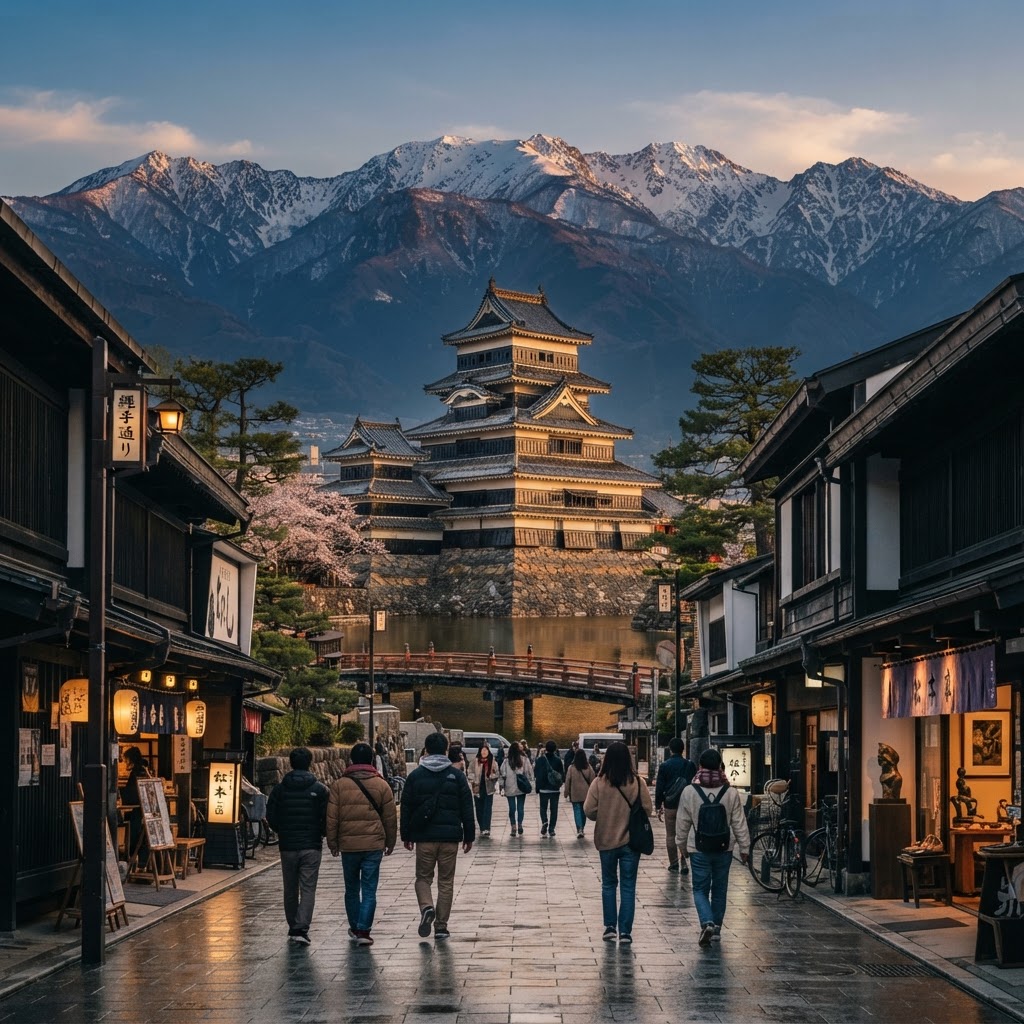
Matsumoto
Japan
Feudal black timber architecture framed by the Northern Alps and alpine art culture
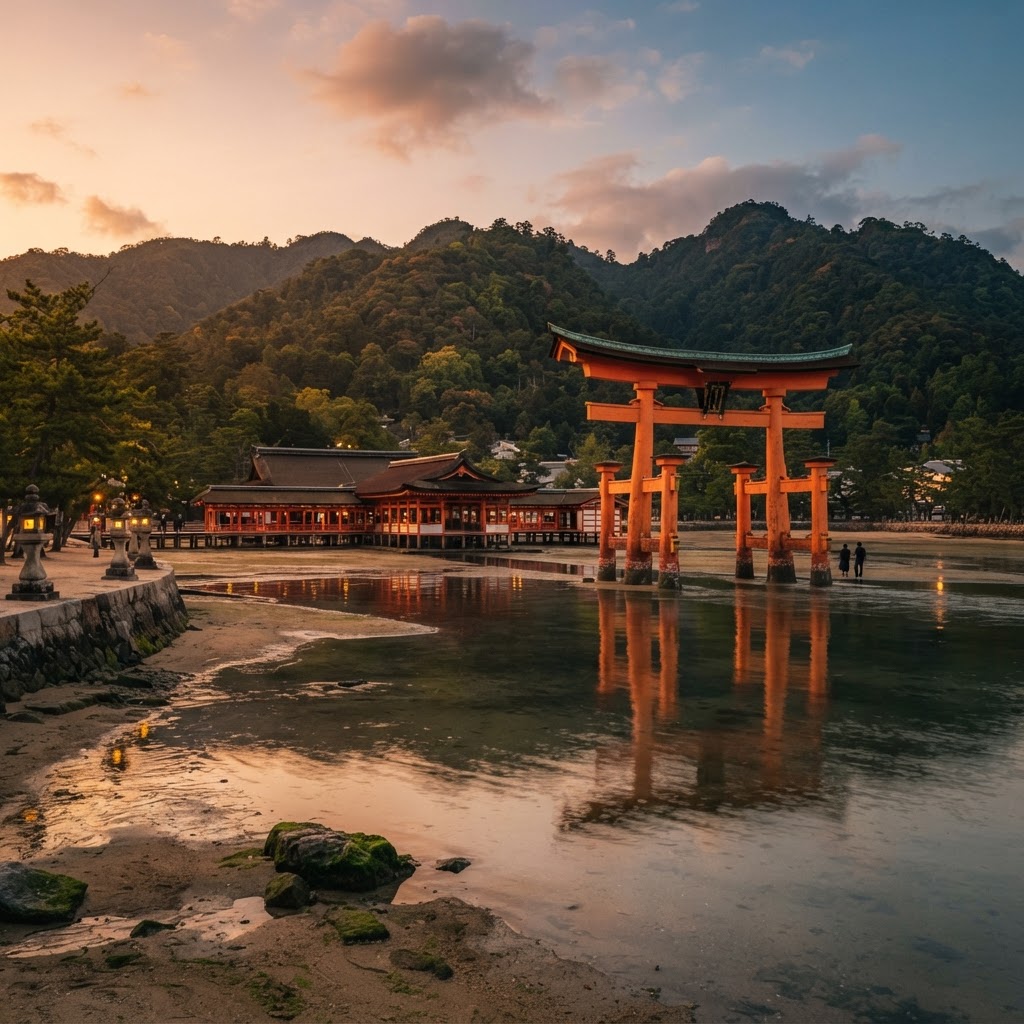
Miyajima (Itsukushima), Japan
Japan
A sacred island of tidal shrines, ancient virgin forest, and silent lantern-lit evenings.
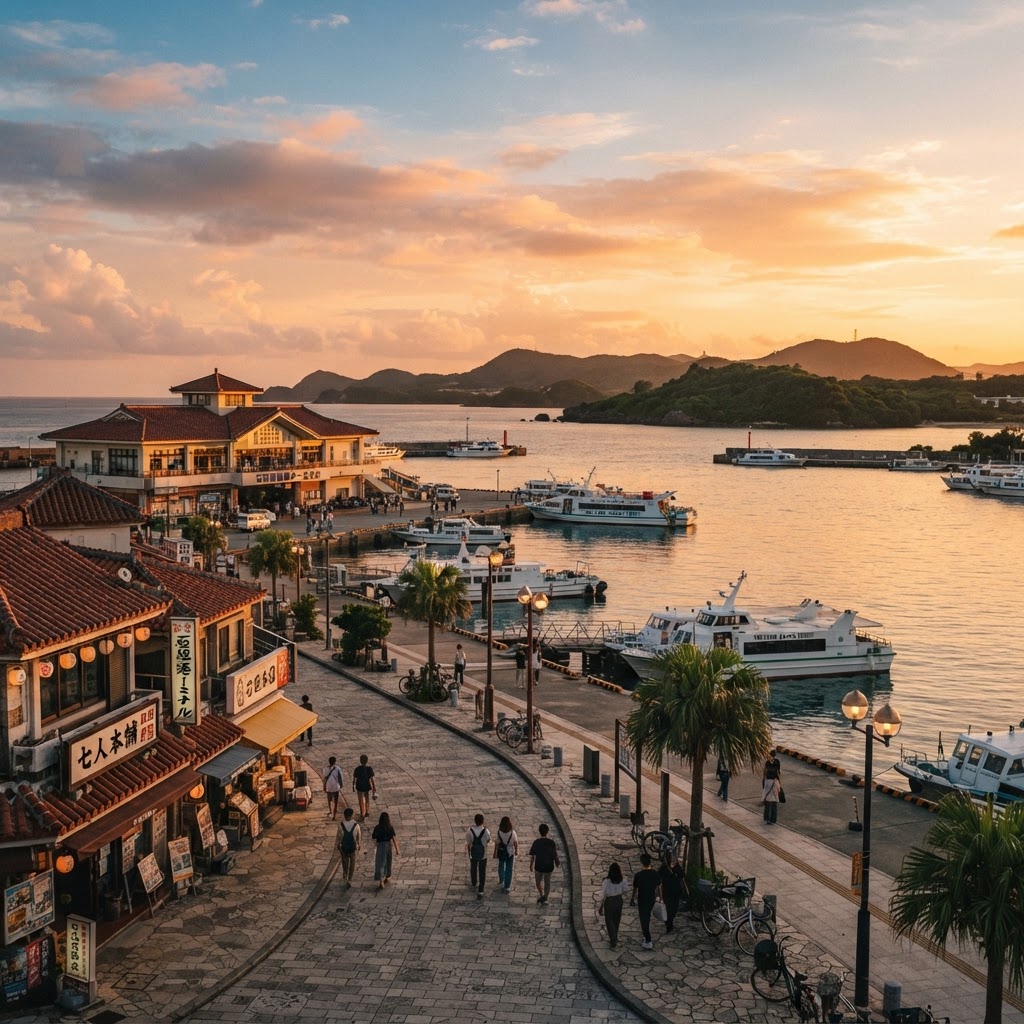
Ishigaki, Japan
Japan
The coral-fringed subtropical gateway to Japan's untamed southern archipelago.
Readymade itineraries
Start from a tested template — then make it yours.
Ready to book
Lock in your Kawaguchiko & Fuji Five Lakes trip
Everything in one place. We may earn a small commission — it never costs you more.
Plan a trip to Kawaguchiko & Fuji Five Lakes
Pick a length and we'll build a day-by-day plan around how you travel — neighborhoods clustered, budget-aware, and editable.
Get better at planning trips like this
Occasional notes on planning smarter — no spam, unsubscribe anytime.
Plan a trip to Kawaguchiko & Fuji Five Lakes
Turn this guide into a day-by-day plan built around your pace, your group, and your budget.
Build my Kawaguchiko & Fuji Five Lakes trip