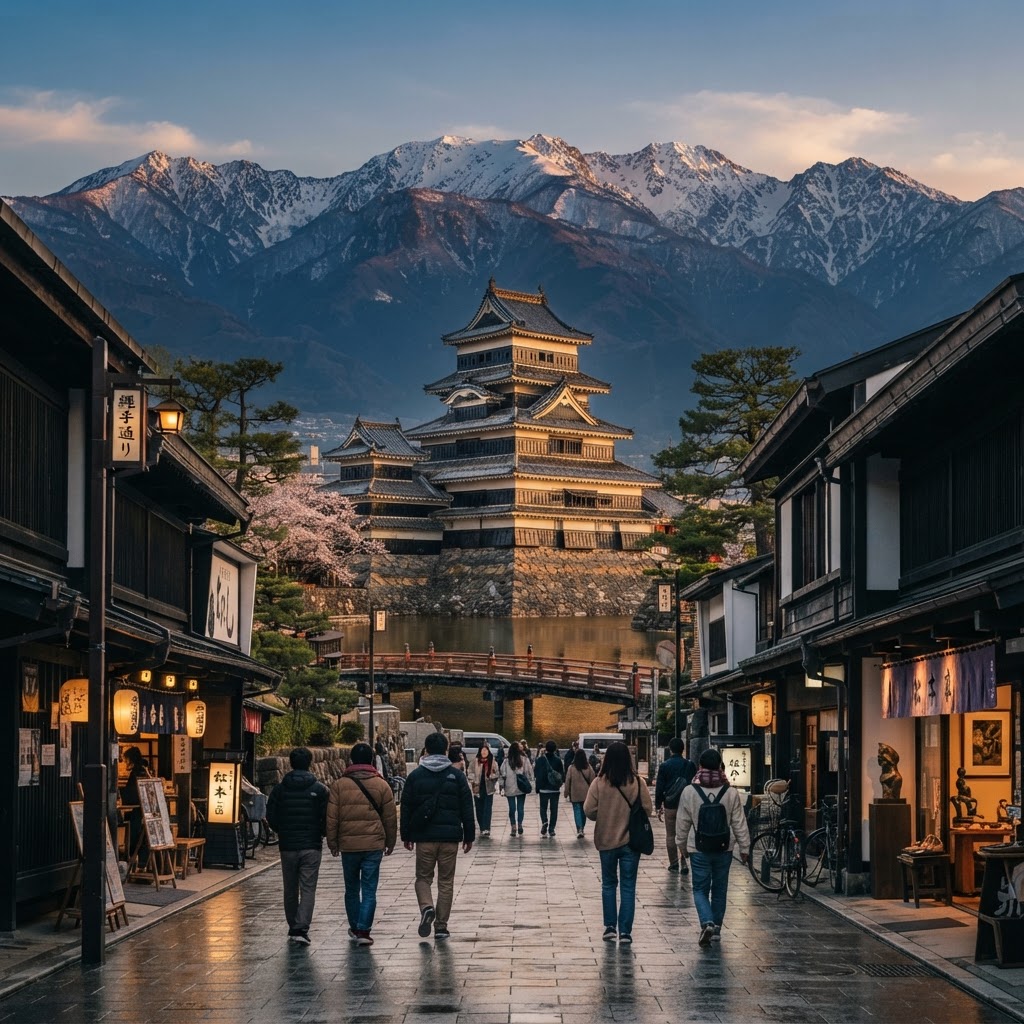
Japan
Matsumoto
Feudal black timber architecture framed by the Northern Alps and alpine art culture
Plan & book
Sort your Matsumoto trip in one place.
We point you to the booking tools we'd actually use — live prices, no markup. Or let us build the day-by-day plan around you first, then book.
Matsumoto is a compact mountain valley castle town in Nagano Prefecture that blends tactile feudal history with a surprisingly progressive contemporary arts scene. Anchored by one of Japan's twelve original wooden keeps and celebrated as the birthplace of Yayoi Kusama, it offers an unhurried, pedestrian-scale alternative to Tokyo's frenzy and Kyoto's oversubscribed temple circuit.
2 to 3 days
Best time
Mid-October through early November for crisp visibility and alpine foliage, or mid-April for cherry blossoms over the moat.
Build your own trip with these prebuilt itineraries
Each one is a tested, day-by-day plan for Matsumoto — start here, then make it yours.
3 Days in Matsumoto: Alpine Gateways & Historic Streets in Matsumoto
Downtown merchant culture paired with a seamless public transit day hike into the Kamikochi valley
1 Day in Matsumoto: The Essential Historic Walk in Matsumoto
A tightly paced, highly walkable cultural circuit covering the castle keep, Nakamachi craft shops, and local soba
2 Days in Matsumoto: Castle Heritage & Contemporary Art in Matsumoto
Historic core exploration, original samurai fortifications, and Yayoi Kusama art without rushing transit
Matsumoto's crowning draw is Matsumoto Castle (the 'Crow Castle'), one of Japan's oldest surviving original keeps dating back to the late 16th century, complete with steep 61-degree wooden defensive stairs rather than a modern concrete reconstruction. Beyond the fortress, the city functions as an extraordinarily manageable cultural hub: Edo-era merchant storehouses along Nakamachi-dori, riverside antique stalls along Nawate-dori, an exceptional municipal art museum, and pure alpine spring water running through street-corner wells fed by snowmelt from the Northern Alps.
Where to stay
Getting there
Getting around
Food & drink
What it costs
Things to do
Book tours & tickets in MatsumotoSkip it if
Skip Matsumoto if your Japan trip is under 8 days and focused solely on the first-timer Golden Route (Tokyo-Kyoto-Osaka), or if someone in your group has severe knee or mobility issues that make ascending near-vertical 61-degree castle steps impossible.
When to go
April brings cherry blossoms over the castle waters, but spring crowds demand booking rooms months early. Late autumn offers empty streets, clear dry skies that showcase the snow-capped Northern Alps, and local shin-soba (new crop buckwheat harvest), avoiding summer valley heat.
Peak (April, October - early November)
Moat-side sakura blooms in mid-April; rich fall foliage against alpine backdrops peaks in late October. Hotels fill completely on weekends; book 3 to 4 months in advance.
Shoulder (May - June, September)
Comfortable daytime temperatures ideal for cycling and day trips up to Kamikochi. Low rain outside the late-June rainy spell, with very manageable room rates.
Low (December - February)
Sub-zero morning temperatures and occasional snow cover, but exceptional crisp air quality that yields the sharpest views of the Alps. Slower pace, zero castle entry queues.
Neighborhoods
Where you stay shapes the trip. Here's how to think about it.
Nakamachi-dori
Revitalized Edo merchant district lined with black-and-white crisscross kura storehouses, artisanal coffee spots, and craft galleries.
Best for:Shoppers, architecture lovers, and travelers wanting historic charm within steps of dining.
Don't miss:Browsing handcrafted timber and ceramic home goods inside former sake and grain warehouses along the Metoba River.
Nawate-dori (Frog Street)
Pedestrianized riverside promenade packed with quirky frog shrines, antique vendors, and street food stalls.
Best for:Families, casual afternoon strolls, and quick snacking between historic sights.
Don't miss:Grabbing fresh taiyaki filled with sweet red bean or custard near the stone guardian frog statues.
Castle District (Marunouchi)
Stately, leafy residential and civic quarter anchored directly against the castle moats and defensive parklands.
Best for:History buffs and early risers wanting morning photography access before coach crowds arrive.
Don't miss:Walking the outer moat path at twilight when the illuminated black keep reflects off still mountain runoff water.
Matsumoto Station & Eki-Mae
Practical transit-oriented hub loaded with izakayas, soba bars, business hotels, and bike hire hubs.
Best for:First-timers, regional transit-switchers heading to Kamikochi, and late-night arrivals.
Don't miss:Ducking into an alleyway tachigui (standing) soba stall right outside the East Exit for fresh Shinshu soba broth.
Asama Onsen
Quiet, traditional hot spring hamlet nestled into the lower mountain slopes 20 minutes north of downtown.
Best for:Couples, relaxation seekers, and travelers wanting a full ryokan and mineral onsen experience without leaving the municipal border.
Don't miss:Soaking in centuries-old thermal spring waters historically favored by the castle's feudal lords.
Destination intelligence
Updated 9/14/2026The structured record we plan every Matsumoto itinerary from.
Walkability
Excellent. Downtown Matsumoto, the castle grounds, Nakamachi, and Nawate streets form a walkable 2-kilometer grid from the central station.
Transit quality
High. Strong limited express rail links to Tokyo and Nagoya, supplemented by local Town Sneaker loop buses and the Matsumoto Dentetsu Kamikochi railway line.
Car needed
No. A car is an active disadvantage in the central historic core; public transit and tour shuttles handle all primary urban sights and regional links.
Ideal duration
2 to 3 days
Minimum useful
1 day (or a long day trip from Tokyo)
Peak season
April (cherry blossoms over the castle moat) and October to early November (vibrant autumn foliage against the snow-dusted Alps).
Shoulder season
May to June and September (pleasant alpine weather, manageable crowds, and open hiking trails in neighboring valleys).
Low season
December to February (cold, crisp winter temperatures, occasional snowfall, but clear alpine skyline views and minimal tourist volume).
Best for
Common mistakes
- Treating it strictly as a 3-hour transit stop to see only the castle exterior before rushing onto Takayama, missing the evening dining and craft beer culture
- Attempting to drive a private rental car directly into Kamikochi, which is legally closed to private vehicles year-round and requires transferring to a designated bus or taxi
- Visiting the castle interior in mid-afternoon during peak autumn or golden week without factoring in the 45-to-60-minute queue to ascend the narrow single-file interior wooden ladders
- Failing to note that the Japan Ukiyo-e Museum is located on the city outskirts and requires an intentional taxi ride or specific train/bus schedule, rather than being clustered with the downtown sights
Best nearby
See what a trip to Japan actually costs. Travel Budget Co.
How to plan it
- Base yourself near Matsumoto Station if heading early to Kamikochi or Narai-juku, but choose the Castle District or Nakamachi for historic atmosphere.
- Pair Matsumoto directly with Takayama or Kanazawa via mountain highway bus across the Northern Alps rather than backtracking to Tokyo.
- Do not schedule your Matsumoto Castle interior climb during mid-day tour bus hours; enter at 8:30 AM right when gates open to avoid bottlenecking on the narrow 61-degree wooden stairs.
- If planning Kamikochi as a day trip between mid-April and mid-November, purchase your Alpico round-trip train-and-bus ticket at Matsumoto Station the evening prior to catch the first morning departure.
- Reserve the Matsumoto City Museum of Art tickets ahead if visiting during major temporary exhibitions, though the permanent Kusama Yayoi collection can usually be booked day-of.
Questions
More in Japan
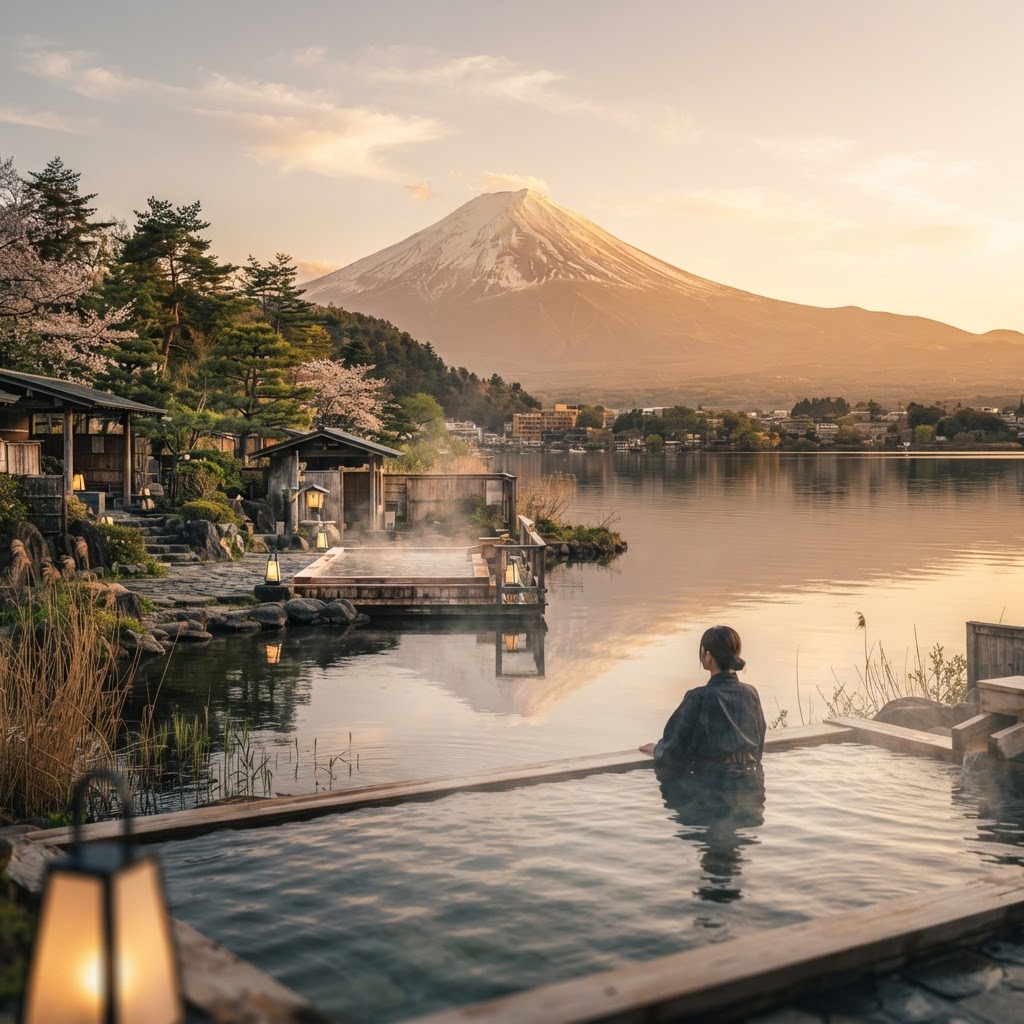
Kawaguchiko & Fuji Five Lakes
Japan
Unrivaled front-row views of Mount Fuji, lakeside onsens, and open mountain air.
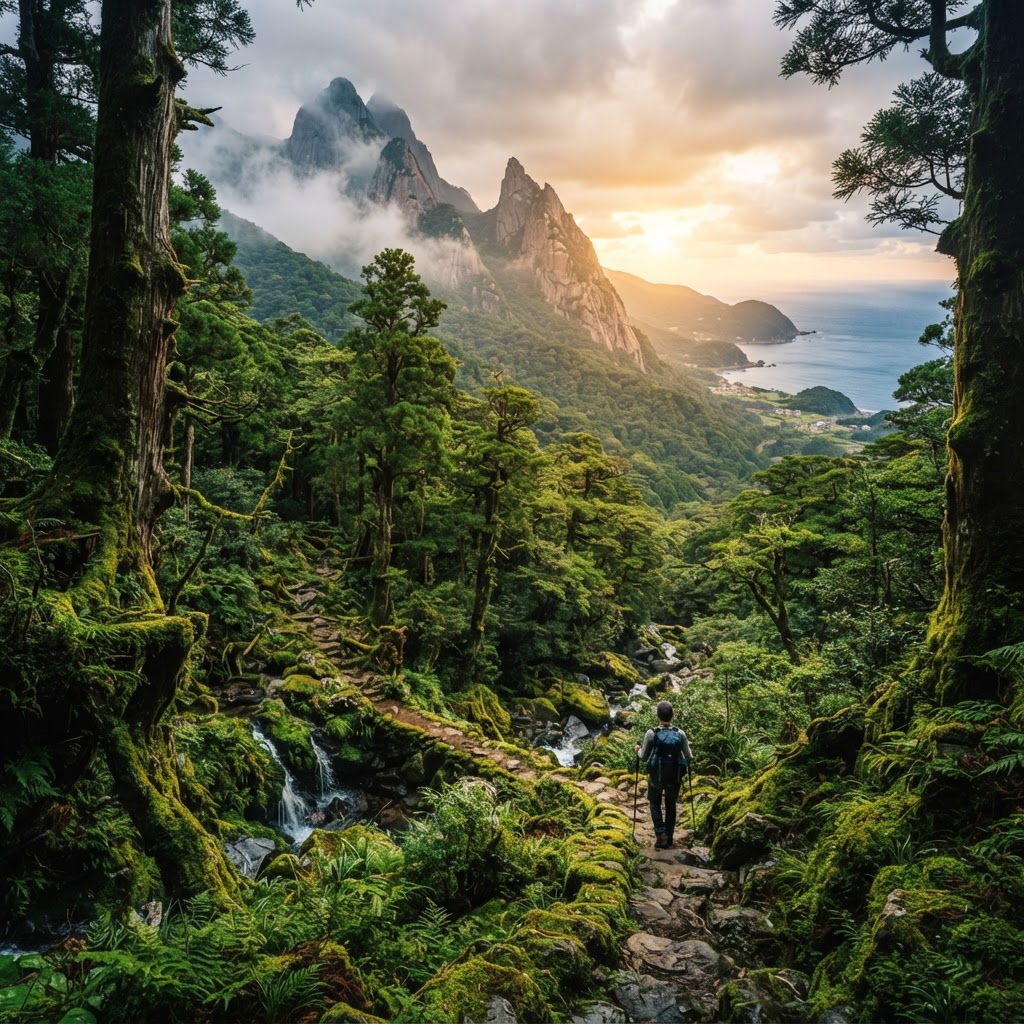
Yakushima, Japan
Japan
Ancient moss-draped cedar forests and misty granite peaks rising abruptly from the Pacific.
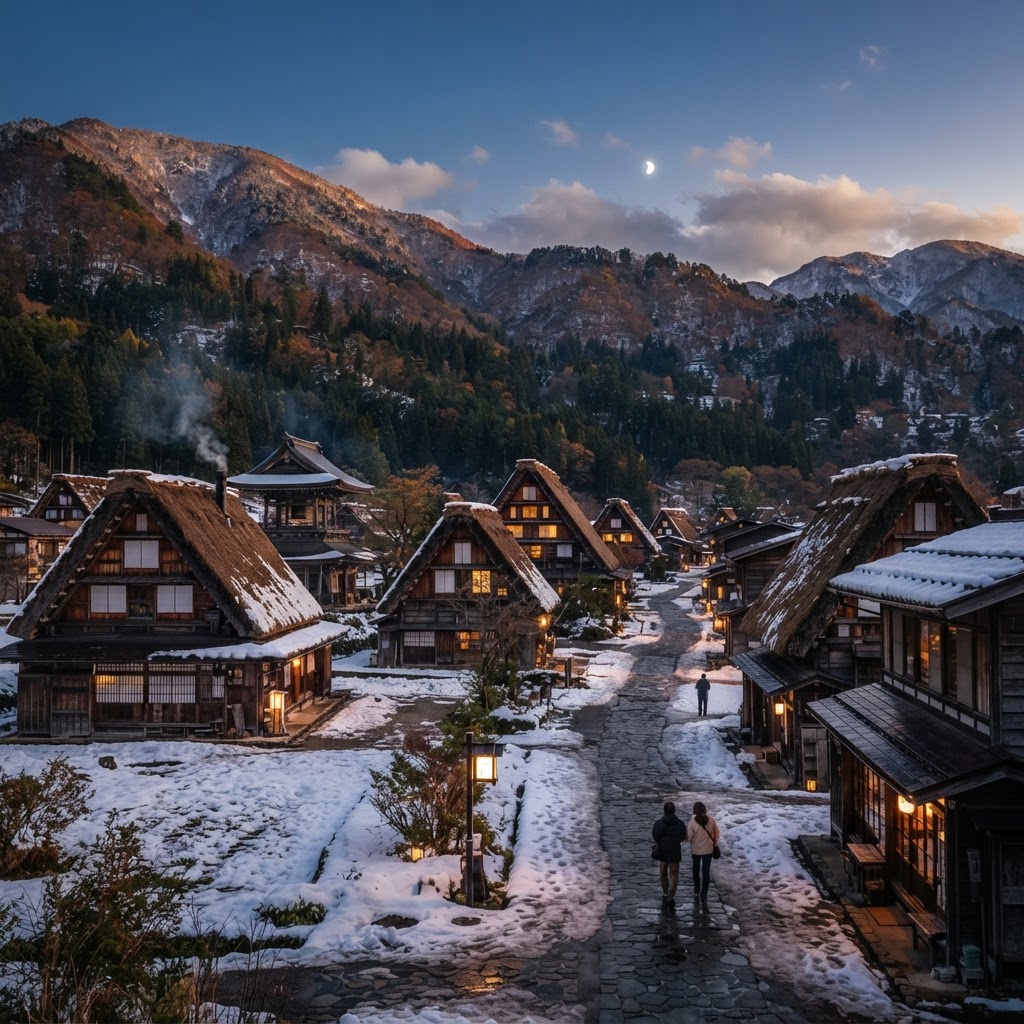
Shirakawa-go, Gifu, Japan
Japan
A living mountain settlement of steep-pitched thatch, silence at dusk, and alpine timbercraft.
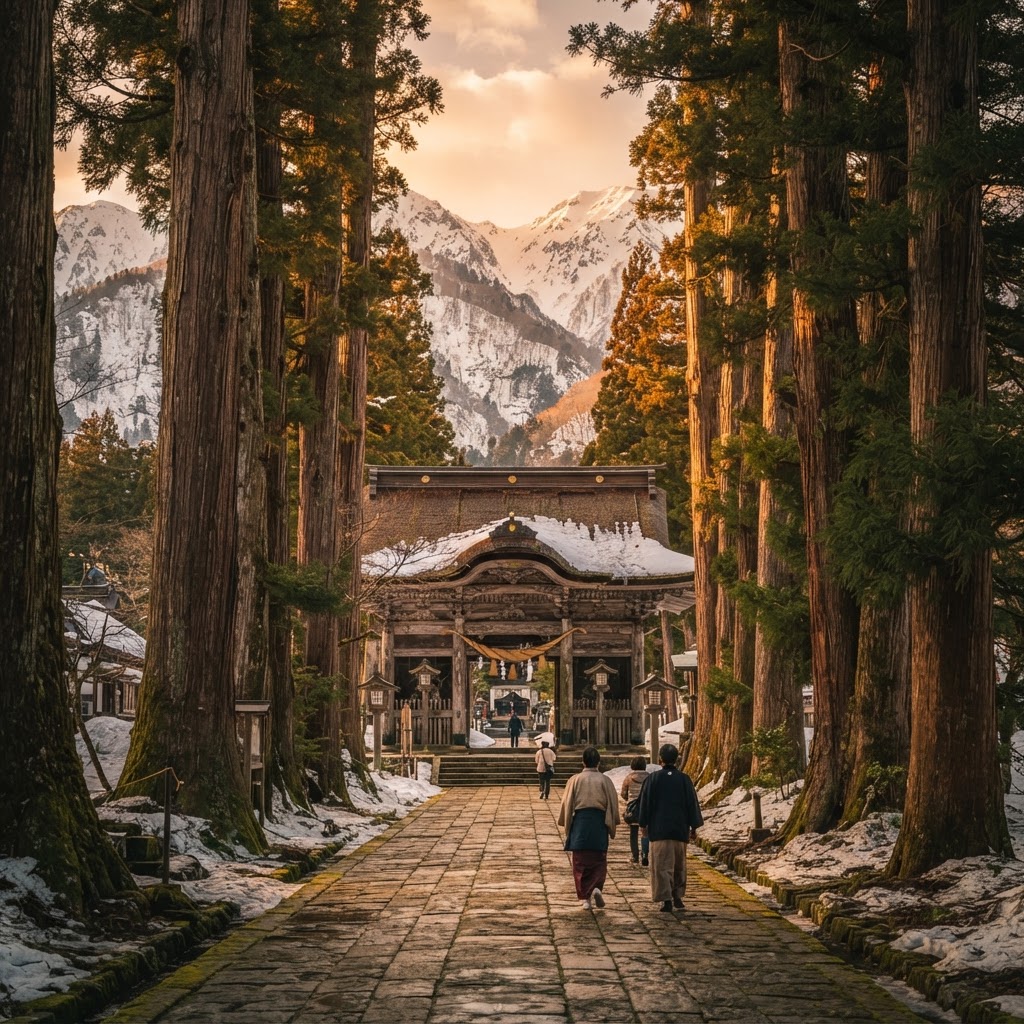
Nagano, Japan
Japan
Pilgrim temples, cedar-lined alpine shrines, and the gateway to Japan's northern powder peaks.
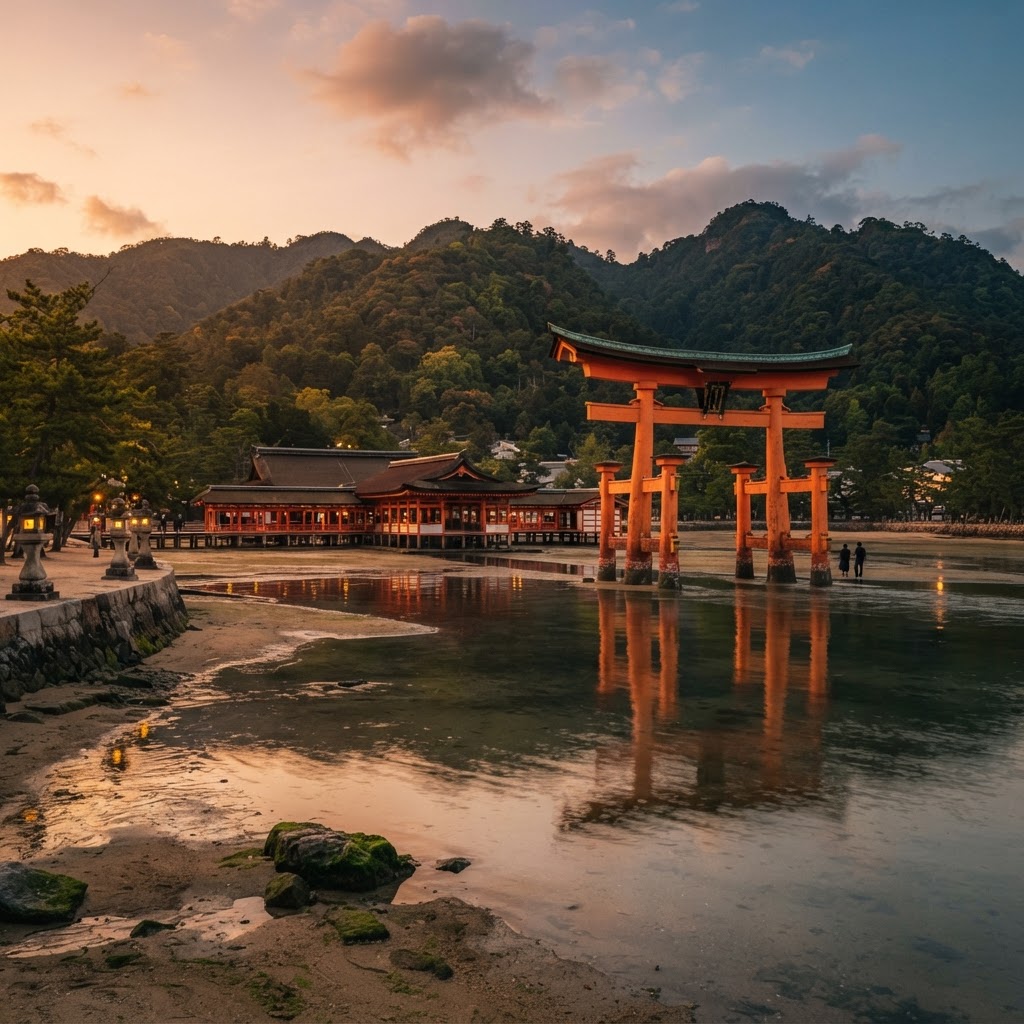
Miyajima (Itsukushima), Japan
Japan
A sacred island of tidal shrines, ancient virgin forest, and silent lantern-lit evenings.
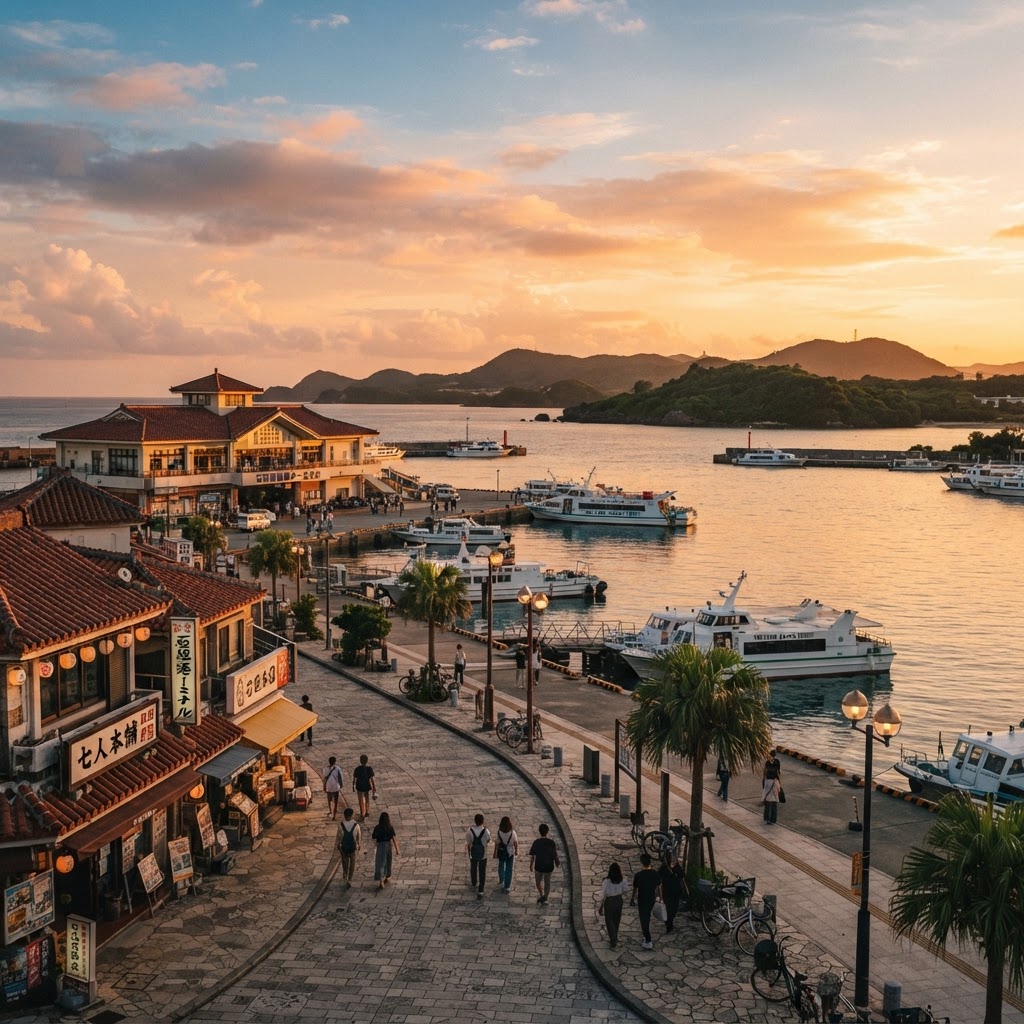
Ishigaki, Japan
Japan
The coral-fringed subtropical gateway to Japan's untamed southern archipelago.
Readymade itineraries
Start from a tested template — then make it yours.
Ready to book
Lock in your Matsumoto trip
Everything in one place. We may earn a small commission — it never costs you more.
Plan a trip to Matsumoto
Pick a length and we'll build a day-by-day plan around how you travel — neighborhoods clustered, budget-aware, and editable.
Get better at planning trips like this
Occasional notes on planning smarter — no spam, unsubscribe anytime.
Plan a trip to Matsumoto
Turn this guide into a day-by-day plan built around your pace, your group, and your budget.
Build my Matsumoto trip