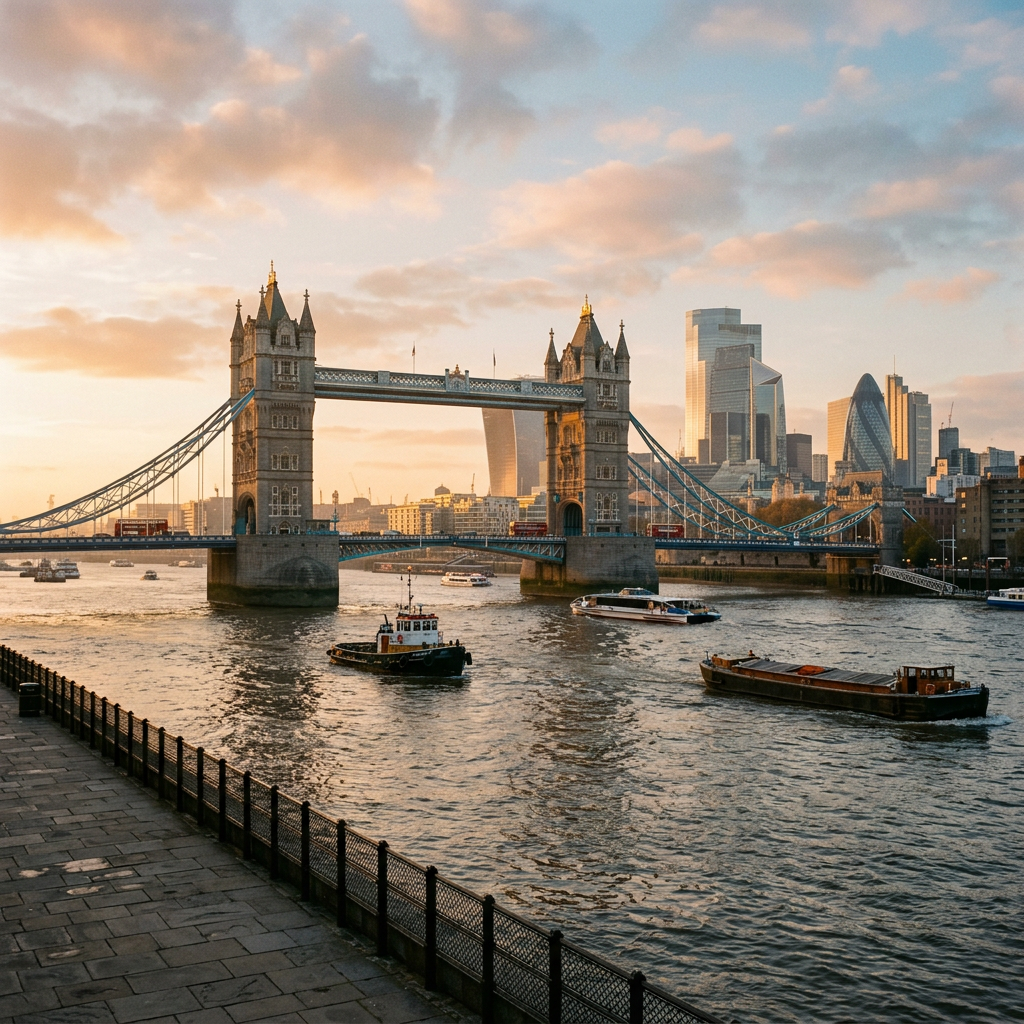
United Kingdom
London
A relentless collision of imperial history, global food halls, and distinct walkable urban villages.
Plan & book
Sort your London trip in one place.
We point you to the booking tools we'd actually use — live prices, no markup. Or let us build the day-by-day plan around you first, then book.
London is not a singular monolithic city; it is a sprawling constellation of distinct historical villages stitched together by the world's most intricate transit network. From the classical museum corridors of South Kensington to the industrial creative warehouses of Shoreditch and the tree-lined mews of Bloomsbury, it offers unmatched cultural depth. Massive civic collections remain largely free of charge, side by side with cutting-edge culinary scenes and preserved royal parklands.
6 to 7 days
Best time
May to June or September to October.
Build your own trip with these prebuilt itineraries
Each one is a tested, day-by-day plan for London — start here, then make it yours.
5 Days in London with Kids
london with kids itinerary 5 days
3 Days in London for First-Time Visitors
3 days in london first time
4 Days in London with Teenagers
london with teenagers itinerary
5 Days in London Without a Car
london without a car itinerary 5 days
London delivers world-class culture with extraordinary democratic access: the British Museum, Tate Modern, National Gallery, and Victoria & Albert Museum charge zero baseline admission. Few places on earth pair 2,000 years of visible history—from Roman city walls to Norman fortresses—with an electrifying modern dining scene that spans historic pub roasts to South Asian curry institutions along Brick Lane.
Where to stay
Getting there
Getting around
Food & drink
What it costs
Things to do
Book tours & tickets in LondonSkip it if
Skip London if your primary travel goal is a low-stress, quiet countryside retreat or a budget European holiday where top-tier lodging costs under £100 a night. It is also not ideal for travelers who dislike heavy pedestrian crowds, brisk urban transit commutes, and unpredictable rainfall.
When to go
Late spring delivers long daylight hours and parks in bloom before peak summer heat and school-break gridlock arrive. Early autumn pairs mild walking weather and full theatrical schedules with significantly shorter queues at major collections.
Peak (July to August & late December)
Expect humid Tube cars without air conditioning, premium room rates, and dense crowds at Westminster and the Tower. Book gallery slots weeks ahead.
Shoulder (April to June & September to October)
The sweet spot with brisk, walkable weather, prime park seating, and standard museum flow, though hotel pricing remains moderately high.
Low (January to early March)
Short daylight hours (sunset around 4:00 PM) and chilly rain, but the lowest hotel rates of the year and crowd-free galleries at the British Museum and Tate Britain.
Neighborhoods
Where you stay shapes the trip. Here's how to think about it.
Bloomsbury & Fitzrovia
Leafy garden squares, Georgian brick facades, literary history, and low-key wine bars.
Best for:Walkers, culture-focused first-timers, and readers wanting quiet streets 10 minutes from the West End.
Don't miss:The Wellcome Collection's quirky exhibits followed by an espresso on Lamb's Conduit Street.
South Bank & Bankside
Bustling Thames riverside promenade lined with Brutalist arts complexes, street performers, and rail bridges.
Best for:Families, modern art lovers, and travelers who want pedestrian access to Westminster and the City.
Don't miss:Catching a modern drama at the National Theatre or walking the riverside trail past Borough Market to Tate Modern.
Shoreditch & Spitalfields
Converted Victorian industrial warehouses, boundary-pushing independent bistros, vintage clothing markets, and vibrant street art.
Best for:Solo travelers, foodies, and night owls wanting high-energy dining and nightlife away from tourist corridors.
Don't miss:Salt beef bagels at Beigel Bake on Brick Lane, followed by vintage browsing at Old Spitalfields Market.
South Kensington
Stately stucco museum quarter framed by embassies, curated private mews, and French patisseries.
Best for:Families visiting major museums and luxury travelers prioritizing historic elegance over late-night buzz.
Don't miss:The cast courts and fashion galleries at the Victoria and Albert Museum (V&A).
Soho & Covent Garden
Dense, caffeinated pedestrian grid packed with theaters, century-old pubs, cocktail dens, and shopping alleys.
Best for:Theatergoers and energetic travelers who insist on stepping directly out of their lobby into the action.
Don't miss:Pre-theater dim sum in Chinatown along Gerrard Street or espresso at Bar Italia on Frith Street.
Money & essentials
Currency
GBP
Language
English
Tipping
Tipping is customary but optional; restaurants often add a discretionary 12.5% service charge, otherwise 10–15% is standard, and rounding up fares is common for taxis.
Destination intelligence
Updated 9/15/2026The structured record we plan every London itinerary from.
Airports
Heathrow Airport (LHR), Gatwick Airport (LGW), Stansted Airport (STN), Luton Airport (LTN), London City Airport (LCY), London Southend Airport (SEN)
Walkability
High within individual boroughs and central corridors; however, the sheer scale of Greater London requires using the Tube, Elizabeth line, or buses to connect disparate districts.
Transit quality
World-class; comprehensive Underground, Overground, suburban rail, and bus routes run frequent services with universal contactless payment.
Car needed
Never within London. Driving involves punitive Congestion Charges, Ultra Low Emission Zone (ULEZ) daily fees, severe traffic, and virtually zero tourist parking.
Ideal duration
6 to 7 days
Minimum useful
4 days
Peak season
June through August, plus the mid-to-late December holiday shopping period; expect elevated hotel rates, long attraction queues, and heavy tourist crowds.
Shoulder season
April to May and September to October; comfortable walking weather, vibrant parks, and manageable museum crowds.
Low season
January to early March; coldest and rainiest weather with short daylight hours, but significantly lower hotel prices and quiet museum galleries.
Best for
Common mistakes
- Buying single-journey paper Tube tickets or overpaying for an Oyster card when standard contactless payment cards and mobile wallets offer the exact same low fares and daily caps
- Trying to cross the entire city multiple times a day instead of clustering activities strictly by neighborhood
- Taking an expensive black cab or private transfer from Heathrow when the Elizabeth line is faster, reliable, and costs a fraction of the price
- Queueing on the day for major sights like the Tower of London or the London Eye without reserving timed-entry tickets online in advance
- Assuming every museum charges admission and skipping smaller gems like the Sir John Soane's Museum or the Wallace Collection
Best nearby
How to plan it
- Get a contactless card and tap the Tube — daily spending caps automatically.
- Cluster days by neighborhood, not by monument.
- Do one free museum a day — they're world-class and they're free.
- Eat at a pub at least once; that's where London actually hangs out.
- Book the London Eye, Tower of London, and big shows ahead in summer.
Questions
More in United Kingdom

Stonehenge & Salisbury, Wiltshire
United Kingdom
Beyond the standing stones: medieval spires, original charters, and ancient landscapes
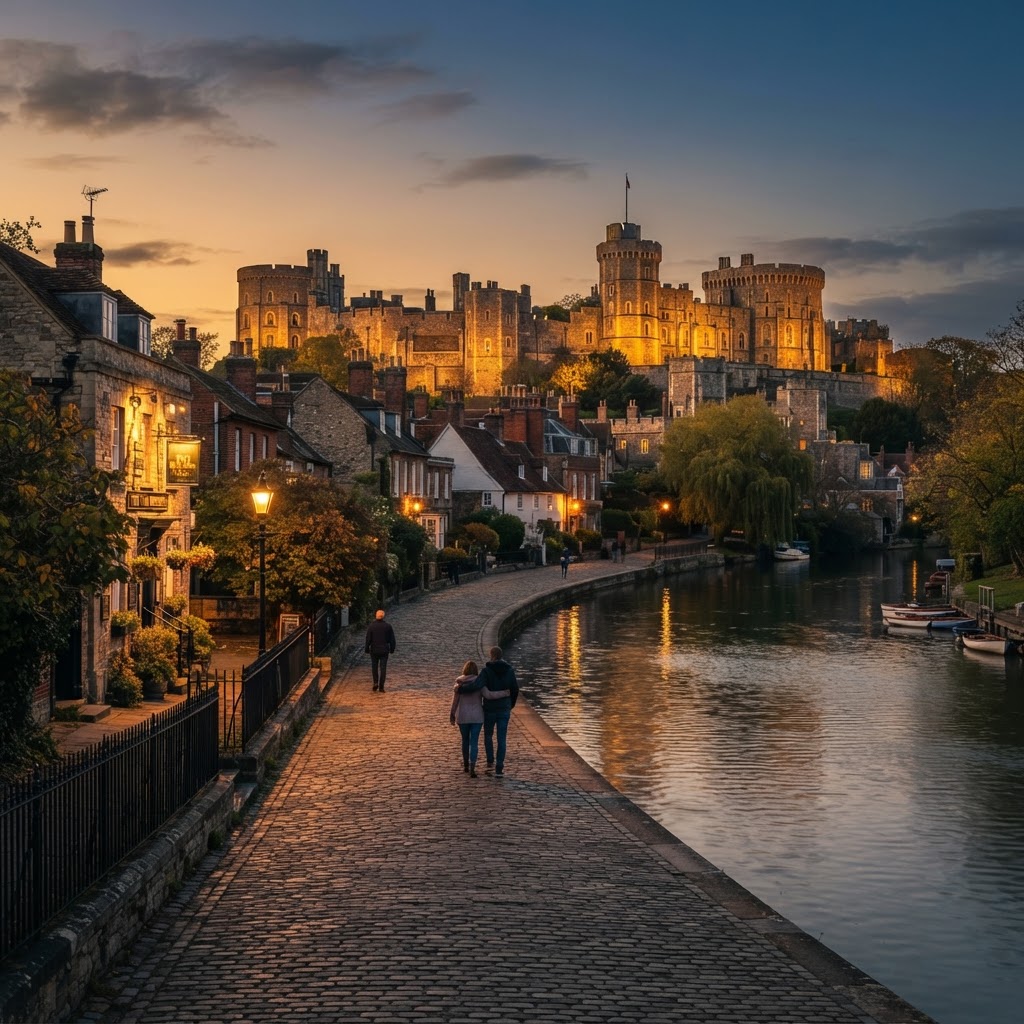
Windsor, England
United Kingdom
Beyond the royal gates, an intimate Thames-side enclave best savored after the day-trippers depart.
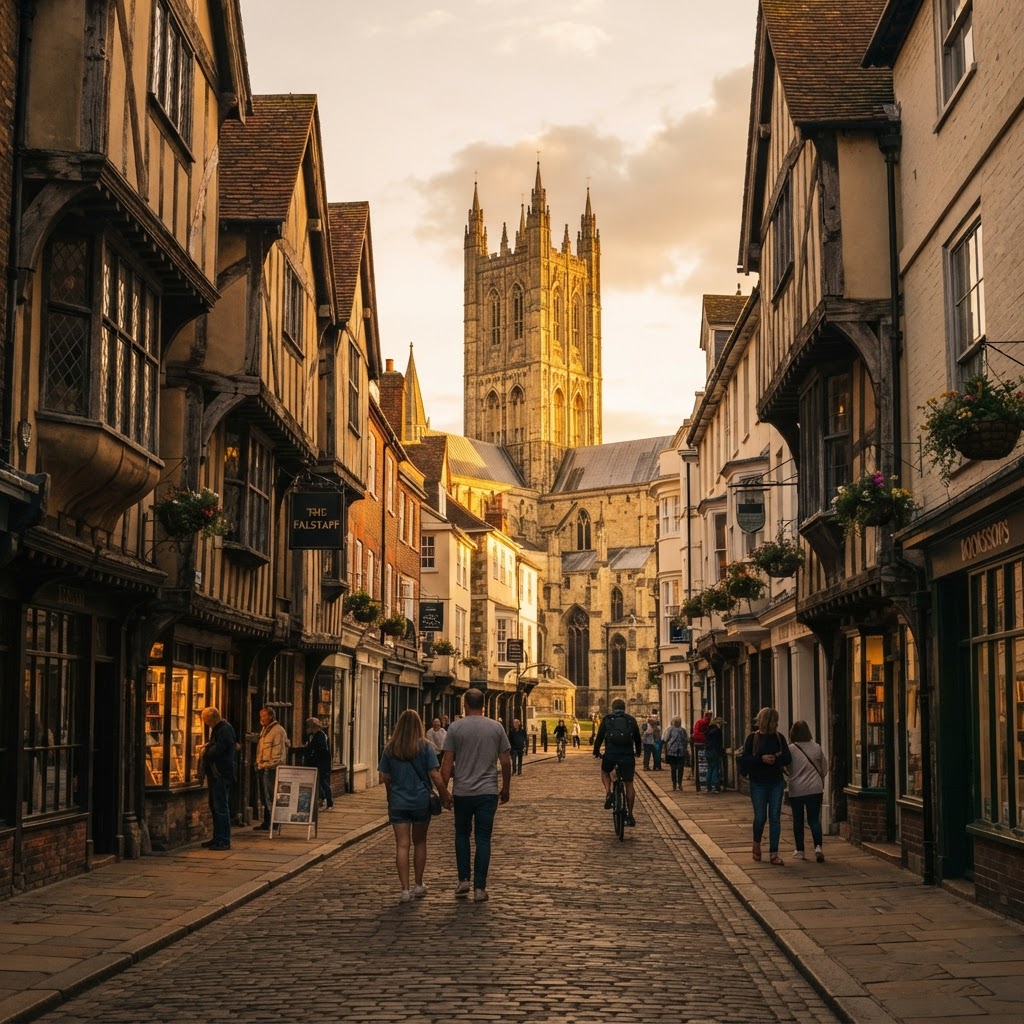
Canterbury, Kent
United Kingdom
Living medieval history without the London transit exhaustion
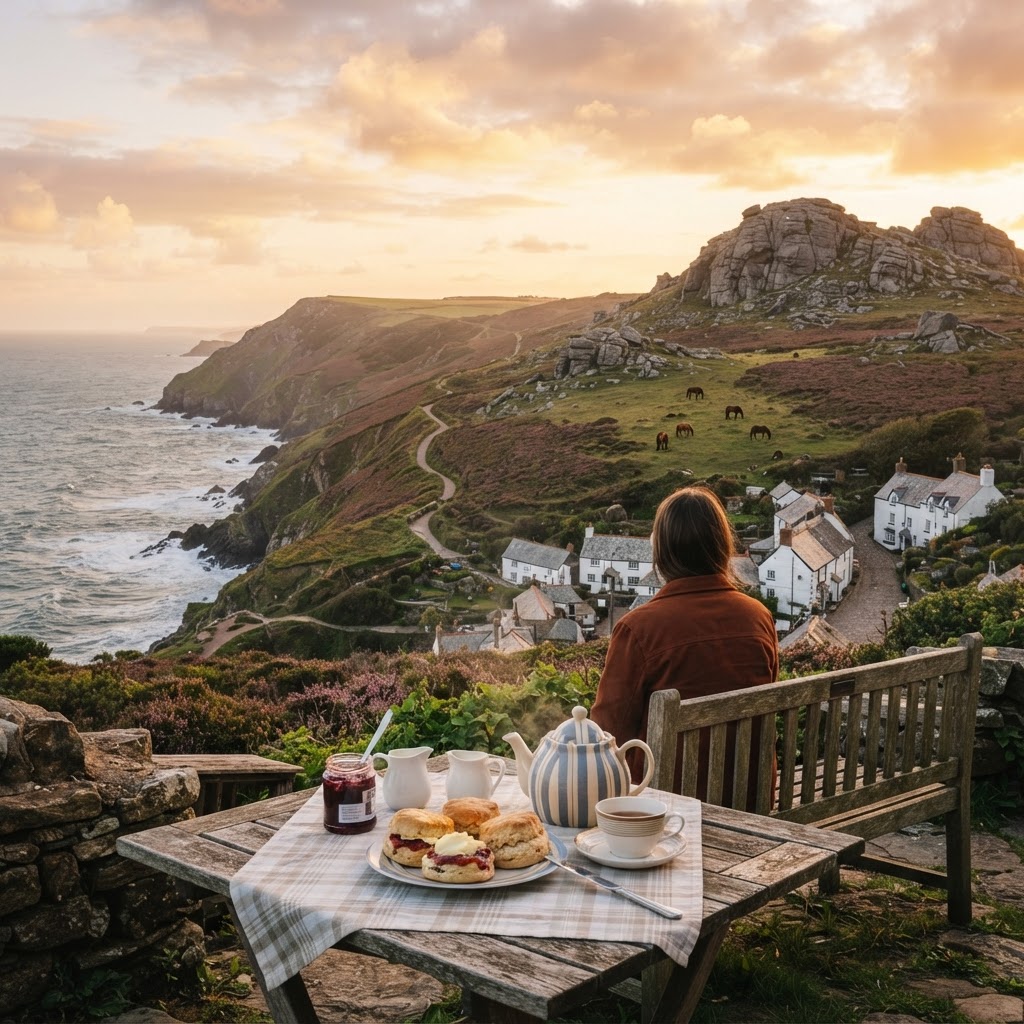
Devon
United Kingdom
Two wild coastlines, high granite moorland, and unmatched cream teas
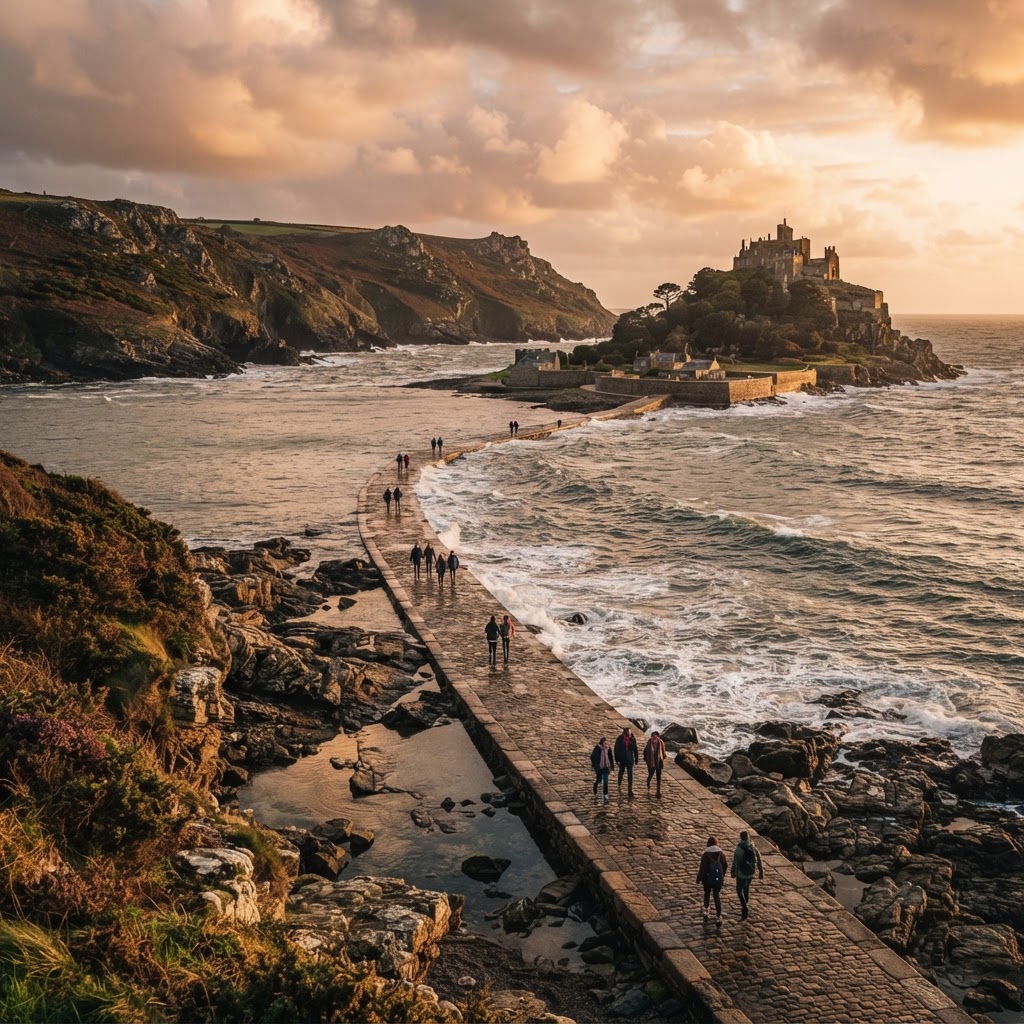
Cornwall, England
United Kingdom
Tidal causeways, windswept coastal cliffs, and wild Celtic sea culture.

Eryri (Snowdonia), Wales
United Kingdom
Glacial valleys, Celtic slate quarries, and cloud-swept ridge walks in Wales' rugged heartland.
Readymade itineraries
Start from a tested template — then make it yours.
Ready to book
Lock in your London trip
Everything in one place. We may earn a small commission — it never costs you more.
Plan a trip to London
Pick a length and we'll build a day-by-day plan around how you travel — neighborhoods clustered, budget-aware, and editable.
Get better at planning trips like this
Occasional notes on planning smarter — no spam, unsubscribe anytime.
Plan a trip to London
Turn this guide into a day-by-day plan built around your pace, your group, and your budget.
Build my London trip