United Kingdom
Cornwall, England
Tidal causeways, windswept coastal cliffs, and wild Celtic sea culture.
Plan & book
Sort your Cornwall, England trip in one place.
We point you to the booking tools we'd actually use — live prices, no markup. Or let us build the day-by-day plan around you first, then book.
Cornwall occupies England's rugged southwestern peninsula, flanked by the pounding Atlantic Ocean on the north and calmer sailing estuaries on the south. Defined by ancient tin-mining landscapes, sub-tropical valleys, and vibrant harbor villages, it offers an untamed seaside pace shaped strictly by tides and weather.
6 to 7 days
Best time
Mid-May to June and the month of September offer the finest balance of daylight, weather, and manageable roads.
Build your own trip with these prebuilt itineraries
Each one is a tested, day-by-day plan for Cornwall, England — start here, then make it yours.
10 Days in Cornwall: Wild Trails, Surf & Heritage in Cornwall
An immersive, slow-paced exploration dedicated to hiking long stretches of the South West Coast Path, catching Atlantic swells on remote beaches, and discovering ancient tin-mining landscapes.
7 Days in Cornwall: The Classic Coastal Road Trip in Cornwall
A comprehensive journey across north and south coasts, navigating dramatic cliffs, tidal islands like St Michael's Mount, hidden cove beaches, and premier seafood harbors.
5 Days in Cornwall: Car-Free Art & Coastal Rail in Cornwall
Explore the artistic heritage and rugged headlands of West Cornwall without driving, hopping along the main rail spine between St Ives, Penzance, and Falmouth.
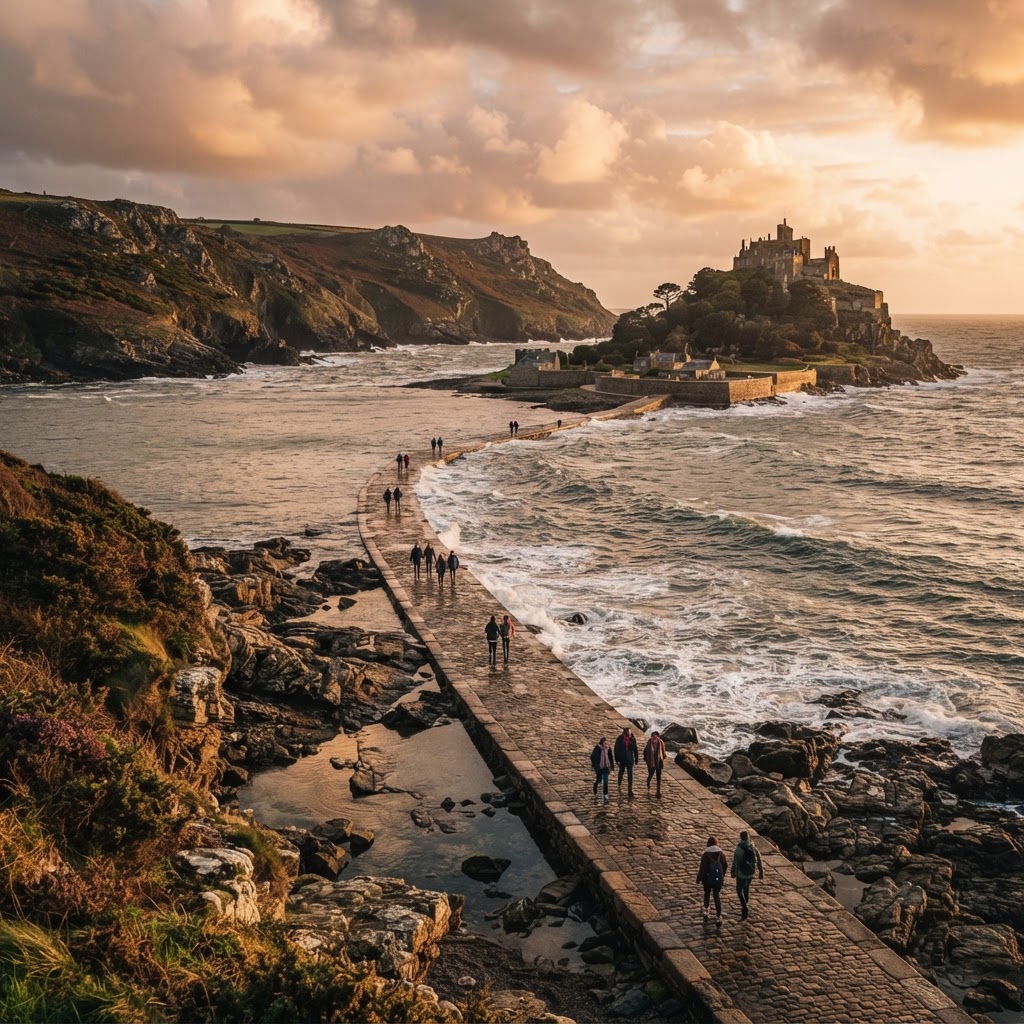
Cornwall delivers England's most dramatic coastal walking, world-class modern art heritage, and thriving sea-to-table culinary scenes that rival London. Between the dramatic cliffside stage of the Minack Theatre, tidal walks across the causeway to St Michael's Mount, and coastal segments of the South West Coast Path, it offers genuine wilderness alongside cultured fishing ports.
Where to stay
Getting there
Getting around
Food & drink
What it costs
Things to do
Book tours & tickets in Cornwall, EnglandSkip it if
Skip Cornwall if your schedule allows less than 4 days, if you dislike winding narrow rural driving, or if you demand high-speed metropolitan public transit and constant urban nightlife.
When to go
High summer brings congested single-track lanes, choked beach parking, and premium lodging rates. Shoulder months keep daytime temperatures around 16–19°C, wildflowers bloom along cliffs in early summer, and sea temperatures peak by September after schools resume.
Peak (July to August)
Maximum sunshine and lively town atmospheres, but expect slow crawl on the A30, fully booked restaurants weeks ahead, and parking lots full by 10:00 AM.
Shoulder (May to June & September to October)
Wildflowers crest the cliffs in late spring, September ocean water is at its warmest for swimming, footpaths remain uncrowded, and coastal driving is significantly less stressful.
Low (November to April)
Dramatic storm-watching and roaring pub fires, but seasonal ferries stop, daylight ends before 4:30 PM in midwinter, and many village kitchens take extended winter breaks.
Neighborhoods
Where you stay shapes the trip. Here's how to think about it.
St Ives (Downalong & The Warren)
Cobblestoned art-colony labyrinth pinched between turquoise bays and working fishing piers.
Best for:Art lovers, food-focused travelers, and walkers wanting car-free evenings
Don't miss:Catching morning light over Porthmeor Beach inside Tate St Ives, followed by a walk through the Barbara Hepworth Museum and Sculpture Garden.
Falmouth (Arwenack & High Street)
Vibrant working port and university town with maritime roots, independent bookshops, and calmer sailing waters.
Best for:Travelers relying on public transit, foodies, and families wanting rainy-day museum buffers
Don't miss:The National Maritime Museum Cornwall on Discovery Quay, followed by fresh local oysters along the Arwenack Street waterfront.
Mount's Bay (Penzance & Marazion)
Georgian sea-trading architecture and Celtic coastal folklore facing an iconic tidal island.
Best for:First-timers, history buffs, and anyone using the mainline rail spine as a base
Don't miss:Walking the cobbled granite causeway to St Michael's Mount at low tide before the Atlantic sweeps across the path.
Padstow & The Camel Estuary
Harborside culinary powerhouse wrapped in salty estuary breezes and working trawl lines.
Best for:Culinary travelers, cyclists, and relaxed luxury seekers
Don't miss:Renting a bicycle at the harbor to ride the flat Camel Trail to Wadebridge before dinner at Rick Stein's Seafood Restaurant or Paul Ainsworth at No.6.
The Lizard Peninsula
Remote, wind-scoured serpentine cliffs and isolated coves down quiet single-track lanes.
Best for:Hikers, wild swimmers, and travelers escaping crowd density
Don't miss:Hiking the South West Coast Path above Kynance Cove to watch Atlantic swells surge around dark serpentine rock stacks.
Destination intelligence
Updated 9/14/2026The structured record we plan every Cornwall, England itinerary from.
Walkability
Town centers like St Ives, Falmouth, and Fowey are walkable on foot but steep; traversing between villages requires transit or a vehicle.
Transit quality
Moderate along the main rail spine; rural bus connections exist but are infrequent and slow off the beaten track.
Car needed
Recommended for exploring remote coves and trailheads, though car-free visits are viable if sticking to train-linked hubs like St Ives, Falmouth, and Penzance.
Ideal duration
6 to 7 days
Minimum useful
4 days
Peak season
July to August (warmest sea temperatures, long daylight, heavy coastal traffic, and booked-out accommodations).
Shoulder season
May to June and September to October (wildflowers or warm sea temperatures, clear walking weather, and thinner crowds).
Low season
November to March (wild Atlantic storms, reduced ferry and attraction schedules, quietest coastal paths, and cozy pub fires).
Best for
Common mistakes
- Underestimating driving times on narrow single-track lanes and high-hedged rural roads.
- Attempting to treat Cornwall as a day trip or weekend dash from London.
- Failing to reserve dinner tables in popular towns like Padstow and St Ives weeks in advance during summer.
- Ignoring tide tables before walking out to tidal beaches or causeways like St Michael's Mount.
Best nearby
How to plan it
- Split your stay between two distinct bases—3 nights on the calmer south coast (Falmouth or Fowey) and 3 to 4 nights in the far west (Penzance or St Ives)—rather than traversing the spine every day.
- Book Minack Theatre open-air tickets the moment dates release in spring; pair an afternoon show with a walking loop to Porthcurno Beach below.
- Don't try to drive into central St Ives in summer; leave your vehicle at the St Erth park-and-ride station and ride the scenic coastal branch line along Hayle Estuary instead.
- If you only have 4 days, choose either West Penwith or the Camel Estuary/North Coast—never attempt both on a compressed timetable.
- Purchase a National Trust pass before arriving if you plan to visit St Michael's Mount, Glendurgan Garden, and park at headland trailheads.
Questions
More in United Kingdom
Stonehenge & Salisbury, Wiltshire
United Kingdom
Beyond the standing stones: medieval spires, original charters, and ancient landscapes
Windsor, England
United Kingdom
Beyond the royal gates, an intimate Thames-side enclave best savored after the day-trippers depart.
Canterbury, Kent
United Kingdom
Living medieval history without the London transit exhaustion
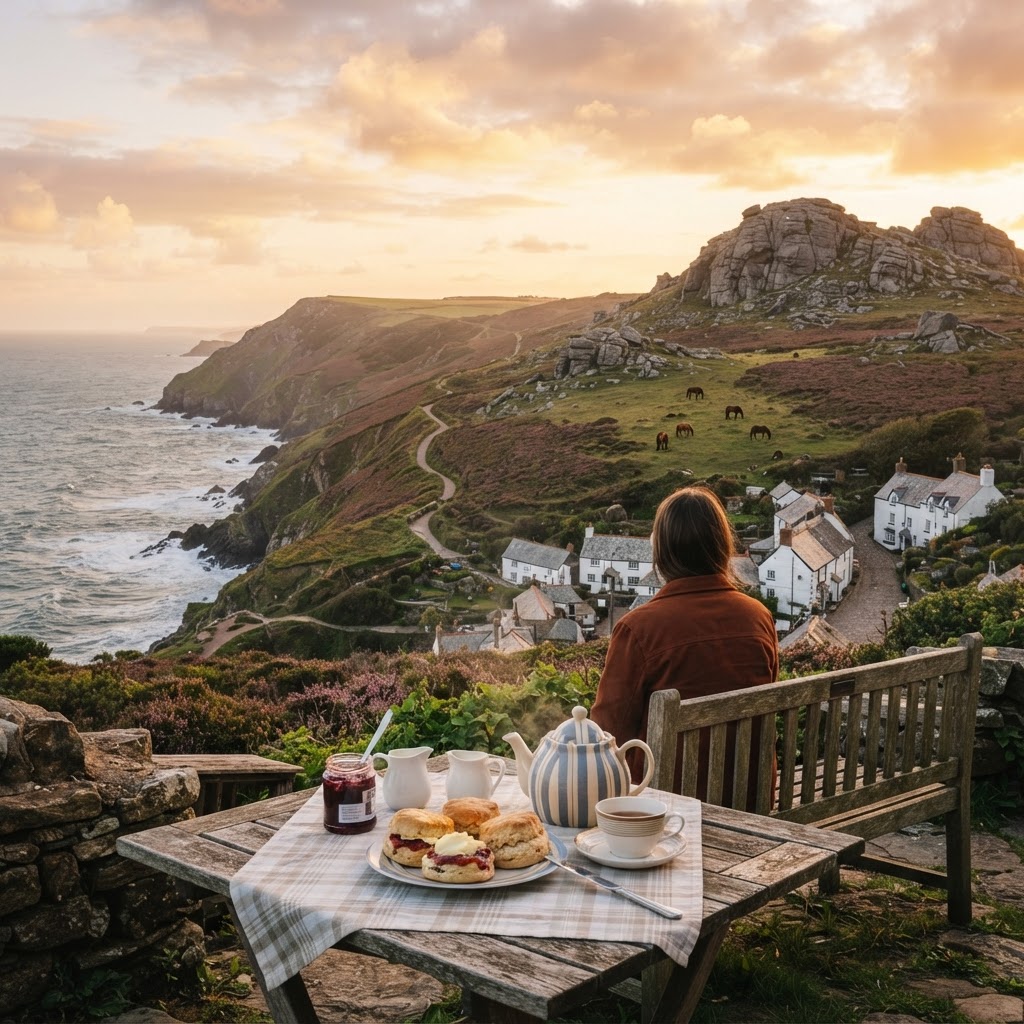
Devon
United Kingdom
Two wild coastlines, high granite moorland, and unmatched cream teas
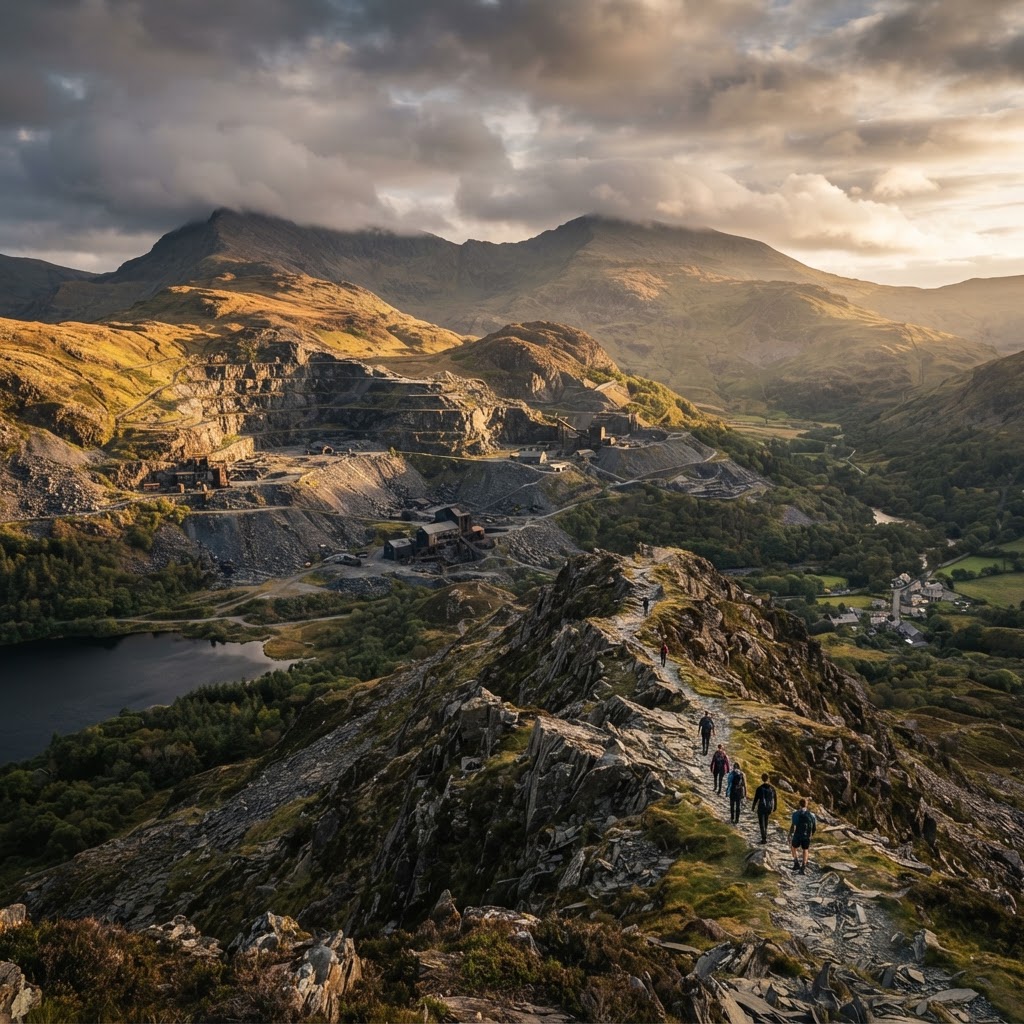
Eryri (Snowdonia), Wales
United Kingdom
Glacial valleys, Celtic slate quarries, and cloud-swept ridge walks in Wales' rugged heartland.
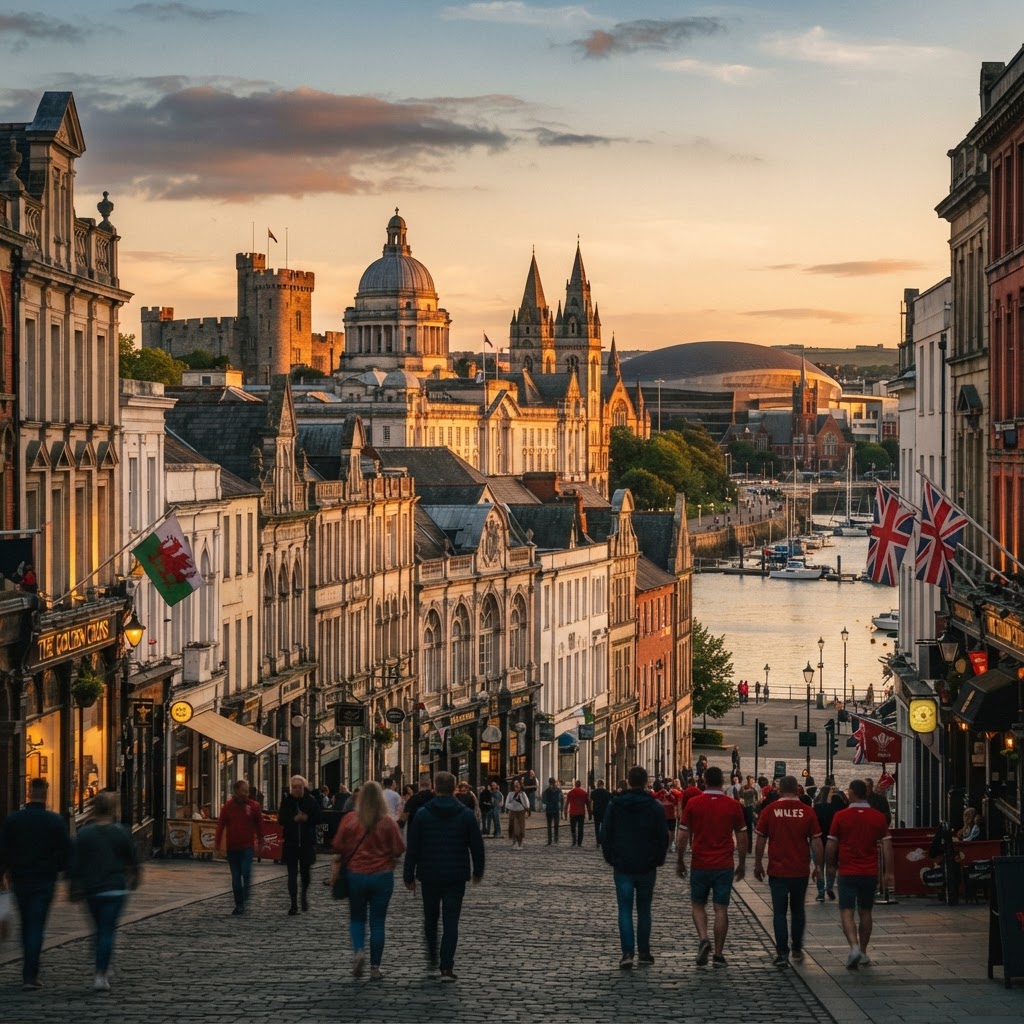
Cardiff, Wales
United Kingdom
Victorian arcades, civic grandeur, and rugby obsession along the Bristol Channel
Readymade itineraries
Start from a tested template — then make it yours.
Ready to book
Lock in your Cornwall, England trip
Everything in one place. We may earn a small commission — it never costs you more.
Plan a trip to Cornwall, England
Pick a length and we'll build a day-by-day plan around how you travel — neighborhoods clustered, budget-aware, and editable.
Get better at planning trips like this
Occasional notes on planning smarter — no spam, unsubscribe anytime.
Plan a trip to Cornwall, England
Turn this guide into a day-by-day plan built around your pace, your group, and your budget.
Build my Cornwall, England trip