
United Kingdom
Devon
Two wild coastlines, high granite moorland, and unmatched cream teas
Plan & book
Sort your Devon trip in one place.
We point you to the booking tools we'd actually use — live prices, no markup. Or let us build the day-by-day plan around you first, then book.
Devon is England's third-largest county and the only one bordered by two distinct seas: the Atlantic rollers of the north and the calmer English Channel coves of the south. Between them sit the prehistoric granite tors of Dartmoor and the deep gorges of Exmoor. It delivers dramatic South West Coast Path clifftop hiking, quiet estuarine sailing towns, and farm-to-table seafood without the single-road choke points found deeper down the peninsula.
5 to 7 days
Late May to June, and September
Build your own trip with these prebuilt itineraries
Each one is a tested, day-by-day plan for Devon — start here, then make it yours.
7 Days Across Devon: Coast & Moorland Road Trip in Devon
A classic countywide loop taking in wild Dartmoor tors, Jurassic Coast fossils, and dramatic North Devon surf bays
5 Days in the South Hams & English Riviera in Devon
Coastal paths, maritime history in Dartmouth, Agatha Christie heritage, and fresh local seafood
4 Days in North Devon & Exmoor Outdoors in Devon
Rugged coastal hiking along high sea cliffs, Atlantic surf breaks, and quiet country pub culture
Devon gives you the archetypal West Country experience—tidal estuaries, historic harbors, thatched country pubs, and craggy moors—with significantly more geographic variety and easier rail access than Cornwall. Whether navigating the dramatic Valley of Rocks in North Devon or drinking Salcombe crab soup on the South Hams estuary, the landscapes feel ancient, expansive, and deeply restorative.
Where to stay
Getting there
Getting around
Food & drink
What it costs
Things to do
Book tours & tickets in DevonSkip it if
Travelers expecting buzzing, 24-hour urban nightlife or seamless rail connections to every seaside village. If you cannot rent a car and dislike long rural bus journeys, Devon's best sights outside Exeter and Totnes will prove frustrating to reach.
When to go
You secure long daylight hours and comfortable hiking temperatures without the crawling single-track traffic jams and inflated peak-season school holiday tariffs of July and August.
Peak (July–August)
Warmest sea temperatures and active water sports, but popular beaches fill car parks by 9:30 AM and narrow country lanes become frustrating chokepoints.
Shoulder (May–June & September–October)
The prime window: wildflowers or autumn foliage, uncrowded South West Coast Path segments, and easy dinner reservations.
Low (November–April)
Windswept, quiet, and wet; seasonal ferry routes and historic manor houses shut down, but moorland pubs with open log fires offer exceptional low-season value.
Neighborhoods
Where you stay shapes the trip. Here's how to think about it.
Dartmouth & The Dart Estuary
Maritime heritage, pastel terraces, and polished riverside gastronomy.
Best for:Sailing buffs, food-focused couples, and Agatha Christie readers.
Don't miss:The pedestrian ferry over to Kingswear to ride the heritage steam railway or visit Greenway Estate.
Croyde Bay & Woolacombe
Salty surf culture, sweeping dunes, and laid-back beachside pubs.
Best for:Surfers, coastal hikers, and beach-bound families.
Don't miss:The rugged headland hike out to Baggy Point for Atlantic rollers and nesting seabirds.
Totnes & Dartington
Bohemian, fiercely independent, and steeped in organic farming culture.
Best for:Alternative craft seekers, farm-to-table diners, and transit-reliant travelers.
Don't miss:Seasonal sharing plates and natural wines at The Bull Inn on the steep high street.
Central Dartmoor (Widecombe & Chagford)
Untamed moorland, ancient granite tors, and stone-built hearthside taverns.
Best for:Off-grid hikers, wild swimmers, and solitary road-trippers.
Don't miss:Scrambling up the granite outcrop of Hound Tor before an afternoon tea in Widecombe-in-the-Moor.
Salcombe & Hope Cove
High-end yachting playground surrounded by sheltered turquoise coves.
Best for:Luxury weekenders, paddleboarders, and coastal walkers.
Don't miss:Taking the tiny foot passenger ferry across the harbour to sunny East Portlemouth beach.
Destination intelligence
Updated 9/14/2026The structured record we plan every Devon itinerary from.
Walkability
Low countywide; excellent within individual historic centers like Dartmouth, Exeter, and Totnes, or along mapped trails such as the South West Coast Path.
Transit quality
Moderate along the central rail corridors (Exeter-Totnes-Plymouth); sparse to challenging throughout Dartmoor and rural North Devon.
Car needed
Yes, unless restricting your stay strictly to mainline rail hubs and using local taxis.
Ideal duration
5 to 7 days
Minimum useful
3 days
Peak season
July to August (warmest sea temperatures, packed holiday beaches, school holiday pricing, and heavy lane traffic).
Shoulder season
May to June and September to October (long daylight hours, wildflower blooms or autumn color, open visitor attractions, and uncrowded coastal paths).
Low season
November to March (chilly, frequent rain, reduced ferry and heritage site schedules, but cozy open-fire pubs and empty walking trails).
Best for
Common mistakes
- Underestimating travel times on single-track country lanes bounded by high hedgerows where reversing into passing places is required
- Applying jam before cream on your scone, which is the Cornish method and considered an error in Devon
- Trying to split a 3-day weekend between North Devon and the South Hams instead of picking one coast
- Arriving on Dartmoor without proper waterproofs, maps, and sturdy boots, as moorland weather shifts rapidly from sun to dense fog
Best nearby
How to plan it
- Pick either North Devon or South Devon as a single base if you have fewer than 5 days; driving between the two coasts easily eats up half a day on winding roads.
- Book heritage dinner spots and destination pubs like The Bull Inn in Totnes or seafood joints in Dartmouth at least 2 to 3 weeks ahead for summer weekends.
- Pair a South Devon sailing town like Dartmouth with 2 nights in interior Dartmoor (such as Chagford) to experience the contrast between maritime lanes and wild granite wilderness.
- Do not rely on card machines or mobile phone coverage on open Dartmoor; download your trail maps offline and keep GBP 20 in cash for honor-box farm stands and remote car parks.
- Time your beach days around the tide chart: wide sandy bays like Woolacombe expand dramatically at low tide, while secret coves can become entirely submerged at high water.
Questions
More in United Kingdom

Stonehenge & Salisbury, Wiltshire
United Kingdom
Beyond the standing stones: medieval spires, original charters, and ancient landscapes
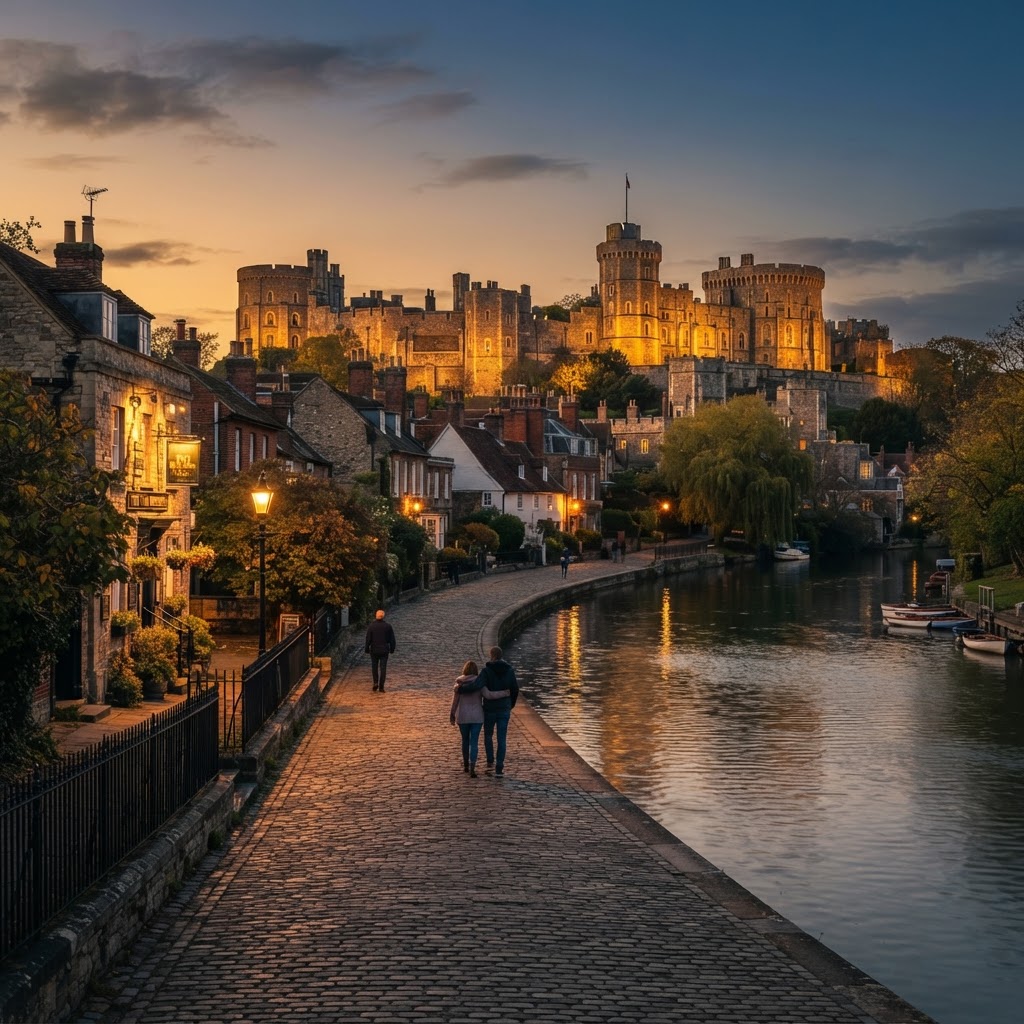
Windsor, England
United Kingdom
Beyond the royal gates, an intimate Thames-side enclave best savored after the day-trippers depart.

Canterbury, Kent
United Kingdom
Living medieval history without the London transit exhaustion
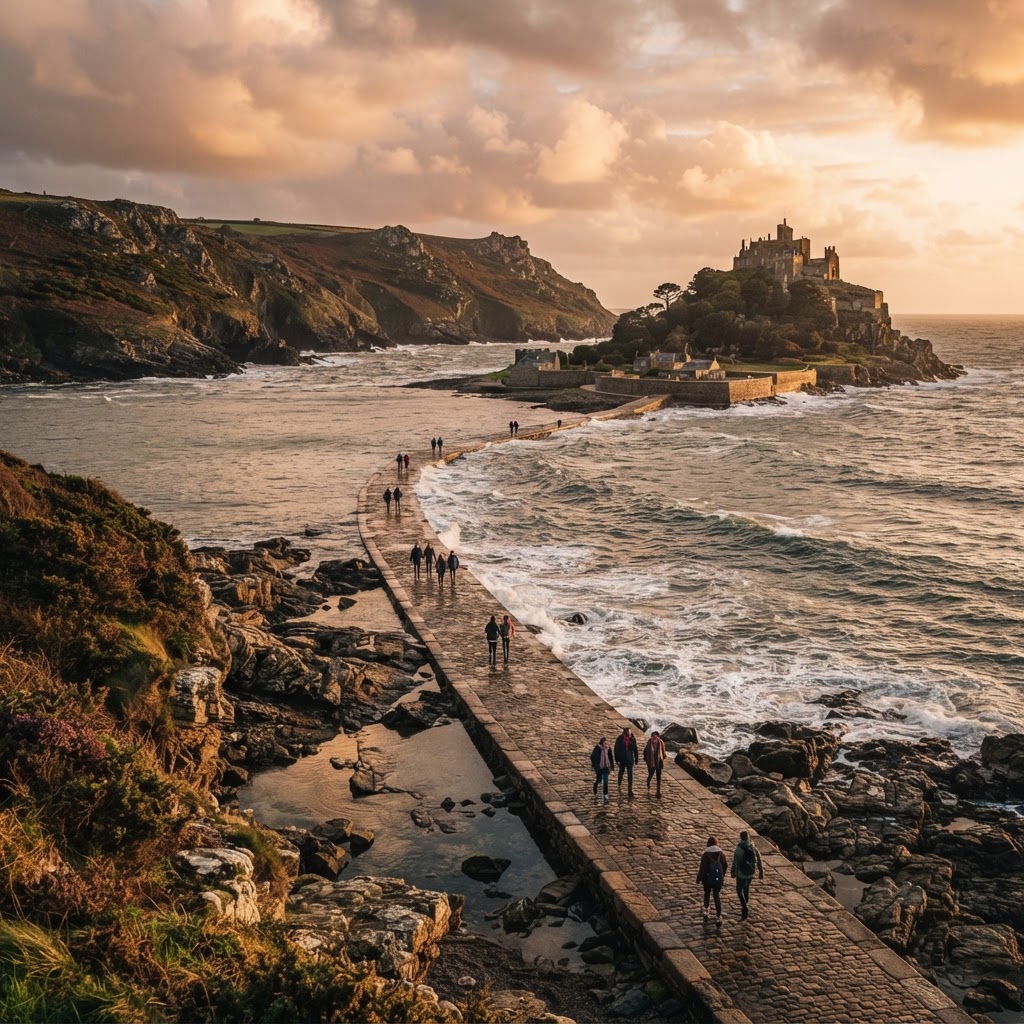
Cornwall, England
United Kingdom
Tidal causeways, windswept coastal cliffs, and wild Celtic sea culture.
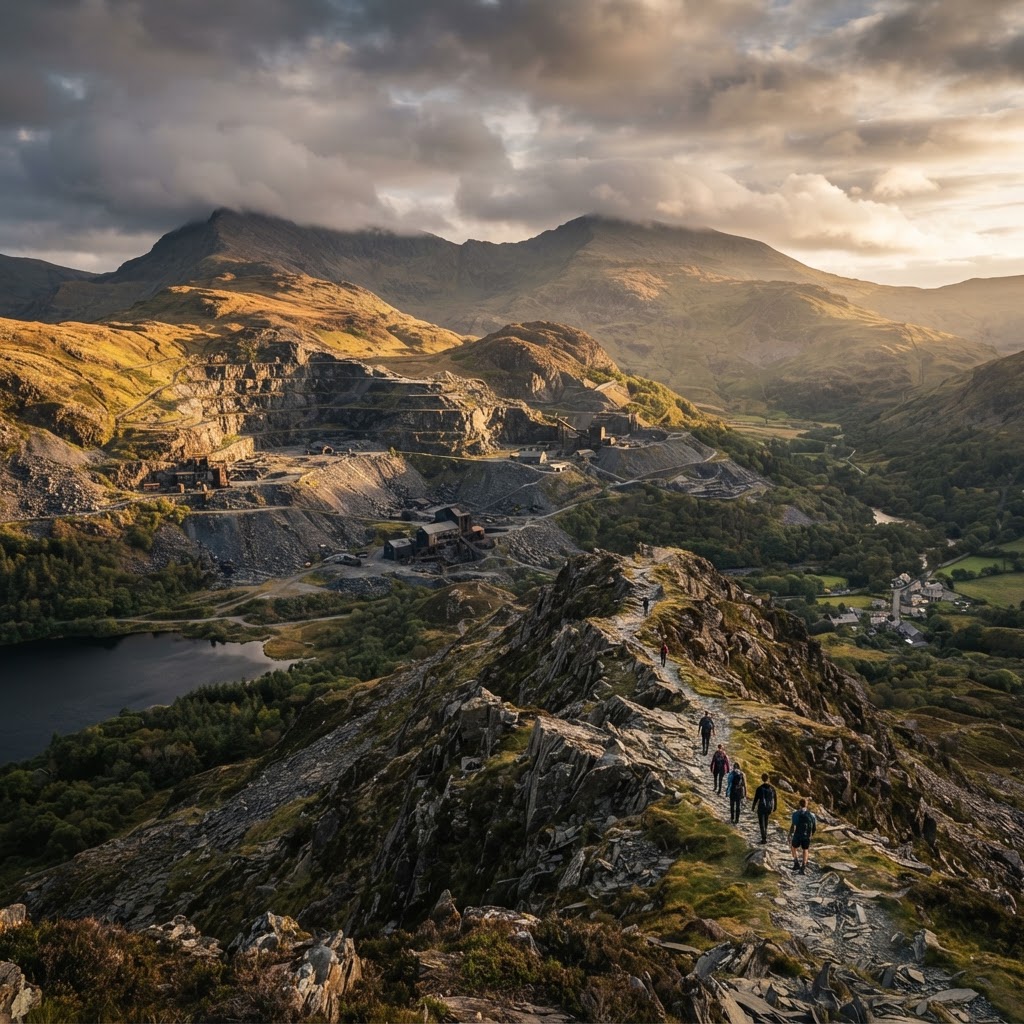
Eryri (Snowdonia), Wales
United Kingdom
Glacial valleys, Celtic slate quarries, and cloud-swept ridge walks in Wales' rugged heartland.

Cardiff, Wales
United Kingdom
Victorian arcades, civic grandeur, and rugby obsession along the Bristol Channel
Readymade itineraries
Start from a tested template — then make it yours.
Ready to book
Lock in your Devon trip
Everything in one place. We may earn a small commission — it never costs you more.
Plan a trip to Devon
Pick a length and we'll build a day-by-day plan around how you travel — neighborhoods clustered, budget-aware, and editable.
Get better at planning trips like this
Occasional notes on planning smarter — no spam, unsubscribe anytime.
Plan a trip to Devon
Turn this guide into a day-by-day plan built around your pace, your group, and your budget.
Build my Devon trip