
Japan
Tokyo
A relentless hyper-city where ancient rituals operate seamlessly alongside high-velocity urban life.
Plan & book
Sort your Tokyo trip in one place.
We point you to the booking tools we'd actually use — live prices, no markup. Or let us build the day-by-day plan around you first, then book.
Tokyo is not a singular city center; it is a sprawling constellation of distinct wards linked by the world's most punctual rail system. From quiet residential enclaves like Yanaka to the kinetic commercial crossings of Shibuya and Shinjuku, traveling here rewards travelers who anchor their days by neighborhood geography rather than trying to crisscross town indiscriminately.
6 to 7 days
Best time
Mid-October through late November for crisp, clear days, low rain risk, and brilliant autumn foliage.
Build your own trip with these prebuilt itineraries
Each one is a tested, day-by-day plan for Tokyo — start here, then make it yours.
7 Days in Tokyo with Kids
tokyo with kids itinerary 7 days
3 Days in Tokyo for First-Time Visitors
3 days in tokyo first time
5 Days in Tokyo Without a Car
tokyo without a car itinerary 5 days
6 Days in Tokyo for Couples (Food-Forward)
tokyo couples food itinerary
Few global capitals balance friction-free public logistics with astonishing culinary depth, obsessive neighborhood retail, and historic shrine culture quite like Tokyo. Whether you are hunting specialty coffee in Kiyosumi-Shirakawa, wandering through the preserved Edo-era streetscapes of Asakusa, or watching thousands traverse Shibuya Crossing beneath wall-to-wall LED displays, the city operates with effortless efficiency at massive scale.
Where to stay
Getting there
Getting around
Food & drink
What it costs
Things to do
Book tours & tickets in TokyoSkip it if
Travelers who suffer from severe sensory overload, struggle with substantial daily walking over stairs and hard pavement, or prioritize tranquil nature and countryside solitude over vast metropolitan density.
When to go
Spring cherry blossom season brings peak visual drama but pairs it with doubled hotel rates and brutal crowd bottlenecks at core transit hubs. Late autumn offers comfortable walking temperatures, exceptional clear-sky Mount Fuji visibility, and far more manageable dining reservations.
Spring (Late March – May)
Sakura blooms peak from late March to early April with enormous crowds and premium hotel pricing; May post-Golden Week offers pleasant weather with lower friction.
Summer (June – August)
June brings rainy season (tsuyu), followed by punishing heat, high humidity, and typhoon risks in July and August; plan heavy indoor and morning activities.
Autumn (September – November)
September still carries humidity and occasional rain, but mid-October through November delivers Tokyo's best weather, stable rail schedules, and stunning maple foliage.
Winter (December – February)
Chilly and dry with frequent clear, blue skies and the lowest hotel rates outside New Year's week; pack thermal layers for all-day walking.
Neighborhoods
Where you stay shapes the trip. Here's how to think about it.
Shinjuku
Towering neon skyscrapers, dense izakaya alleys, and relentless transit momentum.
Best for:First-timers, late-night dining, and travelers who prioritize bulletproof transit connections over residential quiet.
Don't miss:The smoky yakitori stalls packed along Omoide Yokocho and an early-morning escape to Shinjuku Gyoen National Garden before crowds arrive.
Shibuya
Hyper-commercial youth culture, multi-level retail labyrinths, and bustling pedestrian energy.
Best for:Fashion shoppers, solo night owls, and travelers wanting quick walking access to Harajuku and Daikanyama.
Don't miss:The rooftop views from Shibuya Sky at twilight and craft beer tucked away in the tight booths of Nonbei Yokocho.
Ginza
Polished, wide-boulevard luxury with architectural flagship boutiques and premier culinary temples.
Best for:Luxury travelers, high-end sushi enthusiasts, and visitors wanting spacious, quiet hotel rooms near Tokyo Station.
Don't miss:The depachika (luxury basement food hall) at Ginza Mitsukoshi and art-gallery-hopping through Ginza Six.
Asakusa
Low-rise Edo-period heritage, incense smoke, traditional craft shops, and quieter riverfront avenues.
Best for:Budget travelers, cultural history buffs, and families who prefer traditional ryokan accommodations.
Don't miss:Senso-ji temple at daybreak before the Nakamise-dori vendor stalls unpack, followed by melonpan from Asakusa Kagetsudo.
Nakameguro & Daikanyama
Canal-lined indie cafes, low-slung lifestyle concept stores, and sophisticated local residential calm.
Best for:Design aficionados, specialty coffee obsessives, and second-time visitors craving low tourist density.
Don't miss:Browsing architecture and art titles at Daikanyama T-Site, then grabbing pour-over coffee along the Meguro River.
Akihabara
Multi-story arcade din, retro cartridge shops, electronic component stalls, and subculture mania.
Best for:Gamers, anime collectors, and tech hobbyists hunting rare vintage hardware.
Don't miss:Sifting through floors of vintage Famicom and Game Boy cartridges at Super Potato, then browsing culinary artisan goods under the tracks at Chabara.
Money & essentials
Currency
JPY
Language
Japanese
Tipping
Tipping is not customary in Japan and is generally discouraged or refused.
Destination intelligence
Updated 9/15/2026The structured record we plan every Tokyo itinerary from.
Airports
Haneda Airport (HND), Narita International Airport (NRT)
Walkability
High within individual wards, but sprawling across the metropolitan expanse; pack supportive footwear for 15,000 to 25,000 steps per day across multi-level transit complexes.
Transit quality
World-class; the combined JR and Tokyo Metro network connects virtually every block of the city on a precise timetable from early morning until roughly midnight.
Car needed
No. A personal car is an expensive liability due to scarce parking, heavy traffic congestion, and exceptional public train coverage.
Ideal duration
6 to 7 days
Minimum useful
4 days
Peak season
Late March through mid-April (cherry blossom bloom) and late October through November (fall foliage and mild autumn weather).
Shoulder season
May (post-Golden Week) through June, and September to October (pleasant temperatures, lower hotel prices, occasional rain).
Low season
January to February (chilly winter weather, crisp clear skies with good Fuji visibility) and mid-summer July to August (extreme heat and high humidity).
Best for
Common mistakes
- Crisscrossing the city multiple times in a single day rather than grouping sights by geographic clusters.
- Relying solely on credit cards; many counter-service ramen ticketing machines, shrines, and neighborhood stalls remain cash-only.
- Attempting to navigate mega-stations like Shinjuku or Tokyo during the peak weekday rush hours (7:45 AM - 9:00 AM).
- Expecting casual trash cans on city streets; public bins are scarce, so carry a small bag to pack out your daily rubbish.
Best nearby
See what a trip to Japan actually costs. Travel Budget Co.
How to plan it
- Get an IC card on your phone on day one — transit is the whole game.
- Cluster by neighborhood: two areas per day, daytime and evening versions.
- Eat the cheap stuff: konbini onigiri, ramen, tonkatsu set lunches. Tokyo's cheap food is world-class.
- Learn the basic train etiquette: quiet cars, no eating on commuter trains, stand on the left.
- Reserve one splurge meal — lunch set menus at high-end sushi places cost a fraction of dinner.
Questions
More in Japan
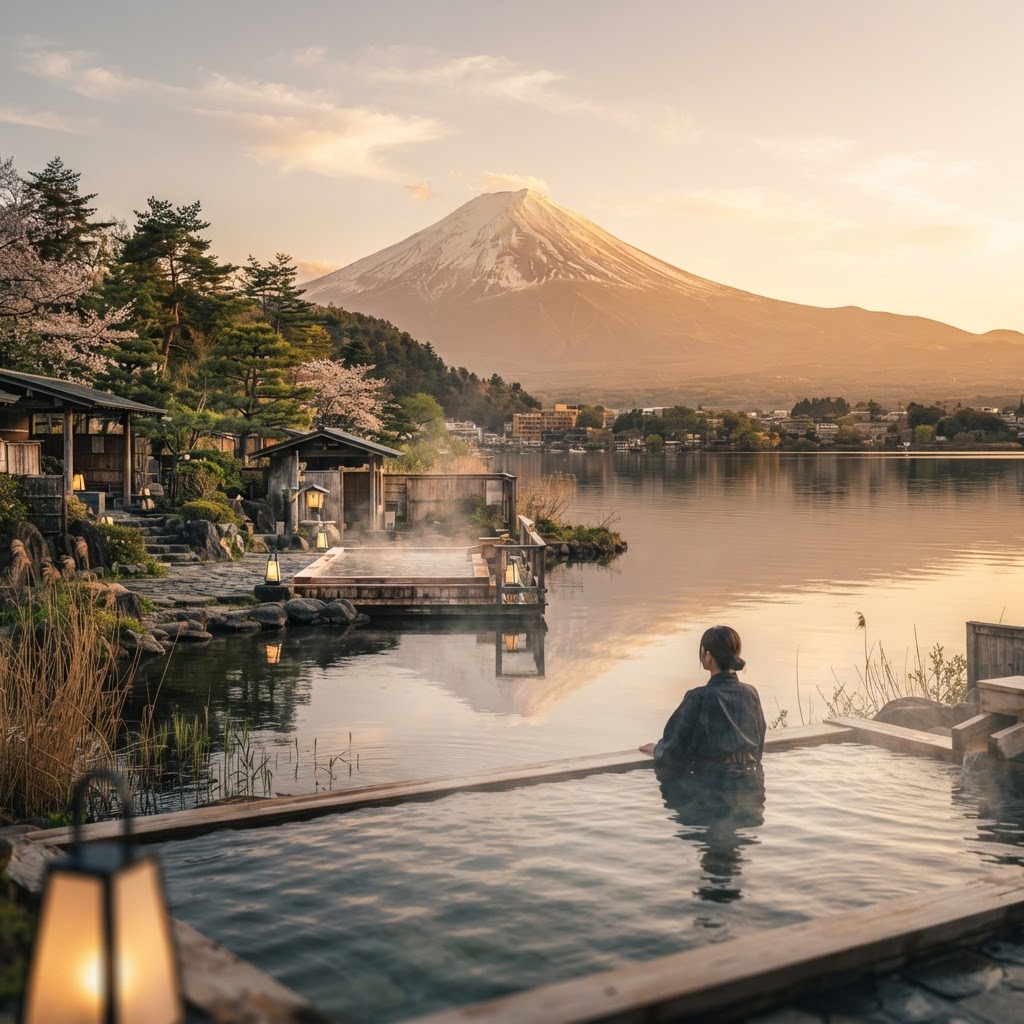
Kawaguchiko & Fuji Five Lakes
Japan
Unrivaled front-row views of Mount Fuji, lakeside onsens, and open mountain air.
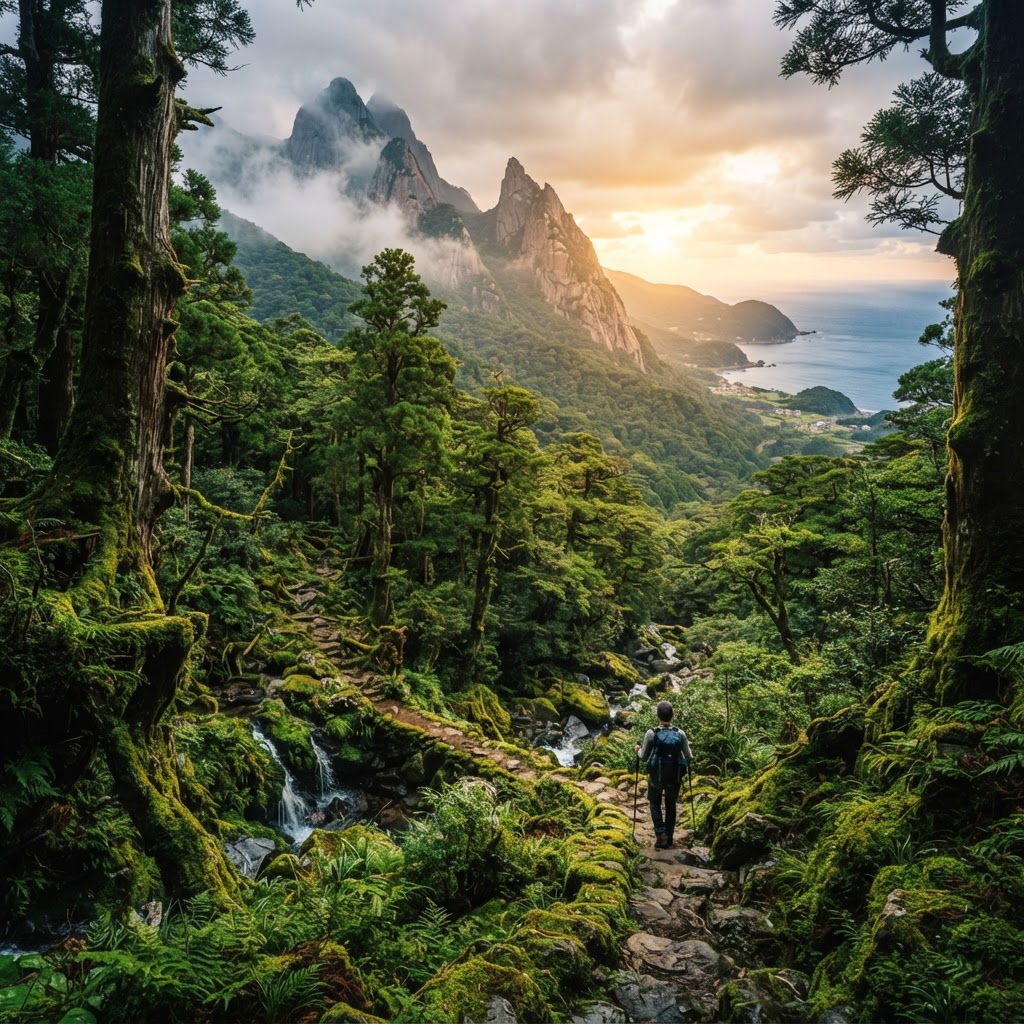
Yakushima, Japan
Japan
Ancient moss-draped cedar forests and misty granite peaks rising abruptly from the Pacific.
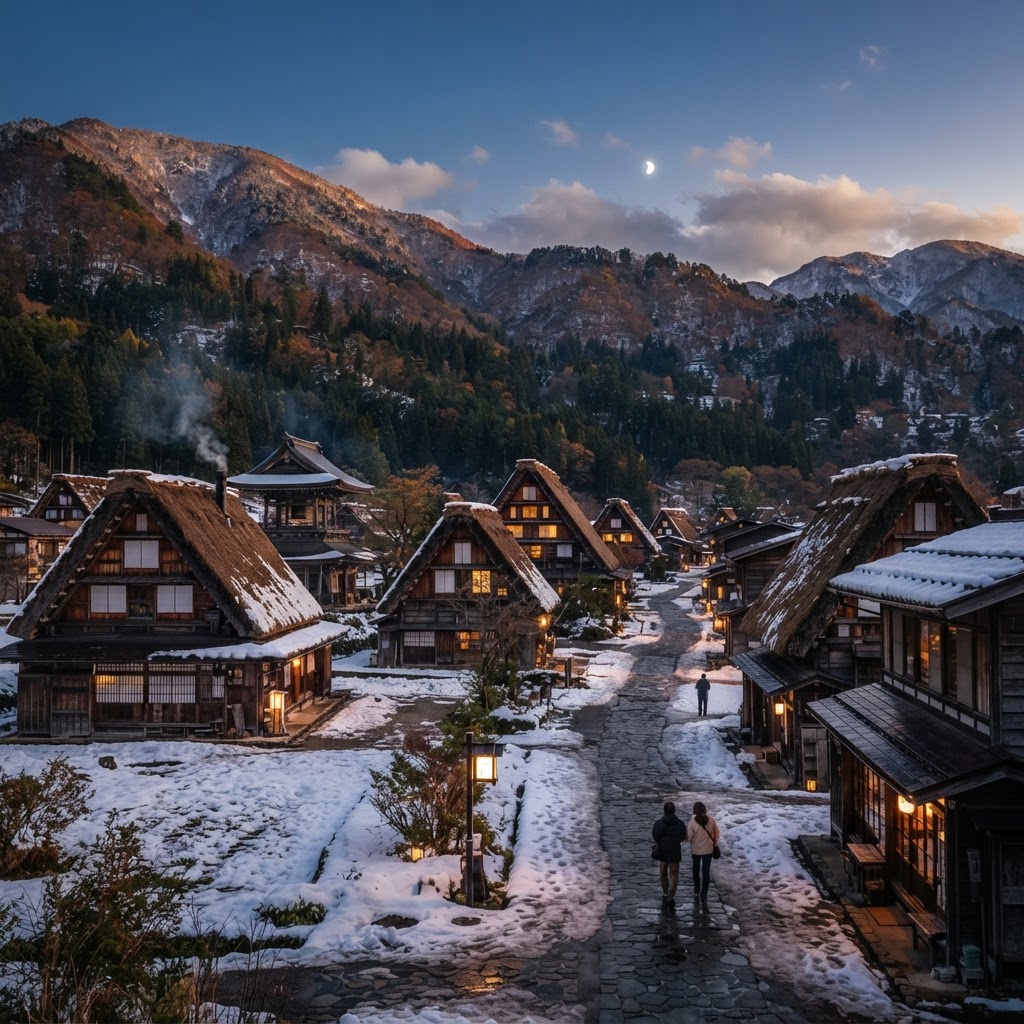
Shirakawa-go, Gifu, Japan
Japan
A living mountain settlement of steep-pitched thatch, silence at dusk, and alpine timbercraft.
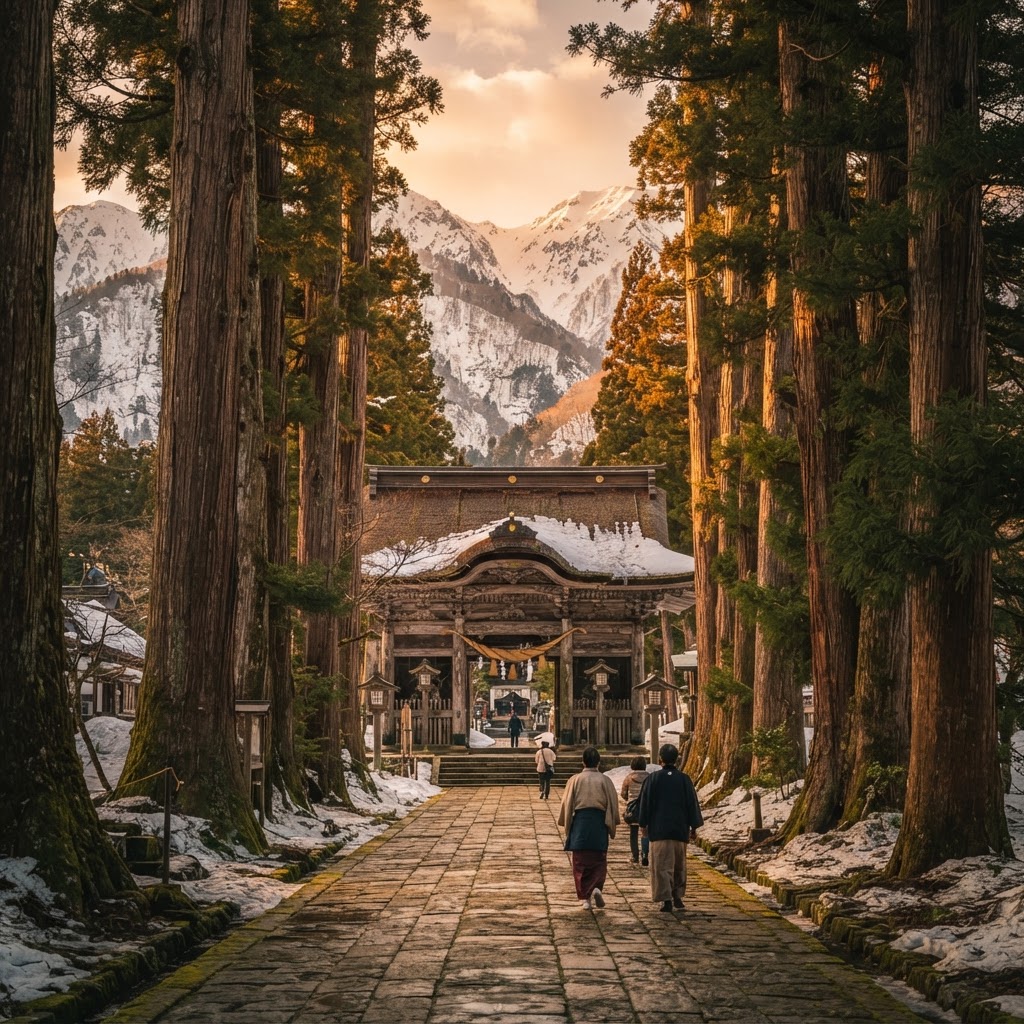
Nagano, Japan
Japan
Pilgrim temples, cedar-lined alpine shrines, and the gateway to Japan's northern powder peaks.
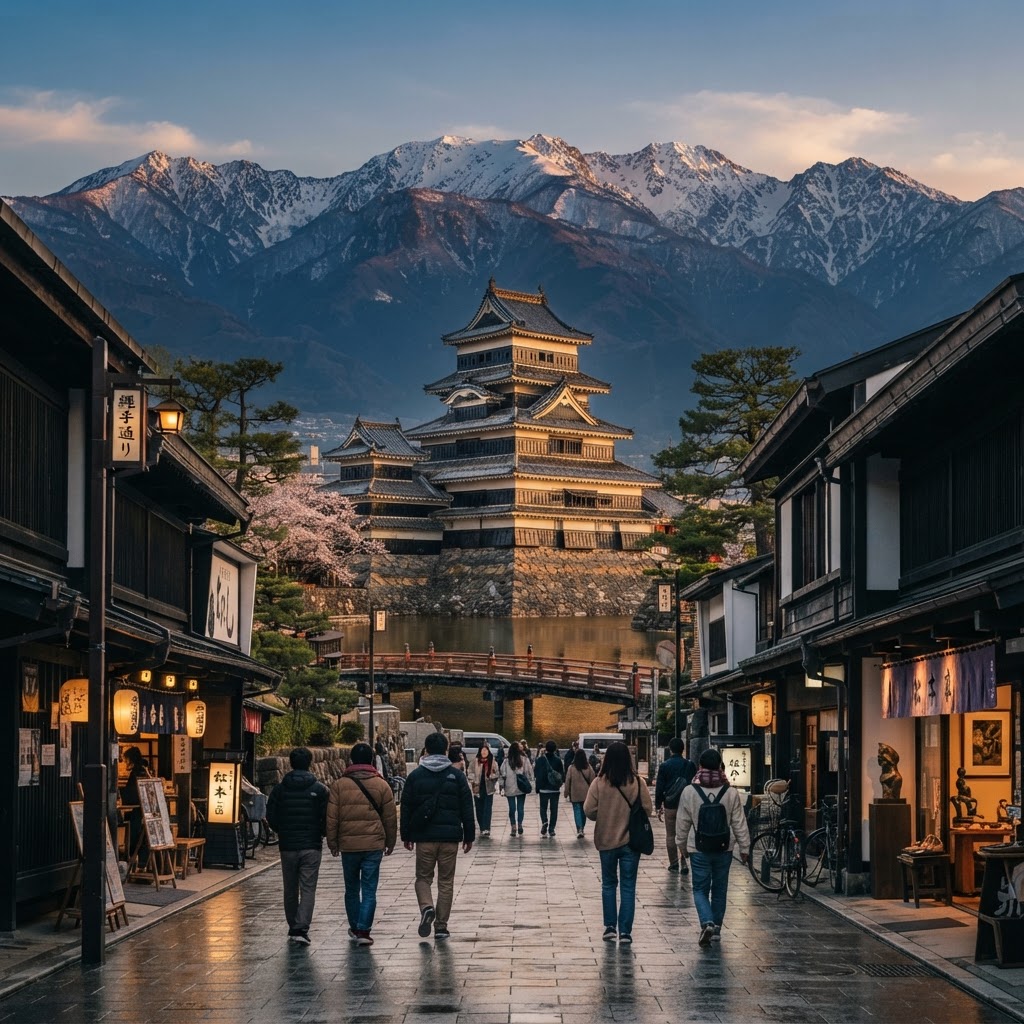
Matsumoto
Japan
Feudal black timber architecture framed by the Northern Alps and alpine art culture
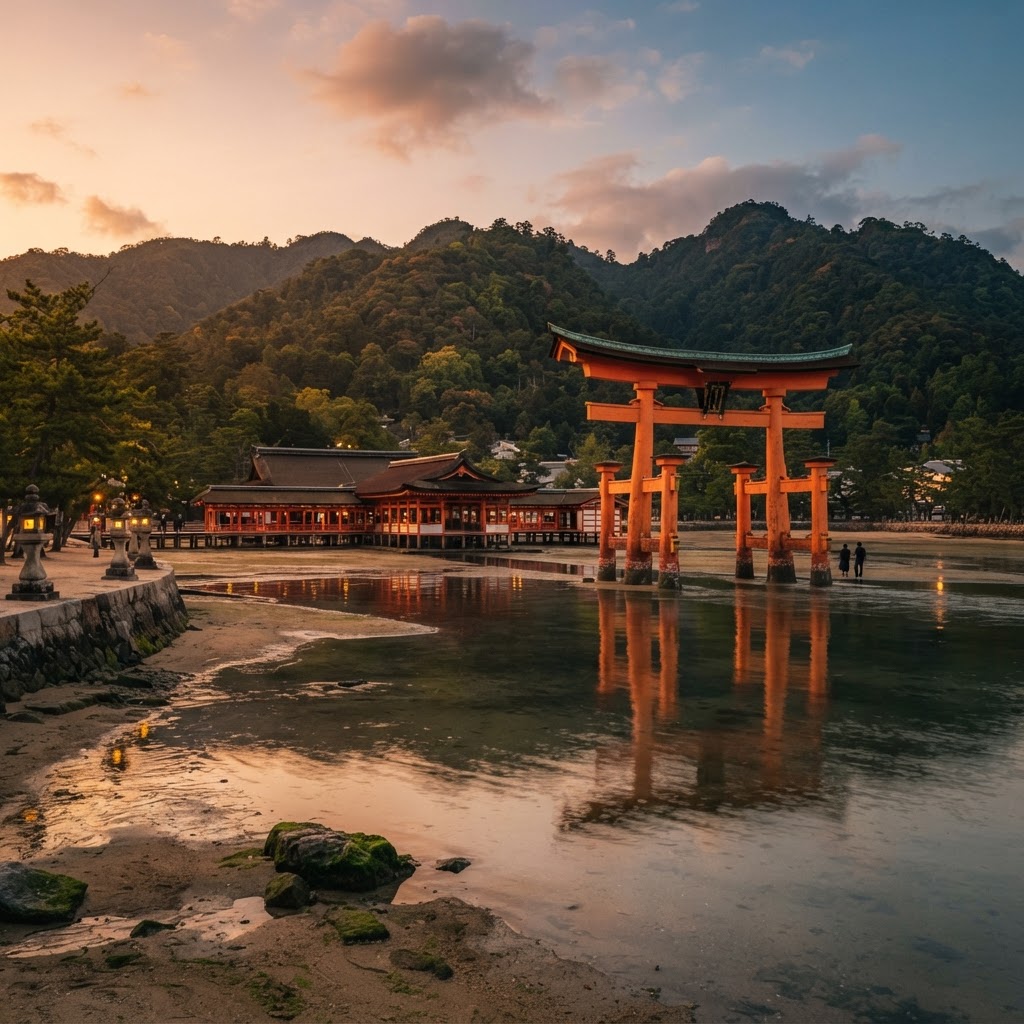
Miyajima (Itsukushima), Japan
Japan
A sacred island of tidal shrines, ancient virgin forest, and silent lantern-lit evenings.
More in East Asia
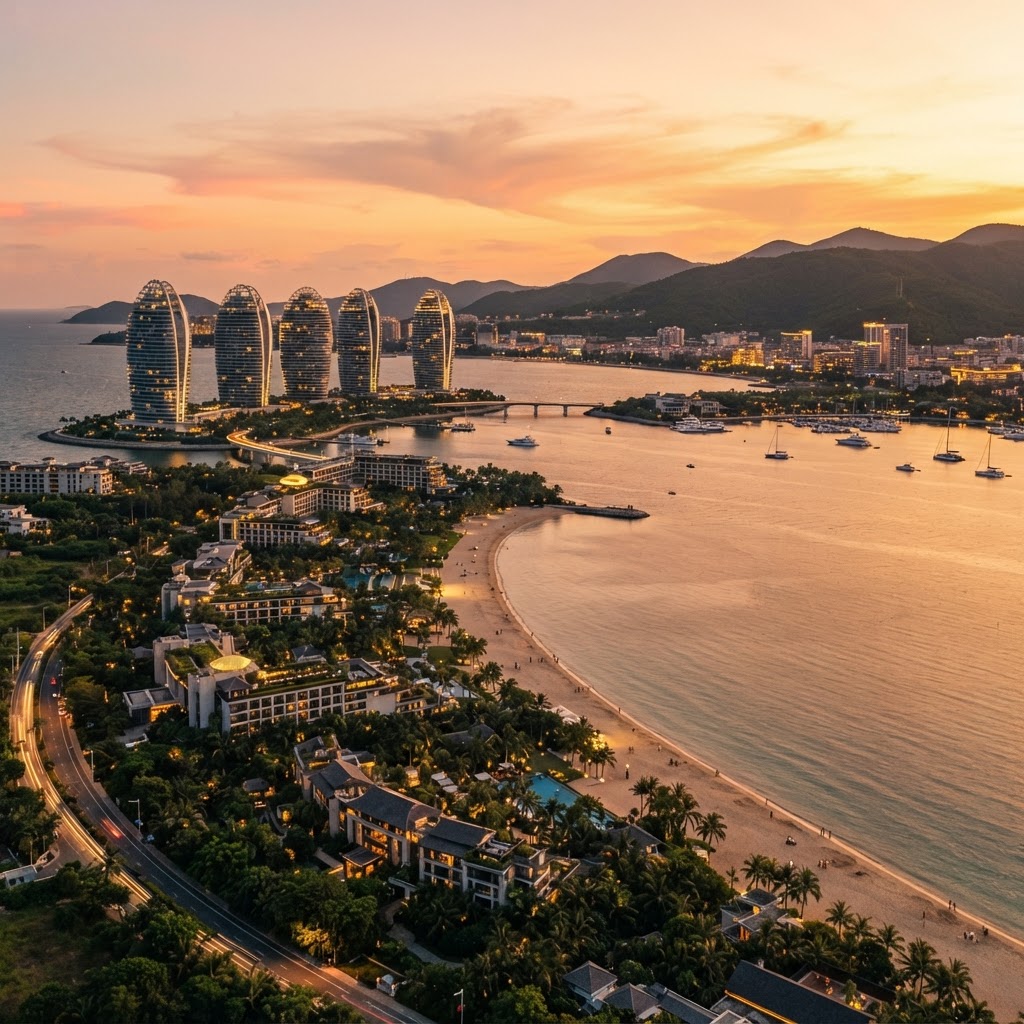
Sanya, Hainan, China
China
China's tropical resort strip of five-star bays, duty-free hubs, and coastal escapes.
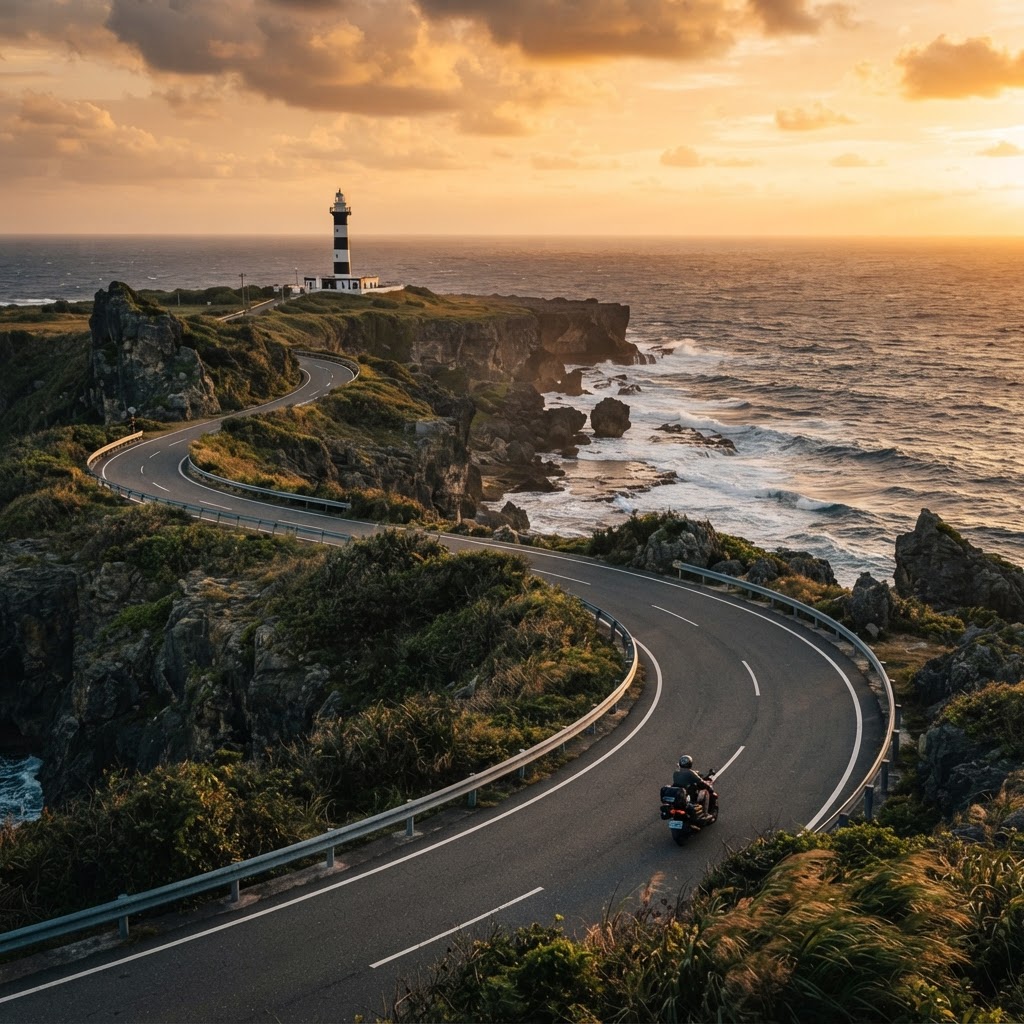
Kenting, Taiwan
Taiwan
Windswept coastal cliffs, coral reefs, and open-throttle peninsula roads at Taiwan’s southernmost tip.
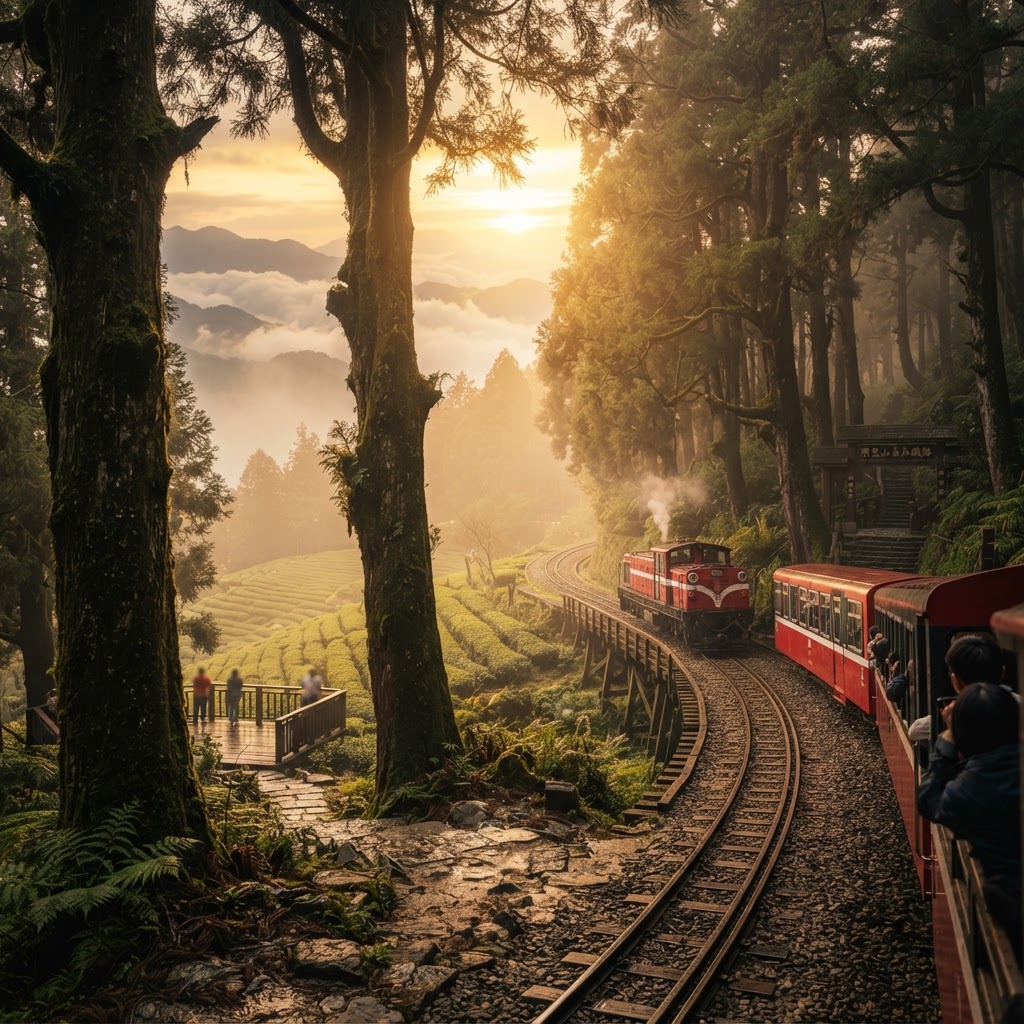
Alishan, Chiayi County
Taiwan
Ancient red cypresses, sunrise railway ascents, and high-mountain oolong shrouded in mist.
Readymade itineraries
Start from a tested template — then make it yours.
Ready to book
Lock in your Tokyo trip
Everything in one place. We may earn a small commission — it never costs you more.
Plan a trip to Tokyo
Pick a length and we'll build a day-by-day plan around how you travel — neighborhoods clustered, budget-aware, and editable.
Get better at planning trips like this
Occasional notes on planning smarter — no spam, unsubscribe anytime.
Plan a trip to Tokyo
Turn this guide into a day-by-day plan built around your pace, your group, and your budget.
Build my Tokyo trip