Japan
Miyajima (Itsukushima), Japan
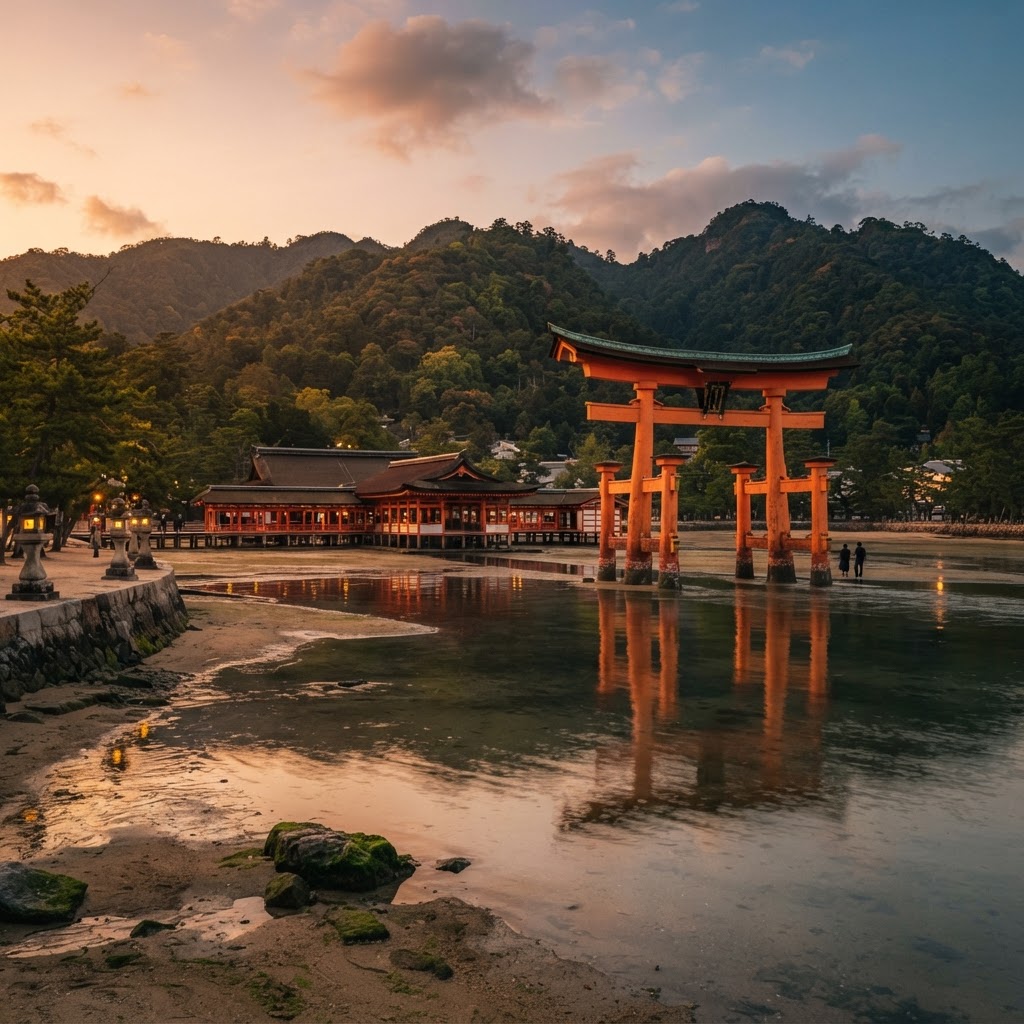
A sacred island of tidal shrines, ancient virgin forest, and silent lantern-lit evenings.
Plan & book
Sort your Miyajima (Itsukushima), Japan trip in one place.
We point you to the booking tools we'd actually use — live prices, no markup. Or let us build the day-by-day plan around you first, then book.
Miyajima—officially Itsukushima—sits in the Seto Inland Sea just a short ferry ride off Hiroshima's coast. Famous for Itsukushima Shrine's torii gate that appears to float on the bay at high tide, it transforms profoundly depending on whether day-trippers are present. Beyond the shrine and free-roaming sika deer, Miyajima holds Mount Misen's primeval forest and Shingon Buddhist sanctuaries, offering an atmospheric retreat best understood when staying overnight.
24 to 36 hours (1 night overnight)
Best time
Late October through November, or mid-April after cherry blossom crowds subside.
Build your own trip with these prebuilt itineraries
Each one is a tested, day-by-day plan for Miyajima (Itsukushima), Japan — start here, then make it yours.
Active Hiking & Sacred Peaks in Miyajima
An outdoor-focused exploration tackling Mount Misen on foot, ancient mountain temples, and the forested trails of Momijidani Park.
Overnight Ryokan & Tides Experience in Miyajima
The quintessential overnight stay to experience both high and low tides, empty lantern-lit streets, and traditional Kaiseki dining after day-trippers depart.
One Day Highlights & Shrines in Miyajima
A high-impact single-day circuit covering Itsukushima Shrine, Daisho-in, and street food favorites along Omotesando Shopping Street without an overnight stay.
Miyajima rewards travelers who love the interplay of maritime nature and sacred architecture. The shifting tide transforms the landscape twice a day: at high tide, the 12th-century vermilion shrine appears adrift on water, while at low tide, you can walk directly out to the colossal camphor-wood gate. Staying overnight lets you witness the gate illuminated in absolute silence once the last ferry departs for Hiroshima.
Where to stay
Getting there
Getting around
Food & drink
What it costs
Skip it if
Skip staying overnight if you require active nightlife, bars, and late dining, as the island goes completely dark and silent after 18:00. Travelers with severe mobility issues may also find the steep cobblestones, gravel paths, and mountain trails challenging.
When to go
November delivers vivid autumn maple foliage in Momijidani and crisp hiking weather for Mount Misen, though ryokan book out months early. Late spring balances lush green scenery and comfortable coastal temperatures with fewer bottlenecks than the peak cherry blossom rush.
Peak (Late March–Early April & November)
Cherry blossoms blanket the hillsides in spring, and crimson maples fill Momijidani in autumn. Expect heavy foot traffic along Omotesando and high ryokan rates; reserve accommodations 4–6 months ahead.
Shoulder (May–June & September–October)
Ideal temperatures for ascending Mount Misen trails. Weekday crowds drop significantly, and high/low tide shifts can be observed along the waterfront without heavy tour bus congestion.
Low (July–August & January–February)
Summer is sweltering and humid, making the mountain hike grueling. Winter brings crisp Seto Inland Sea winds, but delivers the most tranquil, lantern-lit village streets of the year.
Neighborhoods
Where you stay shapes the trip. Here's how to think about it.
Omotesando & Portside
Buzzing daytime market corridor lined with souvenir shops, momiji manju confectioneries, and street-side oyster grills.
Best for:First-timers, day-trippers, and street food snacking
Don't miss:Freshly grilled local oysters and warm momiji manju directly along Omotesando Shopping Arcade before midday tour groups arrive.
Machiya Dori
Quiet residential backstreet running parallel to Omotesando, framed by traditional wooden facades and soft paper lanterns.
Best for:Couples, photographers, and travelers seeking quiet evening strolls
Don't miss:The contrast of preserved timber lattice townhouses (machiya) and discreet local craft workshops away from retail crowds.
Momijidani
Serene forested valley tucked at the foot of Mount Misen, carpeted with Japanese maples and secluded traditional ryokan.
Best for:Ryokan retreat seekers, nature lovers, and autumn travelers
Don't miss:Crossing the vermilion Momijibashi Bridge early in the morning when mist hangs low over the forested creek.
Daisho-in Foot
Spiritual, calm sanctuary zone nestled uphill into the tree line, far removed from the waterfront tourist swirl.
Best for:Culture lovers, temple walkers, and quiet contemplative retreats
Don't miss:The forested approach staircase lined with 500 unique stone Rakan statues leading into Daisho-in Temple.
Destination intelligence
Updated 9/14/2026The structured record we plan every Miyajima (Itsukushima), Japan itinerary from.
Walkability
Exceptional. The village center is completely pedestrian-friendly; sturdy walking shoes are necessary for Mount Misen hikes.
Transit quality
High access from mainland; island transport is limited to the ropeway and a seasonal community mini-bus.
Car needed
No. Personal vehicles are strictly discouraged and practically unusable on the island's narrow pedestrian corridors.
Ideal duration
24 to 36 hours (1 night overnight)
Minimum useful
5 hours (as a rapid day trip from Hiroshima)
Peak season
Spring (late March to early April for cherry blossoms) and Autumn (November for peak Japanese maple foliage in Momijidani).
Shoulder season
May to June and September to October, offering pleasant hiking weather with manageable mid-week crowds.
Low season
January to February (chilly sea winds, but quiet streets) and the humid mid-summer heat of July to August.
Best for
Common mistakes
- Treating it strictly as a 3-hour afternoon rush and missing the dramatic contrast of tides
- Feeding or petting the wild sika deer, which will aggressively chew tickets, maps, and paper bags
- Arriving late in the afternoon intending to dine without reservations, as most cafes close sharply at 17:00 once ferries thin out
- Assuming the ropeway goes all the way to Mount Misen's peak; reaching the summit observatory requires an additional steep 30-minute walk from Shishi-iwa station
Best nearby
See what a trip to Japan actually costs. Travel Budget Co.
How to plan it
- Check official tide tables before booking your arrival so you can witness both high tide water reflections and low tide beach access within a single 12-hour window.
- Pair Miyajima with a morning at Hiroshima Peace Memorial Park, taking the direct Aqua Net heritage ferry from the Peace Park directly to Miyajima pier to save rail transfer time.
- Ascend Mount Misen via the ropeway in late morning, but hike down via the Daisho-in trail for panoramic forest and coastal views while bypassing ropeway return lines.
- If staying overnight, ensure your ryokan booking includes dinner (kaiseki), as nearly all independent village restaurants close by 5:30 PM when day visitors leave.
- Leave wheeled luggage in coin lockers at JR Hiroshima Station or JR Miyajimaguchi Station; dragging heavy suitcases over cobbled paths and dirt park bridges is frustrating.
Questions
More in Japan
Kawaguchiko & Fuji Five Lakes
Japan
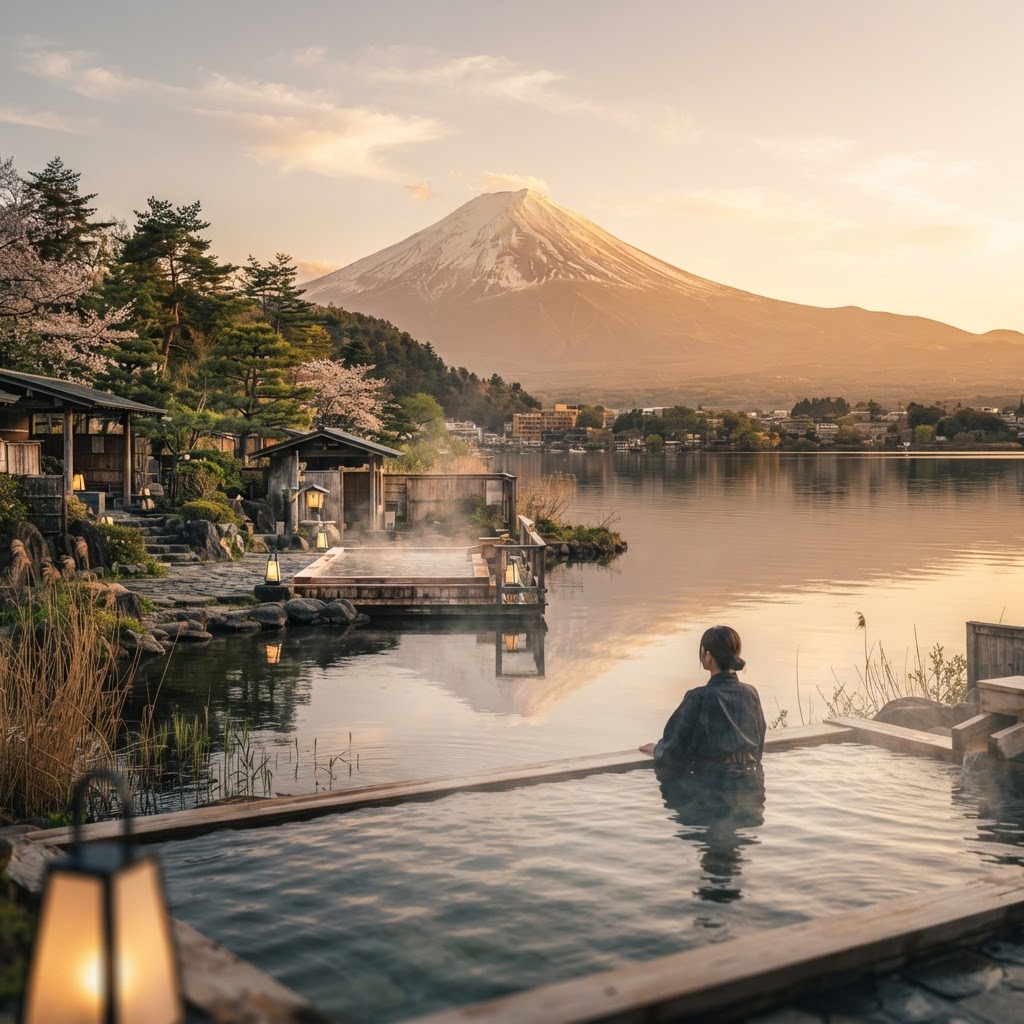
Unrivaled front-row views of Mount Fuji, lakeside onsens, and open mountain air.
Yakushima, Japan
Japan
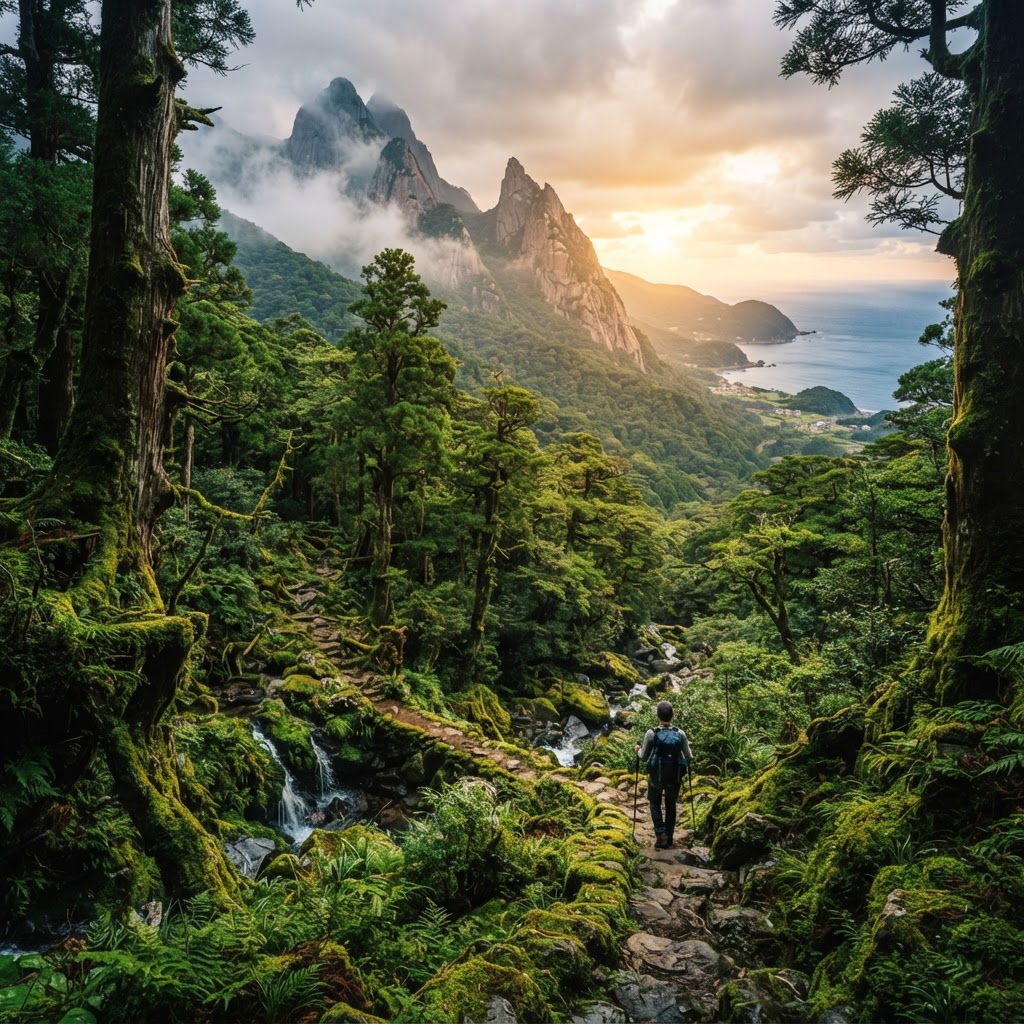
Ancient moss-draped cedar forests and misty granite peaks rising abruptly from the Pacific.
Shirakawa-go, Gifu, Japan
Japan
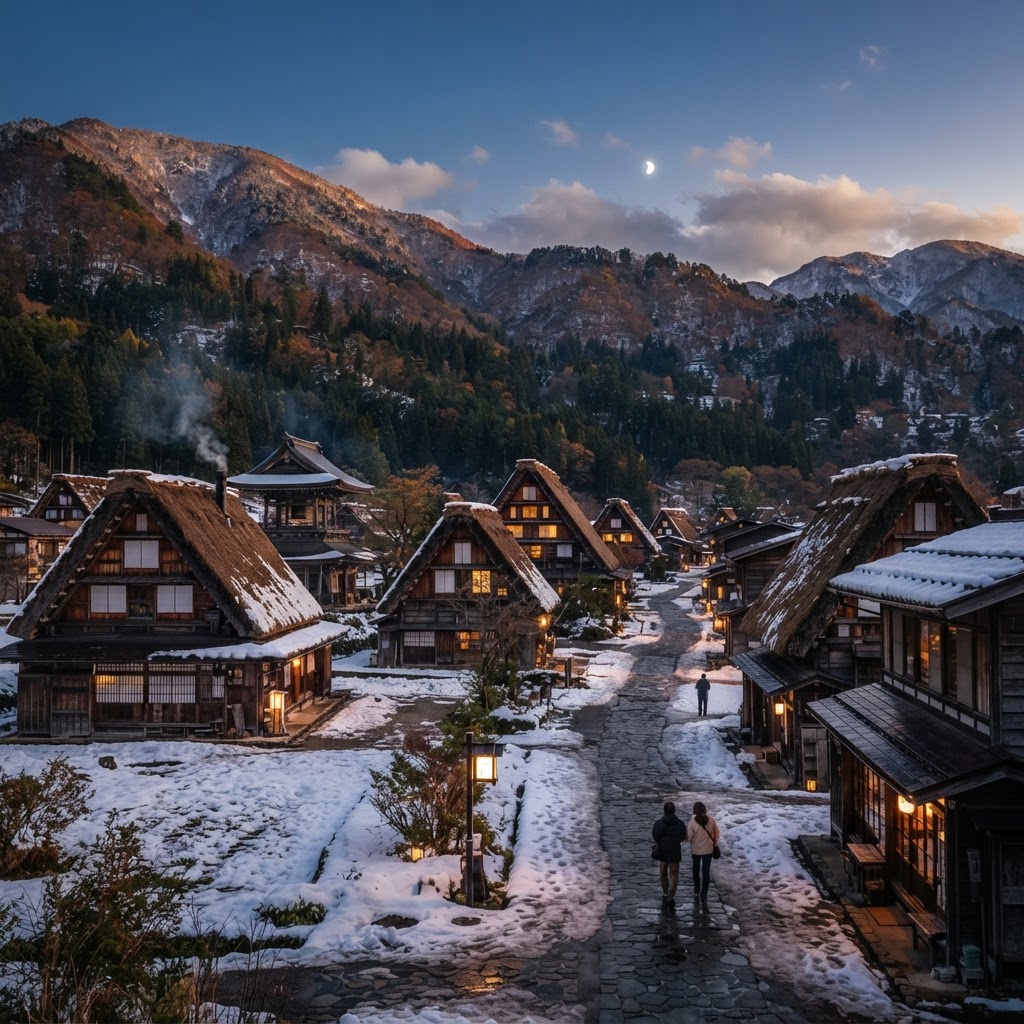
A living mountain settlement of steep-pitched thatch, silence at dusk, and alpine timbercraft.
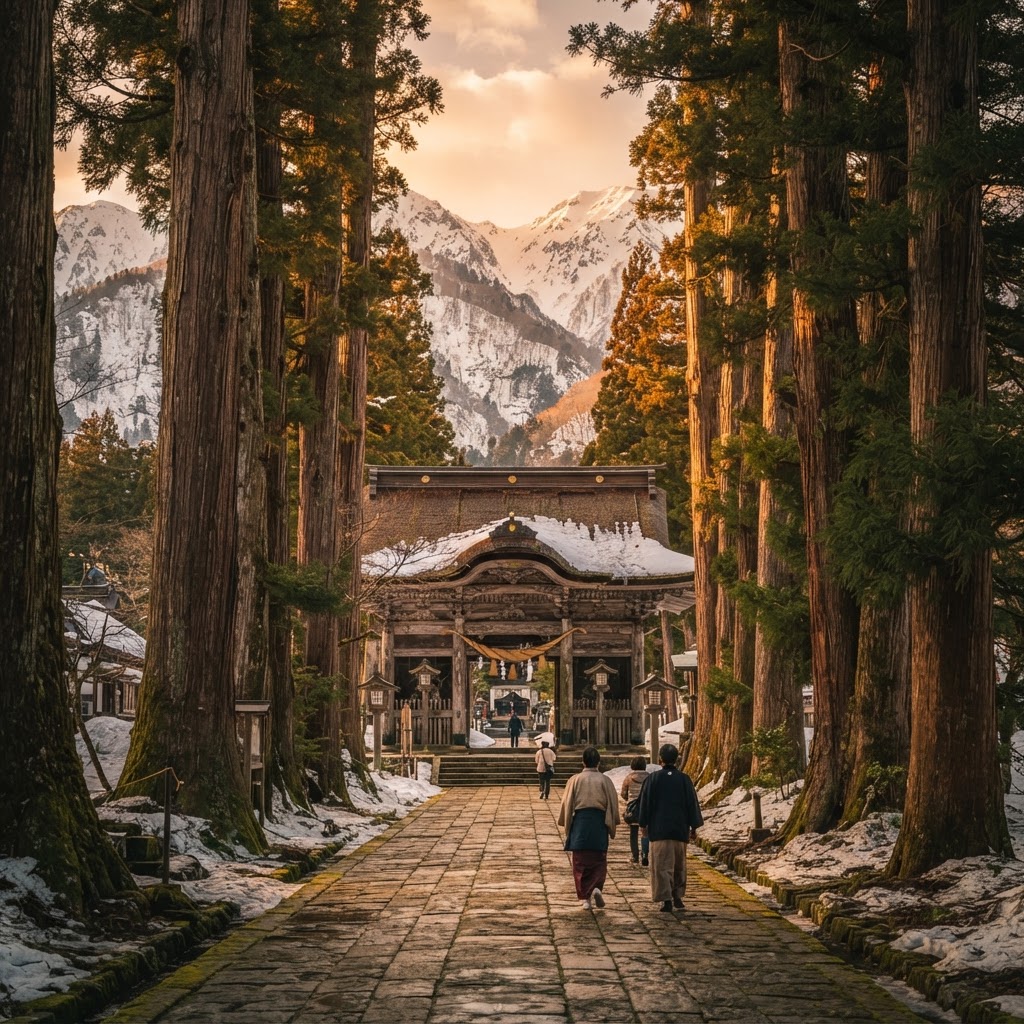
Nagano, Japan
Japan
Pilgrim temples, cedar-lined alpine shrines, and the gateway to Japan's northern powder peaks.
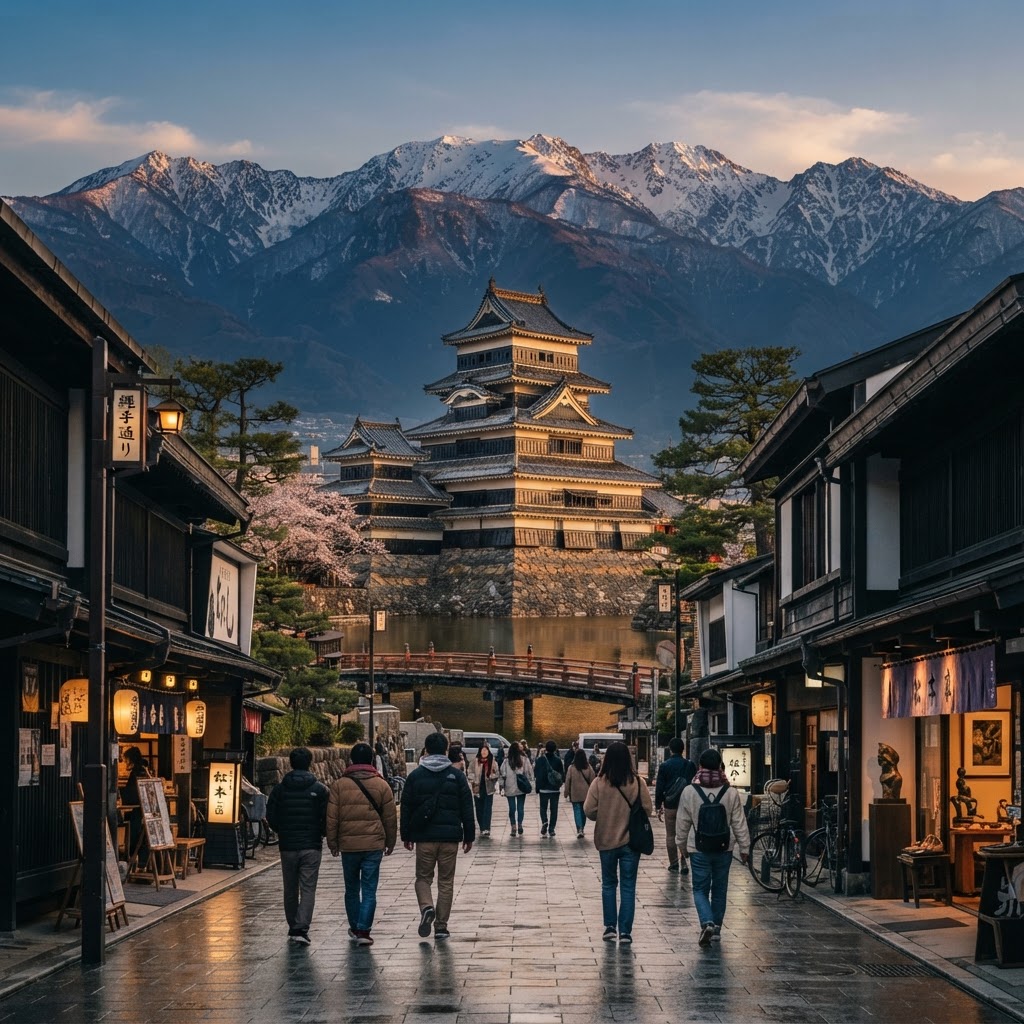
Matsumoto
Japan
Feudal black timber architecture framed by the Northern Alps and alpine art culture
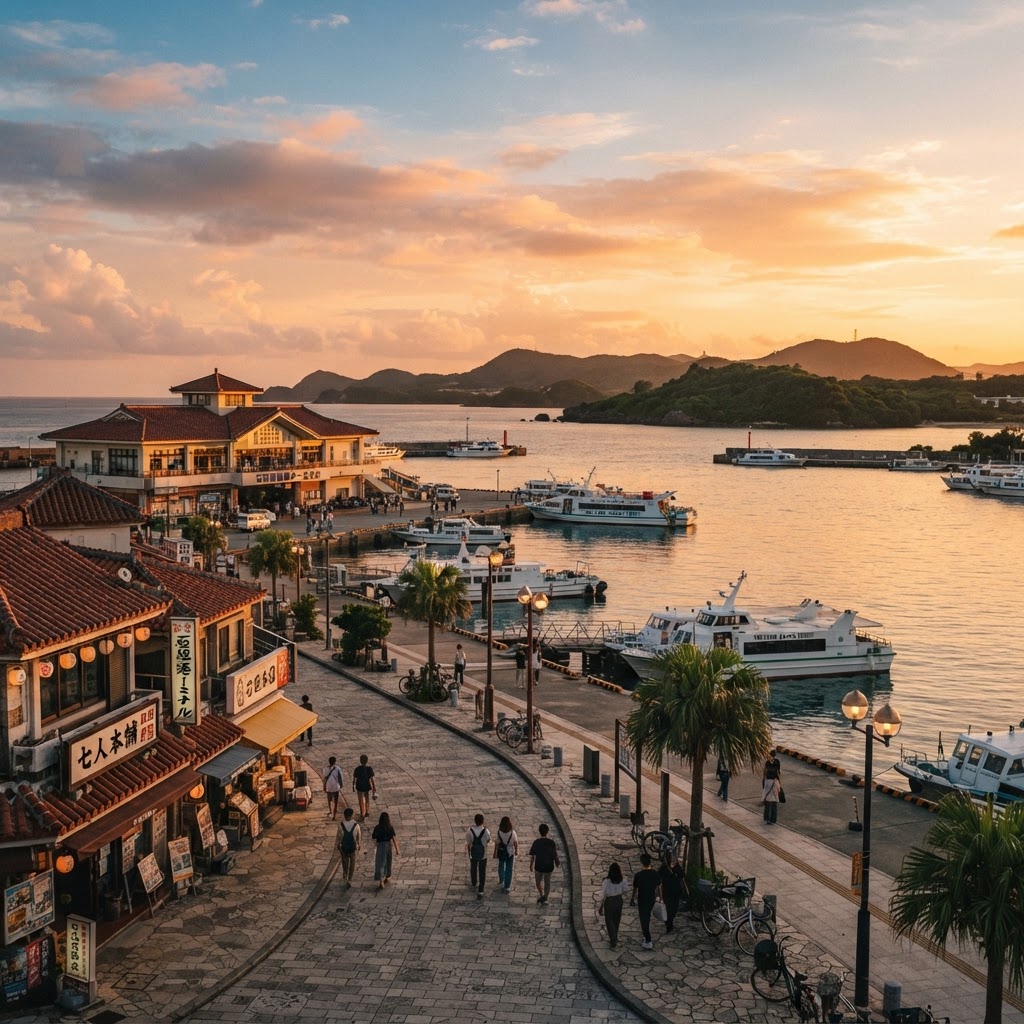
Ishigaki, Japan
Japan
The coral-fringed subtropical gateway to Japan's untamed southern archipelago.
Readymade itineraries
Start from a tested template — then make it yours.
Ready to book
Lock in your Miyajima (Itsukushima), Japan trip
Everything in one place. We may earn a small commission — it never costs you more.
Plan a trip to Miyajima (Itsukushima), Japan
Pick a length and we'll build a day-by-day plan around how you travel — neighborhoods clustered, budget-aware, and editable.
Get better at planning trips like this
Occasional notes on planning smarter — no spam, unsubscribe anytime.
Plan a trip to Miyajima (Itsukushima), Japan
Turn this guide into a day-by-day plan built around your pace, your group, and your budget.
Build my Miyajima (Itsukushima), Japan trip