
Italy
Rome, Italy
Two and a half millennia of architecture, layered carbonara, and relentless urban energy
Plan & book
Sort your Rome, Italy trip in one place.
We point you to the booking tools we'd actually use — live prices, no markup. Or let us build the day-by-day plan around you first, then book.
Rome is not a curated museum you politely browse; it is an open-air collision of ancient empires, Renaissance palazzi, sputtering Vespas, and unmatched street-level dining. Every piazza demands slow attention, but planning requires ruthless triage to navigate ticket systems and crowd density.
4 to 5 days
Best time
Mid-March to April and mid-October to November offer the sweet spot of walkable temperatures and manageable lines.
Build your own trip with these prebuilt itineraries
Each one is a tested, day-by-day plan for Rome, Italy — start here, then make it yours.
7 Days in Rome with Kids
7 day rome itinerary with kids
3 Days in Rome for First-Time Visitors
3 days in rome first time
5 Days in Rome Without a Car
5 days in rome without a car
4 Days in Rome for Couples
rome couples itinerary 4 days
No other city lets you walk casually from a 2,000-year-old temple like the Pantheon into a contemporary piazza for an espresso, followed by world-class Caravaggio canvases in neighborhood churches you can enter for free. Its historical layering is tangible, physical, and woven into daily neighborhood life.
Where to stay
Getting there
Getting around
Food & drink
What it costs
Things to do
Book tours & tickets in Rome, ItalySkip it if
Skip Rome if you cannot tolerate substantial walking over uneven cobblestones, find dense tourist crowds overstimulating, or want a quiet, pastoral countryside getaway without urban grit.
When to go
Summer brings oppressive cobblestone-radiating heat above 35°C (95°F) paired with suffocating museum crowds, while deep winter trades sunlight for empty streets. Shoulder months give you crisp 18°C (65°F) afternoons that make covering 15,000 steps a pleasure without peak hotel markups.
Peak (May–June, September–October, Easter & Jubilee periods)
Expect premium hotel pricing, required monument bookings a month out, and intense crowd density along the major tourist arteries.
Shoulder (Mid-March–April & mid-October–November)
Pleasant walking weather and tolerable queues, though pack a rain shell and book dining reservations at least a week ahead.
Low (December–February, excluding holidays)
Cold mornings and shorter daylight hours, rewarded with the lowest lodging rates of the year and quiet gallery halls.
Neighborhoods
Where you stay shapes the trip. Here's how to think about it.
Centro Storico (Parione & Campo de' Fiori)
Baroque grandeur meets narrow pedestrian alleyways packed with al fresco cafes and persistent foot traffic.
Best for:First-time visitors prioritizing walkability to major monuments
Don't miss:The Caravaggio canvases inside the Contarelli Chapel at San Luigi dei Francesi
Trastevere
Bohemian ivy-draped alleys that shift from sleepy morning espresso spots to rowdy evening aperitivo squares.
Best for:Dining enthusiasts and travelers wanting lively nightlife across the Tiber
Don't miss:The golden 12th-century mosaics in the Basilica di Santa Maria in Trastevere
Rione Monti
A trendy former red-light district of ancient Suburra turned village-like enclave of vintage boutiques and natural wine bars.
Best for:Couples and repeat visitors wanting quiet charm within walking distance of the Colosseum
Don't miss:An afternoon drink perched along the fountain steps of Piazza della Madonna
Prati
A wide, ordered 19th-century grid of Art Nouveau residential buildings, law offices, and high-end retail.
Best for:Families seeking quiet nights, elevator buildings, and easy early access to the Vatican
Don't miss:Sampling artisanal Roman street-food pizza by the slice at Bonci Pizzarium
Testaccio
An unapologetic, working-class culinary powerhouse built around an ancient mountain of broken terracotta amphorae.
Best for:Hardcore food purists seeking authentic offal, classic trattorias, and zero tourist traps
Don't miss:Browsing food stalls and grabbing panino con la trippa at Mercato Testaccio
Money & essentials
Currency
EUR
Language
Italian
Tipping
Tipping is not customary or required in Italy; service charges (servizio) or cover charges (coperto) are often included, though leaving modest change or 5-10% for exceptional service is appreciated.
Destination intelligence
Updated 9/15/2026The structured record we plan every Rome, Italy itinerary from.
Airports
Rome Fiumicino Leonardo da Vinci Airport (FCO), Rome Ciampino Airport (CIA)
Walkability
High in the historic core, though uneven cobblestones and erratic traffic require sturdy footwear and vigilant street awareness.
Transit quality
Moderate; the two main Metro lines bypass the central pedestrian core due to subterranean archeology, leaving buses and trams to fill the gaps.
Car needed
No. A rental car is a severe liability due to strict ZTL zones, heavy traffic, and minimal parking.
Ideal duration
4 to 5 days
Minimum useful
3 days
Peak season
May to June and September to October, plus the Easter holiday period and Holy Years, bringing high hotel rates and crowded sites.
Shoulder season
April and November, offering milder weather and relatively thinner crowds outside holiday spikes.
Low season
December through February (excluding Christmas/New Year), featuring lower lodging costs, crisp air, and the shortest museum queues.
Best for
Common mistakes
- Failing to reserve Colosseum, Vatican, and Galleria Borghese tickets weeks in advance
- Eating at restaurants directly lining monument piazzas with multilingual picture menus
- Renting a car in Rome or expecting driving and parking inside central ZTL zones to be manageable
- Scheduling the Vatican Museums and the Colosseum on the same calendar day
- Packing flimsy footwear on uneven basalt sampietrini cobblestones
Best nearby
See what a trip to Italy actually costs. Travel Budget Co.
How to plan it
- Book the Colosseum and Vatican ahead — skip-the-line is worth it, especially in season.
- Cluster your days by neighborhood: one day Centro Storico, one day Trastevere, one day Ancient Rome.
- Eat your big meal at lunch, lighter at dinner. Roman pasta (cacio e pepe, carbonara, gricia, amatriciana) is the reason to come.
- Reserve one nice dinner — but the best meals in Rome are often the unmarked trattoria, not the famous one.
- Plan one day with nothing scheduled. Rome's best moments are the unplanned ones.
Questions
More in Italy
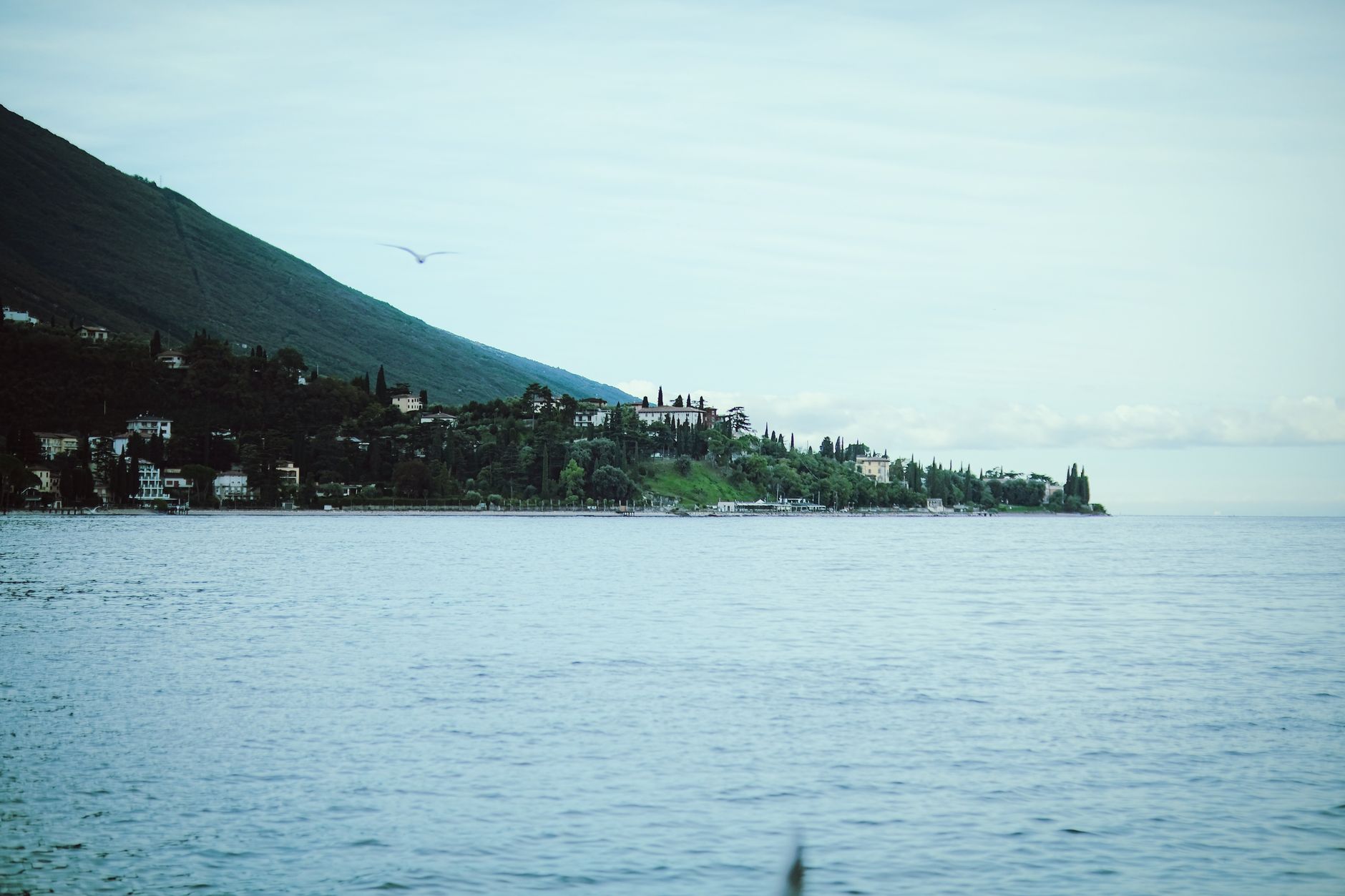
Lake Garda
Italy
Fjord-like northern crags, southern olive groves, and lake life without the Como theater
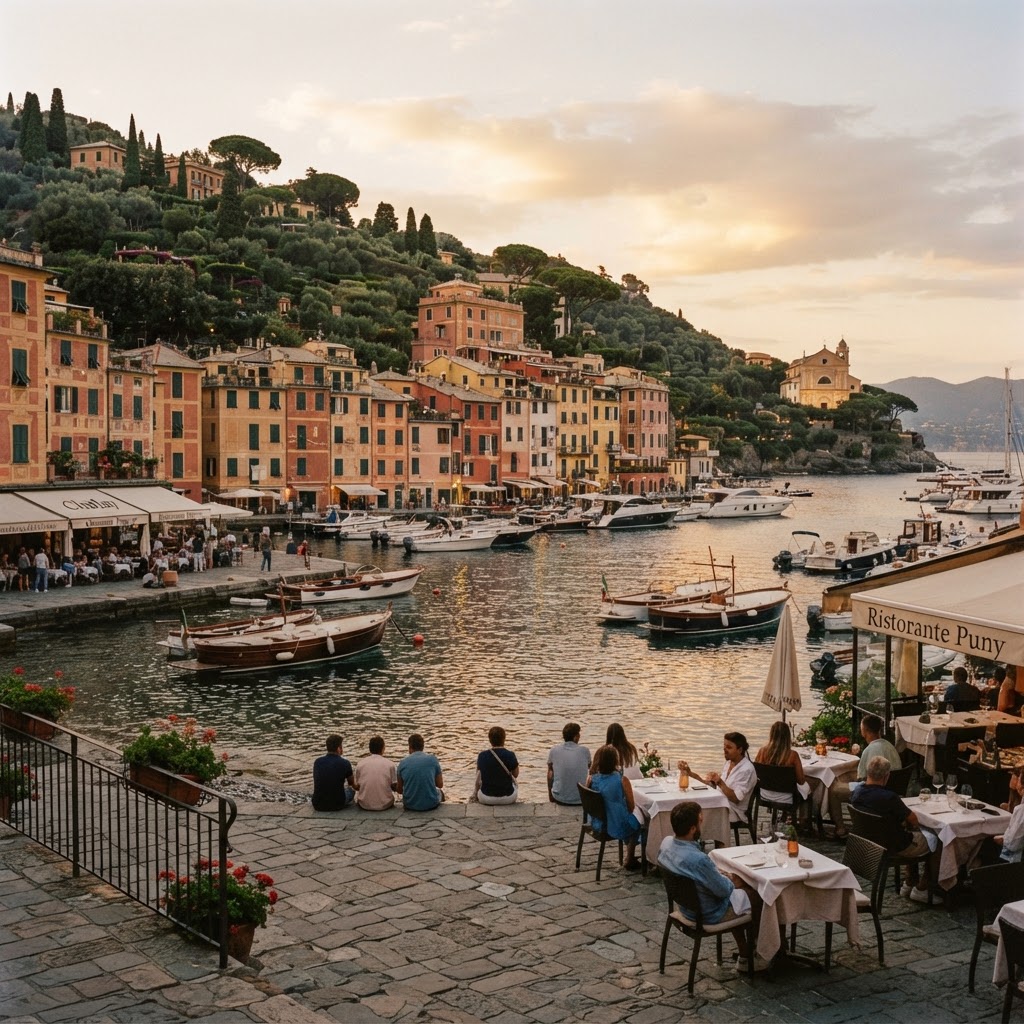
Portofino
Italy
A pocket-sized Riviera cove where lingering beats sightseeing.
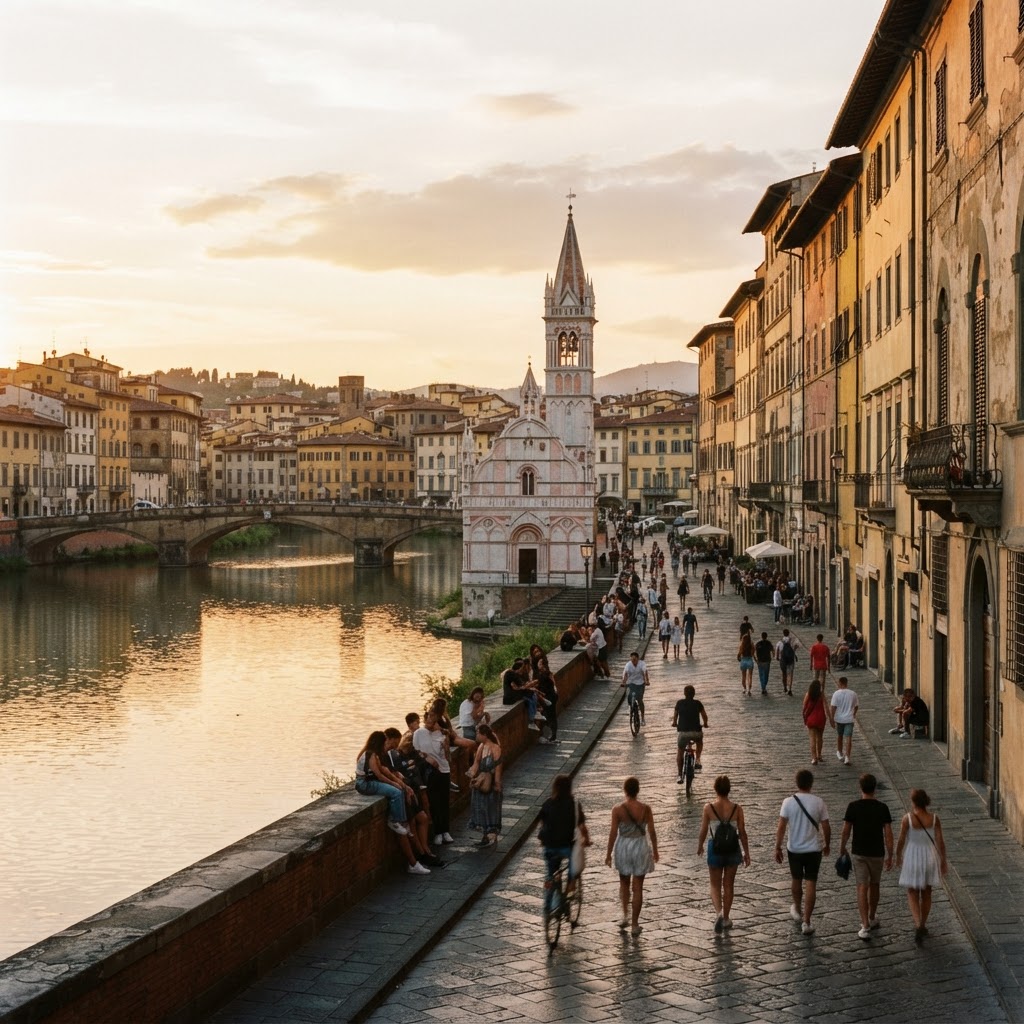
Pisa
Italy
Beyond the leaning marble: a lively university city of riverside palaces and quiet piazzas.
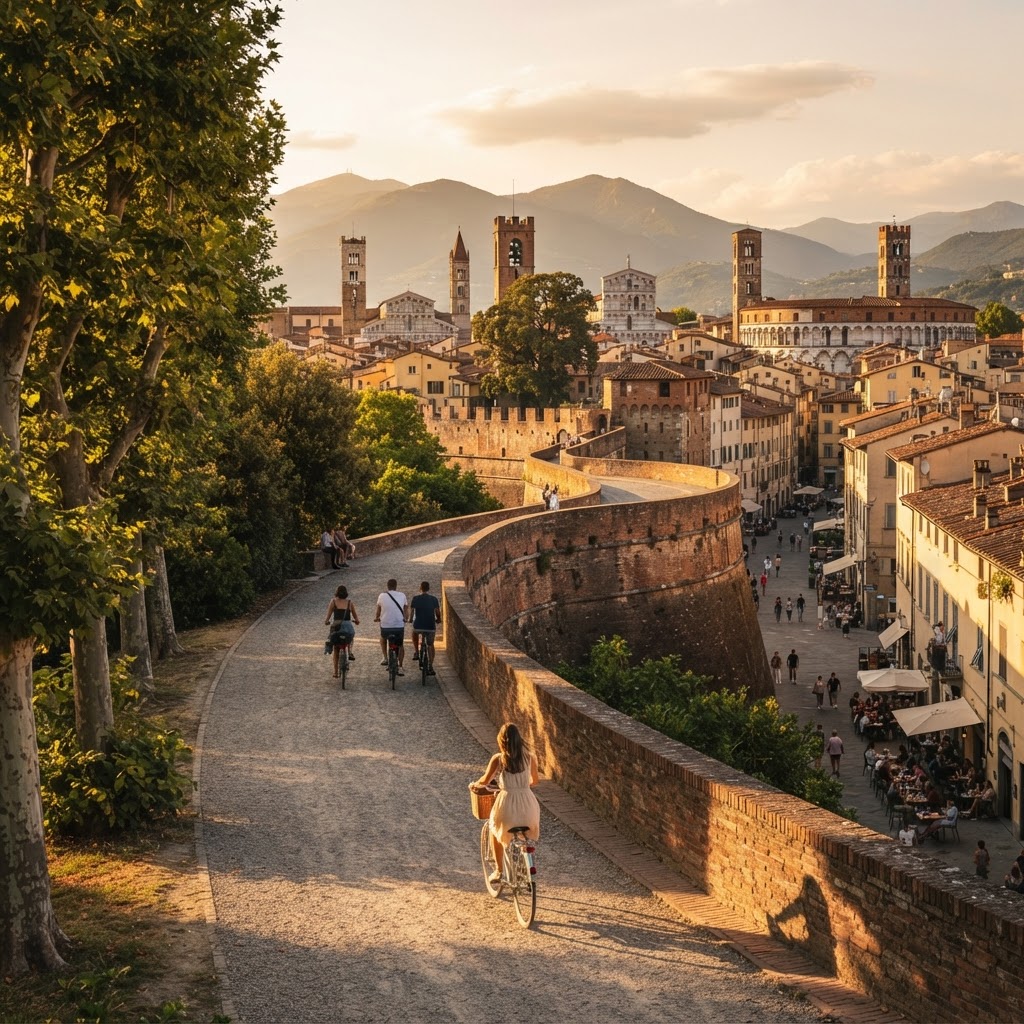
Lucca, Italy
Italy
A graceful, walled Tuscan oasis made for cycling ramparts and unhurried aperitivi.
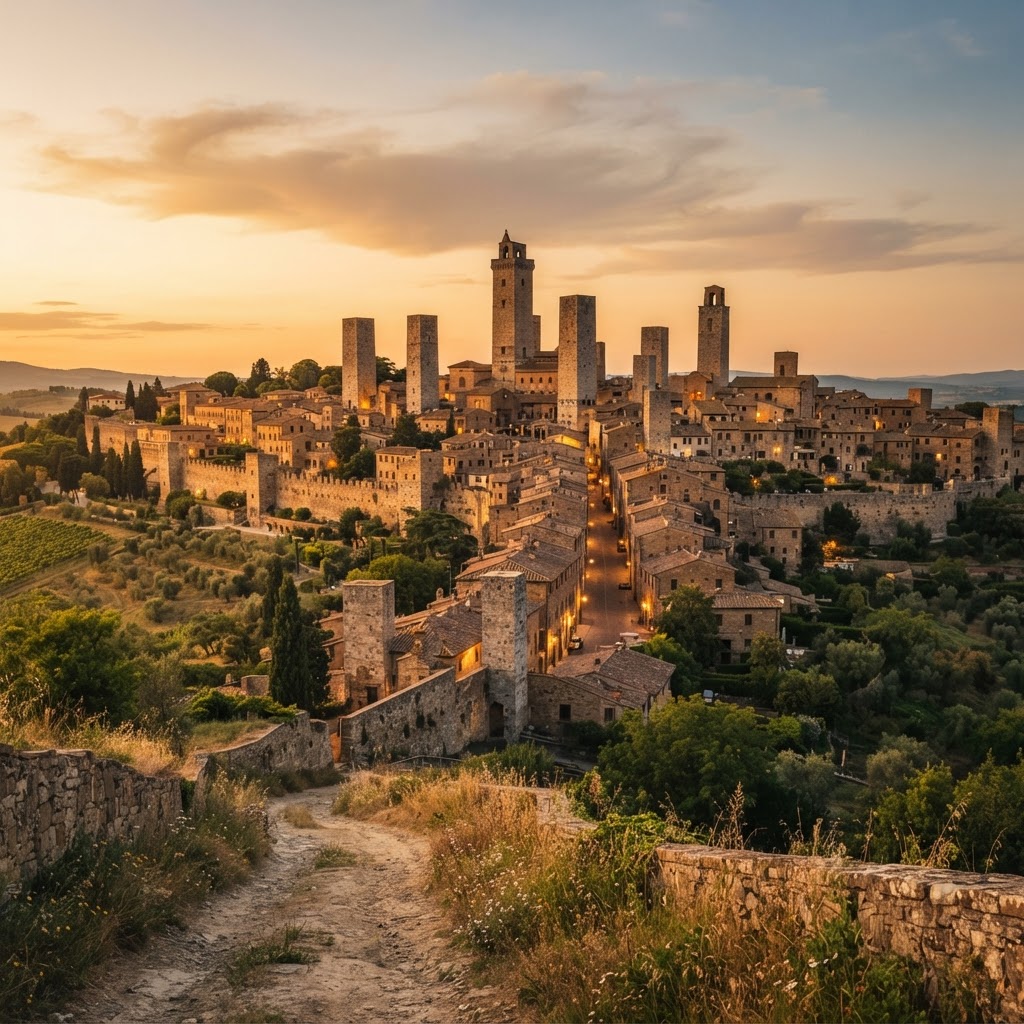
San Gimignano
Italy
Tuscany's medieval Manhattan, magical only when the day-trippers vanish
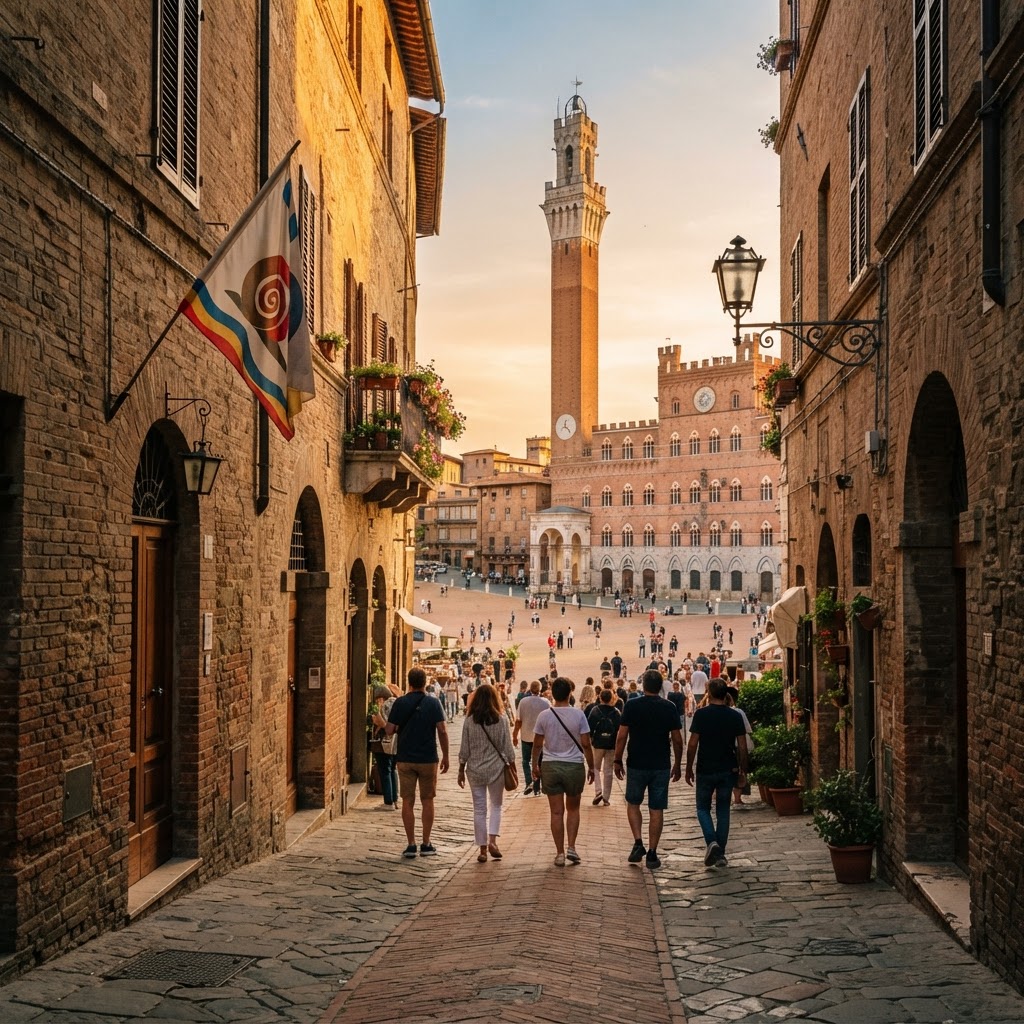
Siena, Tuscany, Italy
Italy
Gothic brick alleys, neighborhood contrada pride, and Italy's most dramatic medieval square
Readymade itineraries
Start from a tested template — then make it yours.
Ready to book
Lock in your Rome, Italy trip
Everything in one place. We may earn a small commission — it never costs you more.
Plan a trip to Rome, Italy
Pick a length and we'll build a day-by-day plan around how you travel — neighborhoods clustered, budget-aware, and editable.
Get better at planning trips like this
Occasional notes on planning smarter — no spam, unsubscribe anytime.
Plan a trip to Rome, Italy
Turn this guide into a day-by-day plan built around your pace, your group, and your budget.
Build my Rome, Italy trip