Italy
Siena, Tuscany, Italy
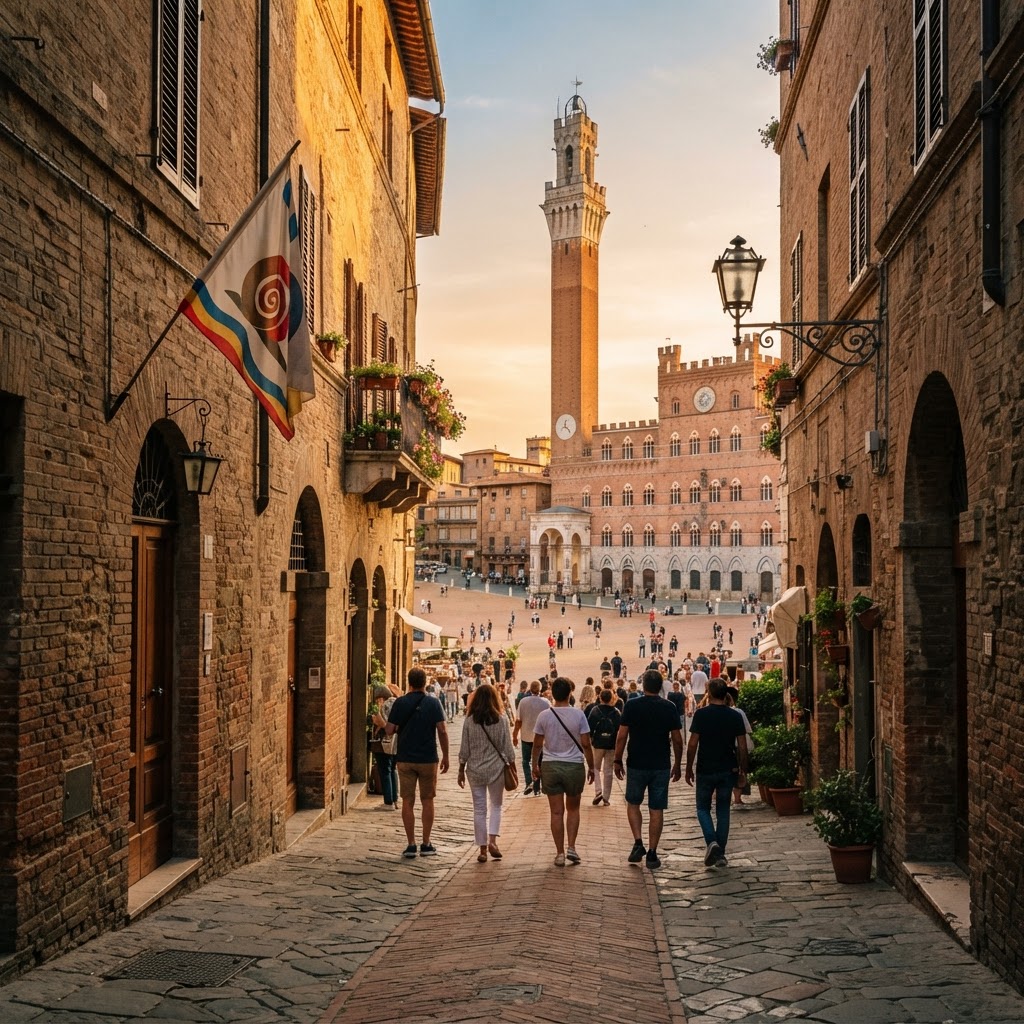
Gothic brick alleys, neighborhood contrada pride, and Italy's most dramatic medieval square
Plan & book
Sort your Siena, Tuscany, Italy trip in one place.
We point you to the booking tools we'd actually use — live prices, no markup. Or let us build the day-by-day plan around you first, then book.
Perched across three hills in central Tuscany, Siena preserves its 14th-century Gothic cityscape virtually intact. While often reduced to a hurried day trip from Florence, the city reveals its true rhythm after dusk, when day-trippers depart Piazza del Campo and the seventeen historic contrade (neighborhood wards) claim back their quiet, steeply pitched stone streets.
2 to 3 days
Best time
Mid-September to late October for temperate walking days, thinning crowds, and the uncovered Duomo marble floor.
Build your own trip with these prebuilt itineraries
Each one is a tested, day-by-day plan for Siena, Tuscany, Italy — start here, then make it yours.
Siena is the antidote to Florence's Renaissance symmetry. It is raw Italian Gothic: soaring red brick towers, black-and-white striped marble basilicas, and a living civic identity where neighborhood loyalties have outlasted empires. Visiting for an overnight allows you to sit with a glass of Chianti Colli Senesi in Piazza del Campo under lamplight without tour bus crowds.
Where to stay
Getting there
Getting around
Food & drink
What it costs
Things to do
Book tours & tickets in Siena, Tuscany, ItalySkip it if
Travelers with significant mobility impairments or stroller dependencies (due to steep hills, stairs, and uneven cobbles), or those seeking vibrant late-night modern nightlife and luxury designer shopping districts.
When to go
Summer brings oppressive stone-basin heat and overwhelming crowds, especially around the Palio dates in July and August. Late spring and autumn deliver comfortable hill walking and allow you to view the intricate mosaic cathedral floors, which are kept covered for preservation most of the year.
Peak (June–August)
Sweltering midday temperatures radiating off medieval brick, steep hotel surges, and total madness around Palio race dates (July 2 and August 16).
Shoulder (April–May & September–October)
Ideal walking weather, grape harvest energy in nearby hills, and scheduled uncoverings of the Duomo's marble pavement (typically late June to July and late August through mid-October).
Low (November–March)
Crisp, quiet alleys with zero lines, but shorter daylight hours, chilly damp winds, and limited opening times for small neighborhood trattorias.
Neighborhoods
Where you stay shapes the trip. Here's how to think about it.
Terzo di Città & Duomo
Grand, elevated, and steeped in high Gothic history along winding stone ridge lines.
Best for:First-timers, architecture buffs, and visitors prioritizing proximity to primary monuments.
Don't miss:The Libreria Piccolomini frescoes tucked right inside the Cattedrale di Santa Maria Assunta.
Terzo di San Martino (Il Campo & Torre)
Civic, bustling, and atmospheric with lively evening aperitivo terraces overlooking the shell-shaped piazza.
Best for:Travelers seeking central dinner spots and travelers wanting to be steps from Piazza del Campo.
Don't miss:Climbing the 400 stone steps of the Torre del Mangia for panoramic views across the tiled roofs to the Crete Senesi.
Terzo di Camollia
Relaxed, authentic residential quarters lined with local enotecas and fewer tour groups.
Best for:Slow travelers, food-focused visitors, and anyone arriving with luggage near the train station or bus terminal.
Don't miss:An evening glass of local Sangiovese along pedestrianized Via Camollia paired with sheep's milk pecorino.
Contrada dell'Oca & Fontebranda
Steeply terraced, deeply tribal, and intensely communal with proud neighborhood heraldry on every doorway.
Best for:Culture seekers eager to understand the year-round living rhythm of Siena's contrade.
Don't miss:The ancient brick vaults of the 13th-century Fontebranda basin at the foot of the hill.
Destination intelligence
Updated 9/14/2026The structured record we plan every Siena, Tuscany, Italy itinerary from.
Walkability
High inside the walls, but physically demanding due to steep hills and uneven medieval flagstones.
Transit quality
Moderate; local urban minibuses exist, but the historic center is best traversed on foot. Excellent regional bus connections to Florence and Tuscan hill towns.
Car needed
No car needed to explore Siena itself; a rental car is only recommended if using Siena as a jumping-off point to explore rural Val d'Orcia or Chianti hamlets.
Ideal duration
2 to 3 days
Minimum useful
1 full day (with overnight)
Peak season
June through August, especially intense during the Palio dates (July 2 and August 16). Expect midday crowds and sweltering summer heat.
Shoulder season
April to May and September to October. Pleasant temperatures, manageable foot traffic, and Cathedral floors frequently uncovered for viewing.
Low season
November through March (excluding Christmas holidays). Crisp, quiet, and authentic, though some restaurants and seasonal sites operate on limited hours.
Best for
Common mistakes
- Visiting purely as a three-hour day trip from Florence and missing the magical empty evening ambiance
- Driving a rental car into the Centro Storico and receiving automated ZTL traffic fines
- Taking the train from Florence instead of the bus, forcing an uphill climb with luggage from the low-lying station
- Skipping advance reservations for the Duomo complex during the uncovered floor season (August-October)
- Visiting during the Palio horse race (July 2 and August 16) without realizing the entire city shuts down standard sightseeing and packs out completely
Best nearby
See what a trip to Italy actually costs. Travel Budget Co.
How to plan it
- Stay overnight inside the walls rather than taking a day trip from Florence; the atmosphere shifts completely after 17:00 when tour groups leave.
- Pair Siena with a road trip through the Val d'Orcia or Chianti, but pick up your rental car outside the city walls right before heading into the countryside.
- Don't try to climb Torre del Mangia and the Duomo's Panorama dal Facciatone back-to-back on the same afternoon; your legs will regret the dual vertical stair climbs.
- Check the official Duomo floor unveiling schedule (pavimento scoperto) before locking in late summer or autumn dates if mosaic preservation windows matter to you.
- Book dinner at family-run spots along Via dei Rossi or Via Camollia 48 hours in advance, as tables fill early with local residents.
Questions
More in Italy
Lake Garda
Italy
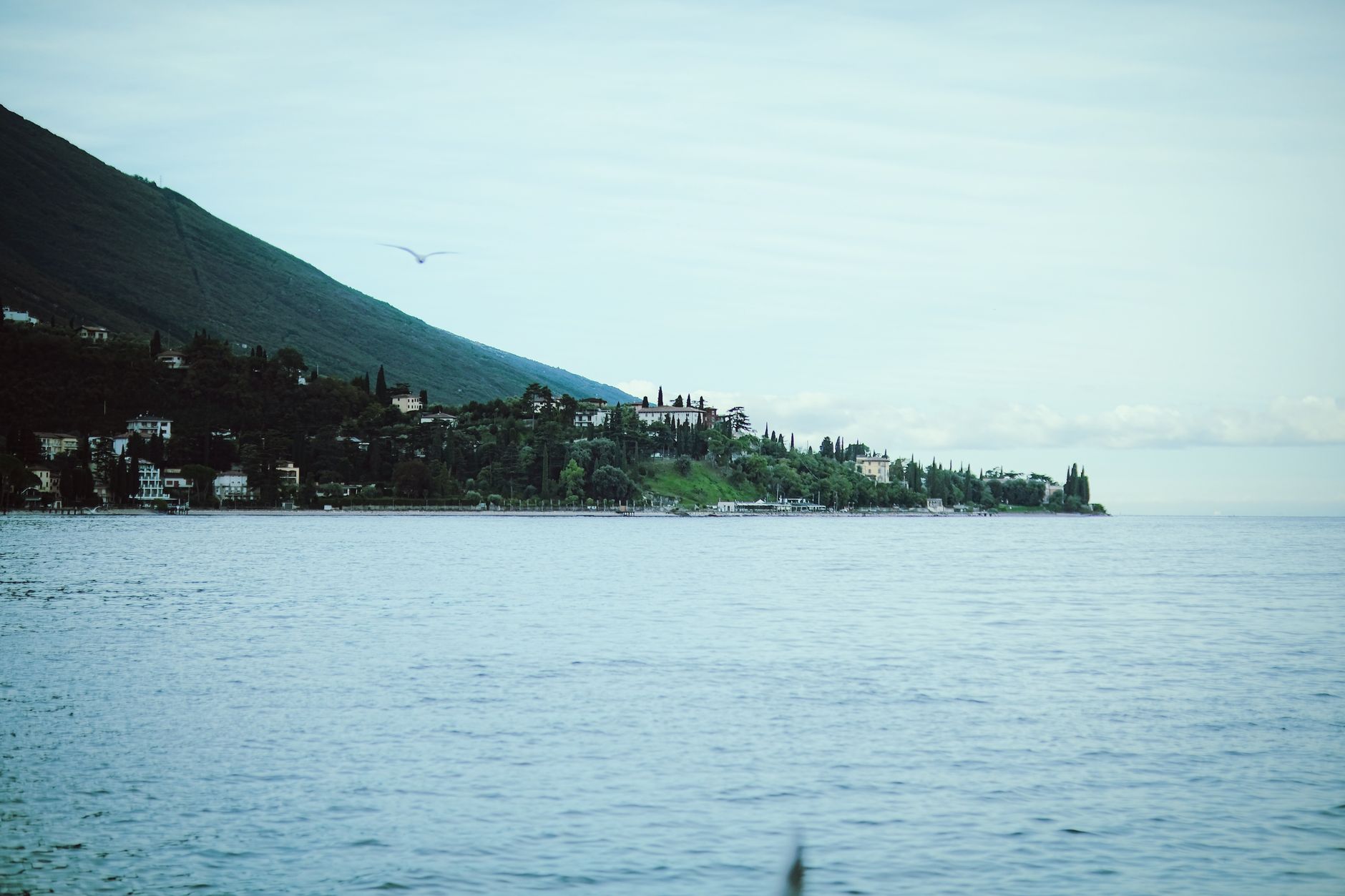
Fjord-like northern crags, southern olive groves, and lake life without the Como theater
Portofino
Italy
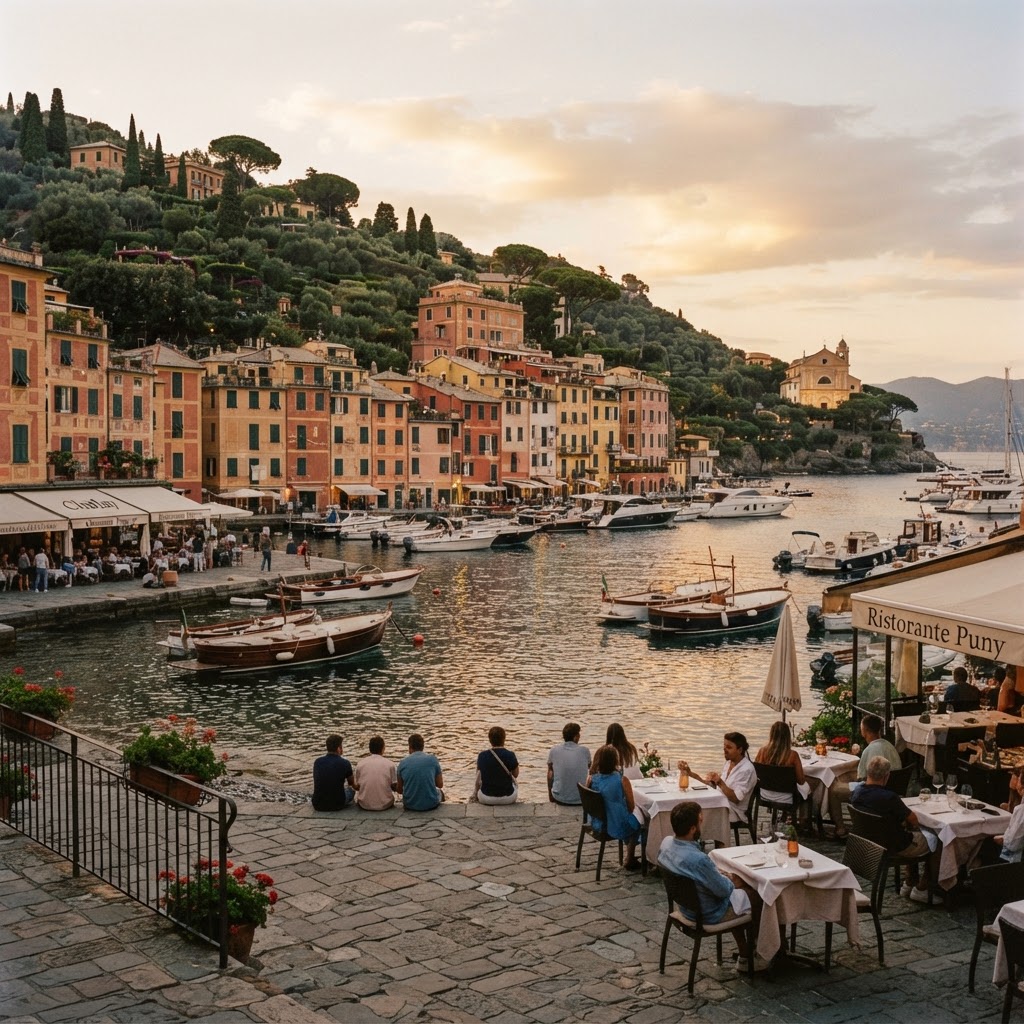
A pocket-sized Riviera cove where lingering beats sightseeing.
Pisa
Italy
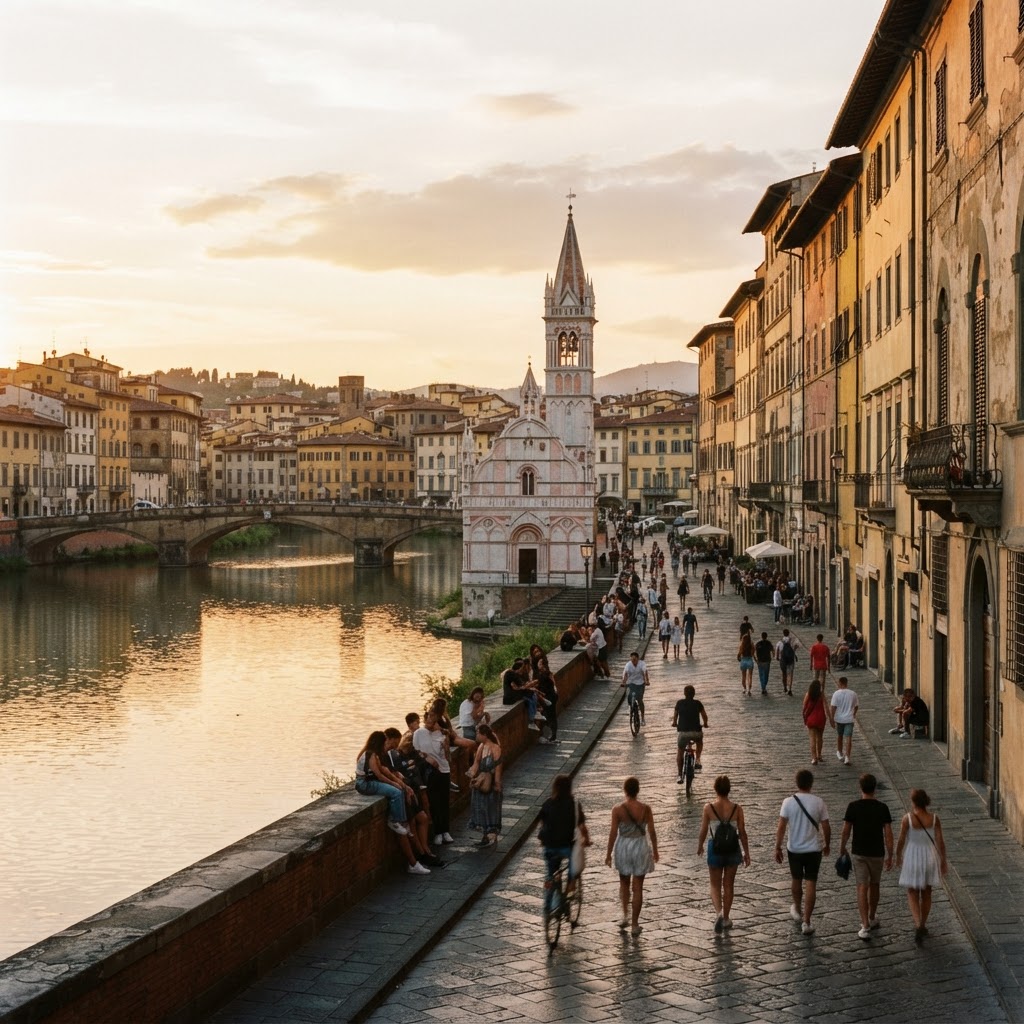
Beyond the leaning marble: a lively university city of riverside palaces and quiet piazzas.
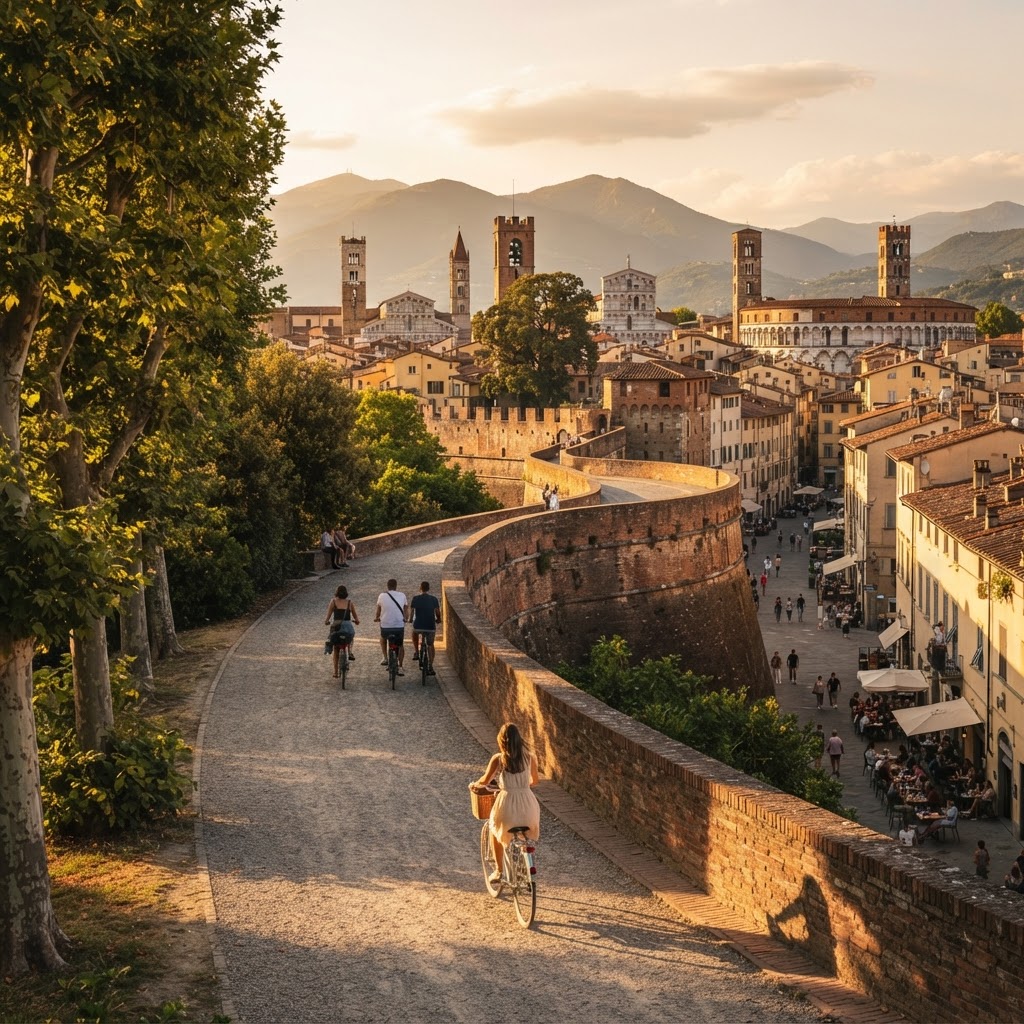
Lucca, Italy
Italy
A graceful, walled Tuscan oasis made for cycling ramparts and unhurried aperitivi.
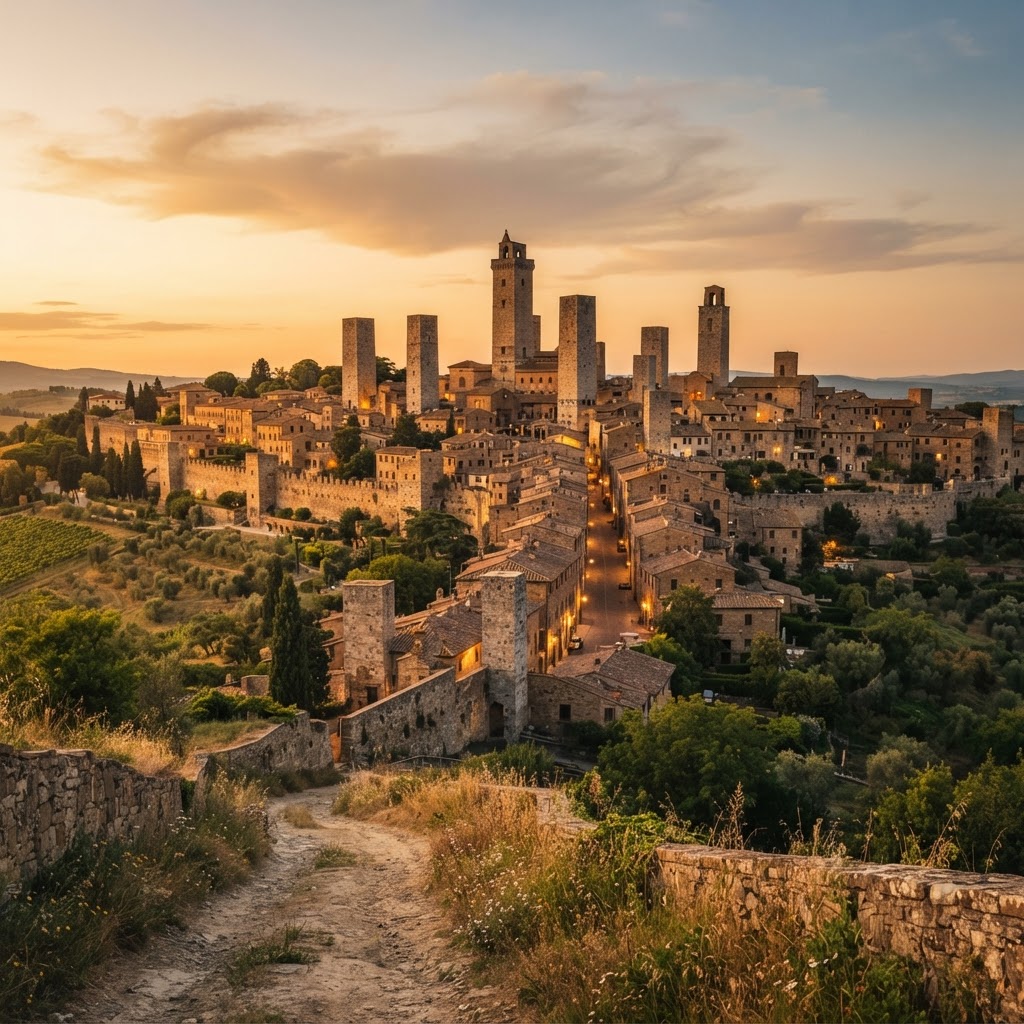
San Gimignano
Italy
Tuscany's medieval Manhattan, magical only when the day-trippers vanish
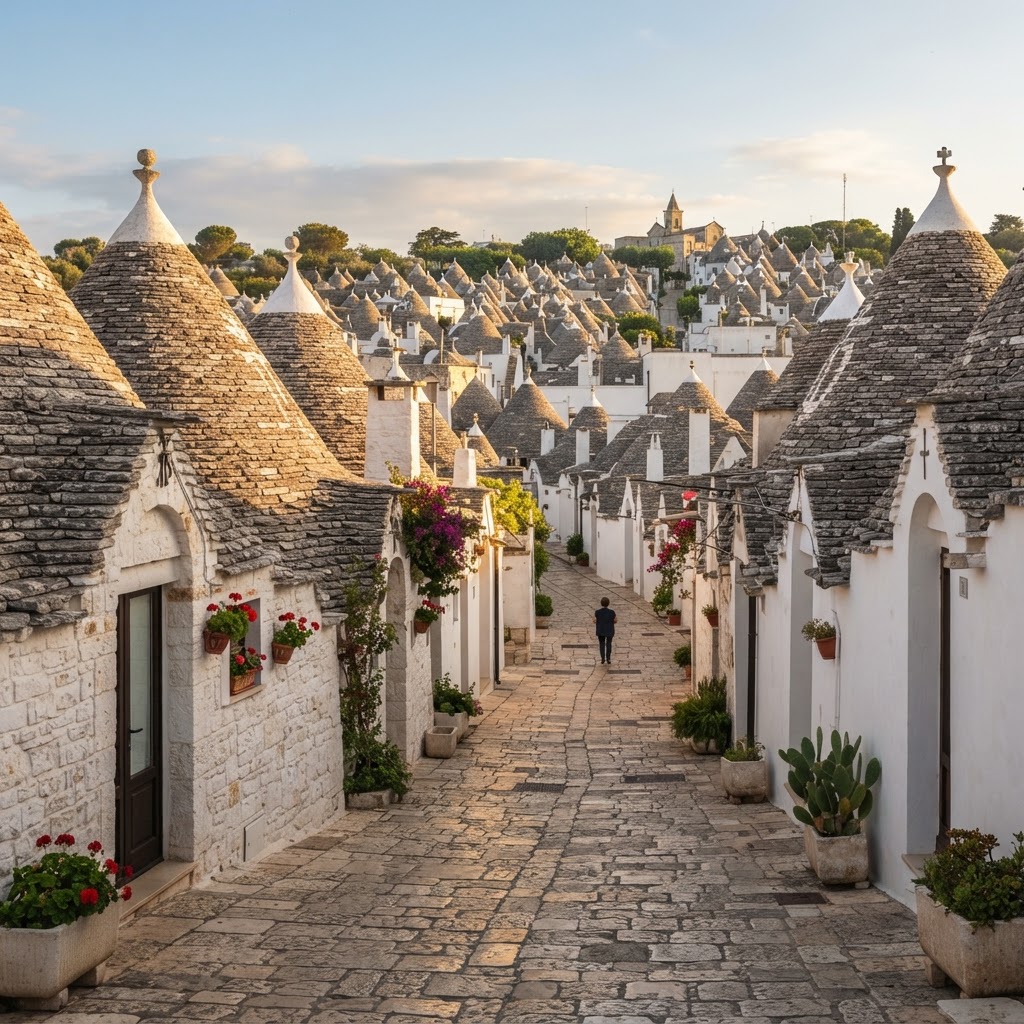
Alberobello, Puglia, Italy
Italy
A striking concentration of drystone limestone architecture, best experienced before the buses arrive.
Readymade itineraries
Start from a tested template — then make it yours.
Ready to book
Lock in your Siena, Tuscany, Italy trip
Everything in one place. We may earn a small commission — it never costs you more.
Plan a trip to Siena, Tuscany, Italy
Pick a length and we'll build a day-by-day plan around how you travel — neighborhoods clustered, budget-aware, and editable.
Get better at planning trips like this
Occasional notes on planning smarter — no spam, unsubscribe anytime.
Plan a trip to Siena, Tuscany, Italy
Turn this guide into a day-by-day plan built around your pace, your group, and your budget.
Build my Siena, Tuscany, Italy trip