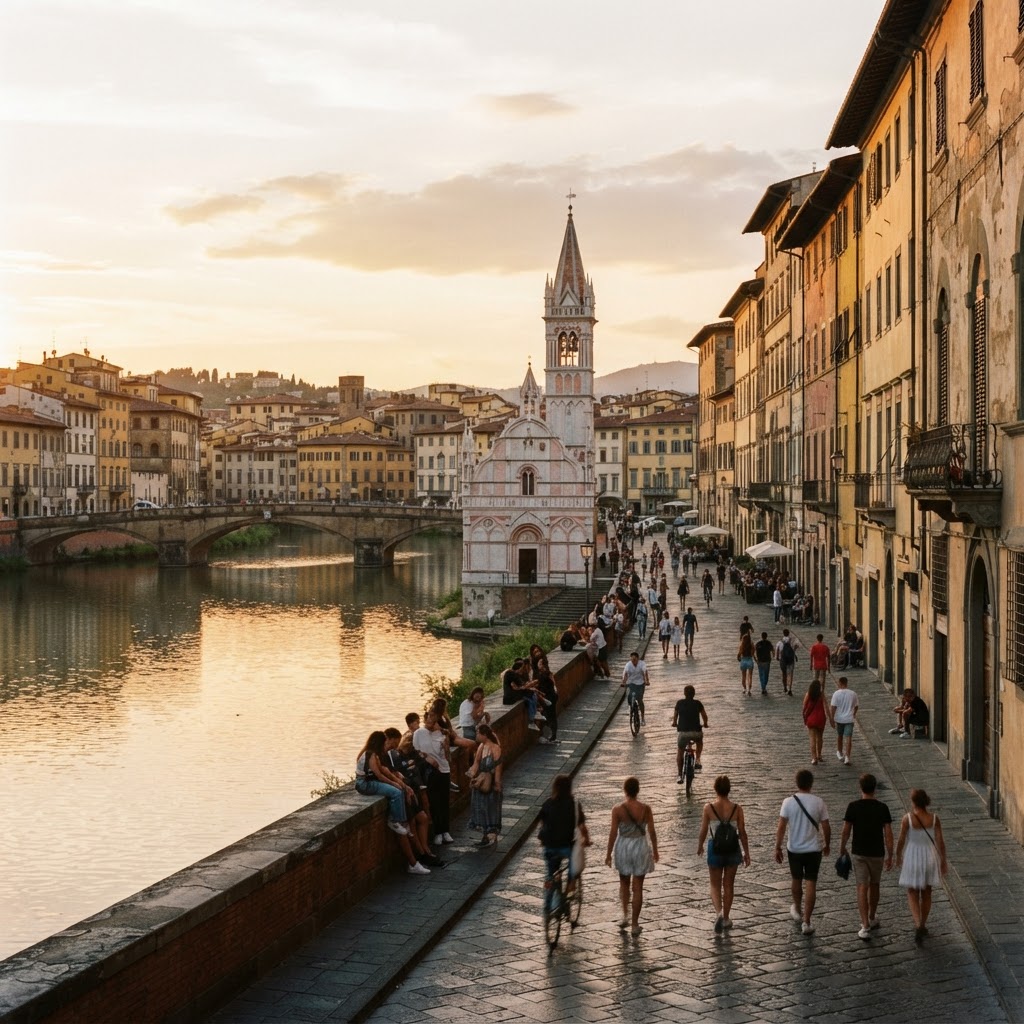
Italy
Pisa
Beyond the leaning marble: a lively university city of riverside palaces and quiet piazzas.
Plan & book
Sort your Pisa trip in one place.
We point you to the booking tools we'd actually use — live prices, no markup. Or let us build the day-by-day plan around you first, then book.
Pisa suffers from one of the most distorted reputations in European travel. Millions of day-trippers march straight from the train station to the Campo dei Miracoli, snap a forced-perspective photograph against the Campanile, and leave convinced the city has nothing else to offer. In reality, Pisa is an energetic Tuscan university town where student life fills Piazza delle Vettovaglie, Renaissance palaces line the Arno, and evening passeggiatas along the Lungarni happen completely free of tour buses. It functions best as an overnight stop on a Tuscan rail loop or an unpretentious culinary and architectural breather between Florence and Lucca.
24 to 36 hours (1 night)
Best time
Mid-April through May or October for crisp river light, mild walking conditions, and authentic student atmosphere.
Build your own trip with these prebuilt itineraries
Each one is a tested, day-by-day plan for Pisa — start here, then make it yours.
3 Days in Pisa: Rail Hub of Western Tuscany in Pisa
Base stay combining local Pisan university life with easy train day trips to Lucca and the coast
2 Days in Pisa: Romanesque Art & Riverfront Culture in Pisa
In-depth architecture, quieter museums, and evening Lungarno walks staying overnight
1 Day in Pisa: Beyond the Miracle Square in Pisa
First-time essential monuments with unhurried historic center walk and student-quarter dining
Go for the architectural grandeur of the Campo dei Miracoli before 9:00 AM or after 7:00 PM, when the day-tour coaches clear out and the Pisan Romanesque marble glows under quiet skies. Beyond the Piazza del Duomo, visit to experience a gritty, authentic Tuscan college town with exceptional market dining around Piazza delle Vettovaglie, the world-class Keith Haring mural 'Tuttomondo' near the station, and scenic evening walks along the river bends that inspired Byron and Shelley.
Where to stay
Getting there
Getting around
Food & drink
What it costs
Things to do
Book tours & tickets in PisaSkip it if
Skip staying overnight if you are on a tight 5-to-7-day Tuscan holiday where Florence and the Val d'Orcia hill towns are your primary focus; a 3-hour transit stop en route to Lucca or Cinque Terre covers the iconic monuments adequately.
When to go
Summer brings intense heat radiating off the marble of Piazza dei Miracoli alongside massive midday cruise-bus surges. Spring and early autumn provide mild weather, active university energy, and uncrowded evening walks along the Lungarni.
Peak (June–August)
Oppressive midday heat and high visitor density at the Campanile; escape to the Arno or coastal Marina di Pisa during peak afternoon hours.
Shoulder (April–May & September–October)
Optimal balance with temperatures around 18–24°C, comfortable tower climbs, and lively local piazza life.
Low (November–March)
Cool, damp winter days with minimal queues and rock-bottom hotel rates, though some monument hours are reduced.
Neighborhoods
Where you stay shapes the trip. Here's how to think about it.
Santa Maria
Grand Romanesque monuments transitioning into narrow medieval residential lanes.
Best for:First-timers who want early-morning, crowd-free access to the Piazza dei Miracoli.
Don't miss:The quiet cloisters of Camposanto Monumentale before the tour groups arrive at 10:00 AM.
San Francesco
Quiet, intellectual residential quarter anchored by university faculties, bookshops, and neighborhood osterias.
Best for:Slow travelers and food lovers wanting local trattorias without tourist menus.
Don't miss:Dinner at an unhurried table near Piazza San Paolo all'Orto.
Sant'Antonio
Southern gateway district blending practical transit convenience with modern street art and casual bars.
Best for:Rail travelers arriving late or taking early trains out across Tuscany.
Don't miss:Keith Haring's 1989 monumental mural Tuttomondo on the exterior wall of the Sant'Antonio Abate church.
San Martino & Kinzica
Atmospheric south-bank riverside pocket of noble palazzi, artisan studios, and riverside promenades.
Best for:Couples seeking evening aperitivo along the Arno away from midday crowds.
Don't miss:The Gothic jewel-box church of Santa Maria della Spina perched directly along Lungarno Gambacorti.
Borgo Stretto & Vettovaglie
The energetic medieval core filled with porticoed walkways, produce stalls by day, and student-packed bars by night.
Best for:Nightlife lovers, solo travelers, and street food explorers.
Don't miss:Snacking on warm cecina (chickpea flatbread) straight from the wood oven on Piazza delle Vettovaglie.
Destination intelligence
Updated 9/14/2026The structured record we plan every Pisa itinerary from.
Walkability
exceptional
Transit quality
excellent
Car needed
never
Ideal duration
24 to 36 hours (1 night)
Minimum useful
4 to 5 hours (as an en-route rail stop)
Peak season
May through September, marked by dense mid-day tour bus crowds at the Campo dei Miracoli and high summer heat.
Shoulder season
March to April and October to November, offering mild walking temperatures, lively student life, and thinner crowds.
Low season
December to February (excluding Christmas week), cool and rainy but offering nearly deserted monuments and low hotel rates.
Best for
Common mistakes
- Arriving without a reserved time-slot ticket for the Leaning Tower and wasting two hours in ticket queues or missing entry entirely.
- Eating at the overpriced tourist trap pizzerias immediately bordering Piazza dei Miracoli instead of walking ten minutes south into the historic center.
- Treating Pisa strictly as a hurried 2-hour luggage-drag between trains, missing the university district, riverside palazzi, and evening tranquility.
- Driving a rental car into the historic center; Pisa enforces aggressive ZTL (limited traffic zone) cameras with steep automated fines.
Best nearby
See what a trip to Italy actually costs. Travel Budget Co.
How to plan it
- Reserve Leaning Tower entry slots for either the first morning window (09:00) or late afternoon to bypass bus tour surges.
- Stay overnight on the north bank of the Arno (Santa Maria or San Francesco) to experience the city without tour groups.
- Pair Pisa with Lucca: a local regional train links the two cities in just 25 minutes for under 5 euros.
- Don't limit your monument visit to the exterior lawn; the combined ticket covering the Camposanto and Duomo offers the richest Romanesque art in western Tuscany.
- Avoid sit-down lunch spots directly fronting Piazza del Duomo; walk 7 minutes south toward Piazza dei Cavalieri for local prices and higher quality.
Questions
More in Italy
Lake Garda
Italy
Fjord-like northern crags, southern olive groves, and lake life without the Como theater
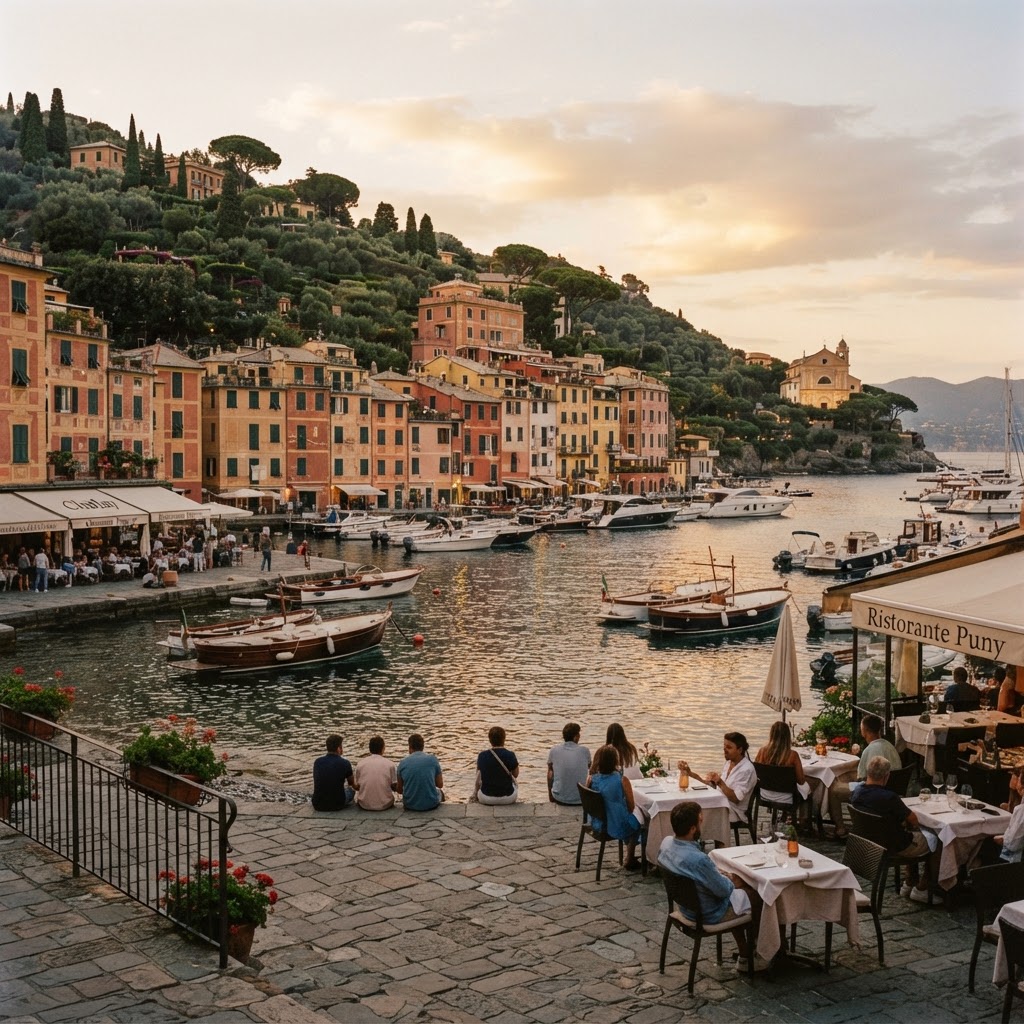
Portofino
Italy
A pocket-sized Riviera cove where lingering beats sightseeing.
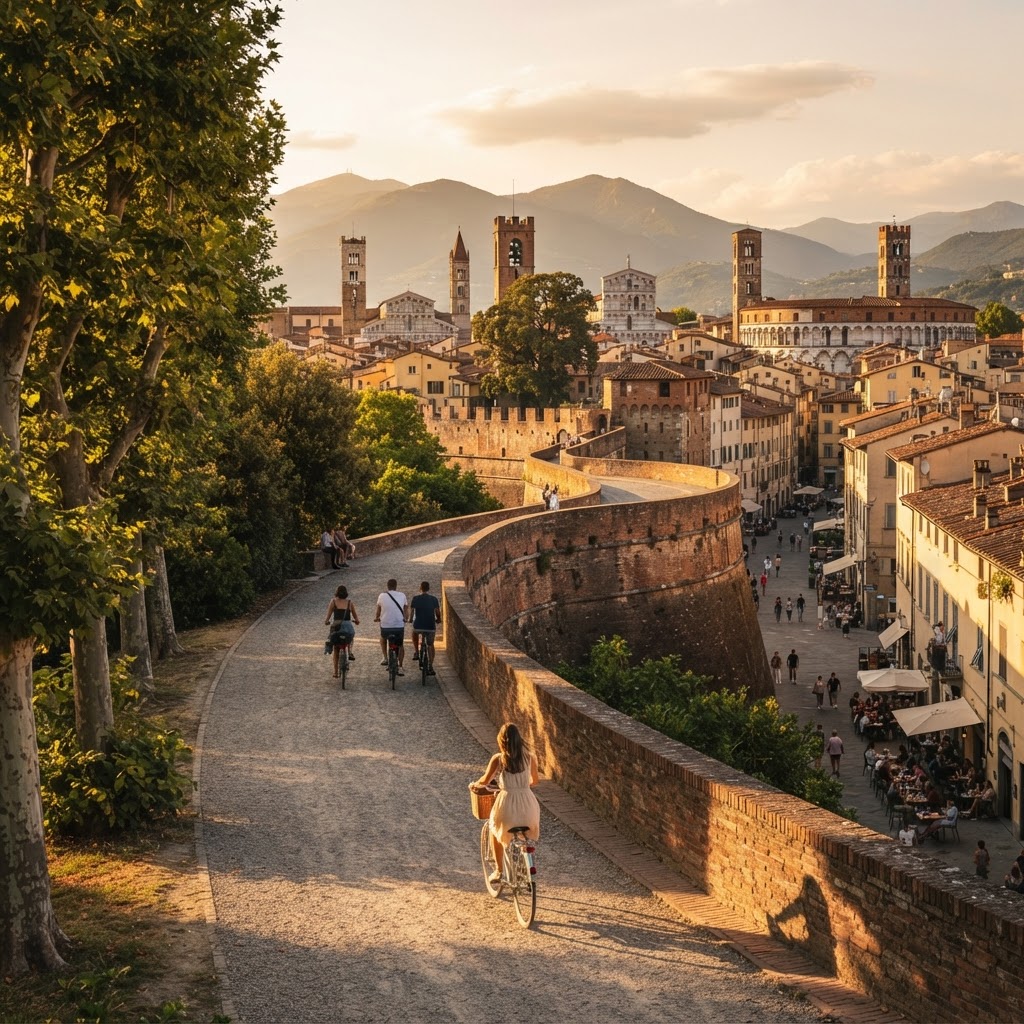
Lucca, Italy
Italy
A graceful, walled Tuscan oasis made for cycling ramparts and unhurried aperitivi.
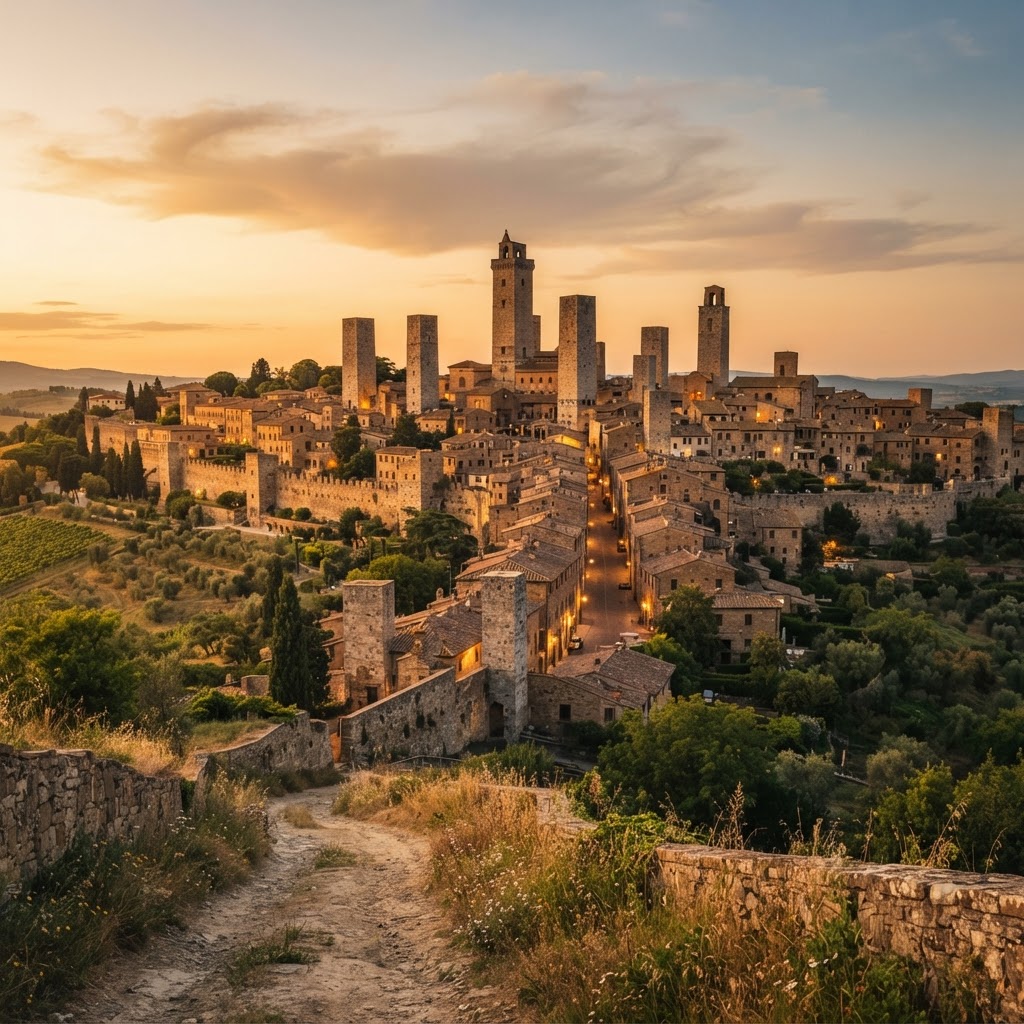
San Gimignano
Italy
Tuscany's medieval Manhattan, magical only when the day-trippers vanish
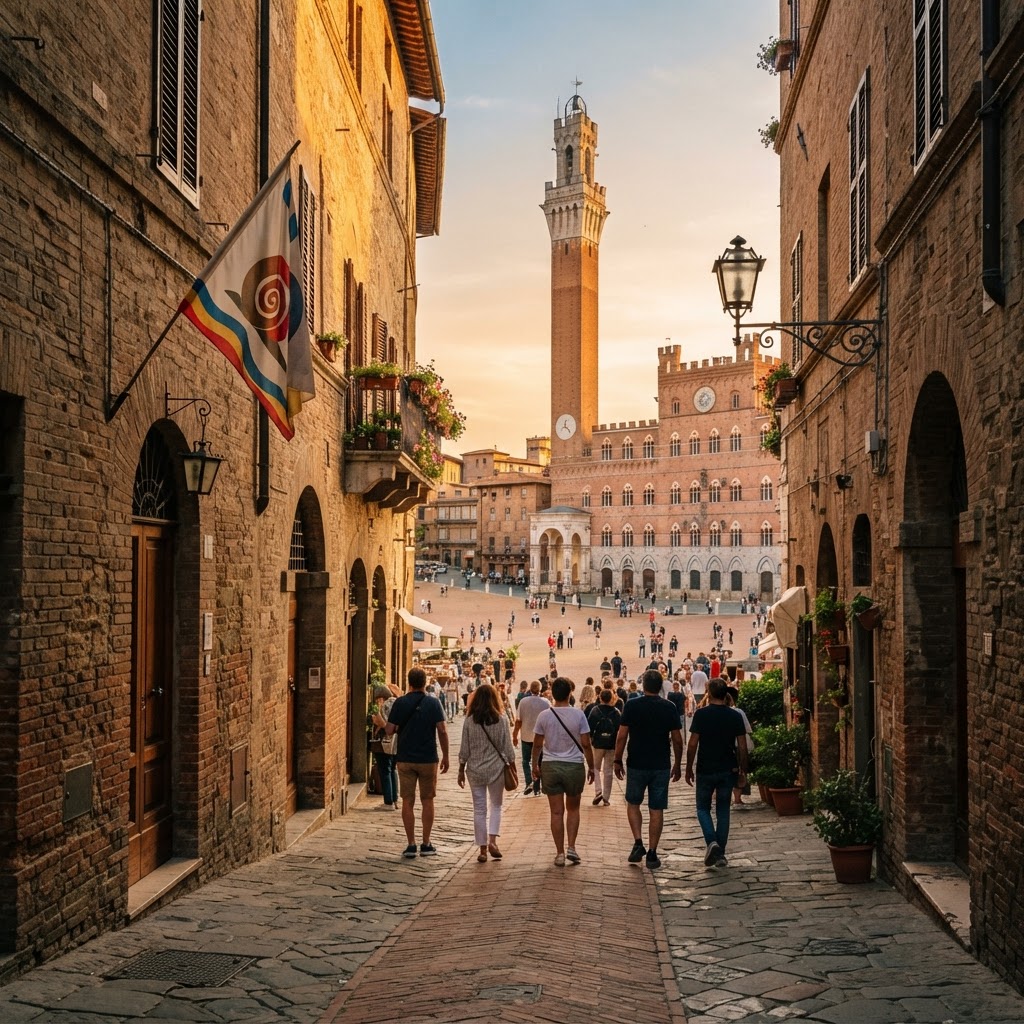
Siena, Tuscany, Italy
Italy
Gothic brick alleys, neighborhood contrada pride, and Italy's most dramatic medieval square
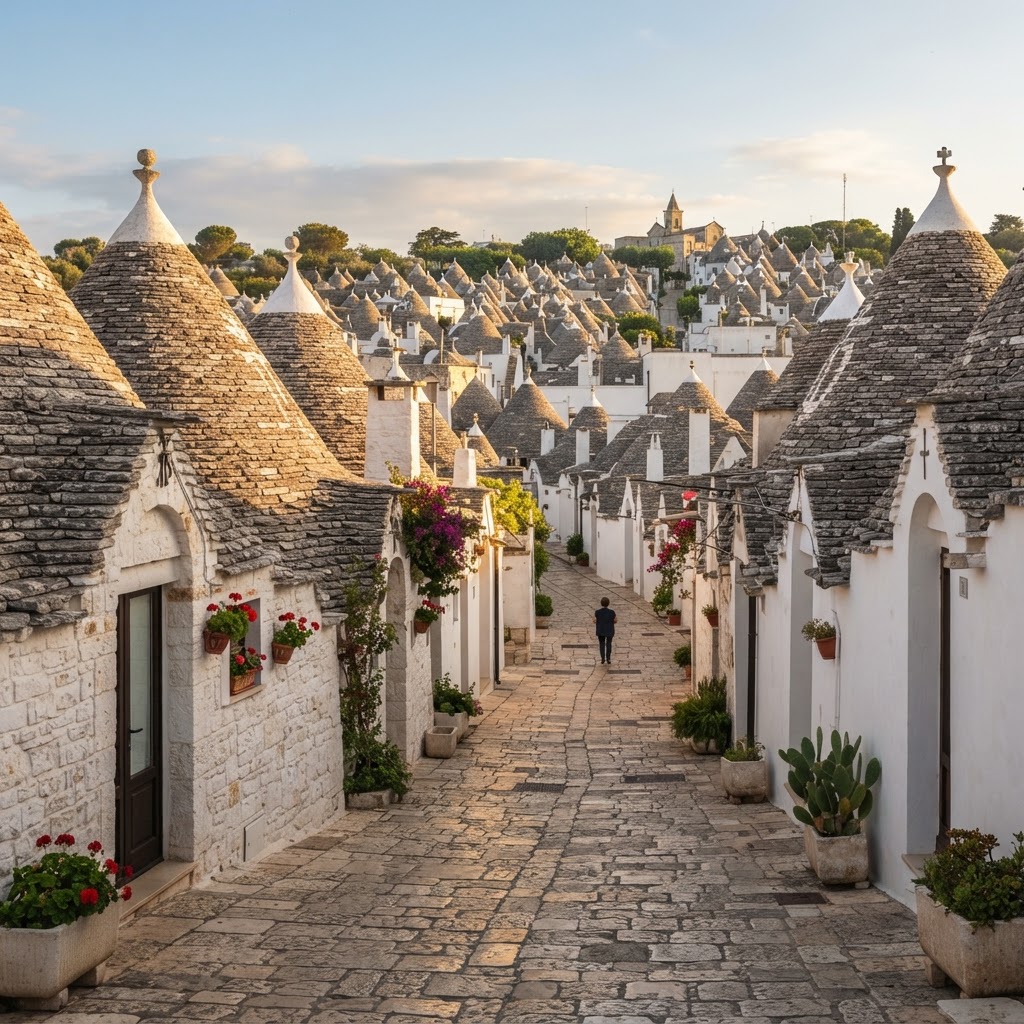
Alberobello, Puglia, Italy
Italy
A striking concentration of drystone limestone architecture, best experienced before the buses arrive.
Readymade itineraries
Start from a tested template — then make it yours.
Ready to book
Lock in your Pisa trip
Everything in one place. We may earn a small commission — it never costs you more.
Plan a trip to Pisa
Pick a length and we'll build a day-by-day plan around how you travel — neighborhoods clustered, budget-aware, and editable.
Get better at planning trips like this
Occasional notes on planning smarter — no spam, unsubscribe anytime.
Plan a trip to Pisa
Turn this guide into a day-by-day plan built around your pace, your group, and your budget.
Build my Pisa trip