Italy
San Gimignano
Tuscany's medieval Manhattan, magical only when the day-trippers vanish
Plan & book
Sort your San Gimignano trip in one place.
We point you to the booking tools we'd actually use — live prices, no markup. Or let us build the day-by-day plan around you first, then book.
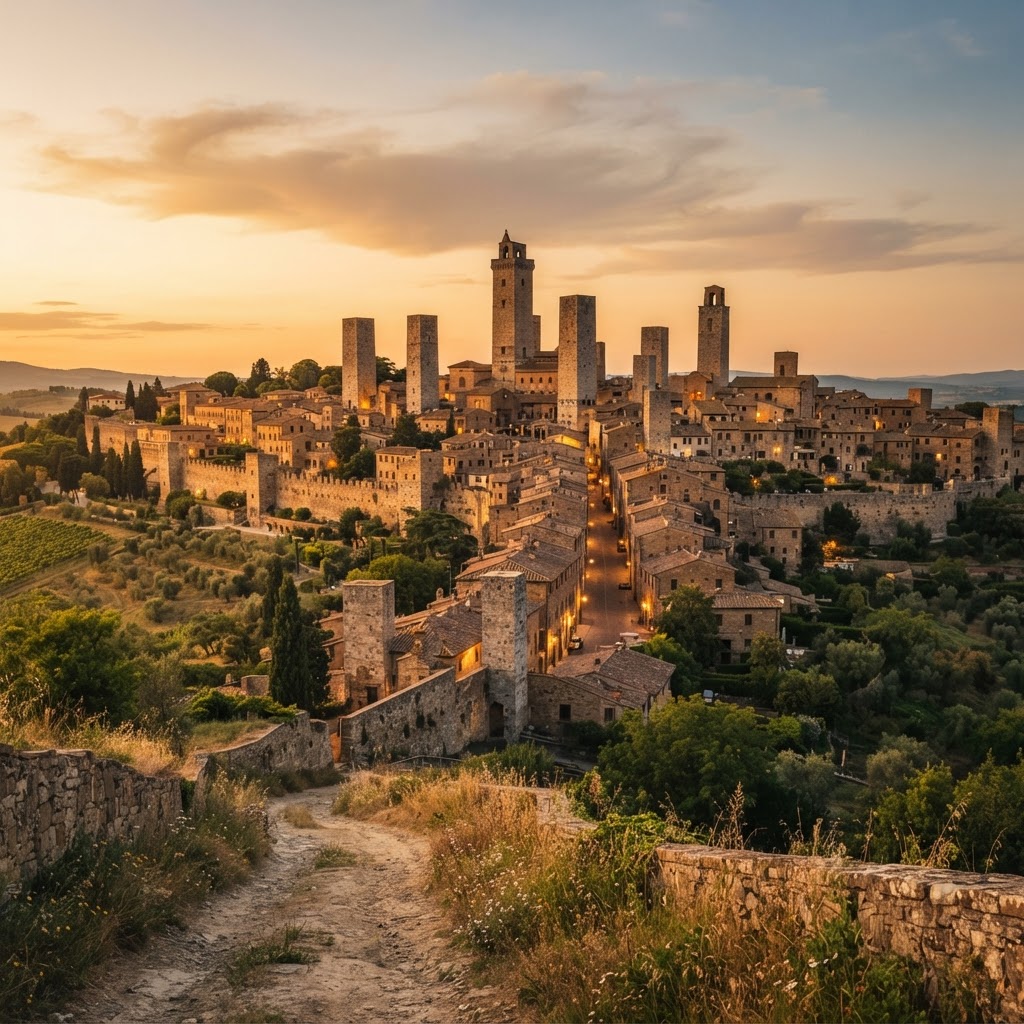
Perched on a ridge in the Val d'Elsa, San Gimignano is famous for its dramatic cluster of 13 surviving medieval stone towers. During peak midday hours, its compact alleys are choked with tour bus crowds; stay overnight or arrive at dawn, however, and the stone piazzas return to their quiet, resonant 14th-century atmosphere.
24 to 36 hours (1 overnight stay)
Best time
Late April to May and late September through October provide the ideal balance of pleasant hill walking and tolerable crowd levels.
Build your own trip with these prebuilt itineraries
Each one is a tested, day-by-day plan for San Gimignano — start here, then make it yours.
3 Days in San Gimignano: Medieval Town & Tuscan Countryside Road Trip in San Gimignano
A countryside hub itinerary combining the historic walled town with rental car day trips to local vineyards and rural villages
2 Days in San Gimignano: Romantic Evenings & Vernaccia Wine in San Gimignano
An atmospheric overnight escape tailored for wine lovers and romantic sunset walks inside the walls
1 Day in San Gimignano: Classic Towers & Historic Highlights in San Gimignano
Classic medieval architecture and key sights timed to avoid peak midday tour bus crowds
Go for one of Europe's most intact Romanesque and Gothic architectural skylines and to taste DOCG Vernaccia di San Gimignano in the very vineyards where it grows. It offers an evocative glimpse into communal medieval rivalry that Florence's wider avenues cannot duplicate.
Where to stay
Getting there
Getting around
Food & drink
What it costs
Things to do
Book tours & tickets in San GimignanoSkip it if
Skip staying overnight if you rely entirely on rapid rail connections without buses, or if you struggle with steep inclines, uneven medieval paving, and lugging suitcases up cobblestone alleys.
When to go
Summer brings unrelenting midday stone-alley heat and dense lines of tour buses that overwhelm the tiny medieval core. Shoulder season pairs mild daytime temperatures and autumnal grape harvests with quiet, lingering evenings once day-trippers clear out.
Peak (June–August)
Oppressive heat radiates from the stone paving, perimeter parking fills before 10:30 AM, and dense tour crowds pack the central piazzas.
Shoulder (April–May & September–October)
Comfortable weather for climbing towers, golden vineyard photography, and relaxed evening tables at local trattorias.
Low (November–March)
Ghost-town tranquility and dramatic winter valley mists, though many regional enoteche, sights, and family-run hotels close or run reduced hours.
Neighborhoods
Where you stay shapes the trip. Here's how to think about it.
Centro Storico (Piazza del Duomo & Piazza della Cisterna)
The dramatic, stone-paved core framed by surviving patrician towers, buzzing by day and intensely atmospheric at night.
Best for:First-timers and architecture buffs prioritizing proximity to major sites over absolute quiet.
Don't miss:The 14th-century Bartolo di Fredi Old Testament frescoes covering the left aisle inside the Collegiata di Santa Maria Assunta.
Porta San Giovanni & South Bastion
The animated southern entry lined with enoteche, saffron boutiques, and stone arches stepping downhill.
Best for:Travelers arriving on foot from parking lots P1/P2 or those focused on wine bars and artisan food shops.
Don't miss:Picking up local Finocchiona and pecorino at an alimentari along Via San Giovanni before walking out to the panoramic wall overlook.
Porta San Matteo & North Quarter
A quiet, residential pocket of the walled town with fewer souvenir shops and authentic residential alleyways.
Best for:Overnight visitors seeking quiet nights within the walls and travelers who prefer escaping the midday pedestrian spine.
Don't miss:The cloister and Benozzo Gozzoli fresco cycle depicting the life of Saint Augustine inside the Church of Sant'Agostino.
Val d'Elsa Countryside & Rural Outskirts
Terraced olive groves, cypress-lined lanes, and working Vernaccia vineyards overlooking the iconic tower skyline.
Best for:Drivers wanting an agriturismo base with private parking, sweeping hillside views, and on-site wine tastings.
Don't miss:Walking a section of the historical Via Francigena path toward town in the morning light before the heat sets in.
Destination intelligence
Updated 9/14/2026The structured record we plan every San Gimignano itinerary from.
Walkability
High inside the walls, though moderately strenuous due to stone inclines and steps.
Transit quality
Fair; relies on regional bus transfers at Poggibonsi as there is no direct rail station.
Car needed
Not required for a quick visit, but essential if using the town as a base to tour rural Tuscan wineries.
Ideal duration
24 to 36 hours (1 overnight stay)
Minimum useful
4 to 5 hours (half-day pass-through)
Peak season
June through August, characterized by high temperatures, packed tour groups, and congested perimeter parking.
Shoulder season
April to May and September to October, offering pleasant walking temperatures, vineyard harvest activity, and manageable crowds.
Low season
November through March, when streets are quiet and atmospheric, though several restaurants and small hotels close for winter.
Best for
Common mistakes
- Visiting strictly between 11:00 AM and 4:00 PM on a day-trip bus tour when streets are overwhelmed and lines are longest.
- Attempting to drive past the historic city gates and incurring automated municipal ZTL fines.
- Waiting an hour in line at Piazza della Cisterna for trendy gelato while ignoring exceptional local bakeries and wine cantinas.
- Planning a multi-day stay inside the walls without a rental car to explore the rest of the province.
Best nearby
See what a trip to Italy actually costs. Travel Budget Co.
How to plan it
- Stay inside the medieval walls or within a 15-minute walk if you want to experience the tranquil dawn light and late-night piazzas without parking headaches.
- Pair San Gimignano with Volterra or Siena on a driving loop; do not attempt to squeeze Florence, San Gimignano, and Siena all into a single rushed day trip.
- Buy the integrated San Gimignano Pass at the Palazzo Comunale ticket office to cover the Duomo frescoes, Torre Grossa climb, and municipal museums under one fee.
- Schedule your arrival either before 9:00 AM or after 4:00 PM to bypass peak tour bus arrivals that clog the narrow passage of Via San Giovanni.
- If taking public transit from Florence or Siena, remember that train tickets only take you as far as Poggibonsi; keep cash or your transit app ready to buy the Bus 130 connection.
Questions
More in Italy
Lake Garda
Italy
Fjord-like northern crags, southern olive groves, and lake life without the Como theater
Portofino
Italy
A pocket-sized Riviera cove where lingering beats sightseeing.
Pisa
Italy
Beyond the leaning marble: a lively university city of riverside palaces and quiet piazzas.
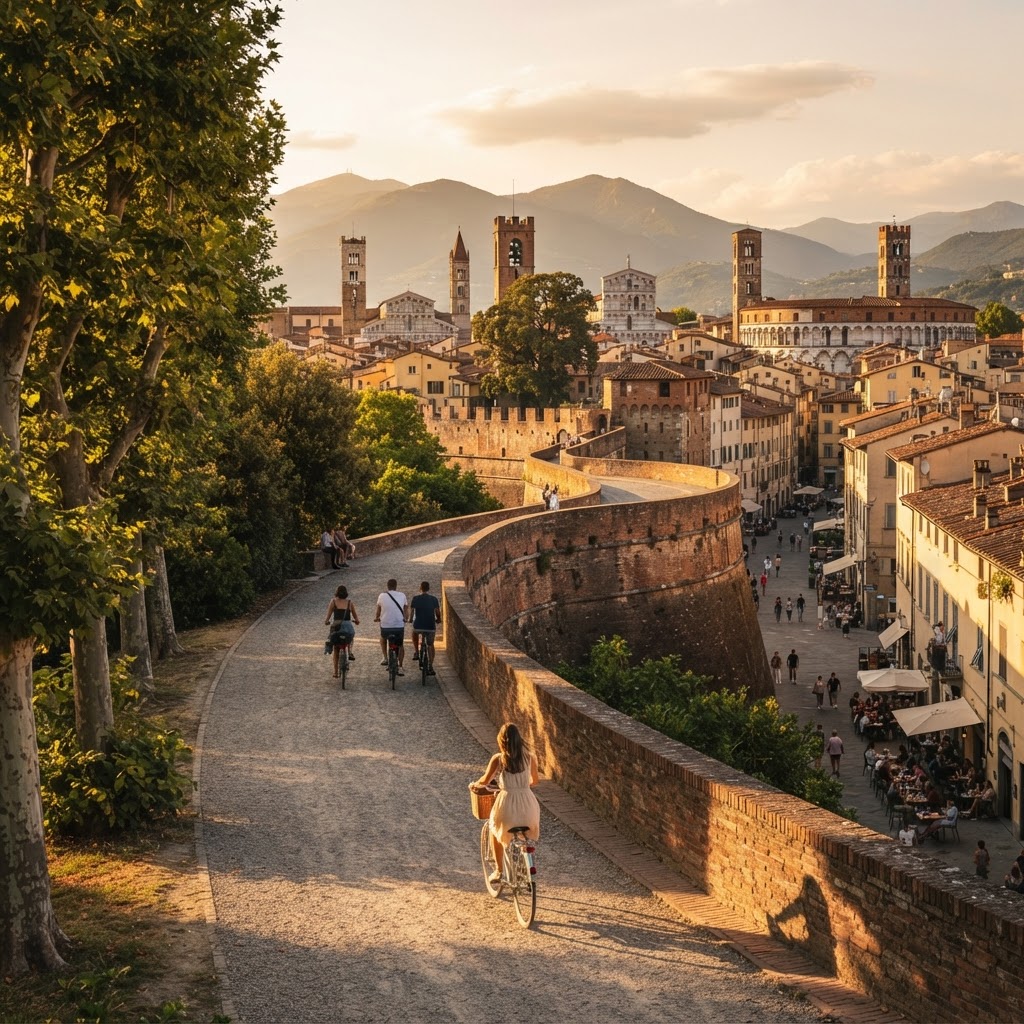
Lucca, Italy
Italy
A graceful, walled Tuscan oasis made for cycling ramparts and unhurried aperitivi.
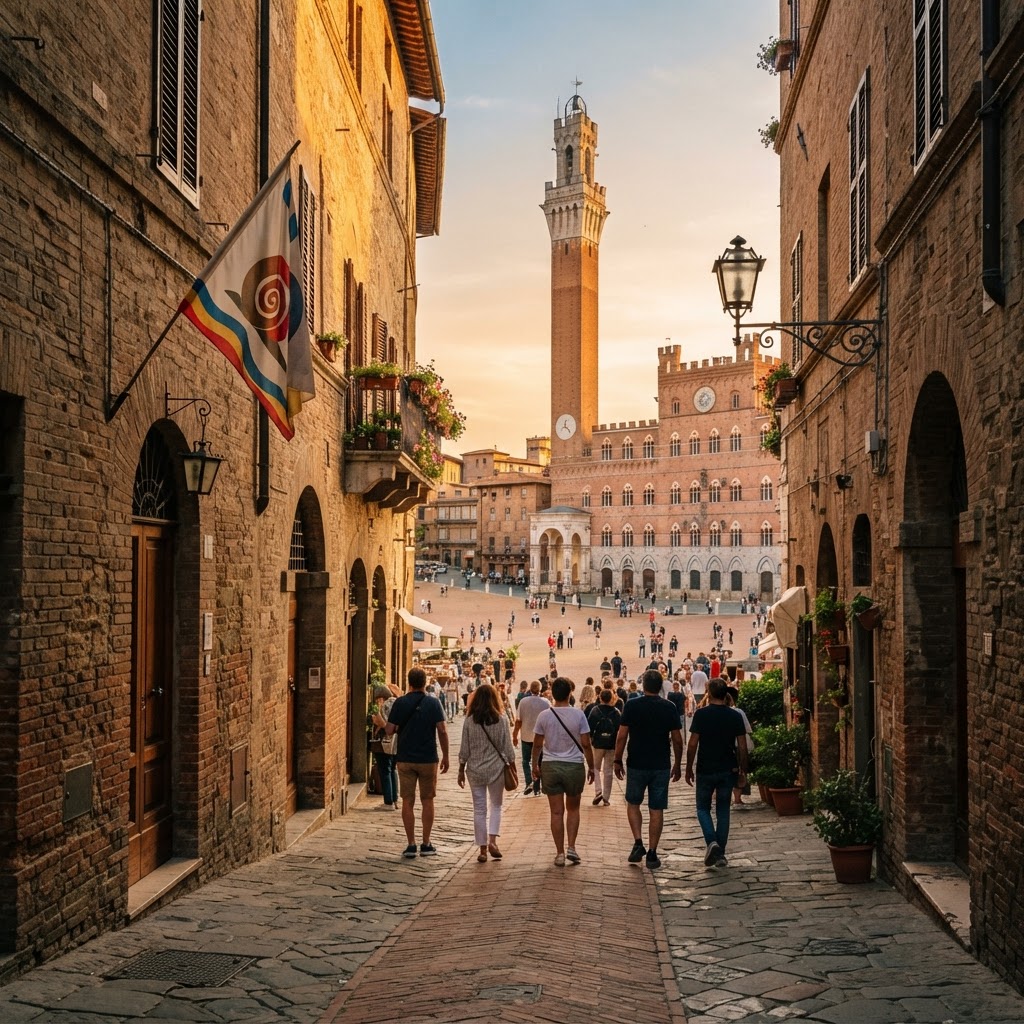
Siena, Tuscany, Italy
Italy
Gothic brick alleys, neighborhood contrada pride, and Italy's most dramatic medieval square
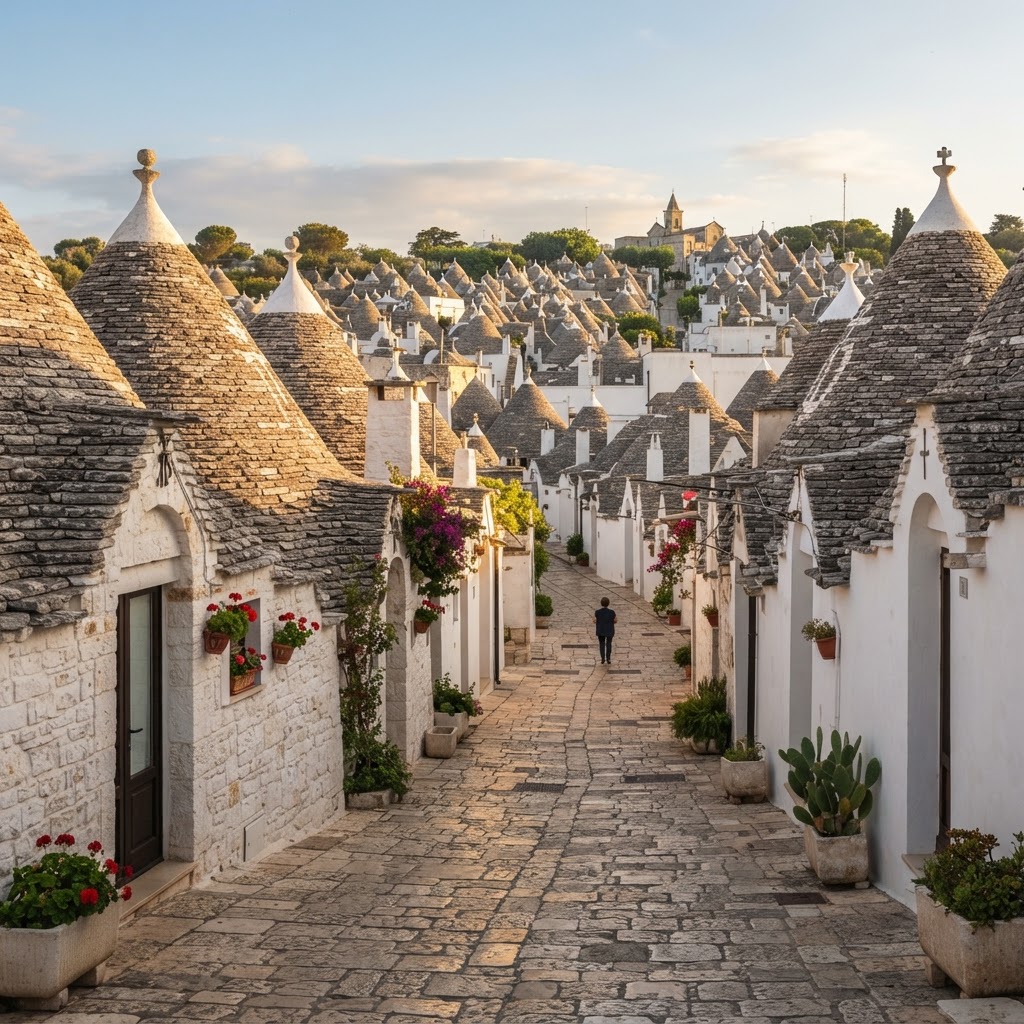
Alberobello, Puglia, Italy
Italy
A striking concentration of drystone limestone architecture, best experienced before the buses arrive.
Readymade itineraries
Start from a tested template — then make it yours.
Ready to book
Lock in your San Gimignano trip
Everything in one place. We may earn a small commission — it never costs you more.
Plan a trip to San Gimignano
Pick a length and we'll build a day-by-day plan around how you travel — neighborhoods clustered, budget-aware, and editable.
Get better at planning trips like this
Occasional notes on planning smarter — no spam, unsubscribe anytime.
Plan a trip to San Gimignano
Turn this guide into a day-by-day plan built around your pace, your group, and your budget.
Build my San Gimignano trip