Italy
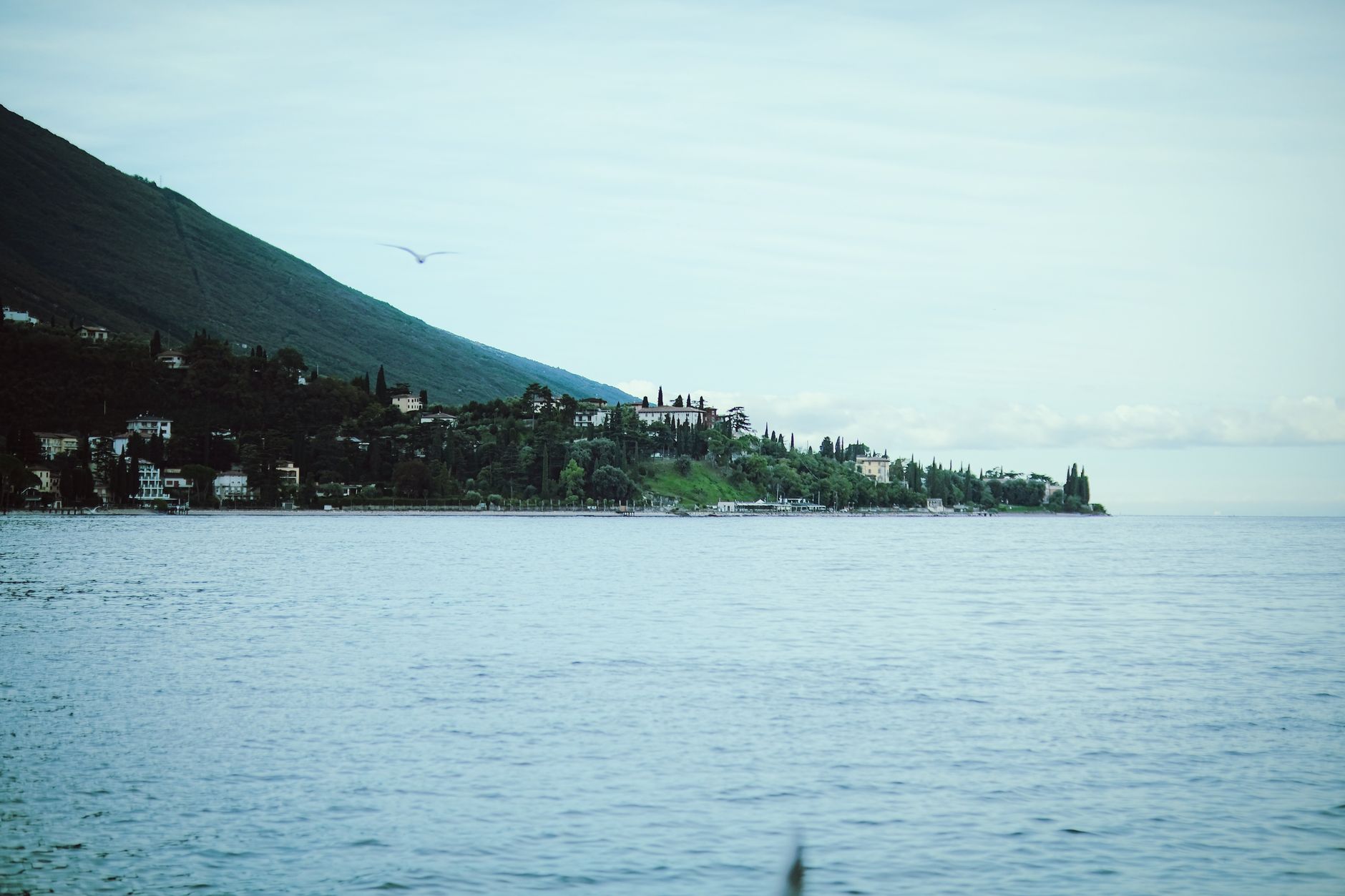
Lake Garda
Fjord-like northern crags, southern olive groves, and lake life without the Como theater
Plan & book
Sort your Lake Garda trip in one place.
We point you to the booking tools we'd actually use — live prices, no markup. Or let us build the day-by-day plan around you first, then book.
Italy’s largest lake spans three distinct regions and two entirely different geographic personalities. The southern perimeter is broad, gentle, lined with Roman ruins and family-friendly promenades served by mainline rail. The northern neck pinches between vertical limestone cliffs where mountain winds fuel Europe’s premier windsurfing waters. It offers classic Italian lake relaxation paired with authentic alpine adventure, far less constrained by celebrity pretense than Lake Como.
4 to 5 days
Best time
Mid-May to mid-June or September to early October
Build your own trip with these prebuilt itineraries
Each one is a tested, day-by-day plan for Lake Garda — start here, then make it yours.
4 Days of Wine Country and Slow Living in Lake Garda
Relaxed culinary and wine escape exploring Lugana and Bardolino vineyards, morainic hill estates, and tranquil lakefront dining
5 Days of Active Mountains and Water Sports in Lake Garda
Outdoor and adventure-focused trip centered in the dramatic north for windsurfing, via ferrata, Monte Baldo hiking, and lakeside cycling
3 Days of Historic Villages and Ferries in Lake Garda
First-timer highlights focusing on castle-topped pedestrian towns, scenic ferry hops, and thermal lakefront strolls without dealing with road traffic
Garda delivers immense variety across 90 miles of shoreline: genuine Roman archaeological parks, Scaligero fortress strongholds, steep terraced lemon houses, and dramatic 7,000-foot peaks rising directly out of turquoise waters. It allows travelers to effortlessly pivot between morning windsurfing or mountain biking in the north and afternoon wine tastings in Bardolino's terraced vineyards.
Where to stay
Getting there
Getting around
Food & drink
What it costs
Things to do
Book tours & tickets in Lake GardaSkip it if
Skip Lake Garda if you only have one day to spare from Milan—Lake Como is significantly faster to reach and easier to navigate on a whistle-stop day trip. Skip it also if you demand gritty urban nightlife, ultra-fast subway connectivity, or sandy, tide-washed ocean beaches, as all shorelines here are pebble or stone.
When to go
Shoulder months offer warm lake swimming and sunny trail conditions without the gridlocked shore roads, sweltering midsummer humidity, or packed ferry queues brought by peak European holiday traffic.
Peak (July to August)
Maximum ferry frequency and peak water temperatures, but town centers fill early and the two-lane coastal roads (Gardesana) suffer heavy traffic jams.
Shoulder (May to June & September to October)
Crisp mountain visibility, manageable boat queues, and prime cycling weather; September brings the regional wine harvest around Bardolino and Lugana.
Low (November to March)
Quiet and atmospheric with dramatic alpine light, but major ferry lines reduce to skeleton services and many village hotels, lakefront restaurants, and boat rentals shutter entirely until Easter.
Neighborhoods
Where you stay shapes the trip. Here's how to think about it.
Sirmione Centro Storico
Car-free medieval peninsula fortress surrounded by water, cypress trees, and Roman olive groves.
Best for:Romantic getaways, history lovers, and travelers prioritizing thermal baths over quiet solitude
Don't miss:The Roman ruins and ancient olive trees of the Grotte di Catullo, followed by a swim off the flat limestone slabs at Jamaica Beach.
Riva del Garda & Torbole
Dramatic alpine-waterfront playground framed by towering limestone cliffs and brisk mountain winds.
Best for:Active travelers, windsurfers, mountain bikers, and hikers who want an outdoor-first northern base
Don't miss:Hiking or cycling the cliff-carved Ponale Trail (Sentiero del Ponale) for sheer vertical views over the lake's northern neck.
Malcesine
Cobblestoned lakeside village anchored by a 13th-century castle below Monte Baldo's ridgeline.
Best for:Travelers wanting a blend of quintessential lakeside beauty, mountain hiking, and easy cross-lake ferry links
Don't miss:The rotating Funivia Malcesine-Monte Baldo cable car to the 1,760-meter ridge for trail running or panoramic lake vistas.
Desenzano & Peschiera del Garda
Bustling, functional harbor towns built around mainline rail terminals and breezy waterfront promenades.
Best for:First-timers relying entirely on public transit, day-trippers from Milan or Verona, and families wanting easy logistics
Don't miss:Browsing the lively open-air market around Desenzano's Porto Vecchio before catching an express catamaran.
Limone sul Garda
Vertiginous lakeside village clinging to rock faces, fragrant with terraced citrus groves.
Best for:Day visits, scenic photography, and slow-paced evening aperitivi after ferry crowds depart
Don't miss:The multi-tiered historic lemon house at Limonaia del Castèl and the suspended cliffside boardwalk of the Ciclopista del Garda.
Bardolino & Garda Town
Gentle, sun-drenched eastern shoreline dotted with vineyards, olive mills, and flat lakeside walking paths.
Best for:Wine travelers, relaxed cyclists, and couples seeking unpretentious dining without mountain wind
Don't miss:Cycling the dedicated lakefront path between Bardolino and Lazise, stopping for a glass of chilled Bardolino Chiaretto.
Destination intelligence
Updated 9/14/2026The structured record we plan every Lake Garda itinerary from.
Walkability
Town centers are extraordinarily walkable pedestrian zones with cobblestone lanes; however, moving between different towns requires boats, bikes, or regional buses.
Transit quality
High along the southern rail line and on water routes via Navigazione Laghi; moderate on regional buses which can get stuck in shore-road traffic.
Car needed
Not required and often a liability if sticking to rail-connected southern towns and regular ferry ports; recommended only for inland morainic hill wine tours and upper mountain hiking.
Ideal duration
4 to 5 days
Minimum useful
2 days
Peak season
Mid-June through August: maximum ferry frequencies and warm swimming weather, balanced against heavy northern European driving crowds and packed village centers.
Shoulder season
May to early June and September to mid-October: ideal weather for hiking, road cycling, and sailing, with manageable ferry lines and relaxed restaurant seating.
Low season
November through March: crisp and quiet, but many lakeside hotels, private villas, and hydrofoil routes shut down entirely until Easter.
Best for
Common mistakes
- Underestimating lake transit times: Lake Garda is 32 miles long, and ferry hops from south to north take several hours on standard steamers.
- Renting a car to tour lakeside towns in July or August, resulting in hours trapped on single-lane shore roads with impossible parking.
- Staying in Sirmione while planning a car-heavy itinerary—driving across the single guarded pedestrian bridge during peak hours is a logistical nightmare.
- Skipping advance ferry and Monte Baldo cable car ticketing during the busy June-September window.
Best nearby
See what a trip to Italy actually costs. Travel Budget Co.
How to plan it
- Base yourself in Desenzano or Peschiera if arriving strictly by train and using public ferries; choose Riva or Malcesine if your priority is hiking, via ferrata, or windsurfing.
- Do not attempt a south-to-north round-trip across the entire lake on a single afternoon; transit alone eats 4 to 5 hours on standard boats.
- Split your lodging into two distinct bases (one southern village, one northern town) if staying 5 nights or more to eliminate redundant hours on the water.
- Pair a Lake Garda visit with a direct 20-minute regional train ride to Verona rather than attempting a long, tiring day trip to Venice.
- Reserve the rotating Funivia Malcesine-Monte Baldo cable car time-slot online several days ahead during peak season to skip the notorious 90-minute base-station queue.
Questions
More in Italy
Portofino
Italy
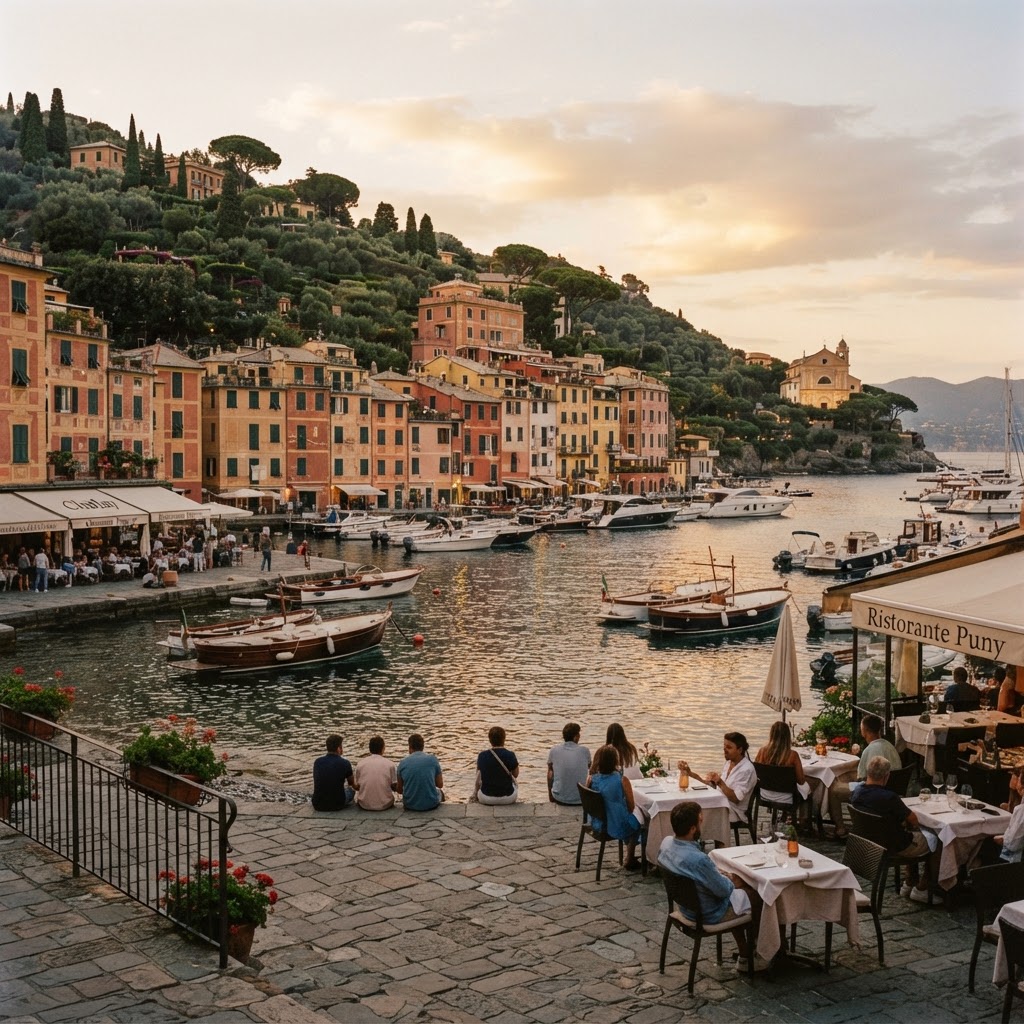
A pocket-sized Riviera cove where lingering beats sightseeing.
Pisa
Italy
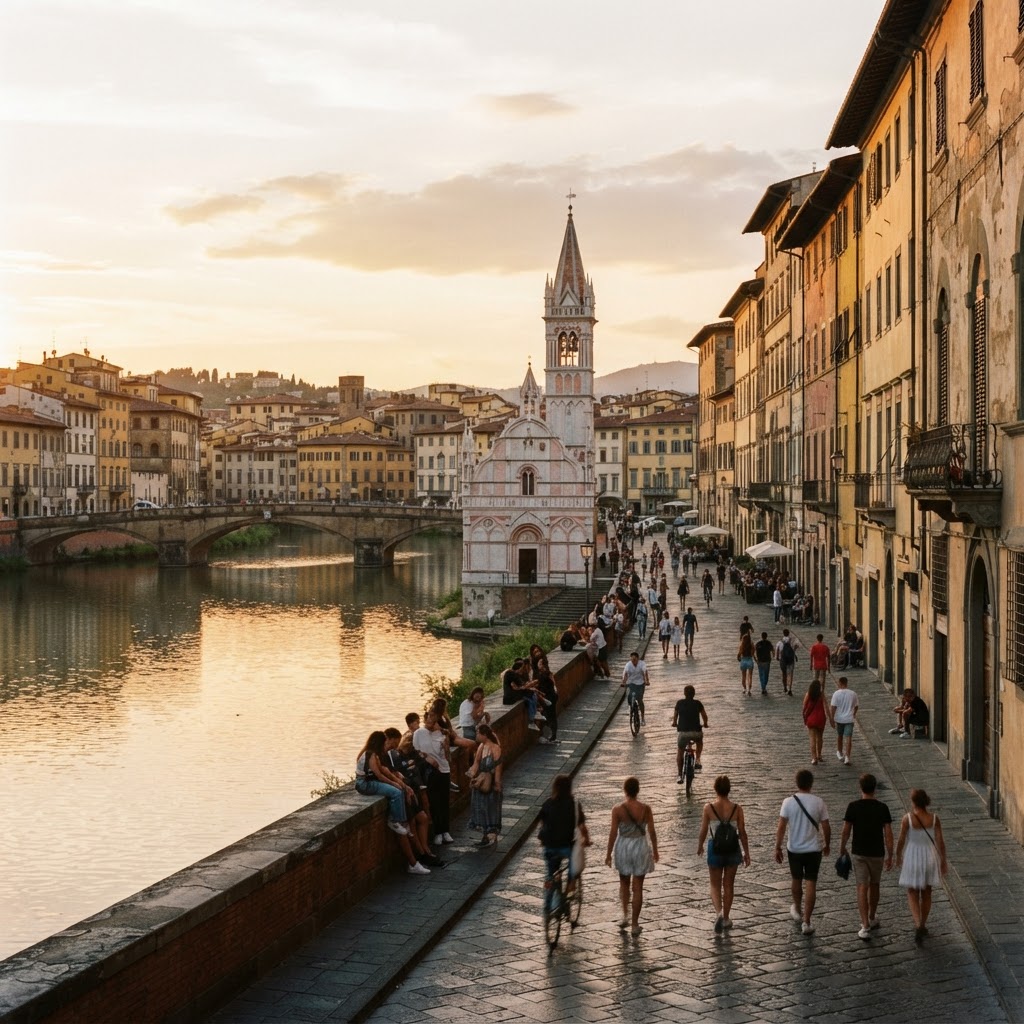
Beyond the leaning marble: a lively university city of riverside palaces and quiet piazzas.
Lucca, Italy
Italy
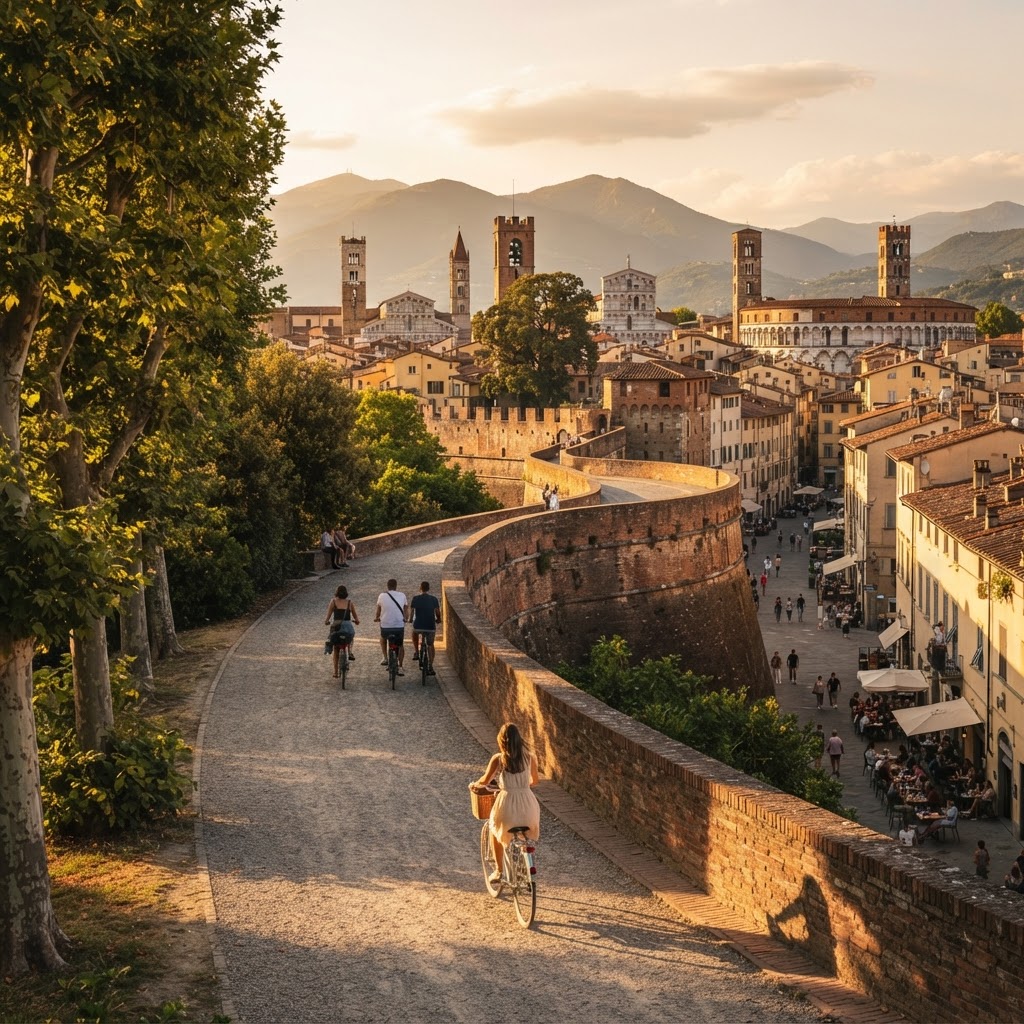
A graceful, walled Tuscan oasis made for cycling ramparts and unhurried aperitivi.
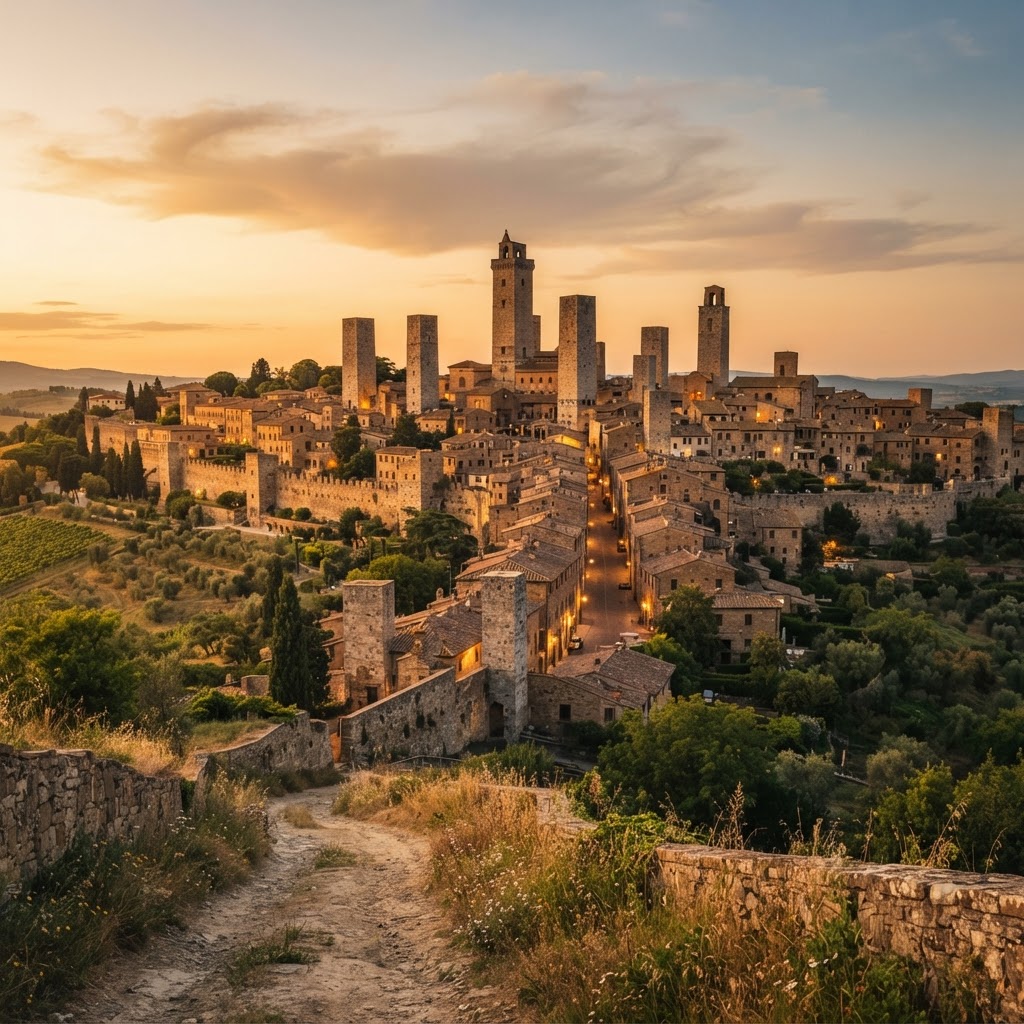
San Gimignano
Italy
Tuscany's medieval Manhattan, magical only when the day-trippers vanish
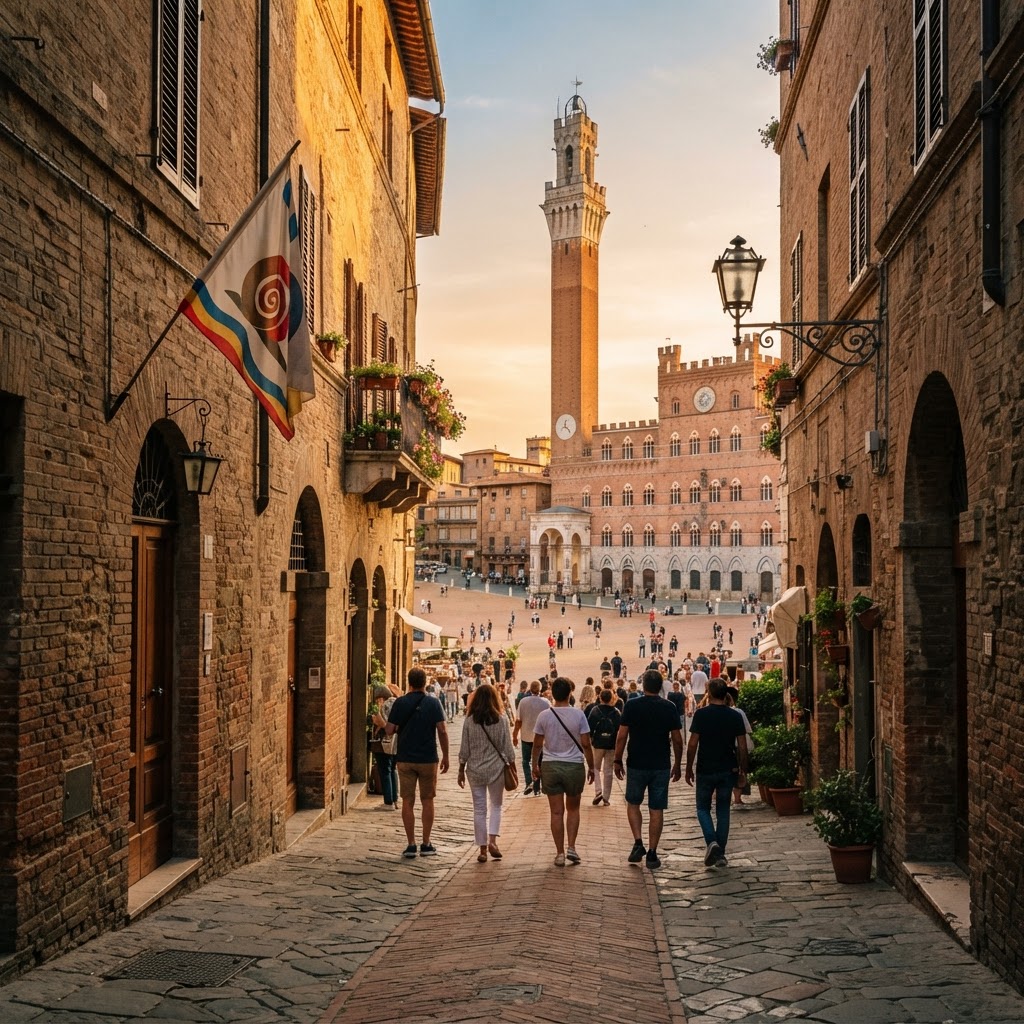
Siena, Tuscany, Italy
Italy
Gothic brick alleys, neighborhood contrada pride, and Italy's most dramatic medieval square
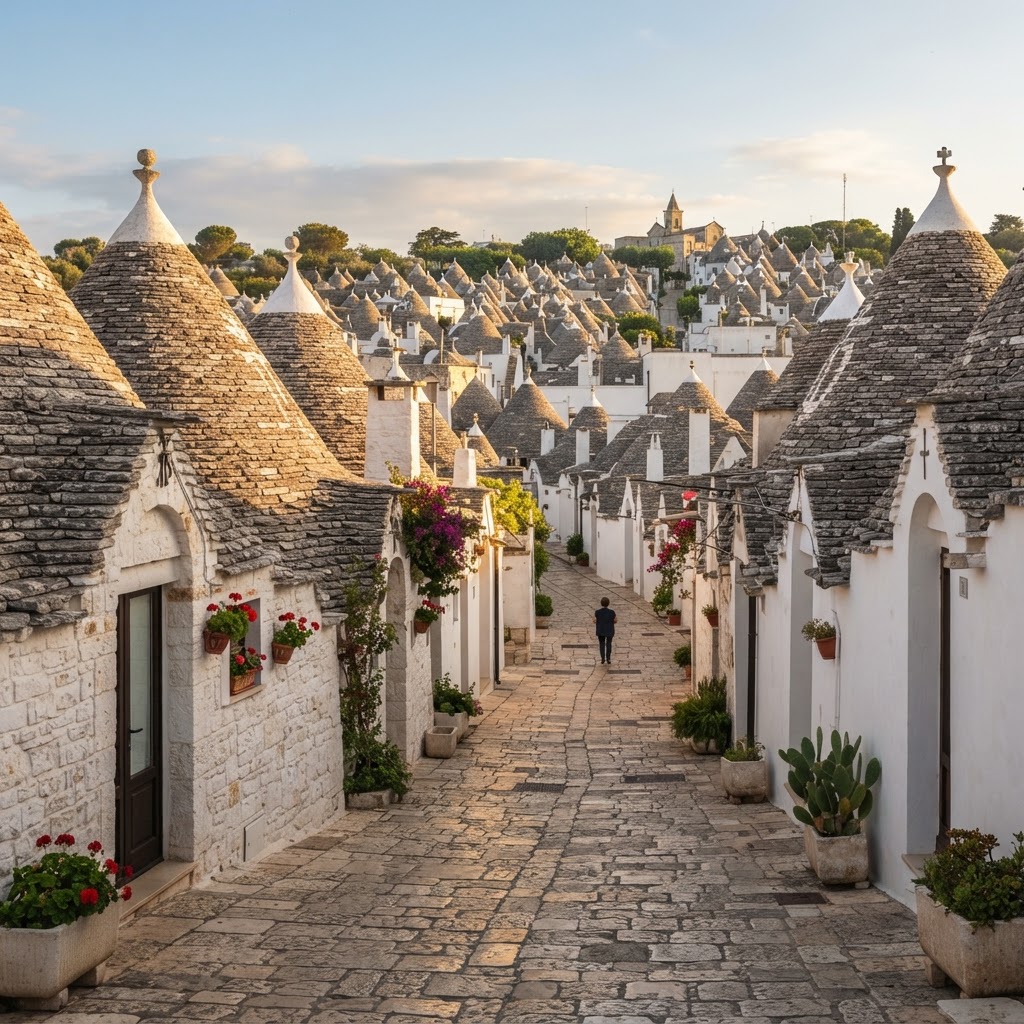
Alberobello, Puglia, Italy
Italy
A striking concentration of drystone limestone architecture, best experienced before the buses arrive.
Readymade itineraries
Start from a tested template — then make it yours.
Ready to book
Lock in your Lake Garda trip
Everything in one place. We may earn a small commission — it never costs you more.
Plan a trip to Lake Garda
Pick a length and we'll build a day-by-day plan around how you travel — neighborhoods clustered, budget-aware, and editable.
Get better at planning trips like this
Occasional notes on planning smarter — no spam, unsubscribe anytime.
Plan a trip to Lake Garda
Turn this guide into a day-by-day plan built around your pace, your group, and your budget.
Build my Lake Garda trip