Japan
Yokohama, Japan
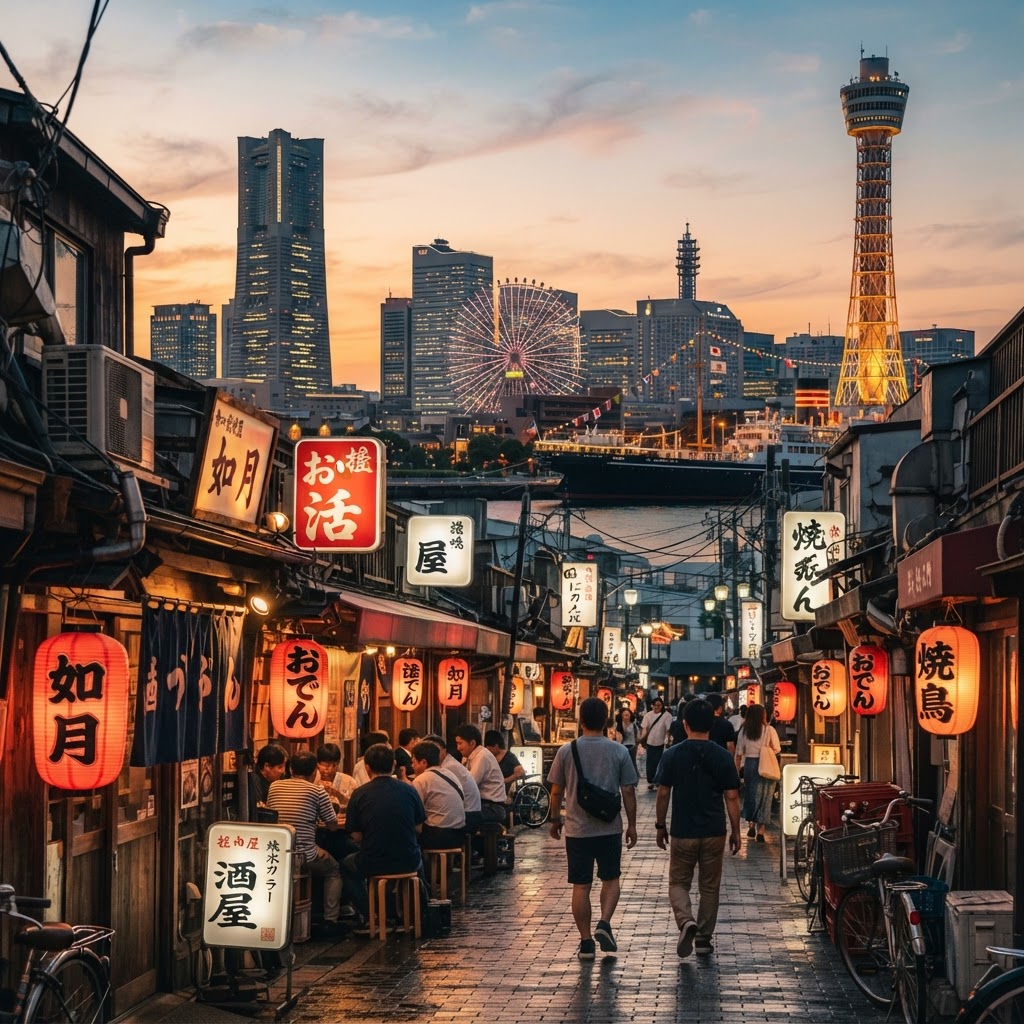
Maritime port heritage meets retro izakayas and bayfront skyline.
Plan & book
Sort your Yokohama, Japan trip in one place.
We point you to the booking tools we'd actually use — live prices, no markup. Or let us build the day-by-day plan around you first, then book.
Just thirty minutes south of Tokyo, Yokohama operates at a distinctively calmer, sea-breeze tempo while being Japan's second-largest city. Historically transformed after opening to foreign trade in 1859, it presents a juxtaposition of historic red-brick wharves, preserved Western hillside consular estates, massive Chinese culinary enclaves, and post-modern waterfront architectural ambition.
2 days
Best time
Late October through November, or April to early May.
Build your own trip with these prebuilt itineraries
Each one is a tested, day-by-day plan for Yokohama, Japan — start here, then make it yours.
3 Days in Yokohama: Family Fun & Maritime Heritage in Yokohama
Spacious waterfront parks, interactive museums, and historic port architecture at an unhurried pace
1 Day in Yokohama: Culinary Explorer in Yokohama
Ramen culture, dim sum backstreets, and evening retro izakaya hopping in Noge
2 Days in Yokohama: The Waterfront & Culture Classic in Yokohama
First-time bayfront promenade highlights, Chinatown heritage, and historic gardens
Yokohama delivers Tokyo-grade urban amenities and dining without the crushing foot traffic, making it a compelling breath of fresh air. Between the historic maritime piers of Osanbashi, the preserved Edo-to-Showa garden architecture of Sankeien, the lantern-lit drinking alleys of Noge, and Japan's largest Chinatown, the city provides an expansive coastal urban experience that central Tokyo's dense grids cannot mirror.
Where to stay
Getting there
Getting around
Food & drink
What it costs
Things to do
Book tours & tickets in Yokohama, JapanSkip it if
First-time visitors on a rushed 7-day Golden Route sprint (Tokyo-Kyoto-Osaka) who should keep their limited days anchored strictly in central Tokyo.
When to go
Yokohama is heavily pedestrian-oriented along open water; spring and autumn bring mild temperatures, crisp harbor views, and manageable humidity. Mid-summer turns bayfront walking into an ordeal of stifling heat.
Peak (Late Mar–Apr, Oct–Nov)
Cherry blossoms bloom at Sankeien Garden in spring; vibrant ginkgo trees line Nihon-odori in autumn. Expect crowded weekends and higher weekend hotel rates.
Shoulder (May–Jun, Sep–Early Oct)
Comfortable daytime walking temperatures with sporadic rain showers during June's tsuyu season. Excellent hotel availability and thinner pedestrian crowds.
Low (Jul–Aug, Jan–Feb)
Summers are intensely humid and prone to heat island effects along concrete wharves; winters are brisk and windy along the bay, though days remain clear and hotel rates drop.
Neighborhoods
Where you stay shapes the trip. Here's how to think about it.
Minato Mirai 21
Futuristic bayside promenade flanked by glass high-rises, waterfront parks, and gleaming observation decks.
Best for:First-timers, architecture fans, and luxury travelers
Don't miss:The YOKOHAMA AIR CABIN gondola ride ending near the Red Brick Warehouses at twilight.
Yokohama Chinatown (Chukagai)
Energetic, brightly illuminated maze of over 250 Cantonese restaurants, steamed bun stalls, and fortune tellers.
Best for:Food-focused travelers, casual snackers, and night owls
Don't miss:Shengjianbao (pan-fried soup dumplings) eaten fresh from street windows along China Pearl Street.
Yamate & Motomachi
Historic European diplomatic bluff meeting a leafy, upscale pedestrian shopping street below.
Best for:Couples, history buffs, and quiet walkers
Don't miss:The panoramic harbor views across Bay Bridge from Harbor View Park (Minato-no-Mieru-Oka Koen).
Noge
Atmospheric post-war nightlife district crammed with tiny tachinomi (standing bars), yakitori grills, and craft beer joints.
Best for:Nightlife enthusiasts, solo explorers, and casual drinkers
Don't miss:A bar crawl along Miyagawa-cho pairing local craft brews with charcoal-grilled offal skewers.
Kannai & Bashamichi
Stately Western-style civic core with Meiji-era brick facades, wide avenues, and classic coffee houses.
Best for:Budget-to-midscale hotel seekers and business travelers
Don't miss:Walking out onto the wood-planked rooftop deck of the Osanbashi Passenger Terminal.
Destination intelligence
Updated 9/14/2026The structured record we plan every Yokohama, Japan itinerary from.
Walkability
High: the entire bayfront from Minato Mirai down through Chinatown and Motomachi forms a continuous, flat, pedestrian-friendly corridor.
Transit quality
Excellent: dense coverage via JR lines, Minatomirai subway, municipal buses, and cross-bay commuter lines.
Car needed
No: driving is an impediment due to traffic lights, pedestrian promenades, and expensive parking garages.
Ideal duration
2 days
Minimum useful
1 day
Peak season
Late March to mid-April (cherry blossoms at Sankeien) and late October through November (fall foliage and pleasant bay weather).
Shoulder season
May to June (fresh greenery, rose blooms along the parks, moderate temperatures) and September to early October.
Low season
Mid-summer (July to August, characterized by stifling heat and humidity) and winter (January to February, chilly coastal winds).
Best for
Common mistakes
- Assuming Shin-Yokohama Station is next to the waterfront attractions; it is located inland and requires a 15-minute subway or local train connection to reach the bay.
- Visiting Sankeien Garden via walking from the nearest train station; it is roughly 2 kilometers from Negishi Station and best accessed via city bus from Yokohama or Sakuragicho Stations.
- Eating exclusively on the tourist-heavy central spine of Chinatown (Chukagai-odori) rather than exploring the residential side alleys or heading to Noge for dinner.
- Renting a car for city sightseeing; parking rates around Minato Mirai are steep and the waterfront transit grid is seamless.
Best nearby
See what a trip to Japan actually costs. Travel Budget Co.
How to plan it
- Stay around Minato Mirai if you want harbor balcony views; base in Kannai if you prioritize budget-friendly business hotels near transit and dining.
- Pair Yokohama with Kamakura: spend morning exploring Kamakura's temples, take the 25-minute JR train back to Yokohama for dinner in Chinatown, and stroll the illuminated bay.
- Do not book Shinkansen bullet trains between central Tokyo and Yokohama; they arrive at Shin-Yokohama station, requiring an inconvenient subway transfer back to the bayfront.
- Schedule Sankeien Garden for the opening hour (9:00 AM) to catch peaceful reflecting ponds before tour buses arrive, then take the municipal bus back to Motomachi for lunch.
- Reserve the My CUPNOODLES Factory workshop online at the Cup Noodles Museum if visiting on a weekend, or risk missing walk-up time slots.
Questions
More in Japan
Kawaguchiko & Fuji Five Lakes
Japan
Unrivaled front-row views of Mount Fuji, lakeside onsens, and open mountain air.
Yakushima, Japan
Japan
Ancient moss-draped cedar forests and misty granite peaks rising abruptly from the Pacific.
Shirakawa-go, Gifu, Japan
Japan
A living mountain settlement of steep-pitched thatch, silence at dusk, and alpine timbercraft.
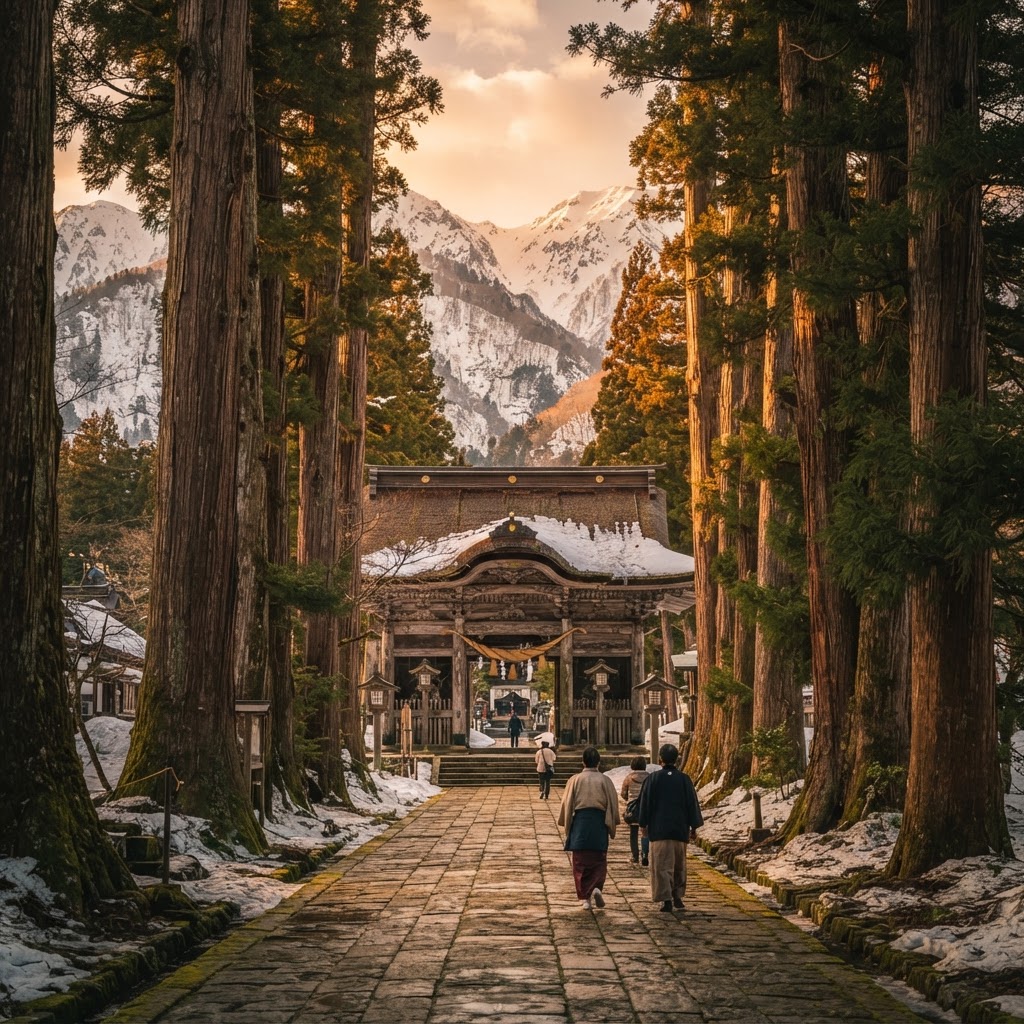
Nagano, Japan
Japan
Pilgrim temples, cedar-lined alpine shrines, and the gateway to Japan's northern powder peaks.
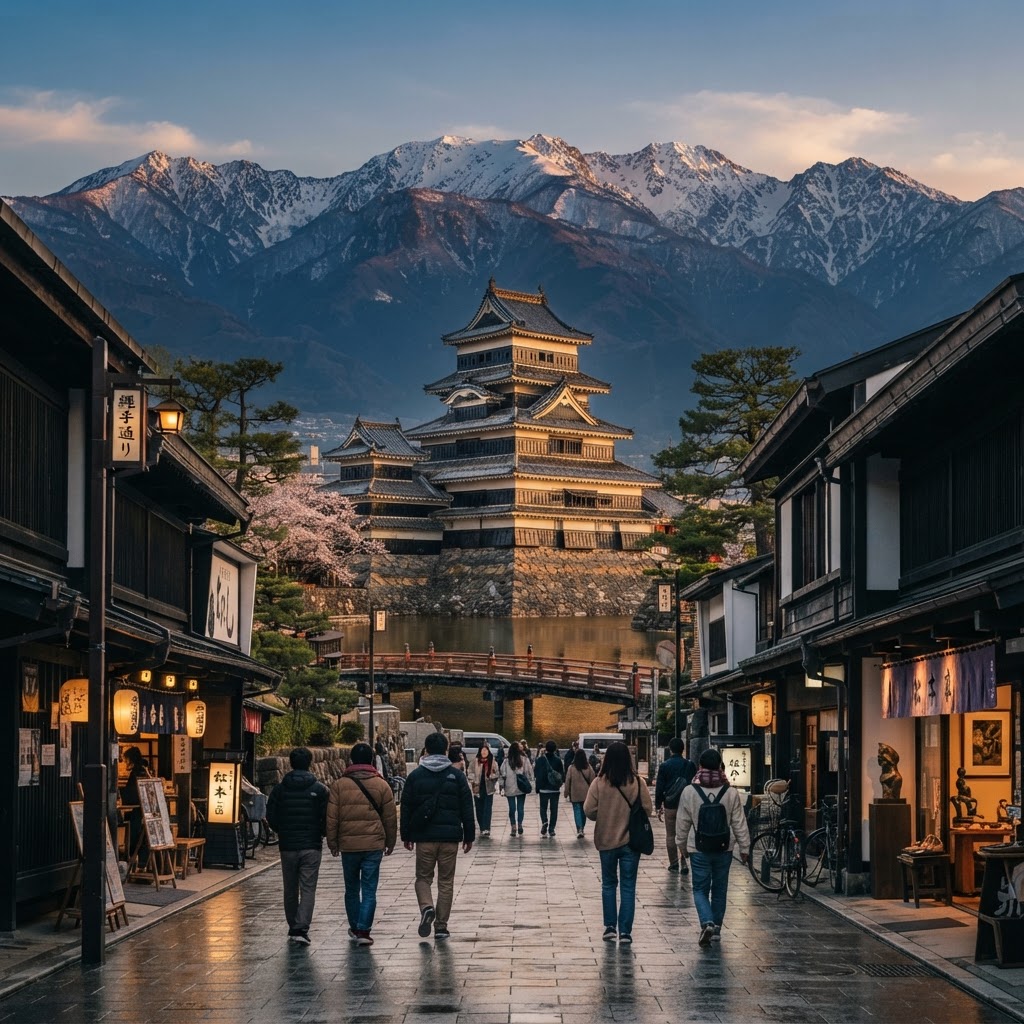
Matsumoto
Japan
Feudal black timber architecture framed by the Northern Alps and alpine art culture
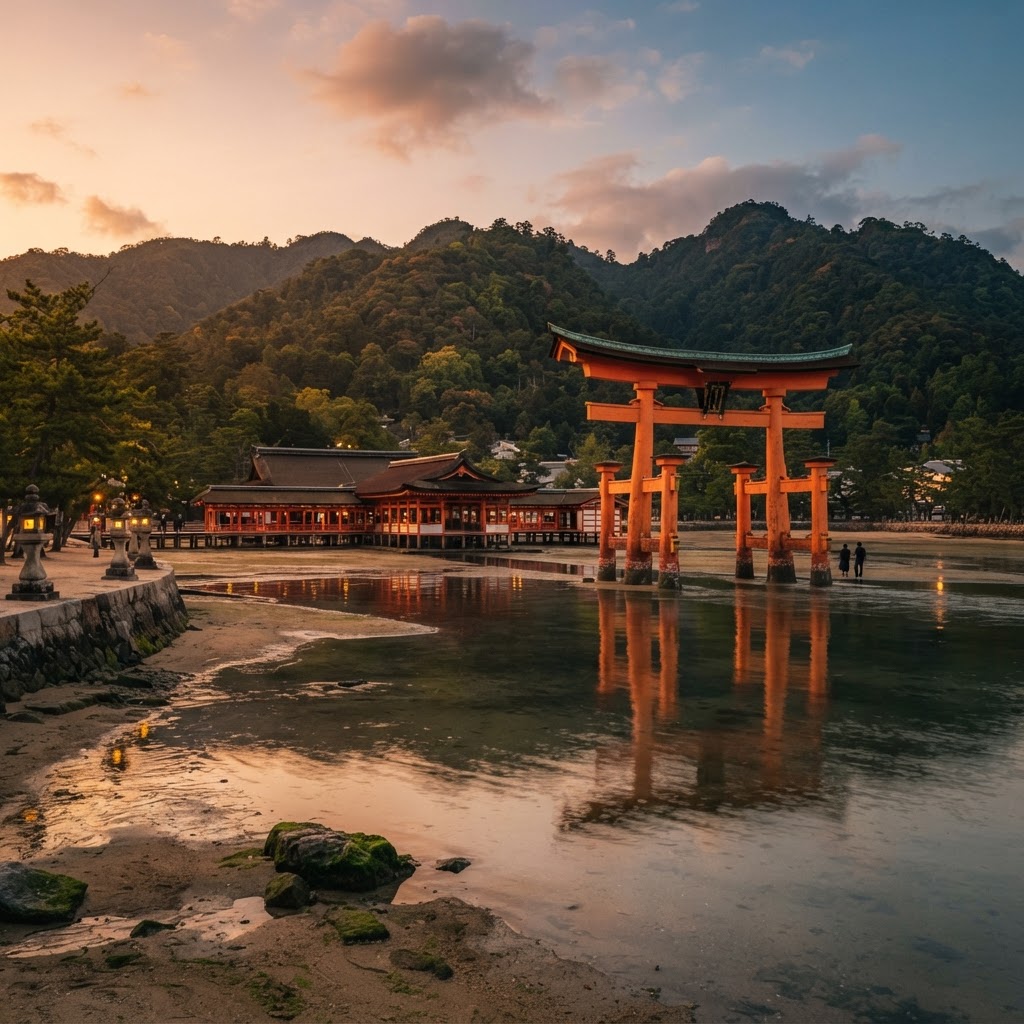
Miyajima (Itsukushima), Japan
Japan
A sacred island of tidal shrines, ancient virgin forest, and silent lantern-lit evenings.
Readymade itineraries
Start from a tested template — then make it yours.
Ready to book
Lock in your Yokohama, Japan trip
Everything in one place. We may earn a small commission — it never costs you more.
Plan a trip to Yokohama, Japan
Pick a length and we'll build a day-by-day plan around how you travel — neighborhoods clustered, budget-aware, and editable.
Get better at planning trips like this
Occasional notes on planning smarter — no spam, unsubscribe anytime.
Plan a trip to Yokohama, Japan
Turn this guide into a day-by-day plan built around your pace, your group, and your budget.
Build my Yokohama, Japan trip