Japan
Takayama, Japan Itinerary: How Many Days + Sample Plans
Edo-period merchant streets, alpine timber craft, and premier Hida beef in the Japanese Alps.
Traveler rating
Loved by culture & heritage enthusiasts seeking preserved Edo-period streetscapes.
Plan & book
Sort your Takayama, Japan trip in one place.
We point you to the booking tools we'd actually use — live prices, no markup. Or let us build the day-by-day plan around you first, then book.
Pick your trip length
How many days do you need in Takayama, Japan?
Each of these opens a full day-by-day plan you can make your own.
- 2 days — Two days — the essentials, no rushing.
- 3 days — Three days — the icons plus one neighborhood.
- 4 days — Four days — a full city without sprinting.
- 5 days — Five days — room for a day trip.
- 7 days — A week — the city at a human pace.
- With Kids trip — Shorter days, earlier dinners, what to skip.
- For Couples trip — Two-person pacing with evenings built in.
- Solo trip — A plan that works well on your own.
- Food trip — Meals and markets as the anchors.
- Outdoors trip — Nature, walks and open air.
- Culture trip — History, museums and the streets around them.
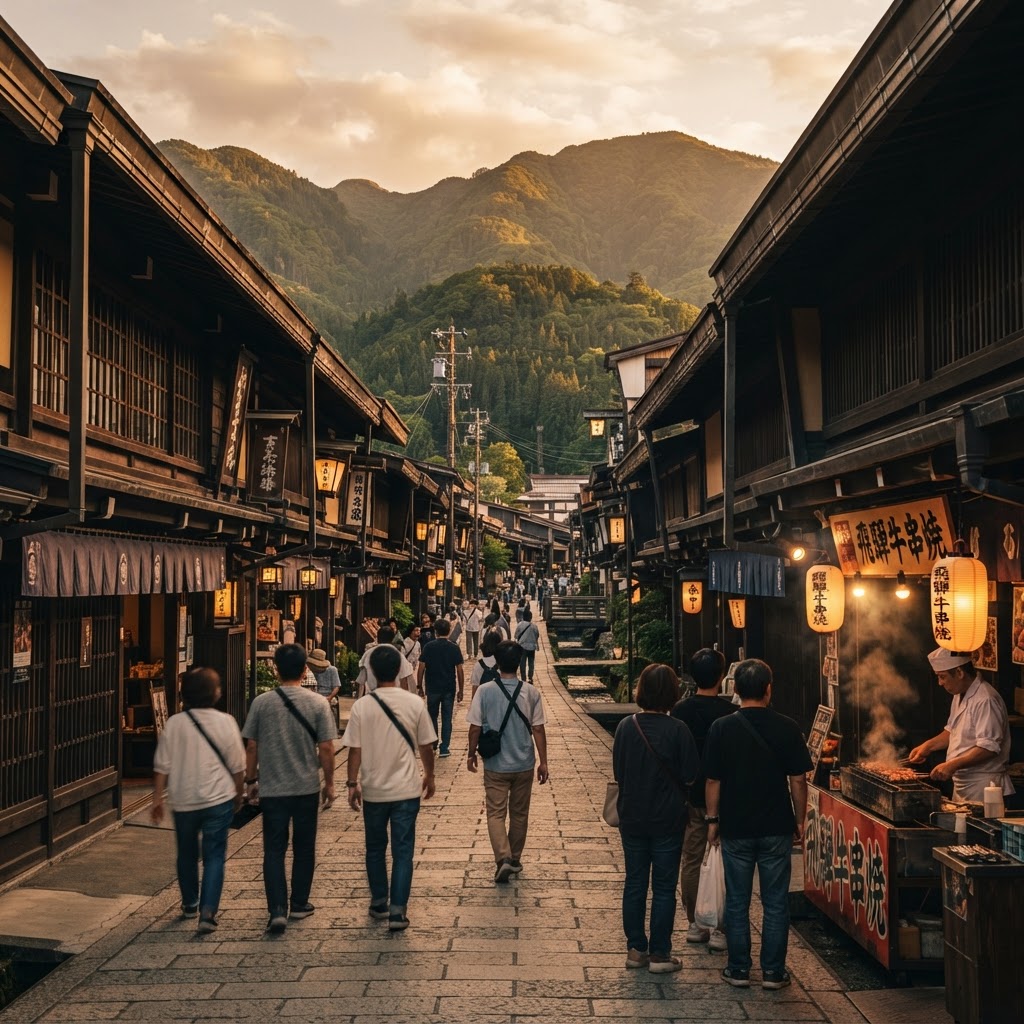
Set deep within the Hida basin surrounded by the Japanese Alps, Takayama provides a grounded glimpse into Edo-era merchant life. Renowned for dark-timber kura storehouses, centuries-old sake breweries, and celebrated woodcarving guilds, this mountain city serves as a slow-paced respite between Tokyo and Kyoto.
2 to 3 days
Best time
Mid-May to early June for pristine alpine weather, or late October to early November for vivid autumn foliage and crisp mountain air.
Build your own trip with these prebuilt itineraries
Each one is a tested, day-by-day plan for Takayama, Japan — start here, then make it yours.
4 Days in Takayama: Alpine Gateway & Mountain Villages in Takayama
Deep heritage and outdoor scenery using the town as a base for Shirakawa-go and the Japanese Alps
3 Days in Takayama: Hida Beef, Sake & Culinary Traditions in Takayama
Gastronomy-focused exploration highlighting brewery tastings, A5 Hida beef specialties, and morning farm markets
2 Days in Takayama: Edo Heritage & Historic Alleys in Takayama
Classic highlights and preserved Edo-period architecture with early morning markets and evening walks
Go for authentic timber architecture, premier sake tasting in preserved kura breweries, and melt-in-your-mouth Hida beef served over magnolia leaves. Unlike urban metropolises, Takayama's compact footprint lets travelers move at human speed, wandering between misty morning riverside markets and serene hillside temple paths without touching a subway line.
Where to stay
Getting there
Getting around
Food & drink
What it costs
Things to do
Book tours & tickets in Takayama, JapanSkip it if
Skip if your trip is shorter than 7 days—the 4 to 5 hour one-way transit commitment from Tokyo cuts heavily into tight itineraries. Also skip if you demand late-night nightlife and urban energy.
When to go
April (Takayama Spring Festival, April 14-15) and October (Autumn Festival, October 9-10) offer theatrical float pageantry, but hotel rates triple and merchant lanes get overwhelmed. The shoulder windows immediately flanking these festivals provide clear mountain hiking conditions, crisp weather, and space to browse the old quarters comfortably.
Peak (April & October)
Dominated by the Sanno Spring Festival and Hachiman Autumn Festival along with cherry blossoms or fiery alpine foliage. Book ryokan 4 to 6 months in advance, and expect packed lanes between 10:00 and 15:00.
Shoulder (May-June & September-early November)
The most pleasant walking and hiking temperatures. Kamikochi is fully accessible, the morning markets are lively, and lodging availability stabilizes outside Japanese national holidays.
Low (December to February)
Frigid and blanketed in thick snow. Some rural bus connections slow down, but it is peak winter sake brewing season, ryokan onsen soaks feel exceptional, and hotel pricing hits its yearly floor.
Neighborhoods
Where you stay shapes the trip. Here's how to think about it.
Sanmachi Suji (Old Merchant District)
Narrow Edo-era lanes lined with dark-timber merchant houses, trickling street-side flumes, and cedar balls hanging outside sake breweries.
Best for:First-timers, architecture buffs, and midday strolls between sake tastings
Don't miss:Harada Sake Brewery for self-serve tastings in a commemorative ochoko cup, and grabbing a pair of A5 Hida beef nigiri served on a rice cracker at Kotteushi.
Takayama Station & Hanasato-machi
Modern transit corridor dominated by clean business hotels, bike-rental stalls, and the Nohi Bus Terminal.
Best for:Convenience seekers, travelers with heavy rolling luggage, and regional day-trippers
Don't miss:Catching early Nohi highway buses directly from Takayama Bus Terminal to Shirakawa-go or Kamikochi before tour coaches arrive.
Higashiyama (Temple District) & Shiroyama
Quiet, mossy foothill perimeter with a string of historic Zen temples, mountain cemeteries, and forested walking paths.
Best for:Solitary morning walkers, photographers escaping mid-day crowds, and contemplative travelers
Don't miss:Walking the 3.5-kilometer Higashiyama Walking Course connecting dozens of historic temples like Soyu-ji, leading up through Shiroyama Park.
Hida-no-Sato (Hida Folk Village Outskirts)
Rustic alpine valley basin centered on an open-air architectural museum set against mountain slopes 2 kilometers southwest of the center.
Best for:Cultural deep-divers, travelers who want steep thatched-roof architecture without committing to a full-day trip to Shirakawa-go
Don't miss:Wandering inside the preserved gassho-zukuri farmhouses relocated from across the Hida region to observe timber joinery and silk-cultivation attics.
Destination intelligence
Updated 10/6/2026The structured record we plan every Takayama, Japan itinerary from.
Walkability
High
Transit quality
Moderate
Car needed
No
Ideal duration
2 to 3 days
Minimum useful
1 night / 2 full days
Peak season
April (Takayama Spring Festival / Sakura) and October (Takayama Autumn Festival / Foliage)
Shoulder season
May to June and September
Low season
January to February (snowy, quiet, ideal for winter sake brewing and uncrowded ryokan onsens)
Best for
Common mistakes
- Treating Takayama as a rushed 3-hour day trip just to see Sanmachi Suji and miss the atmospheric quiet of evening and early morning
- Arriving at restaurants after 7:30 PM without reservations; small local eateries close early
- Failing to reserve seats on the JR Hida Limited Express in advance during peak foliage or cherry blossom windows
- Renting a car when staying entirely within the central city, where parking is scarce and walking is faster
Best nearby
See what a trip to Japan actually costs. Travel Budget Co.
How to plan it
- Stay within a 10-minute walk east of JR Takayama Station if you want immediate foot access to both the Sanmachi Suji old lanes and morning Nohi buses.
- Pair Takayama with Kanazawa or Matsumoto using the scenic alpine highway bus routes rather than backtracking down to Nagoya.
- Do not try to visit Shirakawa-go and hike Kamikochi in a single day; each requires a dedicated half-to-full day of mountain transit.
- Book dinner reservations for reputable Hida beef restaurants (such as Hidagyu Maruaki or Center4 Hamburgers) or opt for half-board at your ryokan, as walk-in dinner tables are notoriously scarce after 18:00.
- Hit the Miyagawa Morning Market at 07:30 (or 08:00 in winter) before tour buses arrive, grab fresh fruit and local pickles, then explore Sanmachi Suji while the streets are clear.
Questions
More in Japan
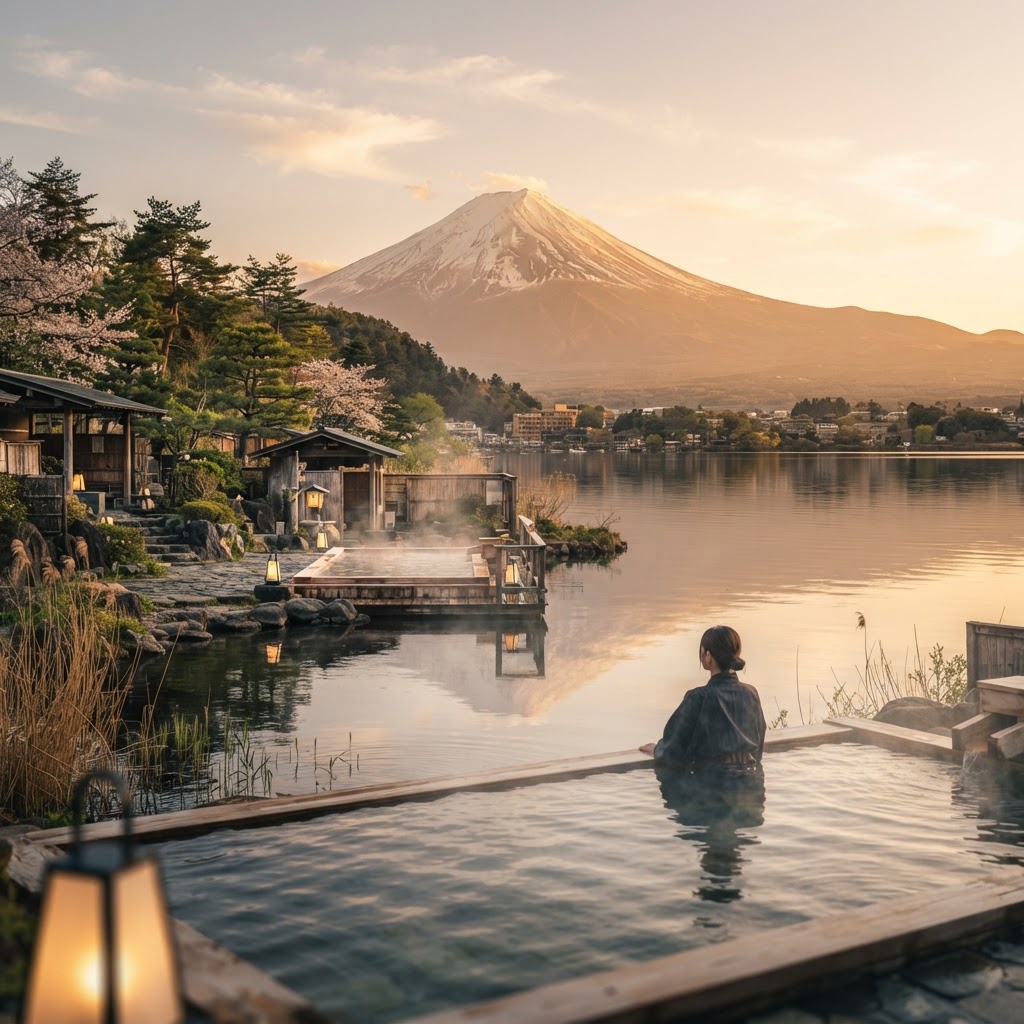
Kawaguchiko & Fuji Five Lakes
Japan
Unrivaled front-row views of Mount Fuji, lakeside onsens, and open mountain air.
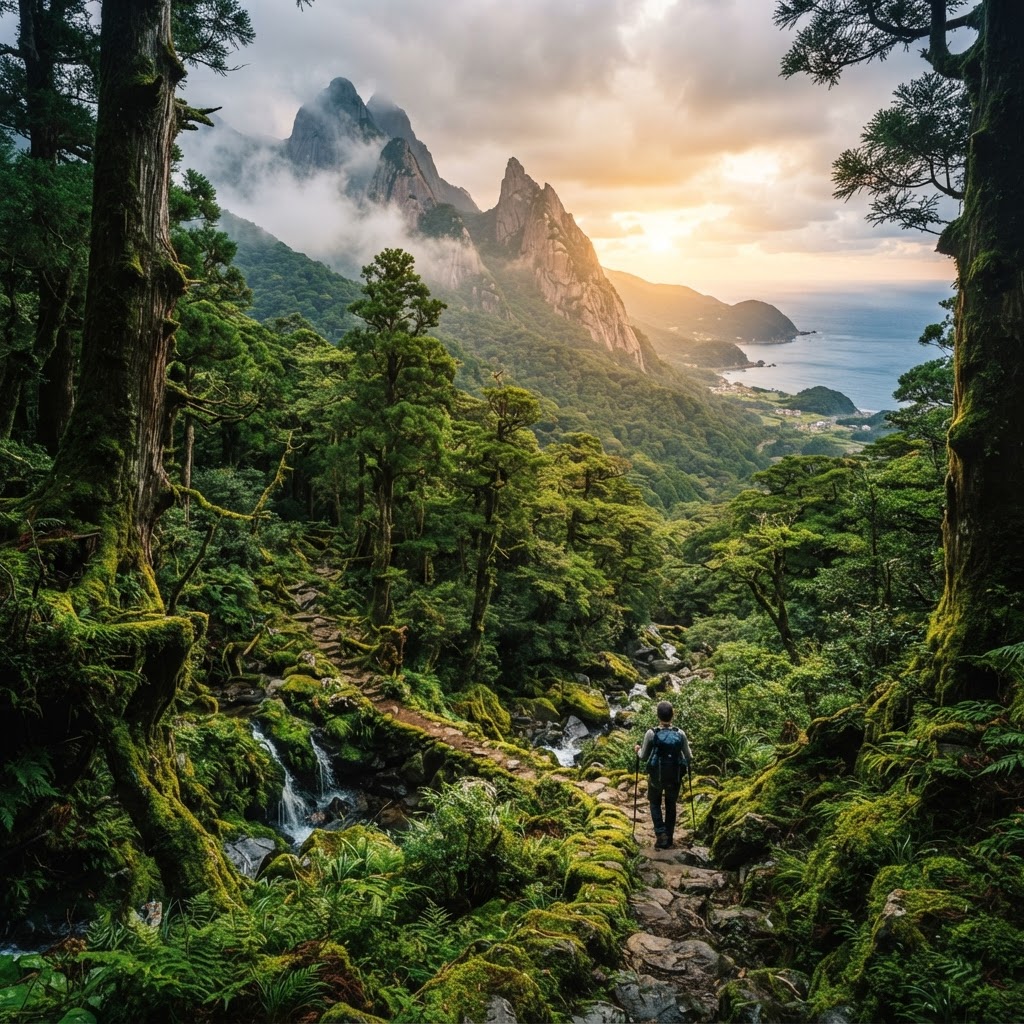
Yakushima, Japan
Japan
Ancient moss-draped cedar forests and misty granite peaks rising abruptly from the Pacific.
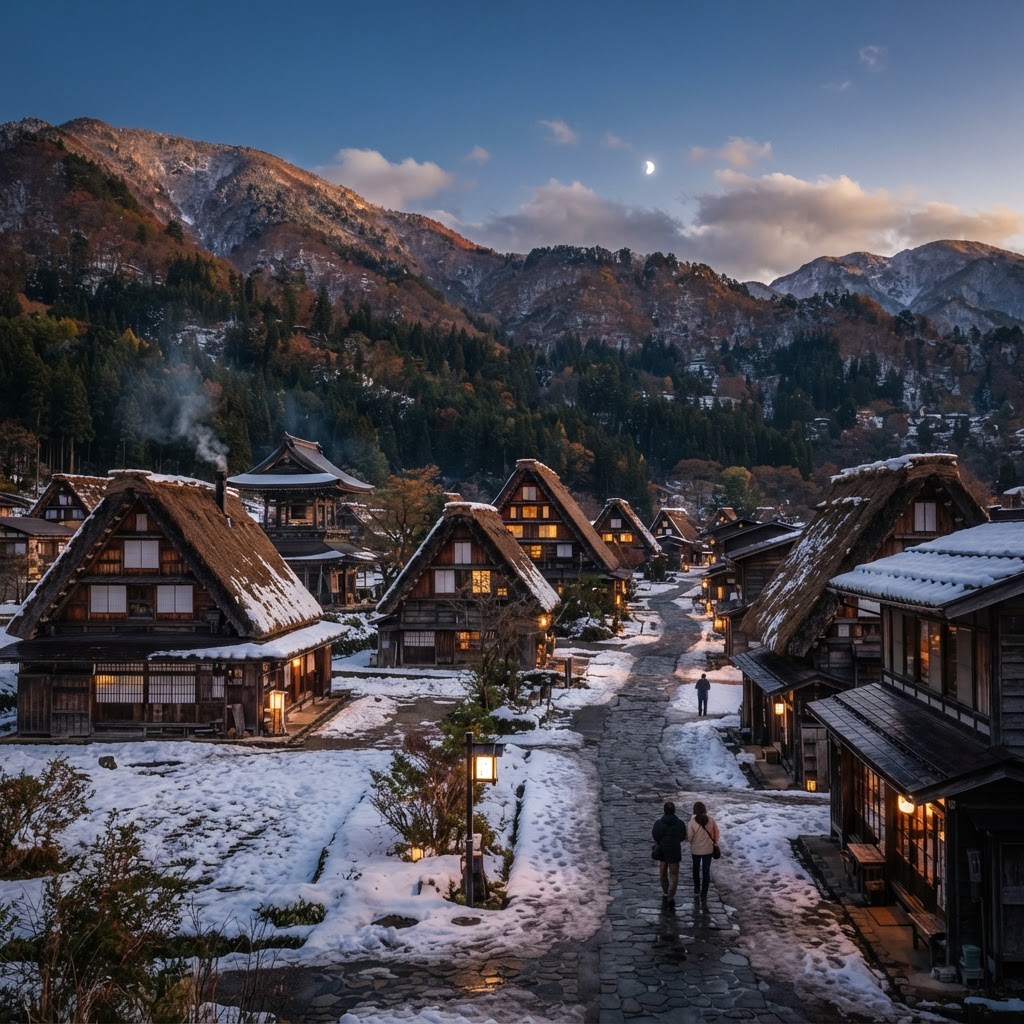
Shirakawa-go, Gifu, Japan
Japan
A living mountain settlement of steep-pitched thatch, silence at dusk, and alpine timbercraft.
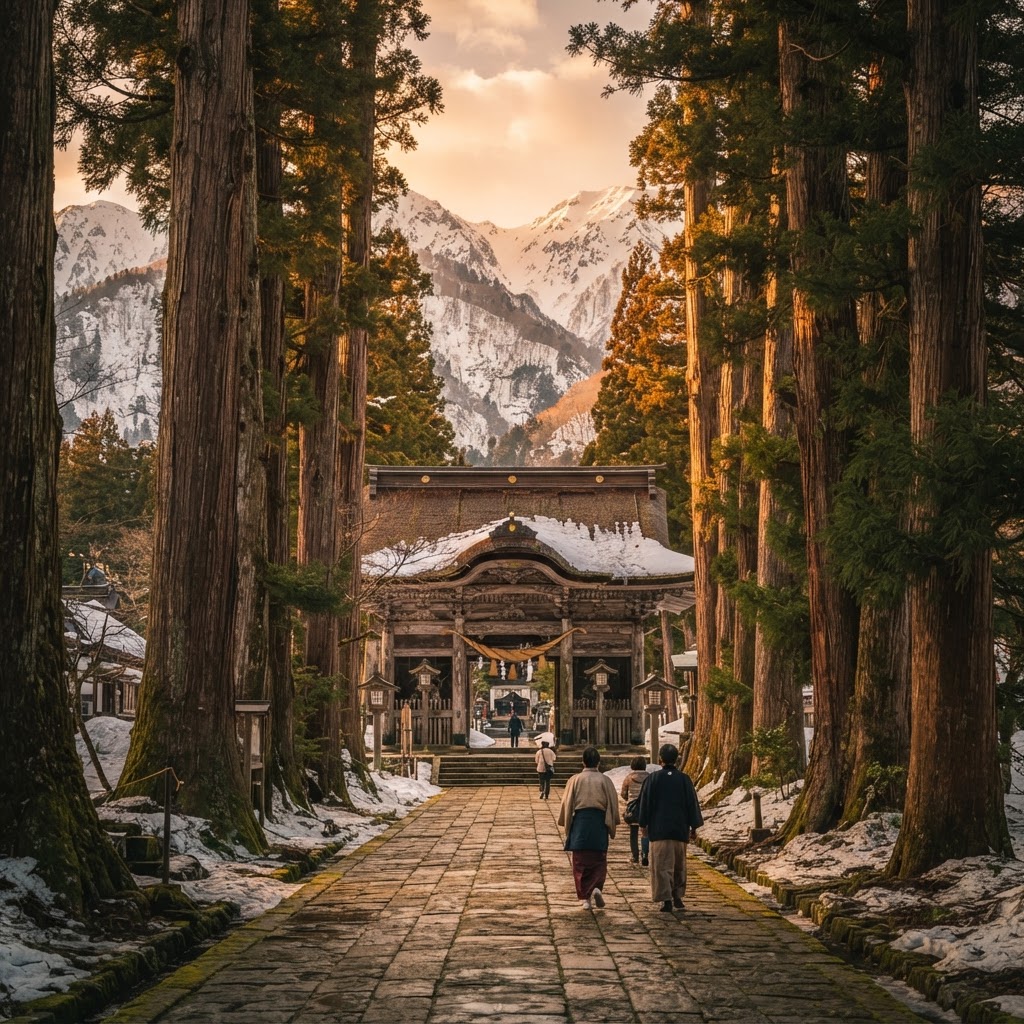
Nagano, Japan
Japan
Pilgrim temples, cedar-lined alpine shrines, and the gateway to Japan's northern powder peaks.
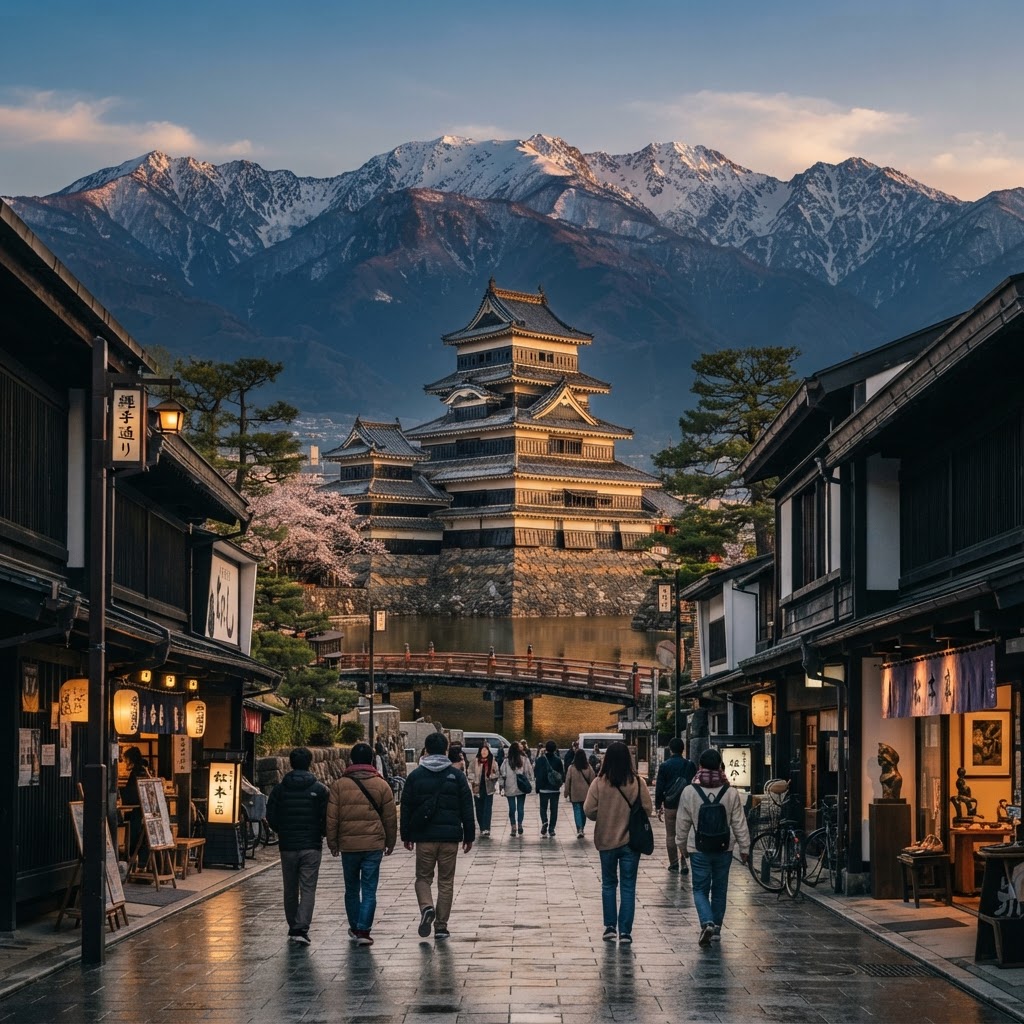
Matsumoto
Japan
Feudal black timber architecture framed by the Northern Alps and alpine art culture
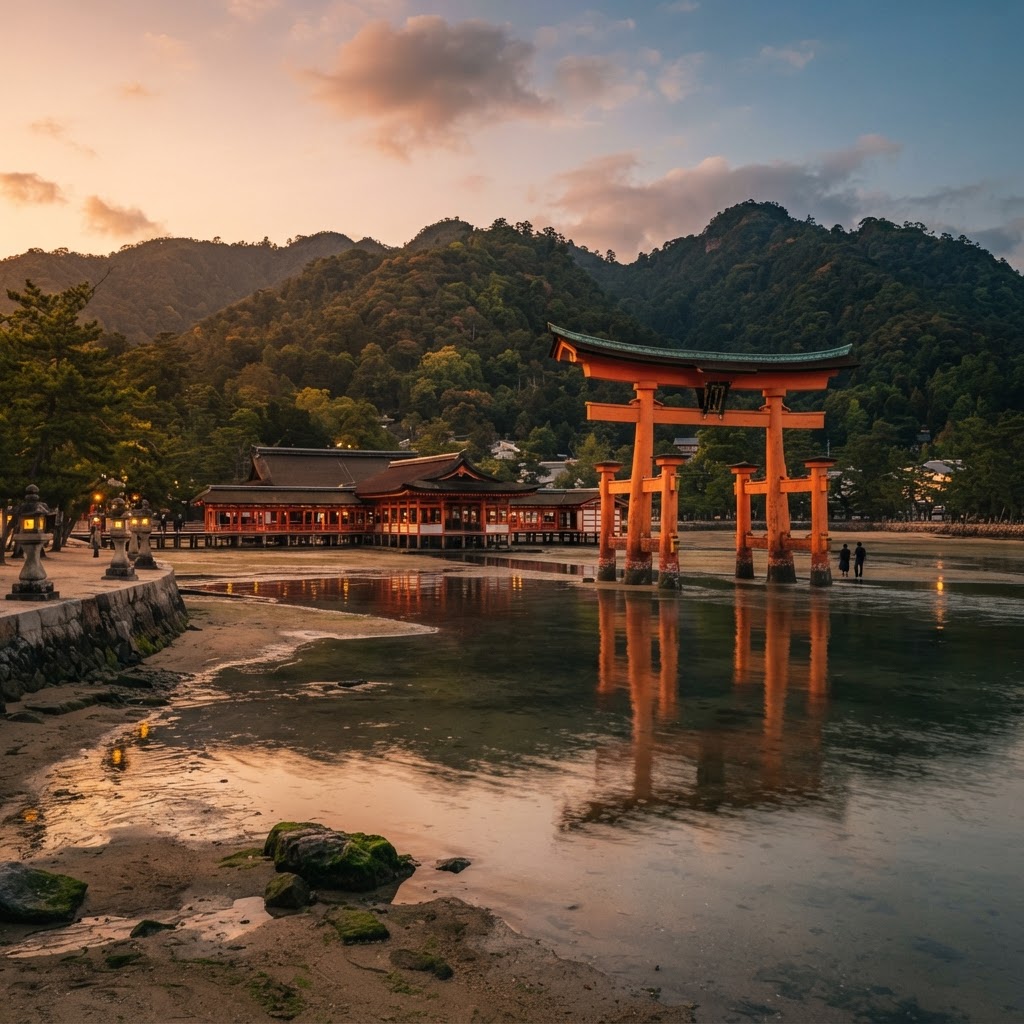
Miyajima (Itsukushima), Japan
Japan
A sacred island of tidal shrines, ancient virgin forest, and silent lantern-lit evenings.
Readymade itineraries
Start from a tested template — then make it yours.
Ready to book
Lock in your Takayama, Japan trip
Everything in one place. We may earn a small commission — it never costs you more.
Plan a trip to Takayama, Japan
Pick a length and we'll build a day-by-day plan around how you travel — neighborhoods clustered, budget-aware, and editable.
Get better at planning trips like this
Occasional notes on planning smarter — no spam, unsubscribe anytime.
Plan a trip to Takayama, Japan
Turn this guide into a day-by-day plan built around your pace, your group, and your budget.
Build my Takayama, Japan trip