
Japan
Sapporo Itinerary: How Many Days + Sample Plans
Sapporo is Japan's snowy north — beer, ramen, and a winter festival of ice that's worth the cold.
Traveler rating
Loved by food lovers.
Plan & book
Sort your Sapporo trip in one place.
We point you to the booking tools we'd actually use — live prices, no markup. Or let us build the day-by-day plan around you first, then book.
Pick your trip length
How many days do you need in Sapporo?
Each of these opens a full day-by-day plan you can make your own.
- 2 days — Two days — the essentials, no rushing.
- 3 days — Three days — the icons plus one neighborhood.
- 4 days — Four days — a full city without sprinting.
- 5 days — Five days — room for a day trip.
- 7 days — A week — the city at a human pace.
- With Kids trip — Shorter days, earlier dinners, what to skip.
- For Couples trip — Two-person pacing with evenings built in.
- Solo trip — A plan that works well on your own.
- Food trip — Meals and markets as the anchors.
- Outdoors trip — Nature, walks and open air.
- Culture trip — History, museums and the streets around them.
Sapporo is the gateway to Hokkaido — snowy winters, a famous beer, and miso ramen invented here. Come for the Snow Festival in February or for cool summer escapes from the southern heat.
2–3 days
Best time
Early February for the Snow Festival or mid-October to early November for vivid autumn foliage and seasonal seafood.
Budget
¥12,000–22,000 per person per day at mid-range.
Build your own trip with these prebuilt itineraries
Each one is a tested, day-by-day plan for Sapporo — start here, then make it yours.
6 Days of Northern Nature & Day Trips
An outdoor-focused adventure using Sapporo as a base for day trips to Jozankei hot springs, Otaru harbor, and the dramatic mountain landscapes nearby.
4 Days of Hokkaido Culinary & Culture
A food-centric exploration of local seafood markets, ramen alleys, and brewery history alongside regional cultural museums.
2 Days of Sapporo City Essentials
A high-energy highlights tour focusing on Odori Park, the historic Clock Tower, and Susukino nightlife.
Sapporo combines big-city convenience with wild alpine nature right on its horizon, giving travelers a distinctly airy northern Japanese identity. It is an unmatched destination for lovers of deep powder snow, craft brewing history, and hearty regional comfort food tailored to cool weather. Its wide, grid-planned boulevards and extensive subterranean tunnels make navigating simple in any season.
Where to stay
Getting there
Getting around
Food & drink
What it costs
Things to do
Book tours & tickets in SapporoSkip it if
Skip it if you are seeking ancient wooden temples and classic Geisha heritage (head to Kyoto or Kanazawa instead) or if you despise cold weather and snow slush.
When to go
Winter brings world-class powder snow and gigantic ice sculptures, but hotels book out up to eight months in advance at peak rates. Autumn offers crisp walking temperatures, fewer crowds, and the harvest bounty celebrated at Odori Park without the sub-zero chill.
Winter (December–February)
Sub-zero temperatures and massive snowfall; early February is peak season for the Sapporo Snow Festival with exorbitant hotel prices and heavy foot traffic.
Spring (March–May)
March and April bring messy snowmelt and grey slush; cherry blossoms bloom late (usually late April to early May) offering a brief, quieter shoulder window.
Summer (June–August)
Unlike mainland Japan, Sapporo stays free of the heavy monsoon rainy season, featuring comfortable 25°C days and open-air Odori Park beer gardens.
Autumn (September–November)
Peak culinary season with the Autumn Fest in September; brilliant red-and-gold foliage on university campuses and nearby Jozankei through late October.
Neighborhoods
Where you stay shapes the trip. Here's how to think about it.
Sapporo Station Area
Sleek transit hub lined with department store food halls and slick modern towers.
Best for:Day-trippers relying on JR trains, business travelers, and seamless winter arrivals
Don't miss:The subterranean food basements at Daimaru Sapporo and the JR Tower Observation Deck T38 for clear skyline views.
Odori Park
The verdant, tree-lined civic spine cutting east-to-west across the city grid.
Best for:First-time visitors who want central, walkable access to both daytime sightseeing and evening spots
Don't miss:Seasonal festival stalls (Beer Garden in summer, Snow Festival in winter) and the sprawling underground concourses of Pole Town directly underneath.
Susukino
Northern Japan's densest neon nightlife district, packed with izakayas, bars, and late-night eats.
Best for:Foodies, late-night drinkers, and solo travelers hunting bar counters
Don't miss:Ganso Ramen Yokocho (Original Ramen Alley) for steaming miso ramen and local Genghis Khan lamb grills tucked down side alleys.
Nakajima Park
A quiet, leafy residential enclave centered on a wide pond just south of the neon sprawl.
Best for:Families, couples, and travelers seeking tranquility while staying within a 15-minute subway hop to downtown
Don't miss:A morning walk past the historic Hoheikan western-style guest house and the Kitara Concert Hall grounds.
Maruyama
An upscale, low-slung residential enclave filled with third-wave coffee shops, patisseries, and shrines.
Best for:Curious wanderers, cafe hoppers, and nature lovers seeking calm away from the high-rises
Don't miss:Hokkaido Shrine surrounded by ancient cedar groves at the base of Mount Maruyama.
Money & essentials
Currency
Japanese yen (JPY). Cash still king at small places; IC cards for transit.
Language
Japanese. English signage on transit; a translation app helps.
Safety
Exceptionally high safety profile day and night across all major districts.
Budget range
¥12,000–22,000 per person per day at mid-range.
Tipping
No tipping; exceptional service is standard and tips left on tables will usually be returned to you.
See what a trip to Japan actually costs. Travel Budget Co.
How to plan it
- Stay near Sapporo Station if you plan to use JR day trains to Otaru or Asahikawa; stay near Odori or Susukino if evening dinners and nightlife matter more.
- Pair your Sapporo urban stay with an overnight in Otaru or a relaxing hot-spring dip in Jozankei Onsen, which is only an hour away by Jotetsu bus.
- Don't try to cram Niseko or Furano as quick afternoon side trips from Sapporo; they require 2 to 3+ hours each way and deserve dedicated overnight stays.
- Visit Mount Moiwa Ropeway on a weekday right before dusk to beat tour bus crowds and watch the sunset give way to northern Japan's famous night view.
- Bypass peak dinner queues at famous ramen joints like Ramen Shingen by aiming for mid-afternoon off-hours (between 2:30 PM and 4:30 PM).
Questions
More in Japan
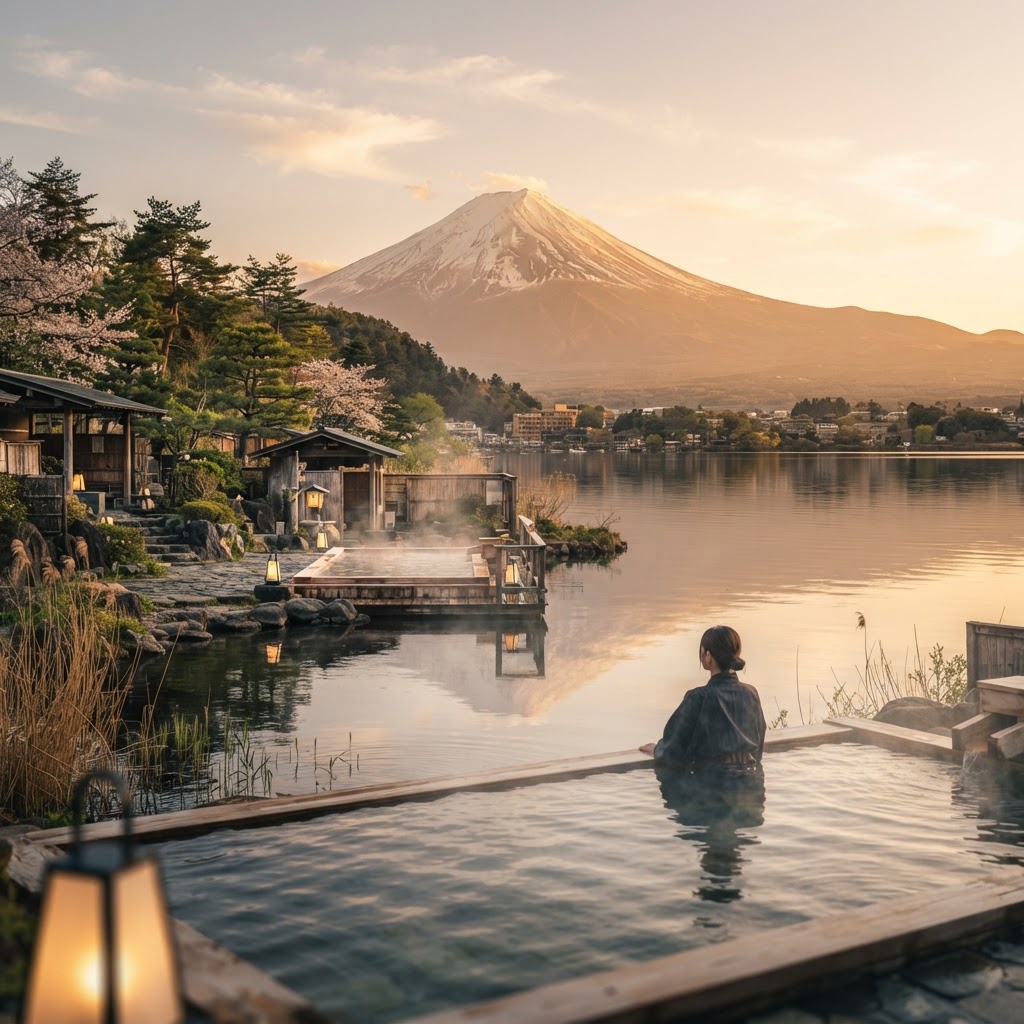
Kawaguchiko & Fuji Five Lakes
Japan
Unrivaled front-row views of Mount Fuji, lakeside onsens, and open mountain air.
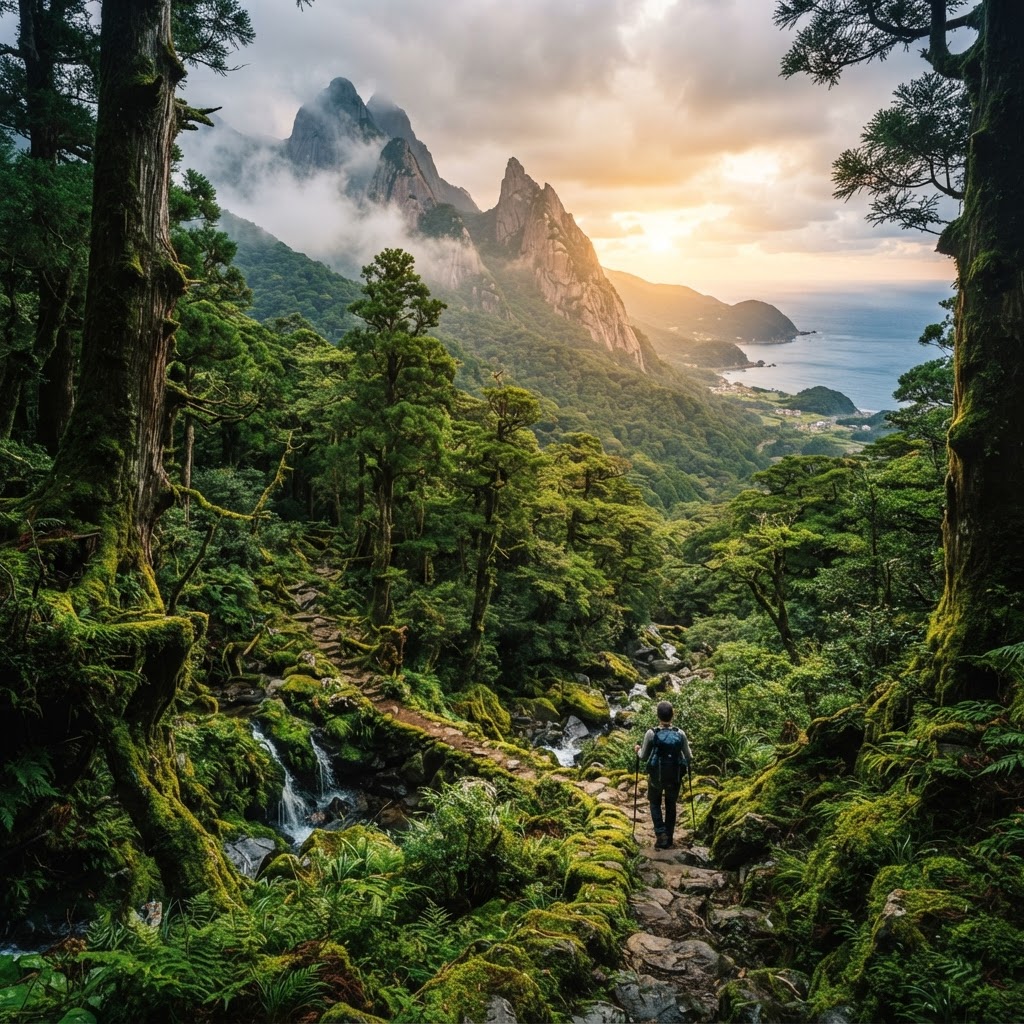
Yakushima, Japan
Japan
Ancient moss-draped cedar forests and misty granite peaks rising abruptly from the Pacific.
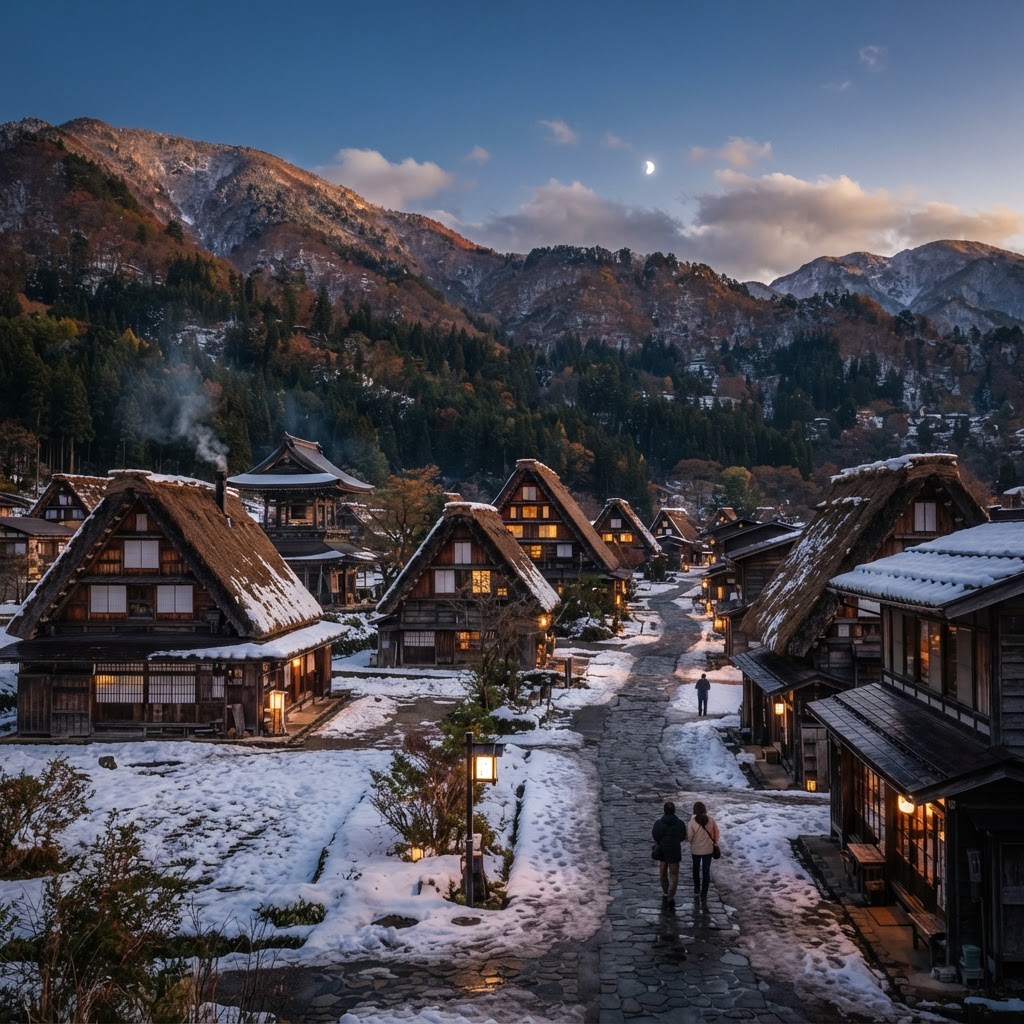
Shirakawa-go, Gifu, Japan
Japan
A living mountain settlement of steep-pitched thatch, silence at dusk, and alpine timbercraft.
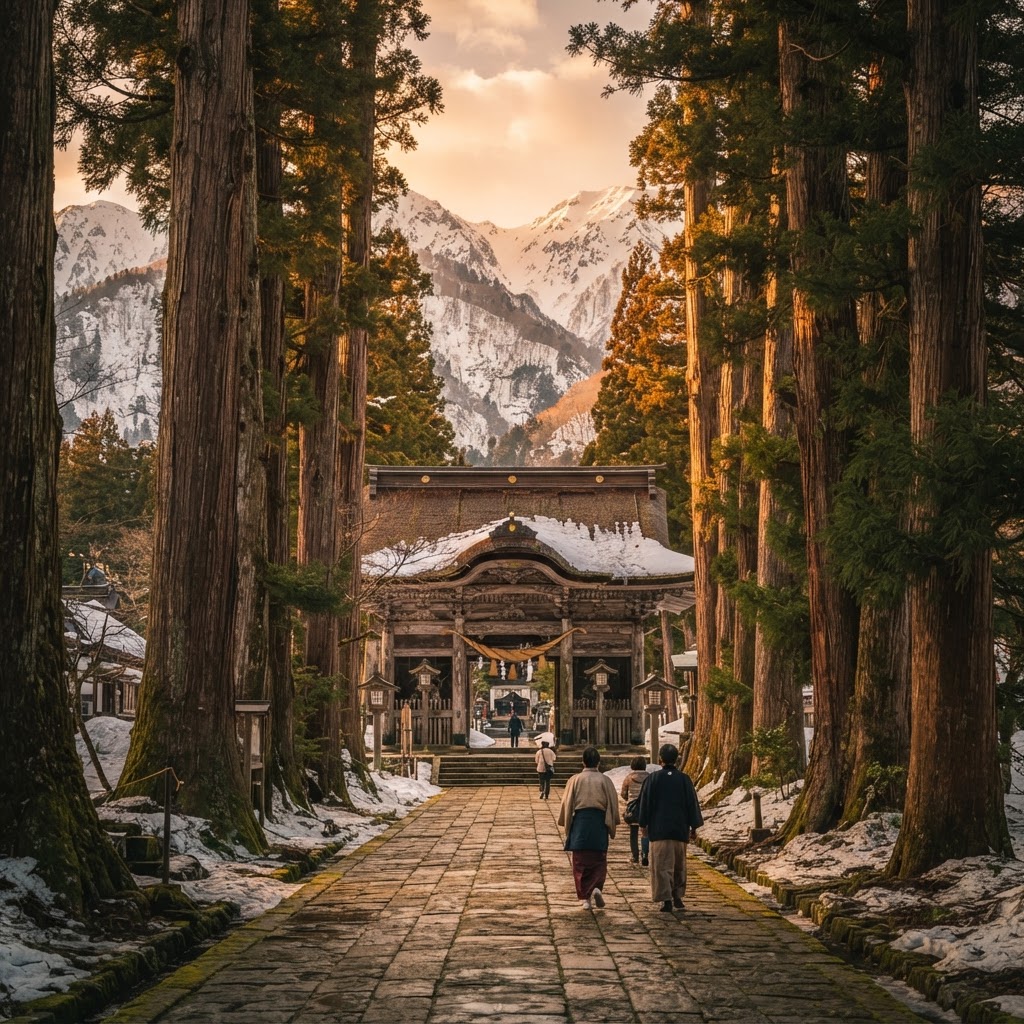
Nagano, Japan
Japan
Pilgrim temples, cedar-lined alpine shrines, and the gateway to Japan's northern powder peaks.
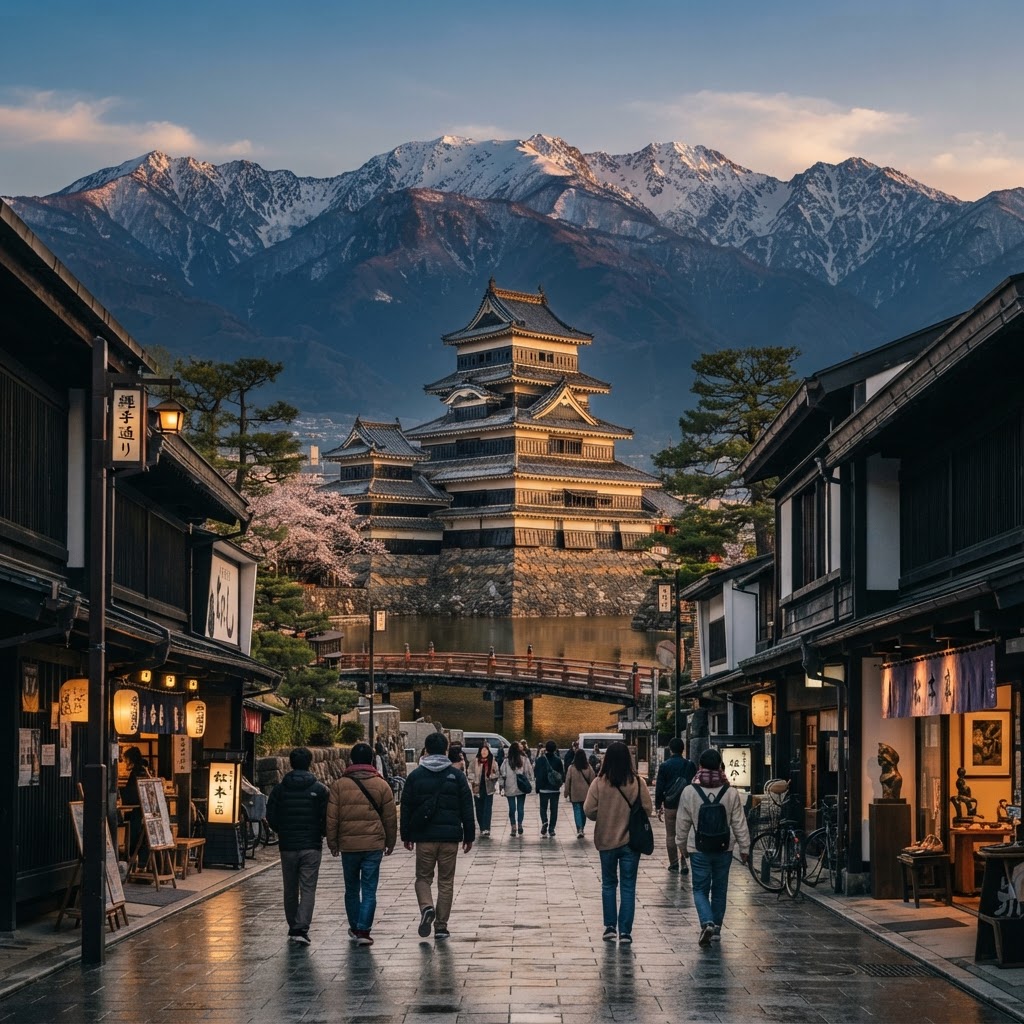
Matsumoto
Japan
Feudal black timber architecture framed by the Northern Alps and alpine art culture
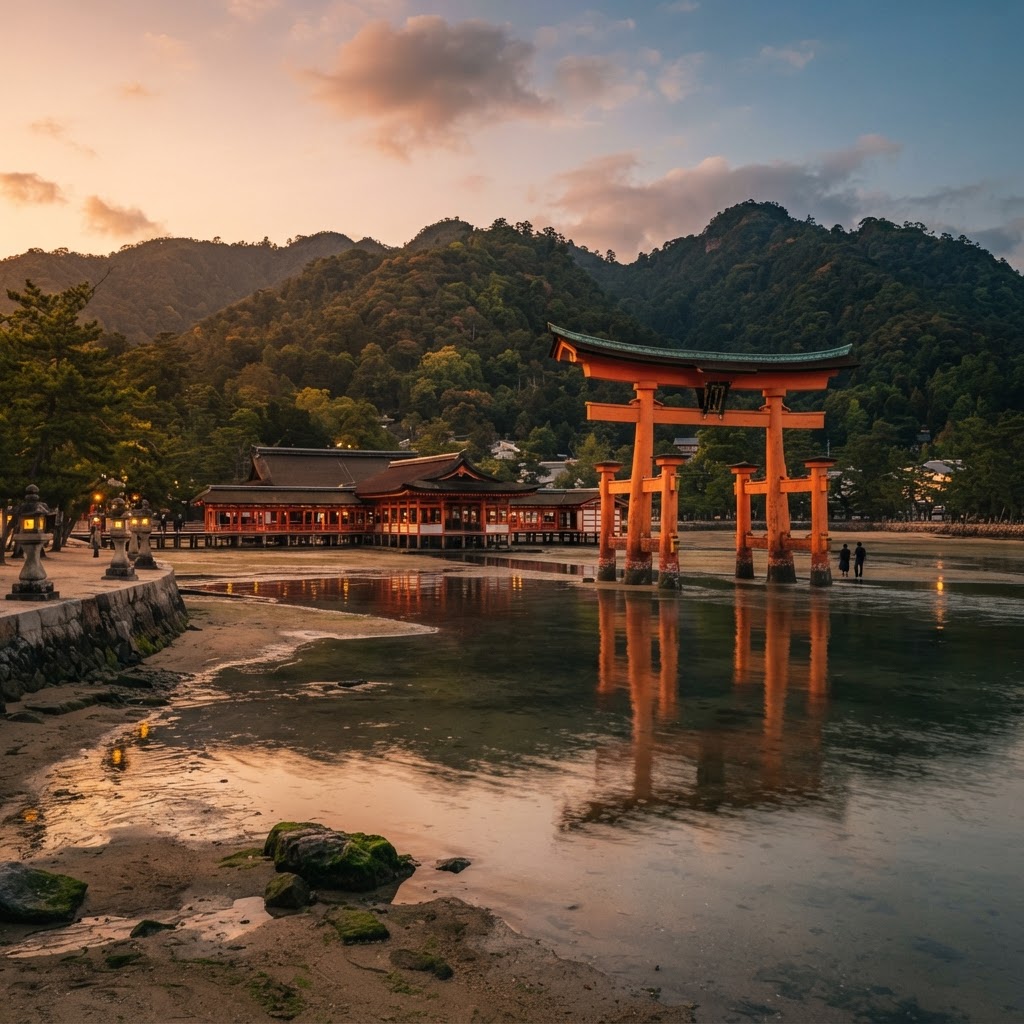
Miyajima (Itsukushima), Japan
Japan
A sacred island of tidal shrines, ancient virgin forest, and silent lantern-lit evenings.
Readymade itineraries
Start from a tested template — then make it yours.
Ready to book
Lock in your Sapporo trip
Everything in one place. We may earn a small commission — it never costs you more.
Plan a trip to Sapporo
Pick a length and we'll build a day-by-day plan around how you travel — neighborhoods clustered, budget-aware, and editable.
Get better at planning trips like this
Occasional notes on planning smarter — no spam, unsubscribe anytime.
Plan a trip to Sapporo
Turn this guide into a day-by-day plan built around your pace, your group, and your budget.
Build my Sapporo trip