Spain
Ronda, Spain
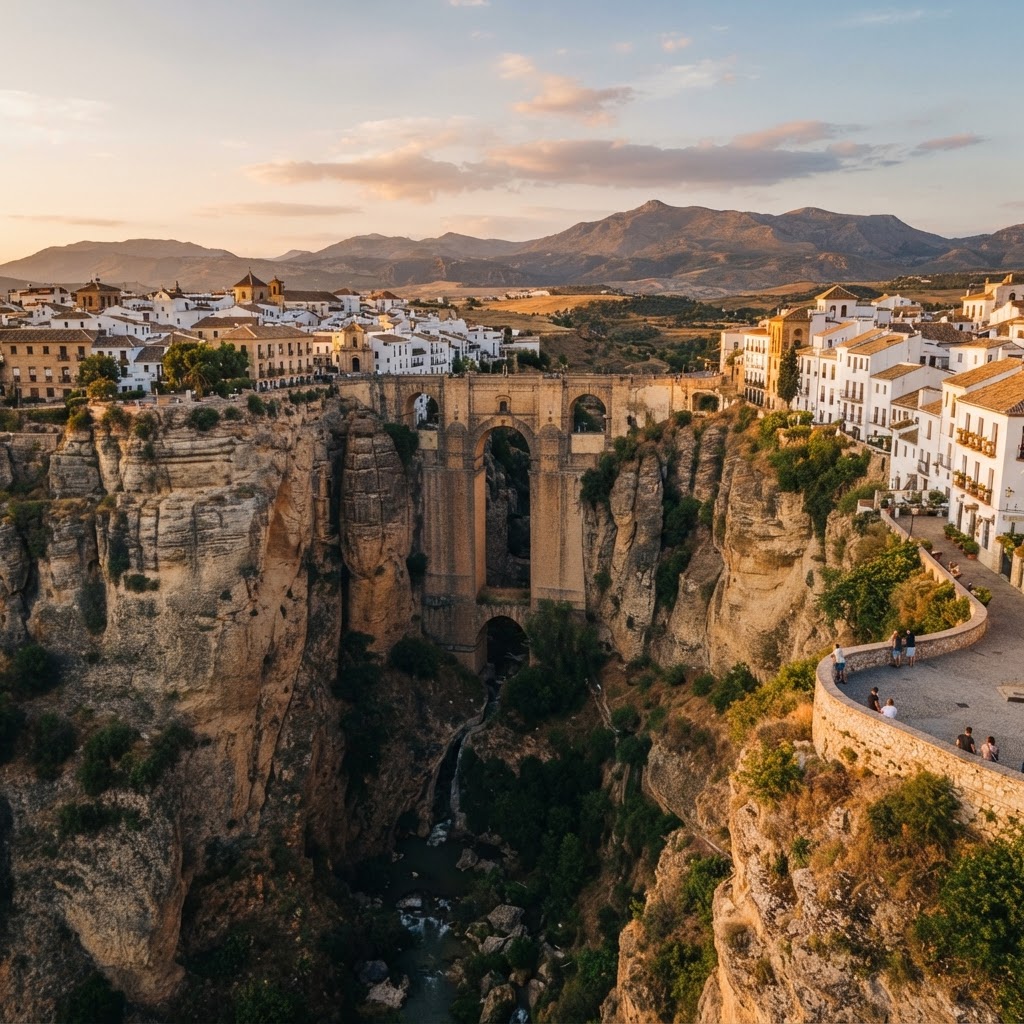
Dramatically cleft by El Tajo gorge, Andalusia's white mountain town demands an overnight stay to truly be felt.
Plan & book
Sort your Ronda, Spain trip in one place.
We point you to the booking tools we'd actually use — live prices, no markup. Or let us build the day-by-day plan around you first, then book.
Perched across the sheer limestone cliffs of the Serranía de Ronda, this historic Andalusian town is divided in two by the 120-meter drop of El Tajo gorge and bridged by the colossal 18th-century masonry of the Puente Nuevo. While often assaulted by tour buses arriving from the Costa del Sol between 10:00 and 17:00, Ronda transforms in the early morning and late evening into a quiet, evocative retreat filled with clifftop vistas, rich Moorish legacy, and hearty Serranía cuisine.
2 nights
Best time
Mid-April to late May, or late September to mid-October for ideal walking temperatures and vibrant countryside.
Build your own trip with these prebuilt itineraries
Each one is a tested, day-by-day plan for Ronda, Spain — start here, then make it yours.
3 Days in Ronda & White Villages in Ronda
Scenic road trip combining historic Ronda with the surrounding Pueblos Blancos
2 Days in Ronda in Ronda
Classic clifftop romance, sunset viewpoints, and gorge hiking
1 Day in Ronda in Ronda
Gorge viewpoints and historic center highlights for fast-paced visitors
Most travelers only know the midday snapshot of the Puente Nuevo, but sleeping here reveals the actual town: the sound of the Guadalevín river echoing far below, unhurried tapas crawls down Calle Nueva and Plaza del Socorro, and steep walks along the gorge rim before the day-trippers arrive.
Where to stay
Getting there
Getting around
Food & drink
What it costs
Things to do
Book tours & tickets in Ronda, SpainSkip it if
Travelers with limited mobility who struggle with steep grades, long staircases, and irregular cobblestones, or tight-itinerary tourists relying entirely on trains with fewer than 5 days in Andalusia, who would waste too much transit time transferring.
When to go
Spring brings wildflower-carpeted valleys and autumn offers grape harvest season with comfortable midday hiking weather. Peak summer brings oppressive inland heat exceeding 38°C (100°F), while winter can be surprisingly raw with biting mountain winds.
Spring (April to June)
Peak mountain blooms and pleasant 20°C–25°C daytime weather; midday tour bus crowds are high around Puente Nuevo, making early mornings critical.
Fall (September to October)
Crisp evenings, warm daytime sun, and vibrant harvest colors across the Serranía; ideal for hiking into the gorge.
Summer (July to August)
Punishing inland heat above 38°C (100°F) clears the streets between 13:00 and 18:00; explore before 09:30 or after 20:30 only.
Winter (November to March)
Crisp, cold mountain air and occasional rain, but crowd-free streets and warm fireside dining make it a peaceful, atmospheric retreat.
Neighborhoods
Where you stay shapes the trip. Here's how to think about it.
La Ciudad (The Old Moorish Quarter)
Cobbled alleys, whitewashed facades, and centuries-old palacios perched quietly on the south cliff edge.
Best for:couples, history buffs, and travelers wanting quiet evenings
Don't miss:Palacio de Mondragón, featuring peaceful Mudejar courtyards and cliffside gardens overlooking the valley.
El Mercadillo
Buzzing commercial district centered around pedestrianized shopping streets and vibrant plazas just north of Puente Nuevo.
Best for:first-timers, dining enthusiasts, and those relying on public transit
Don't miss:Plaza de Toros and the leafy cliffside promenade at Alameda del Tajo at dusk.
Barrio San Francisco
Authentic, laid-back residential pocket nestled below the ancient southern city walls.
Best for:food-focused travelers and repeat visitors escaping the tourist crowds
Don't miss:Dining at Casa María on Plaza Ruedo Alameda for authentic, seasonal local plates served without a printed menu.
El Tajo & Padre Jesús
Quiet ravine basin and lower slope quarter linked by Ronda's oldest bridges.
Best for:photographers, landscape lovers, and energetic walkers
Don't miss:The remarkably preserved 13th-century Baños Árabes tucked down near the Puente Viejo.
Destination intelligence
Updated 9/14/2026The structured record we plan every Ronda, Spain itinerary from.
Walkability
High within the center, though demanding due to steep inclines, uneven cobbled surfaces, and deep cliff-edge staircases.
Transit quality
Moderate: served by regional trains and buses connecting to Seville, Málaga, and Granada, but schedules are infrequent compared to mainline high-speed hubs.
Car needed
Not required to see the town itself, but highly advantageous if combining Ronda with the surrounding white mountain villages (Pueblos Blancos).
Ideal duration
2 nights
Minimum useful
1 night
Peak season
April to June and September to October: mild mountain weather, blooming scenery, and peak tourist bus volumes.
Shoulder season
March and November: cooler, crisp mountain air with far thinner crowds and pleasant midday temperatures.
Low season
July to August (extreme inland Andalusian midday heat exceeding 38°C/100°F) and December to February (cold mountain winds and occasional rain).
Best for
Common mistakes
- Visiting purely as a day trip between 11:00 and 16:00, which catches maximum crowds and midday mountain heat while missing the magic of sunset and early morning
- Driving a rental car deep into the narrow cobblestone alleys of La Ciudad instead of using the underground parking beneath Plaza del Socorro or outer lots
- Eating at the view-facing restaurants directly on the edge of the gorge without checking food quality first, as many are tourist traps compared to backstreet spots in El Mercadillo
- Wearing slick-soled dress shoes on the stone descents down into the gorge paths
Best nearby
See what a trip to Spain actually costs. Travel Budget Co.
How to plan it
- Stay in La Ciudad for historic tranquility, or base in El Mercadillo along Calle Carrera Espinel for immediate access to tapas bars and shops.
- Pair your Ronda stay with an afternoon drive through Setenil de las Bodegas and Grazalema before returning to Ronda for dinner.
- Do not attempt the hike down to the base of El Tajo during the 13:00–17:00 sun window; descend via Camino de los Molinos at 08:30 for clean morning light on the Puente Nuevo.
- Reserve your table at Tragatá or Casa María at least two weeks in advance if traveling on a weekend or during spring and autumn.
- If taking the train from Seville, take the direct Los Amarillos/Damas bus instead; it runs more frequently and bypasses the slow train transfers at Antequera-Santa Ana.
Questions
More in Spain
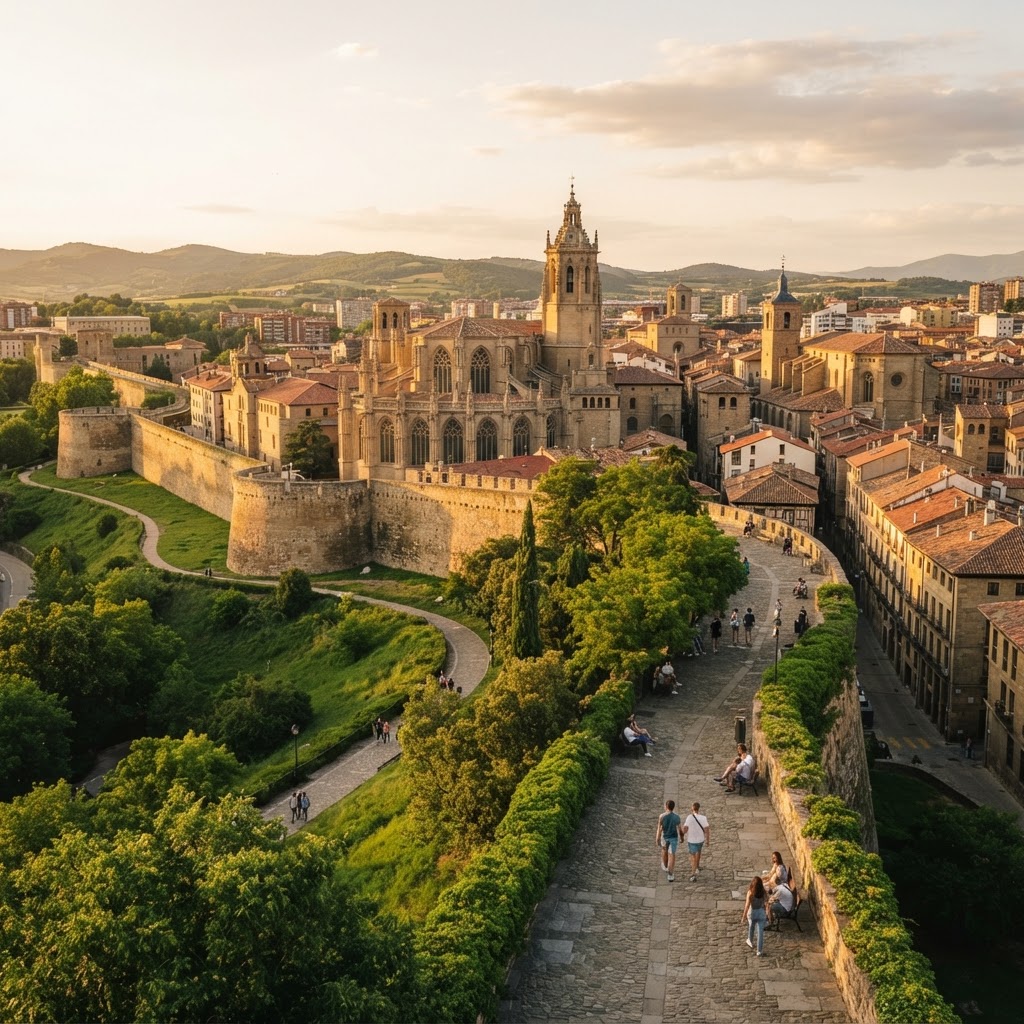
Pamplona, Spain
Spain
Beyond the bull run: a walkable fortress city of world-class pintxos, gothic cloisters, and verdant ramparts.
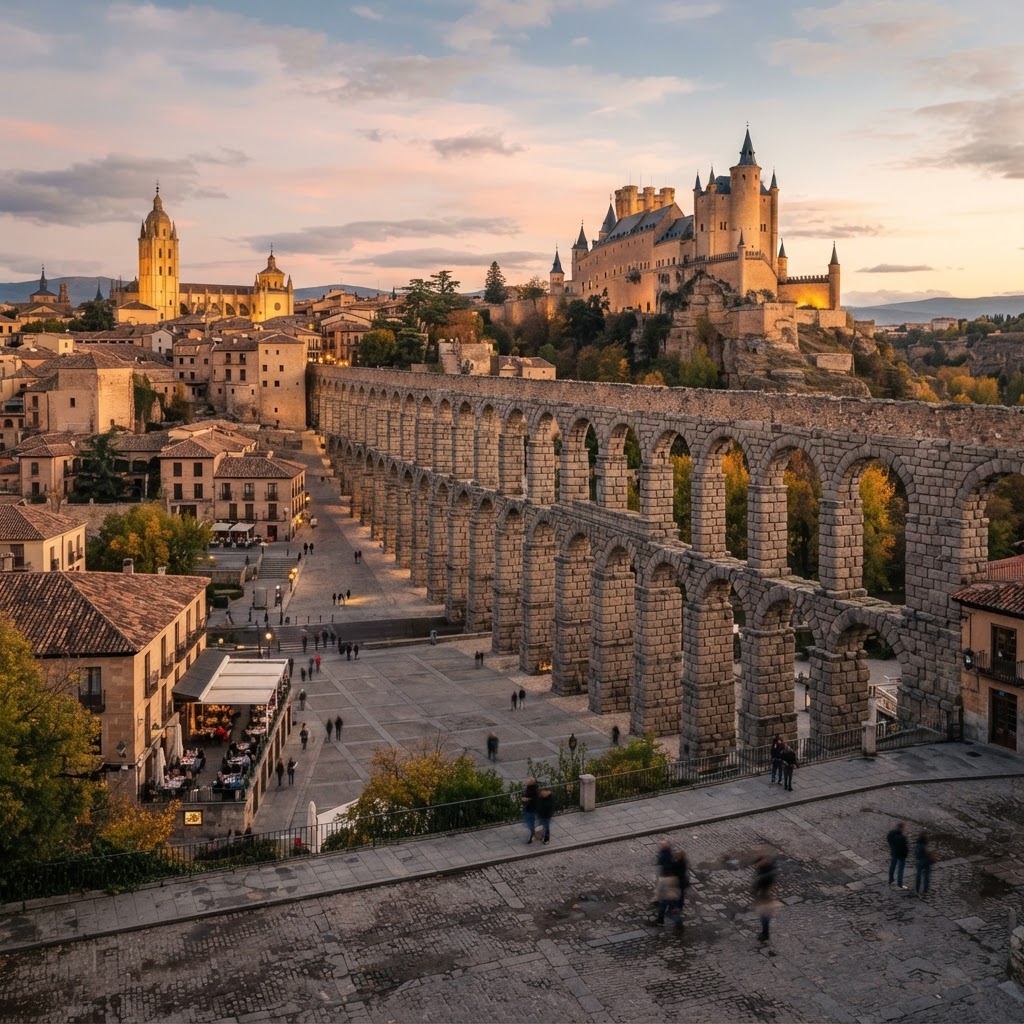
Segovia, Spain
Spain
Roman engineering, fairytale fortresses, and slow-roasted suckling pig just thirty minutes from Madrid
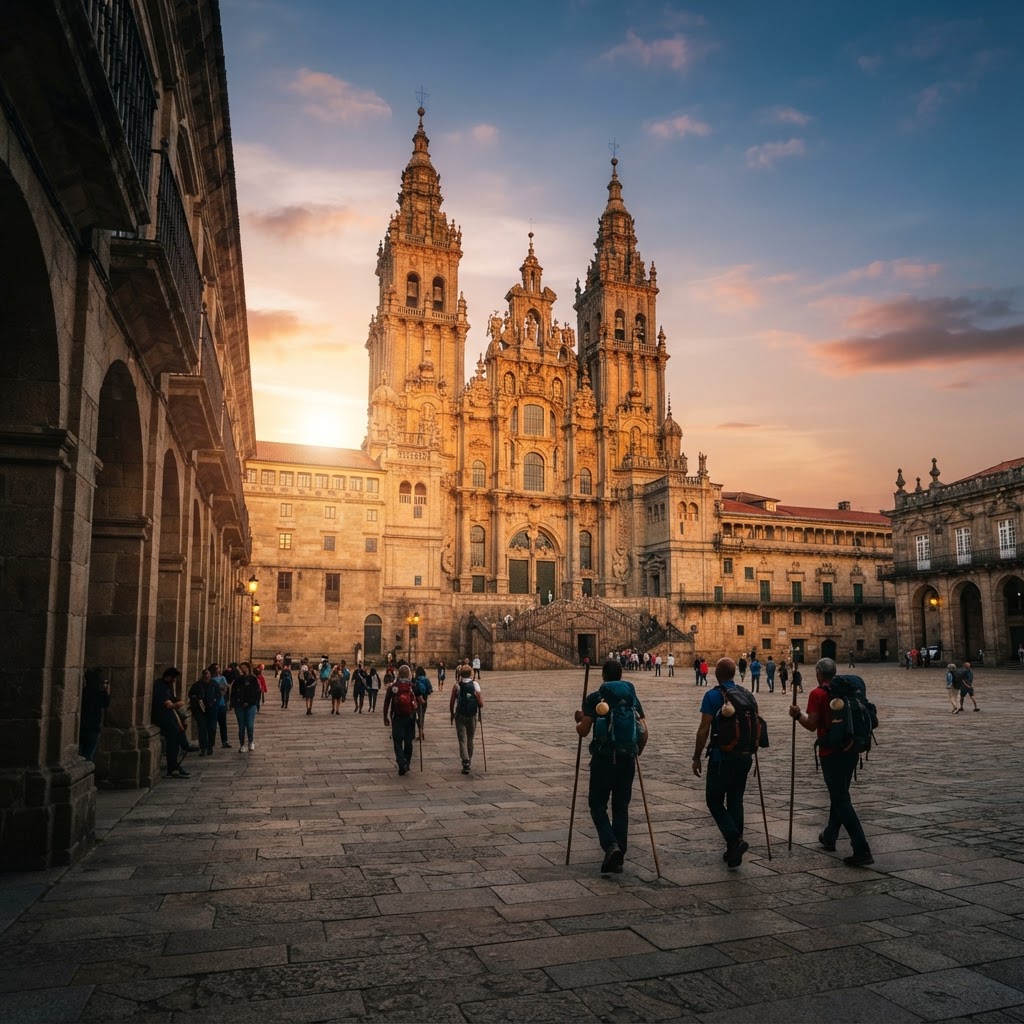
Santiago de Compostela, Galicia, Spain
Spain
Granite arcades, triumphant pilgrim squares, and Spain's most storied seafood capital.
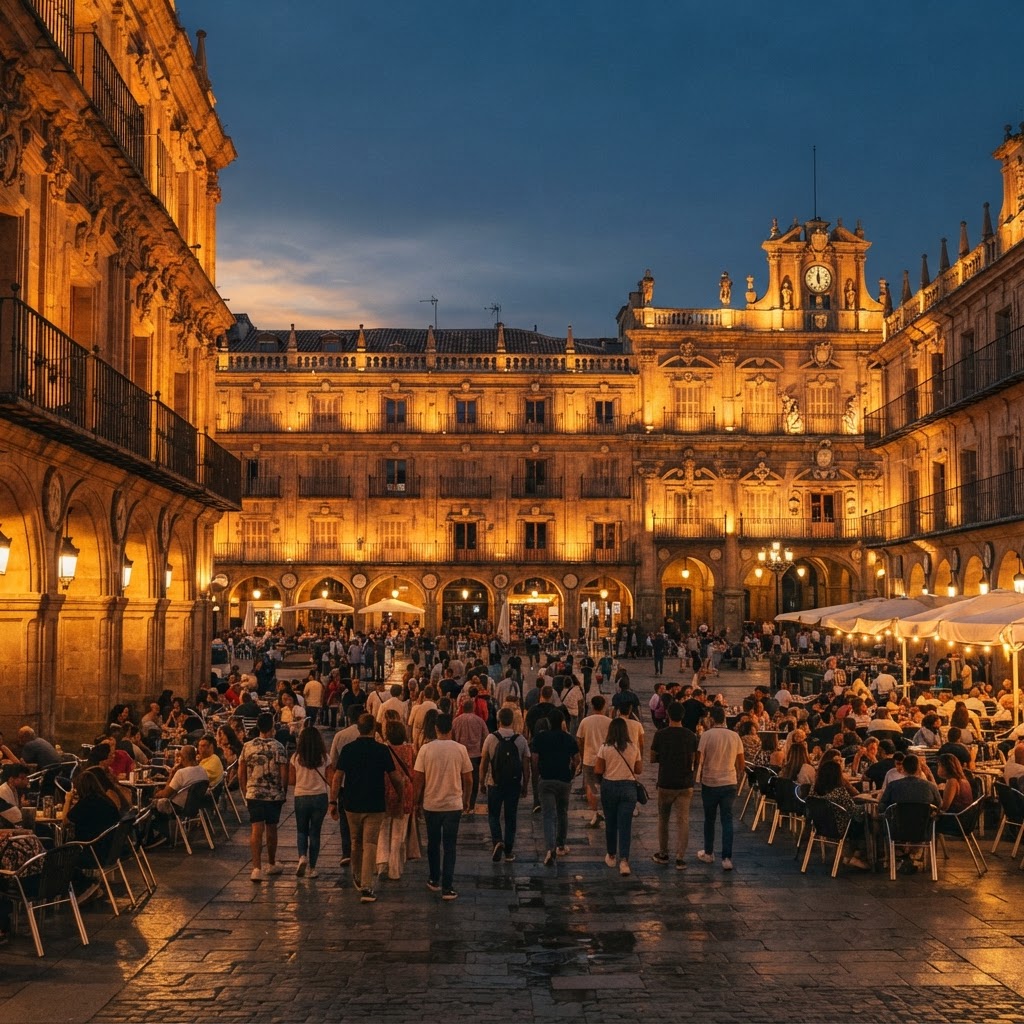
Salamanca
Spain
Spain's golden sandstone intellectual capital with an unrivaled late-night plaza culture.
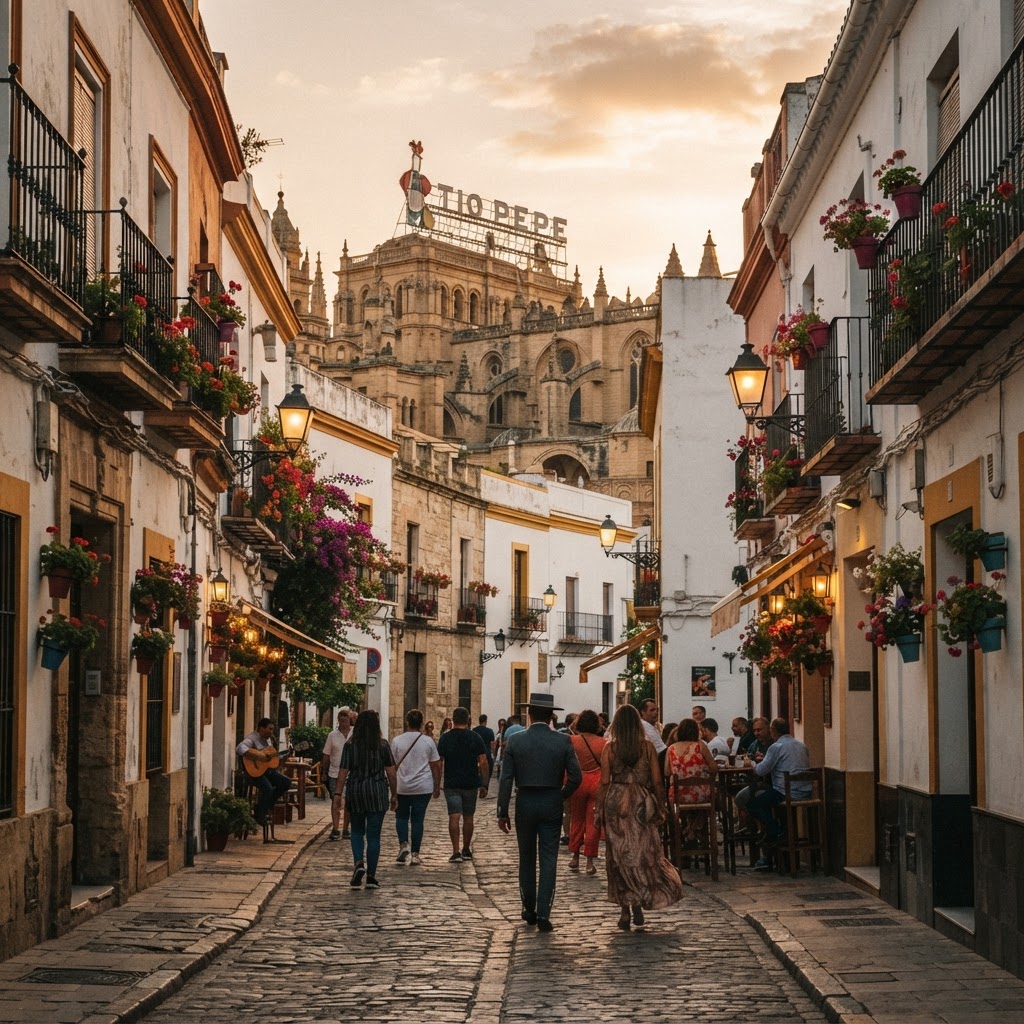
Jerez de la Frontera
Spain
The cradle of pure flamenco, cathedral-like sherry bodegas, and unfiltered Andalusian life.
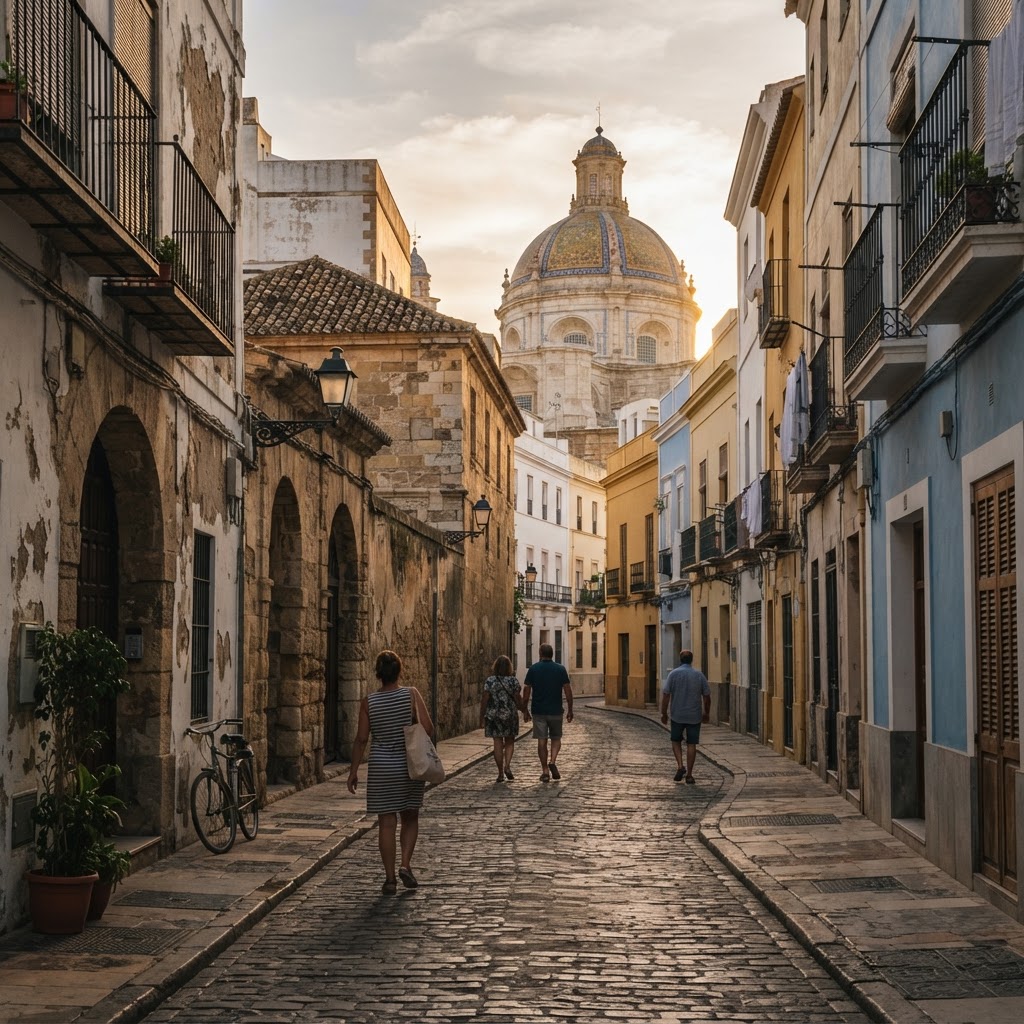
Cádiz
Spain
Europe’s oldest continuously inhabited port, stripped of pretension and wrapped in sea air
Readymade itineraries
Start from a tested template — then make it yours.
Ready to book
Lock in your Ronda, Spain trip
Everything in one place. We may earn a small commission — it never costs you more.
Plan a trip to Ronda, Spain
Pick a length and we'll build a day-by-day plan around how you travel — neighborhoods clustered, budget-aware, and editable.
Get better at planning trips like this
Occasional notes on planning smarter — no spam, unsubscribe anytime.
Plan a trip to Ronda, Spain
Turn this guide into a day-by-day plan built around your pace, your group, and your budget.
Build my Ronda, Spain trip