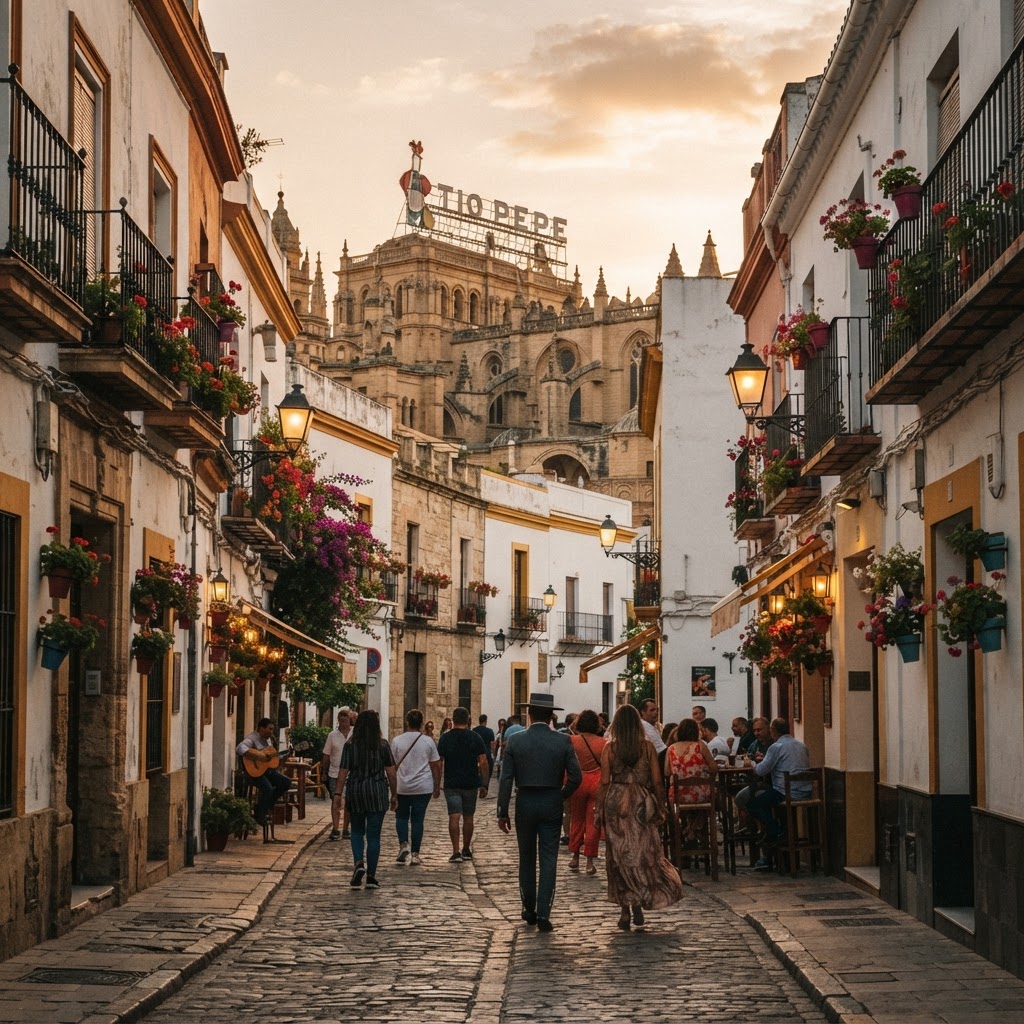
Spain
Jerez de la Frontera
The cradle of pure flamenco, cathedral-like sherry bodegas, and unfiltered Andalusian life.
Plan & book
Sort your Jerez de la Frontera trip in one place.
We point you to the booking tools we'd actually use — live prices, no markup. Or let us build the day-by-day plan around you first, then book.
Sitting between the rolling chalk hills of the Marco de Jerez and the Atlantic breeze of the Bay of Cádiz, Jerez de la Frontera is the antidote to polished mass tourism in southern Spain. While crowds flood Seville and Granada, Jerez moves at its own measured cadence, defined by barrel-aged soleras, peerless equestrian heritage, and a late-night culture deeply rooted in neighborhood peñas flamencas.
2 to 3 days
Best time
Mid-March to May, or late September to October.
Build your own trip with these prebuilt itineraries
Each one is a tested, day-by-day plan for Jerez de la Frontera — start here, then make it yours.
4 Days in Jerez: Slow Travel & Coast Hop in Jerez de la Frontera
A relaxed, train-based regional stay blending historic walking routes with easy rail excursions to coastal Cádiz
3 Days in Jerez: Flamenco Roots & Wine Heritage in Jerez de la Frontera
A deep dive into Andalusian culture centered on neighborhood peñas, specialized tastings of dry sherries, and equestrian art
2 Days in Jerez: Sherry & Historic Highlights in Jerez de la Frontera
First-time essential exploration focusing on premier historic bodegas, the Moorish Alcázar, and atmospheric tabancos
Jerez delivers raw, working Andalusian culture without the tourist turnstiles. It is home to world-class fortified wine production where century-old bodegas like Lustau and Tradición sit right inside the historic fabric. Beyond the wine, Jerez offers raw, spontaneous flamenco in gritty neighborhood taverns, centuries-old Moorish fortresses, and one of Spain's richest culinary traditions, all at half the price of Seville.
Where to stay
Getting there
Getting around
Food & drink
What it costs
Things to do
Book tours & tickets in Jerez de la FronteraSkip it if
Skip Jerez if you have zero interest in wine, equestrian culture, or flamenco, or if your priority is beach resort amenities and fast-paced cosmopolitan nightlife.
When to go
Spring brings fragrant orange blossoms and major cultural milestones like Feria del Caballo without summer's stifling heat, while autumn brings crisp grape harvest festivities (Fiestas de la Vendimia). Midsummer routinely breaks 40°C (104°F) and drives residents indoors.
Peak (May, Easter Holy Week & September)
Prices surge and reservations are mandatory months ahead for Feria del Caballo and Semana Santa; energy is electric but city hotels book solid.
Shoulder (March-April & October-November)
The sweet spot with daytime temperatures around 20-25°C, mild breezes, lower room rates, and easy bodega tour availability.
Low (July-August & January-February)
Summer is punishingly hot with an inland afternoon shutdown; winter is crisp and quiet with occasional rain, though atmospheric and very affordable.
Neighborhoods
Where you stay shapes the trip. Here's how to think about it.
Barrio de San Miguel
Soulful, historic cradle of flamenco anchored by open plazas and centuries of Gitano musical pedigree.
Best for:Flamenco purists and late-night tapas explorers
Don't miss:Catching an unvarnished late-night singing session or guitar performance around Plaza de las Angustias and Tabanco Las Banderillas.
Barrio de Santiago
Gritty, spirited barrio with profound bulería heritage, decaying palacios, and fiercely local pride.
Best for:Culture seekers looking for unpolished neighborhood life
Don't miss:The Centro Andaluz de Documentación del Flamenco inside Palacio de Pemartín and the Gothic Iglesia de Santiago.
Centro / Plaza del Arenal
Grand, pedestrianized civic core lined with bustling terrace cafes, 19th-century facades, and palm trees.
Best for:First-timers who want everything reachable within a 5-minute stroll
Don't miss:Ordering a cold glass of fino on the terrace before ducking down narrow Calle Pescadería Vieja for tapas.
San Dionisio & Plaza de la Asunción
Architecturally striking pocket where Mudejar, Gothic, and Renaissance stonework meet quiet evening promenades.
Best for:Architecture admirers and travelers seeking peaceful evening aperitifs
Don't miss:Sipping local amontillado outdoors facing the intricate plaster facade of the Antigua Casa del Cabildo.
Destination intelligence
Updated 9/14/2026The structured record we plan every Jerez de la Frontera itinerary from.
Walkability
Excellent. The historic core, central sights, and major bodegas are easily accessible on foot within a 15-minute radius.
Transit quality
Moderate. Urban buses are adequate, but regional rail (Renfe) is the real star, offering seamless, cheap 30-minute hops to Cádiz and 1-hour connections to Seville.
Car needed
Not required. A car is an active liability inside the city; only rent one if you plan to explore the remote white villages of the Sierra de Cádiz afterward.
Ideal duration
2 to 3 days
Minimum useful
1 full day
Peak season
May (during the Feria del Caballo), Easter Holy Week (Semana Santa), and the autumn Grape Harvest Festival (Fiestas de la Vendimia in September).
Shoulder season
March to April and October to November, offering mild temperatures, crisp autumn light, and pleasant walking weather.
Low season
July and August (sweltering inland heat exceeding 40°C/104°F) and mid-winter January to February (quiet, cooler days with brief rainfall).
Best for
Common mistakes
- Treating Jerez merely as a hasty 3-hour day-trip stop between Seville and Cádiz and missing its nocturnal tabanco culture.
- Failing to reserve bodega tours in advance, especially at smaller specialty houses like Bodegas Lustau or Bodegas Tradición, which limit daily group sizes.
- Renting a car to get around town—narrow streets, limited parking, and pedestrianized zones make driving inside the ring road a nightmare.
- Assuming all sherry is sweet dessert wine—travelers are often stunned by the bone-dry, saline profiles of Fino, Manzanilla, and Amontillado.
Best nearby
See what a trip to Spain actually costs. Travel Budget Co.
How to plan it
- Book your Bodega tour (such as González Byass, Tradición, or Lustau) and your Royal Andalusian School of Equestrian Art tickets at least two weeks before arrival.
- Skip commercial flamenco dinner theater and instead spend an evening hopping between Tabanco El Pasaje and Tabanco Las Banderillas in San Miguel.
- Do not rent a car until you are leaving Jerez to drive the Pueblos Blancos; keep your city days entirely on foot and rail.
- Pair your stay with a 35-minute Renfe train ride to Cádiz for morning fried fish and sea ramparts, returning to Jerez for evening sherry.
- Respect the Andalusian afternoon pause: museums and shops shut firmly between 2:00 PM and 5:30 PM, making this the best window for a long lunch or bodega tasting.
Questions
More in Spain
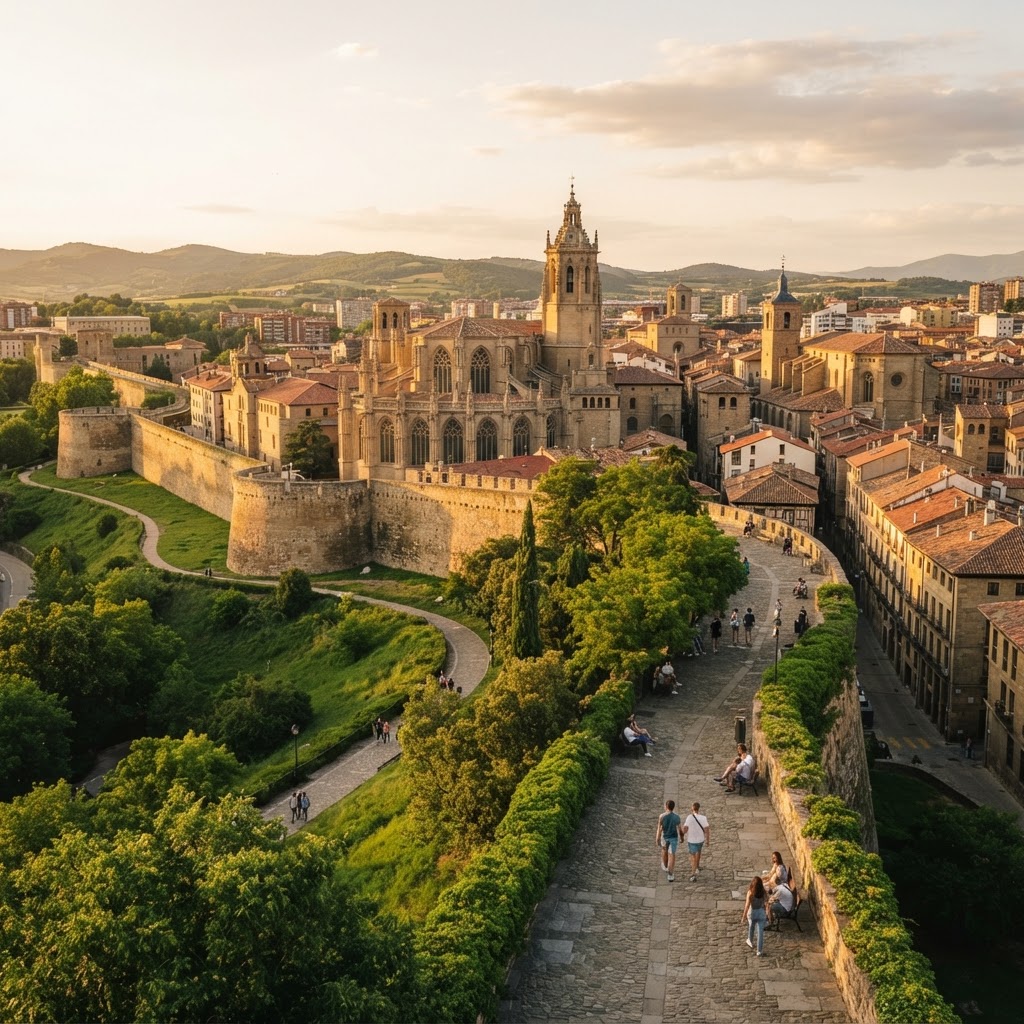
Pamplona, Spain
Spain
Beyond the bull run: a walkable fortress city of world-class pintxos, gothic cloisters, and verdant ramparts.
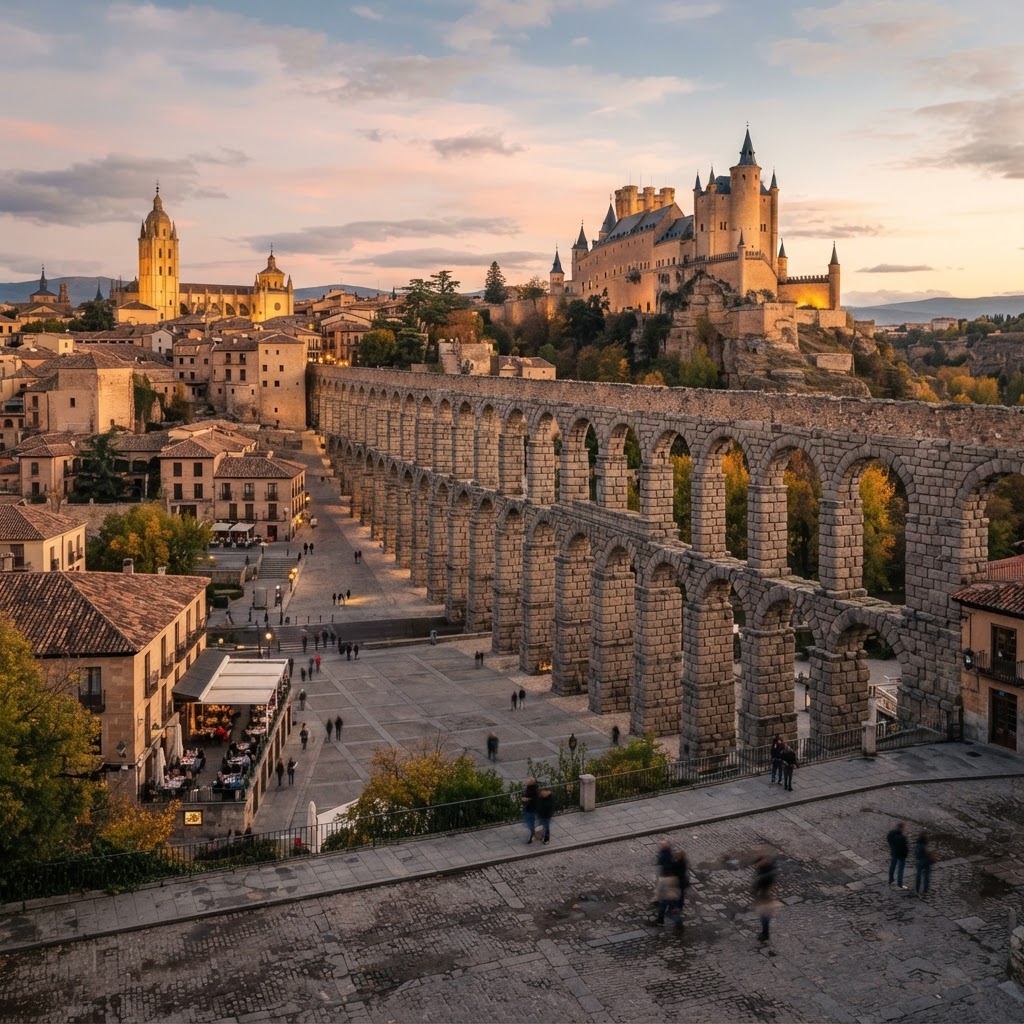
Segovia, Spain
Spain
Roman engineering, fairytale fortresses, and slow-roasted suckling pig just thirty minutes from Madrid
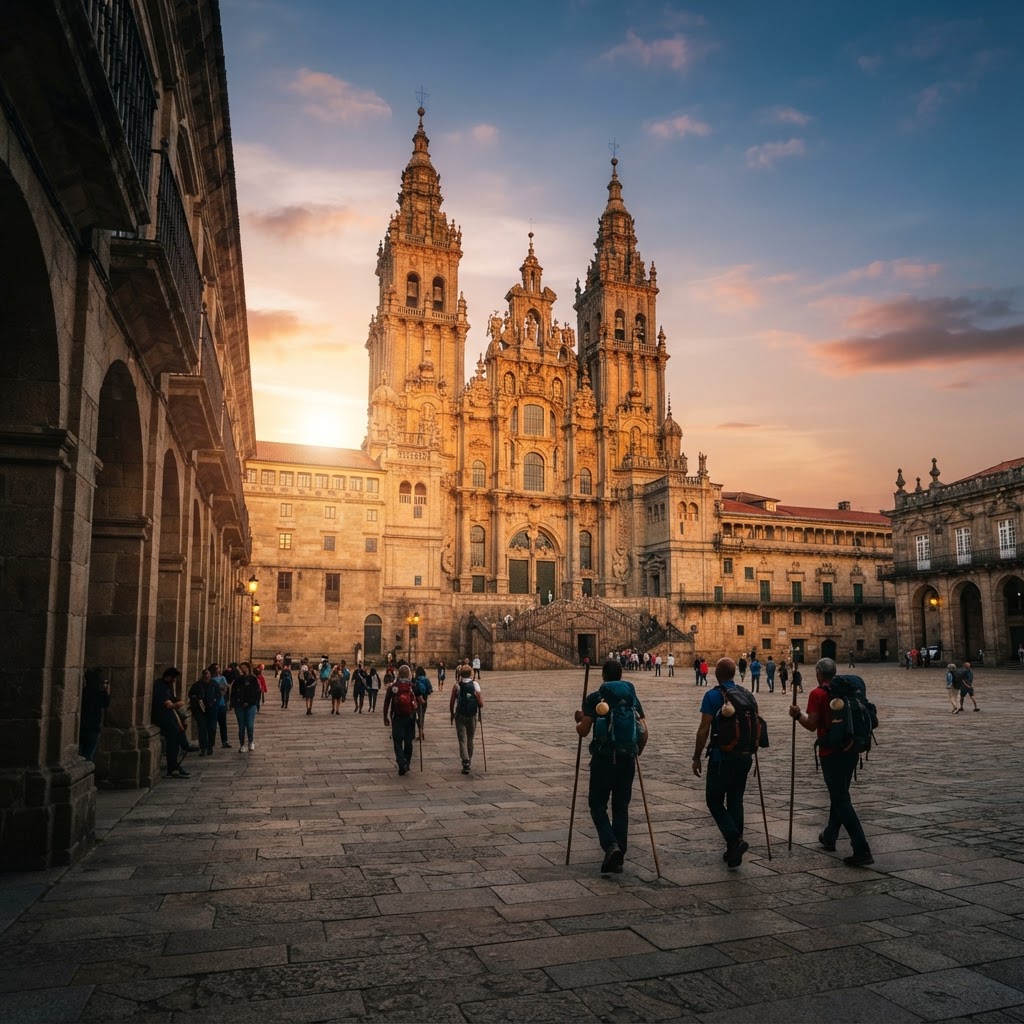
Santiago de Compostela, Galicia, Spain
Spain
Granite arcades, triumphant pilgrim squares, and Spain's most storied seafood capital.
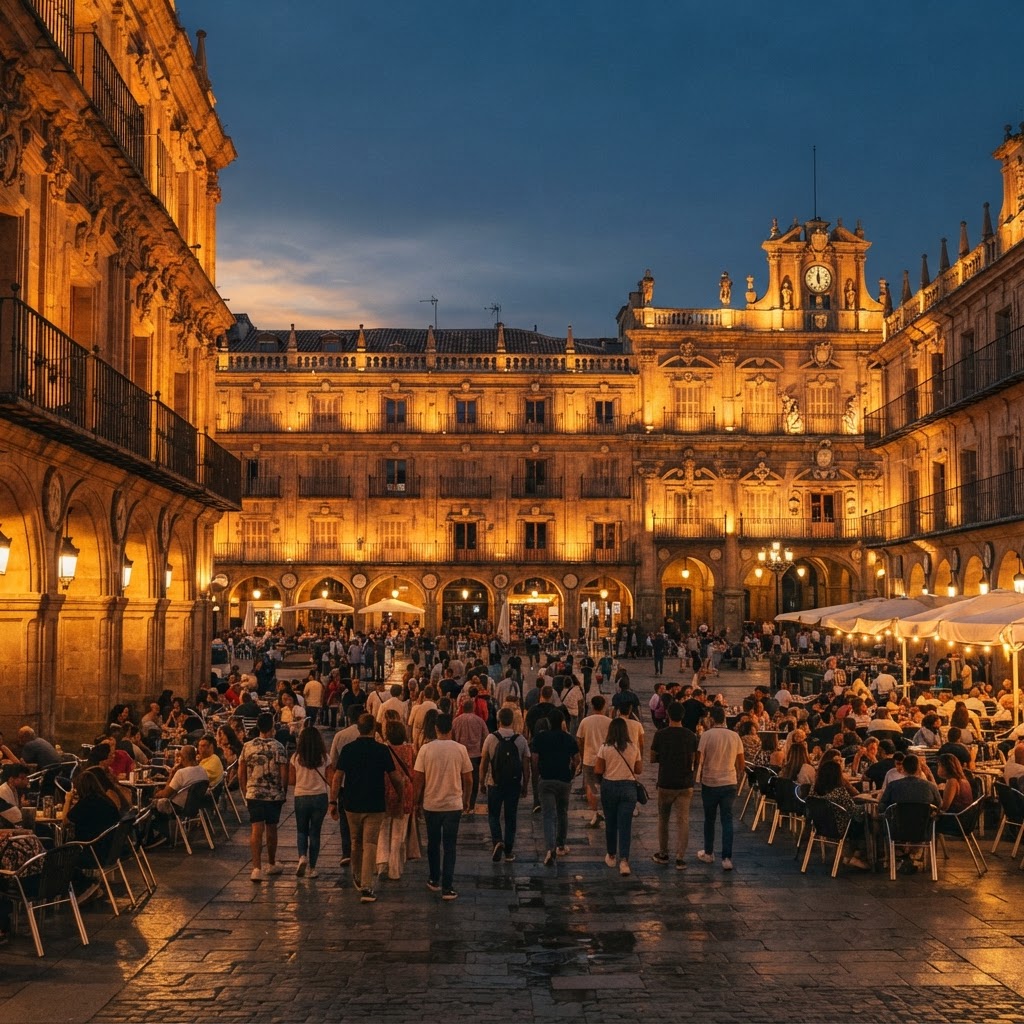
Salamanca
Spain
Spain's golden sandstone intellectual capital with an unrivaled late-night plaza culture.
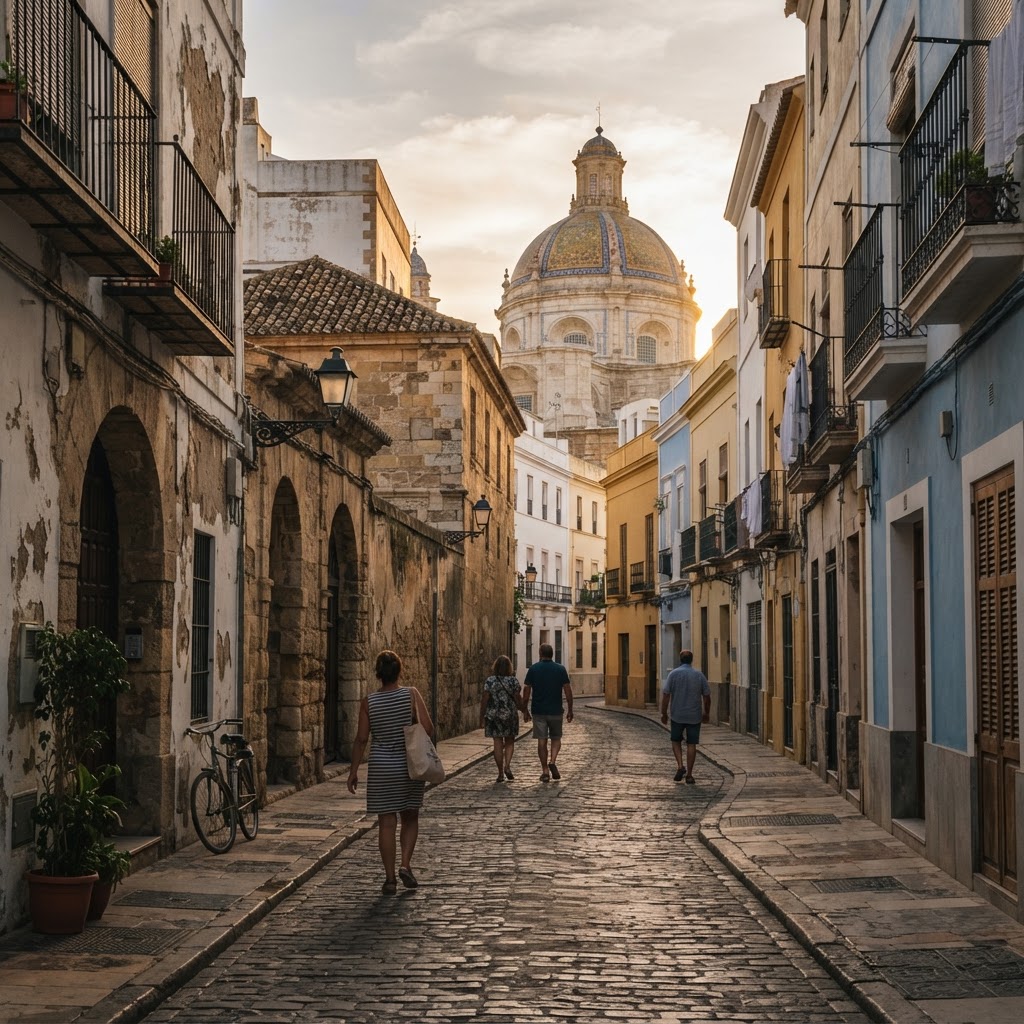
Cádiz
Spain
Europe’s oldest continuously inhabited port, stripped of pretension and wrapped in sea air
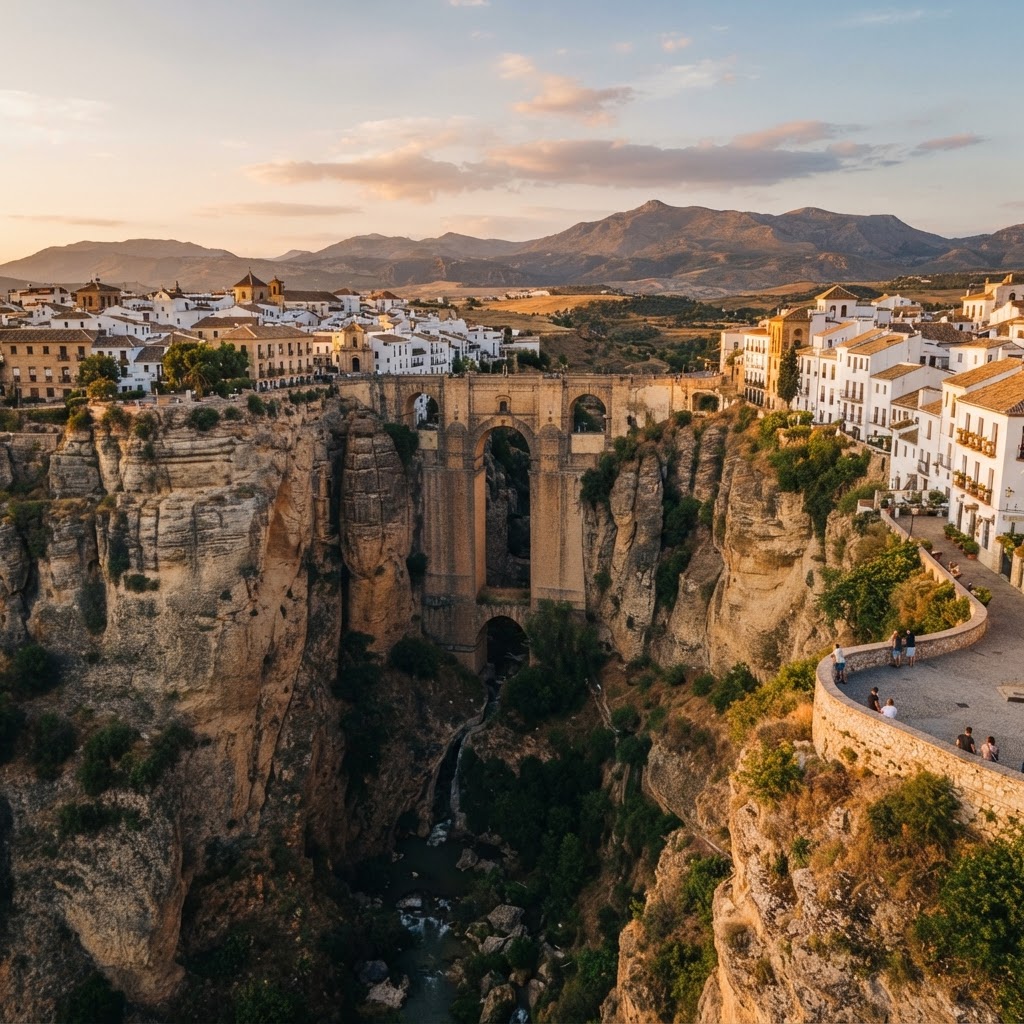
Ronda, Spain
Spain
Dramatically cleft by El Tajo gorge, Andalusia's white mountain town demands an overnight stay to truly be felt.
Readymade itineraries
Start from a tested template — then make it yours.
Ready to book
Lock in your Jerez de la Frontera trip
Everything in one place. We may earn a small commission — it never costs you more.
Plan a trip to Jerez de la Frontera
Pick a length and we'll build a day-by-day plan around how you travel — neighborhoods clustered, budget-aware, and editable.
Get better at planning trips like this
Occasional notes on planning smarter — no spam, unsubscribe anytime.
Plan a trip to Jerez de la Frontera
Turn this guide into a day-by-day plan built around your pace, your group, and your budget.
Build my Jerez de la Frontera trip