Spain
Segovia, Spain
Roman engineering, fairytale fortresses, and slow-roasted suckling pig just thirty minutes from Madrid
Plan & book
Sort your Segovia, Spain trip in one place.
We point you to the booking tools we'd actually use — live prices, no markup. Or let us build the day-by-day plan around you first, then book.
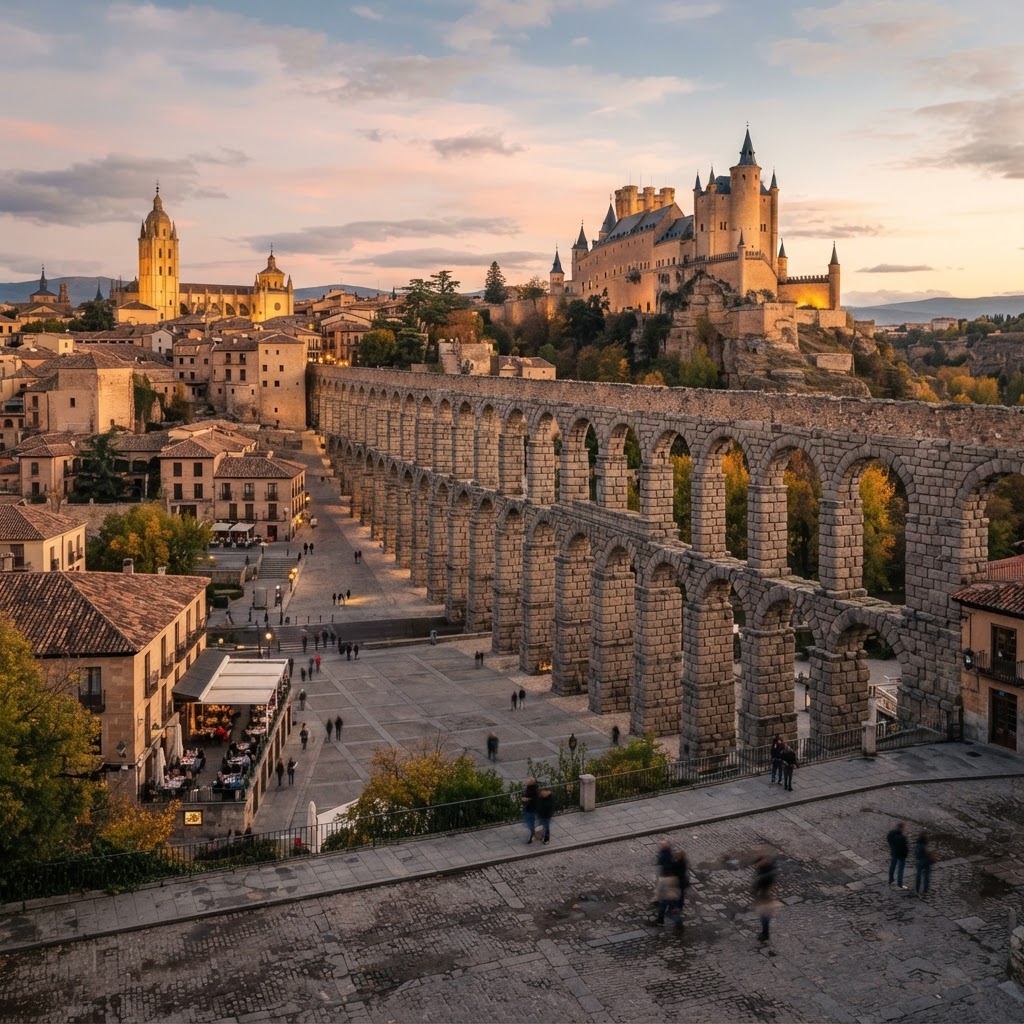
Perched on a rocky ridge between the Eresma and Clamores river valleys, Segovia concentrates two millennia of imperial and Castilian history into a compact, intensely walkable core. Anchored on one end by the towering Roman aqueduct and on the other by the cliffside Alcázar that helped inspire Disney's Cinderella castle, it delivers monumental grandeur without the sprawling fatigue of Madrid. Most travelers treat it as a fleeting half-day sprint, but lingering overnight reveals empty sandstone alleys, golden-hour views from the valley floor, and a rich culinary culture defined by wood-fired roast suckling pig and crisp Verdejo.
2 days (1 night)
Best time
May to June or September to October for crisp mountain light, outdoor dining, and bearable walking conditions.
Build your own trip with these prebuilt itineraries
Each one is a tested, day-by-day plan for Segovia, Spain — start here, then make it yours.
Segovia gives you arguably the most impressive Roman engineering marvel in Europe—standing completely without mortar—alongside a royal fortified palace and the last grand Gothic cathedral built in Spain, all within a 25-minute stroll. Beyond the architectural checklist, staying late allows you to enjoy genuine Castilian tavern hospitality after the tour bus crowds recede back to Chamartín.
Where to stay
Getting there
Getting around
Food & drink
What it costs
Things to do
Book tours & tickets in Segovia, SpainSkip it if
Skip staying overnight if you require buzzing late-night clubs, cutting-edge modern art, or high-end designer shopping; Segovia essentially shuts down after 10:30 PM outside of seasonal weekend tapas bars. Travelers with severe mobility issues may also find the steep cobblestone inclines and staircases throughout the old quarter taxing.
When to go
Segovia sits over 1,000 meters above sea level, meaning summer days are breezy compared to Madrid's heat but packed with day-trippers. Spring brings vibrant wildflower meadows below the Alcázar, while autumn pairs cool foliage strolls with roast pork season.
Peak (May–Jun & Sep–Oct)
Daytime temperatures between 18°C and 24°C make walking the cobblestone inclines effortless. Book Alcázar entry and famous roast-pig dining tables 2 to 3 weeks ahead.
Shoulder (Apr & Nov)
Crisp air, few tour groups, and lower lodging prices, but Sierra de Guadarrama winds require warm layers and some riverside trails can be soggy.
Low (Dec–Feb)
Chilly, quiet, and atmospheric with occasional snow caps on the Guadarrama ridge. Several small valley eateries close midweek, but the streets are entirely yours at night.
Neighborhoods
Where you stay shapes the trip. Here's how to think about it.
Plaza Mayor & Casco Antiguo
Grand historic center anchored by the late Gothic cathedral, arcaded café terraces, and warm evening promenade crowds.
Best for:First-timers who want monuments, lively tapas joints, and morning bakery runs within a five-minute stroll.
Don't miss:Climbing the Catedral de Segovia's bell tower for rooftop panoramas, followed by afternoon vermut under the porticoes.
La Judería
Quiet, narrow cobblestone alleys tucked inside the southern ramparts, offering an evocative, tranquil medieval mood.
Best for:Couples and history buffs wanting atmospheric boutique stays away from coach-bus traffic.
Don't miss:Centro Didáctico de la Judería and the quiet walkway along Puerta de San Andrés with sweeping valley views.
Plaza del Azoguejo & Aqueduct Base
Bustling, photo-centric transit threshold where monumental Roman granite arches meet 18th-century roast-pig institutions.
Best for:Short stays, travelers arriving by regional bus, and diners focused on benchmark roast meats.
Don't miss:Watching early-morning light hit the 28-meter granite piers from the Postigo del Consuelo stairs before day-tripper crowds arrive.
San Marcos & Valle del Eresma
Lush riverside valley beneath the limestone bluff, dominated by shaded walking trails, poplars, and postcard fortress perspectives.
Best for:Photographers, walkers, and travelers seeking quiet pastoral views looking up at the ramparts.
Don't miss:The 12-sided Romanesque Iglesia de la Vera Cruz and the view of the Alcázar prow from the grassy meadow at Pradera de San Marcos.
San Millán
Authentic working-class district just south of the aqueduct with local grocers, relaxed neighborhood tabernas, and Romanesque architecture.
Best for:Budget-conscious travelers and food lovers chasing no-frills castizo tapas away from tourist markups.
Don't miss:The elaborate 12th-century porticoed galleries of Iglesia de San Millán.
Destination intelligence
Updated 9/14/2026The structured record we plan every Segovia, Spain itinerary from.
Walkability
Excellent. The entire historic quarter from the Aqueduct to the Alcázar spans roughly 1.5 kilometers and is easily traversed on foot, though comfortable footwear is essential for slopes and cobbled streets.
Transit quality
Moderate. City bus lines connect the outskirts and high-speed rail terminal reliably, but no metro or tram exists or is needed within the core.
Car needed
Not required. A car is an active disadvantage within the historic city walls; public transit and foot travel are ideal.
Ideal duration
2 days (1 night)
Minimum useful
6 to 8 hours (full-day trip from Madrid)
Peak season
May to June and September to October: mild temperatures, outdoor dining weather, and vibrant green or amber valley foliage.
Shoulder season
April and November: crisper temperatures with fewer day-trippers and reasonable hotel rates, though brisk winds can sweep across the plains.
Low season
December to February: cold, brisk winds and occasional snow dustings across the Sierra de Guadarrama, but wonderfully atmospheric and peaceful if dressed warmly.
Best for
Common mistakes
- Assuming the high-speed train drops you right into the old town: Segovia-Guiomar station sits 6 km outside town in open fields, requiring a 15-minute connecting bus or cab ride.
- Booking high-speed Avant train tickets the morning of: Madrid-Segovia commuter trains frequently sell out in advance on peak weekends and Spanish bank holidays.
- Only visiting on a rapid 4-hour day trip: rushing between the Aqueduct and Alcázar leaves no time for the river valley views or enjoying the quiet evening tavern life.
- Attempting to drive inside the walled historic center: narrow alleys, restricted resident-only zones (ZBE), and steep dead-ends will cause heavy rental car headaches.
- Skipping the valley perspective: missing the walk down to the Pradera de San Marcos means missing the most dramatic castle view from below.
Best nearby
See what a trip to Spain actually costs. Travel Budget Co.
How to plan it
- Book an Avant train from Madrid Chamartín instead of standard regional trains—it cuts transit time from two hours to 27 minutes.
- If arriving with heavy rolling luggage, consider the Avanza bus from Madrid Moncloa; it takes 75 minutes but drops you a 5-minute flat walk from the Aqueduct, avoiding the station bus transfer.
- Eat your heavy wood-fired cochinillo asado for a long lunch around 2:00 PM, then follow locals with a light pincho and glass of Rueda Verdejo around Plaza Mayor for dinner.
- Descend through the Puerta de Claustro down to the Eresma river trail in the late afternoon to photograph the Alcázar fortress prow rising above the trees at golden hour.
- Pair your overnight stay with a 15-minute taxi or bus ride to Palacio Real de La Granja de San Ildefonso on morning two rather than rushing back to Madrid.
Questions
More in Spain
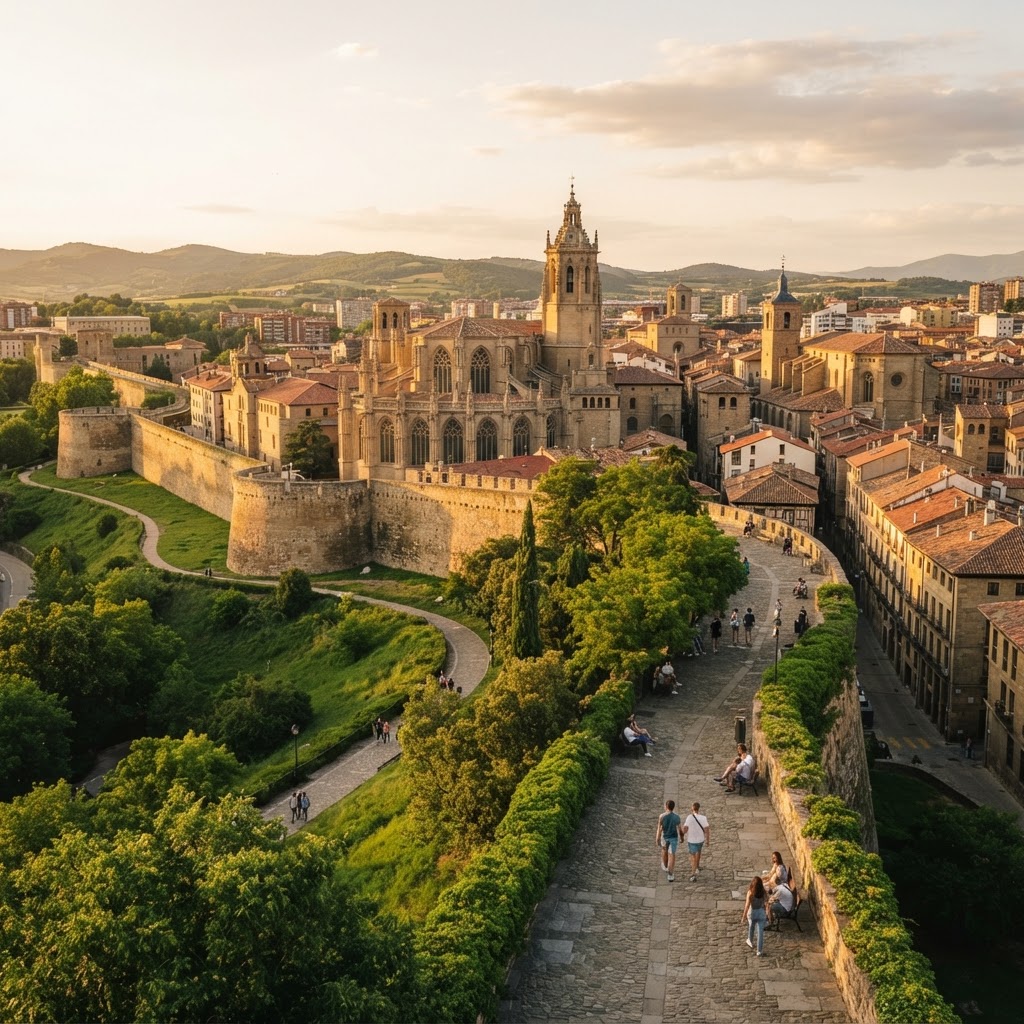
Pamplona, Spain
Spain
Beyond the bull run: a walkable fortress city of world-class pintxos, gothic cloisters, and verdant ramparts.
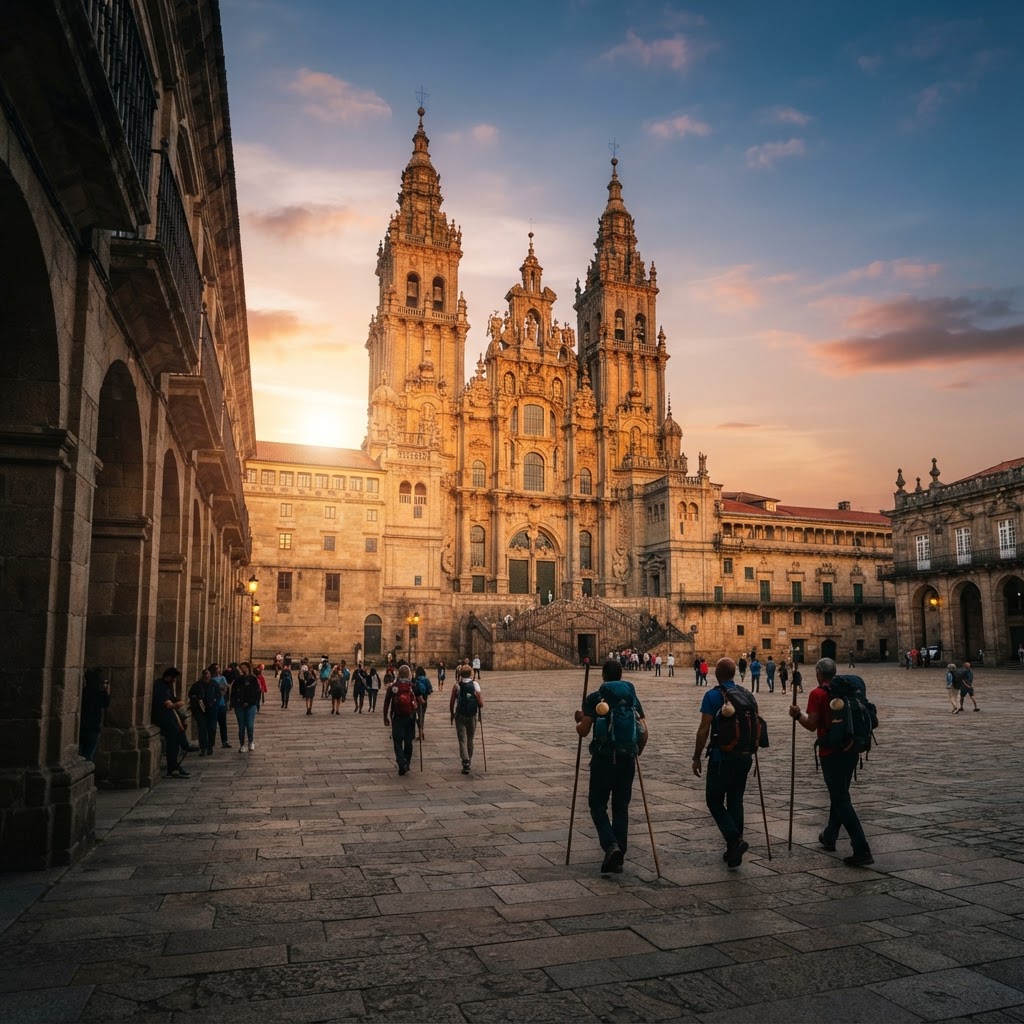
Santiago de Compostela, Galicia, Spain
Spain
Granite arcades, triumphant pilgrim squares, and Spain's most storied seafood capital.
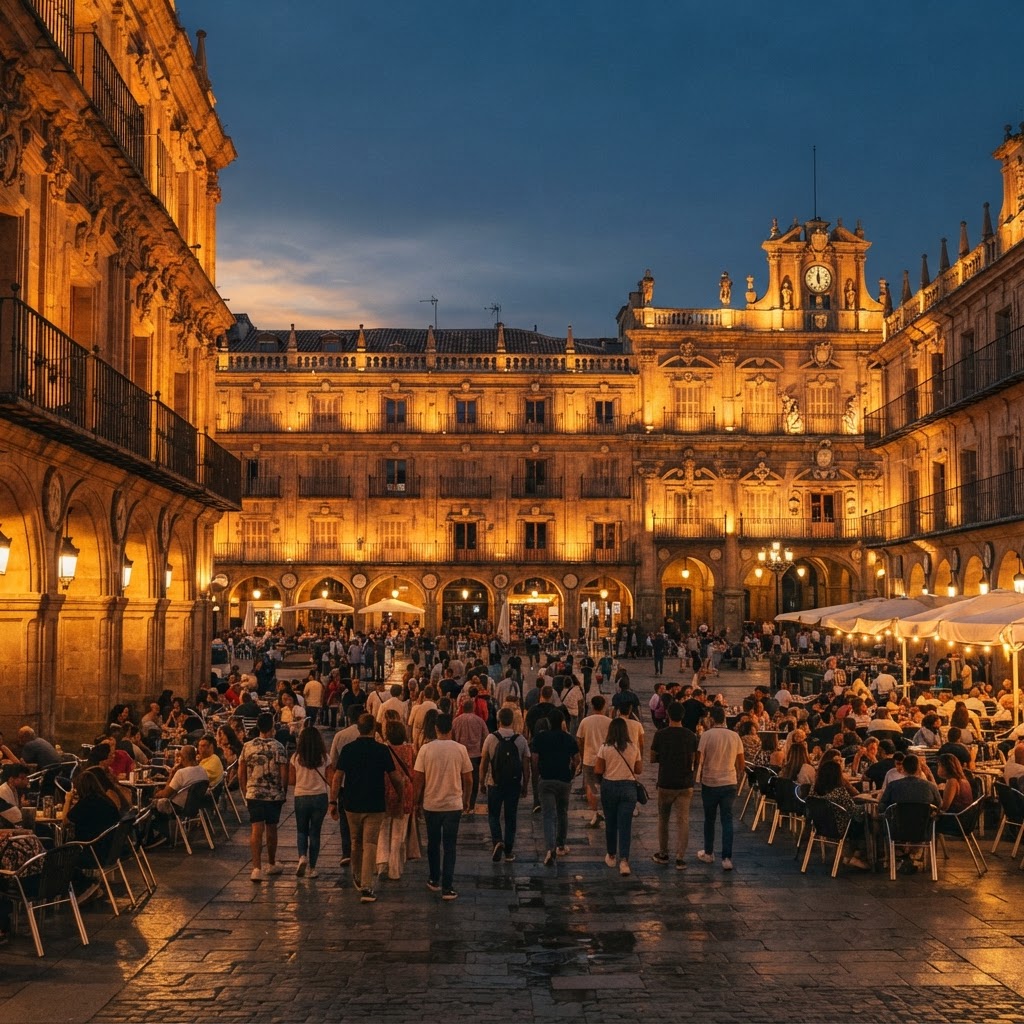
Salamanca
Spain
Spain's golden sandstone intellectual capital with an unrivaled late-night plaza culture.
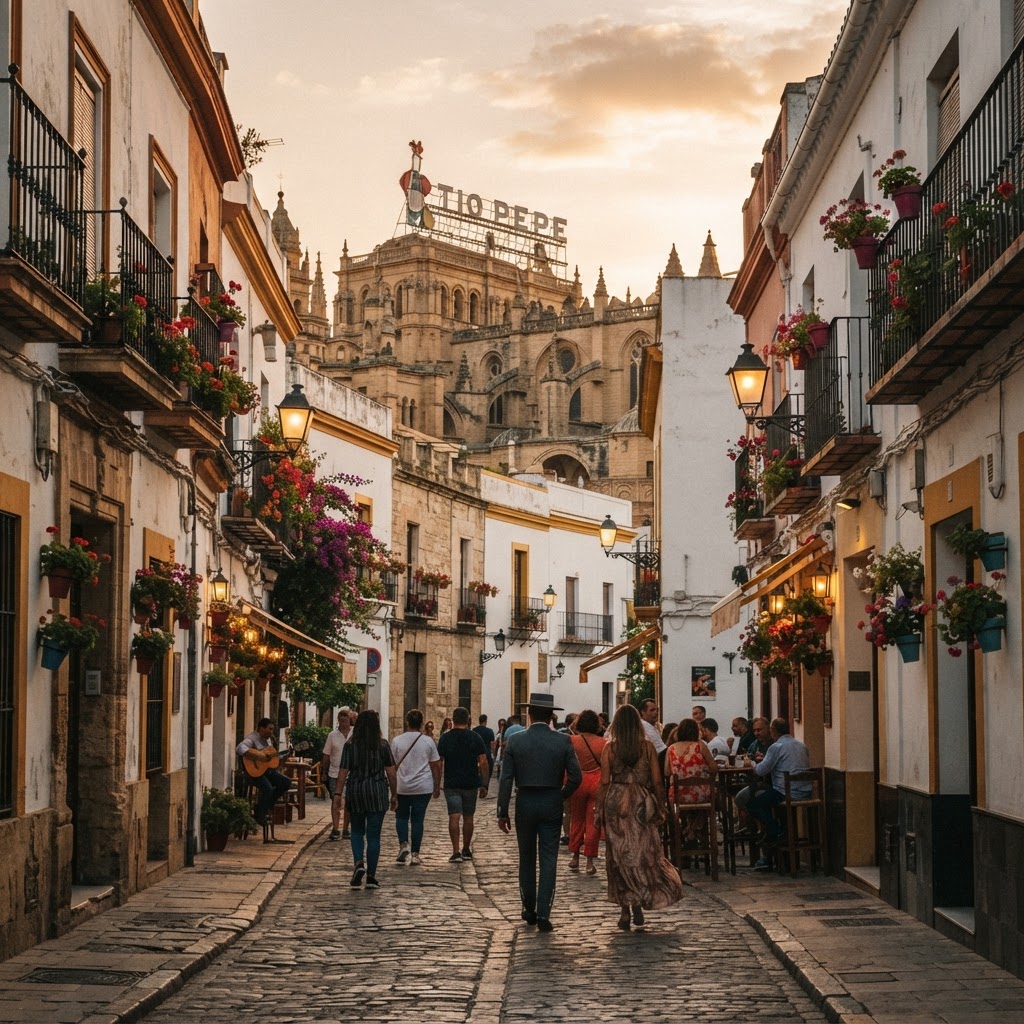
Jerez de la Frontera
Spain
The cradle of pure flamenco, cathedral-like sherry bodegas, and unfiltered Andalusian life.
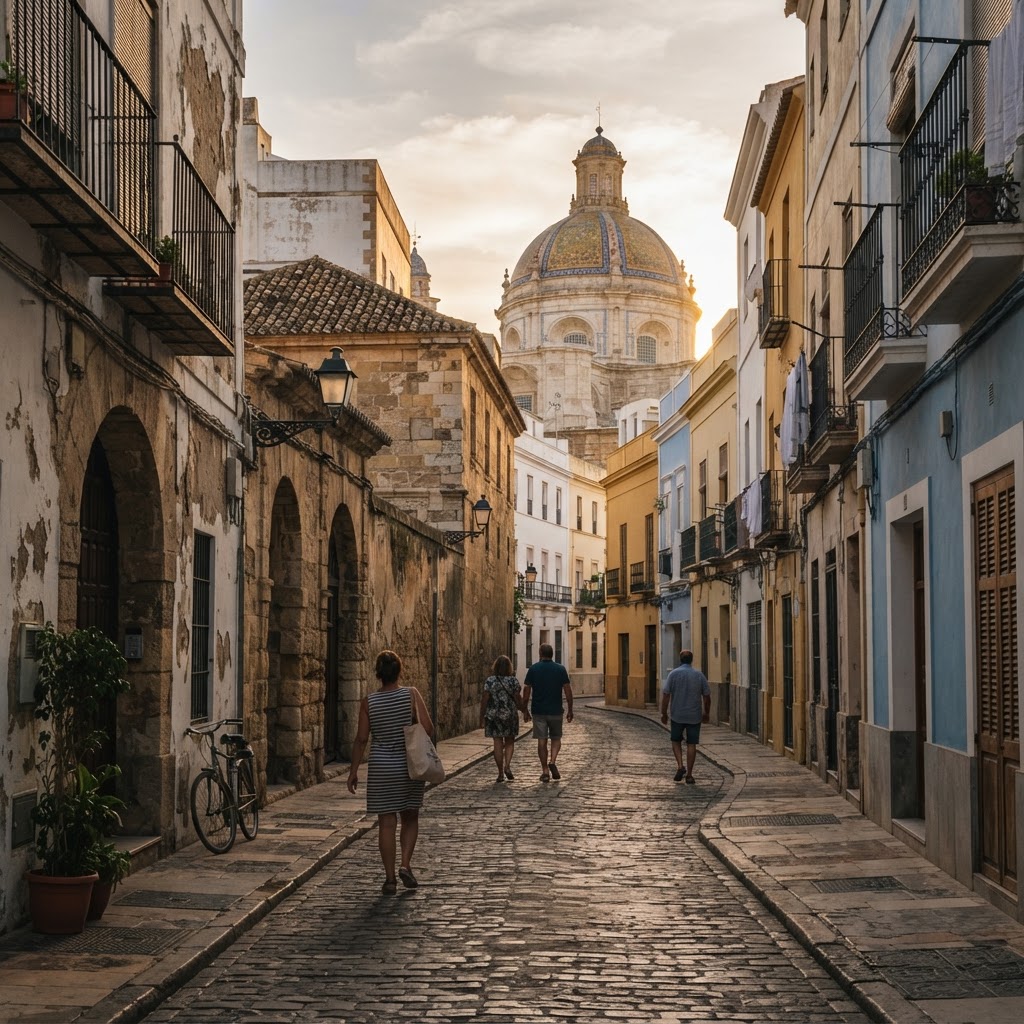
Cádiz
Spain
Europe’s oldest continuously inhabited port, stripped of pretension and wrapped in sea air
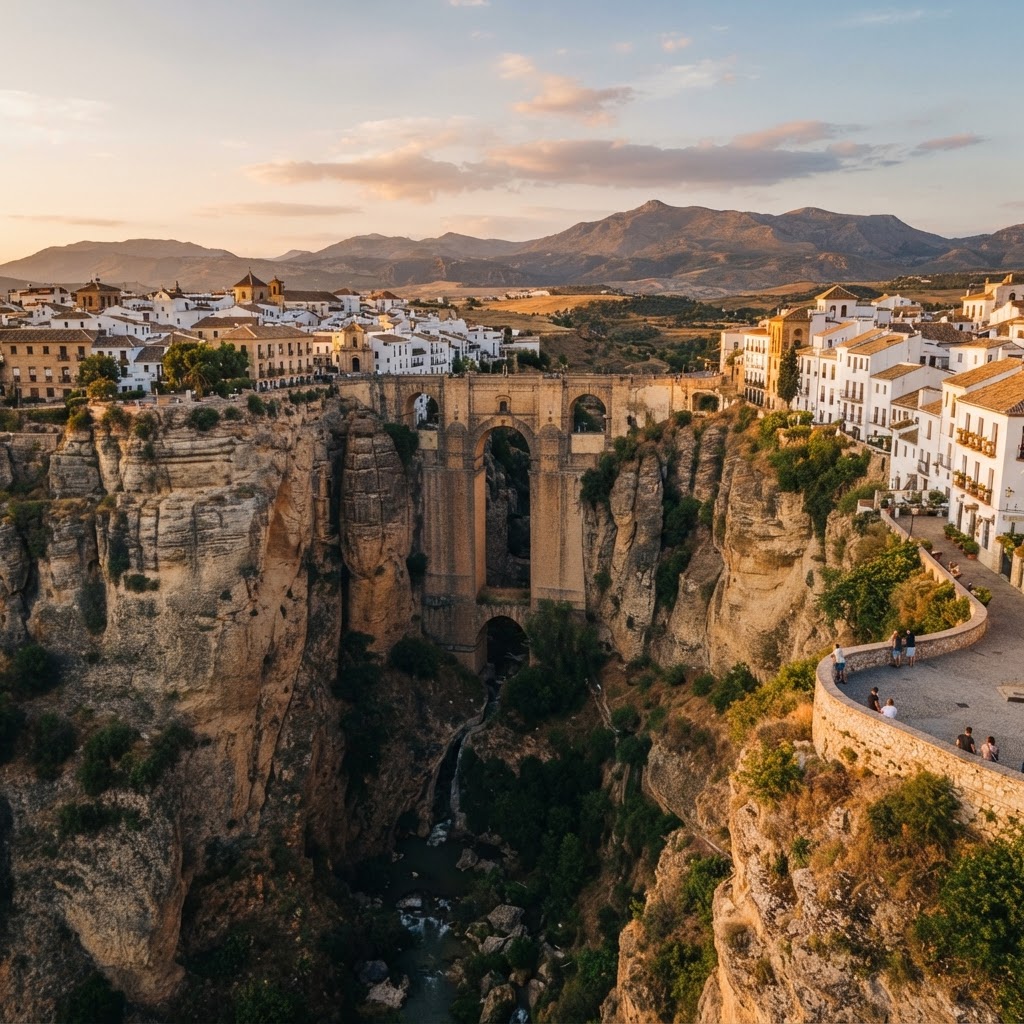
Ronda, Spain
Spain
Dramatically cleft by El Tajo gorge, Andalusia's white mountain town demands an overnight stay to truly be felt.
Readymade itineraries
Start from a tested template — then make it yours.
Ready to book
Lock in your Segovia, Spain trip
Everything in one place. We may earn a small commission — it never costs you more.
Plan a trip to Segovia, Spain
Pick a length and we'll build a day-by-day plan around how you travel — neighborhoods clustered, budget-aware, and editable.
Get better at planning trips like this
Occasional notes on planning smarter — no spam, unsubscribe anytime.
Plan a trip to Segovia, Spain
Turn this guide into a day-by-day plan built around your pace, your group, and your budget.
Build my Segovia, Spain trip