Spain
Santiago de Compostela, Galicia, Spain
Granite arcades, triumphant pilgrim squares, and Spain's most storied seafood capital.
Plan & book
Sort your Santiago de Compostela, Galicia, Spain trip in one place.
We point you to the booking tools we'd actually use — live prices, no markup. Or let us build the day-by-day plan around you first, then book.
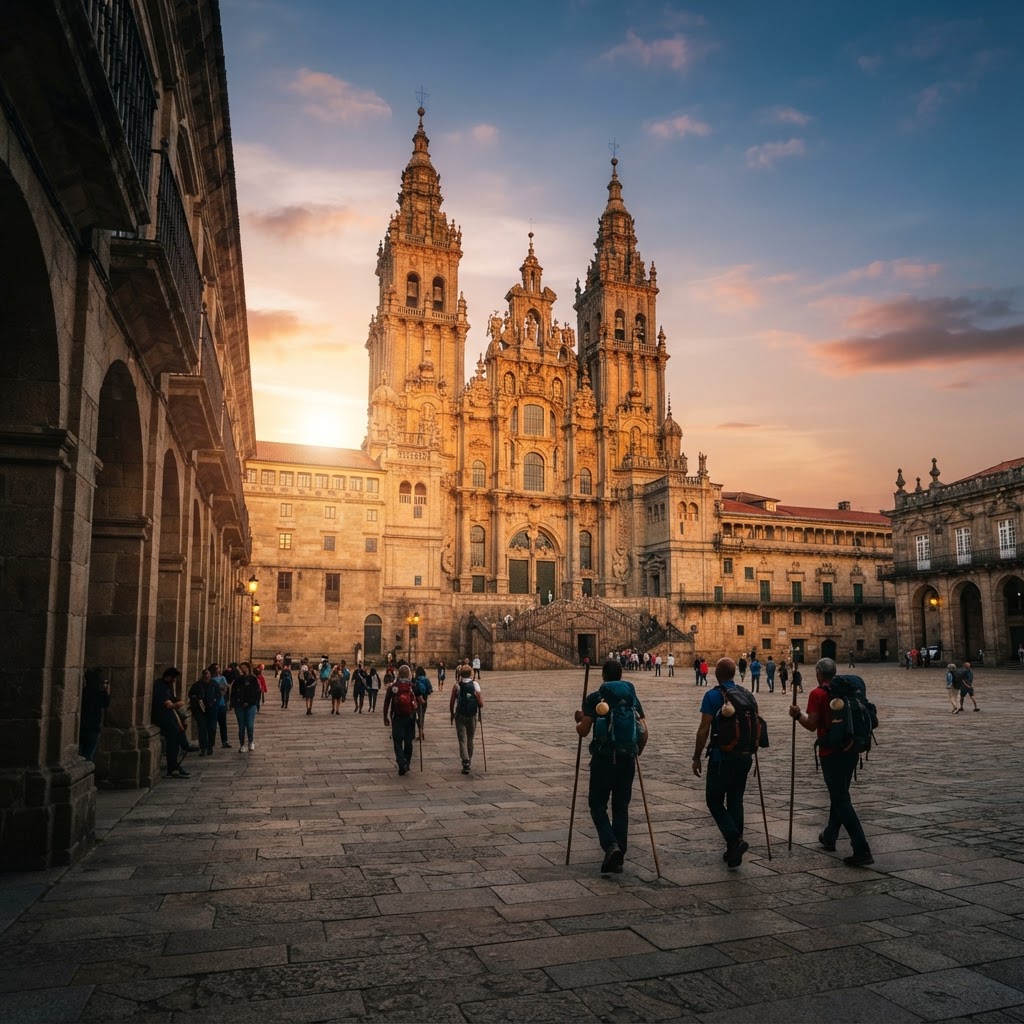
Santiago de Compostela is the emotional and architectural finish line of the Camino de Santiago, but it is far more than an ecclesiastical endpoint. Anchored by rain-slicked granite streets, a Romanesque-Baroque cathedral complex of peerless grandeur, and one of Spain's liveliest university cultures, it balances deep medieval reverence with unpretentious Galician tavern vitality. Travelers arrive expecting solemn history and leave transfixed by heaping wooden platters of steamed octopus, crisp Albariño poured into white ceramic bowls, and bagpipe tunes echoing through arcaded alleyways.
2 to 3 days
Best time
May to mid-June or mid-September to October: mild walking weather, vibrant tavern life, and manageable cathedral queues.
Build your own trip with these prebuilt itineraries
Each one is a tested, day-by-day plan for Santiago de Compostela, Galicia, Spain — start here, then make it yours.
4 Days in Santiago de Compostela: Heritage & Costa da Morte Coastal Excursion in Santiago de Compostela
Extended historic stay paired with a rugged coastal day trip to Cape Finisterre and the Atlantic edge
3 Days in Santiago de Compostela: Galician Gastronomy & Wine Exploration in Santiago de Compostela
Food and drink deep-dive centering on Mercado de Abastos seafood feasts, petisco crawls along Rúa da Raíña, and local Ribeiro wine
2 Days in Santiago de Compostela: The Essential Pilgrim Trail & Historic Core in Santiago de Compostela
First-time highlights focusing on the Cathedral, historic plazas, and atmospheric old town evening tavern culture
To experience the raw human energy of Praza do Obradoiro as exhausted pilgrims collapse in joy beneath the cathedral spires, paired with unmatched Atlantic gastronomy. Santiago offers a stark, moody counterpoint to Mediterranean Spain: mist-draped stone, emerald green countryside, and an extraordinary seafood market culture that makes culinary touring effortless.
Where to stay
Getting there
Getting around
Food & drink
What it costs
Skip it if
Skip if your idea of Spain requires scorching Mediterranean sun, sprawling sandy beaches, and late-night mega-club nightlife. Santiago is atmospheric, damp, stone-heavy, and quiet after midnight outside of student bars.
When to go
Summer brings punishing hotel rates and massive daily pilgrim surges that clog Praza do Obradoiro, while winter brings relentless Atlantic rain that shuts down outdoor seating. The shoulder months strike the sweet spot between decent daylight, lower accommodation prices, and a calmer, contemplative atmosphere.
Peak (June–September)
Warmest weather and buzzing town energy, but cathedral services are packed to capacity, and hotels command steep peak-season rates.
Shoulder (April–May & October)
Crisp walking days mixed with intermittent Atlantic showers; far fewer tour groups, manageable queues, and easy restaurant seating.
Low (November–March)
Moody, rain-swept, and quiet; cathedral crypts are nearly deserted and lodging is cheap, but pack waterproof gear and expect short daylight hours.
Neighborhoods
Where you stay shapes the trip. Here's how to think about it.
Zona Vella (Casco Histórico)
Granite-paved medieval labyrinth smelling of incense, rain, and sizzling pimientos de Padrón.
Best for:First-timers and architecture purists who want to step out straight into cathedral squares.
Don't miss:Rúa do Franco and Rúa da Raíña for tavern-hopping, and the Portic de la Gloria at the Cathedral.
San Pedro
Artisan village atmosphere anchored by traditional bakeries, indie boutiques, and welcoming neighborhood pulperías.
Best for:Food lovers, returning visitors, and pilgrims finishing the Camino Francés.
Don't miss:Parque de Bonaval and catching a casual dinner at A Moa or one of the local wine bars along Rúa de San Pedro.
Ensanche (Zona Nova)
Functional 20th-century commercial grid fueled by energetic university students and local retail.
Best for:Budget travelers, long-stay digital nomads, and travelers who need modern hotel rooms and quiet sleep.
Don't miss:Plaza Roja for affordable cañas and tapas without tourist markups, just a 10-minute walk south of the old town.
San Lourenzo & Vista Alegre
Verdant, calm residential valley bordering universities and forested walking trails along the Sarela river.
Best for:Couples seeking tranquil boutique stays away from tour groups and early-morning pilgrim commotion.
Don't miss:The shaded riverside trails of Paseo do Río Sarela and the historic Carballeira de San Lourenzo oak grove.
Destination intelligence
Updated 9/14/2026The structured record we plan every Santiago de Compostela, Galicia, Spain itinerary from.
Walkability
Exceptional (9/10 inside the historic core; rolling hills and wet granite cobbles require grippy, comfortable shoes)
Transit quality
Good (Frequent regional trains connect throughout Galicia and Madrid; airport bus runs every 20-30 minutes)
Car needed
No (A car is completely useless in the city; only rent one upon departure to explore the Costa da Morte or Rías Baixas)
Ideal duration
2 to 3 days
Minimum useful
1 full day
Peak season
June through September: long daylight hours, optimal hiking conditions, massive pilgrim crowds, and packed cathedral plazas.
Shoulder season
April–May and October: mild hiking weather, far fewer pilgrim queues, though Atlantic showers are frequent.
Low season
November through March: damp, atmospheric, and quiet; shorter days and relentless rain, but empty cathedral chapels and authentic local rhythm.
Best for
Common mistakes
- Renting a car while staying inside the city center, where narrow pedestrian streets and strict permit gates make vehicles a costly liability.
- Assuming the cathedral's giant swinging incense burner (Botafumeiro) swings at every daily mass; it operates primarily on major liturgical feast days or when paid for by private sponsor groups.
- Packing only summer clothing: Galicia receives frequent Atlantic rainfall year-round, requiring sturdy waterproof walking shoes and a rain shell even in July.
- Leaving immediately after visiting the cathedral, missing the incredible morning seafood haul at Mercado de Abastos and the evening tavern crawls along Rúa da Raíña.
Best nearby
See what a trip to Spain actually costs. Travel Budget Co.
How to plan it
- Stay in Zona Vella if you want everything within a 5-minute walk, but choose a back alley room away from Rúa do Franco to dodge late-night bar noise.
- Book your Cathedral Roof Tour (Cubiertas de la Catedral) online at least 3 weeks ahead; it offers the single best vantage point over the city's granite rooftops.
- Hit Mercado de Abastos on a Thursday or Saturday morning between 9:00 AM and 12:00 PM, then bring raw shellfish over to the market tavern stalls to be cooked on the spot.
- Do not try to combine a full day trip to Fisterra and Muxía with exploring Santiago's historic quarter on the same day; give the city center a dedicated, uninterrupted day.
- Pair your visit with a 30-minute regional train ride to A Coruña or Pontevedra for easy, low-friction coastal excursions without packing up your base.
Questions
More in Spain
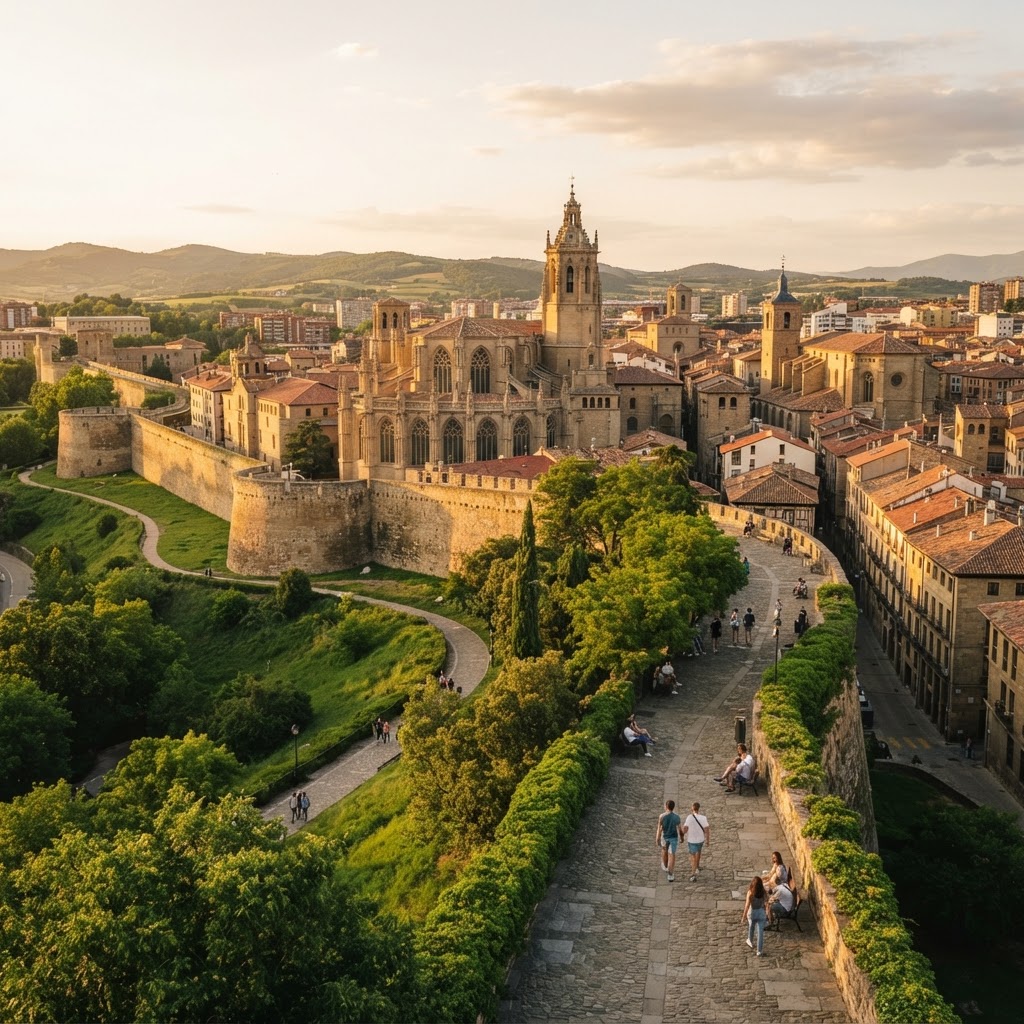
Pamplona, Spain
Spain
Beyond the bull run: a walkable fortress city of world-class pintxos, gothic cloisters, and verdant ramparts.
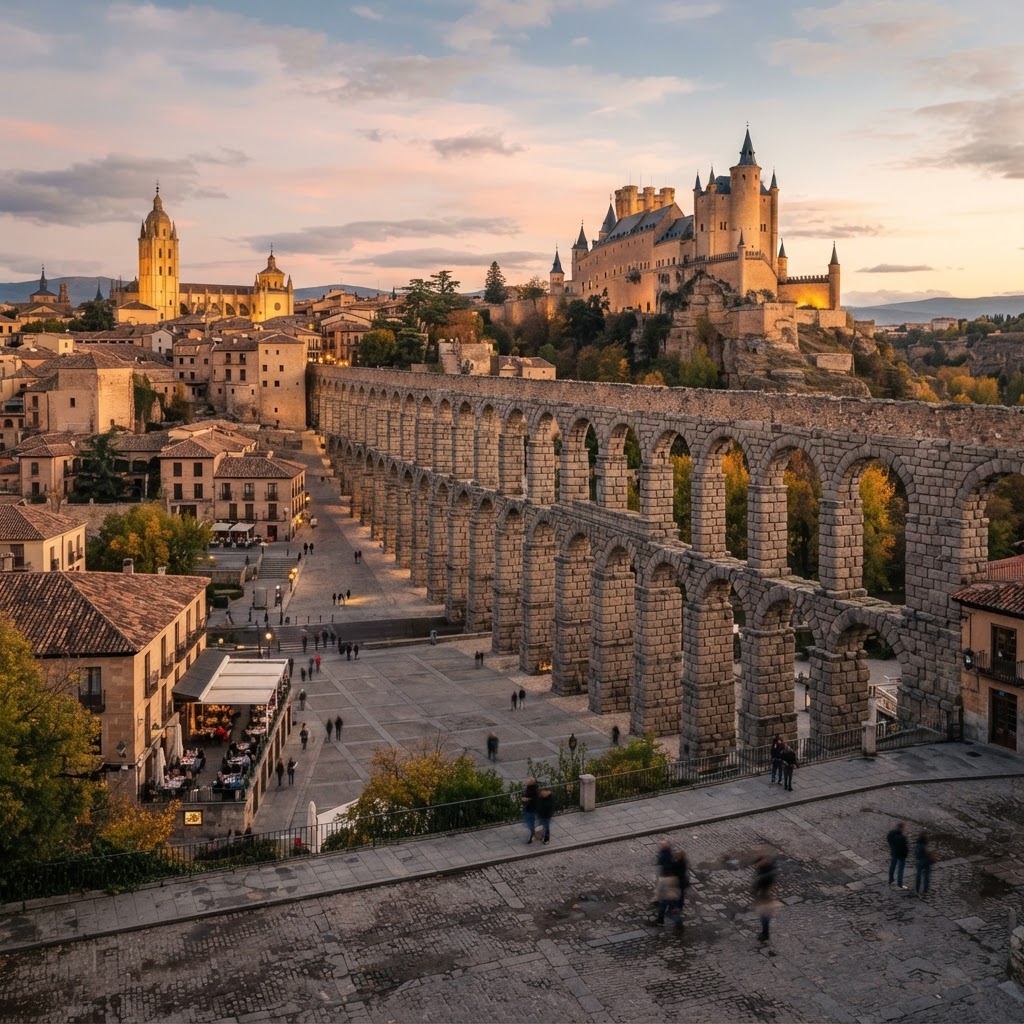
Segovia, Spain
Spain
Roman engineering, fairytale fortresses, and slow-roasted suckling pig just thirty minutes from Madrid
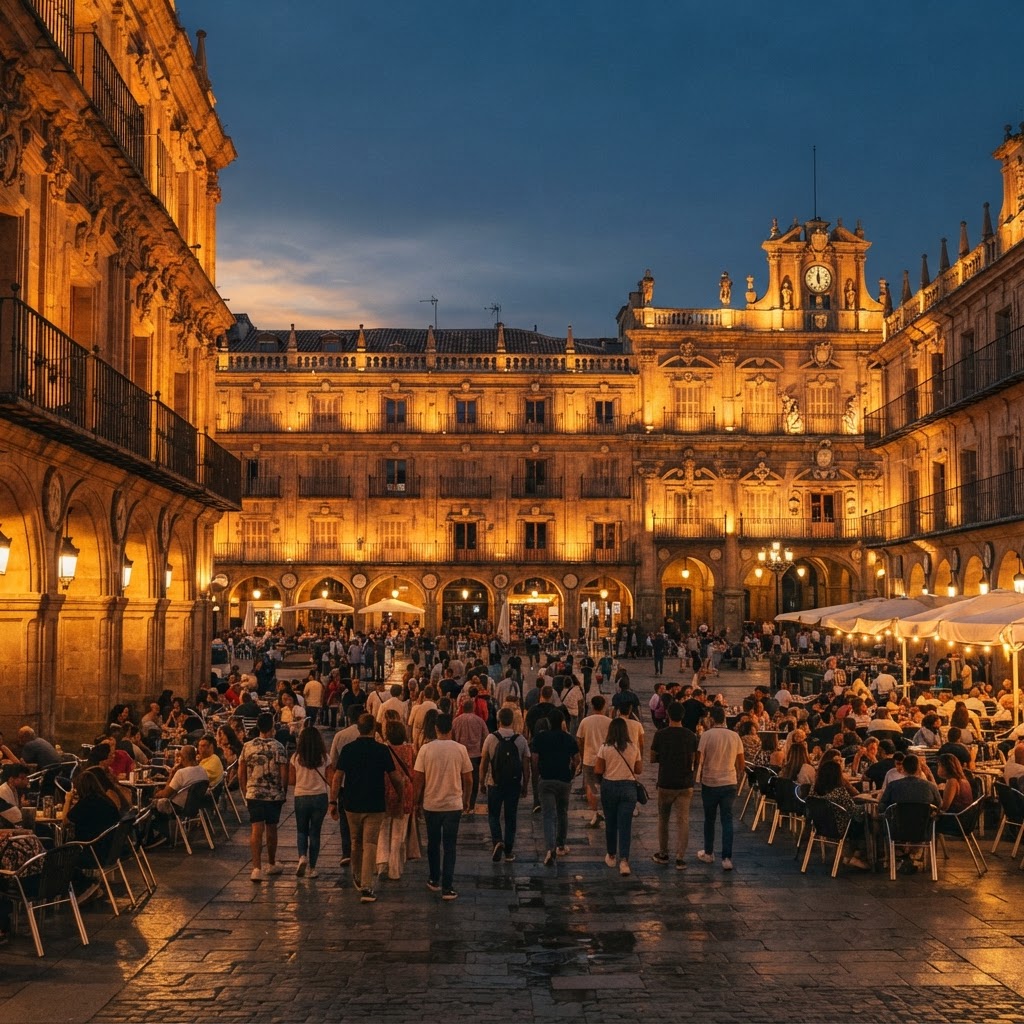
Salamanca
Spain
Spain's golden sandstone intellectual capital with an unrivaled late-night plaza culture.
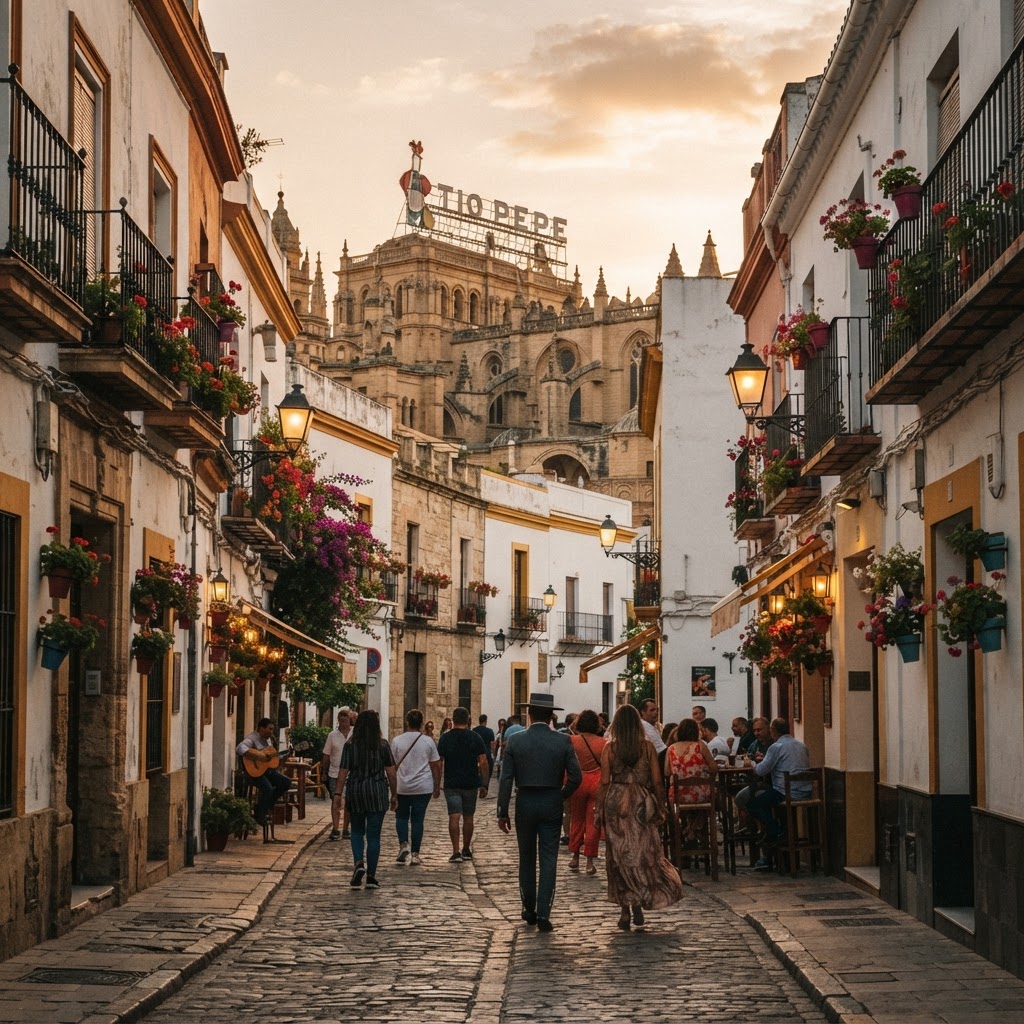
Jerez de la Frontera
Spain
The cradle of pure flamenco, cathedral-like sherry bodegas, and unfiltered Andalusian life.
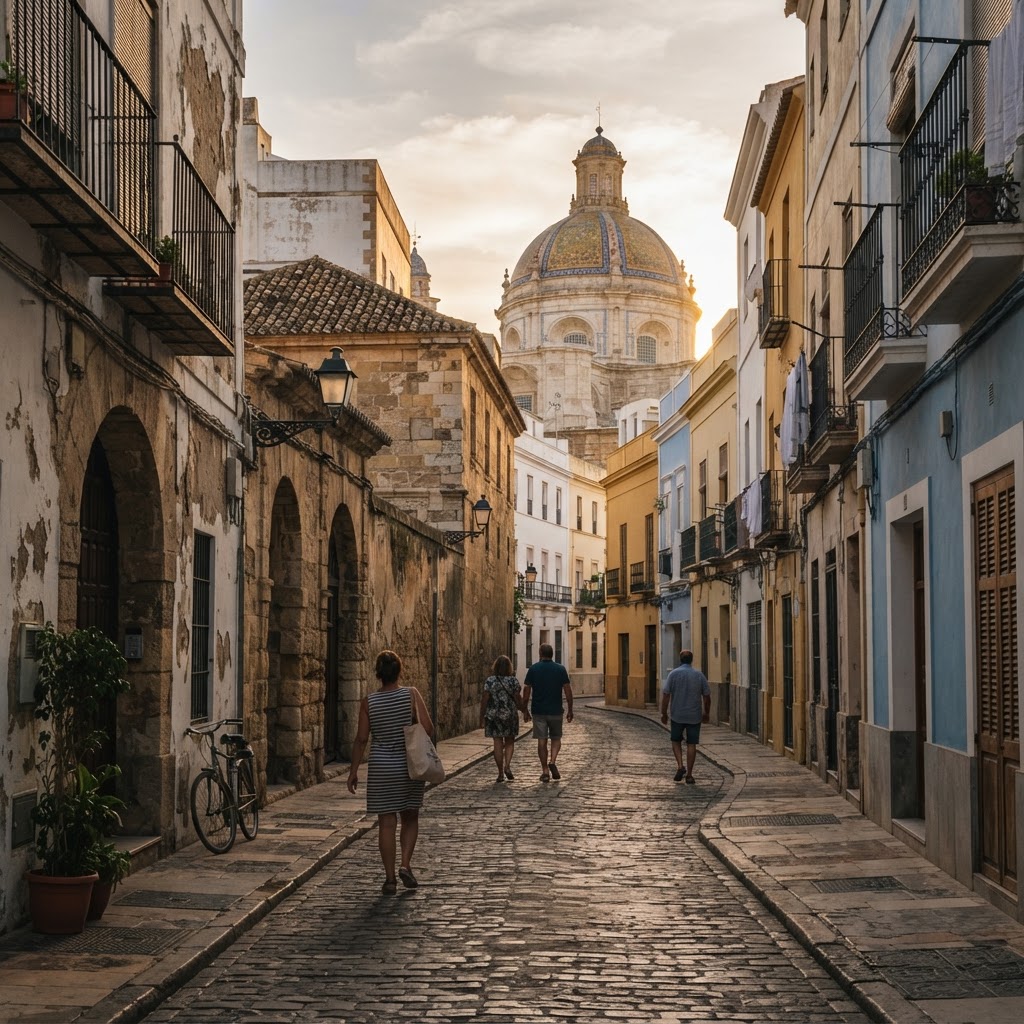
Cádiz
Spain
Europe’s oldest continuously inhabited port, stripped of pretension and wrapped in sea air
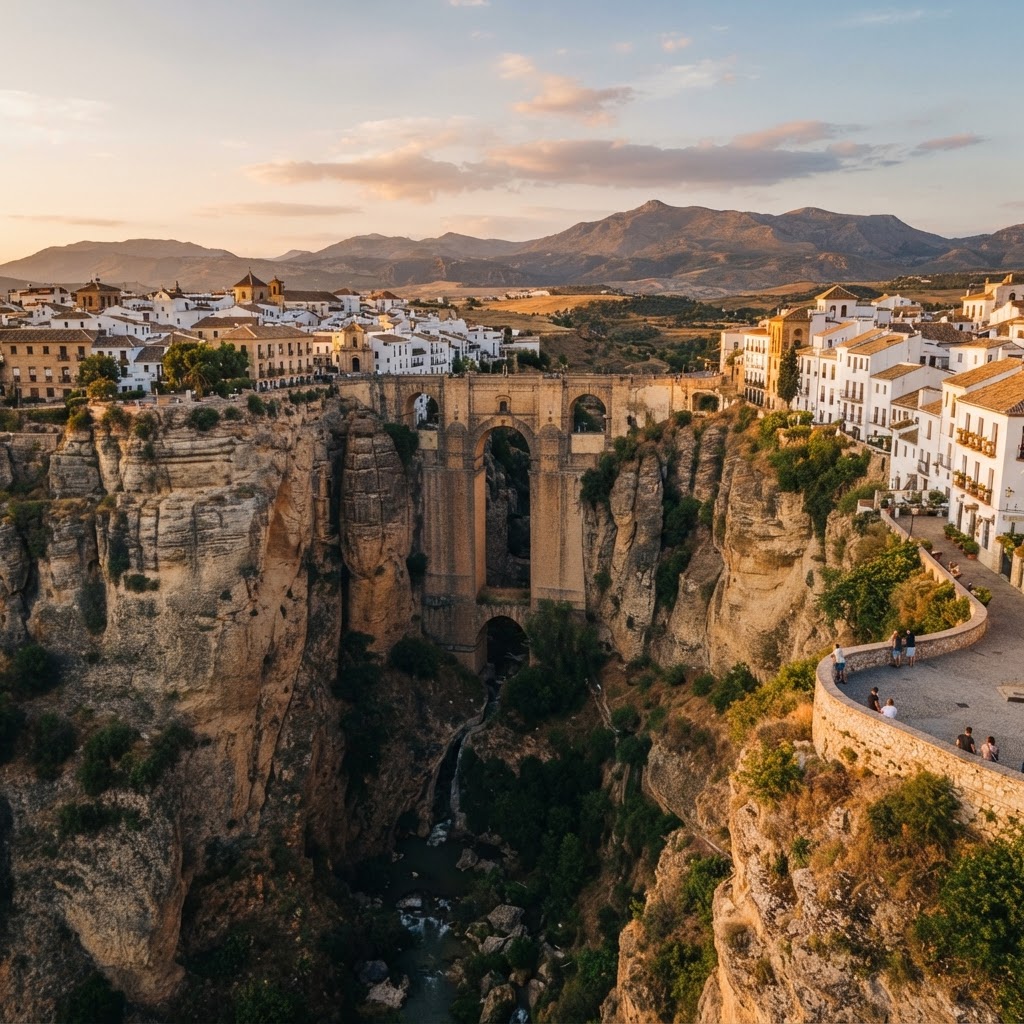
Ronda, Spain
Spain
Dramatically cleft by El Tajo gorge, Andalusia's white mountain town demands an overnight stay to truly be felt.
Readymade itineraries
Start from a tested template — then make it yours.
Ready to book
Lock in your Santiago de Compostela, Galicia, Spain trip
Everything in one place. We may earn a small commission — it never costs you more.
Plan a trip to Santiago de Compostela, Galicia, Spain
Pick a length and we'll build a day-by-day plan around how you travel — neighborhoods clustered, budget-aware, and editable.
Get better at planning trips like this
Occasional notes on planning smarter — no spam, unsubscribe anytime.
Plan a trip to Santiago de Compostela, Galicia, Spain
Turn this guide into a day-by-day plan built around your pace, your group, and your budget.
Build my Santiago de Compostela, Galicia, Spain trip