
Japan
Osaka Itinerary: How Many Days + Sample Plans
Japan's unfiltered culinary engine and the pragmatic hub of Kansai.
Traveler rating
Loved by street food obsessive eaters and late-night bar hoppers.
Plan & book
Sort your Osaka trip in one place.
We point you to the booking tools we'd actually use — live prices, no markup. Or let us build the day-by-day plan around you first, then book.
Pick your trip length
How many days do you need in Osaka?
Each of these opens a full day-by-day plan you can make your own.
- 2 days — Two days — the essentials, no rushing.
- 3 days — Three days — the icons plus one neighborhood.
- 4 days — Four days — a full city without sprinting.
- 5 days — Five days — room for a day trip.
- 7 days — A week — the city at a human pace.
- With Kids trip — Shorter days, earlier dinners, what to skip.
- For Couples trip — Two-person pacing with evenings built in.
- Solo trip — A plan that works well on your own.
- Food trip — Meals and markets as the anchors.
- Outdoors trip — Nature, walks and open air.
- Culture trip — History, museums and the streets around them.
Osaka does not bother with the ceremonial reserve of Kyoto or the sleek, hyper-coordinated polish of Tokyo. It is Japan's historic merchant kitchen: boisterous, straightforward, neon-drenched, and unapologetically obsessed with eating until ruin ('kuidaore'). Functioning around the Midosuji transit spine, it offers some of East Asia's best casual dining, gritty retro arcades, world-class modern aquariums, and an effortless railway launchpad for the rest of Western Japan.
3 days
Best time
Mid-October through November for crisp skies, fall foliage, and comfortable walking temperatures.
Build your own trip with these prebuilt itineraries
Each one is a tested, day-by-day plan for Osaka — start here, then make it yours.
2 Days in Osaka for First-Time Visitors
2 days in osaka first time
3 Days in Osaka for Street Food (Dotonbori)
osaka street food dotonbori itinerary
4 Days in Osaka with Kids (Universal Studios)
osaka with kids universal studios itinerary
3 Days in Osaka with Kyoto & Nara Day Trips
osaka kyoto nara day trips itinerary
Go for casual food culture and human warmth you will not experience in Tokyo or Kyoto. Counter seating in Osaka means banter with cooks, communal laughter over sizzling iron teppan grills, and late-night standing bars (tachinomi) running until the early morning. It is also the most pragmatic urban hub in western Japan, allowing you to sleep in one bed while accessing Nara, Kobe, and Kyoto within 30 to 45 minutes on local commuter lines.
Where to stay
Getting there
Getting around
Food & drink
What it costs
Things to do
Book tours & tickets in OsakaSkip it if
Skip Osaka or reduce it to an afternoon stopover if your Japan trip is tightly focused on historic wooden temples, pristine Zen rock gardens, tranquil ryokans, and silent traditional culture; Kyoto and Nara serve those goals far better.
When to go
Spring cherry blossoms bring punishing crowds and steep hotel rate surges across Kansai, while autumn delivers stable, dry 16–22°C days with manageable foot traffic along Dotonbori.
Peak (Late March–Mid April, Late Oct–Nov)
Peak blossom and foliage windows bring gorgeous scenery but maximum crowds and 40-60% hotel rate markups; reserve 3-4 months ahead.
Shoulder (May, September–October)
May offers great terrace weather right after Golden Week. September is warm and pleasant but carries risk of rain and seasonal typhoons.
Low (July–August, January–February)
Mid-summer brings brutal urban heat and suffocating humidity. Winter is cold and windy, but hotel rates hit floor lows and top restaurants are easiest to book.
Neighborhoods
Where you stay shapes the trip. Here's how to think about it.
Namba
Electric, chaotic, and relentlessly focused on late-night dining and neon-lit canal action.
Best for:First-timers, late-night foodies, and social travelers wanting instant street action.
Don't miss:Late-night yakitori and draft beer along the narrow, lantern-lit flagstones of Hozenji Yokocho.
Umeda (Kita)
Polished, corporate, and modern, anchored by towering rail stations and multi-floor department stores.
Best for:Regional day-trippers, business travelers, and visitors preferring quieter evenings and seamless transit.
Don't miss:The sprawling basement food halls (depachika) beneath Hankyu Umeda Department Store for high-end takeout.
Shinsekai & Tennoji
Gritty, retro Showa-era working-class energy lined with pachinko parlors, billiards, and unpretentious watering holes.
Best for:Budget travelers, repeat visitors, and anyone interested in mid-century urban nostalgia.
Don't miss:Counter-seat kushikatsu (deep-fried skewers) under the shadow of Tsutenkaku Tower.
Amerikamura & Orange Street (Minami-horie)
Indie retail, vintage denim, coffee roasters, and youth skate culture set against tree-lined grid streets.
Best for:Shoppers, design lovers, and daytime flaneurs looking to escape arcade claustrophobia.
Don't miss:Vintage hunting on Orange Street followed by takoyaki eating on the steps of Sankaku Koen (Triangle Park).
Nakazakicho
Quiet, pre-war residential maze of intact timber nagaya row houses turned into quiet cafe studios and ateliers.
Best for:Couples, photographers, and travelers needing a morning respite from Osaka's high volume.
Don't miss:Pour-over coffee and local pottery tucked down the narrow alleyways ten minutes northeast of Umeda Station.
Destination intelligence
Updated 9/14/2026The structured record we plan every Osaka itinerary from.
Walkability
High within individual neighborhood pockets like Namba, Amerikamura, and Nakazakicho, connected seamlessly by metro.
Transit quality
World-class: extensive subway system, dense private rail networks, and rapid Shinkansen connections.
Car needed
No. Driving in Osaka is an expensive liability with heavy urban congestion and costly parking garages.
Ideal duration
3 days
Minimum useful
2 days
Peak season
Late March through mid-April (cherry blossoms) and late October through November (fall foliage and mild patio weather).
Shoulder season
May (post-Golden Week) and September to October (pleasant temps, though September carries typhoons).
Low season
January to February (chilly winter winds) and July to August (punishing urban humidity and high heat).
Best for
Common mistakes
- Paying to go inside Osaka Castle's concrete reconstruction museum instead of just admiring the authentic moats and stone walls outside.
- Treating Osaka solely as a sleeping dormitory for Kyoto day trips without exploring its night culture, izakayas, and unique neighborhoods.
- Eating exclusively on the packed main Dotonbori strip where lines are long and quality is often diluted for tour crowds, rather than walking two blocks south into Sennichimae or Hozenji Yokocho.
- Attempting to drive or take taxis during rush hour rather than using the Midosuji Subway line.
Best nearby
See what a trip to Japan actually costs. Travel Budget Co.
How to plan it
- Base yourself in Namba if you want to walk home after 11 PM dinners, or choose Umeda if you are taking day trips to Kyoto, Kobe, or Hiroshima.
- Never pair Universal Studios Japan with city sightseeing on the same day; USJ requires a dedicated full-day commitment and pre-booked timed-entry passes.
- Book high-demand dining reservations (like counter kappo or high-end yakiniku) 4 to 6 weeks in advance via Tableall or Omakase; walk-ins only work smoothly for street stalls and casual tachinomi standing bars.
- Walk the shaded Shinsaibashi-suji arcade south to Dotonbori around 4:30 PM so you see the neon signs flicker on just as dinner street food stalls fire up.
Questions
More in Japan
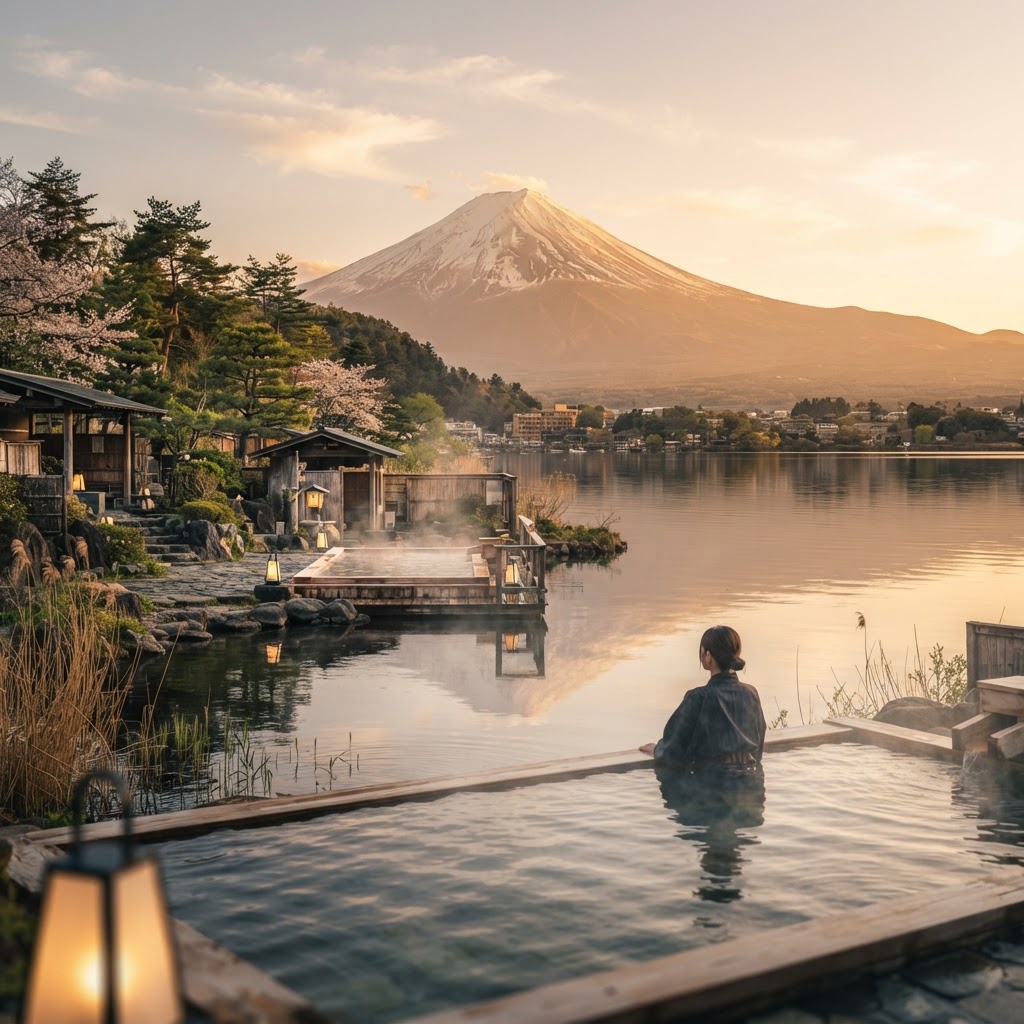
Kawaguchiko & Fuji Five Lakes
Japan
Unrivaled front-row views of Mount Fuji, lakeside onsens, and open mountain air.
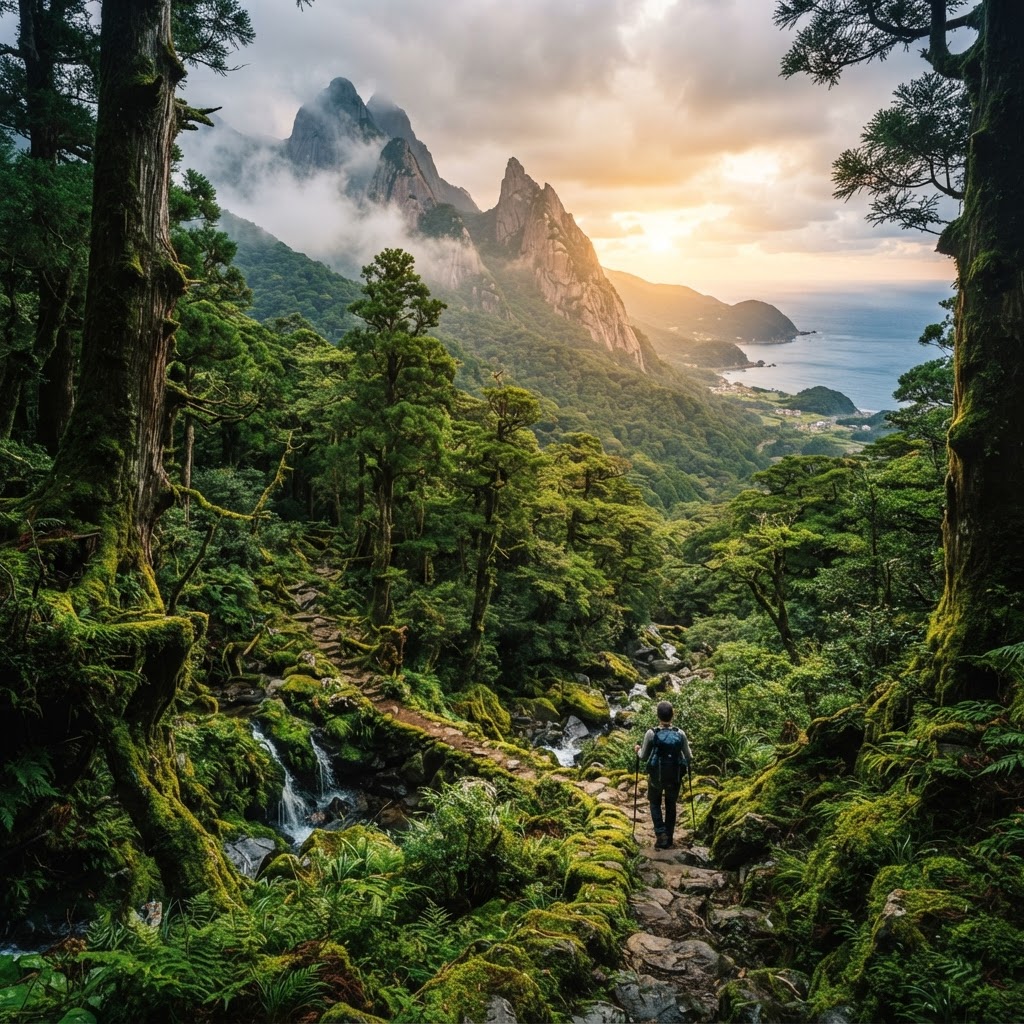
Yakushima, Japan
Japan
Ancient moss-draped cedar forests and misty granite peaks rising abruptly from the Pacific.
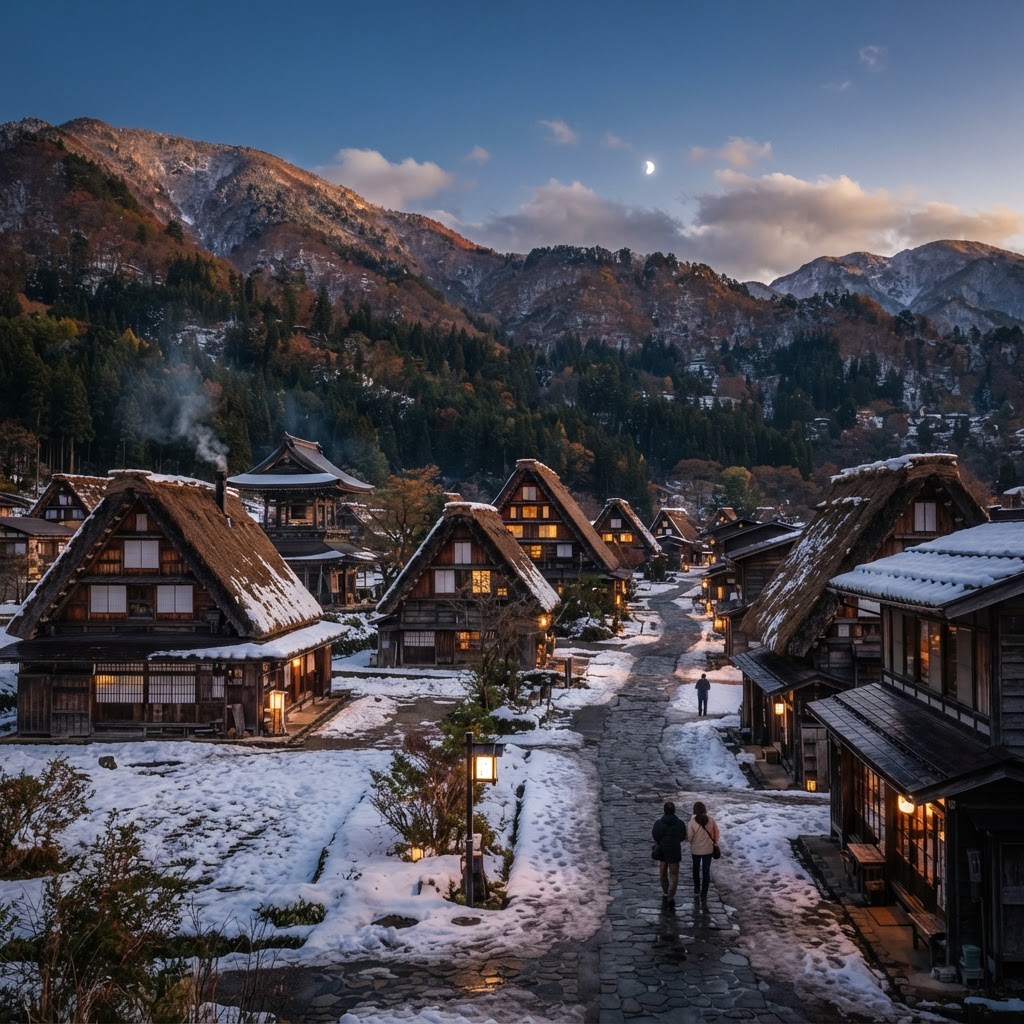
Shirakawa-go, Gifu, Japan
Japan
A living mountain settlement of steep-pitched thatch, silence at dusk, and alpine timbercraft.
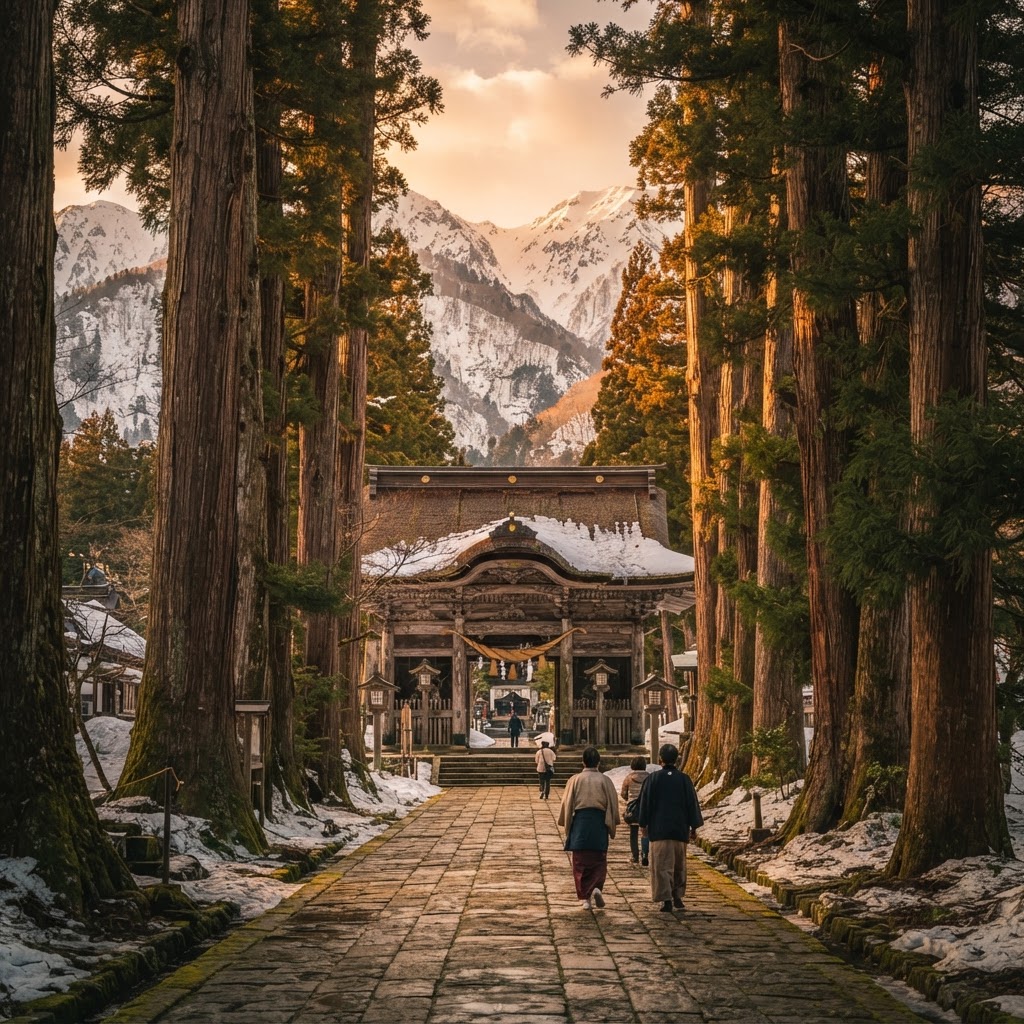
Nagano, Japan
Japan
Pilgrim temples, cedar-lined alpine shrines, and the gateway to Japan's northern powder peaks.
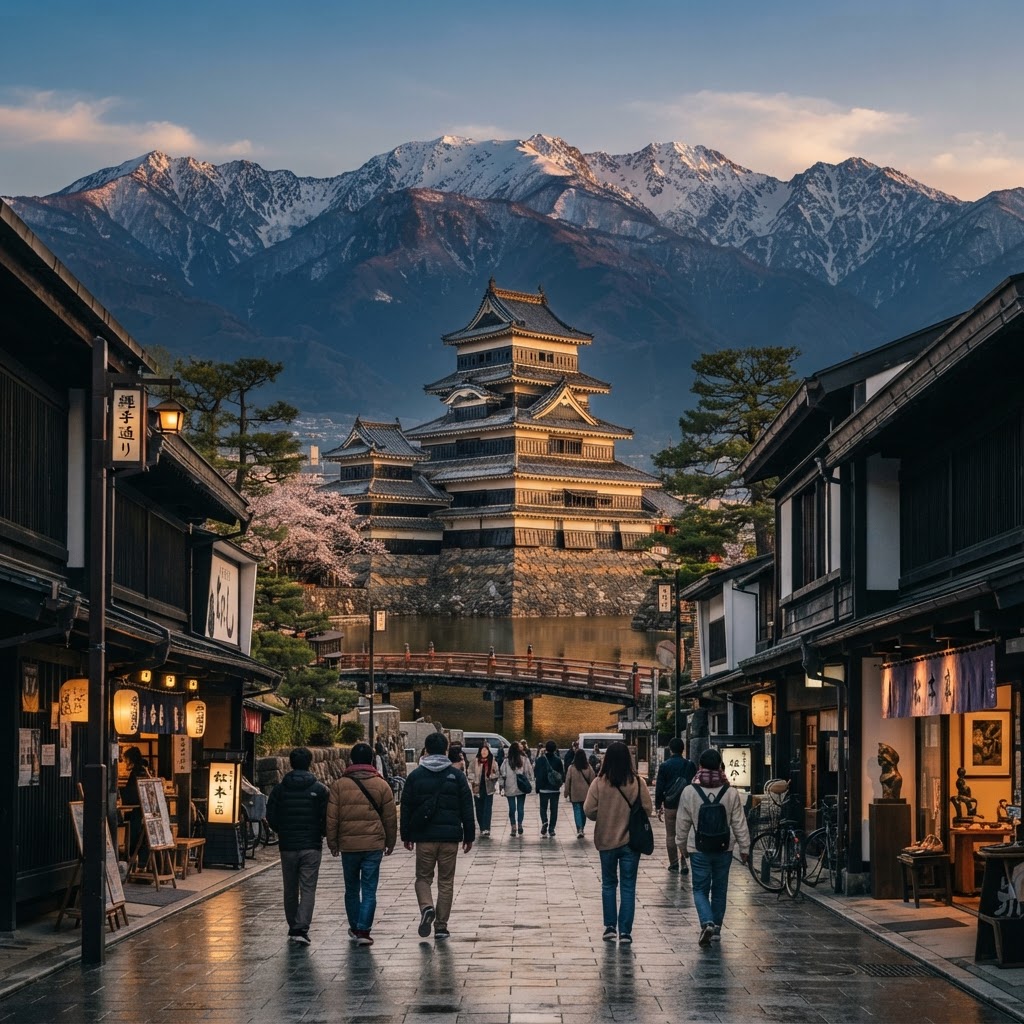
Matsumoto
Japan
Feudal black timber architecture framed by the Northern Alps and alpine art culture
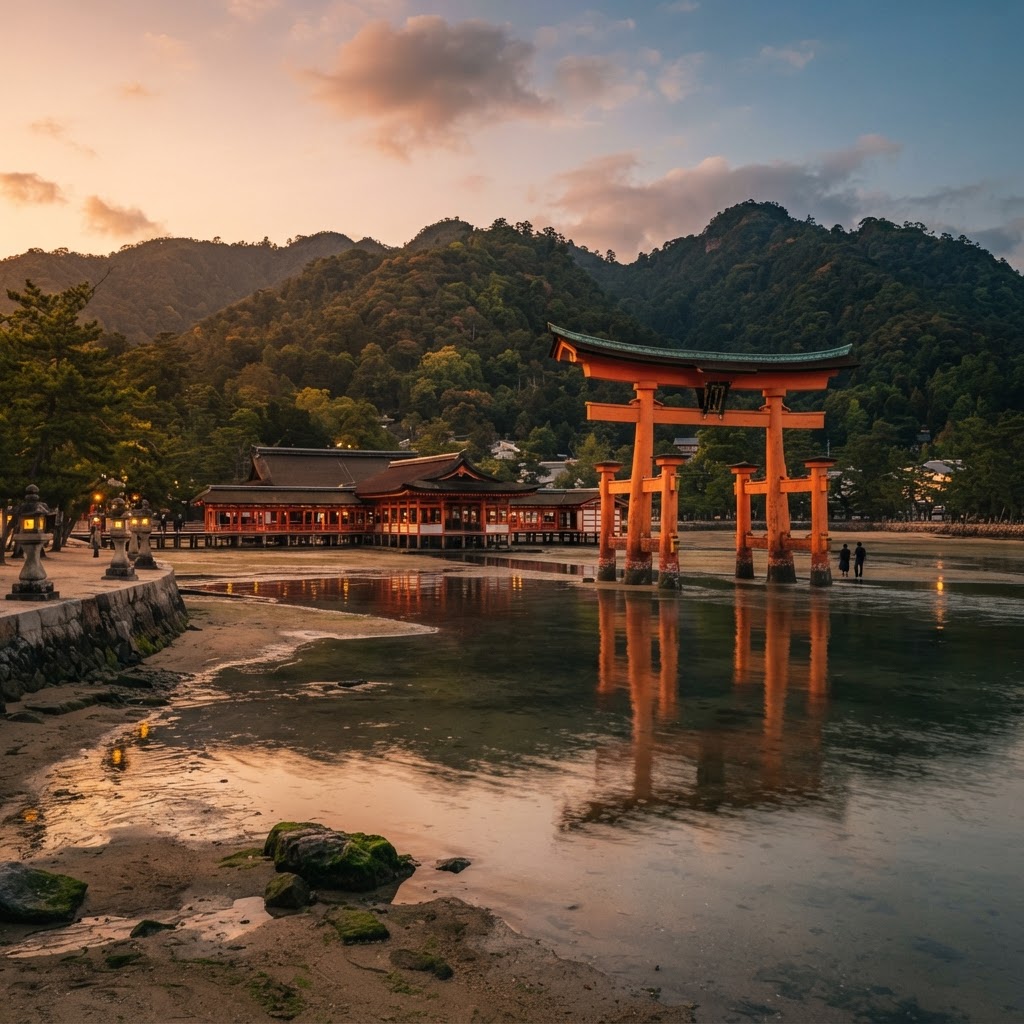
Miyajima (Itsukushima), Japan
Japan
A sacred island of tidal shrines, ancient virgin forest, and silent lantern-lit evenings.
Readymade itineraries
Start from a tested template — then make it yours.
Ready to book
Lock in your Osaka trip
Everything in one place. We may earn a small commission — it never costs you more.
Plan a trip to Osaka
Pick a length and we'll build a day-by-day plan around how you travel — neighborhoods clustered, budget-aware, and editable.
Get better at planning trips like this
Occasional notes on planning smarter — no spam, unsubscribe anytime.
Plan a trip to Osaka
Turn this guide into a day-by-day plan built around your pace, your group, and your budget.
Build my Osaka trip