
Japan
Okinawa Main Island & Kerama Archipelago Itinerary: How Many Days + Sample Plans
Ryukyu soul, prehistoric karst coastlines, and the electric clarity of Kerama Blue.
Traveler rating
Loved by scuba divers and serious snorkelers wanting reef visibility over 30 meters.
Plan & book
Sort your Okinawa Main Island & Kerama Archipelago trip in one place.
We point you to the booking tools we'd actually use — live prices, no markup. Or let us build the day-by-day plan around you first, then book.
Pick your trip length
How many days do you need in Okinawa Main Island & Kerama Archipelago?
Each of these opens a full day-by-day plan you can make your own.
- 2 days — Two days — the essentials, no rushing.
- 3 days — Three days — the icons plus one neighborhood.
- 4 days — Four days — a full city without sprinting.
- 5 days — Five days — room for a day trip.
- 7 days — A week — the city at a human pace.
- With Kids trip — Shorter days, earlier dinners, what to skip.
- For Couples trip — Two-person pacing with evenings built in.
- Solo trip — A plan that works well on your own.
- Food trip — Meals and markets as the anchors.
- Outdoors trip — Nature, walks and open air.
- Culture trip — History, museums and the streets around them.
Forget the Golden Route’s bullet trains and manicured zen gardens. Okinawa Main Island and the Kerama Archipelago present an entirely different facet of Japan: subtropical maritime heritage, ancient coral stone gusuku castles, and offshore reefs so saturated in color that locals named a specific hue—Kerama Blue. From Naha’s historic port life to the forested limestone peaks of Yanbaru and the car-free tranquility of Zamami and Aka, this region rewards travelers seeking Japan's oceanic edge.
How long
7 to 8 days (split 4 nights Main Island road trip, 3 nights Kerama Archipelago)
Best time
Mid-October through November offers the sweet spot of 26°C turquoise water, pleasant balmy evenings, and minimal typhoons.
Build your own trip with these prebuilt itineraries
Each one is a tested, day-by-day plan for Okinawa Main Island & Kerama Archipelago — start here, then make it yours.
Kerama Island-Hopping & Marine Escape in Okinawa Main Island & Kerama Archipelago
High-speed ferry route connecting Zamami and Tokashiki for sea turtles, reefs, and viewpoint treks
Ryukyu Coast & Castle Loop in Okinawa Main Island & Kerama Archipelago
Self-drive coastal circuit covering Naha, Shurijo heritage, Cape Manzamo, and Yanbaru National Park
Okinawa Family Explorer in Okinawa Main Island & Kerama Archipelago
Paced family-friendly road trip featuring Churaumi Aquarium, sheltered beaches, and traditional craft villages
To experience Ryukyu Kingdom culture and world-class marine biodiversity without the domestic resort veneer. Kerama delivers snorkel-from-the-beach visibility matching the Coral Triangle, while the Main Island's central and northern ridges preserve UNESCO-listed stone fortresses, deep indigenous culinary traditions, and untouched subtropical laurel forests.
Where to stay
Getting there
Getting around
Food & drink
What it costs
Skip it if
Skip this destination if you are on a tight first-time Japan trip under 10 days (stick to Tokyo, Kyoto, and Kanazawa), or if you do not want to rent a car and prefer effortless bullet-train transit. If your idea of an island vacation is luxury shopping malls and swimmable calm water in December, Southeast Asia or Hawaii is a better operational fit.
When to go
Summer brings intense heat, humidity, and the highest risk of tropical typhoons disrupting inter-island boats. Autumn keeps the water warm for snorkeling without the sweltering mainland crowds or volatile storm cancellations.
Peak (July to August & Golden Week / Obon)
Expect full resort capacity, premium car rental rates, and crowded beaches; high typhoon probability can strand you on outer islands for multiple days.
Shoulder (April to June & October to November)
October to November is ideal with bath-warm water and calm breezes. Late April to early June brings the subtropical rainy season (Meiyu), though early April offers pleasant sightseeing.
Low (December to March)
Too brisk for casual swimming without a 5mm wetsuit, but winter brings spectacular humpback whale calving grounds in the Kerama waters and lower accommodation rates.
Neighborhoods
Where you stay shapes the trip. Here's how to think about it.
Naha (Makishi & Tsuboya)
Bustling Ryukyu trading port grit mixed with lively covered shotengai market arcades and quiet kiln-lined stone alleys.
Best for:First-timers, food lovers, and transit convenience before catching Tomari Port ferries
Don't miss:The quiet ceramic workshops along Tsuboya Yachimun Street followed by fresh sashimi on the second floor of Makishi Public Market.
Yomitan Village
Artisanal coastal enclave where craft potters, sugarcane fields, and rugged limestone bluffs replace high-rise resort glitz.
Best for:Independent drivers, craft hunters, and travelers who prefer indie guesthouses over manicured chains
Don't miss:Browsing noborigama climbing kilns at Yachimun no Sato and watching the late-afternoon surf crash against Cape Zanpa.
Motobu Peninsula & Bise
Subtropical lushness characterized by coral-walled homesteads protected by centuries-old fukugi tree tunnels.
Best for:Road-trippers, nature lovers, and anyone who wants early morning access to the far north before crowds arrive
Don't miss:Walking or cycling the shaded corridors of the Bise Fukugi Tree Path out to Bisezaki reef at low tide.
Zamami Village (Kerama Archipelago)
Sleepy, sun-faded harbor hamlet that completely empties out once the day-trip speedboats head back to Naha.
Best for:Snorkelers, freedivers, and travelers chasing genuine off-grid island downtime
Don't miss:Renting an e-bike to swim with green turtles off Ama Beach, then catching the sunset from Takatsuki Mountain Observatory.
Aka Island (Kerama Archipelago)
Quiet, car-free outpost where wild Ryukyu sika deer stroll past wooden cottages down to electric-blue shoreline.
Best for:Serious reef divers, solo escapists, and cyclists wanting absolute silence
Don't miss:Pedaling across the high bridge to neighboring Geruma Island, stopping to snorkel the pristine coral drop-off at Nishibama Beach.
Destination intelligence
Updated 10/6/2026The structured record we plan every Okinawa Main Island & Kerama Archipelago itinerary from.
Walkability
Walkable in central Naha and tiny Kerama villages; non-walkable across rural Okinawa Main Island.
Transit quality
High-efficiency monorail in urban Naha; poor and infrequent bus network in central and northern Okinawa; reliable marine ferry network.
Car needed
Yes on Okinawa Main Island (essential north of Naha). No on the Kerama Islands (use bikes, shuttles, or walk).
Ideal duration
7 to 8 days (split 4 nights Main Island road trip, 3 nights Kerama Archipelago)
Minimum useful
4 days (2 nights Naha base with day trips, 2 nights Zamami Island)
Peak season
July to August (summer beachgoers) and Golden Week / Obon holidays.
Shoulder season
April to June (outside Golden Week) and October to November (warm water, minimal rainfall, low crowds).
Low season
December to February (cooler winds, rougher seas, but ideal for humpback whale migrations).
Best for
Common mistakes
- Attempting to explore the Main Island north of Nago using public municipal buses, which results in losing 4–5 hours a day waiting at roadside shelters.
- Visiting Kerama only as a rushed 4-hour day trip from Naha instead of sleeping on Zamami or Aka to experience empty beaches at sunrise and sunset.
- Forgetting to obtain an International Driving Permit (1949 Geneva Convention format) before departing your home country; Japanese rental agencies will refuse pickup without exception.
- Booking high-season trips in August without building contingency days for typhoon ferry cancellations.
- Spending all day on the tourist-choked strip of Kokusai-dori instead of exploring the historic alleys of Tsuboya or the local backstreets of Sakaemachi.
Best nearby
See what a trip to Japan actually costs. Travel Budget Co.
How to plan it
- Reserve your Tomari Port high-speed ferry (Queen Zamami or Marine Liner Tokashiki) exactly two months in advance; seats vanish within hours during summer and weekends.
- Drop your rental car in Naha before taking the ferry to the Keramas; parking it at the port or paying to ship it onto the car ferry is an expensive and pointless hassle.
- Do not try to drive round-trip from Naha to Churaumi Aquarium and Yanbaru in a single day; base yourself in Yomitan or Motobu for 2 nights to explore the north at a relaxed pace.
- Book dinner reservations for village izakayas on Zamami and Aka at the same time you confirm your room; tiny island dining rooms seat under 20 people and book out nights in advance.
- Schedule your Kerama island nights at the beginning or middle of your itinerary, ending with a night back in Naha to ensure rough seas do not cause you to miss your flight home.
Questions
More in Japan
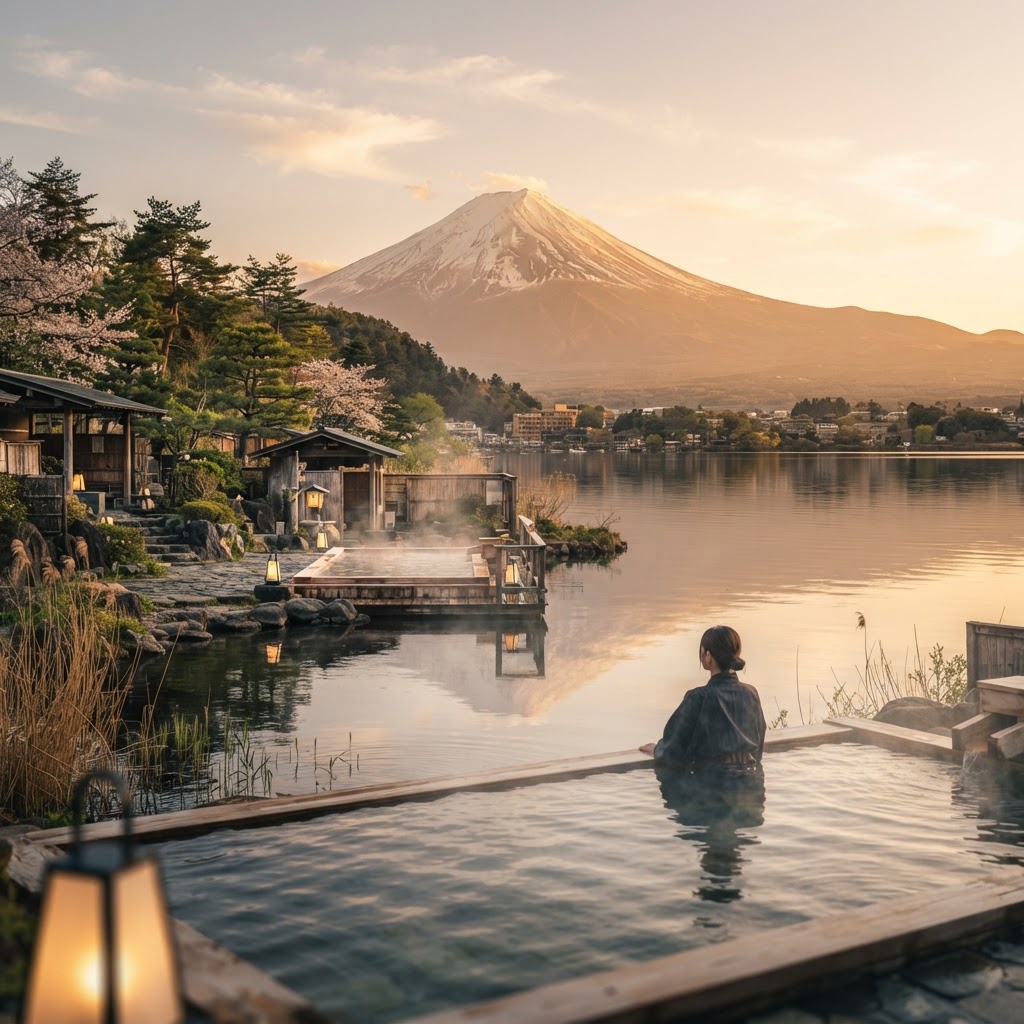
Kawaguchiko & Fuji Five Lakes
Japan
Unrivaled front-row views of Mount Fuji, lakeside onsens, and open mountain air.
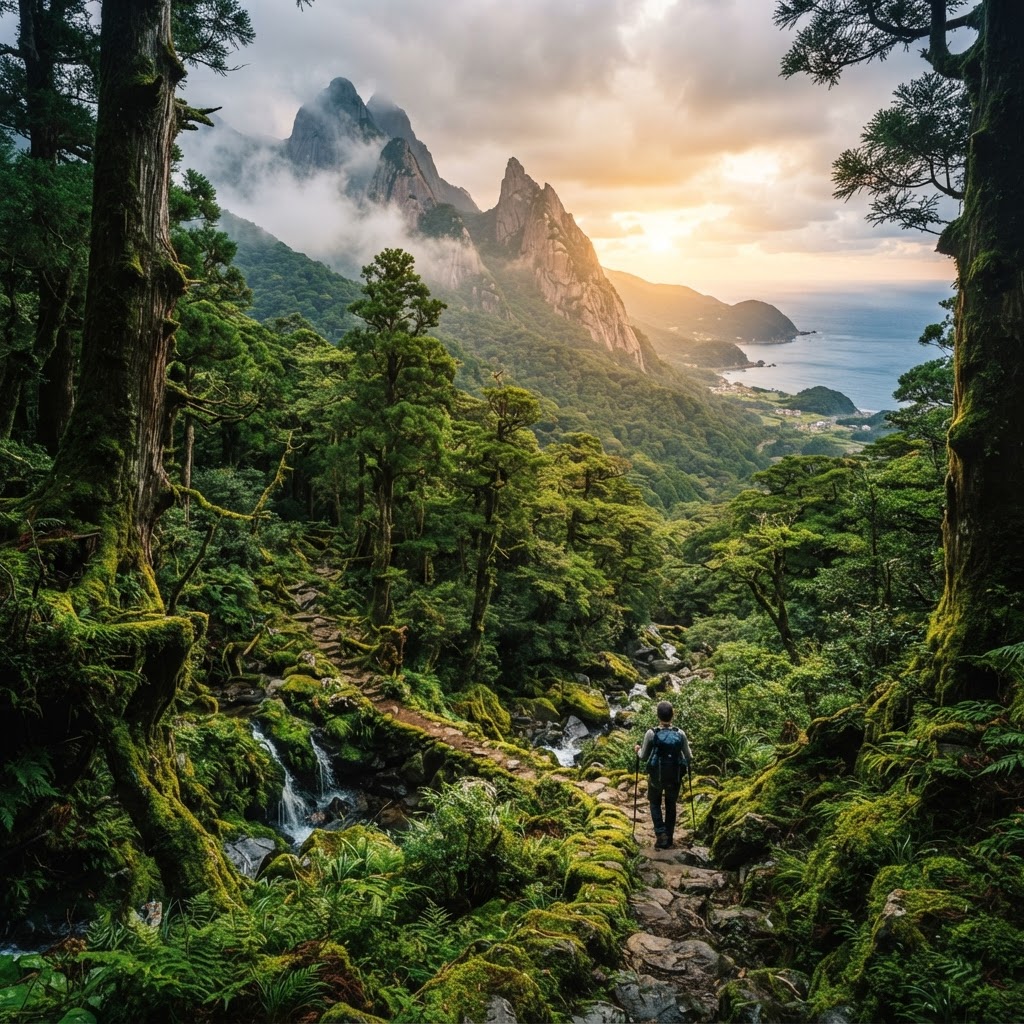
Yakushima, Japan
Japan
Ancient moss-draped cedar forests and misty granite peaks rising abruptly from the Pacific.
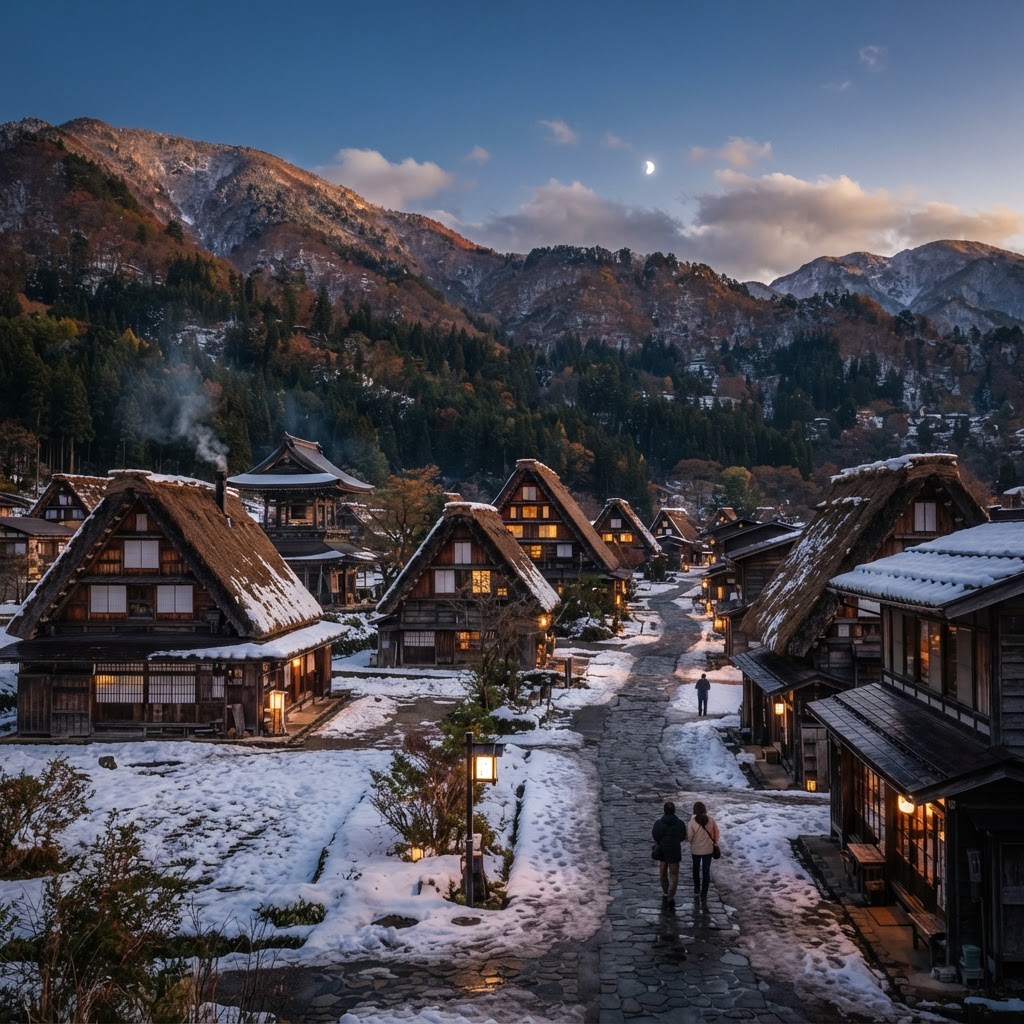
Shirakawa-go, Gifu, Japan
Japan
A living mountain settlement of steep-pitched thatch, silence at dusk, and alpine timbercraft.
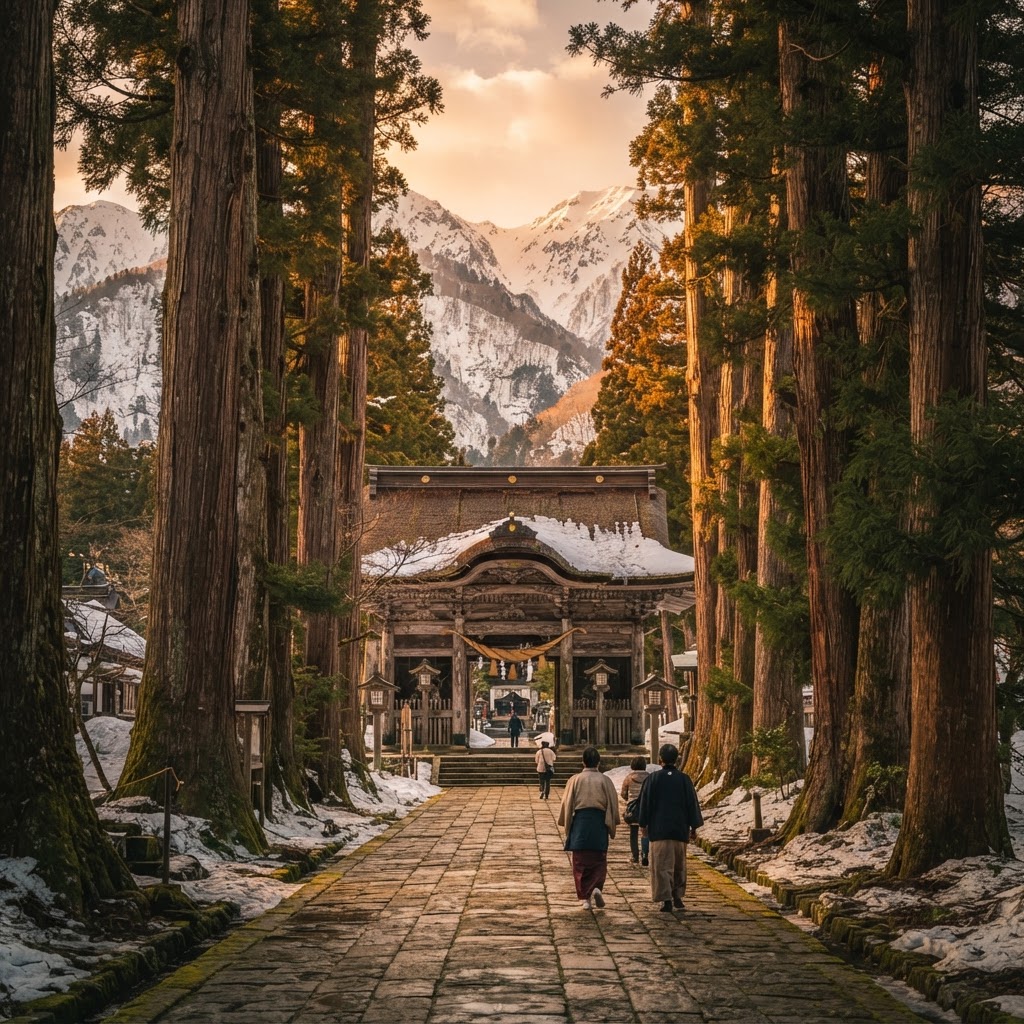
Nagano, Japan
Japan
Pilgrim temples, cedar-lined alpine shrines, and the gateway to Japan's northern powder peaks.
Matsumoto
Japan
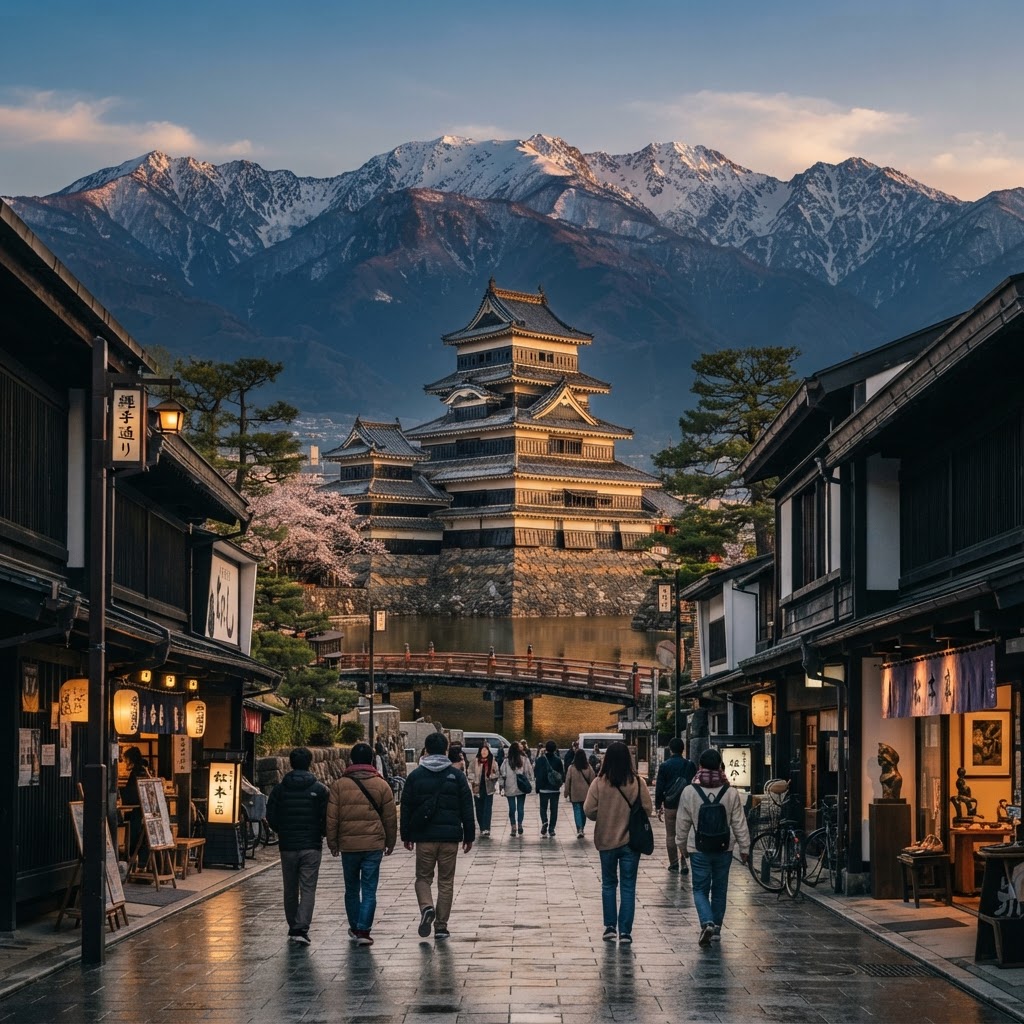
Feudal black timber architecture framed by the Northern Alps and alpine art culture
Miyajima (Itsukushima), Japan
Japan
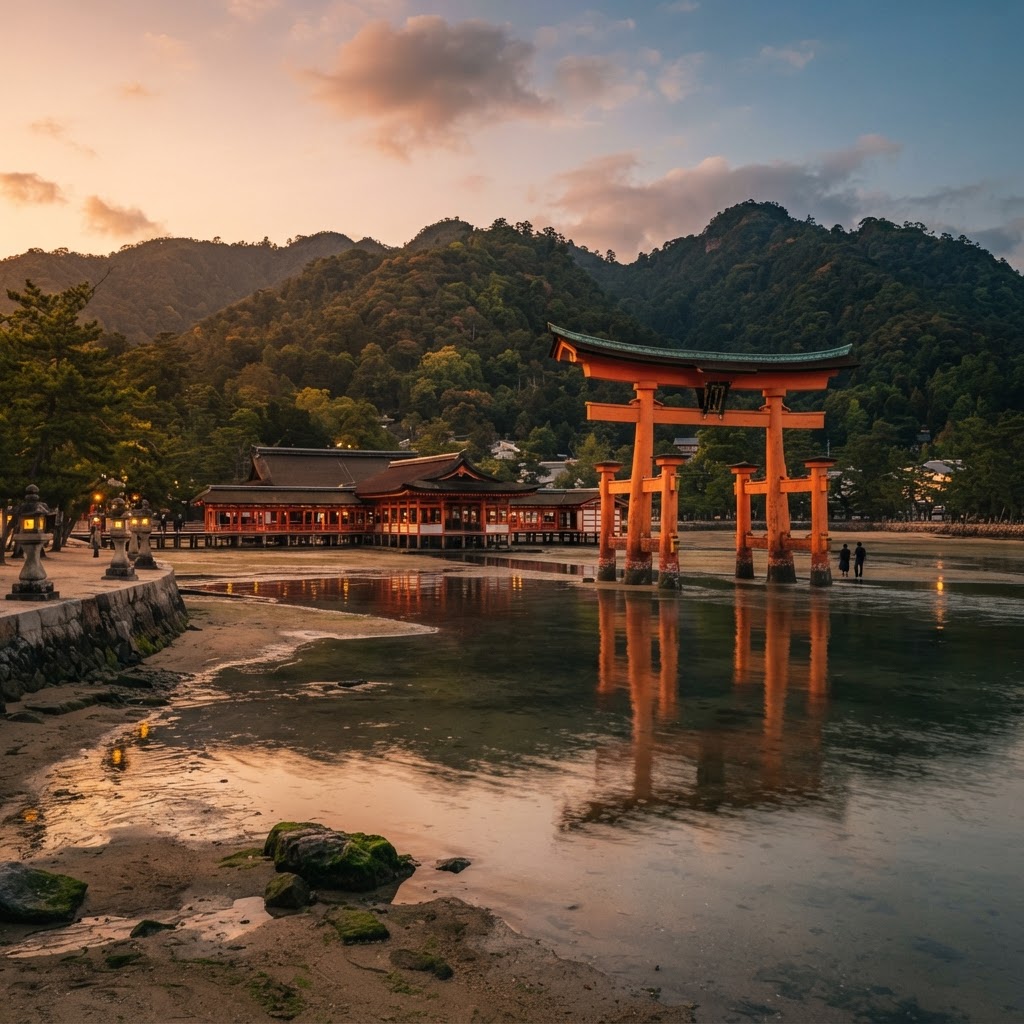
A sacred island of tidal shrines, ancient virgin forest, and silent lantern-lit evenings.
Readymade itineraries
Start from a tested template — then make it yours.
Ready to book
Lock in your Okinawa Main Island & Kerama Archipelago trip
Everything in one place. We may earn a small commission — it never costs you more.
Plan a trip to Okinawa Main Island & Kerama Archipelago
Pick a length and we'll build a day-by-day plan around how you travel — neighborhoods clustered, budget-aware, and editable.
Get better at planning trips like this
Occasional notes on planning smarter — no spam, unsubscribe anytime.
Plan a trip to Okinawa Main Island & Kerama Archipelago
Turn this guide into a day-by-day plan built around your pace, your group, and your budget.
Build my Okinawa Main Island & Kerama Archipelago trip