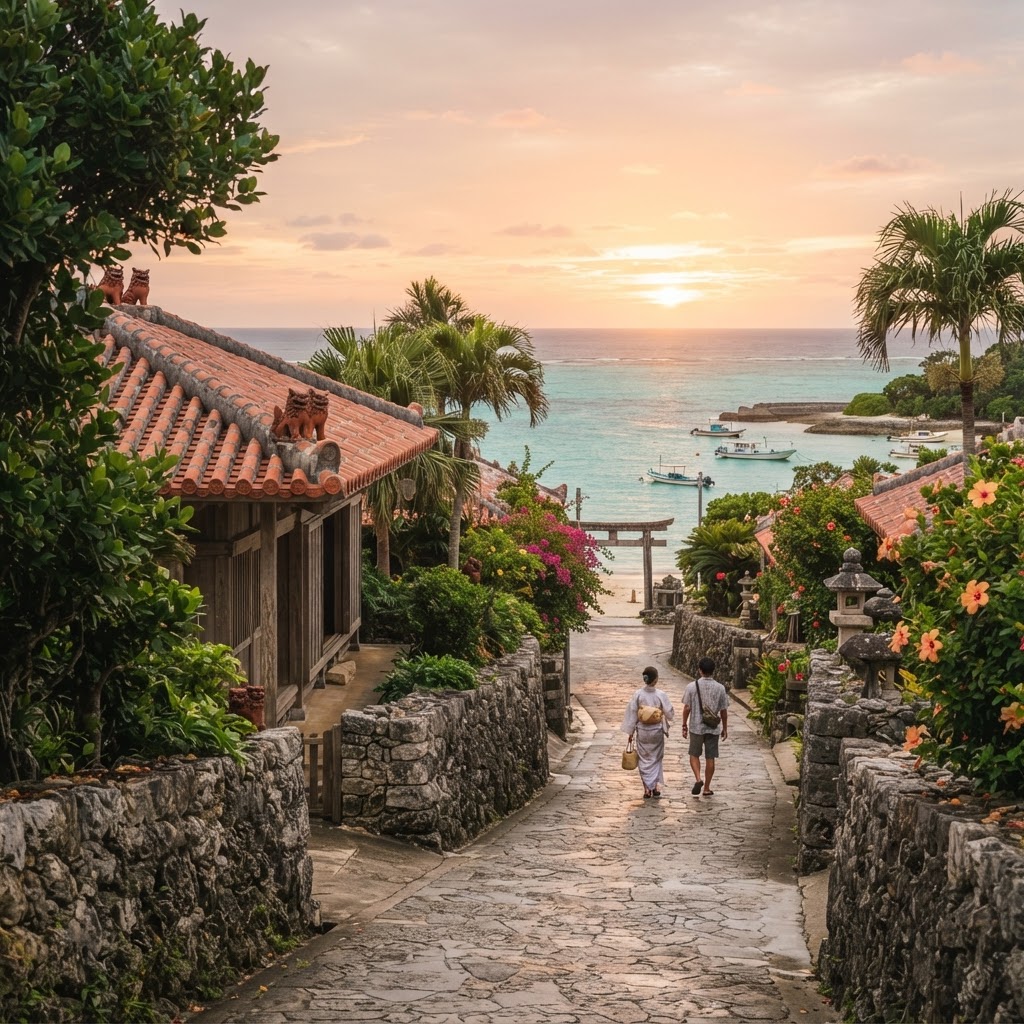
Japan
Okinawa, Japan
Subtropical Ryukyu heritage meets turquoise Pacific waters and slow island living
Plan & book
Sort your Okinawa, Japan trip in one place.
We point you to the booking tools we'd actually use — live prices, no markup. Or let us build the day-by-day plan around you first, then book.
Okinawa is Japan stripped of its frenetic commuter pace, replaced with coral reef lagoons, distinct indigenous Ryukyu architecture, and a rich, deeply independent food culture. Spanning the main island of Okinawa Honto as well as outer archipelagos like the Keramas and Miyako, it trades mainland shinkansen convenience for winding coastal roads, coastal taco rice shacks, and quiet pottery villages.
5 to 7 days
Best time
October to early November delivers the best balance of swimmable Pacific waters, tolerable humidity, and lower domestic crowds.
Build your own trip with these prebuilt itineraries
Each one is a tested, day-by-day plan for Okinawa, Japan — start here, then make it yours.
7 Days in Okinawa in Okinawa
Complete island loop combining marine adventures, beach resorts, and Yanbaru nature
5 Days in Okinawa in Okinawa
Classic road trip covering coastal highlights, northern beaches, and Churaumi
3 Days in Naha & Southern Okinawa in Okinawa
Culture, Ryukyu Heritage & Pottery without a car rental
Go for a distinct civilization inside Japan: Ryukyu Kingdom history, world-class diving, unique longevity cuisine featuring bitter melon and braised pork belly, and tranquil beaches that mainland Japan simply cannot replicate.
Where to stay
Getting there
Getting around
Food & drink
What it costs
Things to do
Book tours & tickets in Okinawa, JapanSkip it if
Skip Okinawa if you do not want to rent a car and crave seamless bullet-train travel, or if you expect neon-lit skyscraper nightlife and ultra-dense urban transit like Tokyo or Osaka.
When to go
Summer brings scorching heat, school holiday resort price surges, and intense Pacific typhoon disruption risks from July through September. Late spring and mid-autumn give you warm 25°C sea temperatures without the multi-hour rental car queues and packed resort beaches.
Peak (July–August & Golden Week)
Brutal midday heat, maximum hotel rates, and high typhoon risks; rental cars sell out months ahead.
Shoulder (April–June & September–October)
Warm sea temps and manageable crowds. Note the May-to-early-June rainy season, and keep typhoon buffers in September.
Low (December–February)
Windy and cool (15–20°C); designated swimming beaches are closed, but humpback whale watching and pottery touring peak.
Neighborhoods
Where you stay shapes the trip. Here's how to think about it.
Naha (Makishi & Matsuo)
Buzzing urban gateway anchored by arcades, market alleys, and monorail convenience
Best for:First-timers, car-free transit days, and market dining
Don't miss:Selecting fresh reef fish on the ground floor of Makishi Public Market and having it cooked upstairs for lunch
Tsuboya Pottery District
Quiet, stone-paved artisan quarter lined with traditional kilns and craft ateliers
Best for:Craft lovers, solo wanderers, and architectural strolls
Don't miss:Browsing hand-thrown shisa lions and climbing kilns along Tsuboya Yachimun Street
Chatan (Mihama)
Post-war American-Ryukyu mashup with seaside boardwalks, craft beer, and colorful storefronts
Best for:Casual sunset dinners, craft beer, and families wanting easy resort amenities
Don't miss:Grabbing sunset pints along the seawall boardwalk after hitting American Village
Yomitan Village
Laid-back rural coast defined by cane fields, artisan communes, and rugged headlands
Best for:Design lovers, couples, and travelers wanting a calm, authentic base
Don't miss:The sprawling kilns at Yachimun no Sato and sunset cliffs at Cape Zanpa
Onna Coast
Classic tropical resort strip with private white-sand coves against Route 58
Best for:Beach resort holidays, snorkeling excursions, and watersports
Don't miss:Early morning boat access to the Blue Cave at Cape Maeda before tour groups arrive
Motobu Peninsula & Nakijin
Lush, sub-tropical rural north with banyan-lined trails and dramatic castle ruins
Best for:Nature enthusiasts, road trippers, and Yanbaru forest access
Don't miss:Walking the undulating limestone ramparts of the 13th-century Nakijin Castle ruins
Destination intelligence
Updated 9/14/2026The structured record we plan every Okinawa, Japan itinerary from.
Walkability
Low overall across the island; high only within central Naha along the Yui Rail corridor and Kokusai Street.
Transit quality
Moderate in Naha via Yui Rail; poor to inconvenient across central and northern Okinawa where buses are infrequent.
Car needed
Yes, mandatory for exploring beaches, coastal viewpoints, and sights outside of Naha.
Ideal duration
5 to 7 days
Minimum useful
3 days
Peak season
July to August (summer beach holiday rush) and Golden Week in early May.
Shoulder season
April to June (outside Golden Week) and September to October (warm seas, lower crowds, though watch typhoon forecasts).
Low season
December to February (cooler winds, swimming areas closed, but ideal for hiking, pottery, and whale watching).
Best for
Common mistakes
- Trying to rely entirely on public buses outside Naha, which leads to hours wasted waiting at rural stops
- Failing to secure an official 1949 Geneva Convention International Driving Permit before leaving home, making car rental impossible
- Underestimating Naha rush-hour traffic jams on Route 58 when heading back to catch a flight at Naha Airport
- Booking beach-heavy swimming vacations between December and February when ocean temperatures drop and beach swimming areas close
- Staying exclusively in Naha when your main goal is lounging on remote sandy beaches
Best nearby
See what a trip to Japan actually costs. Travel Budget Co.
How to plan it
- Split your lodging into two bases: 2 nights in Naha along the monorail for eating and Ryukyu culture, followed by 3-4 nights in Yomitan or Onna to avoid losing hours commuting back south each evening.
- Do not book snorkeling at Cape Maeda's Blue Cave or outer island ferries for your final day; schedule ocean excursions early in the itinerary so you can reschedule around sudden coastal wind shifts.
- Pair your visit to Okinawa Churaumi Aquarium with the dramatic stone walls of Nakijin Castle ruins and Kouri Ocean Tower to make the 2-hour drive from central Okinawa worthwhile.
- Reserve your rental car 6 to 8 weeks in advance if traveling between June and August; island car fleets are strictly capped and inventory vanishes faster than hotel rooms.
- Treat Naha to Motobu as a road trip rather than an easy day trip; morning rush-hour traffic along Route 58 through Urasoe and Ginowan can easily double estimated GPS transit times.
Questions
More in Japan
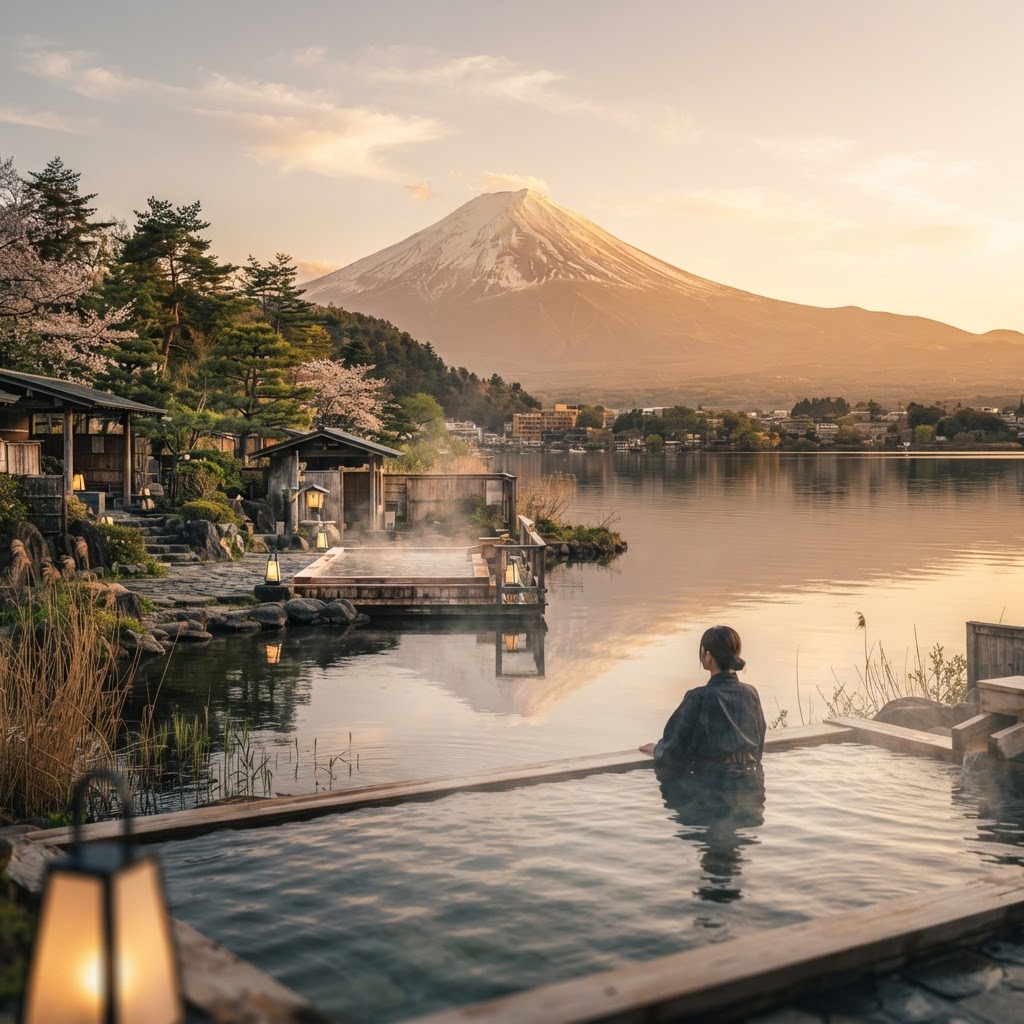
Kawaguchiko & Fuji Five Lakes
Japan
Unrivaled front-row views of Mount Fuji, lakeside onsens, and open mountain air.
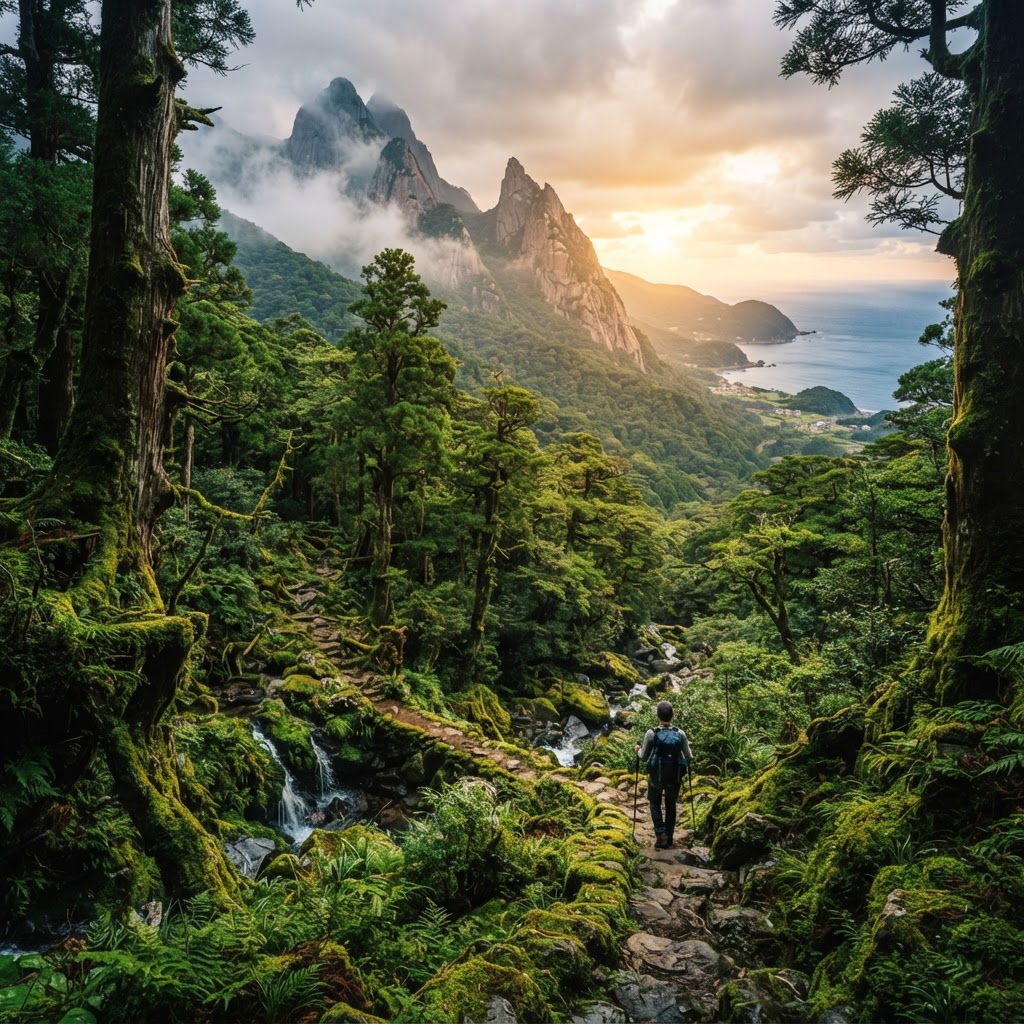
Yakushima, Japan
Japan
Ancient moss-draped cedar forests and misty granite peaks rising abruptly from the Pacific.
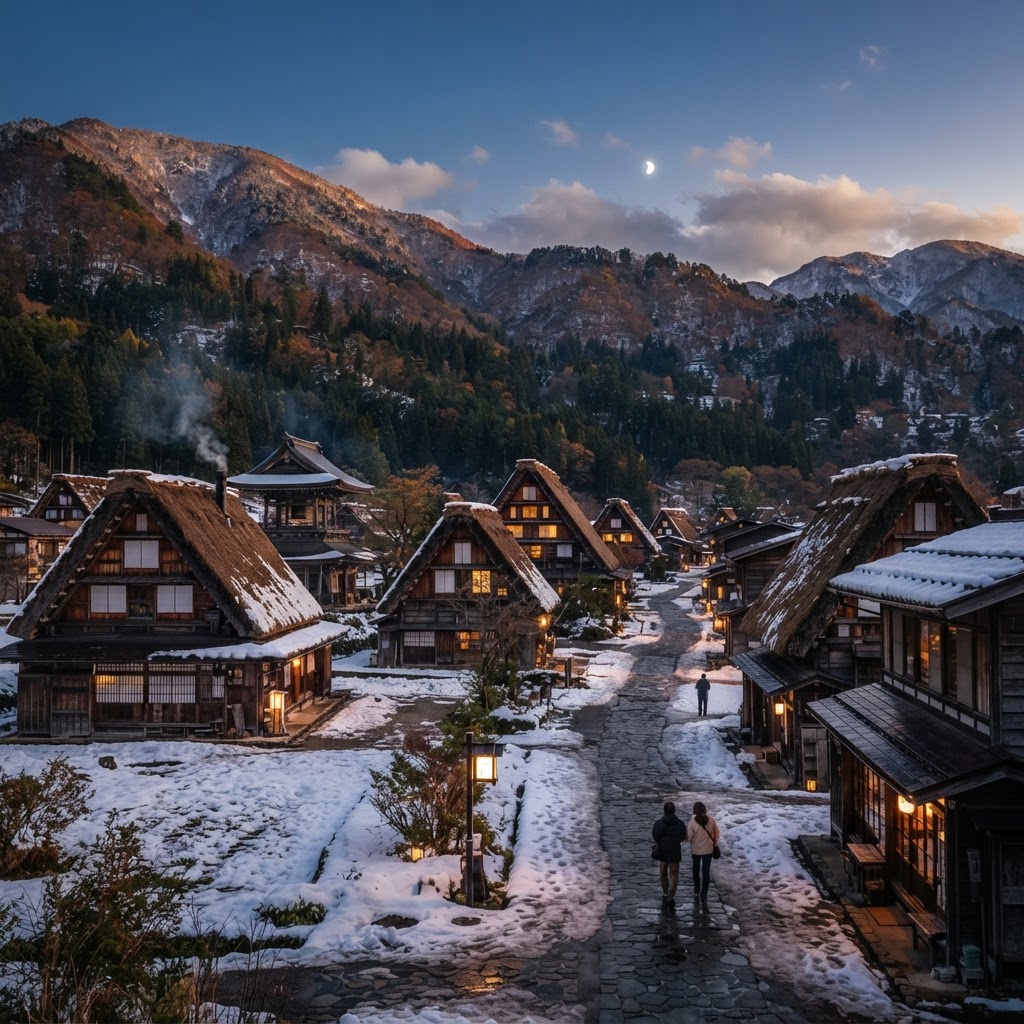
Shirakawa-go, Gifu, Japan
Japan
A living mountain settlement of steep-pitched thatch, silence at dusk, and alpine timbercraft.
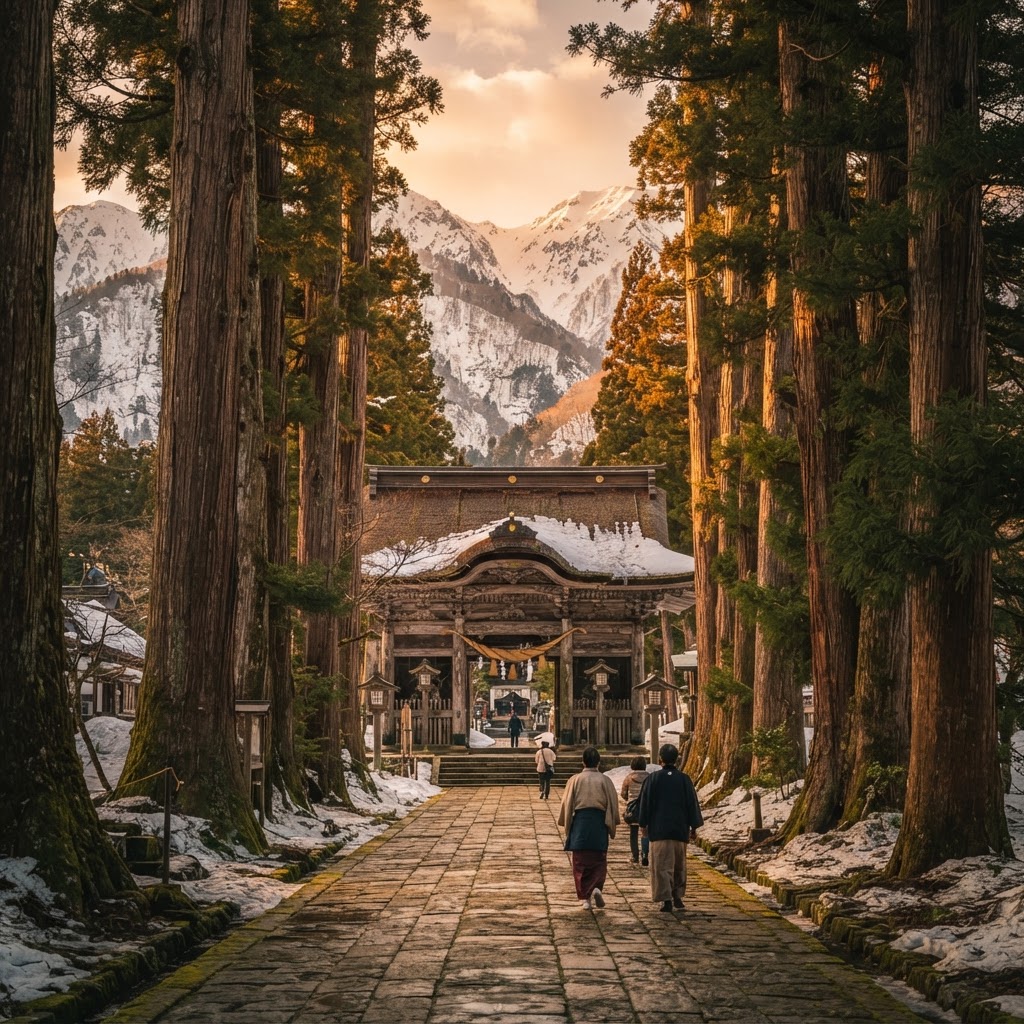
Nagano, Japan
Japan
Pilgrim temples, cedar-lined alpine shrines, and the gateway to Japan's northern powder peaks.
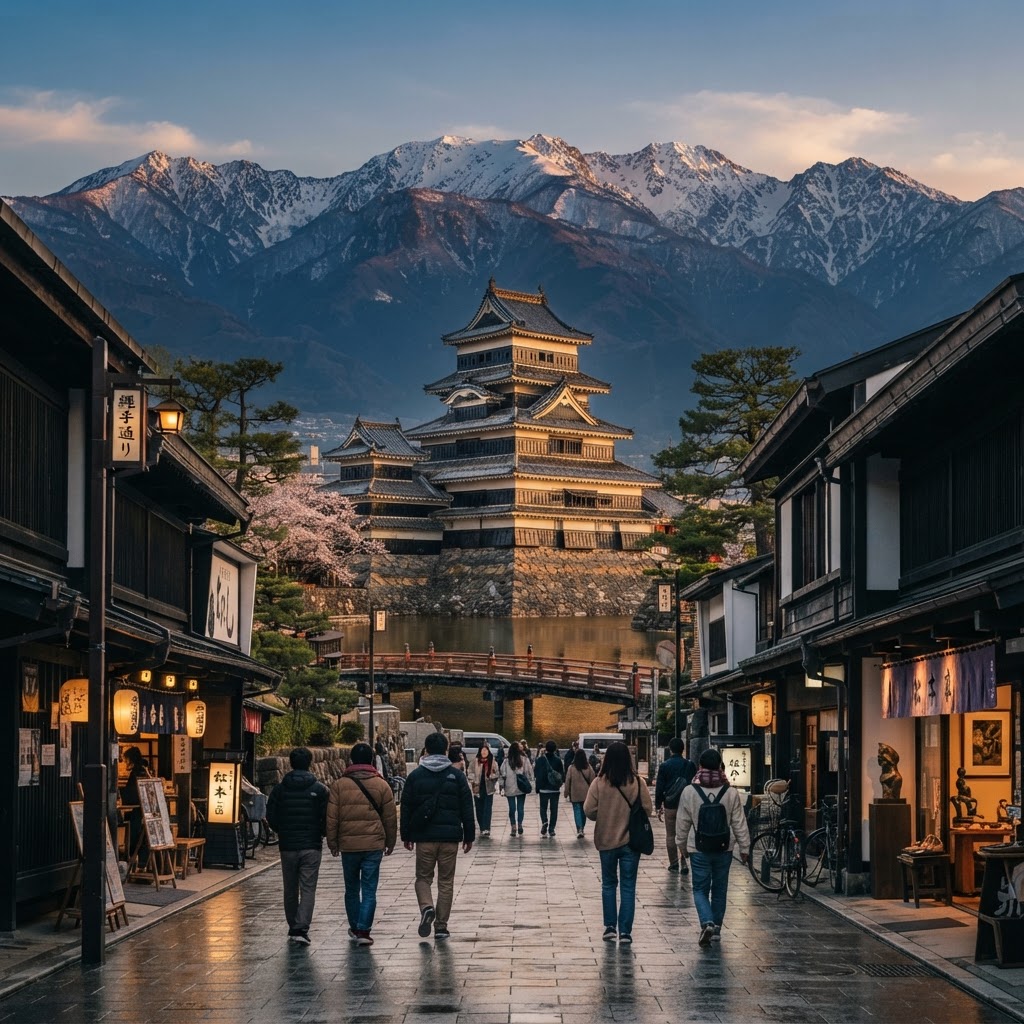
Matsumoto
Japan
Feudal black timber architecture framed by the Northern Alps and alpine art culture
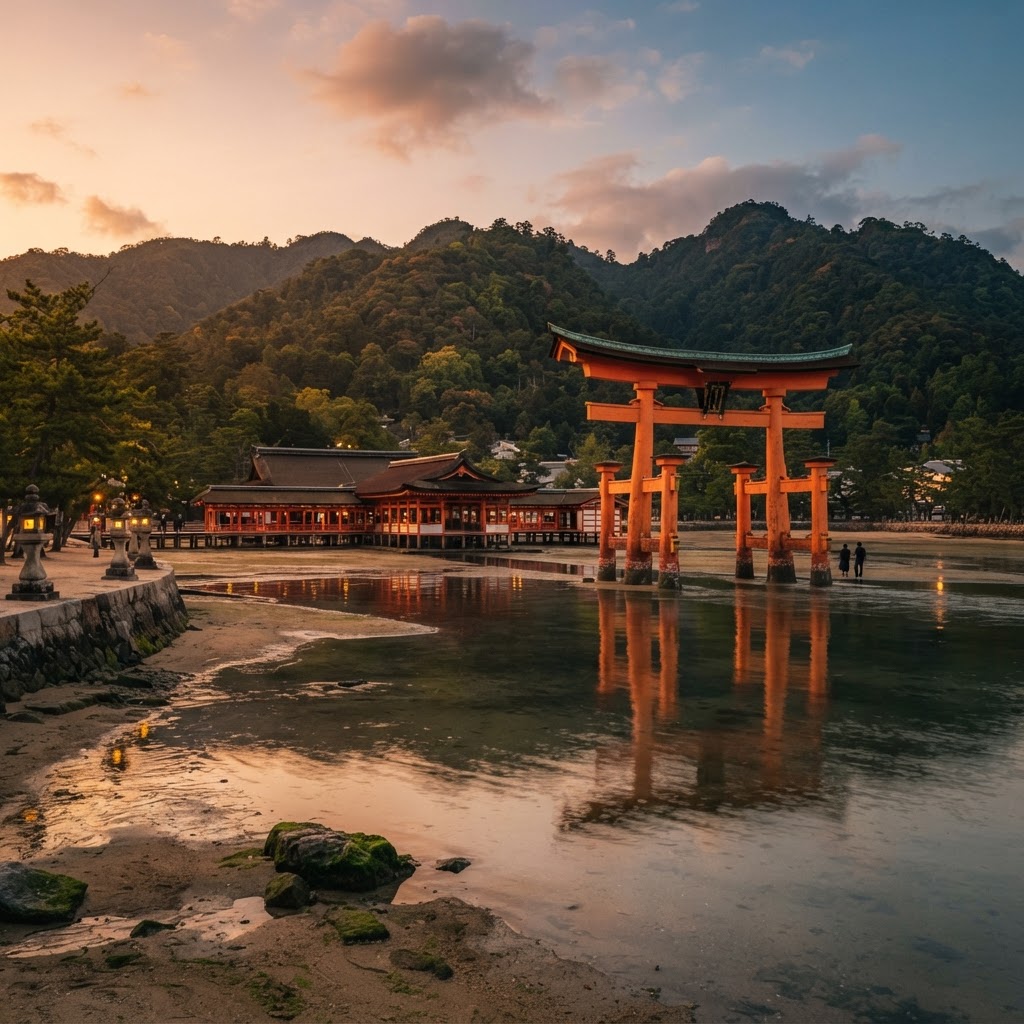
Miyajima (Itsukushima), Japan
Japan
A sacred island of tidal shrines, ancient virgin forest, and silent lantern-lit evenings.
More in East Asia
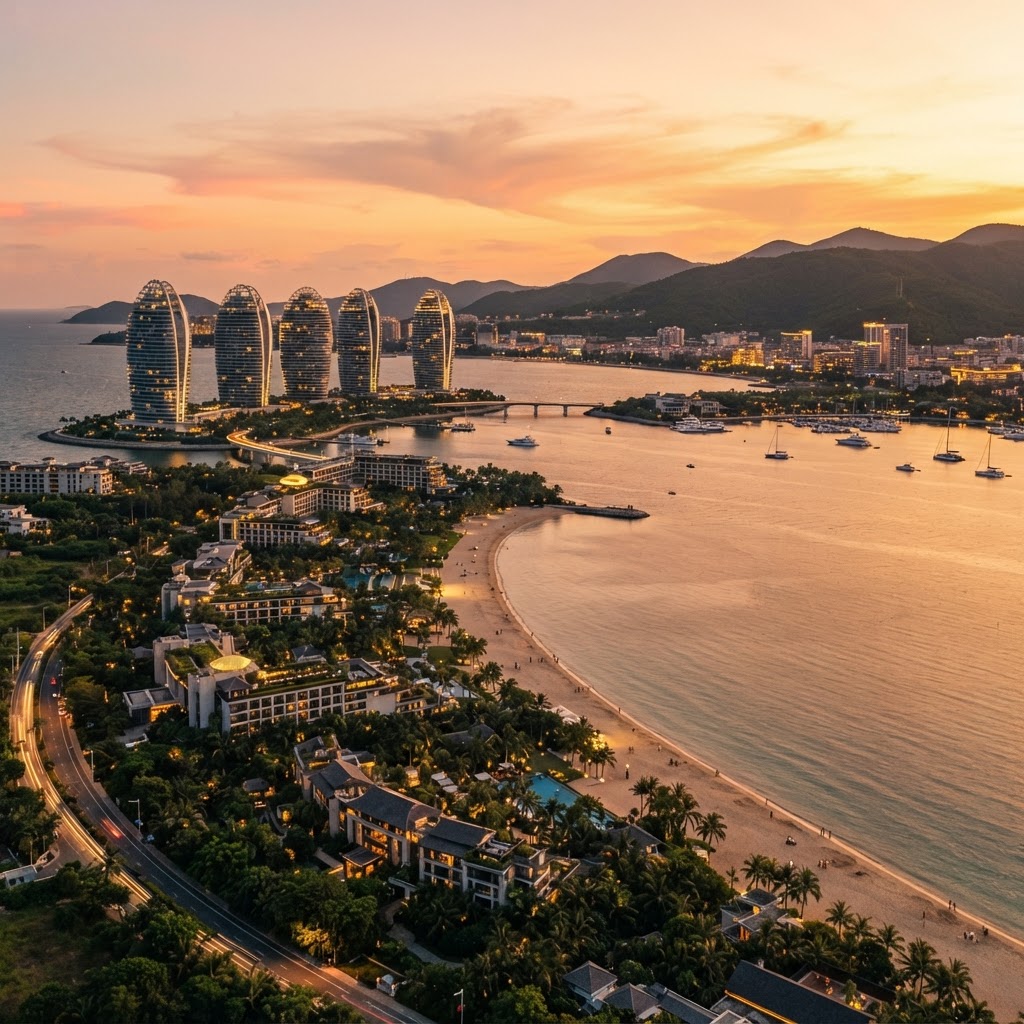
Sanya, Hainan, China
China
China's tropical resort strip of five-star bays, duty-free hubs, and coastal escapes.
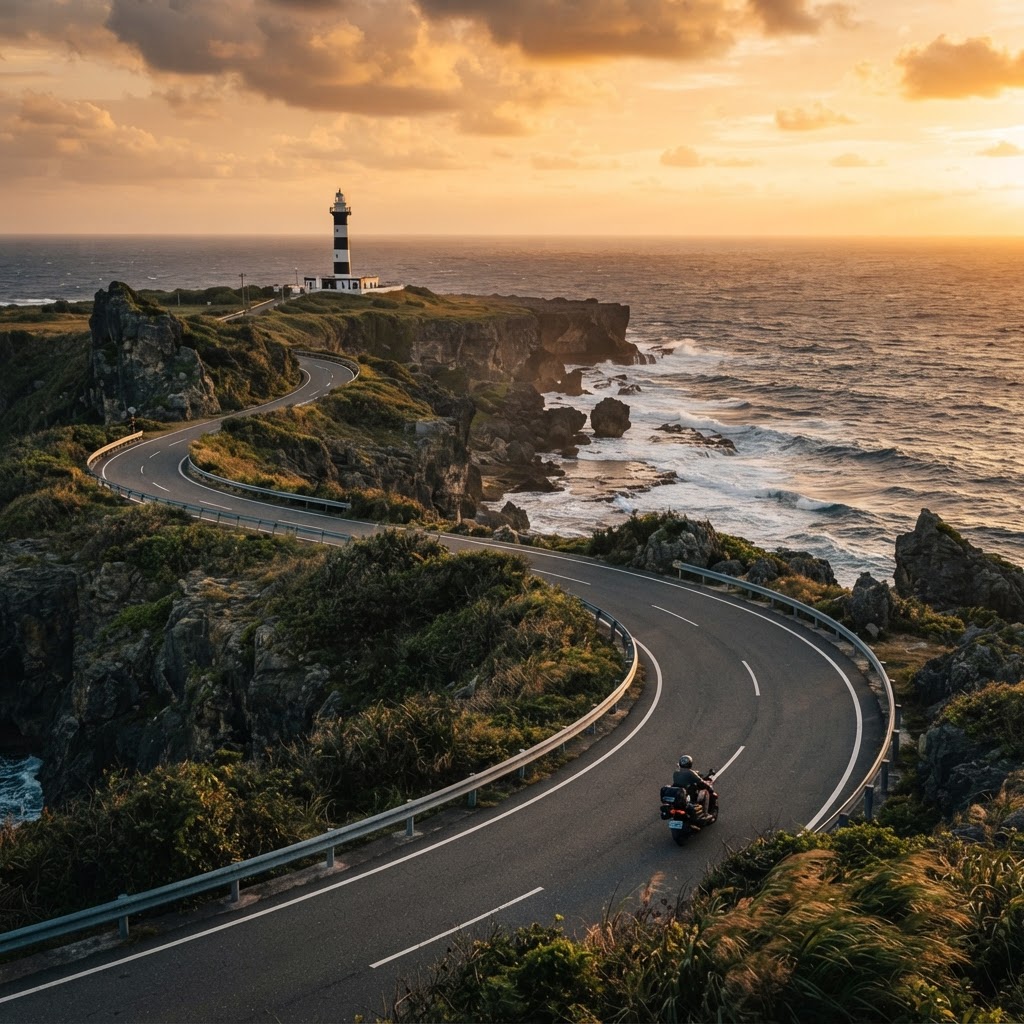
Kenting, Taiwan
Taiwan
Windswept coastal cliffs, coral reefs, and open-throttle peninsula roads at Taiwan’s southernmost tip.
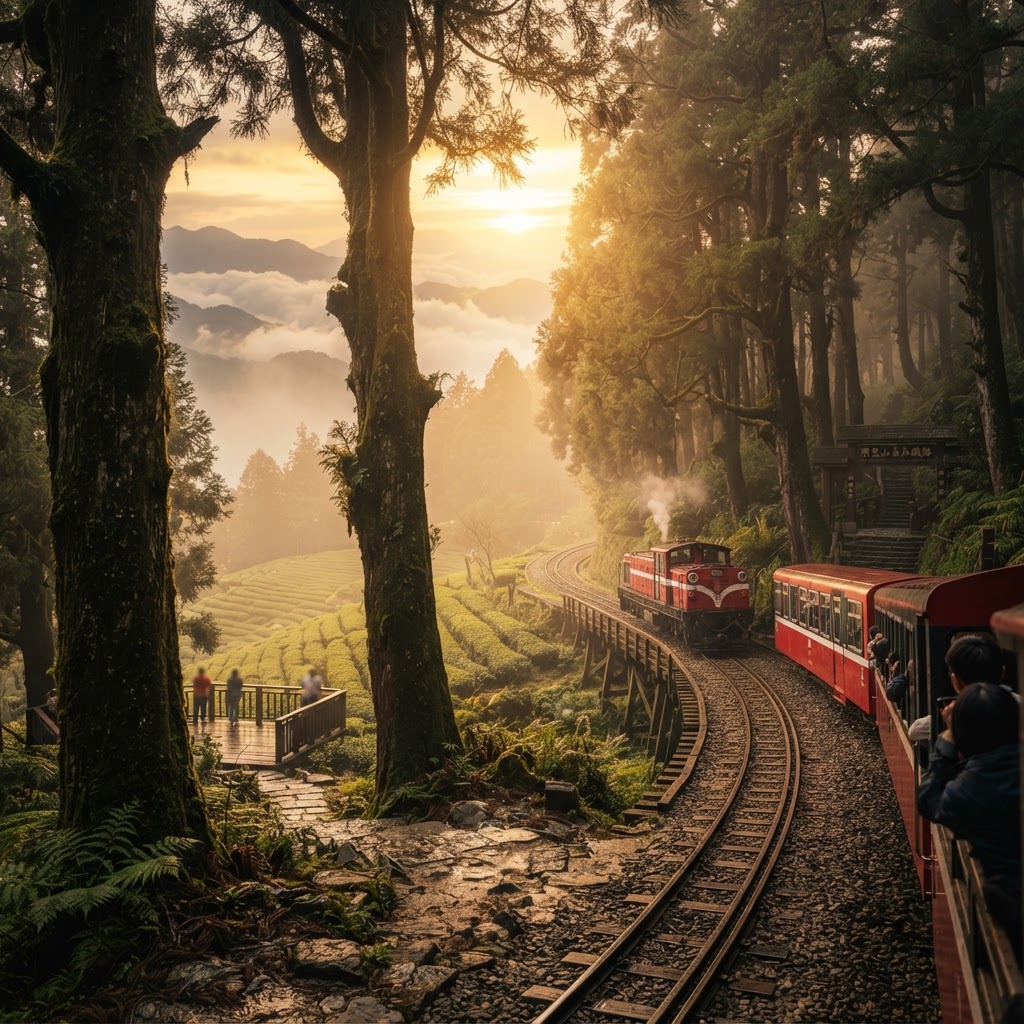
Alishan, Chiayi County
Taiwan
Ancient red cypresses, sunrise railway ascents, and high-mountain oolong shrouded in mist.
Readymade itineraries
Start from a tested template — then make it yours.
Ready to book
Lock in your Okinawa, Japan trip
Everything in one place. We may earn a small commission — it never costs you more.
Plan a trip to Okinawa, Japan
Pick a length and we'll build a day-by-day plan around how you travel — neighborhoods clustered, budget-aware, and editable.
Get better at planning trips like this
Occasional notes on planning smarter — no spam, unsubscribe anytime.
Plan a trip to Okinawa, Japan
Turn this guide into a day-by-day plan built around your pace, your group, and your budget.
Build my Okinawa, Japan trip