Japan
Nikko, Tochigi Prefecture, Japan Itinerary: How Many Days + Sample Plans
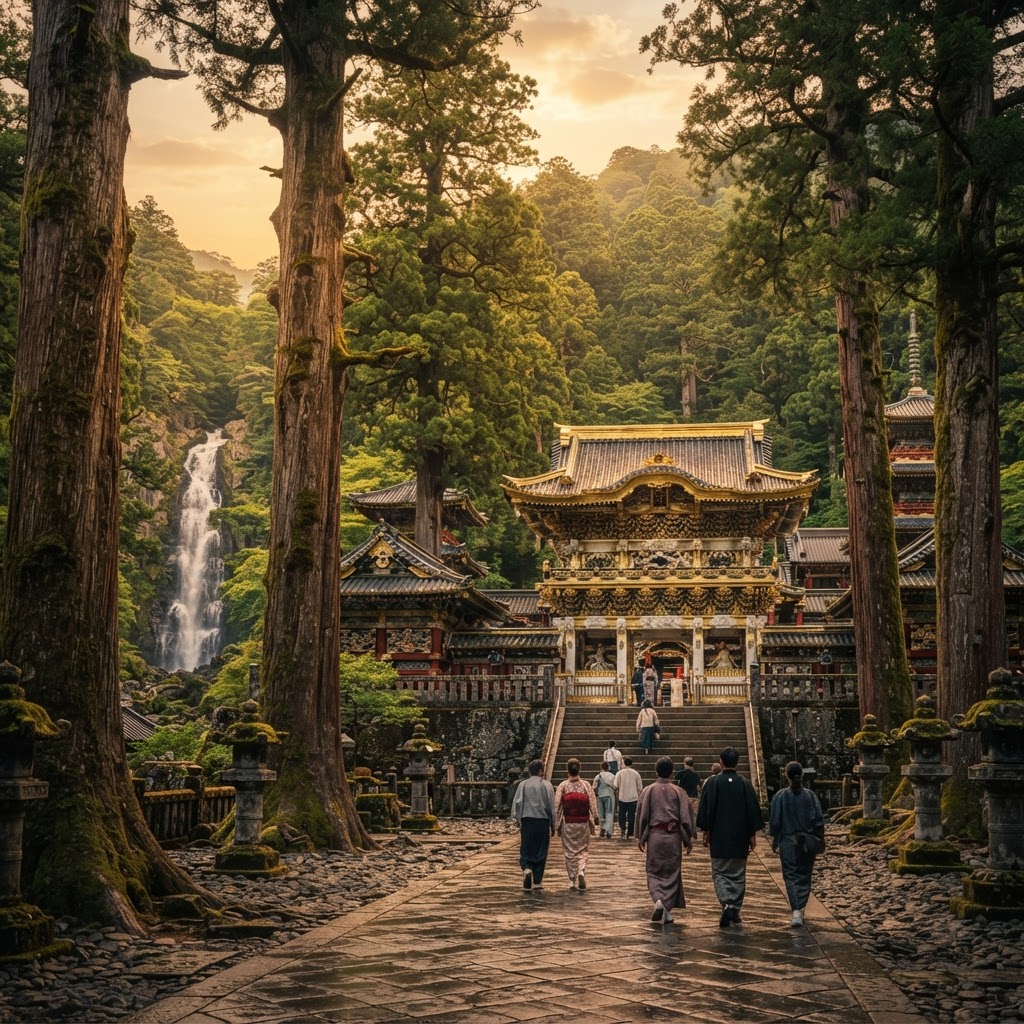
Opulent Tokugawa shrine complexes set amid ancient cedar forests and alpine waterfalls.
Traveler rating
Loved by history enthusiasts drawn to Edo-period heritage and samurai history.
Plan & book
Sort your Nikko, Tochigi Prefecture, Japan trip in one place.
We point you to the booking tools we'd actually use — live prices, no markup. Or let us build the day-by-day plan around you first, then book.
Pick your trip length
How many days do you need in Nikko, Tochigi Prefecture, Japan?
Each of these opens a full day-by-day plan you can make your own.
- 2 days — Two days — the essentials, no rushing.
- 3 days — Three days — the icons plus one neighborhood.
- 4 days — Four days — a full city without sprinting.
- 5 days — Five days — room for a day trip.
- 7 days — A week — the city at a human pace.
- With Kids trip — Shorter days, earlier dinners, what to skip.
- For Couples trip — Two-person pacing with evenings built in.
- Solo trip — A plan that works well on your own.
- Food trip — Meals and markets as the anchors.
- Outdoors trip — Nature, walks and open air.
- Culture trip — History, museums and the streets around them.
Nikko pairs the lavish gold-leaf mausoleum of shogun Tokugawa Ieyasu with the rugged highlands of Nikko National Park. While many rush in on a day trip from Tokyo to see Toshogu Shrine, Nikko rewards travelers who push past town and climb the switchbacks to the alpine lakes, waterfalls, and sulfuric hot springs of Okunikko.
2 days / 1 night
Best time
Mid-May to early June for lush green moss and mild temperatures, or late October for fiery autumn foliage.
Build your own trip with these prebuilt itineraries
Each one is a tested, day-by-day plan for Nikko, Tochigi Prefecture, Japan — start here, then make it yours.
Nikko offers a dramatic departure from the austere minimalism typical of Japanese architecture. Toshogu Shrine is an explosion of detailed wood carvings, vibrant pigment, and gold leaf sheltered beneath towering ancient cryptomeria trees. Beyond the UNESCO heritage precinct, the landscape rapidly shifts into subalpine terrain featuring Lake Chuzenji, Kegon Falls, and remote marshlands.
Where to stay
Getting there
Getting around
Food & drink
What it costs
Skip it if
Skip Nikko if you only have a single spare morning from Tokyo and dislike crowded temple precincts, or if steep stair climbs and mountain bus switchbacks cause mobility or motion sickness challenges. If you seek lively urban nightlife, Nikko is dark and quiet by evening.
When to go
October brings extraordinary crimson and gold foliage from the peaks to the lake, but weekend traffic on the Irohazaka switchbacks can grind buses to a 3-hour halt. Late spring delivers crisp mountain air, blooming azaleas, and quiet trails without gridlock or peak hotel markups.
Peak (Mid-October to Early November, Late April to Early May)
Autumn colors draw massive domestic crowds; expect full buses and snarled mountain roads. Golden Week in spring is similarly packed.
Shoulder (May to June, September)
Pleasant temperatures, vivid emerald cedar groves, and flowing waterfalls with manageable foot traffic on shrine staircases.
Low (December to March)
Frigid mountain air, snow dusting the temple lanterns, and frozen cascades. Buses run on reduced winter timetables, but historic sites are peaceful.
Neighborhoods
Where you stay shapes the trip. Here's how to think about it.
Tobu-Nikko & JR Station Town
Unpretentious transit hub lined with souvenir shops, yuba confectioners, and quiet residential lanes.
Best for:First-timers, day-trippers, and travelers relying strictly on trains and early morning departures.
Don't miss:Stopping for hot yuba-man (fried soy-milk skin buns) and pour-over coffee along Route 119 on the walk to the heritage bridges.
Sannai (World Heritage Shrine District)
Monumental, solemn, and enveloped by towering Japanese cedar forests and stone staircases.
Best for:History enthusiasts, temple lovers, and early risers looking to avoid midday coach tours.
Don't miss:The elaborate Yomeimon Gate carvings at Toshogu Shrine and the tranquil mossy paths leading to Futarasan Shrine.
Chuzenjiko (Lake Chuzenji)
Cool alpine retreat with breezy lakefront promenades, diplomatic summer villas, and thunderous waterfalls.
Best for:Hikers, couples, and travelers wanting a scenic ryokan or lakeside hotel base away from valley heat.
Don't miss:Taking the elevator down the rock face to the lower viewing deck of Kegon Falls.
Okunikko & Yumoto Onsen
Remote volcanic highlands thick with the scent of sulfur, boardwalk trails, and steaming outdoor baths.
Best for:Onsen purists, autumn leaf-peepers, and nature walkers wanting quiet mountain nights.
Don't miss:Walking the wooden boardwalks across Senjogahara Marshland between Ryuzu Falls and Lake Yunoko.
Destination intelligence
Updated 10/6/2026The structured record we plan every Nikko, Tochigi Prefecture, Japan itinerary from.
Walkability
Moderate. Central heritage shrines are clustered on a forested hillside requiring stone stair climbs; the Okunikko wilderness requires buses, car, or designated nature trails.
Transit quality
High. Frequent express trains link from Tokyo, and reliable tourist buses run throughout town and the national park.
Car needed
Not required for heritage sights and Lake Chuzenji, but highly advantageous for exploring remote trailheads and Kirifuri Highlands outside peak autumn foliage season.
Ideal duration
2 days / 1 night
Minimum useful
1 full day
Peak season
October to early November for vivid mountain foliage; late April to early May for Golden Week and spring blossoms.
Shoulder season
May to June for lush greenery and mild temperatures; September for early alpine color.
Low season
December to March for quiet snowy scenery, reduced bus frequencies, and cold mountain weather.
Best for
Common mistakes
- Attempting to cover both the World Heritage shrines and Lake Chuzenji on a single rushed day trip from Tokyo
- Driving up or down the Irohazaka slope during peak October autumn weekends when traffic crawls for hours
- Relying on standard transit passes without checking if the Tobu Nikko Pass or JR Pass is more cost-effective for your specific route
- Arriving after 9:30 AM at Toshogu Shrine, walking right into massive tour groups and crowded courtyards
- Assuming town shops and restaurants stay open late; Central Nikko winds down early around 5:30 PM
Best nearby
See what a trip to Japan actually costs. Travel Budget Co.
How to plan it
- Stay overnight near Lake Chuzenji if you want sulfur onsen and mist-clearing morning views over Kegon Falls before day-trip buses arrive from Tokyo.
- Split your days by elevation: spend Day 1 morning at Toshogu Shrine and Rinno-ji in the valley, then ride the bus up the Irohazaka road for an alpine afternoon.
- Never attempt a weekend day trip up to Lake Chuzenji in late October unless you board the first 07:00 bus from Tobu-Nikko; the single climbing road gridlocks severely.
- Buy the Tobu Nikko All Area Pass at Asakusa Station or digitally in advance to cover both return train transit and all local highland buses without fumbling for fare coins.
- Pair Nikko with Kinugawa Onsen or a northbound trek into Tohoku rather than rushing back to Tokyo on an exhausted evening commute.
Questions
More in Japan
Kawaguchiko & Fuji Five Lakes
Japan
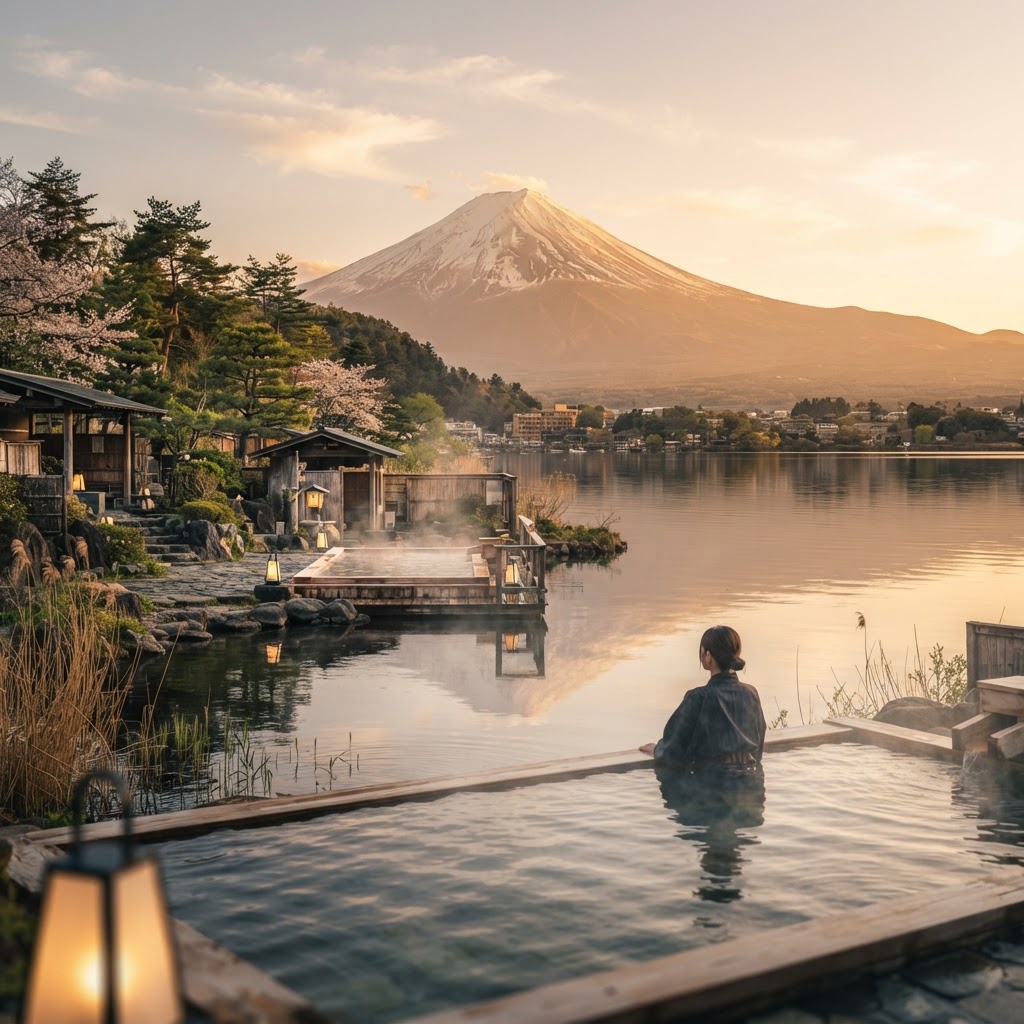
Unrivaled front-row views of Mount Fuji, lakeside onsens, and open mountain air.
Yakushima, Japan
Japan
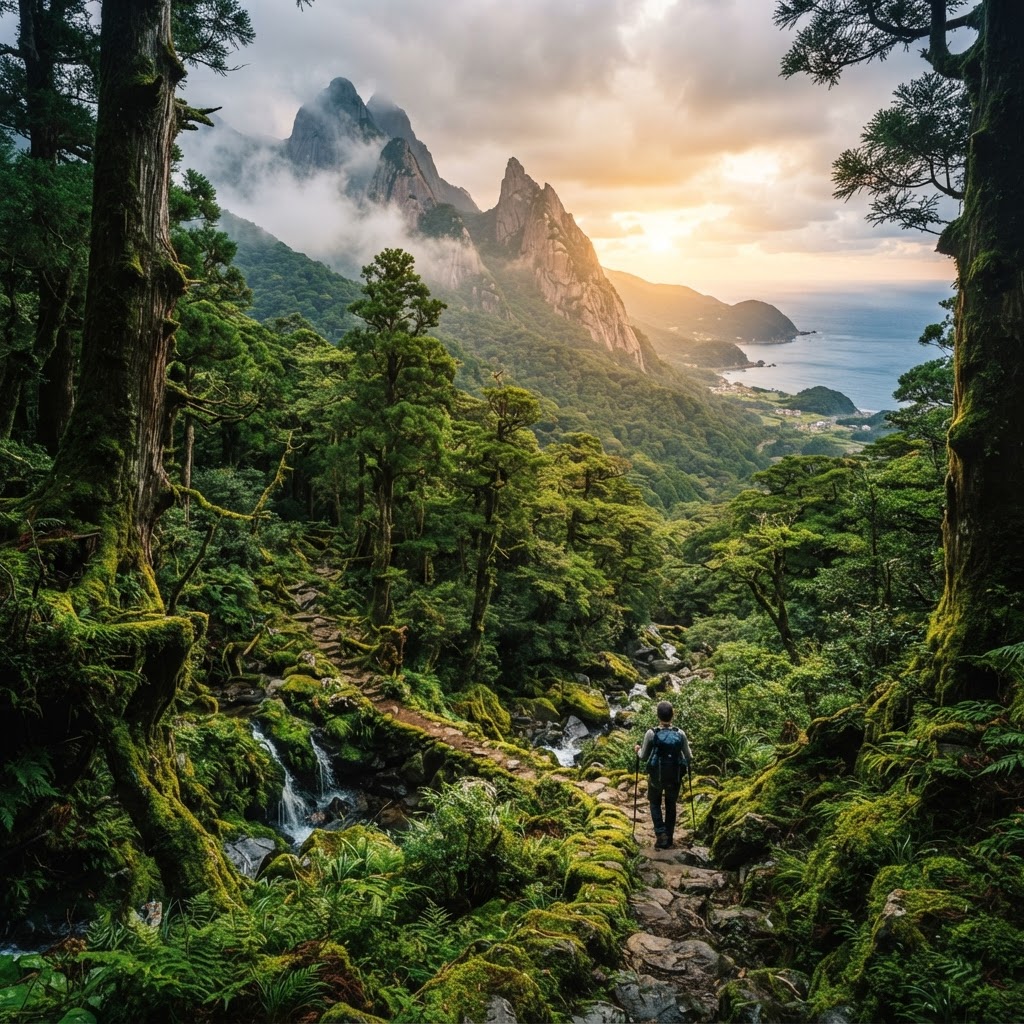
Ancient moss-draped cedar forests and misty granite peaks rising abruptly from the Pacific.
Shirakawa-go, Gifu, Japan
Japan
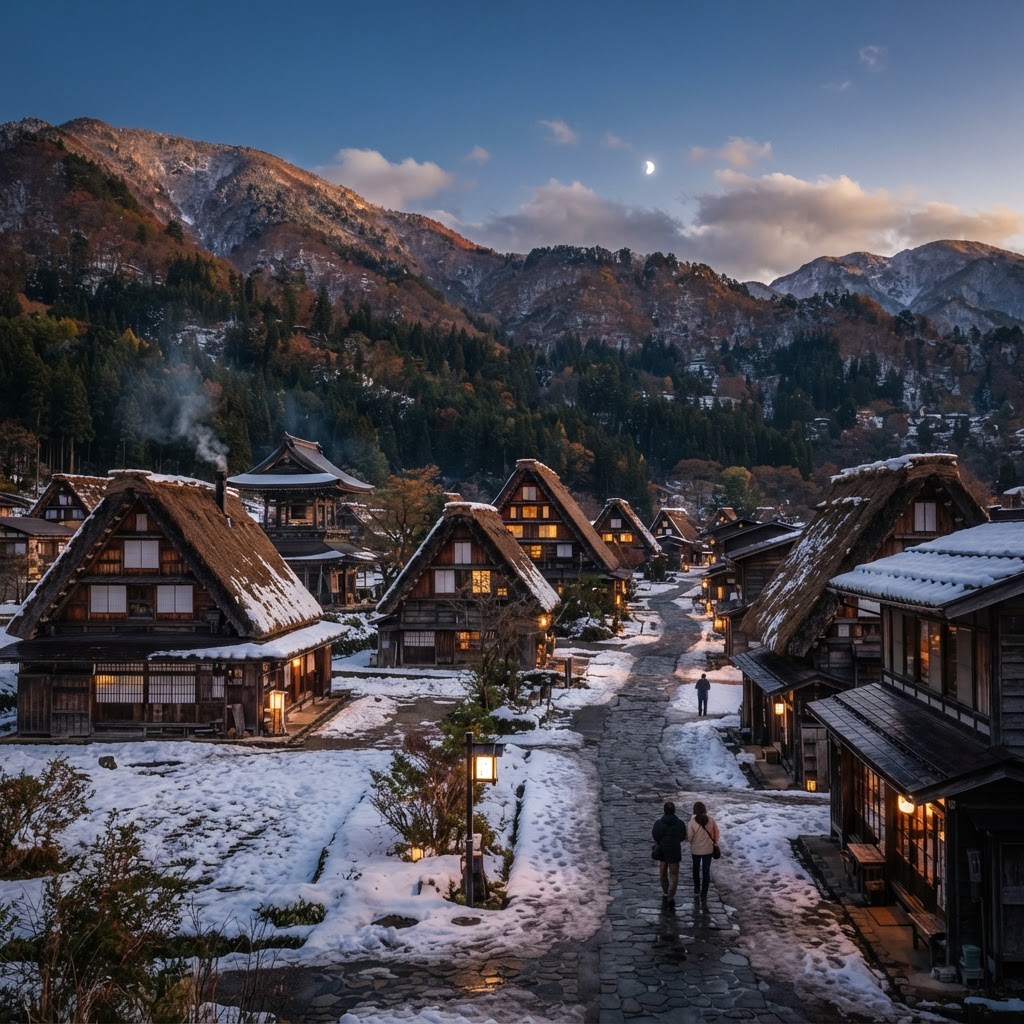
A living mountain settlement of steep-pitched thatch, silence at dusk, and alpine timbercraft.
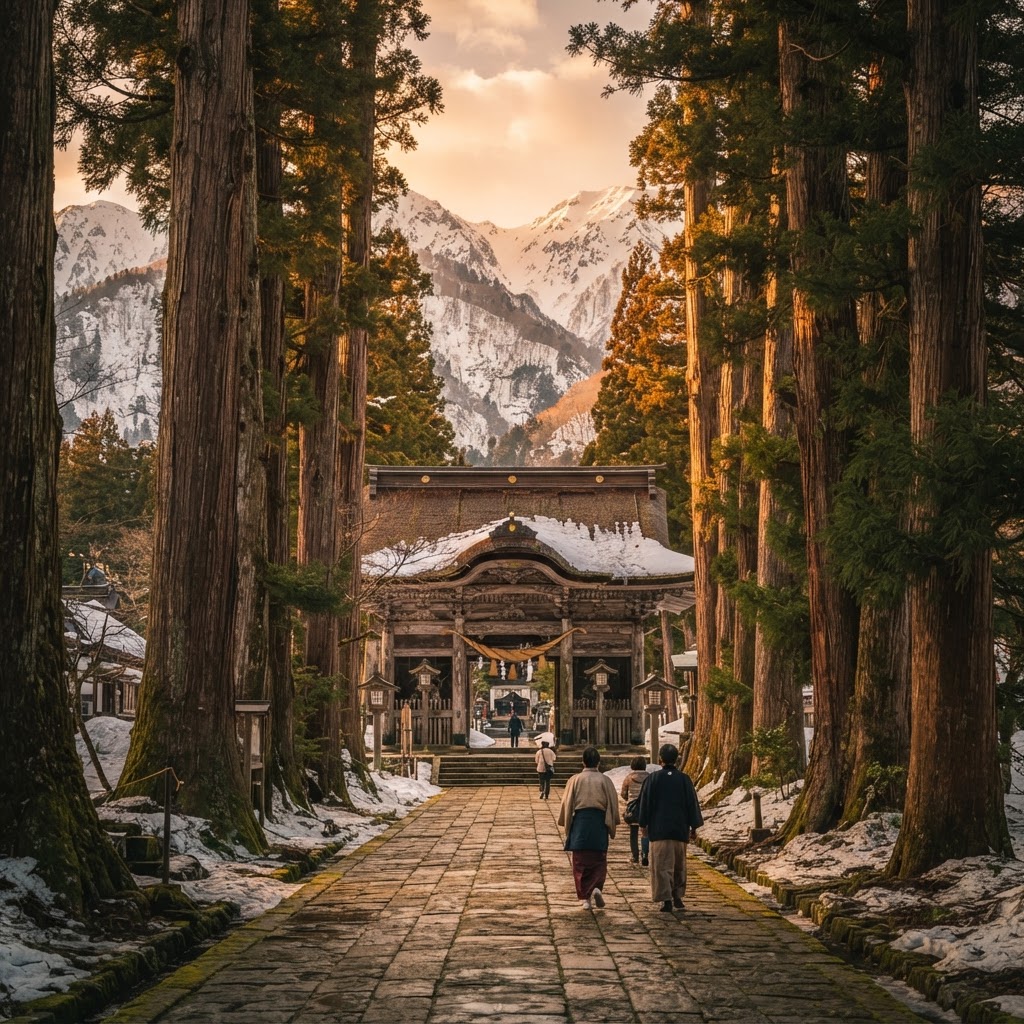
Nagano, Japan
Japan
Pilgrim temples, cedar-lined alpine shrines, and the gateway to Japan's northern powder peaks.
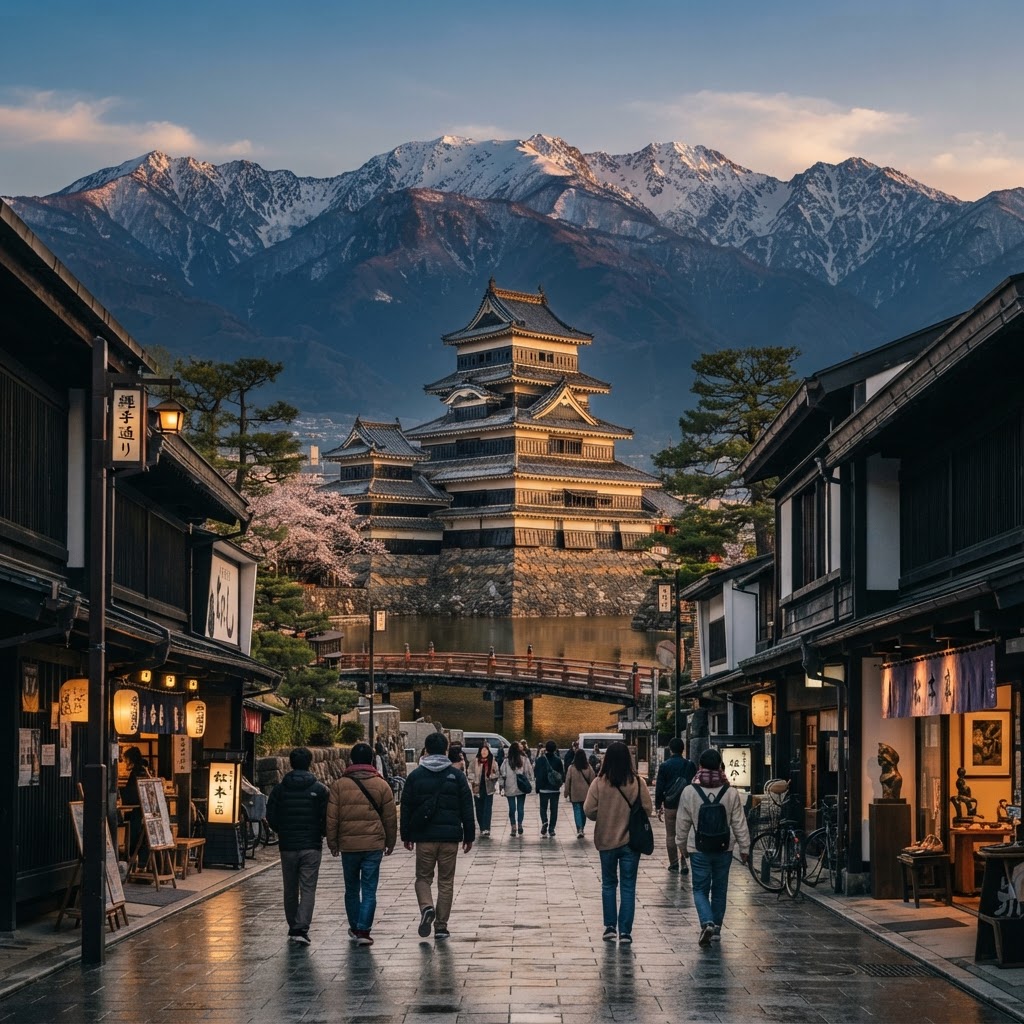
Matsumoto
Japan
Feudal black timber architecture framed by the Northern Alps and alpine art culture
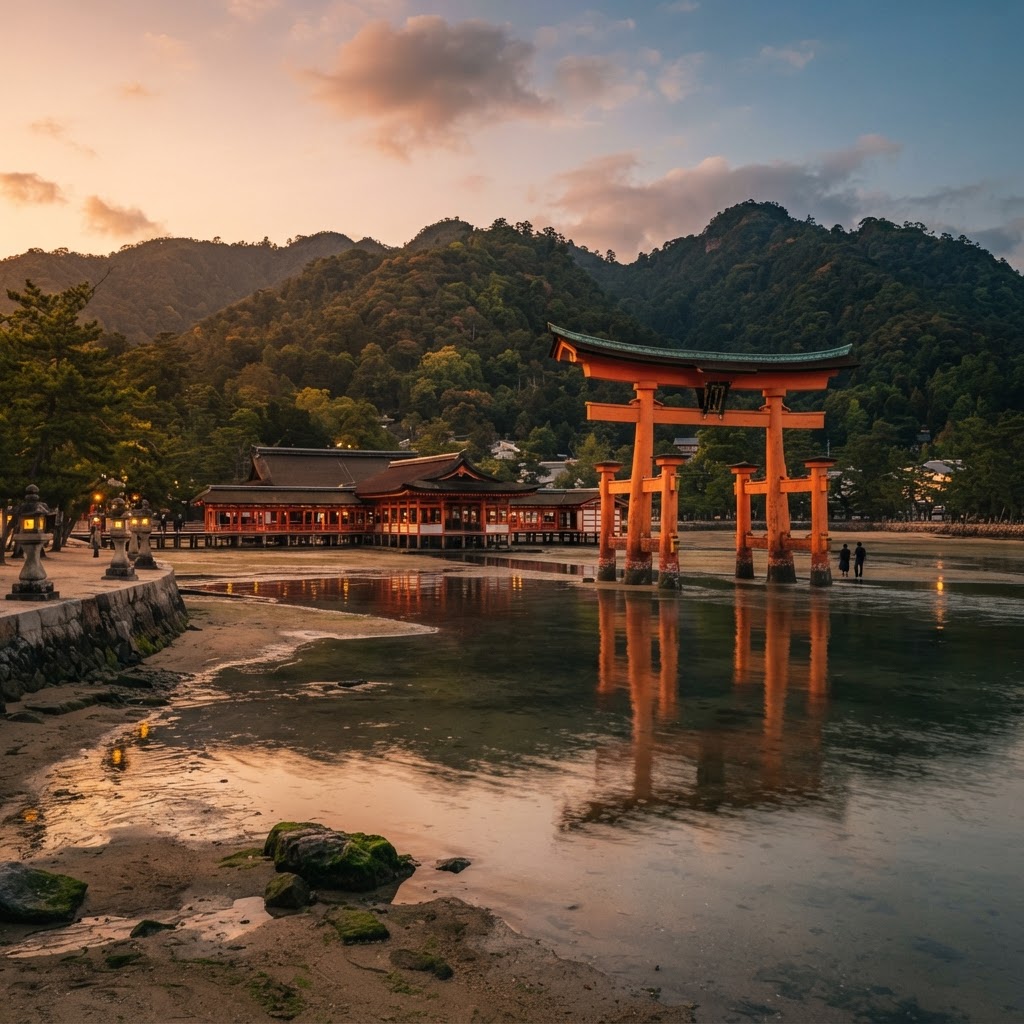
Miyajima (Itsukushima), Japan
Japan
A sacred island of tidal shrines, ancient virgin forest, and silent lantern-lit evenings.
Readymade itineraries
Start from a tested template — then make it yours.
Ready to book
Lock in your Nikko, Tochigi Prefecture, Japan trip
Everything in one place. We may earn a small commission — it never costs you more.
Plan a trip to Nikko, Tochigi Prefecture, Japan
Pick a length and we'll build a day-by-day plan around how you travel — neighborhoods clustered, budget-aware, and editable.
Get better at planning trips like this
Occasional notes on planning smarter — no spam, unsubscribe anytime.
Plan a trip to Nikko, Tochigi Prefecture, Japan
Turn this guide into a day-by-day plan built around your pace, your group, and your budget.
Build my Nikko, Tochigi Prefecture, Japan trip