Japan
Nara, Japan
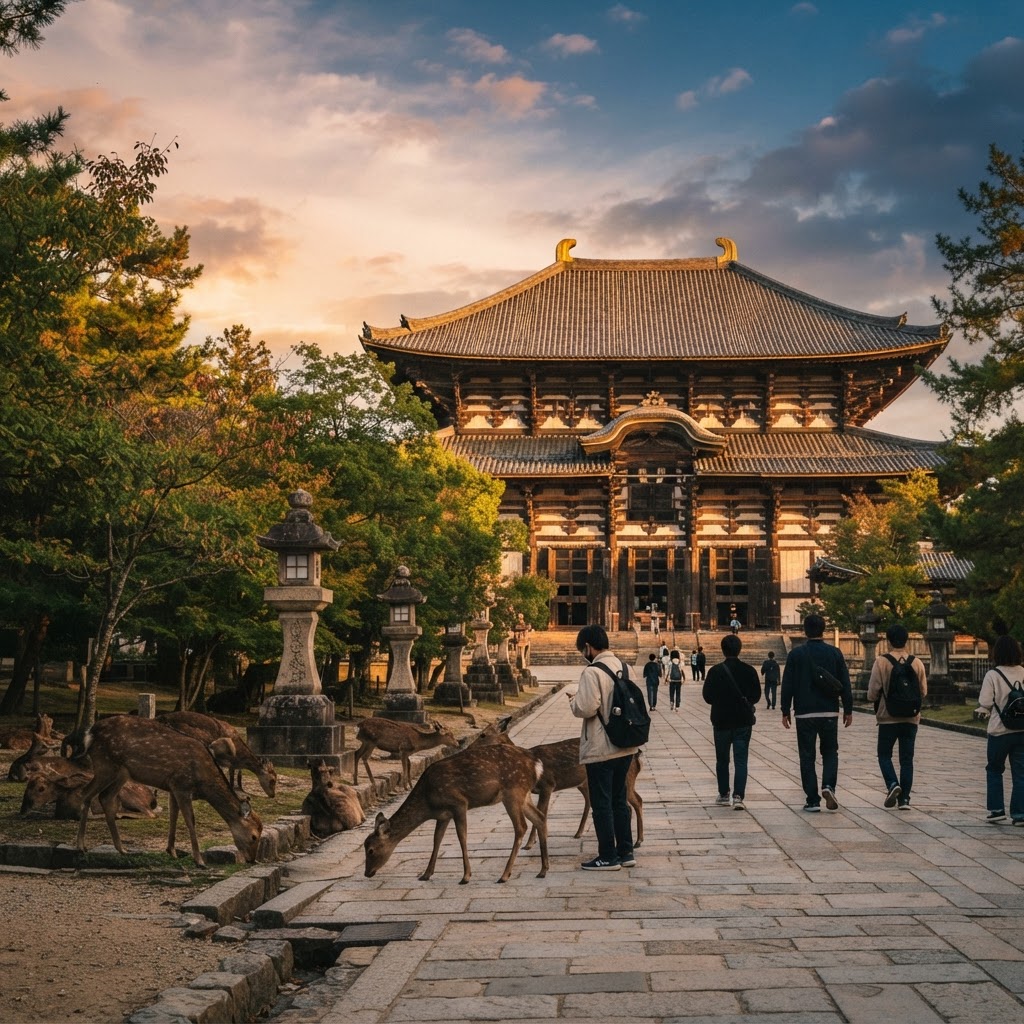
Japan's primordial imperial capital of monumental wooden temples and free-roaming deer.
Plan & book
Sort your Nara, Japan trip in one place.
We point you to the booking tools we'd actually use — live prices, no markup. Or let us build the day-by-day plan around you first, then book.
Established as Heijo-kyo in 710 AD, Nara predates Kyoto as Japan's first permanent imperial capital. While ninety percent of visitors treat it solely as an afternoon side excursion from Osaka or Kyoto to feed sika deer, those who stay overnight uncover grand 8th-century timber architecture, deeply quiet temple precincts, and preserved Edo-period merchant quarters that empty out completely after 17:00.
1.5 to 2 days (1 overnight stay)
Best time
Mid-October through November for vivid maple foliage and comfortable temple walking temperatures.
Build your own trip with these prebuilt itineraries
Each one is a tested, day-by-day plan for Nara, Japan — start here, then make it yours.
3 Days in Nara: Deep Heritage & Sacred Hills in Nara
An extended cultural and walking exploration pairing classic temples with Mount Wakakusa, sacred forest trails, and traditional craft workshops
2 Days in Nara: Ancient Capitals & Quiet Temples in Nara
An overnight slow-travel immersion exploring dawn in Nara Park and venture out to the 8th-century masterworks of Nishinokyo
1 Day in Nara: Classic Highlights & Deer Park in Nara
First-timer day trip focusing on the essential walk from Todai-ji to Kasuga Taisha and the historic Naramachi merchant quarter
Nara holds an architectural scale and antiquity that even Kyoto cannot match. Todai-ji is one of the world's largest wooden buildings, housing the 15-meter bronze Daibutsu (Great Buddha). Beyond the central park, ancient cedar groves lead to mossy stone lanterns at Kasuga Taisha, and nearby Nishinokyo features Toshodai-ji and Yakushi-ji, offering profound, unhurried cultural immersion without Kyoto's overwhelming tour bus congestion.
Where to stay
Getting there
Getting around
Food & drink
What it costs
Things to do
Book tours & tickets in Nara, JapanSkip it if
Skip Nara if your trip is under 7 days total in Japan; Kyoto already covers essential temple architecture on a rushed timeline. Also skip staying overnight if you require vibrant late-night dining, shopping, and nightlife, as evenings here are exceptionally quiet.
When to go
Autumn provides clear Kansai skies and manageable humidity for long outdoor foot routes, though late November draws heavy domestic crowds to Nara Park. Late spring offers an excellent secondary window before summer heat sets in.
Peak (late March–mid-April & late October–November)
Cherry blossoms transform Nara Park and Mount Yoshino; autumn turns temple precincts amber. Book accommodation months ahead and start sight visits before 08:30.
Shoulder (May & September–early October)
May brings lush green maple canopies and comfortable weather without the acute cherry blossom tour crush; early autumn sees mild days and uncrowded temple halls.
Low (July–August & January–February)
Summer is oppressively hot and humid with unshaded walks across wide gravel courtyards. Winter is cold and crisp but offers whisper-quiet temples and bottom-tier hotel rates.
Neighborhoods
Where you stay shapes the trip. Here's how to think about it.
Naramachi
Preserved Edo-period merchant grid with low wooden machiya, craft breweries, and courtyard cafes.
Best for:First-timers, heritage architecture fans, and evening wanderers
Don't miss:Naramachi Koshi-no-Ie, a reconstructed lattice merchant house showing authentic Edo-era domestic layouts and micro-gardens.
Nara Park & Kasugano
Sprawling temple grounds framed by primeval cedar forests, lantern-lined gravel paths, and roaming sika deer.
Best for:Early risers, photographers, and families
Don't miss:Nigatsu-do hall balcony at dusk for panoramic views over the Nara basin after tour crowds disperse.
Kintetsu-Nara Station Hub
Compact urban core with covered shopping arcades, casual izakayas, and immediate transit access.
Best for:Transit convenience and quick logistics between Kyoto or Osaka
Don't miss:Nakatanidou to watch the high-speed traditional mochi pounding demonstration on Sanjo-dori.
Nishinokyo
Tranquil rural suburb holding monumental 8th-century temple compounds surrounded by flat farm plots.
Best for:Deep history buffs and architecture purists wanting to escape all tour bus traffic
Don't miss:Yakushi-ji’s original 8th-century East Pagoda and Toshodai-ji's austere golden hall.
Destination intelligence
Updated 9/14/2026The structured record we plan every Nara, Japan itinerary from.
Walkability
High. The primary historical core spanning Nara Park, Todai-ji, Kasuga Taisha, and Naramachi is entirely pedestrian-friendly, though comfortable walking shoes are required for long gravel trails.
Transit quality
High. Direct, frequent private (Kintetsu) and JR train connections run directly to Kyoto and Osaka every 10–15 minutes. City transit is supported by an efficient local bus network.
Car needed
No. Driving in central Nara is counterproductive due to narrow historic roads, pedestrian congestion around the park, and expensive parking garages.
Ideal duration
1.5 to 2 days (1 overnight stay)
Minimum useful
6 hours (day trip)
Peak season
Spring cherry blossom season (late March to mid-April) and autumn foliage (late October through November). Expect heavy day-tour crowds around Todai-ji.
Shoulder season
May (fresh greenery) and September to early October (mild weather, fewer tour buses).
Low season
Mid-summer (July–August) due to punishing Kansai heat and humidity, and mid-winter (January–February), which offers crisp weather and thin crowds.
Best for
Common mistakes
- Visiting only on a packed 4-hour day trip and leaving right as the crowds depart and the park becomes peaceful.
- Assuming JR Nara and Kintetsu-Nara stations are identical; arriving at JR adds an unnecessary 15-minute uphill walk to the park entrance.
- Teasing or holding deer crackers (shika senbei) out of reach, which leads agitated deer to nip clothing or head-butt.
- Focusing exclusively on Nara Park and missing the preserved machiya alleys of Naramachi or the 8th-century masterworks in Nishinokyo.
- Expecting late-night dining or bar-hopping; Nara shuts down early, with most shops and independent restaurants closing by 19:30.
Best nearby
See what a trip to Japan actually costs. Travel Budget Co.
How to plan it
- Arrive at Todai-ji’s Daibutsuden right at opening (07:30 or 08:00 depending on season) to stand before the Great Buddha in near silence before tour buses arrive.
- Choose Kintetsu line trains over JR if you want to step off the platform only a 5-minute walk from Nara Park.
- Dedicate late afternoon to walking east from Kasuga Taisha up to Nigatsu-do hall to catch sunset over the rooftop sea of Nara.
- Pair central Nara with a half-day detour out to Nishinokyo via the Kintetsu Kashihara Line to see Toshodai-ji and Yakushi-ji without tour bus groups.
- Reserve dinner in advance if staying overnight; unlike Osaka, Naramachi and downtown Nara dining rooms often shutter by 20:00 or require reservations.
Questions
More in Japan
Kawaguchiko & Fuji Five Lakes
Japan
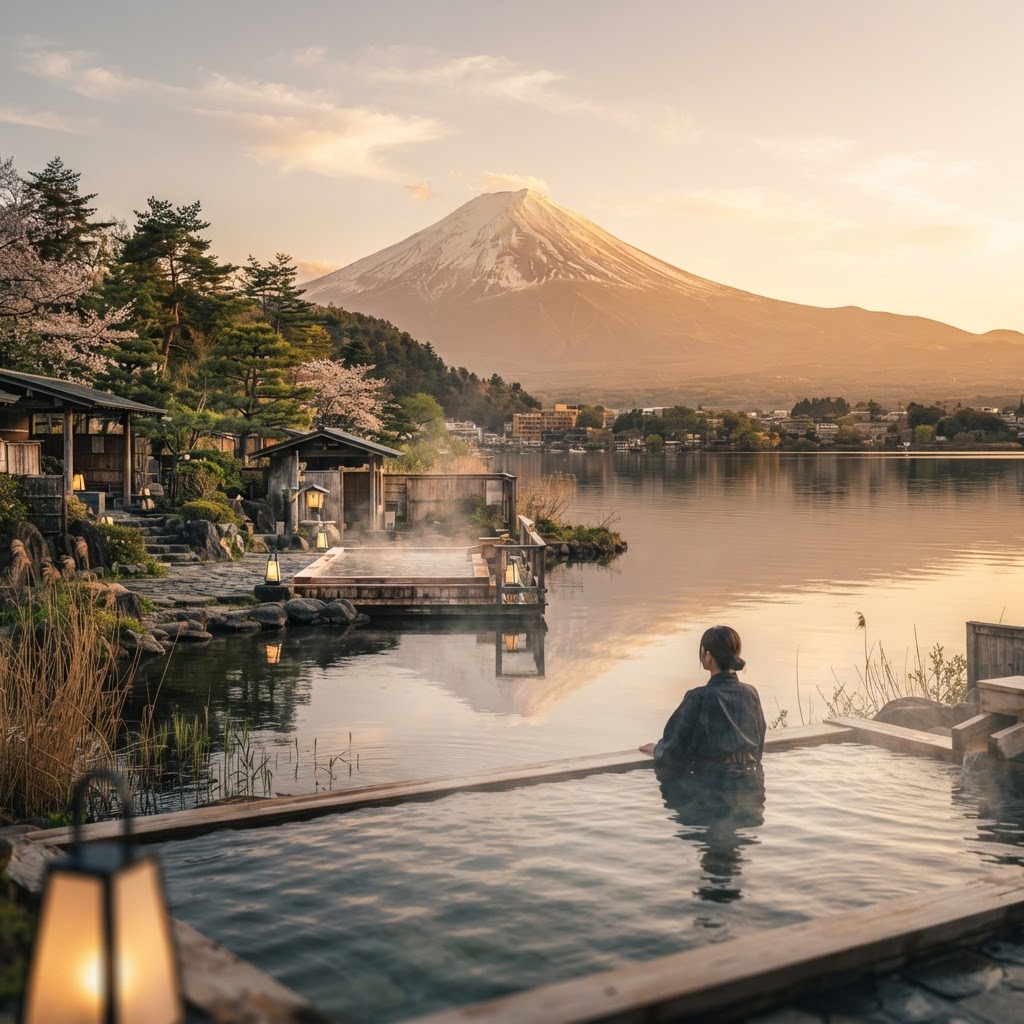
Unrivaled front-row views of Mount Fuji, lakeside onsens, and open mountain air.
Yakushima, Japan
Japan
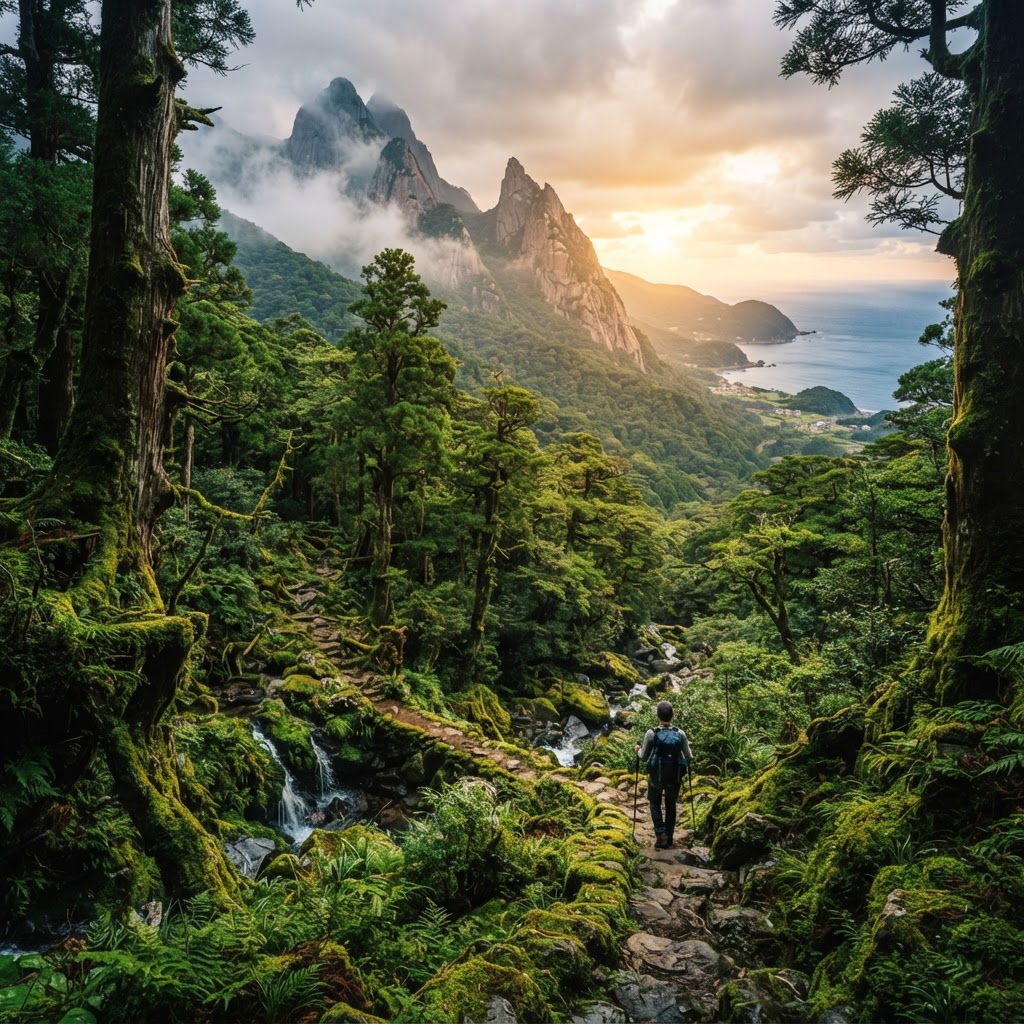
Ancient moss-draped cedar forests and misty granite peaks rising abruptly from the Pacific.
Shirakawa-go, Gifu, Japan
Japan
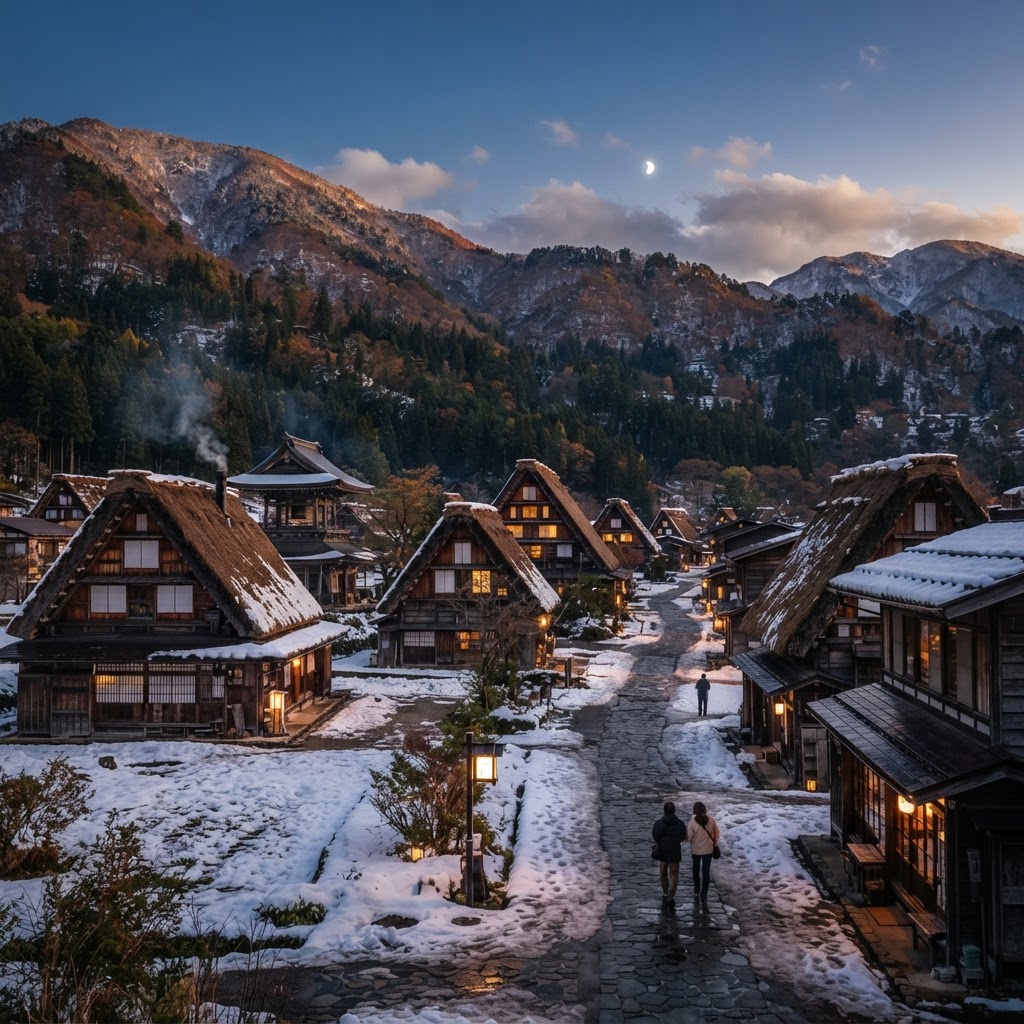
A living mountain settlement of steep-pitched thatch, silence at dusk, and alpine timbercraft.
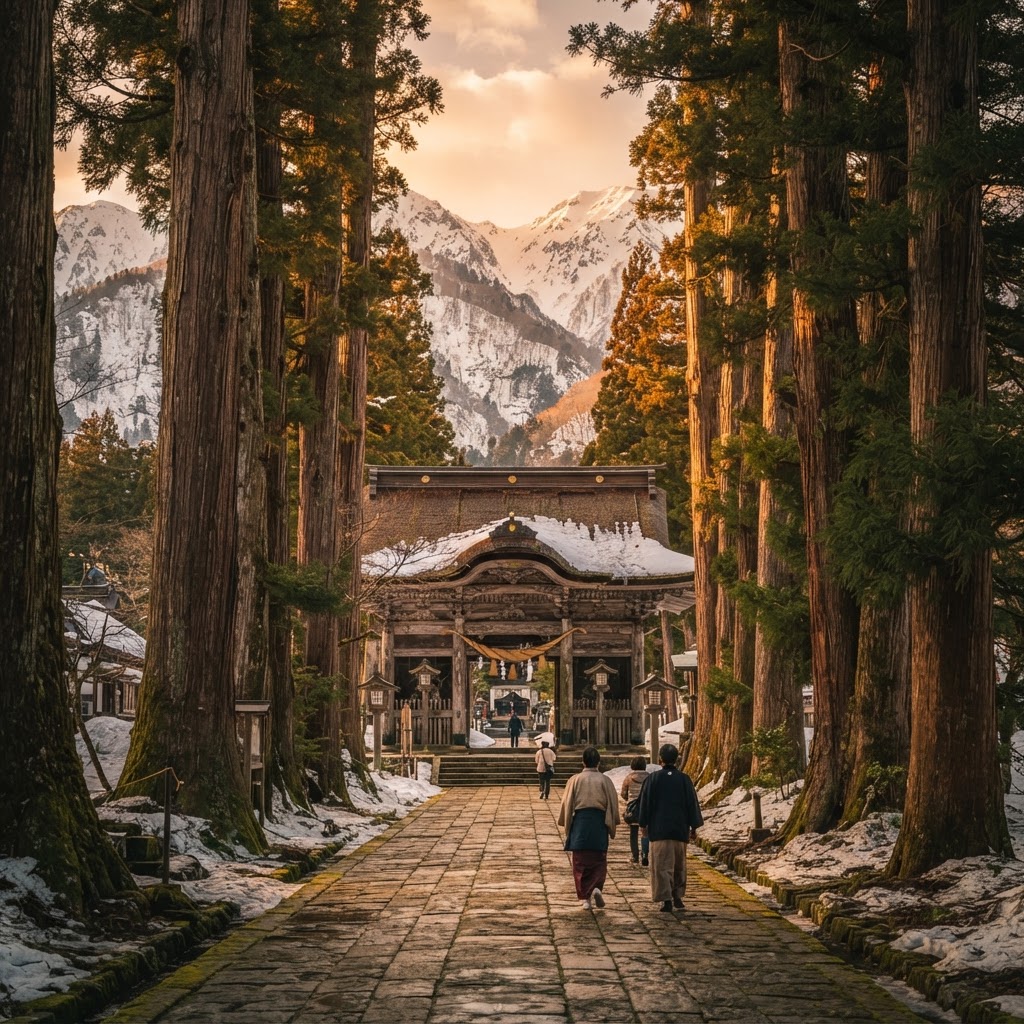
Nagano, Japan
Japan
Pilgrim temples, cedar-lined alpine shrines, and the gateway to Japan's northern powder peaks.
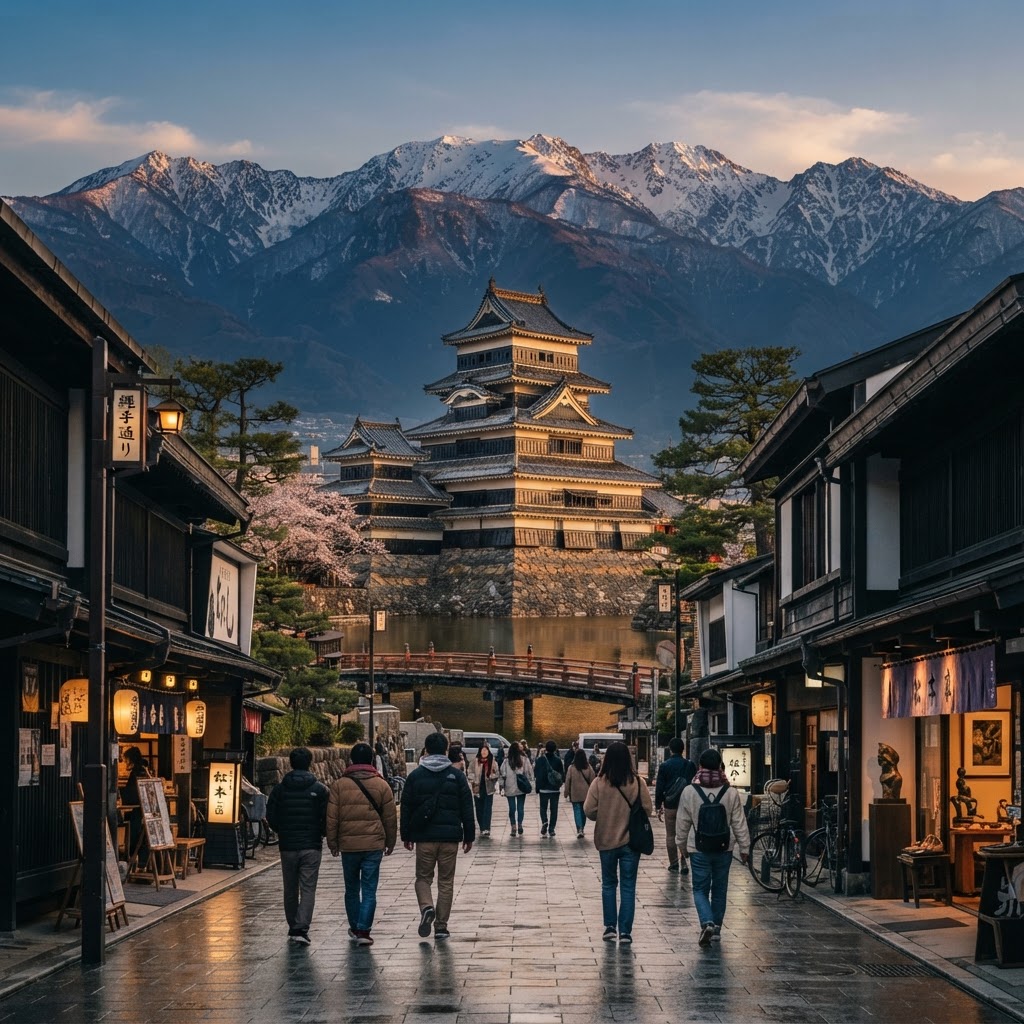
Matsumoto
Japan
Feudal black timber architecture framed by the Northern Alps and alpine art culture
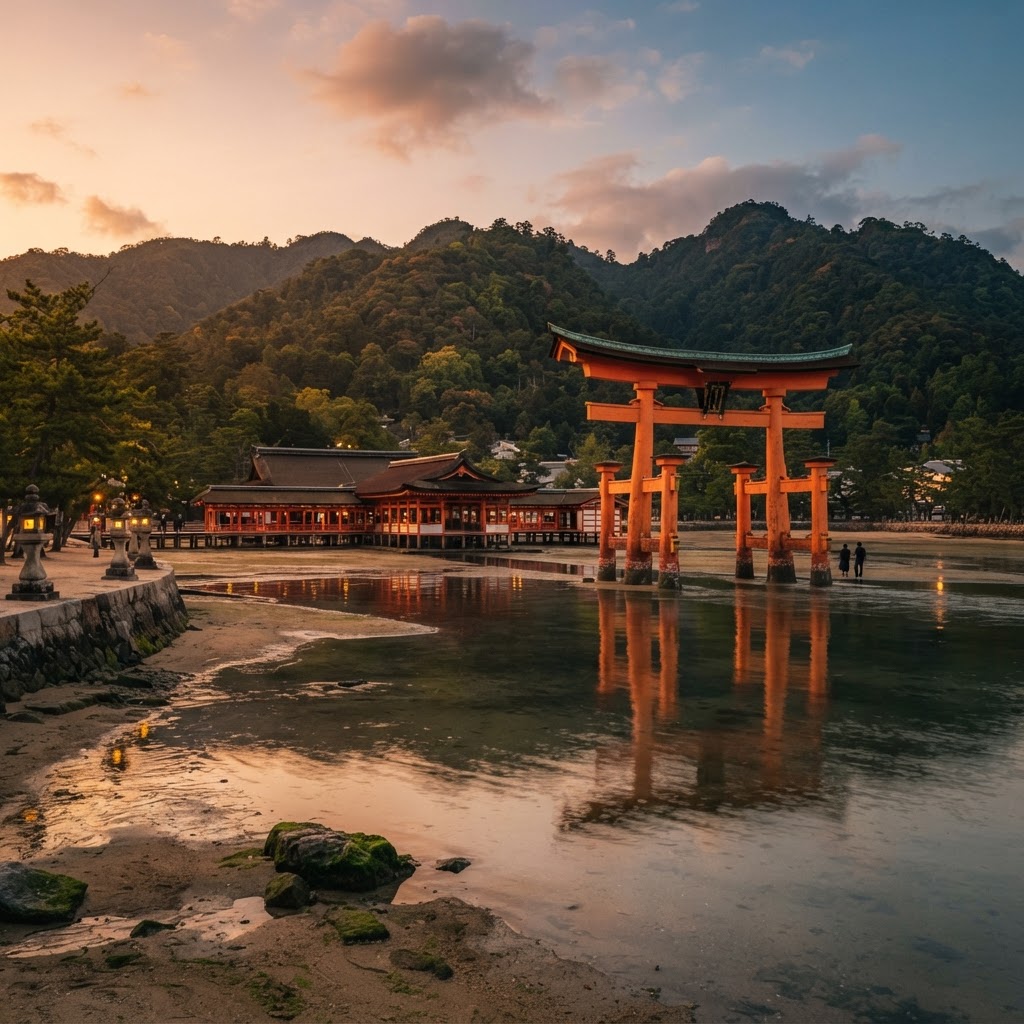
Miyajima (Itsukushima), Japan
Japan
A sacred island of tidal shrines, ancient virgin forest, and silent lantern-lit evenings.
Readymade itineraries
Start from a tested template — then make it yours.
Ready to book
Lock in your Nara, Japan trip
Everything in one place. We may earn a small commission — it never costs you more.
Plan a trip to Nara, Japan
Pick a length and we'll build a day-by-day plan around how you travel — neighborhoods clustered, budget-aware, and editable.
Get better at planning trips like this
Occasional notes on planning smarter — no spam, unsubscribe anytime.
Plan a trip to Nara, Japan
Turn this guide into a day-by-day plan built around your pace, your group, and your budget.
Build my Nara, Japan trip