Japan
Naoshima, Kagawa
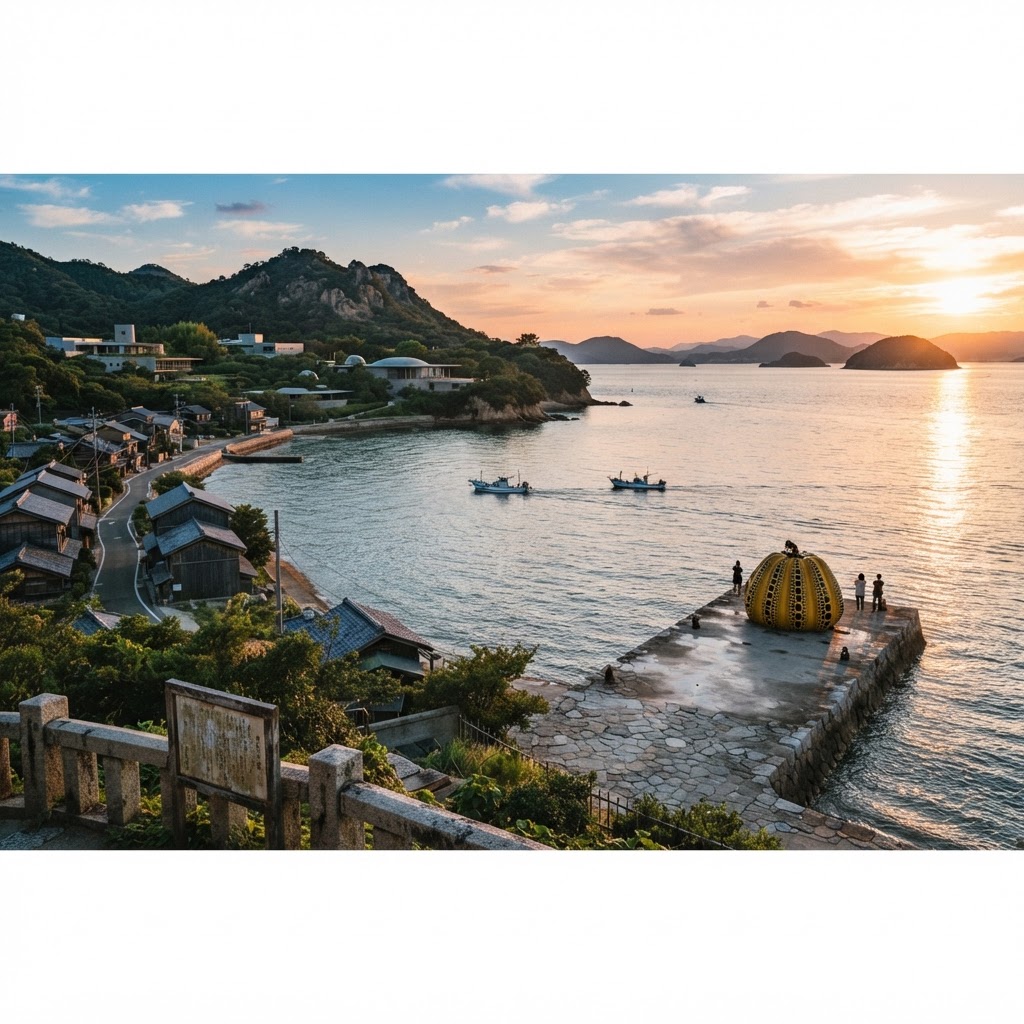
A contemplative Seto Inland Sea island transformed into a world capital of site-specific architecture and contemporary art.
Plan & book
Sort your Naoshima, Kagawa trip in one place.
We point you to the booking tools we'd actually use — live prices, no markup. Or let us build the day-by-day plan around you first, then book.
Naoshima is an island in Japan's Seto Inland Sea that reinvented itself from an industrial backwater into an open-air dialogue between brutalist architecture and cutting-edge contemporary art. Spearheaded by the Benesse Corporation and master architect Tadao Ando, the island embeds subterranean galleries into terraced hillsides and scatters outdoor sculptures along fishing coastlines. It demands deliberate pacing: transit runs on ferry bells and electric bike battery meters, galleries require strict advance reservations, and the art experience changes drastically with natural sea light.
2 days (1 night)
Best time
Mid-October through November, or April through May
Build your own trip with these prebuilt itineraries
Each one is a tested, day-by-day plan for Naoshima, Kagawa — start here, then make it yours.
3 Days in Naoshima & Beyond in Naoshima
Slow-paced Seto Inland Sea retreat combining village art houses with a Teshima day trip
2 Days in Naoshima in Naoshima
The quintessential immersive art and architecture journey with an overnight stay
1 Day in Naoshima in Naoshima
Whirlwind art highlights by e-bike covering Chichu, Benesse, and the iconic pumpkins
To experience site-specific contemporary art and architecture integrated seamlessly into nature. Watching Claude Monet’s Water Lilies illuminated exclusively by natural sky light in Tadao Ando's subterranean Chichu Art Museum, cycling past Yayoi Kusama installations on fishing piers, and exploring the Art House Project in preserved wooden hamlets offers an artistic experience impossible in a traditional white-cube gallery.
Where to stay
Getting there
Getting around
Food & drink
What it costs
Things to do
Book tours & tickets in Naoshima, KagawaSkip it if
Skip it if your party dislikes contemporary and conceptual art, if traveling with toddlers who struggle with quiet, shoes-off gallery rules, or if your itinerary is packed with high-speed urban transit across Tokyo and Kyoto where an extra ferry journey becomes an exhausting detour.
When to go
These shoulder months provide crisp coastal visibility and mild temperatures ideal for pedaling e-bikes over hilly coastal roads. Summer brings punishing humidity and glaring sun, while winter brings biting coastal winds and truncated ferry or gallery schedules.
Peak (Apr–May & Oct–Nov)
Clear skies and comfortable cycling temperatures; requires booking Chichu tickets and Benesse House lodging months in advance, especially during Setouchi Triennale years.
Shoulder (Late Jun & Sep)
Fewer visitors at major installations, but expect humid days, occasional typhoons in September, and early-summer rain showers.
Low (Dec–Feb & Aug)
August brings oppressive heat that makes uphill cycling exhausting. Winter brings chilling winds and short daylight hours, though galleries are blissfully empty.
Neighborhoods
Where you stay shapes the trip. Here's how to think about it.
Miyanoura
Bustling transit port dotted with casual noodle diners, e-bike depots, and quirky public art
Best for:First-timers, day-trippers, and ferry logistics
Don't miss:Soaking in Shinro Ohtake's functioning art installation bathhouse, Naoshima Bath 'I Love Yu'
Honmura
Quiet historic fishing hamlet of preserved timber machiya housing discreet contemporary galleries
Best for:Architectural wanderers, culture lovers, and slower-paced lunch stops
Don't miss:Timed entry into Tadao Ando and James Turrell's sensory deprivation installation at Minamidera
Benesse House Area (Gotanji & Coastal South)
Pristine coastal art enclave carved directly into forested sea cliffs and private beaches
Best for:Design purists, high-end retreats, and serene museum access
Don't miss:Catching afternoon sea light over Tadao Ando's subterranean galleries inside Chichu Art Museum
Tsumuura
Sleepy working fishing village untouched by crowds, anchored by modest family-run minshuku
Best for:Budget travelers seeking authentic local island life away from tour groups
Don't miss:Early morning views across the fishing harbor towards the mainland from the quiet coastal path
Destination intelligence
Updated 9/14/2026The structured record we plan every Naoshima, Kagawa itinerary from.
Walkability
Moderate within individual hamlets like Honmura and Miyanoura; poor between distinct island sectors due to distance and hilly topography.
Transit quality
Moderate. Ferry links to the mainland are punctual and frequent; island town buses run reliably every 15-30 minutes but have limited passenger capacity.
Car needed
No. A private car is an active disadvantage on Naoshima's tight village lanes; electric bicycles and island shuttles are far more effective.
Ideal duration
2 days (1 night)
Minimum useful
1 full day (day trip from Takamatsu or Uno Port)
Peak season
Spring (April–May) and Autumn (October–November), plus dates coinciding with the triennial Setouchi Triennale festival.
Shoulder season
Late June and September; pleasant weather with manageable museum queues, though early summer brings occasional rain.
Low season
Mid-winter (December–February) with chilly coastal winds and reduced ferry/museum hours, and the sweltering heat of August.
Best for
Common mistakes
- Visiting on a Monday when Chichu Art Museum, Art House Project, and most local cafes are shut.
- Failing to reserve timed-entry tickets for Chichu Art Museum and Minamidera weeks in advance.
- Renting a non-electric standard bicycle; the island's coastal passes feature steep gradients that exhaust unprepared cyclists.
- Assuming dinner will be widely available after 6:00 PM without booking a table in advance.
- Treating Naoshima as a rushed, whirlwind three-hour day trip rather than giving the art time to breathe.
Best nearby
See what a trip to Japan actually costs. Travel Budget Co.
How to plan it
- Reserve Chichu Art Museum online several weeks ahead before confirming your ferry or regional train connections.
- Rent an electric-assist bike directly at Miyanoura Port immediately upon disembarking your ferry; regular pedal bikes turn into frustrating deadweight on southern hill climbs.
- Pair Naoshima with neighboring Teshima Island by dedicating day one to Naoshima's southern art axis and taking a morning ferry to Teshima on day two.
- Do not visit on a Monday; virtually all Benesse Art Site facilities and independent island eateries shutter completely.
- Book dinner reservations prior to arrival if staying overnight; island restaurant kitchens are tiny and typically close walk-in service before 7:00 PM.
Questions
More in Japan
Kawaguchiko & Fuji Five Lakes
Japan
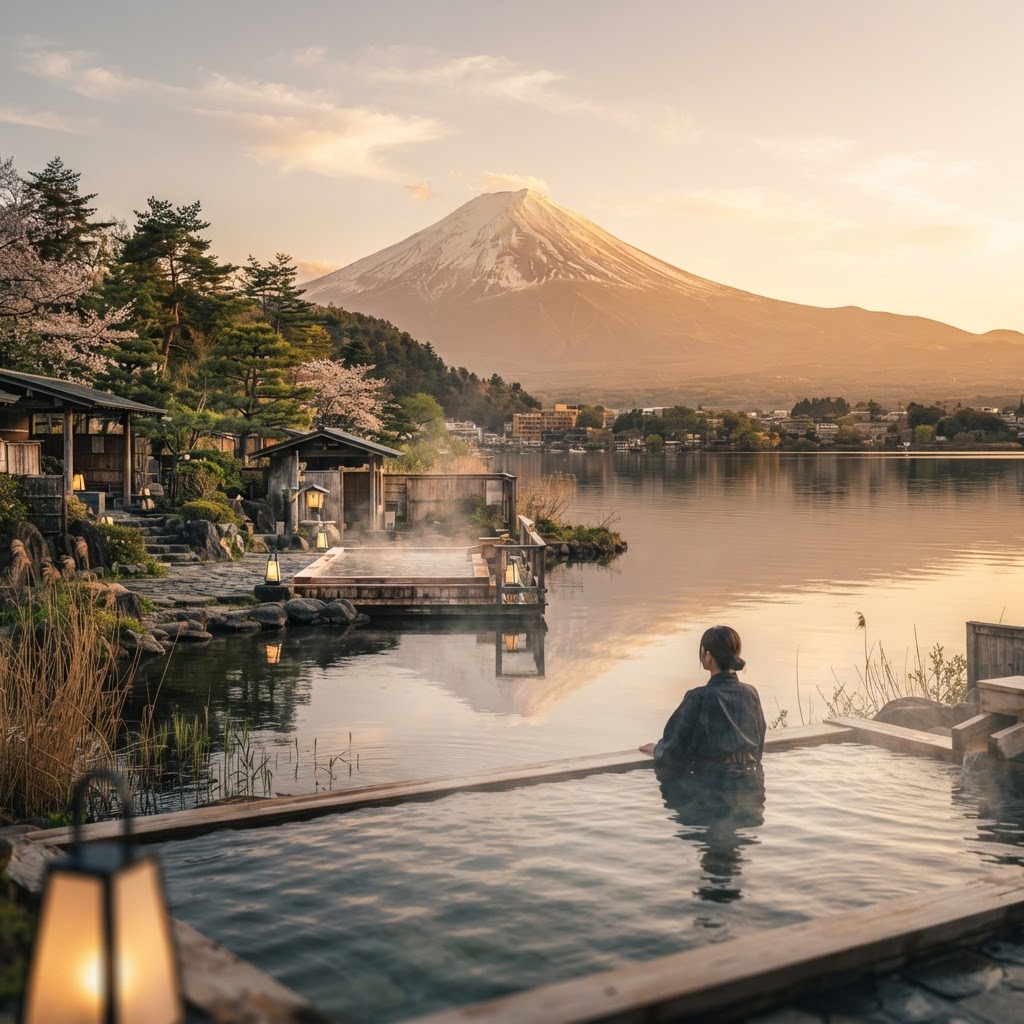
Unrivaled front-row views of Mount Fuji, lakeside onsens, and open mountain air.
Yakushima, Japan
Japan
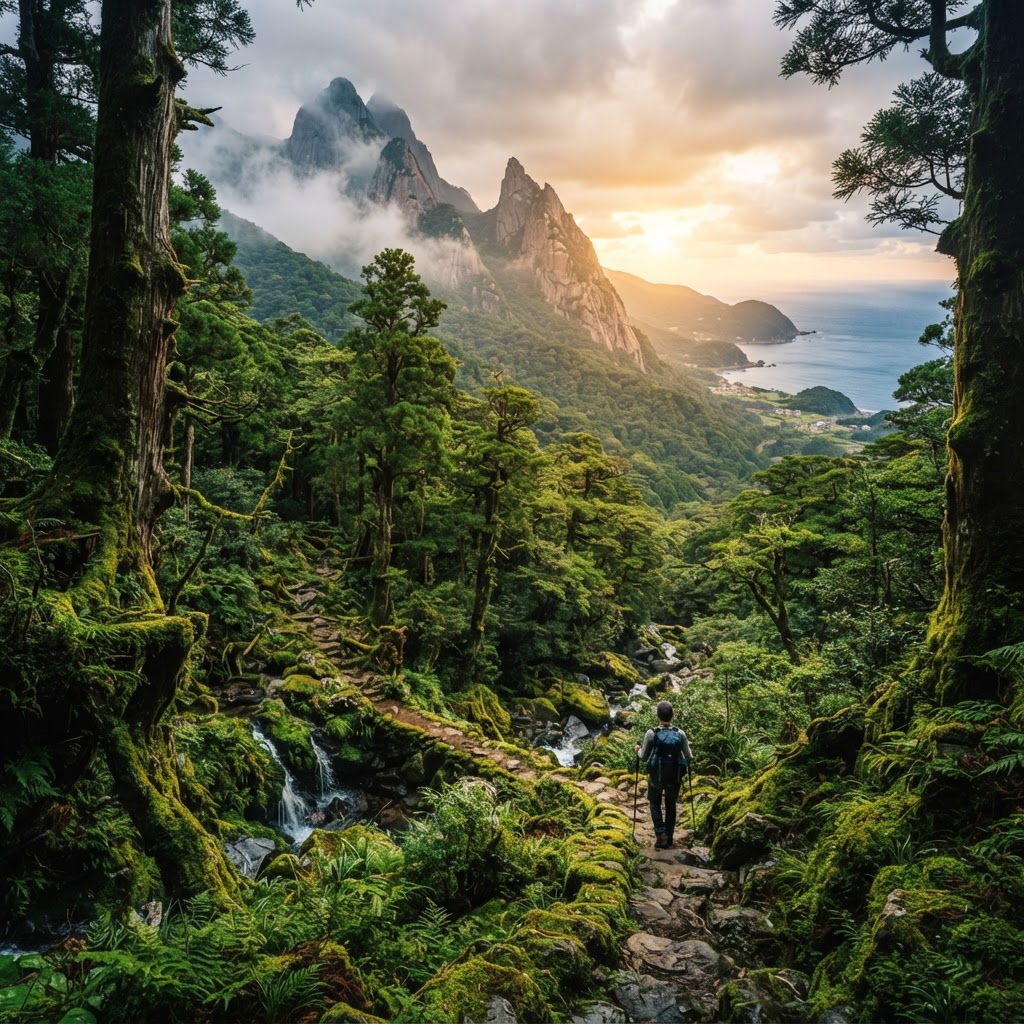
Ancient moss-draped cedar forests and misty granite peaks rising abruptly from the Pacific.
Shirakawa-go, Gifu, Japan
Japan
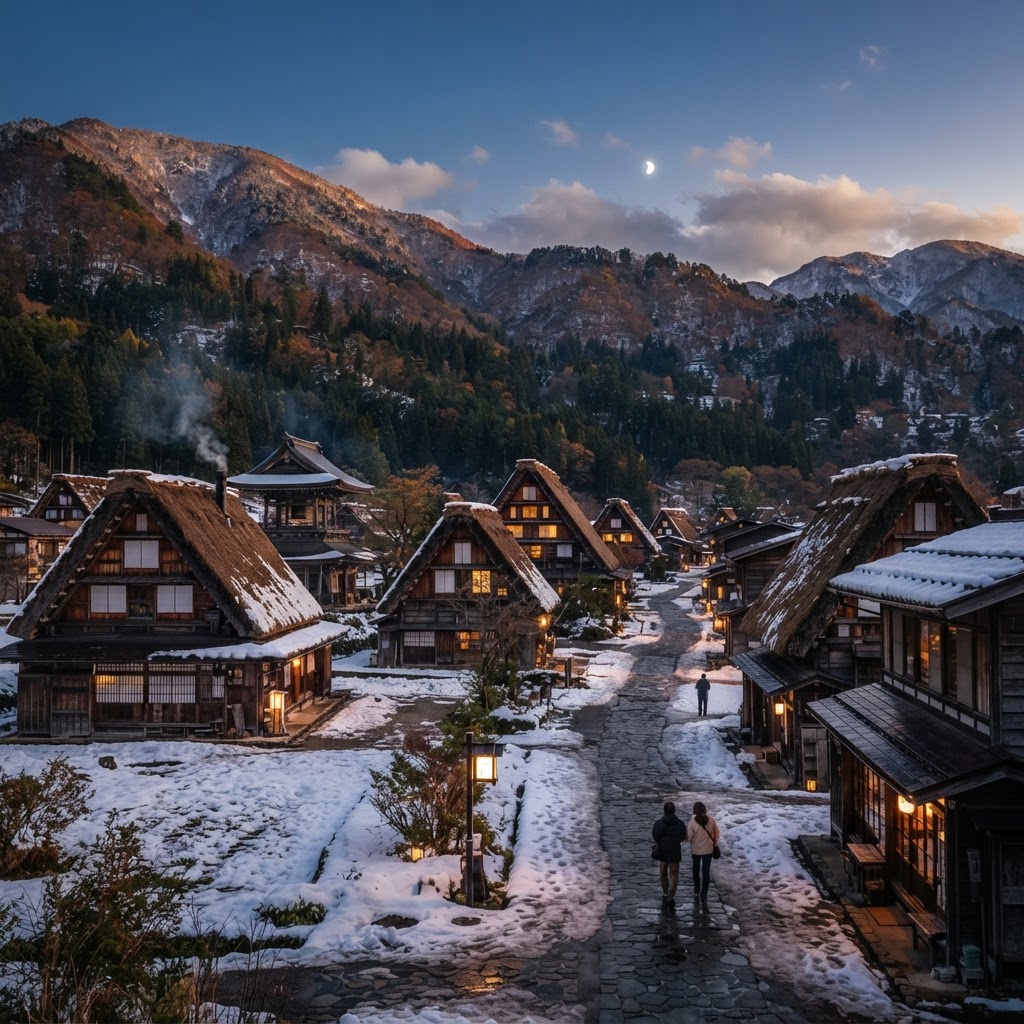
A living mountain settlement of steep-pitched thatch, silence at dusk, and alpine timbercraft.
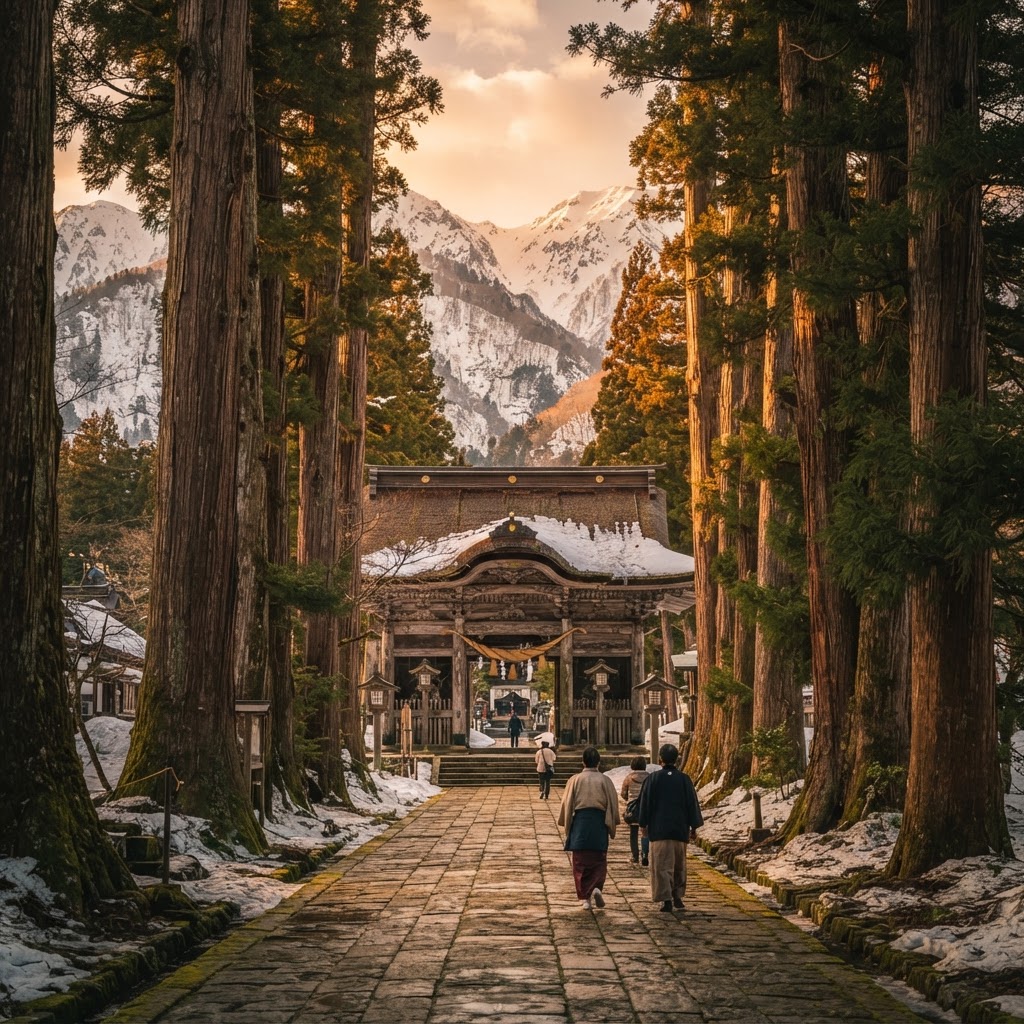
Nagano, Japan
Japan
Pilgrim temples, cedar-lined alpine shrines, and the gateway to Japan's northern powder peaks.
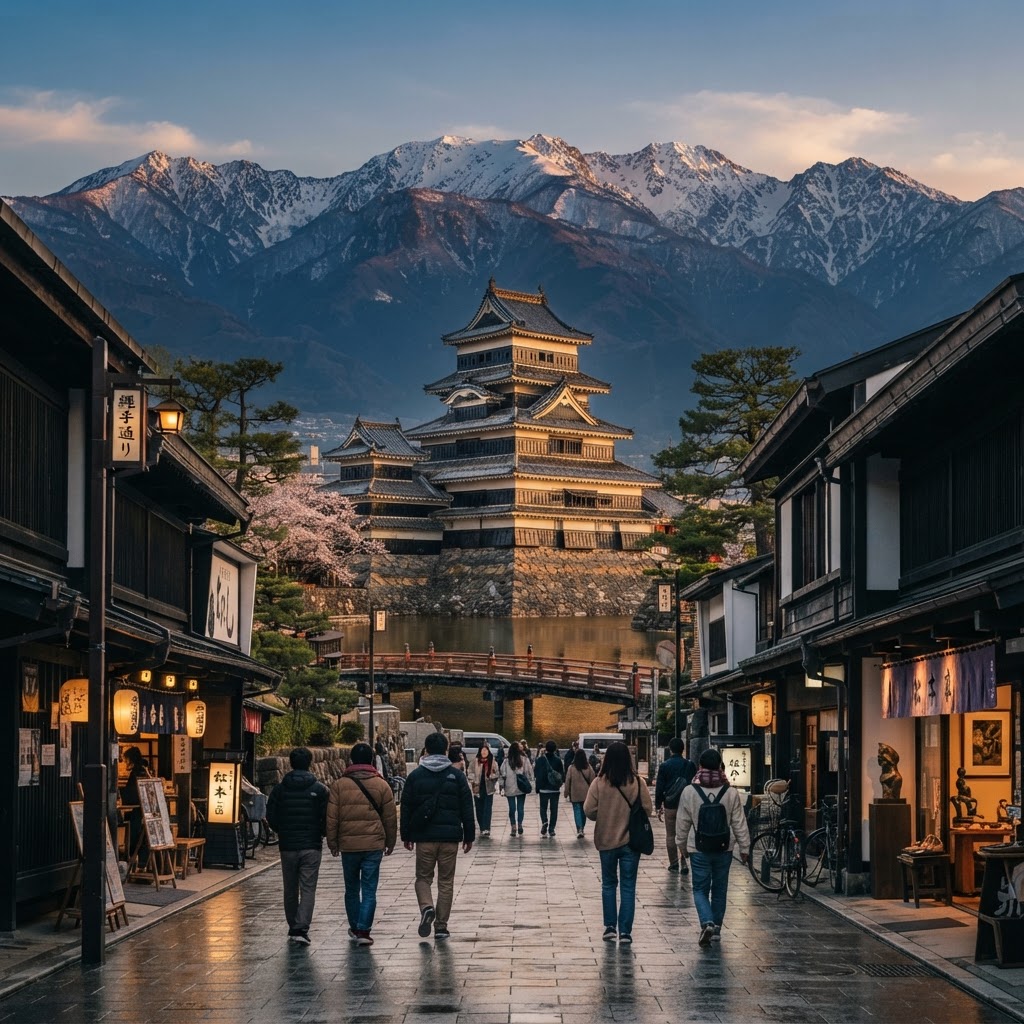
Matsumoto
Japan
Feudal black timber architecture framed by the Northern Alps and alpine art culture
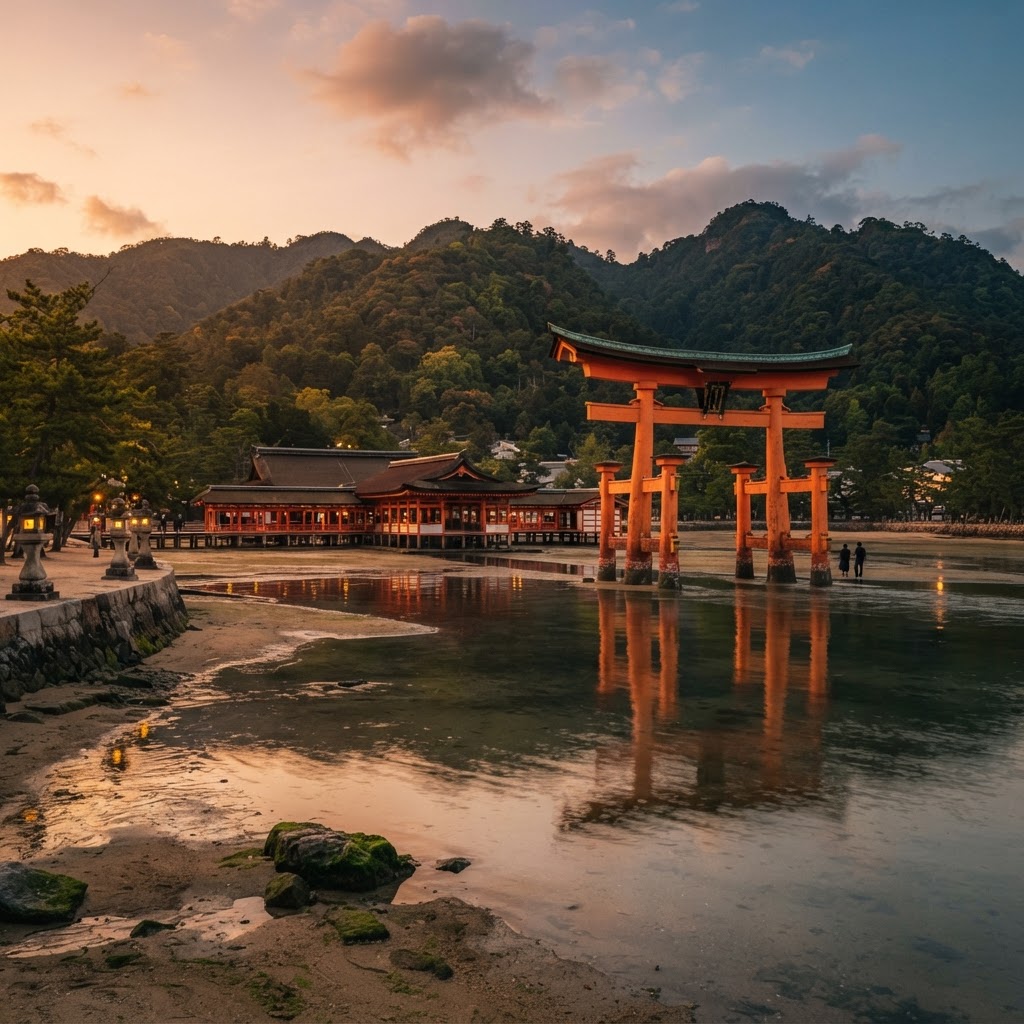
Miyajima (Itsukushima), Japan
Japan
A sacred island of tidal shrines, ancient virgin forest, and silent lantern-lit evenings.
Readymade itineraries
Start from a tested template — then make it yours.
Ready to book
Lock in your Naoshima, Kagawa trip
Everything in one place. We may earn a small commission — it never costs you more.
Plan a trip to Naoshima, Kagawa
Pick a length and we'll build a day-by-day plan around how you travel — neighborhoods clustered, budget-aware, and editable.
Get better at planning trips like this
Occasional notes on planning smarter — no spam, unsubscribe anytime.
Plan a trip to Naoshima, Kagawa
Turn this guide into a day-by-day plan built around your pace, your group, and your budget.
Build my Naoshima, Kagawa trip