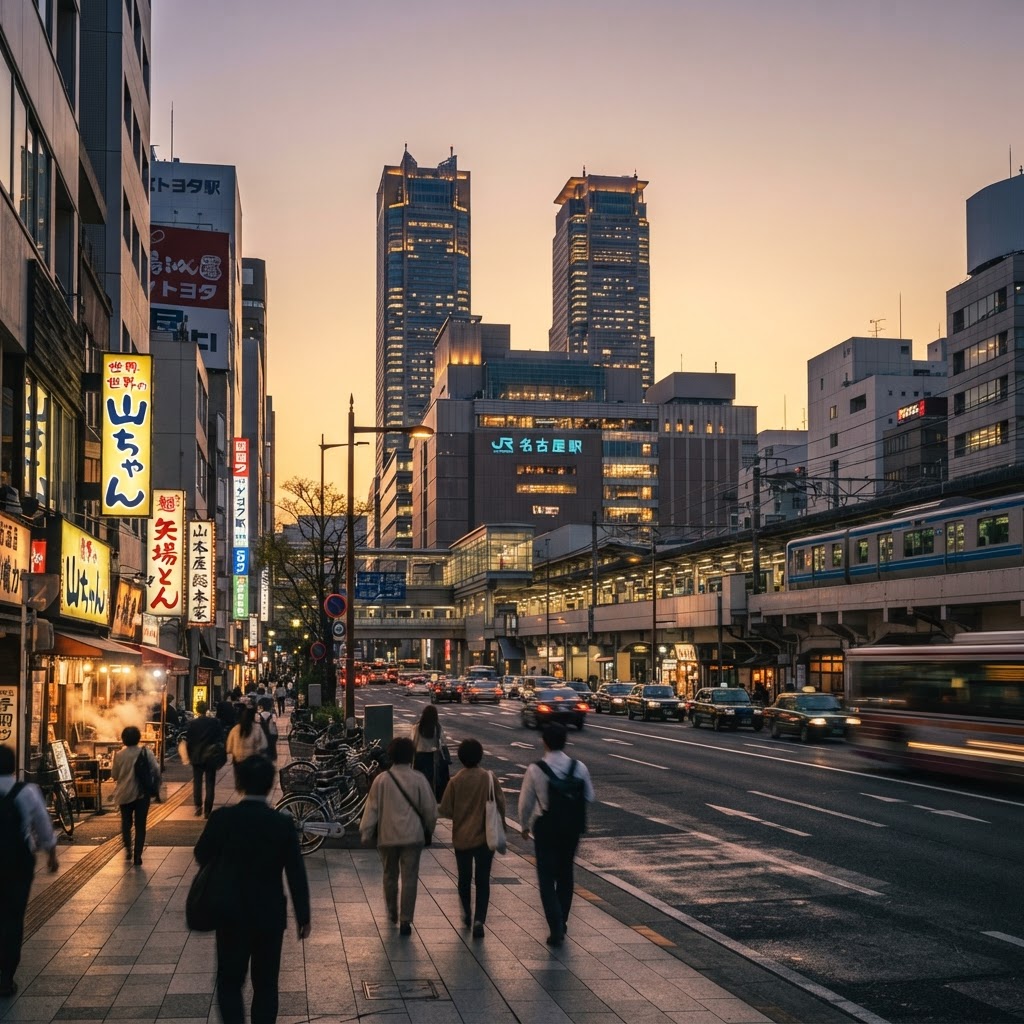
Japan
Nagoya
Japan's industrial engine boasting world-class manufacturing marvels and uncompromising comfort food.
Plan & book
Sort your Nagoya trip in one place.
We point you to the booking tools we'd actually use — live prices, no markup. Or let us build the day-by-day plan around you first, then book.
Nagoya is Japan's fourth-largest city, sitting directly between Tokyo and Kyoto along the Tokaido Shinkansen line. Frequently bypassed by travelers rushing between Kanto and Kansai, Nagoya offers a refreshingly uncrowded, functional urban experience driven by powerhouse engineering, samurai heritage, and a deeply distinctive food culture known as 'Nagoya Meshi.'
2 to 3 days
Best time
October to November or late March to mid-April
Build your own trip with these prebuilt itineraries
Each one is a tested, day-by-day plan for Nagoya — start here, then make it yours.
5 Days in Nagoya: City Culture & Regional Hub Excursions in Nagoya
Urban exploration paired with day trips to the Kiso Valley and historic castle towns
3 Days in Nagoya: Manufacturing, Trains & Technology in Nagoya
Industrial heritage, SCMaglev railway innovation, and hands-on museum exploration
2 Days in Nagoya: Castle & Classic Nagoya Meshi in Nagoya
First-time city highlights, Hommaru Palace architecture, and iconic hearty cuisine
Nagoya offers an authentic glimpse into modern Japanese craftsmanship and industrial design, from the Toyota Commemorative Museum of Industry and Technology to the SCMAGLEV and Railway Park. Coupled with distinct culinary staples like unagi hitsumabushi, hatcho miso-infused noodles, and a reconstructed Edo-era palace, it provides substance without the overwhelming tourist congestion of Kyoto or Tokyo.
Where to stay
Getting there
Getting around
Food & drink
What it costs
Things to do
Book tours & tickets in NagoyaSkip it if
First-time visitors to Japan on trips under 10 days who have not yet seen Tokyo, Kyoto, or Nara should skip Nagoya, as its charms are modern and industrial rather than cinematic postcard-Japan.
When to go
Autumn delivers clear skies and comfortable walking temperatures alongside peak fall foliage, while spring brings blooming cherry trees across Meijo Park. Avoid mid-summer, when the Nobi Plain's heavy humidity and extreme heat make urban exploration punishing.
Peak (Late Mar–Mid Apr & Oct–Nov)
Pleasant temperatures and seasonal colors draw domestic visitors; book Shinkansen and central Meieki hotels 4–6 weeks ahead.
Shoulder (May–Jun & Sep)
May offers comfortable weather before the rainy season arrives in June; September brings mild autumn transitions but carries typhoon risks.
Low (Jul–Aug & Mid Jan–Feb)
Summer is sweltering and humid; winter is chilly and dry with minimal outdoor crowds, offering rock-bottom hotel rates.
Neighborhoods
Where you stay shapes the trip. Here's how to think about it.
Meieki (Nagoya Station)
Towering transit megacomplex filled with commuter energy, vertical department stores, and deep underground dining alleys.
Best for:Short stays, Shinkansen travelers, and logistics-first planners
Don't miss:The basement food halls of JR Nagoya Takashimaya and Umai-mon Dori for quick Nagoya Meshi.
Sakae
Nagoya's primary downtown core, combining broad retail boulevards, late-night izakayas, and neon-lit entertainment hubs.
Best for:Nightlife, dining, shopping, and urban explorers
Don't miss:Chubu Electric Power MIRAI TOWER and Oasis 21's illuminated rooftop water glass structure after dusk.
Osu
A bustling, eclectic merchant district blending ancient temple rituals with retro thrift shops, subculture retail, and endless street food stalls.
Best for:Culture seekers, vintage shoppers, and afternoon wanderers
Don't miss:Osu Shopping Arcade's covered arcades leading right up to Osu Kannon Temple.
Shikemichi & Endoji
A quiet, preserved Edo-era merchant enclave with dark wood kura warehouses, stone lanes, and intimate indie cafes.
Best for:Slow travelers, architecture buffs, and peaceful coffee crawls
Don't miss:Wandering along the Horikawa River and browsing Endoji Shopping Arcade for old-school retro charm.
Nagoya Port (Minato)
Breezy post-industrial waterfront focused strictly on large-scale family leisure and maritime history.
Best for:Families traveling with young children
Don't miss:The Port of Nagoya Public Aquarium and the permanently moored Fuji Antarctic research vessel.
Destination intelligence
Updated 9/14/2026The structured record we plan every Nagoya itinerary from.
Walkability
Moderate: Major commercial zones like Meieki, Osu, and Sakae are flat and walkable, but moving between distinct districts requires the subway system.
Transit quality
High: Six efficient subway lines combined with comprehensive JR and private railway links cover virtually the entire metropolitan area.
Car needed
No: Public transit easily reaches all city highlights. A car is only practical if heading deep into rural Gifu or Mie prefectures.
Ideal duration
2 to 3 days
Minimum useful
1 day (or a long transit stopover)
Peak season
Late March to mid-April (cherry blossoms) and October to November (vibrant autumn foliage and pleasant weather).
Shoulder season
May to June (moderate spring temperatures with fewer crowds before the rainy season) and September (early autumn, though occasionally rainy).
Low season
July to August (extreme summer heat and high humidity) and mid-January to February (chilly winter temperatures, though mild compared to northern Japan).
Best for
Common mistakes
- Treating Nagoya Castle as a quick stop without visiting the interior of the Hommaru Palace, which contains the actual historical reconstruction value while the main concrete keep remains closed.
- Staying in suburban areas or near the port when Meieki (Nagoya Station) and Sakae provide substantially superior dining and subway connections.
- Assuming an IC card is not usable; standard transit cards like Suica and Pasmo work universally across Nagoya's subways and buses.
- Renting a car for city sights; Nagoya's subway and rail connections make driving and parking in the center inefficient and expensive.
Best nearby
See what a trip to Japan actually costs. Travel Budget Co.
How to plan it
- Stay within a 5-minute walk of Meieki (Nagoya Station) if your priority is early Shinkansen departures or day trips out to Takayama and the Kiso Valley.
- Base yourself in Sakae if you prefer walking directly down into izakayas, craft bars, and evening food haunts without relying on the subway after dinner.
- Do not try to combine Ghibli Park and the SCMAGLEV and Railway Park on the same day; they sit on opposite geographic flanks of the metro area and demand substantial travel time.
- Pair your visit with an onward regional loop: take the JR Shinano limited express into the Nakasendo trail (Magome/Tsumago) or the JR Hida line up into Takayama.
- Target morning coffee culture: sit down at a traditional kissaten before 11:00 AM to get the classic 'morning service,' where toast and hard-boiled eggs come complimentary with a brew.
Questions
More in Japan
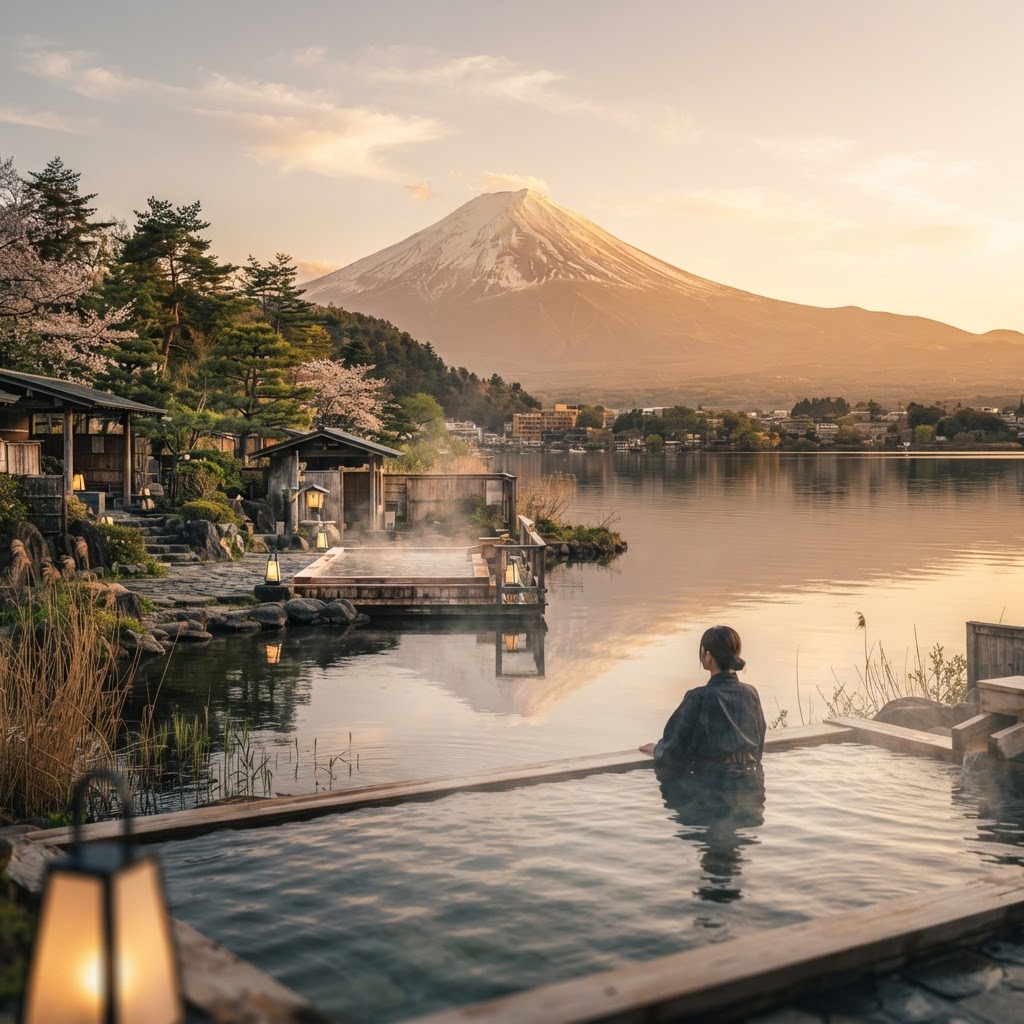
Kawaguchiko & Fuji Five Lakes
Japan
Unrivaled front-row views of Mount Fuji, lakeside onsens, and open mountain air.
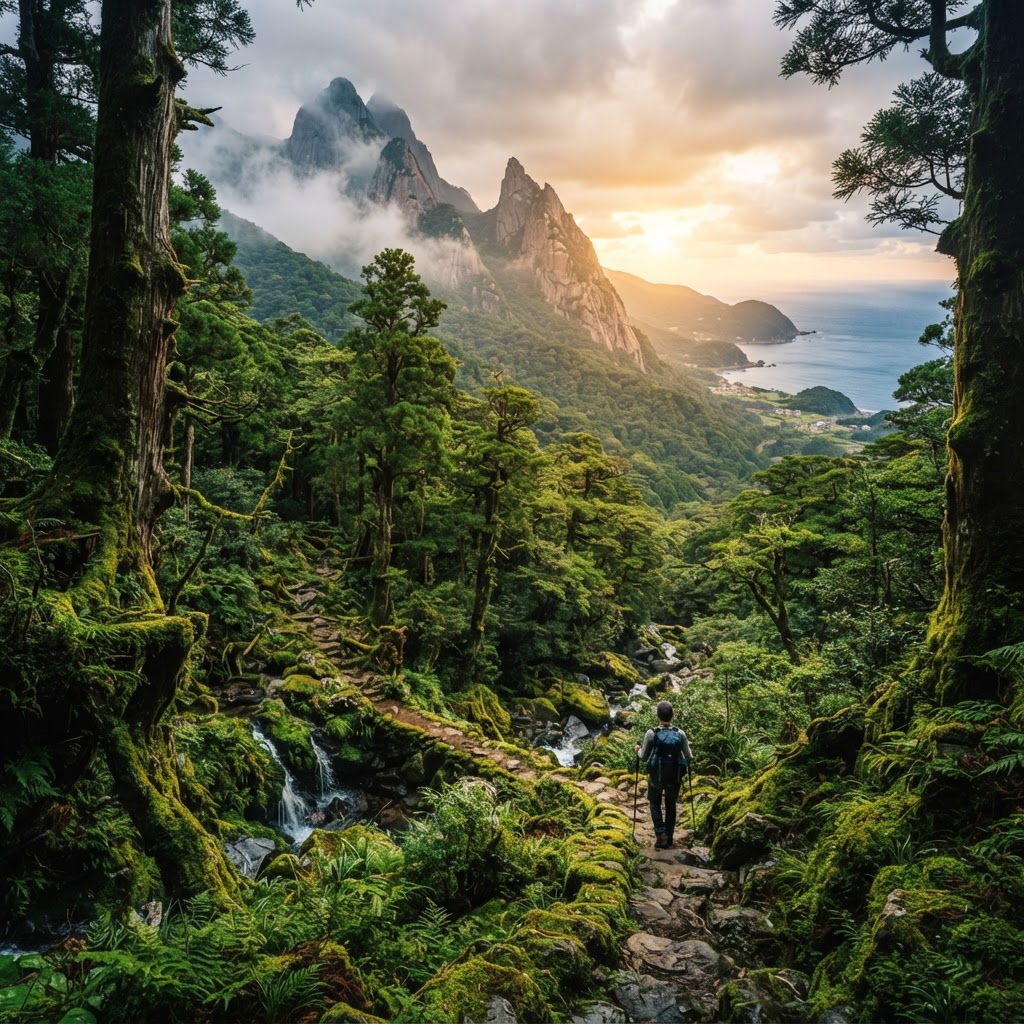
Yakushima, Japan
Japan
Ancient moss-draped cedar forests and misty granite peaks rising abruptly from the Pacific.
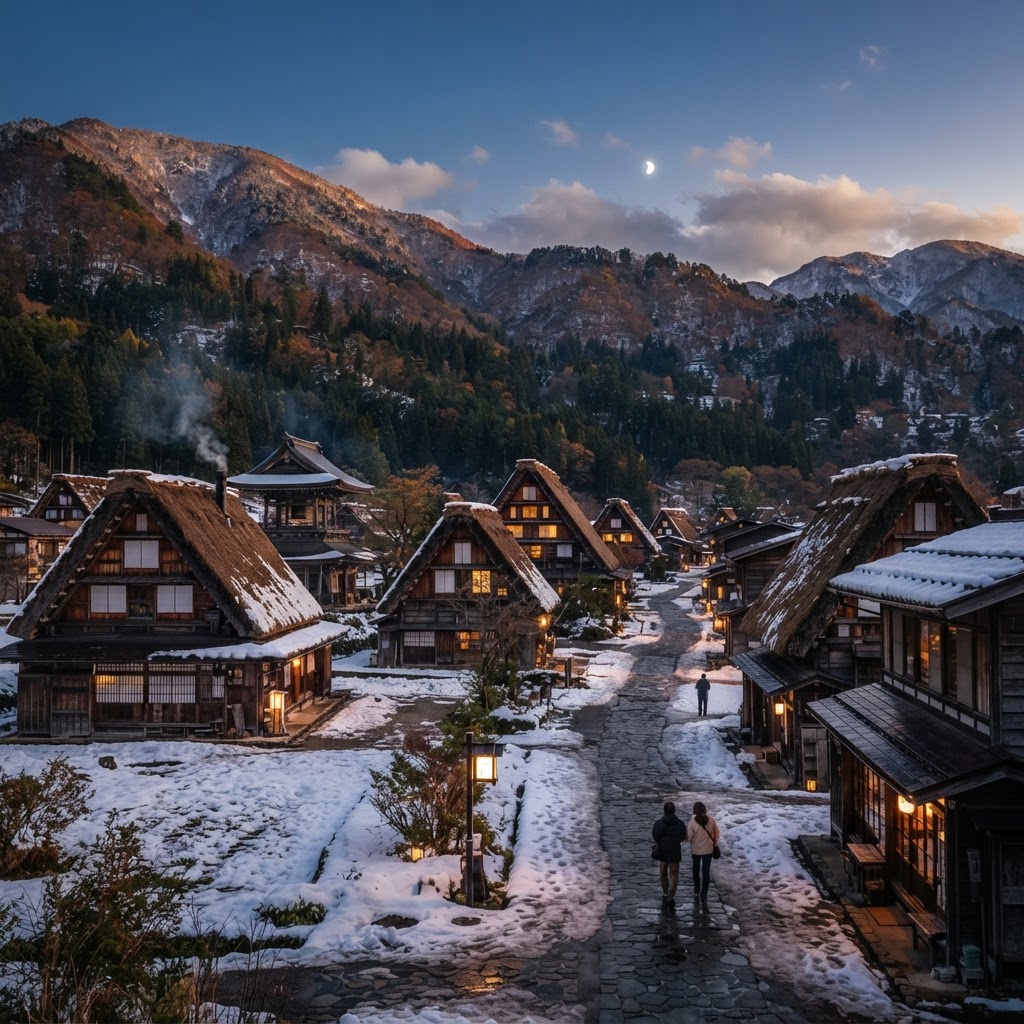
Shirakawa-go, Gifu, Japan
Japan
A living mountain settlement of steep-pitched thatch, silence at dusk, and alpine timbercraft.
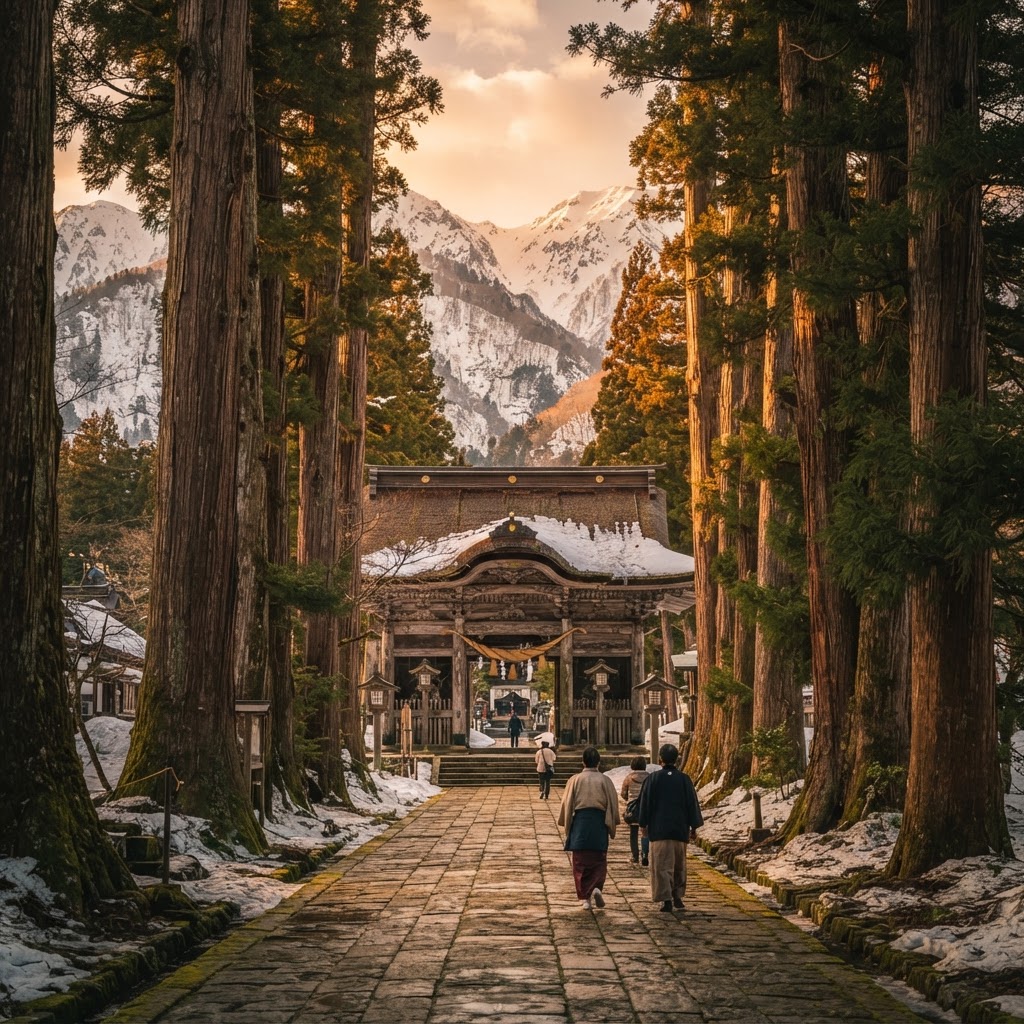
Nagano, Japan
Japan
Pilgrim temples, cedar-lined alpine shrines, and the gateway to Japan's northern powder peaks.
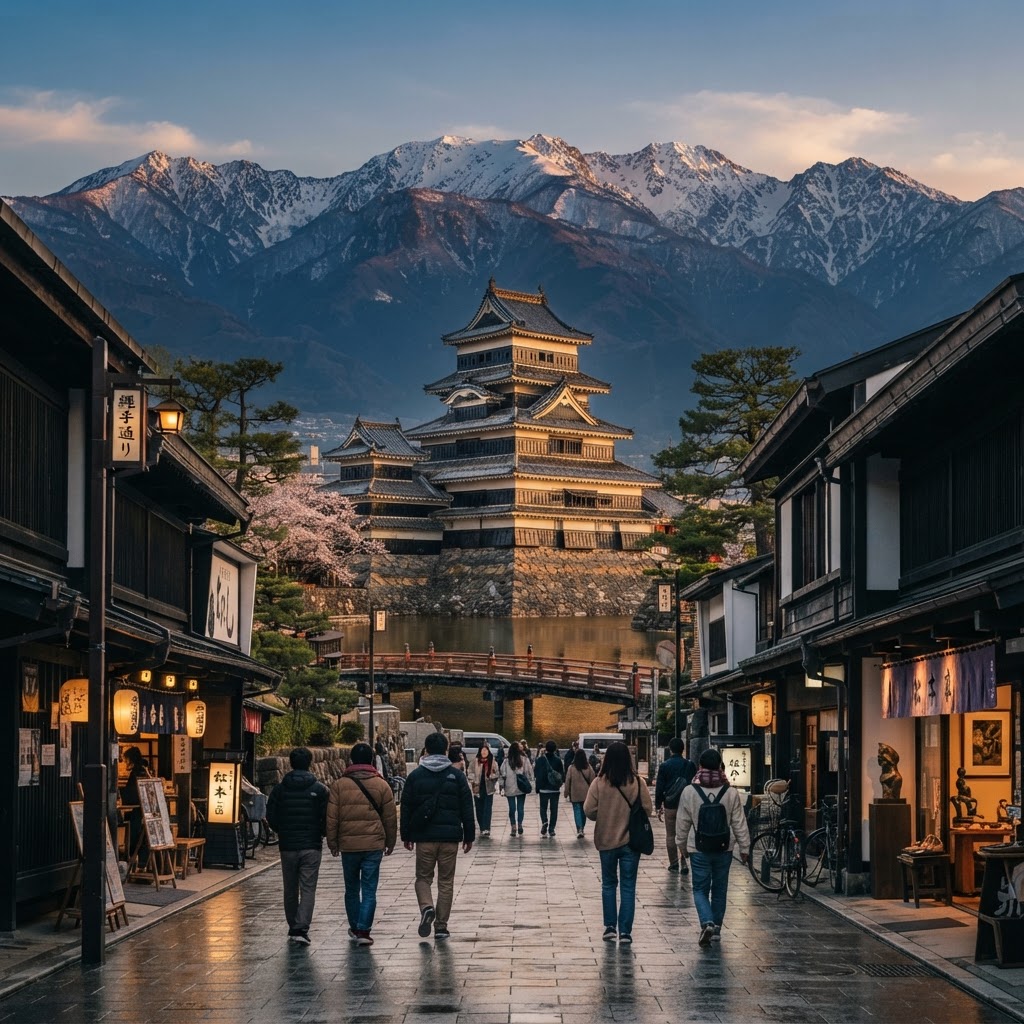
Matsumoto
Japan
Feudal black timber architecture framed by the Northern Alps and alpine art culture
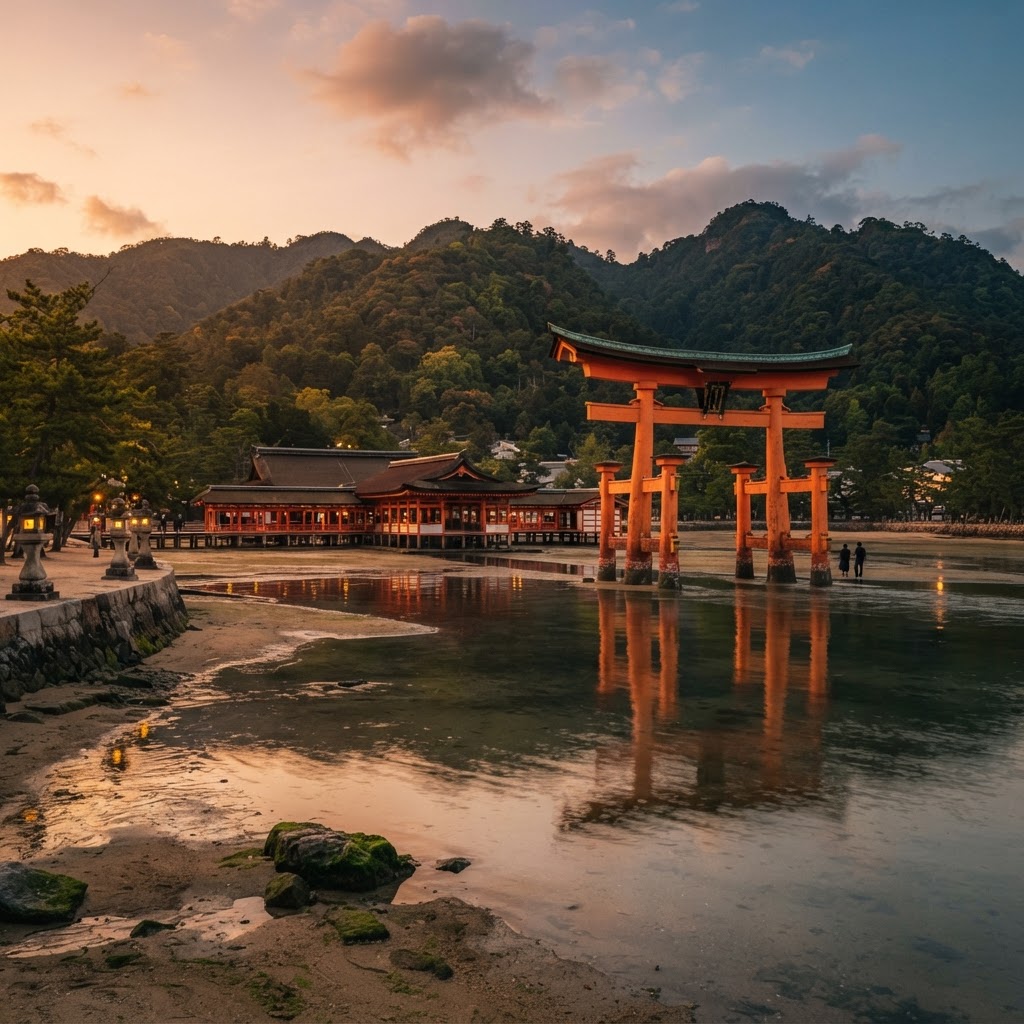
Miyajima (Itsukushima), Japan
Japan
A sacred island of tidal shrines, ancient virgin forest, and silent lantern-lit evenings.
Readymade itineraries
Start from a tested template — then make it yours.
Ready to book
Lock in your Nagoya trip
Everything in one place. We may earn a small commission — it never costs you more.
Plan a trip to Nagoya
Pick a length and we'll build a day-by-day plan around how you travel — neighborhoods clustered, budget-aware, and editable.
Get better at planning trips like this
Occasional notes on planning smarter — no spam, unsubscribe anytime.
Plan a trip to Nagoya
Turn this guide into a day-by-day plan built around your pace, your group, and your budget.
Build my Nagoya trip