
Japan
Nagasaki Itinerary: How Many Days + Sample Plans
Nagasaki is Japan's port city — the bomb's other memorial, a hillside of churches, and a trading history with the world.
Traveler rating
Loved by history.
Plan & book
Sort your Nagasaki trip in one place.
We point you to the booking tools we'd actually use — live prices, no markup. Or let us build the day-by-day plan around you first, then book.
Pick your trip length
How many days do you need in Nagasaki?
Each of these opens a full day-by-day plan you can make your own.
- 2 days — Two days — the essentials, no rushing.
- 3 days — Three days — the icons plus one neighborhood.
- 4 days — Four days — a full city without sprinting.
- 5 days — Five days — room for a day trip.
- 7 days — A week — the city at a human pace.
- With Kids trip — Shorter days, earlier dinners, what to skip.
- For Couples trip — Two-person pacing with evenings built in.
- Solo trip — A plan that works well on your own.
- Food trip — Meals and markets as the anchors.
- Outdoors trip — Nature, walks and open air.
- Culture trip — History, museums and the streets around them.
Nagasaki is a hilly port with a layered history — Japan's window to the world for centuries, with Dutch, Chinese, and Christian quarters, and the second atomic bomb's memorial. See the Peace Park, Glover Garden, and the chinatown; it's a quieter, more contemplative Japan than Tokyo or Kyoto.
1–2 days
Best time
Mid-October through November, with a strong secondary window in late March through April.
Budget
¥10,000–18,000 per person per day at mid-range.
Build your own trip with these prebuilt itineraries
Each one is a tested, day-by-day plan for Nagasaki — start here, then make it yours.
5 Days: Nagasaki City & Coastal Day Trips
Extended stay including day trips to Gunkanjima (Battleship Island) and the scenic Unzen hot springs.
3 Days: Nagasaki Culture & Waterfront Exploration
Deep dive into the unique fusion of international cultures, including Glover Garden and Dejima.
2 Days: Nagasaki History & Landmarks
First-time visitor focus on the Atomic Bomb Museum, Peace Park, and historical sites.
Nagasaki offers a multi-layered historic identity found nowhere else in Japan, serving as the country's sole trade portal during centuries of isolation. Alongside the solemn and poignant legacy of the second atomic bomb, the city is shaped by hidden Christian communities, Dutch merchants, and Chinese maritime traders. Terraced into steep coastal hills, it pairs this singular heritage with dramatic harbor and mountain views.
Where to stay
Getting there
Getting around
Food & drink
What it costs
Things to do
Book tours & tickets in NagasakiSkip it if
Skip it if you only have a 7-day Japan trip confined to the Tokyo-Kyoto-Osaka corridor, or if severe mobility constraints make steep hillside steps and cobblestone slopes difficult.
When to go
Autumn brings crisp, dry days ideal for climbing Nagasaki's notorious hills and slopes without the intense heat and typhoon threats of summer. Spring offers pleasant temperatures and cherry blooms, while avoiding the humid summer rains that obscure hillside views.
Spring (March to May)
Mild temperatures and cherry blossoms across the hillside parks; hotel rates jump during late March and Golden Week in early May.
Summer (June to August)
Oppressive humidity, frequent rain, and typhoon disruptions make walking the outdoor hillside sites draining, though the Lantern Festival or local summer events keep evenings lively.
Autumn (September to November)
Peak season for crisp, clear visibility from Mount Inasa and comfortable walking weather across steep districts like Glover Garden.
Winter (December to February)
Cool but rarely freezing; February sees a major surge in domestic crowds and lodging rates for the 15-day Nagasaki Lantern Festival celebrating Chinese New Year.
Neighborhoods
Where you stay shapes the trip. Here's how to think about it.
Minami-Yamate & Higashi-Yamate
Steep hillside slopes with Meiji-era Western residences, cobblestone paths, and panoramic harbor views.
Best for:History lovers, architectural enthusiasts, and travelers who enjoy scenic, elevated walks.
Don't miss:The sprawling view of the shipyards from the lawn at Glover Garden and the adjacent Gothic facade of Oura Cathedral.
Shinchi Chinatown & Doza
Compact, lantern-lit grid packed with street food stands, historic noodle joints, and canal-side izakayas.
Best for:Foodies, late-night diners, and travelers seeking atmospheric evening walks.
Don't miss:Steaming bowls of champon and sara udon at Kozanro, or the glowing festival lanterns along the Nakashima River canals in winter.
Urakami
A quiet, reflective northern residential district centered around peace memorials and Catholic heritage.
Best for:History travelers and those visiting the atomic bomb memorials and modern religious sites.
Don't miss:The subterranean ruins and personal survivor artifacts preserved in the Nagasaki Atomic Bomb Museum.
Dejima & Bayfront
Restored Edo-era trading enclave blending Dutch merchant warehouses with sea-breeze wharf cafes.
Best for:First-timers, walking tour fans, and families who want gentle, flat sightseeing.
Don't miss:Walking through the reconstructed 19th-century Dutch East India Company warehouses at the Dejima open-air site.
Nagasaki Station Area & Inasayama Base
Modern transit-hub district offering high-speed connections and direct access up the mountain ridge.
Best for:Short stays, transit convenience, and sunset viewpoints.
Don't miss:Taking the Nagasaki Ropeway from Fuchi Shrine up to Mount Inasa Observatory right before twilight.
Money & essentials
Currency
Japanese yen (JPY). Cash and IC cards.
Language
Japanese. A translation app helps.
Safety
Exceptionally safe at all hours, though take care on steep, dimly lit stone staircases after rain.
Budget range
¥10,000–18,000 per person per day at mid-range.
Tipping
No tipping; standard Japanese hospitality applies throughout.
See what a trip to Japan actually costs. Travel Budget Co.
How to plan it
- Stay near Shinchi Chinatown or Nagasaki Station to avoid lugging luggage up the city's steep hillside slopes.
- Pair your Nagasaki visit with Fukuoka via the Nishi Kyushu Shinkansen Kamome and Relay Kamome service, which takes roughly 90 minutes total.
- Head up Mount Inasa approximately 90 minutes before sunset so you catch both golden hour harbor views and the full city lights without waiting in peak dusk queues for the ropeway.
- Do not attempt both the Peace Park/Atomic Bomb Museum and a Gunkanjima boat tour in a single morning; the emotional weight and ferry logistics warrant separate half-days.
- Reserve Gunkanjima tour boats at least 2 to 4 weeks ahead during spring or autumn travel periods.
Questions
More in Japan
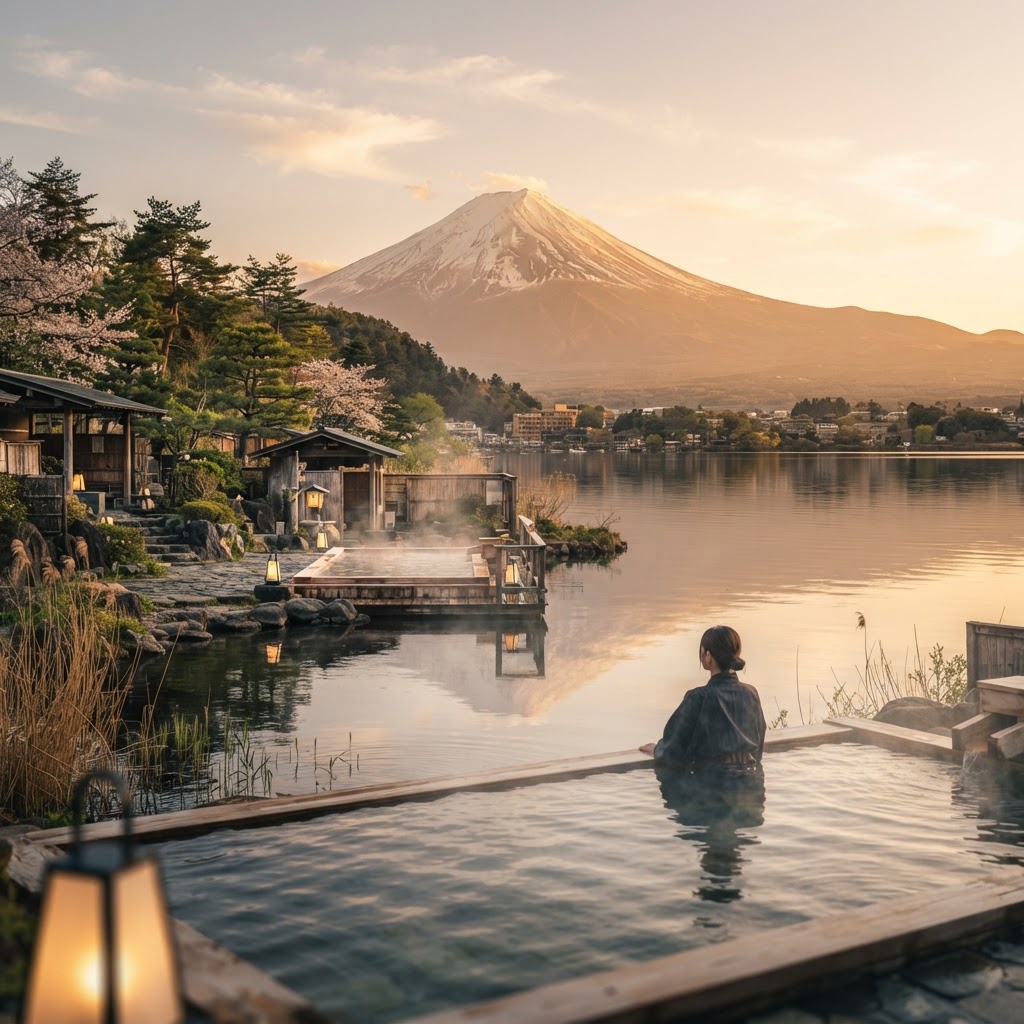
Kawaguchiko & Fuji Five Lakes
Japan
Unrivaled front-row views of Mount Fuji, lakeside onsens, and open mountain air.
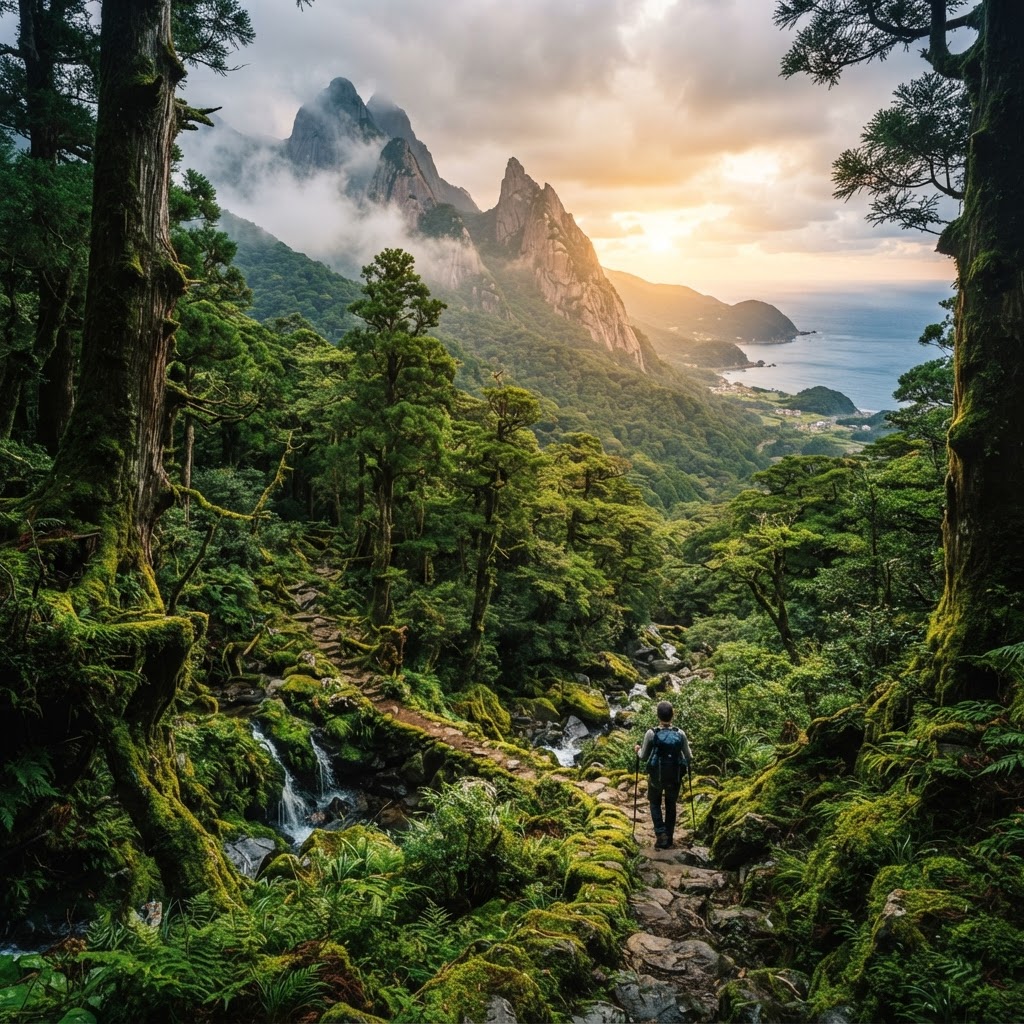
Yakushima, Japan
Japan
Ancient moss-draped cedar forests and misty granite peaks rising abruptly from the Pacific.
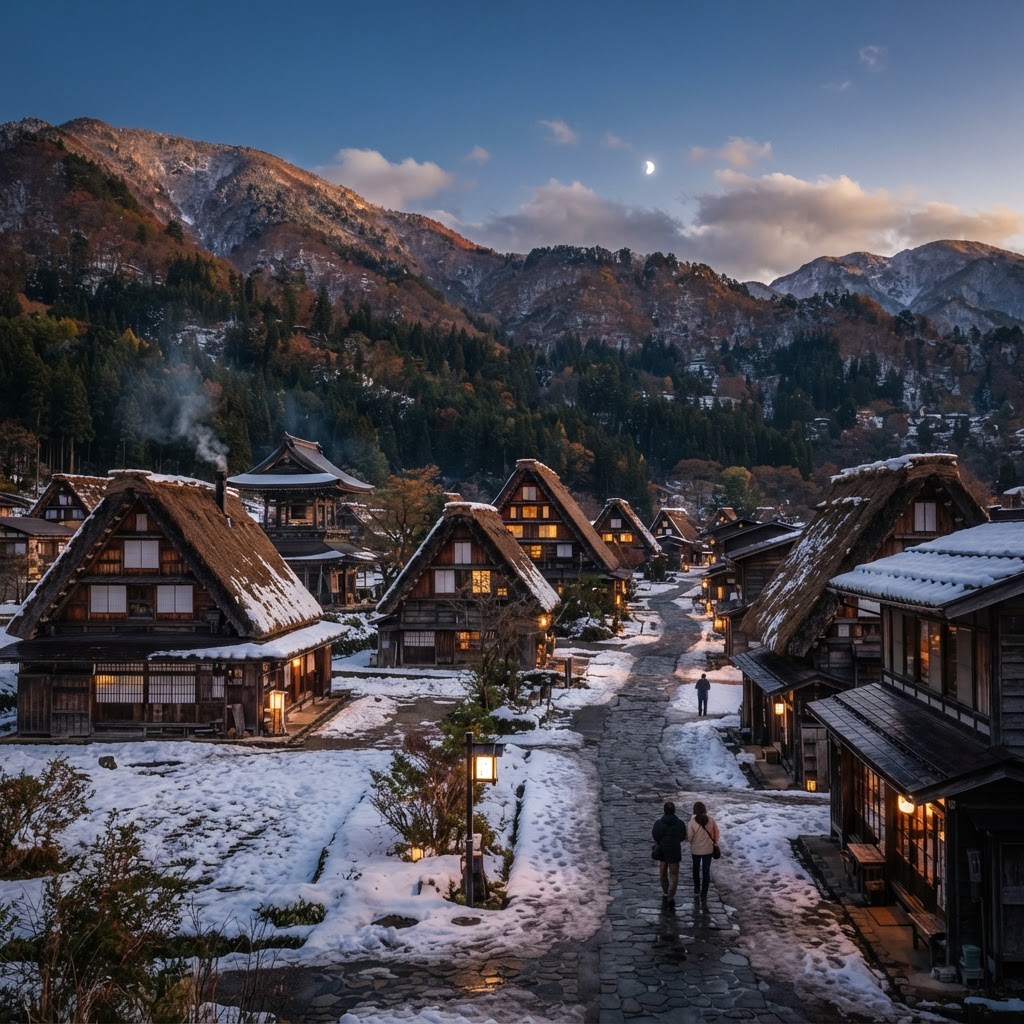
Shirakawa-go, Gifu, Japan
Japan
A living mountain settlement of steep-pitched thatch, silence at dusk, and alpine timbercraft.
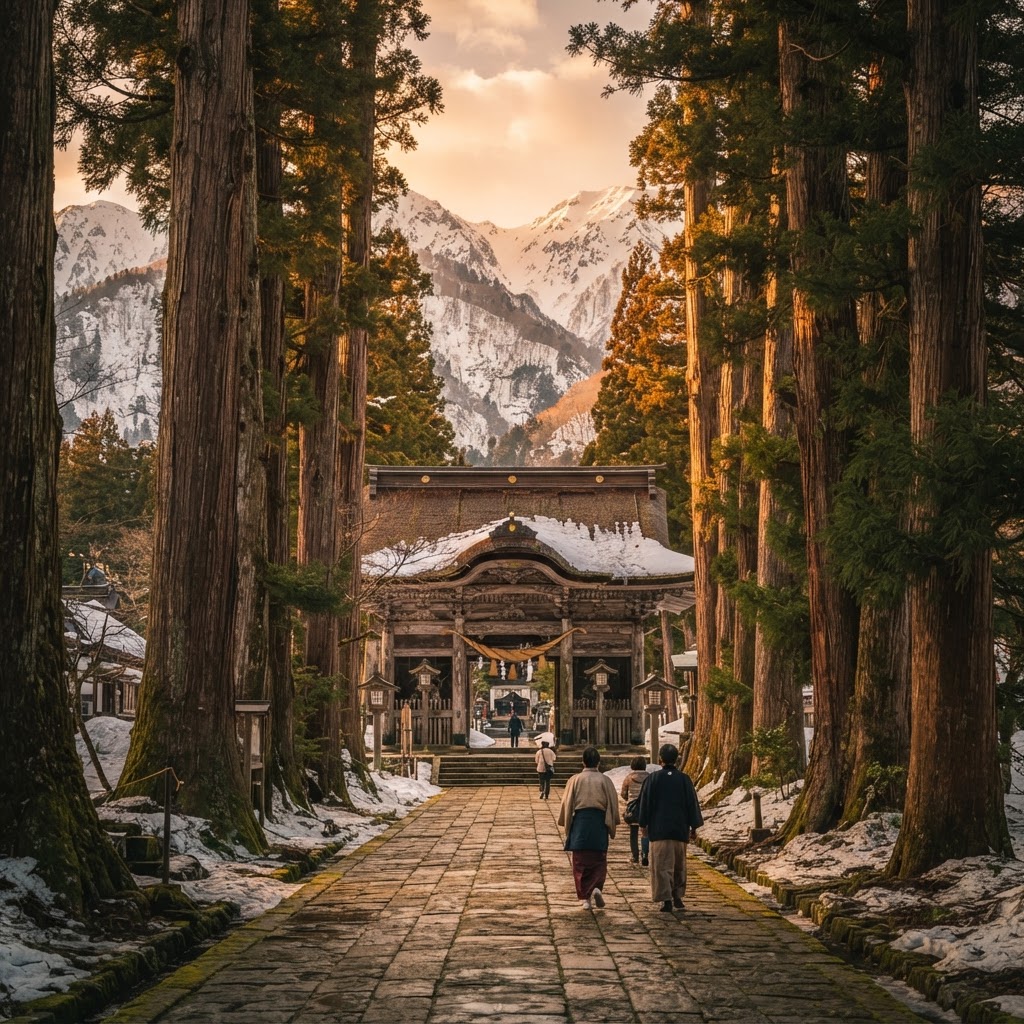
Nagano, Japan
Japan
Pilgrim temples, cedar-lined alpine shrines, and the gateway to Japan's northern powder peaks.
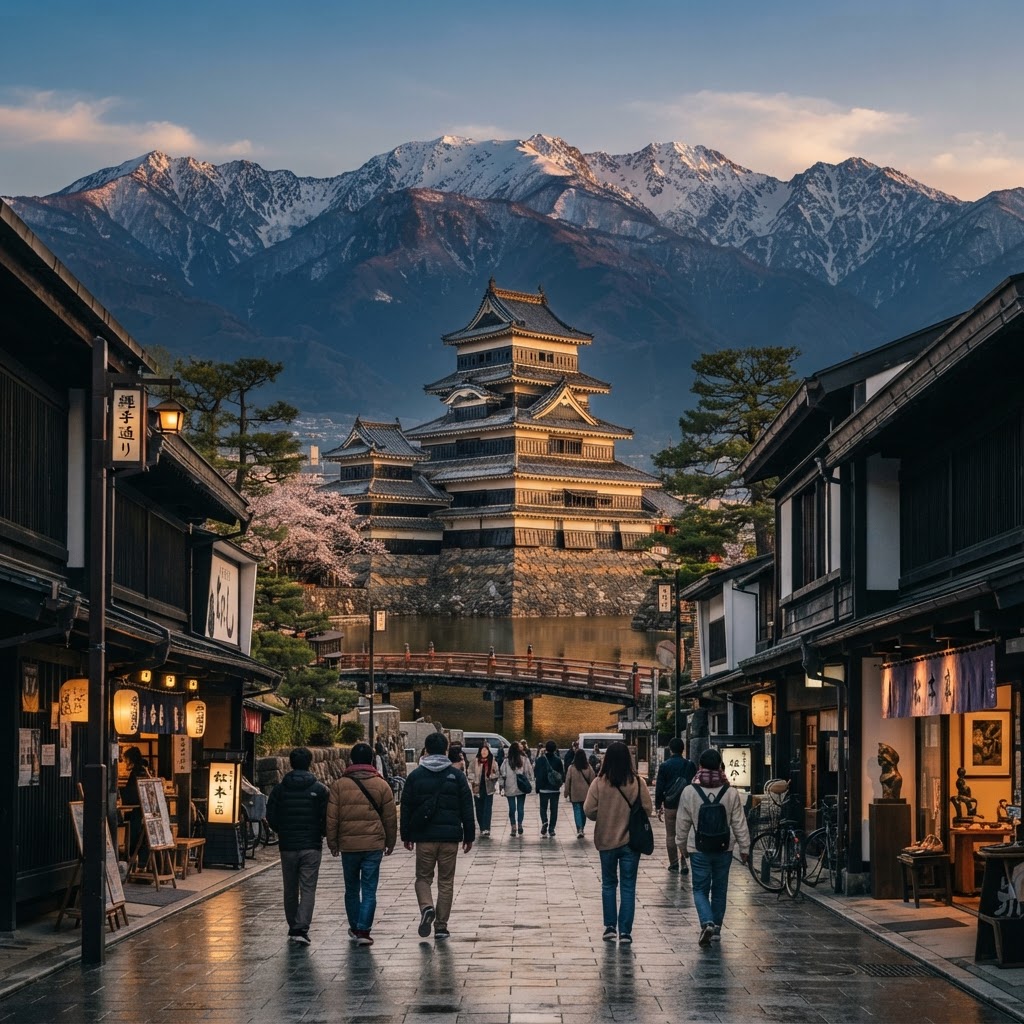
Matsumoto
Japan
Feudal black timber architecture framed by the Northern Alps and alpine art culture
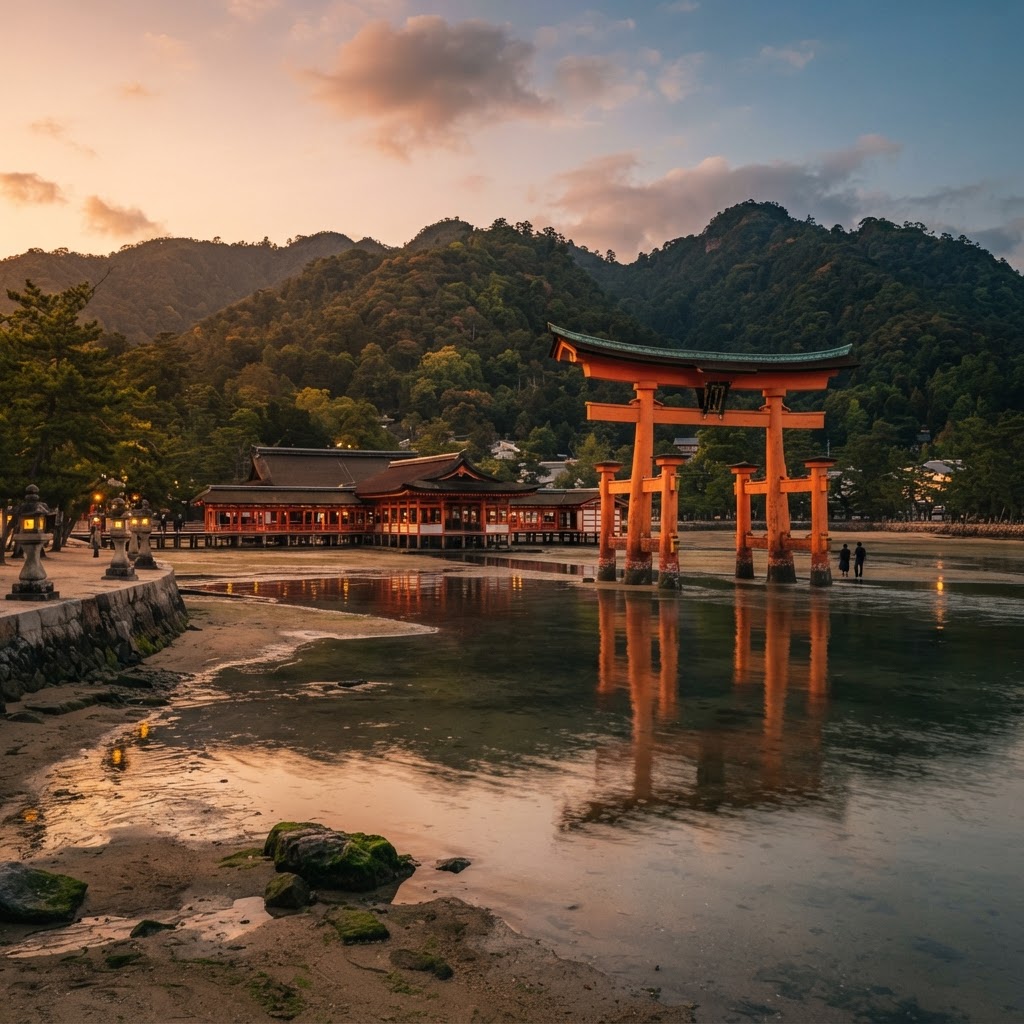
Miyajima (Itsukushima), Japan
Japan
A sacred island of tidal shrines, ancient virgin forest, and silent lantern-lit evenings.
Readymade itineraries
Start from a tested template — then make it yours.
Ready to book
Lock in your Nagasaki trip
Everything in one place. We may earn a small commission — it never costs you more.
Plan a trip to Nagasaki
Pick a length and we'll build a day-by-day plan around how you travel — neighborhoods clustered, budget-aware, and editable.
Get better at planning trips like this
Occasional notes on planning smarter — no spam, unsubscribe anytime.
Plan a trip to Nagasaki
Turn this guide into a day-by-day plan built around your pace, your group, and your budget.
Build my Nagasaki trip