
Japan
Mount Fuji
Mount Fuji is the icon — a perfect cone you can climb in summer, or admire from hot springs and a lake the rest of the year.
Plan & book
Sort your Mount Fuji trip in one place.
We point you to the booking tools we'd actually use — live prices, no markup. Or let us build the day-by-day plan around you first, then book.
Mount Fuji is Japan's highest mountain and most iconic image — a near-perfect 3,776m cone that's climbed in July and August and admired the rest of the year.
Two ways to do it: the overnight climb (July–August only) to see sunrise from the summit, or the Fuji Five Lakes and Hakone — viewing the cone from hot springs, a lake, and a ropeway. The second is the year-round, easier, and most people's Mt. Fuji trip.
It's a day or two from Tokyo; the Shinkansen and the express trains get you there in under two hours. The cone hides in cloud more than half the time — go in winter or early morning for the clearest views.
1–3 days
Best time
July–August to climb; winter and early spring for clearest views
Budget
¥10,000–25,000 per person per day at mid-range. Onsen ryokans are the premium.
Getting around
When to go
The official climbing season is July–August. For viewing (not climbing), winter and early spring give the clearest, cloud-free days.
Climbing season (Jul–Aug)
The only time to climb safely. Crowded on weekends; go on a weekday.
Winter (Dec–Feb)
The clearest views of the cone, but cold. Hot springs are the reward.
Spring (Mar–May)
Cherry blossoms with Fuji behind; popular but the cone is often visible.
Neighborhoods
Where you stay shapes the trip. Here's how to think about it.
Hakone
The hot-spring resort area — the ropeway, a lake, museums, and Fuji views on a clear day.
Best for:Couples, first-timers
Don't miss:The Hakone Ropeway over the volcanic valley and a soak at an onsen.
Lake Kawaguchiko
The closest of the Fuji Five Lakes — the easiest access and the classic Fuji-with-lake view.
Best for:First-timers, families
Don't miss:Sunrise over Fuji from the lake shore.
Fuji Five Lakes (Yamanakako, Saiko, etc.)
The other lakes — quieter, with camping, hiking, and different Fuji angles.
Best for:Nature, returning visitors
Don't miss:A bike ride around Lake Yamanaka.
Fuji Subaru Line (5th Station)
The start of the climbing route — the trailhead and the place buses drop day-trippers in season.
Best for:Climbers
Don't miss:The 5th Station shops and the climb start (July–August).
Fuji City / Fujinomiya
The southern approach — the shrine and a quieter, less-photographed side.
Best for:Returning visitors, climbers
Don't miss:Fujisan Hongu Sengen Taisha shrine.
Money & essentials
Currency
Japanese yen (JPY). Cash and IC cards; some cards for hotels.
Language
Japanese. English signage at tourist spots.
Safety
Safe. The climb risks are altitude, weather, and crowding — start early, carry layers, and acclimatize.
Budget range
¥10,000–25,000 per person per day at mid-range. Onsen ryokans are the premium.
Tipping
Not expected.
See what a trip to Japan actually costs. Travel Budget Co.
How to plan it
- Climb only in July–August; book a mountain hut for the overnight ascent.
- For viewing, go in winter or early morning for the clearest cone.
- Stay a night in an onsen ryokan in Hakone — it's the classic Fuji trip.
- Check the Fuji forecast (it's hidden in cloud more than half the time).
- Take the Hakone Loop — train, pirate ship, ropeway, bus — for the full circuit.
Questions
More in Japan
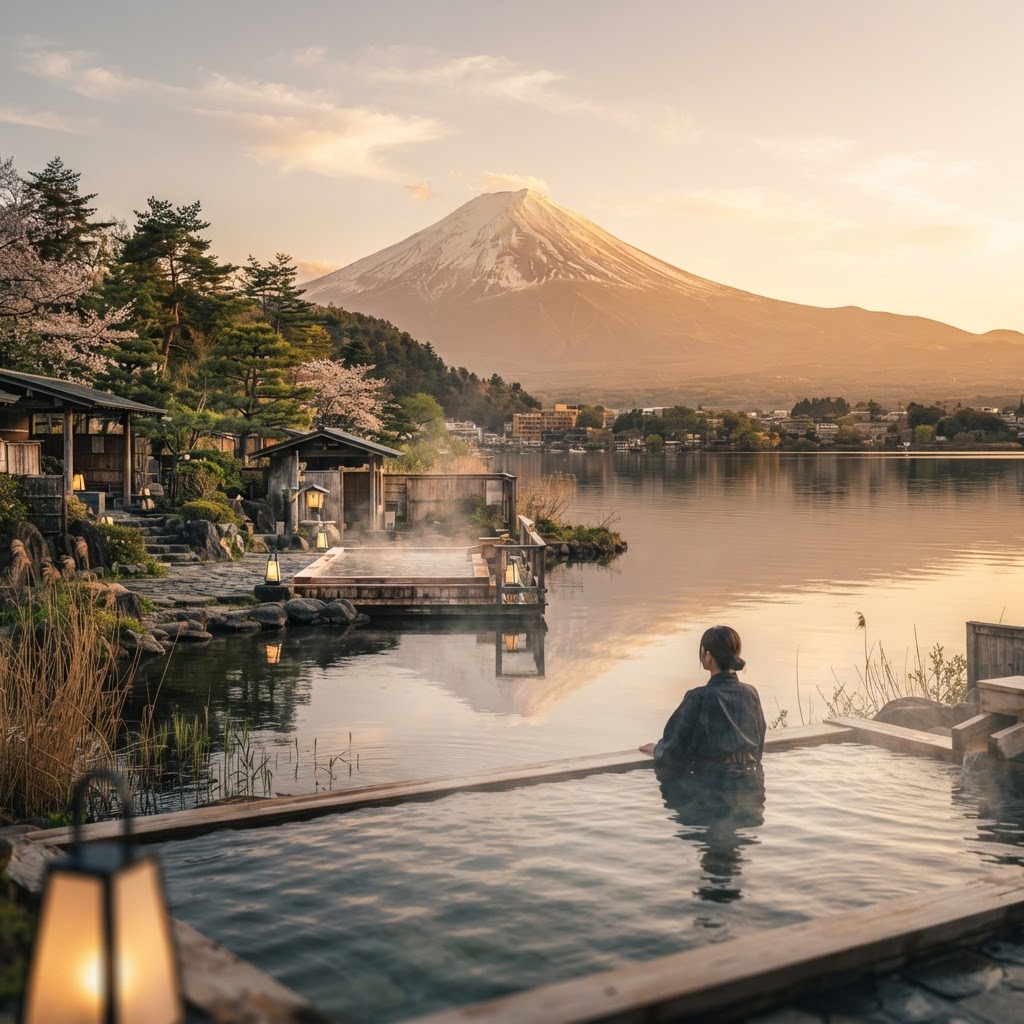
Kawaguchiko & Fuji Five Lakes
Japan
Unrivaled front-row views of Mount Fuji, lakeside onsens, and open mountain air.
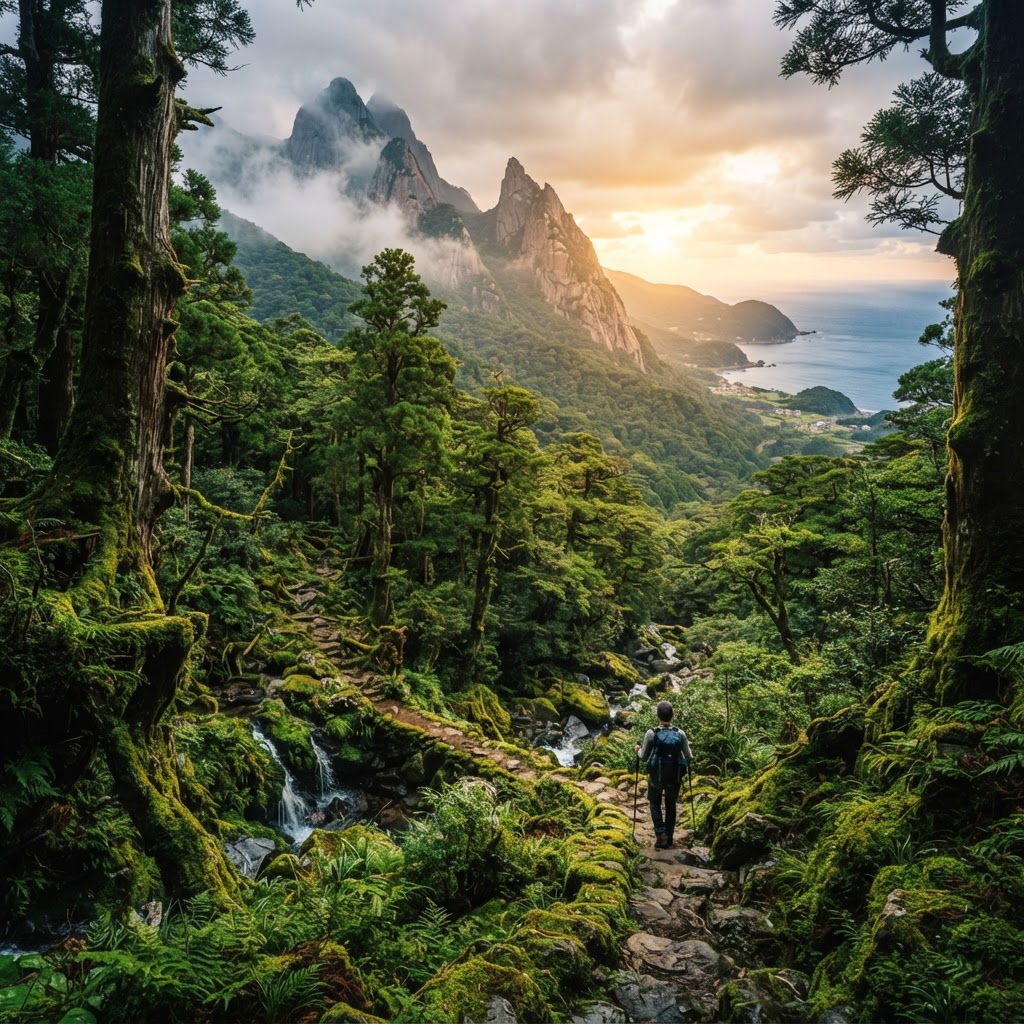
Yakushima, Japan
Japan
Ancient moss-draped cedar forests and misty granite peaks rising abruptly from the Pacific.
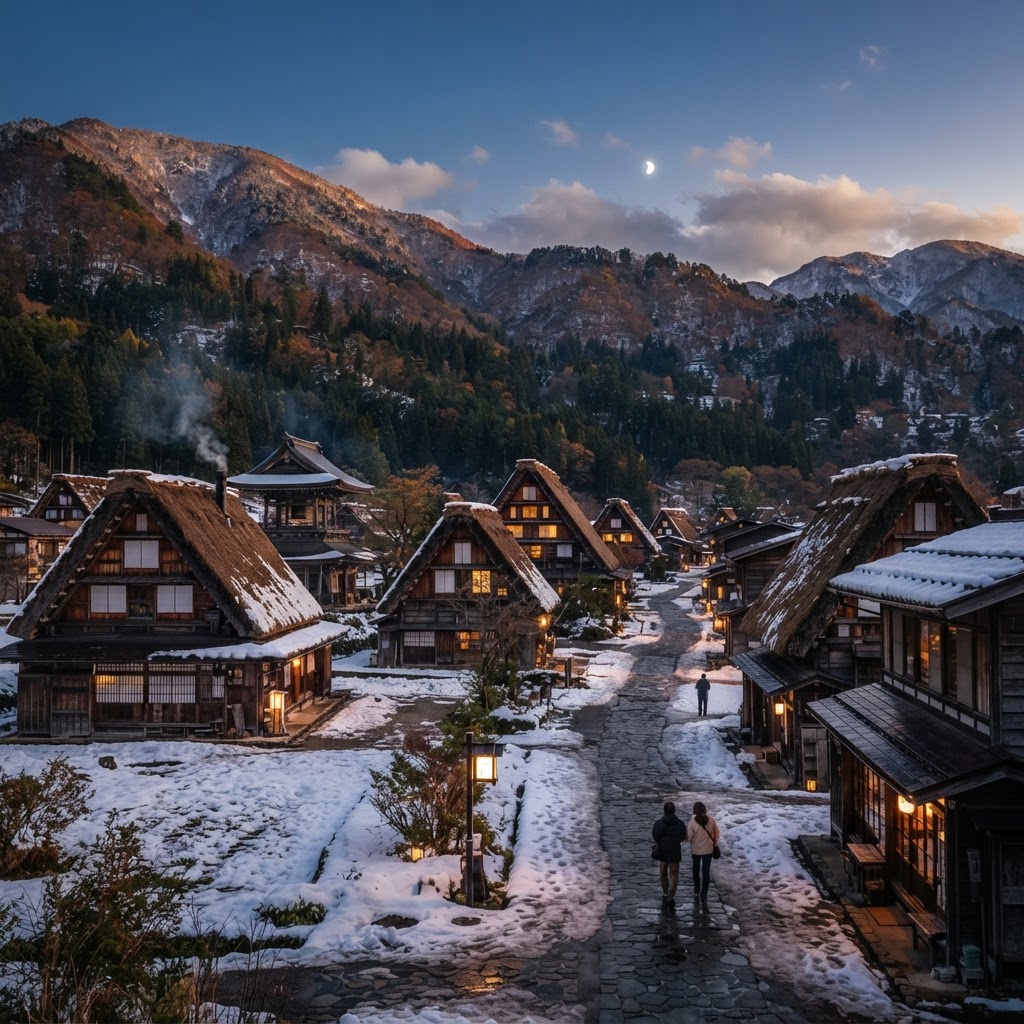
Shirakawa-go, Gifu, Japan
Japan
A living mountain settlement of steep-pitched thatch, silence at dusk, and alpine timbercraft.
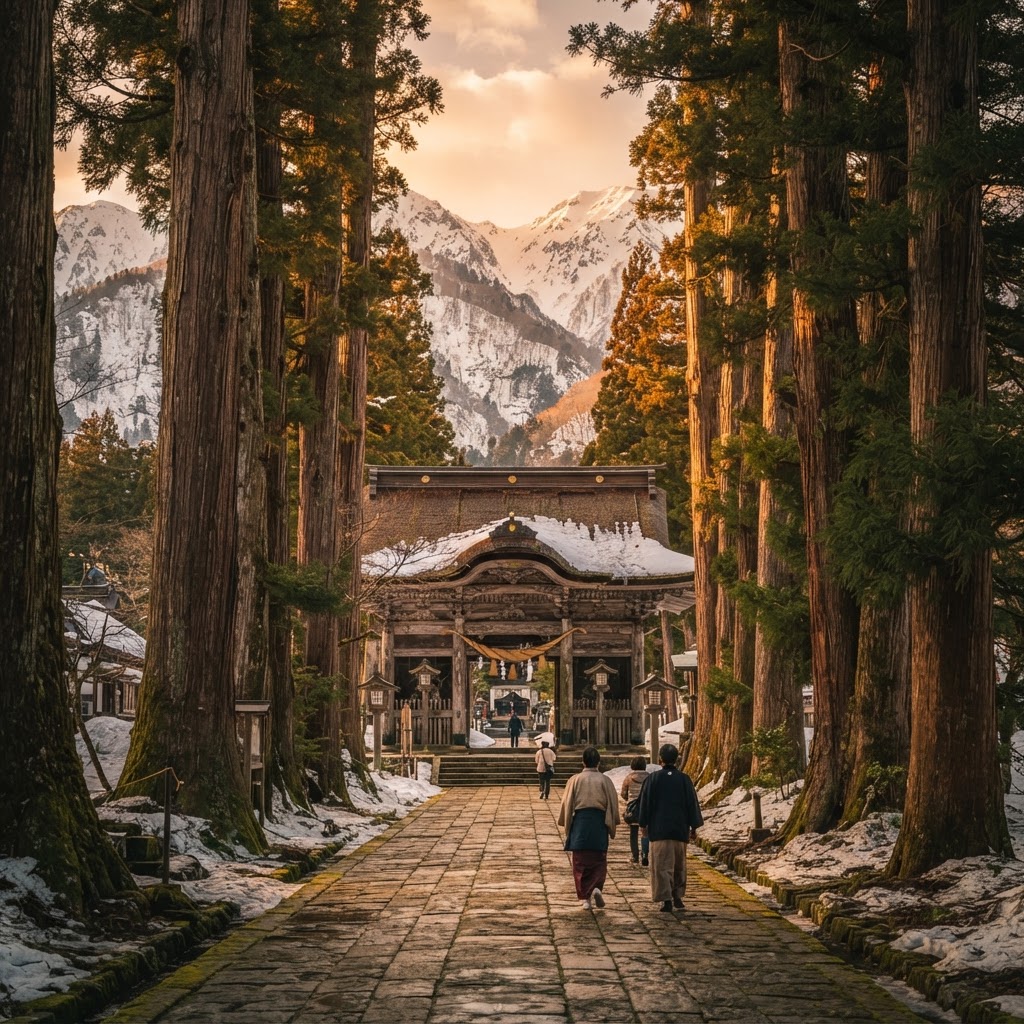
Nagano, Japan
Japan
Pilgrim temples, cedar-lined alpine shrines, and the gateway to Japan's northern powder peaks.
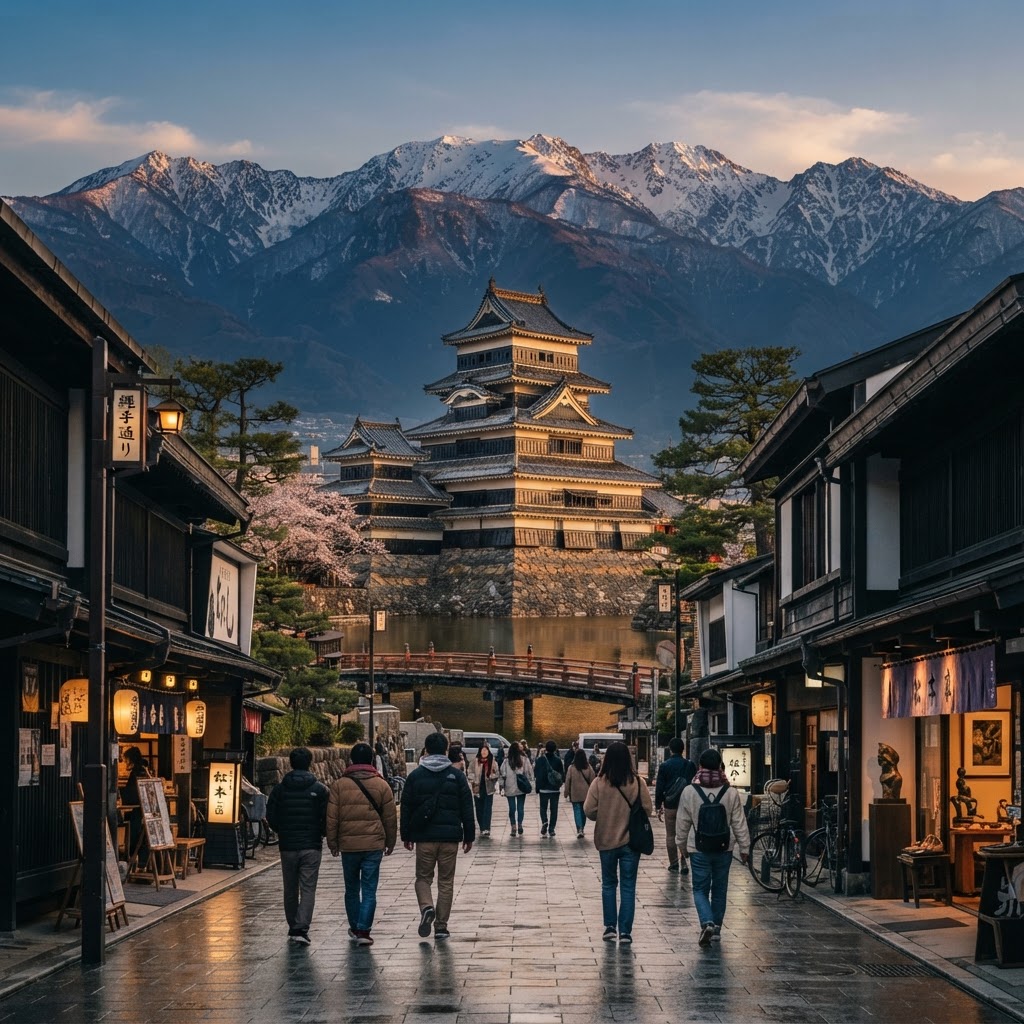
Matsumoto
Japan
Feudal black timber architecture framed by the Northern Alps and alpine art culture
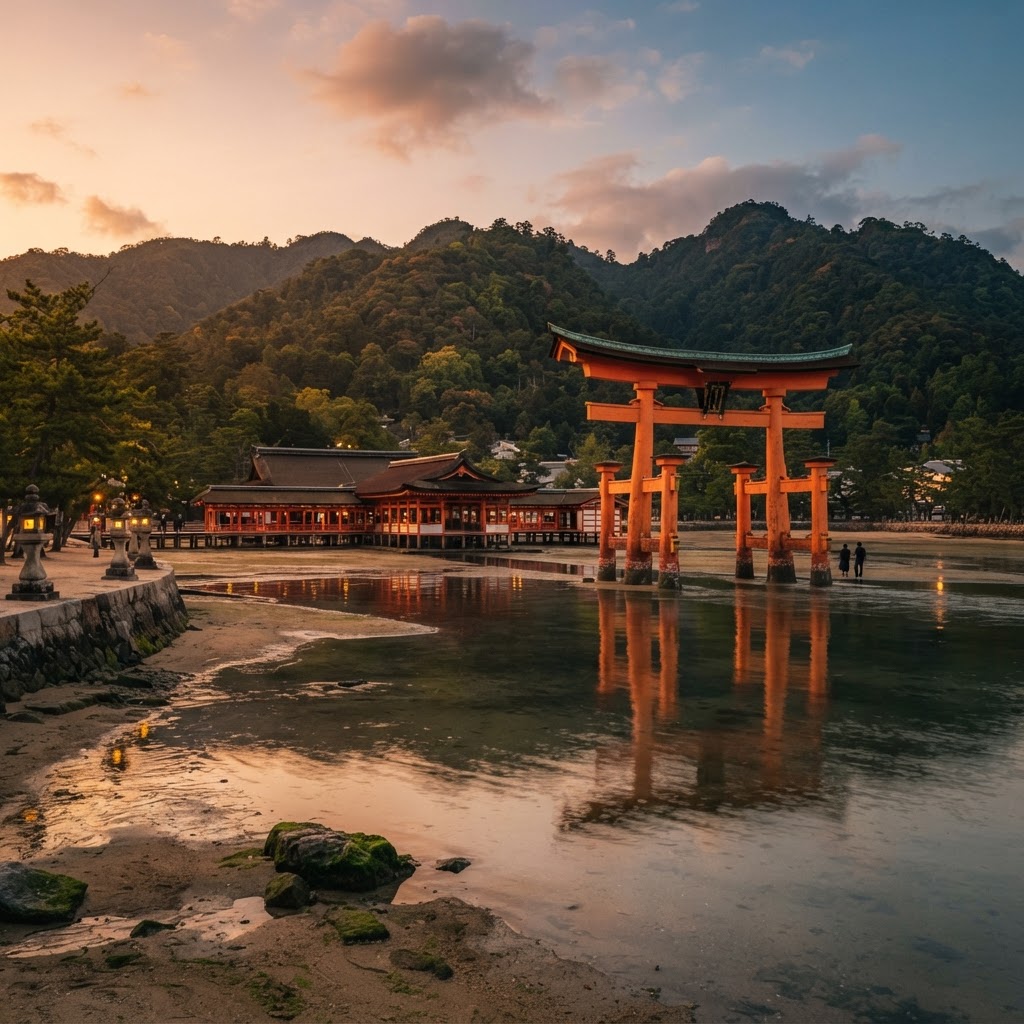
Miyajima (Itsukushima), Japan
Japan
A sacred island of tidal shrines, ancient virgin forest, and silent lantern-lit evenings.
Readymade itineraries
Start from a tested template — then make it yours.
Ready to book
Lock in your Mount Fuji trip
Everything in one place. We may earn a small commission — it never costs you more.
Plan a trip to Mount Fuji
Pick a length and we'll build a day-by-day plan around how you travel — neighborhoods clustered, budget-aware, and editable.
Get better at planning trips like this
Occasional notes on planning smarter — no spam, unsubscribe anytime.
Plan a trip to Mount Fuji
Turn this guide into a day-by-day plan built around your pace, your group, and your budget.
Build my Mount Fuji trip