
Japan
Kyoto
Japan's cultural anchor: temple precincts, contemplative gardens, and calibrated culinary restraint.
Plan & book
Sort your Kyoto trip in one place.
We point you to the booking tools we'd actually use — live prices, no markup. Or let us build the day-by-day plan around you first, then book.
Kyoto is the former imperial capital of Japan, holding over a millennium of architectural heritage across two thousand temples, shrines, and preserved wooden machiya quarters. Unlike Tokyo's vertical velocity, Kyoto spreads horizontally against a backdrop of forested foothills. Traveling here successfully requires strategic pacing, geographic clustering, and rising early to experience world-class cultural landmarks before daytime congestion sets in.
4 days
Best time
Mid-November to early December for peak autumn foliage, crisp sunny days, and clear mountain vistas.
Build your own trip with these prebuilt itineraries
Each one is a tested, day-by-day plan for Kyoto — start here, then make it yours.
3 Days in Kyoto for First-Time Visitors
3 days in kyoto first time
4 Days in Kyoto: Temples on Foot
kyoto temples walking itinerary
3 Days in Kyoto for Food Lovers (Kaiseki & Nishiki)
kyoto kaiseki nishiki food itinerary
3 Days in Kyoto for Couples (Tea & Gion)
kyoto couples tea gion itinerary
Kyoto delivers the dense concentration of classical Japanese aesthetics—Zen dry-stone gardens, sublime seasonal temple pavilions, centuries-old kaiseki dining, and preserved tea culture—that cannot be replicated elsewhere. Its historic preservation allows visitors to walk directly from dense urban avenues into centuries-old spiritual sanctuaries.
Where to stay
Getting there
Getting around
Food & drink
What it costs
Things to do
Book tours & tickets in KyotoSkip it if
Travelers seeking late-night neon city life, sprawling megamall shopping, and high-energy urban nightlife will find Kyoto quiet and restrained after 9:00 PM; Osaka or Tokyo are much better fits. It is also challenging for travelers with significant mobility limitations who cannot manage cobblestones, temple staircases, and miles of mandatory daily walking.
When to go
Spring cherry blossoms bring unmanageable crowd density and surge pricing. Late autumn yields intense crimson maple displays with stable weather, provided you reserve 4-6 months ahead to navigate high accommodation demand.
Peak (Late March to Mid-April & November)
Spectacular sakura and maple foliage, but expect shoulder-to-shoulder temple crowds, gridlocked buses, and hotels booking out four to six months early.
Shoulder (May to June & September to October)
Fresh green maple leaves (ao-momiji) and pleasant walking conditions, punctuated by brief rainy spells in mid-June; ideal balance of availability and comfort.
Low (January to February & July to August)
Winter brings crisp, crowd-free temples with discounted lodging, while midsummer brings brutal basin heat, 90% humidity, and lively local matsuri festivals.
Neighborhoods
Where you stay shapes the trip. Here's how to think about it.
Southern Higashiyama
Stone-paved pedestrian slopes lined with wooden machiya townhouses and historic temple walls.
Best for:First-timers, architecture buffs, and morning walkers
Don't miss:Walking Ishibe-koji alley at 07:00 before shopkeepers open and crowds fill the lanes leading to Kiyomizu-dera.
Downtown Kyoto (Kawaramachi / Karasuma)
Energetic urban core where department stores meet covered shopping arcades and hidden izakayas.
Best for:Foodies, late-night diners, and travelers who want seamless subway and rail access
Don't miss:Browsing traditional knife shops and pickle purveyors in the narrow cross-streets off Nishiki Market.
Gion
Preserved entertainment district of discreet ochaya teahouses, vermilion railings, and willow-lined canals.
Best for:Traditional dining, quiet evening strolls, and luxury ryokan stays
Don't miss:The quiet, willow-fringed stone bridge over the Shirakawa canal along Shinbashi-dori at dusk.
Arashiyama
Lush mountain-valley retreat where river gorges meet manicured bamboo and Zen temple estates.
Best for:Nature lovers, morning explorers, and travelers wanting a quiet two-night retreat away from city center
Don't miss:The dry landscape garden at Tenryu-ji viewed right at the 08:30 opening bell before day-tripper buses arrive.
Kyoto Station Area (Shimogyo)
Ultra-modern transport hub packed with retail corridors, underground dining, and commuter energy.
Best for:Efficient transit connectors, day-trippers to Nara or Osaka, and budget-conscious hotel seekers
Don't miss:The cavernous glass-and-steel skyway on the 10th floor of the station terminal overlooking the Kyoto skyline.
Destination intelligence
Updated 9/14/2026The structured record we plan every Kyoto itinerary from.
Walkability
High within individual districts, though the overall metropolitan area is expansive and requires rail or subway connections between sectors.
Transit quality
High when utilizing subway and private rail networks; bus transit is comprehensive but prone to heavy tourist-season street congestion.
Car needed
No. Driving in Kyoto is actively discouraged due to severe gridlock, scarce and expensive parking, and narrow residential streets.
Ideal duration
4 days
Minimum useful
3 days
Peak season
Late March to mid-April (cherry blossom bloom) and November (autumn foliage). Expect elevated accommodation rates and dense crowds at top temples.
Shoulder season
May to June (fresh green maple leaves and pleasant temperatures) and September to October (crisp autumn weather before foliage peak).
Low season
January to February (chilly winter weather, minimal foliage, but tranquil temples and lower lodging rates) and July to August (intense heat, humidity, and summer rains).
Best for
Common mistakes
- Crisscrossing the city in a single day (e.g., pairing Arashiyama in the far west with Kiyomizu-dera in the far east), spending hours stuck in transit.
- Relying entirely on Kyoto City buses across town instead of combining subways, private trains, and walking.
- Arriving at marquee sites like Fushimi Inari or Kinkaku-ji between 10:00 AM and 3:00 PM when crowds overwhelm the experience.
- Attempting to photograph working geiko and maiko in Gion's private alleys, which is strictly prohibited and disrespectful to local residents.
- Failing to reserve notable dining spots 1–2 months ahead, assuming popular small restaurants accept walk-ins.
Best nearby
See what a trip to Japan actually costs. Travel Budget Co.
How to plan it
- Cluster by quadrant: never schedule Arashiyama in the west and Kiyomizu-dera in the east on the same afternoon, or you will lose two hours to cross-city transit.
- Base yourself within a 7-minute walk of the Karasuma Subway Line or Sanjo/Kawaramachi stations to bypass surface-level bus jams entirely.
- Reserve Saiho-ji (the Moss Temple) and imperial properties like Katsura Imperial Villa well ahead online; they strictly enforce advance booking windows and cap visitor volumes.
- Pair Kyoto with a morning excursion to Nara via the Kintetsu Line (45 minutes) rather than adding an extra distant day trip that cuts your core temple time short.
- Save indoor food explorations like Nishiki Market or department store depachika for midday rain or the hottest hours between 12:00 and 15:00.
Questions
More in Japan
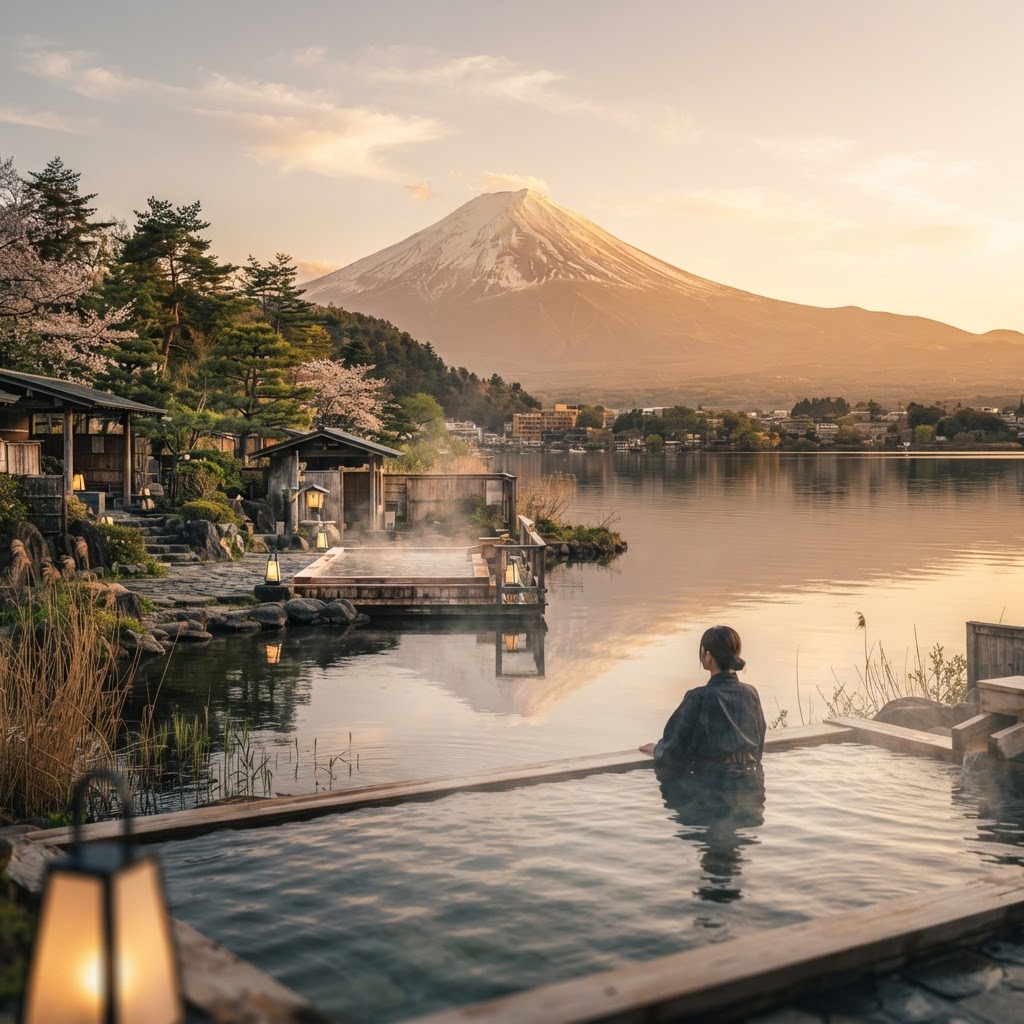
Kawaguchiko & Fuji Five Lakes
Japan
Unrivaled front-row views of Mount Fuji, lakeside onsens, and open mountain air.
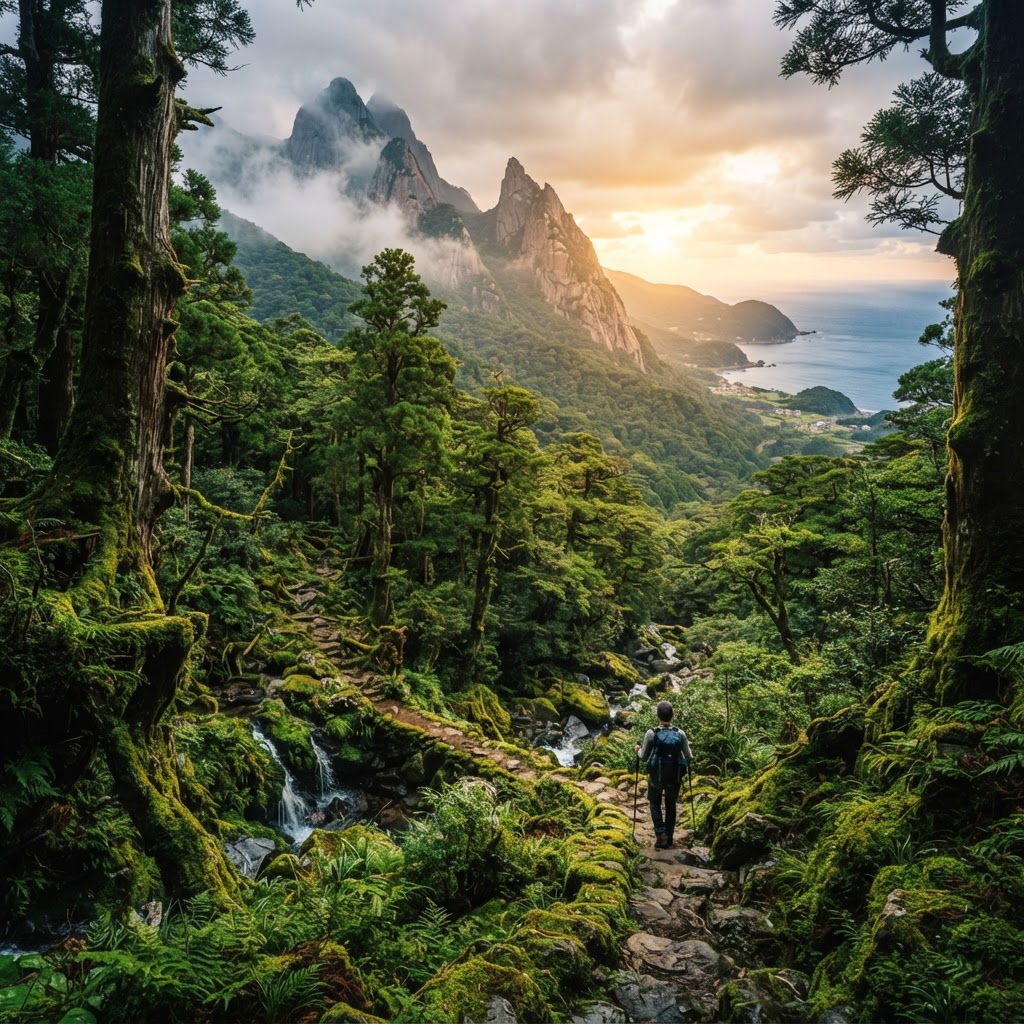
Yakushima, Japan
Japan
Ancient moss-draped cedar forests and misty granite peaks rising abruptly from the Pacific.
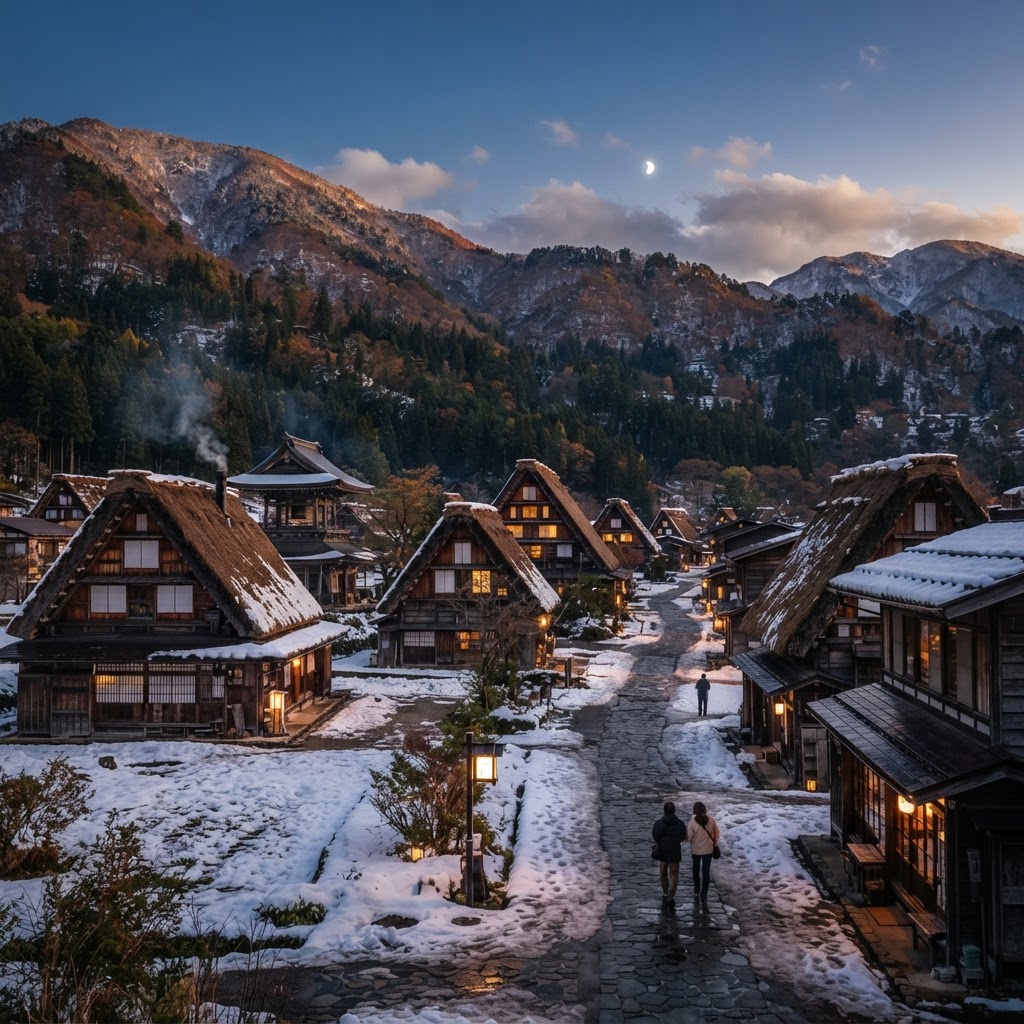
Shirakawa-go, Gifu, Japan
Japan
A living mountain settlement of steep-pitched thatch, silence at dusk, and alpine timbercraft.
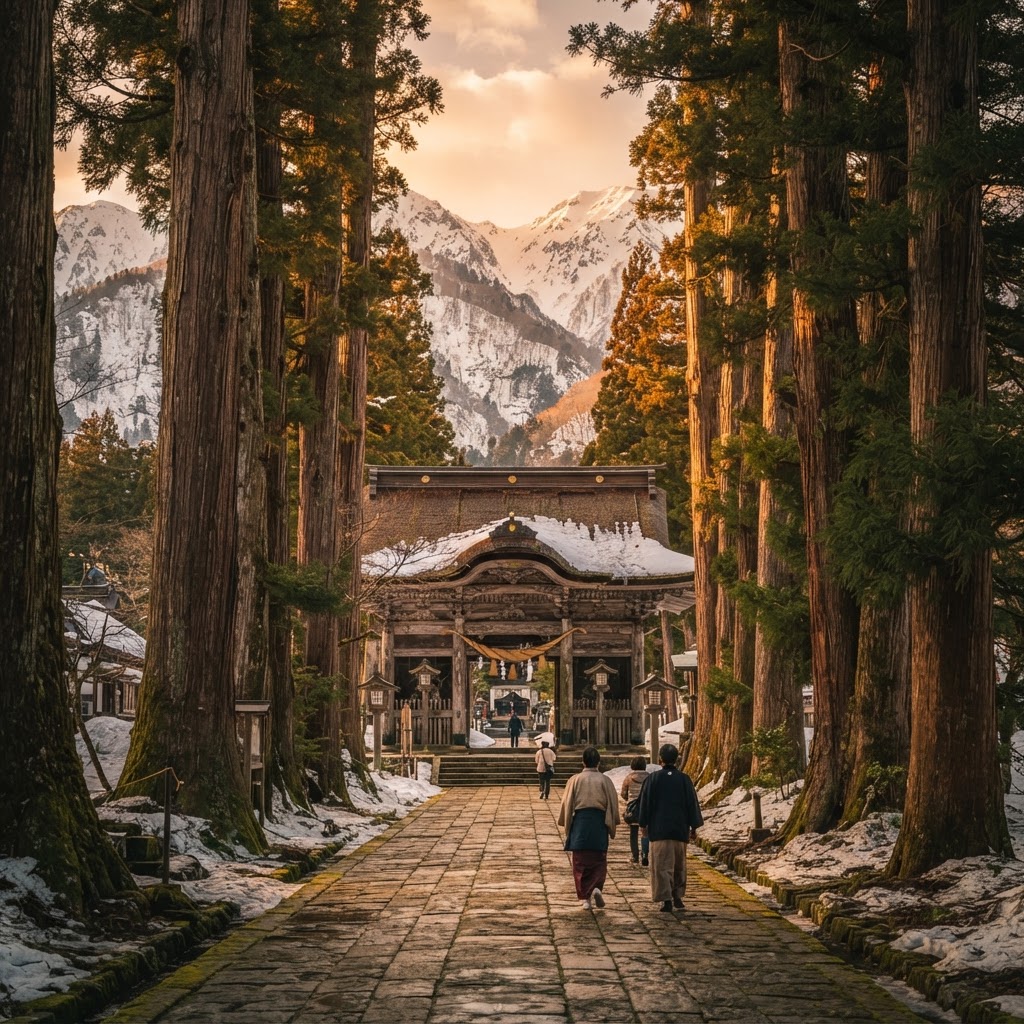
Nagano, Japan
Japan
Pilgrim temples, cedar-lined alpine shrines, and the gateway to Japan's northern powder peaks.
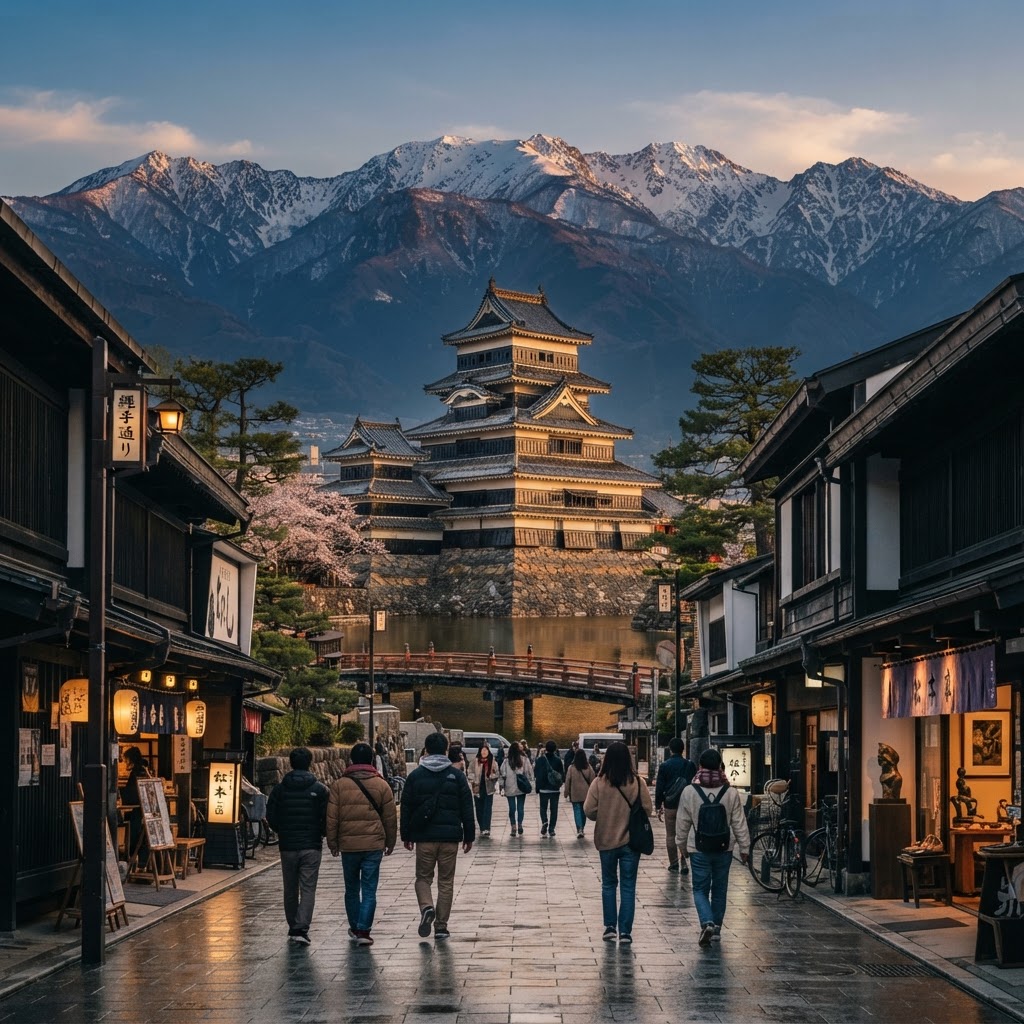
Matsumoto
Japan
Feudal black timber architecture framed by the Northern Alps and alpine art culture
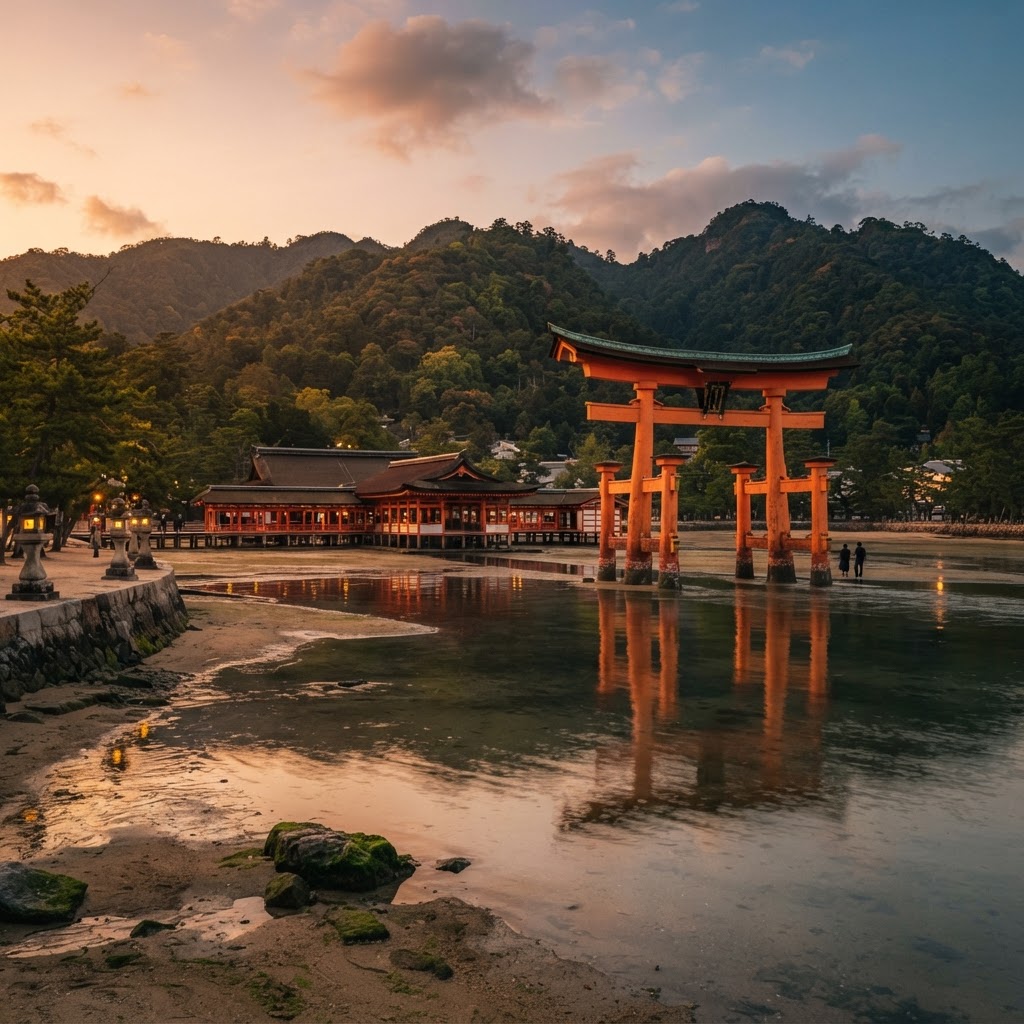
Miyajima (Itsukushima), Japan
Japan
A sacred island of tidal shrines, ancient virgin forest, and silent lantern-lit evenings.
Readymade itineraries
Start from a tested template — then make it yours.
Ready to book
Lock in your Kyoto trip
Everything in one place. We may earn a small commission — it never costs you more.
Plan a trip to Kyoto
Pick a length and we'll build a day-by-day plan around how you travel — neighborhoods clustered, budget-aware, and editable.
Get better at planning trips like this
Occasional notes on planning smarter — no spam, unsubscribe anytime.
Plan a trip to Kyoto
Turn this guide into a day-by-day plan built around your pace, your group, and your budget.
Build my Kyoto trip