Japan
Koyasan (Mount Koya)
A mountain redoubt of ancient cedar groves, living monastic rituals, and lantern-lit stone paths.
Plan & book
Sort your Koyasan (Mount Koya) trip in one place.
We point you to the booking tools we'd actually use — live prices, no markup. Or let us build the day-by-day plan around you first, then book.
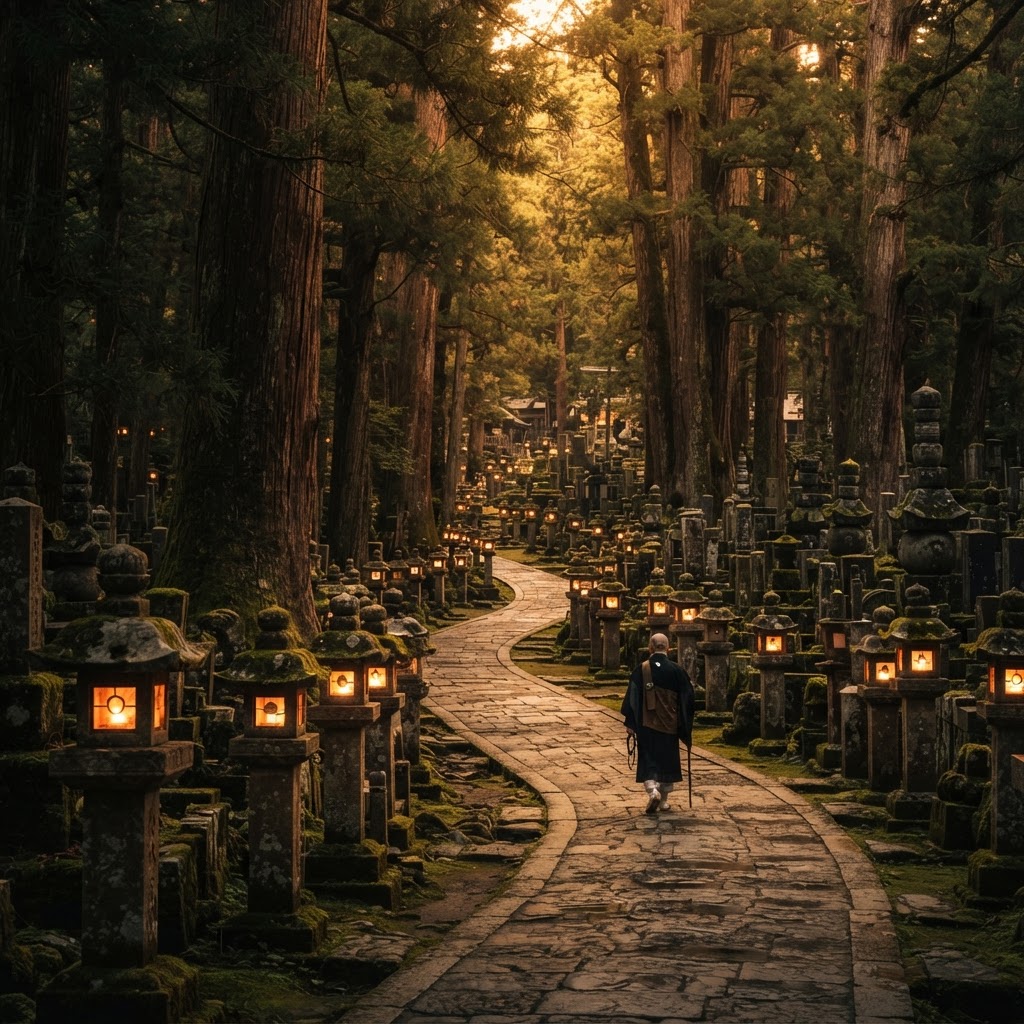
Perched on an 800-meter-high plateau encircled by eight mountain peaks, Koyasan is the historic world headquarters of Shingon Esoteric Buddhism, established by Kobo Daishi (Kukai) in 819. It is not an open-air museum or an ordinary mountain village, but an active temple community home to more than 100 monastic complexes. Travelers come primarily for the immersive rhythm of a temple stay (shukubo), early morning fire rituals (goma), exquisite Buddhist vegetarian cuisine (shojin ryori), and Okunoin—Japan's most evocative cemetery, where over 200,000 moss-blanketed tombstones rest beneath towering century-old cryptomeria trees.
2 days (1 night)
Build your own trip with these prebuilt itineraries
Each one is a tested, day-by-day plan for Koyasan (Mount Koya) — start here, then make it yours.
3 Days: Ancient Pilgrimage & Contemplative Walking in Koyasan
Hiking and deep heritage trek traversing the historic Choishi Michi trail and quiet remote mountain temples
2 Days: The Classic Shukubo & Sacred Forest Experience in Koyasan
First-timer temple immersion focusing on morning rituals, shojin ryori, and Okunoin's day and night contrasts
1 Day: Highlights of Mount Koya from Osaka in Koyasan
Fast-paced cultural excursion connecting Danjo Garan, Kongobuji, and daytime Okunoin for time-constrained travelers
Koyasan delivers a profound atmospheric shift from Kansai's urban belt. The essential experience is spending an evening and early morning here: walking the two-kilometer stone path through Okunoin at dusk as thousands of stone lanterns flicker, sleeping on tatami mats in a centuries-old monastery, waking before dawn to the resonance of chanting monks, and dining on seasonal shojin ryori prepared with meticulous Zen culinary tradition.
Where to stay
Getting there
Getting around
Food & drink
What it costs
Things to do
Book tours & tickets in Koyasan (Mount Koya)Skip it if
Skip Koyasan if you require lively nightlife, Western-style luxury amenities, or on-demand dining, as the town shuts down after dusk and enforces strict temple curfews. Travelers with severe mobility issues may struggle with the long, uneven stone walkways, temple steps, and lack of elevators in traditional wooden shukubo. It is also not worth the 5-hour round-trip transit penalty if your entire Japan itinerary is under a week.
Destination intelligence
Updated 9/13/2026The structured record we plan every Koyasan (Mount Koya) itinerary from.
Walkability
High within distinct clusters; the entire plateau spans roughly 3.5 km from Daimon Gate to Okunoin, with flat walking along the main avenue and cobblestone paths inside sacred grounds.
Transit quality
High; regular Nankai Limited Express trains from Osaka connect smoothly to the Gokurakubashi cable car, met by synchronized Nankai Rinkan mountain buses.
Car needed
No; personal vehicles are a liability given narrow mountain passes, strict bus-only access on the entry road, and pedestrian-friendly monastery lanes.
Ideal duration
2 days (1 night)
Minimum useful
Full day trip (tight day excursion from Osaka, departing by 07:30)
Peak season
Mid-October to early November (vibrant autumn foliage) and April to May (spring cherry blossoms and mild mountain temperatures).
Shoulder season
June through September; summer is pleasantly cooler than lowland Osaka and Kyoto, though rainy season (tsuyu) peaks in June/July.
Low season
December through February; cold and quiet with snowfalls, fewer crowds, and tranquil frozen temple gardens (ensure your shukubo has adequate room heating).
Best for
Common mistakes
- Treating Koyasan as a hurried day trip from Osaka, which sacrifices both the lantern-lit cemetery night walk and early morning monk chanting rituals.
- Arriving with oversized roller suitcases on the narrow cable cars and buses instead of forwarding large bags from Osaka/Kyoto to your next destination via Takkyubin.
- Assuming Koyasan has normal restaurant nightlife; almost all shops and local eateries close by 17:00, and temple curfews lock doors around 21:00.
- Taking photographs beyond Gobyohashi Bridge at Okunoin, which violates sacred sanctuary rules and monk instructions.
- Failing to dress warmly between October and May; due to the 800m elevation, temperatures are typically 5 to 8 degrees Celsius colder than Osaka and Kyoto.
Best nearby
See what a trip to Japan actually costs. Travel Budget Co.
More in Japan
Kawaguchiko & Fuji Five Lakes
Japan
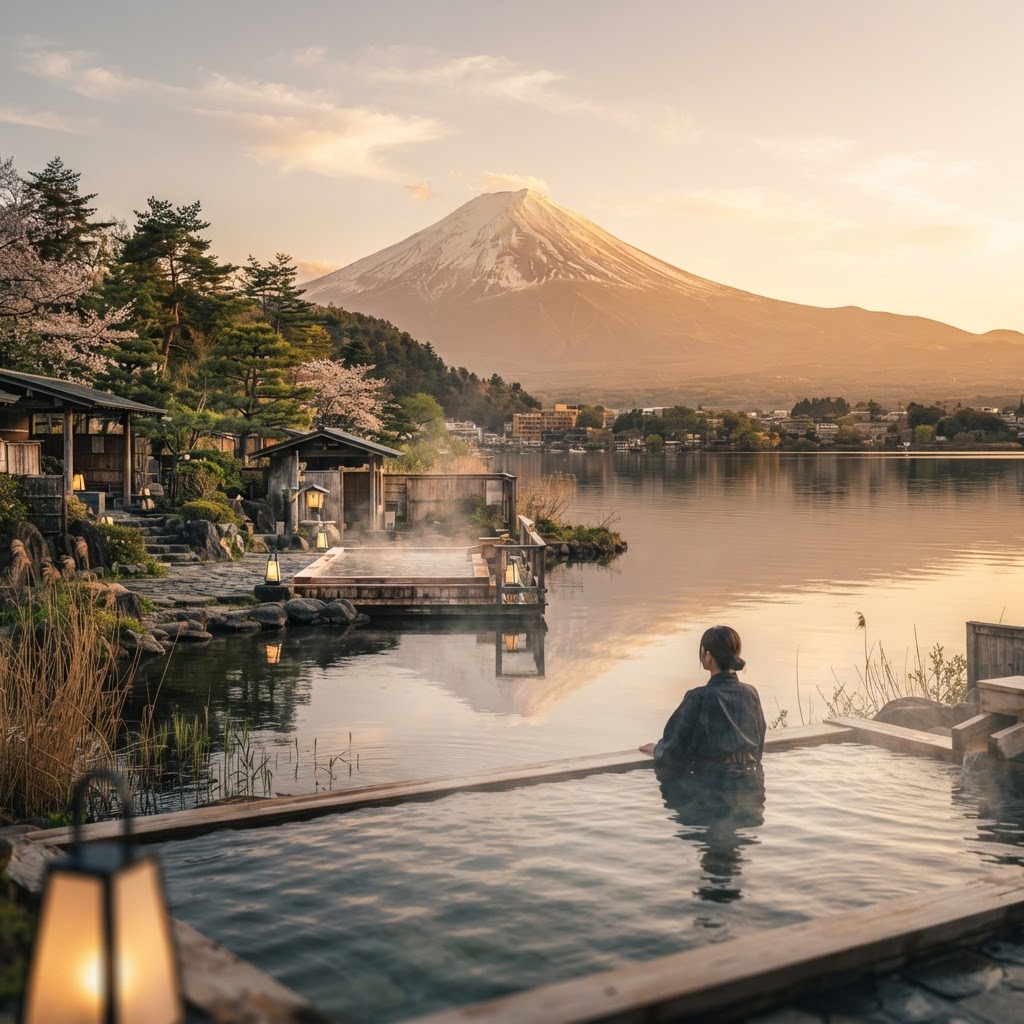
Unrivaled front-row views of Mount Fuji, lakeside onsens, and open mountain air.
Yakushima, Japan
Japan
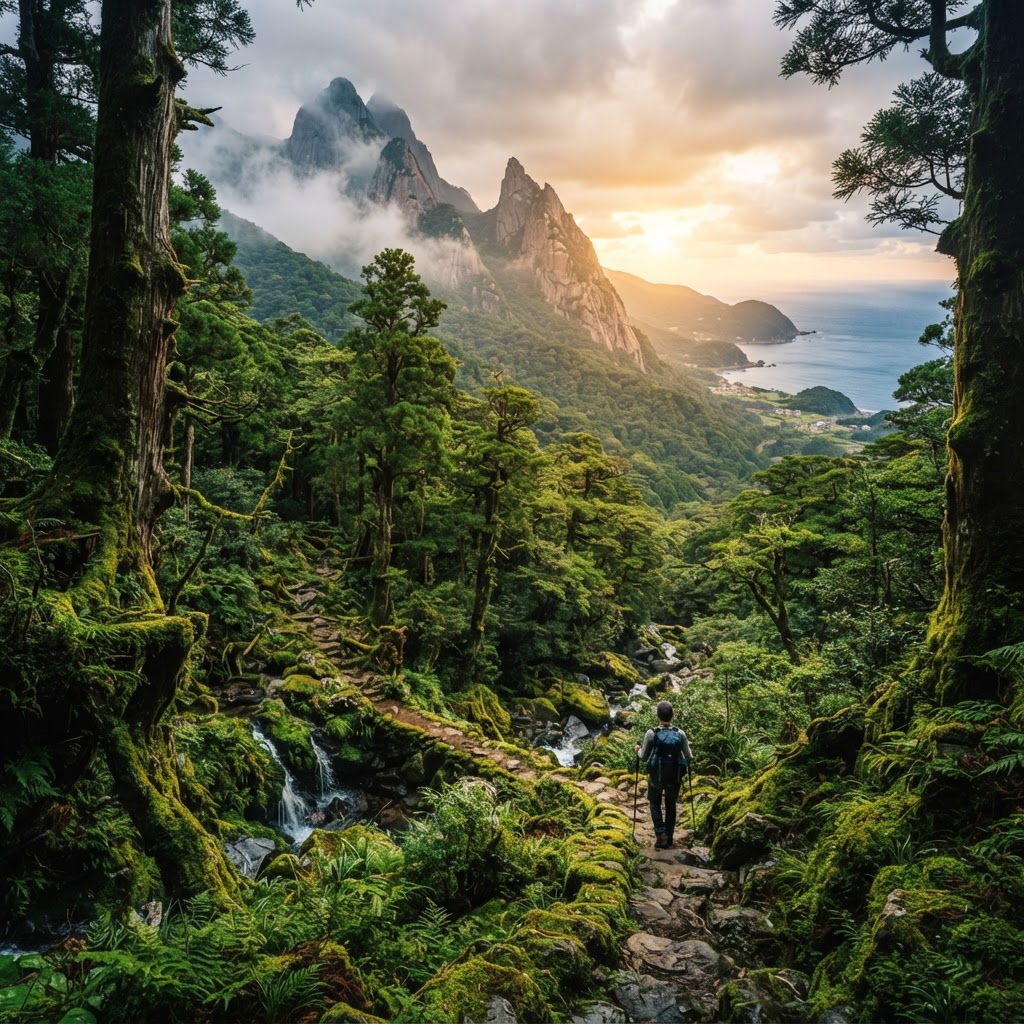
Ancient moss-draped cedar forests and misty granite peaks rising abruptly from the Pacific.
Shirakawa-go, Gifu, Japan
Japan
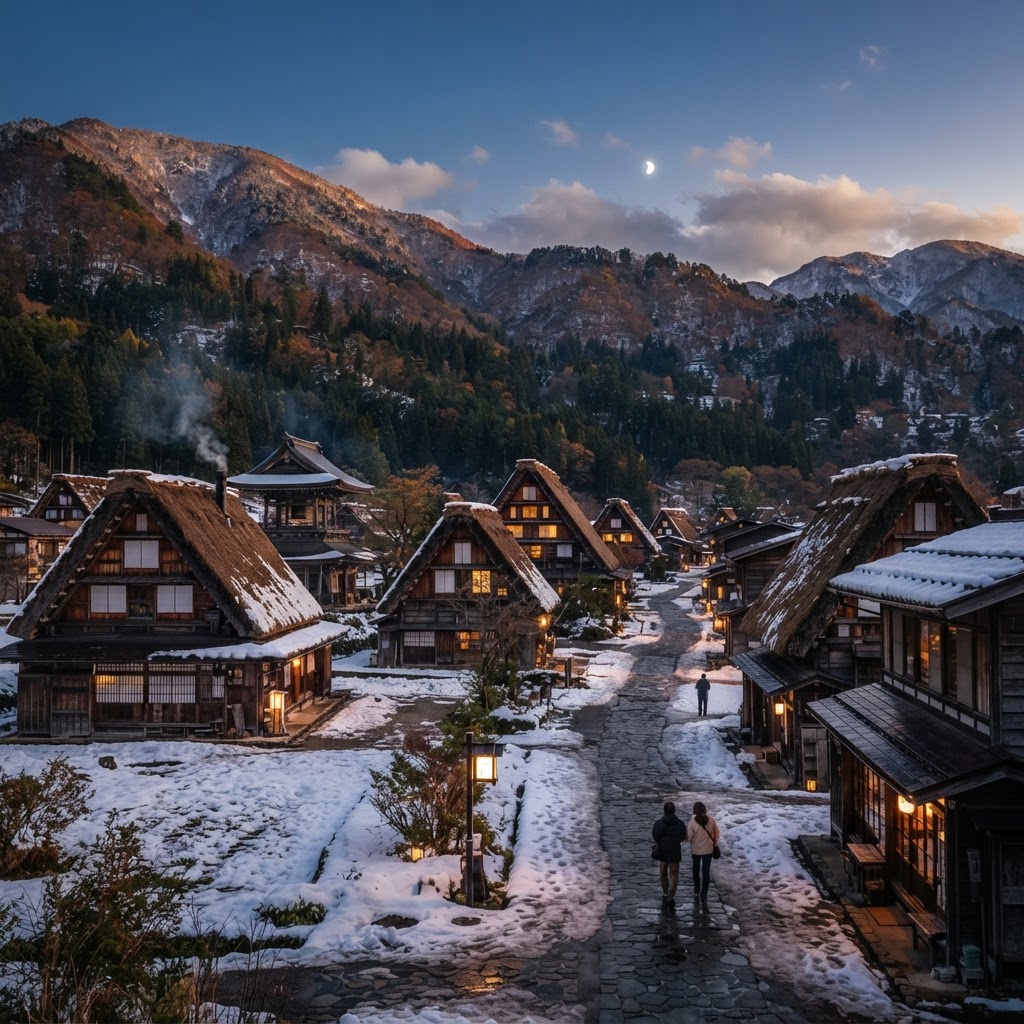
A living mountain settlement of steep-pitched thatch, silence at dusk, and alpine timbercraft.
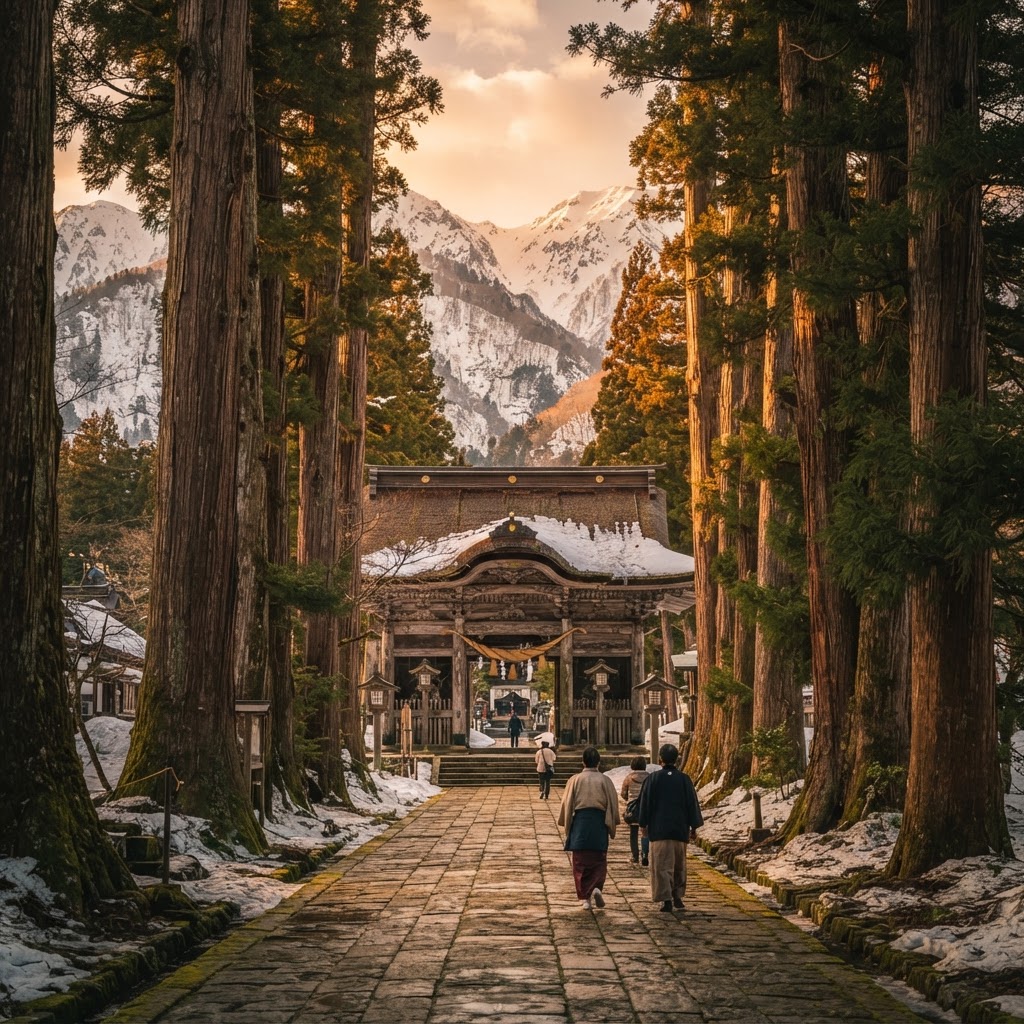
Nagano, Japan
Japan
Pilgrim temples, cedar-lined alpine shrines, and the gateway to Japan's northern powder peaks.
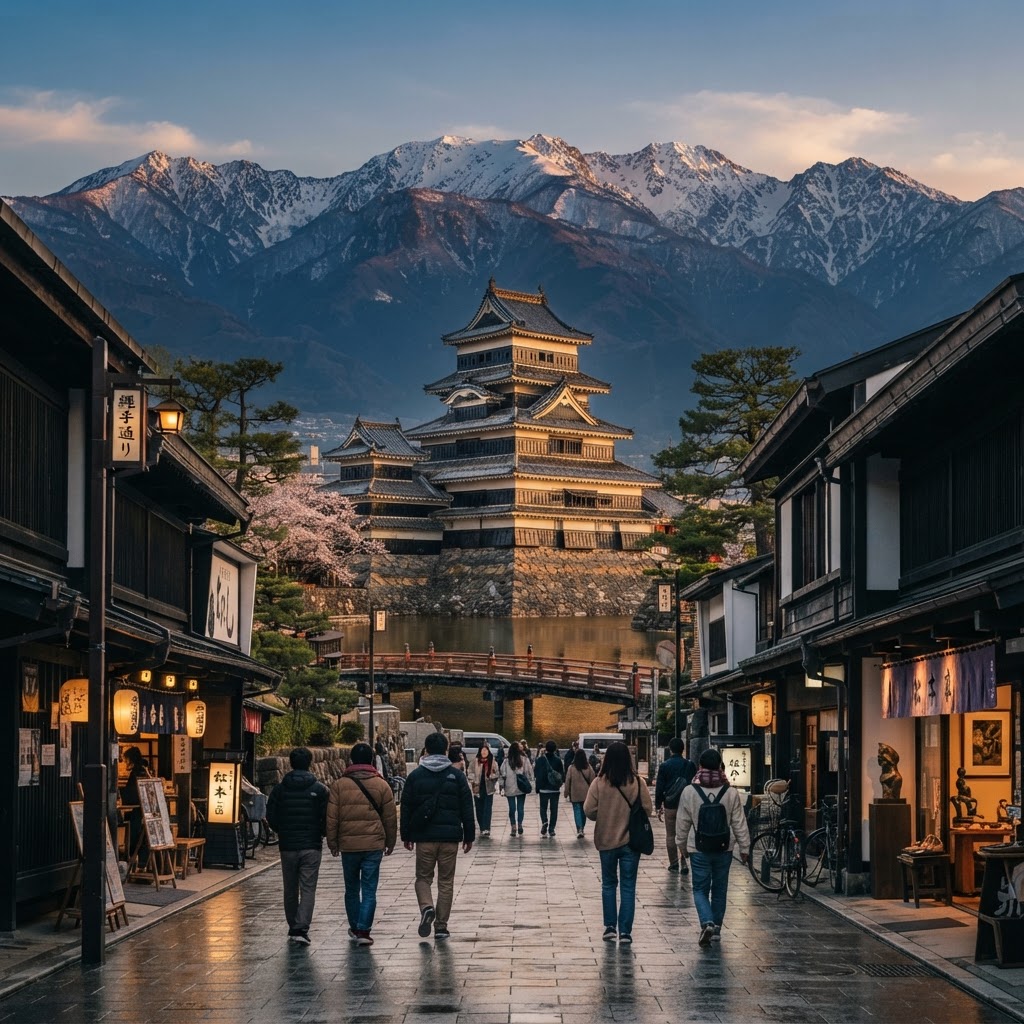
Matsumoto
Japan
Feudal black timber architecture framed by the Northern Alps and alpine art culture
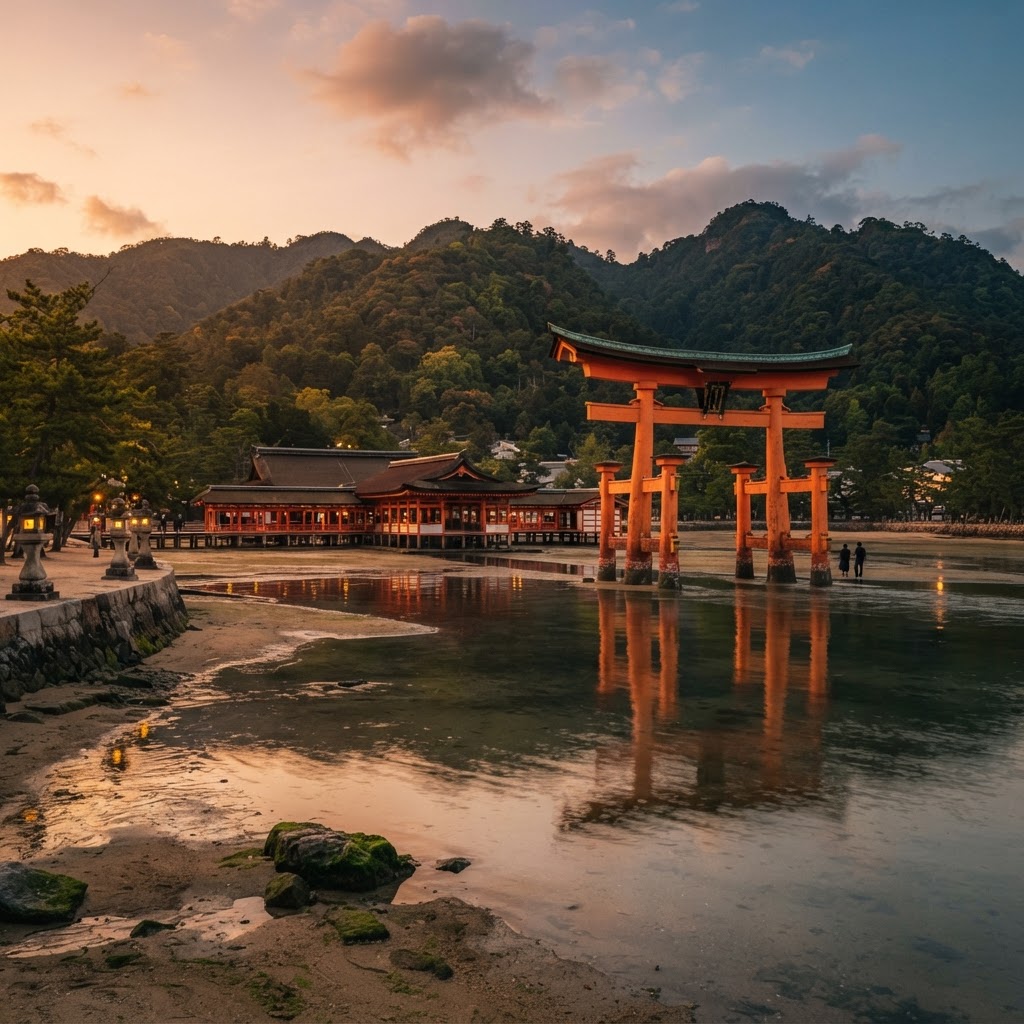
Miyajima (Itsukushima), Japan
Japan
A sacred island of tidal shrines, ancient virgin forest, and silent lantern-lit evenings.
Readymade itineraries
Start from a tested template — then make it yours.
Ready to book
Lock in your Koyasan (Mount Koya) trip
Everything in one place. We may earn a small commission — it never costs you more.
Plan a trip to Koyasan (Mount Koya)
Pick a length and we'll build a day-by-day plan around how you travel — neighborhoods clustered, budget-aware, and editable.
Get better at planning trips like this
Occasional notes on planning smarter — no spam, unsubscribe anytime.
Plan a trip to Koyasan (Mount Koya)
Turn this guide into a day-by-day plan built around your pace, your group, and your budget.
Build my Koyasan (Mount Koya) trip