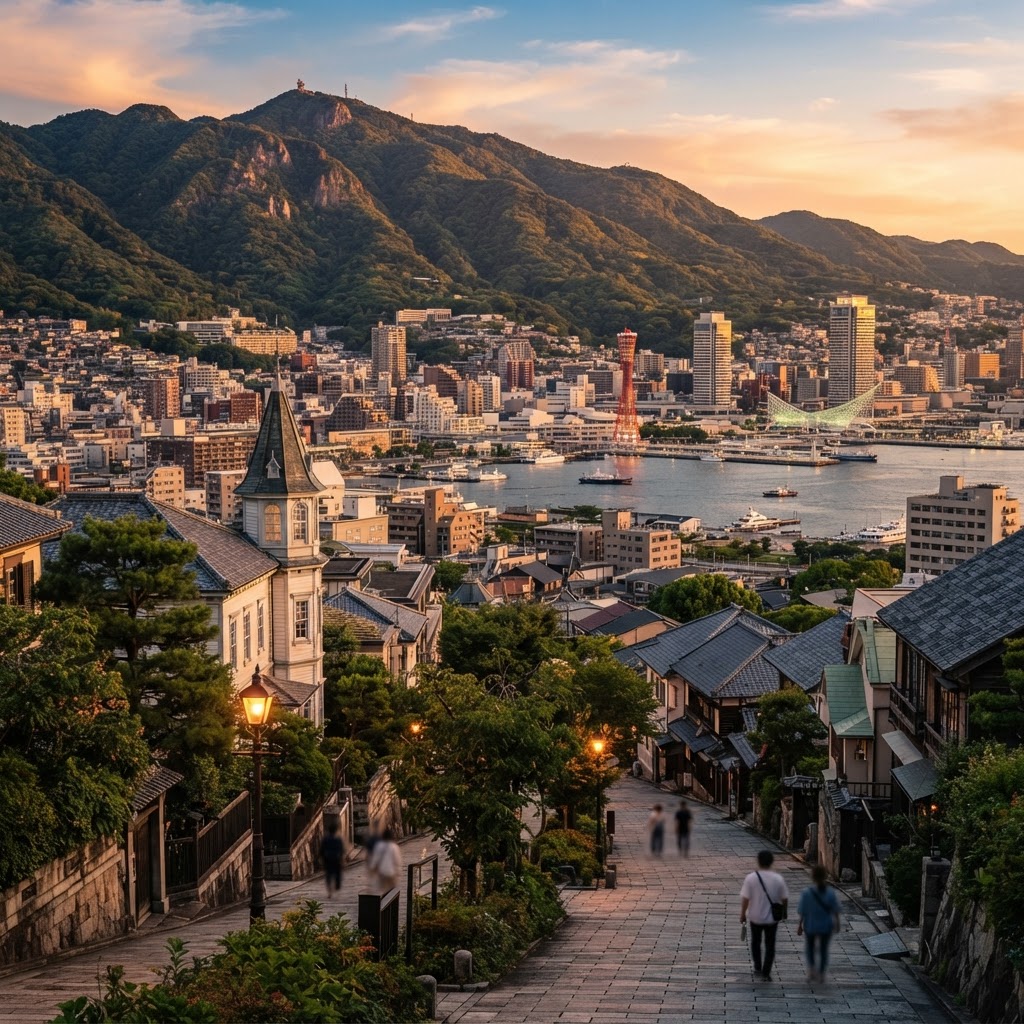
Japan
Kobe, Japan
Squeezed between steep forested mountains and the bay, Kobe balances historic foreign settlements, pristine sake brewing waters, and top-tier wagyu.
Plan & book
Sort your Kobe, Japan trip in one place.
We point you to the booking tools we'd actually use — live prices, no markup. Or let us build the day-by-day plan around you first, then book.
Perched on a narrow strip of land between the Rokko mountain range and Osaka Bay, Kobe has lived a distinct life from its Kansai neighbors. Opened to foreign commerce in 1868, it absorbed European architectural influences and maritime trade, then rebuilt into a polished, livable port following the devastating 1995 Great Hanshin earthquake. Today, while most travelers treat it as an ephemeral wagyu lunch stop en route between Osaka and Himeji, Kobe quietly rewards those who spend a night exploring its hilltop European enclaves, retro harbor districts, hillside waterfalls, and centuries-old sake breweries.
2 days
Best time
Late October to late November for crisp mountain foliage, or April for foothill cherry blossoms.
Build your own trip with these prebuilt itineraries
Each one is a tested, day-by-day plan for Kobe, Japan — start here, then make it yours.
3 Days: Harbor City to Arima Onsen in Kobe
Mountains and hot springs combining Nunobiki waterfalls, Rokko hiking trails, and a traditional overnight soak in historic Arima Onsen
2 Days in Kobe: Wagyu & Nada Sake in Kobe
Food and drink deep dive pairing authentic lunch beef tastings with the historic Nada sake brewing district and Chinatown bites
1 Day Highlights & Harbor Views in Kobe
First-timer highlights focusing on lunchtime Kobe beef, Kitano Ijinkan architecture, and the evening ropeway skyline panorama
Kobe delivers a calm, cosmopolitan antidote to the overwhelming hyper-density of Osaka and the tourist crush of Kyoto. Within a single day, you can hike straight from a bullet train station up to mountain waterfalls, sample century-old teppanyaki technique, wander hillside 19th-century merchant mansions, and take a ropeway up Mount Maya for one of Japan's legendary night panoramas across Osaka Bay.
Where to stay
Getting there
Getting around
Food & drink
What it costs
Things to do
Book tours & tickets in Kobe, JapanSkip it if
Skip Kobe if you are on a tight 5-to-7-day first-timer itinerary to Japan; Tokyo, Kyoto, and Nara demand that limited time. Skip it if you are indifferent to wagyu, western trade architecture, or scenic harbors, or if you expect vast temple complexes—Kyoto does historic temples infinitely better.
When to go
Autumn delivers dry air, clear panoramic views from Mount Rokko, and comfortable walking temperatures for Kitano's steep hills without the sweltering sea humidity of July and August. Spring offers cherry blossoms against stone waterfronts, though hotel rates around Sannomiya spike sharply during late March.
Peak (Late Mar–Apr & Late Oct–Nov)
Peak foliage and sakura seasons; expect lines at top-tier wagyu counters and book Sannomiya hotels 2–3 months out.
Shoulder (May–early Jun & Sep–Oct)
Delightful walking weather along the bay and foothills, fewer crowds at sake breweries, though early September risks typhoons.
Low (Jan–Feb & Jul–Aug)
Winter brings biting northerly winds off Mount Rokko, while midsummer brings stifling Kansai humidity; winter offers the easiest walk-in table access at beef houses.
Neighborhoods
Where you stay shapes the trip. Here's how to think about it.
Sannomiya
The energetic, neon-lit transit and commercial hub packed with arcades and izakayas.
Best for:First-timers, foodies, and transit connectivity
Don't miss:Tucking into back-alley yakitori and craft beers under the train tracks west of JR Sannomiya Station.
Kitano-cho
Hillside Victorian enclave of brick pavements, consulate buildings, and leafy European tea salons.
Best for:Architecture fans, cafe lovers, and romantic strolls
Don't miss:The panoramic view over Kobe's harbor from the upper terrace of Weathercock House (Kazamidori no Yakata).
Motomachi & Nankinmachi
Covered shopping arcades running directly into steam-basket-lined Chinatown alleyways.
Best for:Street snackers, independent boutique shoppers, and retro-store hunters
Don't miss:Fresh pork buns (butaman) from Roushouki in the center square of Nankinmachi.
Harborland & Meriken Park
Spacious seaside boardwalk with industrial maritime heritage and nighttime red-tower illumination.
Best for:Families, evening waterfront walkers, and waterfront dining
Don't miss:The haunting, preserved fractured quay wall at the Kobe Port Earthquake Memorial Park.
Nada
Working industrial sake brewing quarter where traditional timber kura stand against mountain runoff streams.
Best for:Sake enthusiasts, history buffs, and craft beverage fans
Don't miss:Sampling unpasteurized draft sake straight from the cedar barrels at the Hakutsuru Sake Brewery Museum.
Arima Onsen
Narrow, mist-veiled mountain gorge town tucked behind Mount Rokko with steaming iron-rich springs.
Best for:Hot spring purists, ryokan getaways, and hikers
Don't miss:A soak in the muddy, rust-colored mineral water at Kin-no-Yu public bath house.
Destination intelligence
Updated 9/14/2026The structured record we plan every Kobe, Japan itinerary from.
Walkability
High
Transit quality
Excellent
Car needed
No
Ideal duration
2 days
Minimum useful
1 day
Peak season
Spring (late March to mid-April for cherry blossoms along the foothills) and Autumn (late October to November for brilliant foliage across Mount Rokko and Nunobiki).
Shoulder season
May to early June (pleasant, temperate spring walking weather before summer rains) and September to October (crisp harbor breezes).
Low season
January to February (chilly mountain winds from Mount Rokko, though lines at beef houses and transit are shortest) and mid-summer July to August (sweltering Kansai humidity).
Best for
Common mistakes
- Assuming Shin-Kobe Station is in downtown Kobe; it is the bullet train terminal against the mountain, requiring a short subway ride or 15-minute downhill walk to reach central Sannomiya.
- Booking high-end Kobe beef for dinner instead of lunch, paying double for essentially the same grade of Tajima beef.
- Treating Kobe as only an evening meal stop rather than pairing it with the nearby Nunobiki trails, Nada sake district, or an overnight in Arima Onsen.
- Skipping the ropeway descents after dark—missing the harbor skyline view that locals consider one of Japan's top three night panoramas.
- Relying solely on JR Rail Passes for local trips without realizing private lines like Hankyu and Hanshin are often faster and drop you closer to street attractions.
Best nearby
See what a trip to Japan actually costs. Travel Budget Co.
How to plan it
- Base yourself within a 7-minute walk of JR Sannomiya Station to ensure direct access to all three regional rail networks without transferring.
- Pair Kobe with an afternoon in Himeji: visit Himeji Castle in the morning (30 minutes on the JR Special Rapid), then return to Kobe by mid-afternoon for sake tasting in Nada and a teppanyaki dinner.
- Don't try to visit Arima Onsen and the Nada sake district on the same afternoon; they lie on opposite sides of the mountain range and transit between them eats up half your day.
- Book teppanyaki lunch seatings between 12:00 and 13:30 to experience authentic A5 Tajima beef at nearly half the price of the evening dinner services.
- Take the Kobe Nunobiki Ropeway up just before sunset so you can explore the herb gardens in daylight and ride down past the illuminated skyline.
Questions
More in Japan
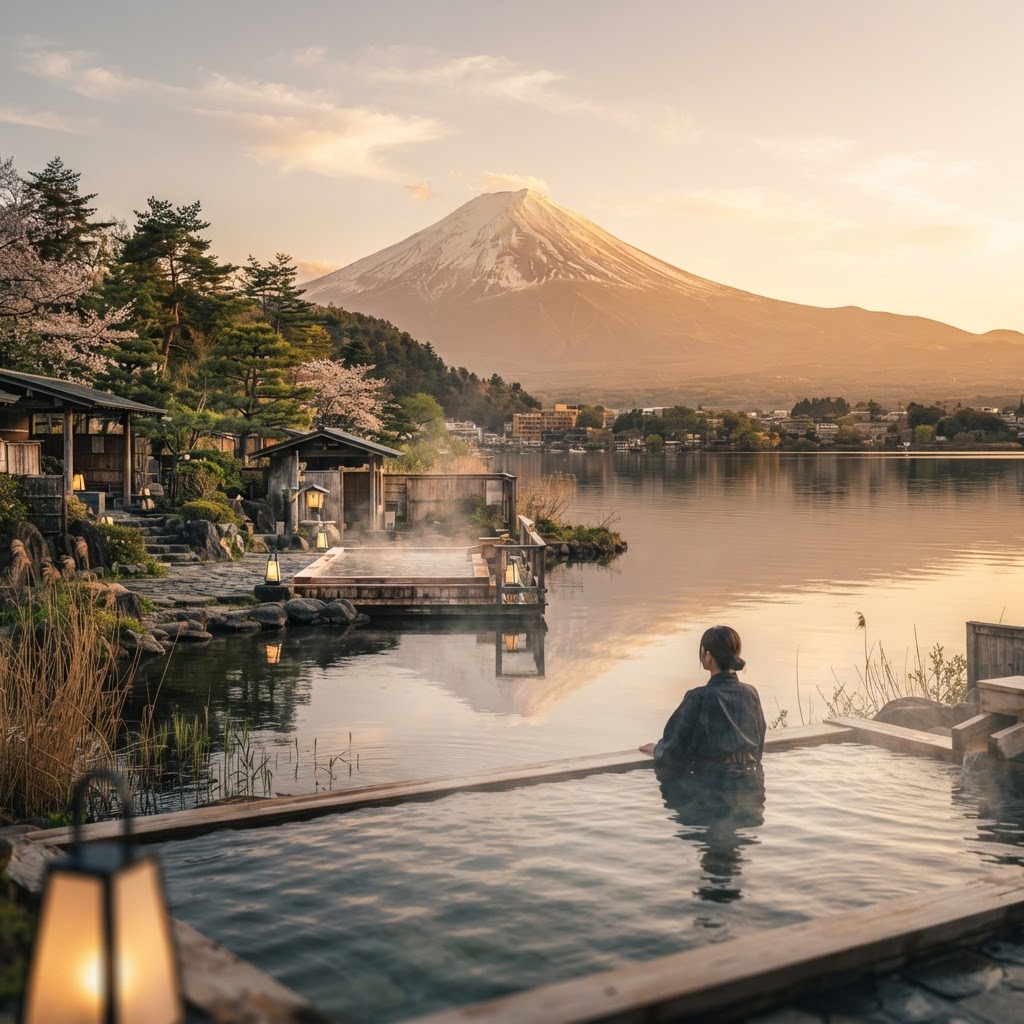
Kawaguchiko & Fuji Five Lakes
Japan
Unrivaled front-row views of Mount Fuji, lakeside onsens, and open mountain air.
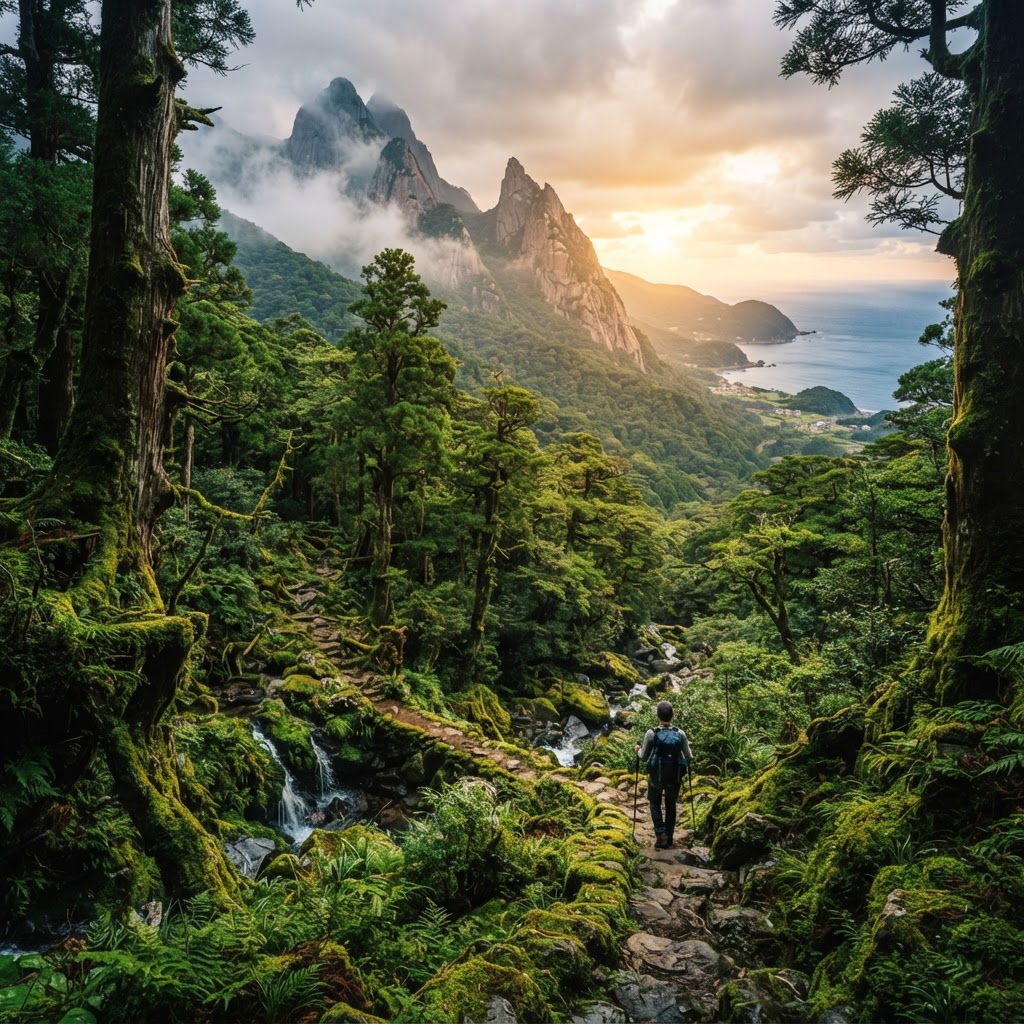
Yakushima, Japan
Japan
Ancient moss-draped cedar forests and misty granite peaks rising abruptly from the Pacific.
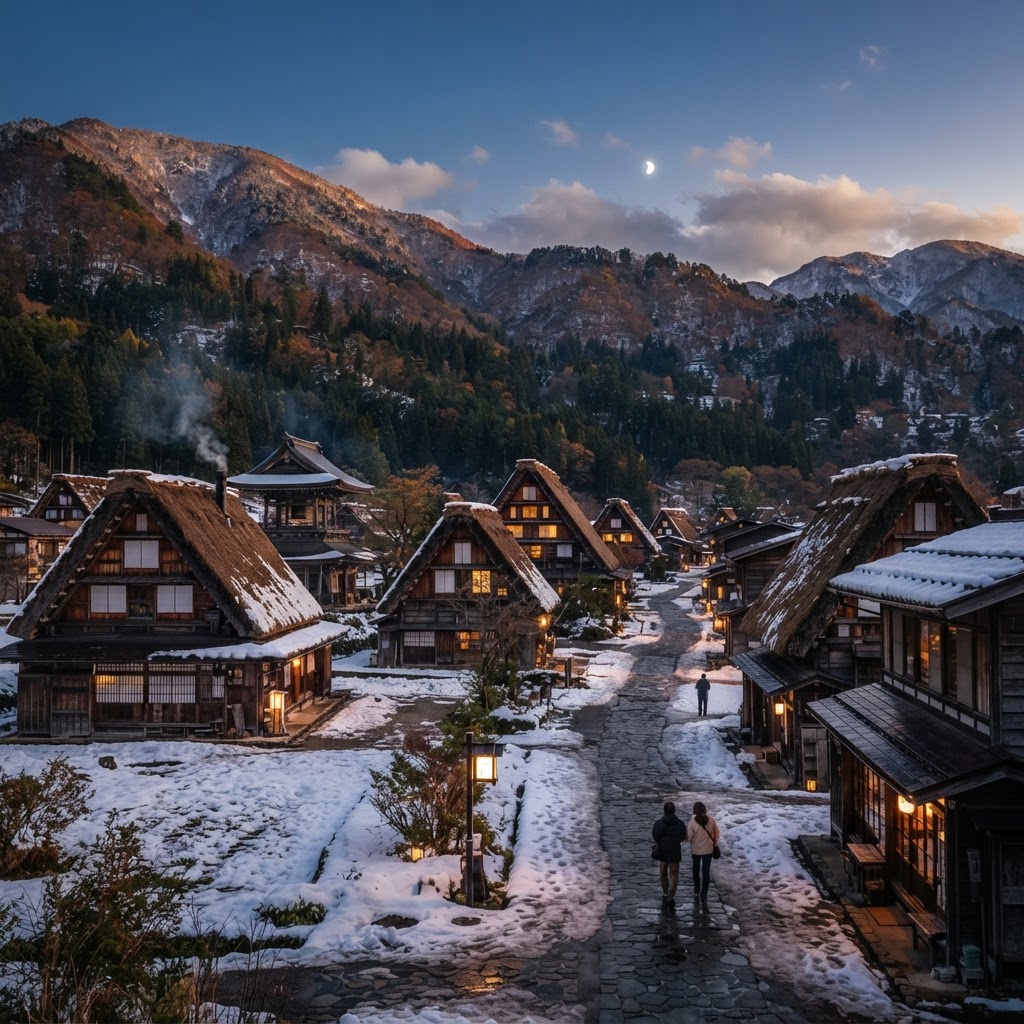
Shirakawa-go, Gifu, Japan
Japan
A living mountain settlement of steep-pitched thatch, silence at dusk, and alpine timbercraft.
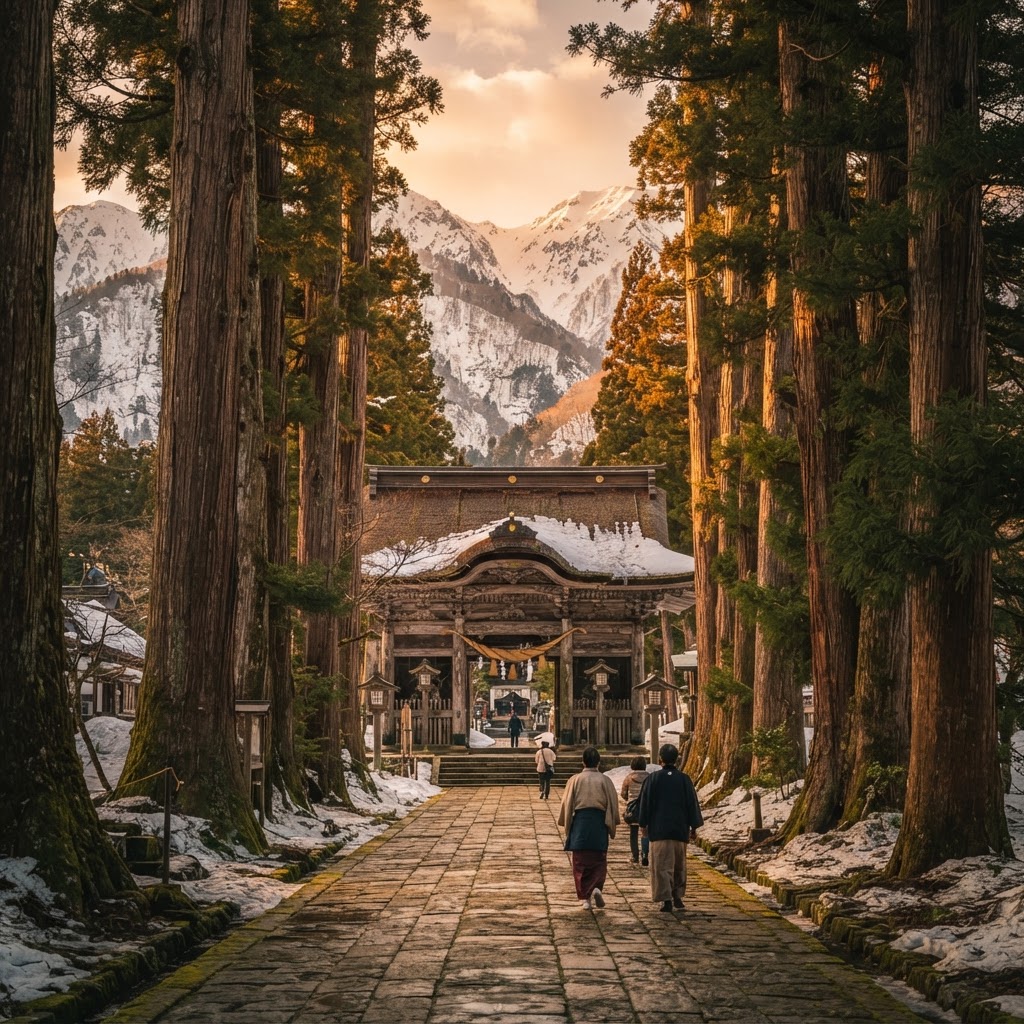
Nagano, Japan
Japan
Pilgrim temples, cedar-lined alpine shrines, and the gateway to Japan's northern powder peaks.
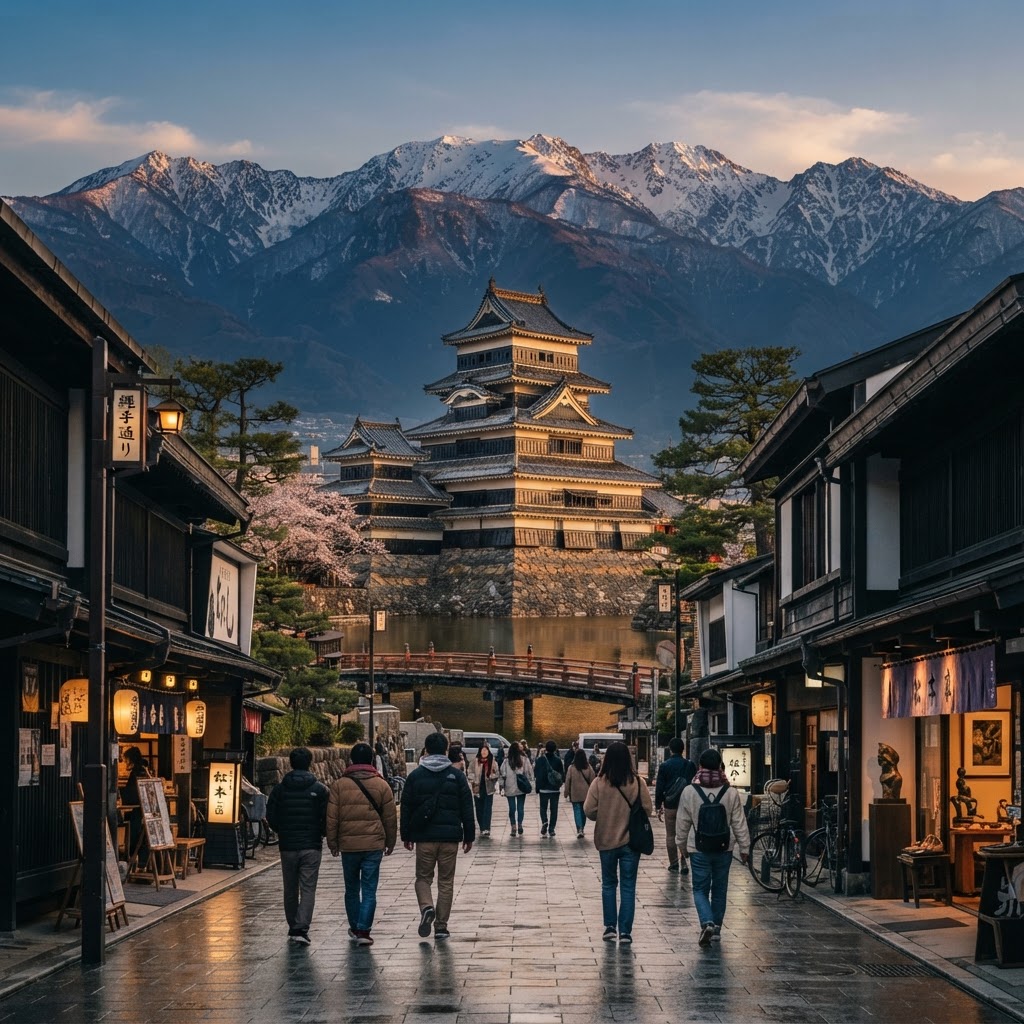
Matsumoto
Japan
Feudal black timber architecture framed by the Northern Alps and alpine art culture
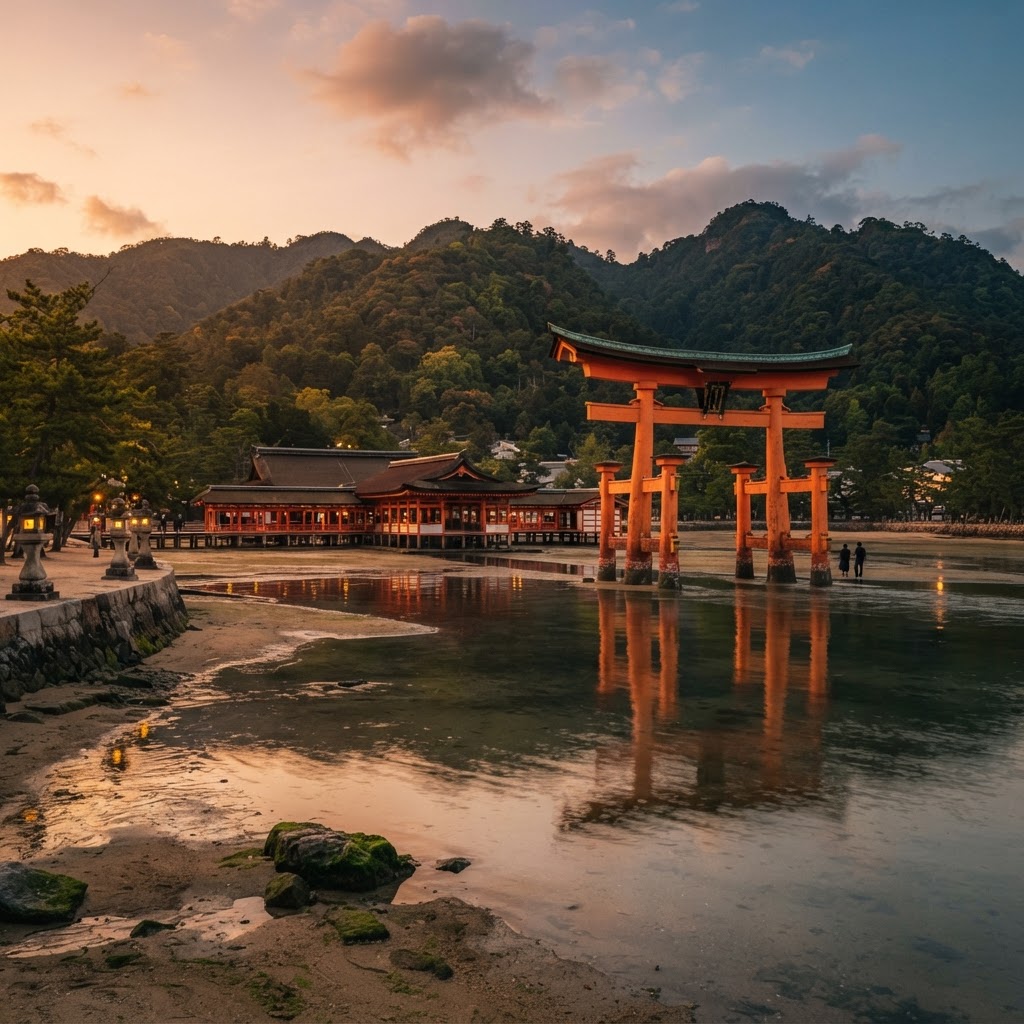
Miyajima (Itsukushima), Japan
Japan
A sacred island of tidal shrines, ancient virgin forest, and silent lantern-lit evenings.
Readymade itineraries
Start from a tested template — then make it yours.
Ready to book
Lock in your Kobe, Japan trip
Everything in one place. We may earn a small commission — it never costs you more.
Plan a trip to Kobe, Japan
Pick a length and we'll build a day-by-day plan around how you travel — neighborhoods clustered, budget-aware, and editable.
Get better at planning trips like this
Occasional notes on planning smarter — no spam, unsubscribe anytime.
Plan a trip to Kobe, Japan
Turn this guide into a day-by-day plan built around your pace, your group, and your budget.
Build my Kobe, Japan trip