
Japan
Kanazawa Itinerary: How Many Days + Sample Plans
Kanazawa is 'little Kyoto' without the crowds — gold-leaf crafts, a samurai district, and one of Japan's best gardens.
Traveler rating
Loved by culture.
Plan & book
Sort your Kanazawa trip in one place.
We point you to the booking tools we'd actually use — live prices, no markup. Or let us build the day-by-day plan around you first, then book.
Pick your trip length
How many days do you need in Kanazawa?
Each of these opens a full day-by-day plan you can make your own.
- 2 days — Two days — the essentials, no rushing.
- 3 days — Three days — the icons plus one neighborhood.
- 4 days — Four days — a full city without sprinting.
- 5 days — Five days — room for a day trip.
- 7 days — A week — the city at a human pace.
- With Kids trip — Shorter days, earlier dinners, what to skip.
- For Couples trip — Two-person pacing with evenings built in.
- Solo trip — A plan that works well on your own.
- Food trip — Meals and markets as the anchors.
- Outdoors trip — Nature, walks and open air.
- Culture trip — History, museums and the streets around them.
Kanazawa is the untouched Edo-era city the crowds miss — a samurai district, geisha teahouses, and Kenrokuen, one of Japan's three great gardens. It's on the shinkansen now; come for a day from Tokyo and stay for the seafood market and gold leaf. Less crowded than Kyoto, just as beautiful.
1–2 days
Best time
Late October through November, or late March through mid-April.
Budget
¥10,000–18,000 per person per day at mid-range.
Build your own trip with these prebuilt itineraries
Each one is a tested, day-by-day plan for Kanazawa — start here, then make it yours.
2 Days in Kanazawa: Cultural Highlights
A classic exploration focusing on the Kenrokuen Garden, the Nagamachi Samurai District, and the Higashi Chaya geisha area for first-time visitors.
4 Days in Kanazawa: Coastal Exploration and Day Trips
Focuses on the Noto Peninsula and Shirakawa-go, utilizing Kanazawa as a base for exploring the rugged coastline and UNESCO World Heritage villages.
Kanazawa delivers the preserved wooden merchant quarters, historic teahouses, and classical garden design travelers seek in Kyoto, but inside a compact, walkable coastal city that feels lived-in rather than overrun. Sparing damage during World War II kept its samurai alleys and Edo-era craft lineages intact, spanning lacquerware, Kutani porcelain, and gold leaf. Paired with Sea of Japan seafood hauled fresh into Omicho Market, it offers one of Japan's most refined culinary and cultural hubs.
Where to stay
Getting there
Getting around
Food & drink
What it costs
Things to do
Book tours & tickets in KanazawaSkip it if
Skip it if you crave neon high-rise nightlife and mega-city bustle like Tokyo or Osaka, or if you only have 5 days in Japan total—it eats too much transit time on a lightning-first-timer route.
When to go
Autumn pairs blazing foliage at Kenrokuen with the opening of Sea of Japan snow crab season and crisp, walking-friendly weather. Spring brings castle-moat cherry blossoms, whereas midsummer is sweltering and humid.
Spring (March–May)
Cherry blossoms around Kanazawa Castle Park peak around early April; pleasant temperatures, but book ahead around Golden Week in early May.
Summer (June–August)
Hot, humid, and rainy; the June Hyakumangoku Festival brings historic pageantry, but outdoor garden touring can be draining in July and August.
Fall (September–November)
Peak culinary season featuring Kano crab and cold-water seafood; November reveals vibrant maples and the iconic yukitsuri rope cones installed in Kenrokuen.
Winter (December–February)
Cold and frequently wet or snowy, but crowd-free; underground street-heating clears snow quickly, and hot bowls of Kanazawa oden are at their best.
Neighborhoods
Where you stay shapes the trip. Here's how to think about it.
Higashi Chaya
Preserved Edo-period wooden teahouse facades, quiet stone alleys, and artisan craft shops.
Best for:Atmosphere seekers, tea connoisseurs, and early morning strolls
Don't miss:Stepping inside Shima, a working geisha teahouse from 1820 turned museum, then picking up gold-leaf soft serve nearby.
Nagamachi
A quiet residential enclave framed by earthen mud walls, private samurai gates, and narrow water canals.
Best for:History buffs and travelers wanting quiet, scenic walks
Don't miss:The Nomura Samurai House (Nomura-ke) for its compact, multi-level private garden and preserved tearoom.
Omicho & Downtown (Musashigatsuji)
Bustling, seafood-scented commercial core anchored by a 300-year-old market hall.
Best for:First-timers, food lovers, and transit convenience
Don't miss:Kaisen-don (overflowing sashimi rice bowl) at Omicho Market right when stalls open around 9:00 AM before the tour buses arrive.
Katamachi & Korinbo
Sleek department stores transitioning into tight, glowing alleyways packed with izakayas and modern dining.
Best for:Night owls, casual drinkers, and modern hotel seekers
Don't miss:Hopping between cozy drinking counters in the narrow back alleys of Katamachi for local Ishikawa sake and grilled seafood.
Kazue-machi
Intimate, lantern-lit riverbank promenade running along the Asano River without the tour crowds.
Best for:Couples, photographers, and evening walks
Don't miss:Walking the riverside at dusk under traditional wooden balconies, crossing the Asanogawa Ohashi bridge.
Money & essentials
Currency
Japanese yen (JPY). Cash and IC cards.
Language
Japanese. A translation app helps.
Safety
Exceptional; among the safest mid-sized cultural cities in Asia day and night.
Budget range
¥10,000–18,000 per person per day at mid-range.
Tipping
No tipping; exceptional service is standard and attempting to tip is generally declined.
See what a trip to Japan actually costs. Travel Budget Co.
How to plan it
- Stay near Omicho Market or Korinbo if you prioritize walking everywhere; stay near JR Kanazawa Station if you have early train departures or multiple day trips planned.
- Pair Kanazawa with Takayama or Shirakawa-go via highway bus, turning your transit between Tokyo and Kyoto into an alpine crossing instead of a backtracking loop.
- Visit Kenrokuen Garden during early morning opening hours (around 7:00 AM) to experience its designed landscape in stillness before tour buses pull up at 9:30 AM.
- Reserve seats on the Hokuriku Shinkansen Kagayaki service weeks in advance during peak spring and autumn foliage, as all seats on this fastest train are reserved-only.
- Do not cram the 21st Century Museum of Contemporary Art on a Monday—it is closed weekly, and Leandro Erlich's 'The Swimming Pool' requires an advance timed-entry ticket reservation.
Questions
More in Japan
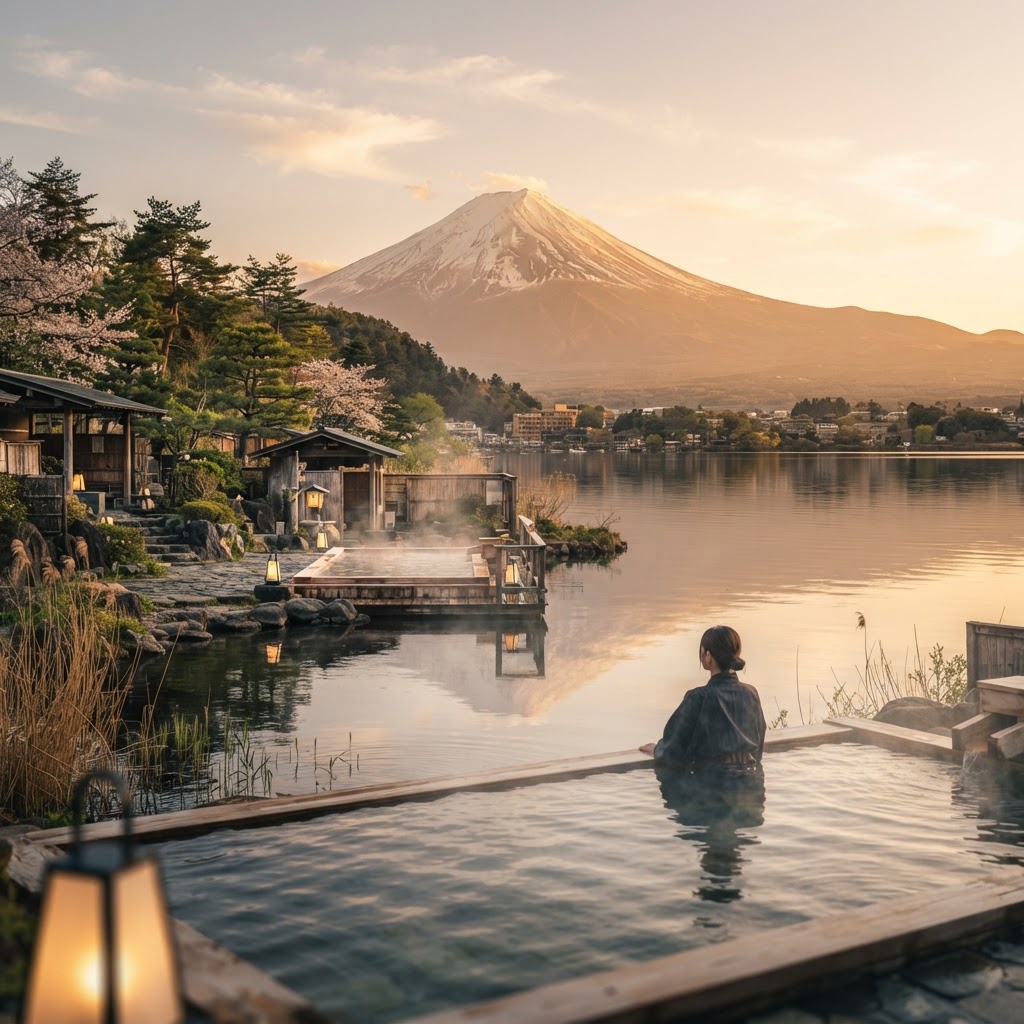
Kawaguchiko & Fuji Five Lakes
Japan
Unrivaled front-row views of Mount Fuji, lakeside onsens, and open mountain air.
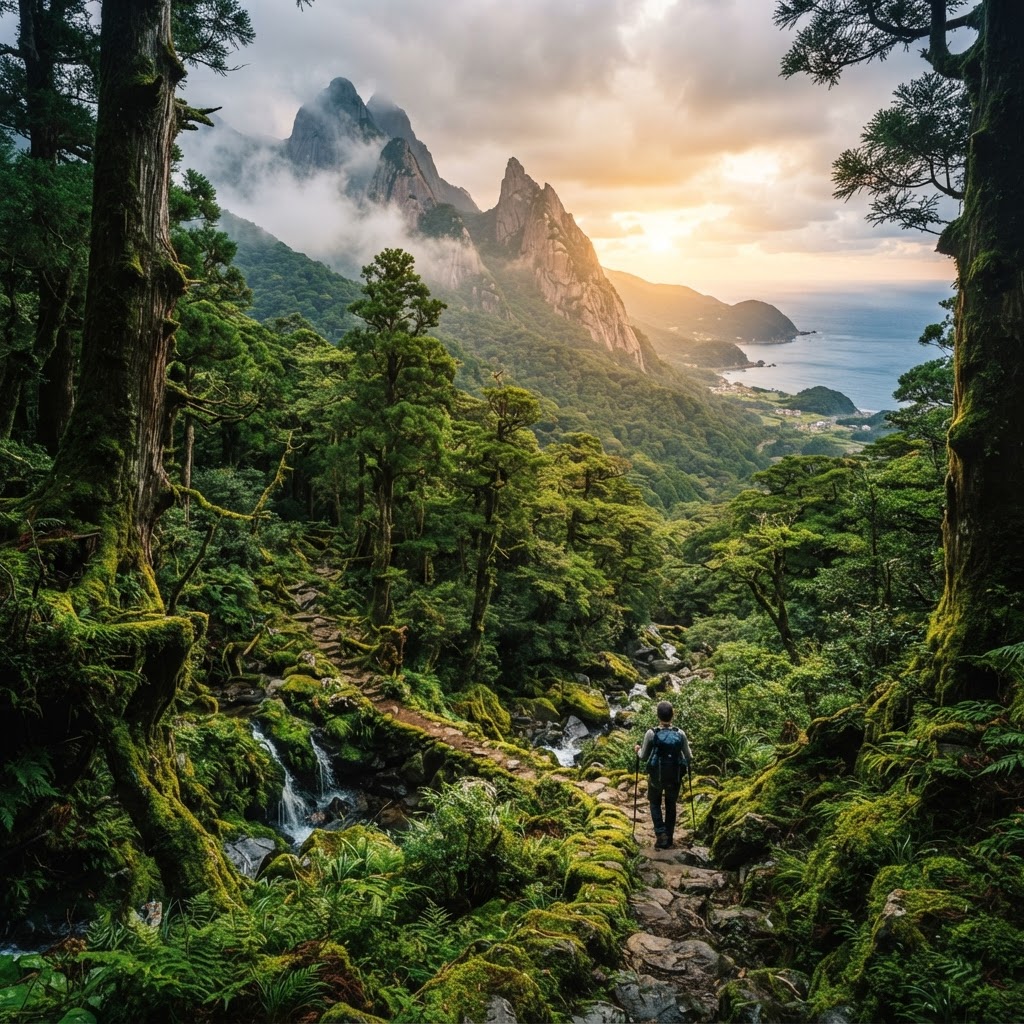
Yakushima, Japan
Japan
Ancient moss-draped cedar forests and misty granite peaks rising abruptly from the Pacific.
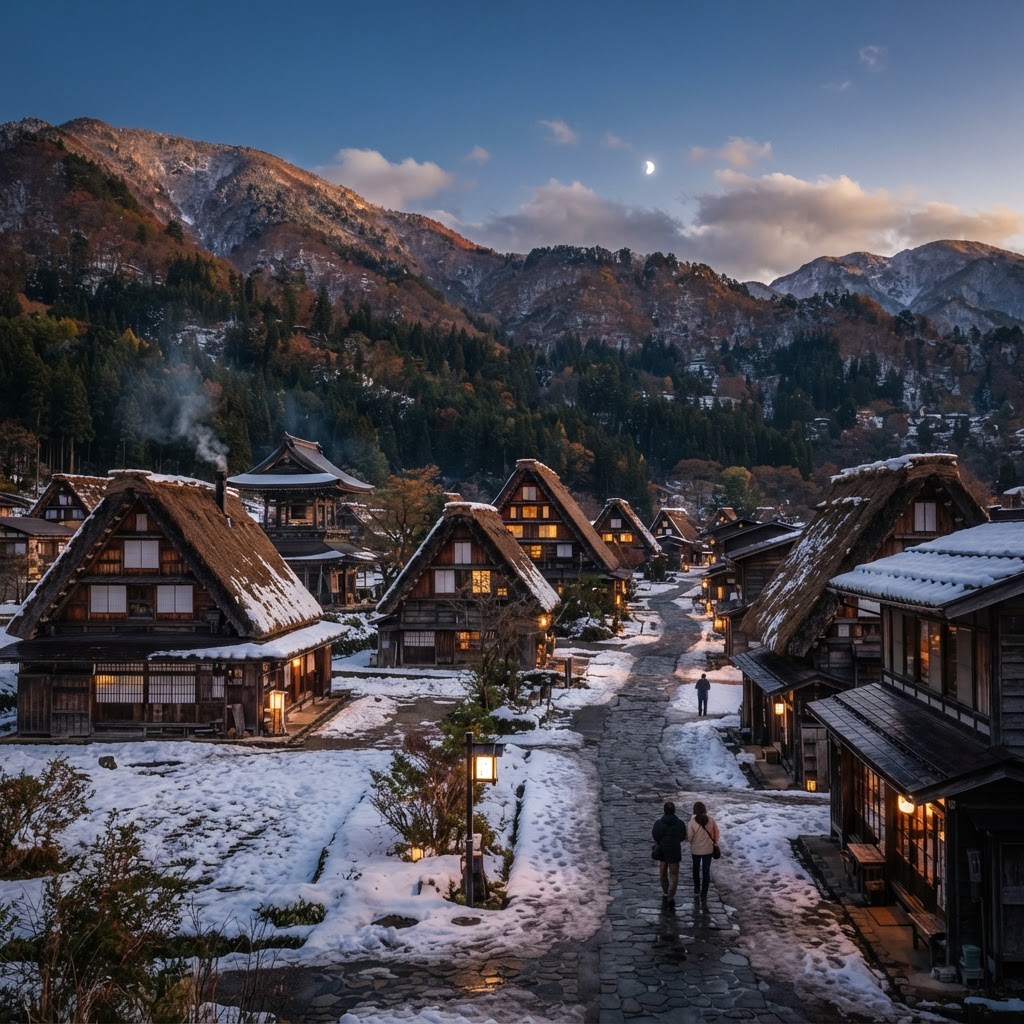
Shirakawa-go, Gifu, Japan
Japan
A living mountain settlement of steep-pitched thatch, silence at dusk, and alpine timbercraft.
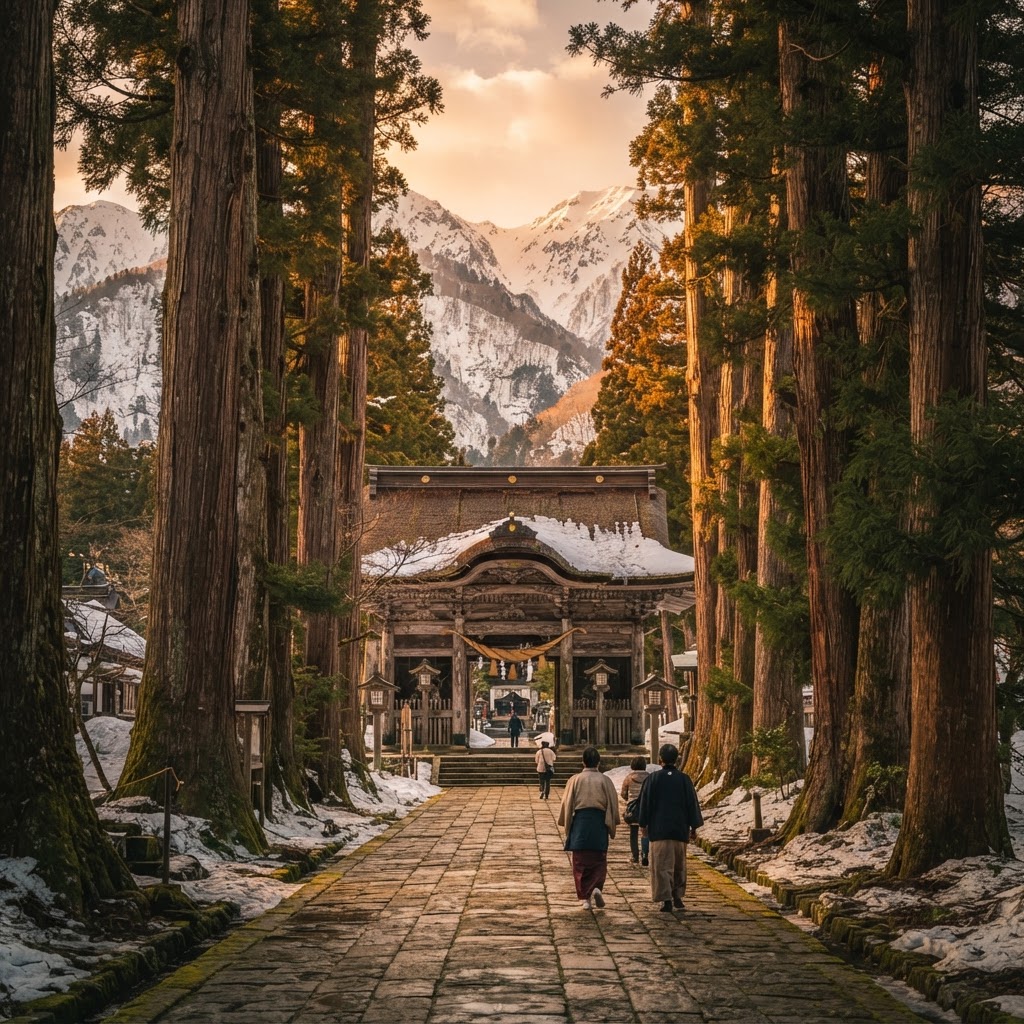
Nagano, Japan
Japan
Pilgrim temples, cedar-lined alpine shrines, and the gateway to Japan's northern powder peaks.
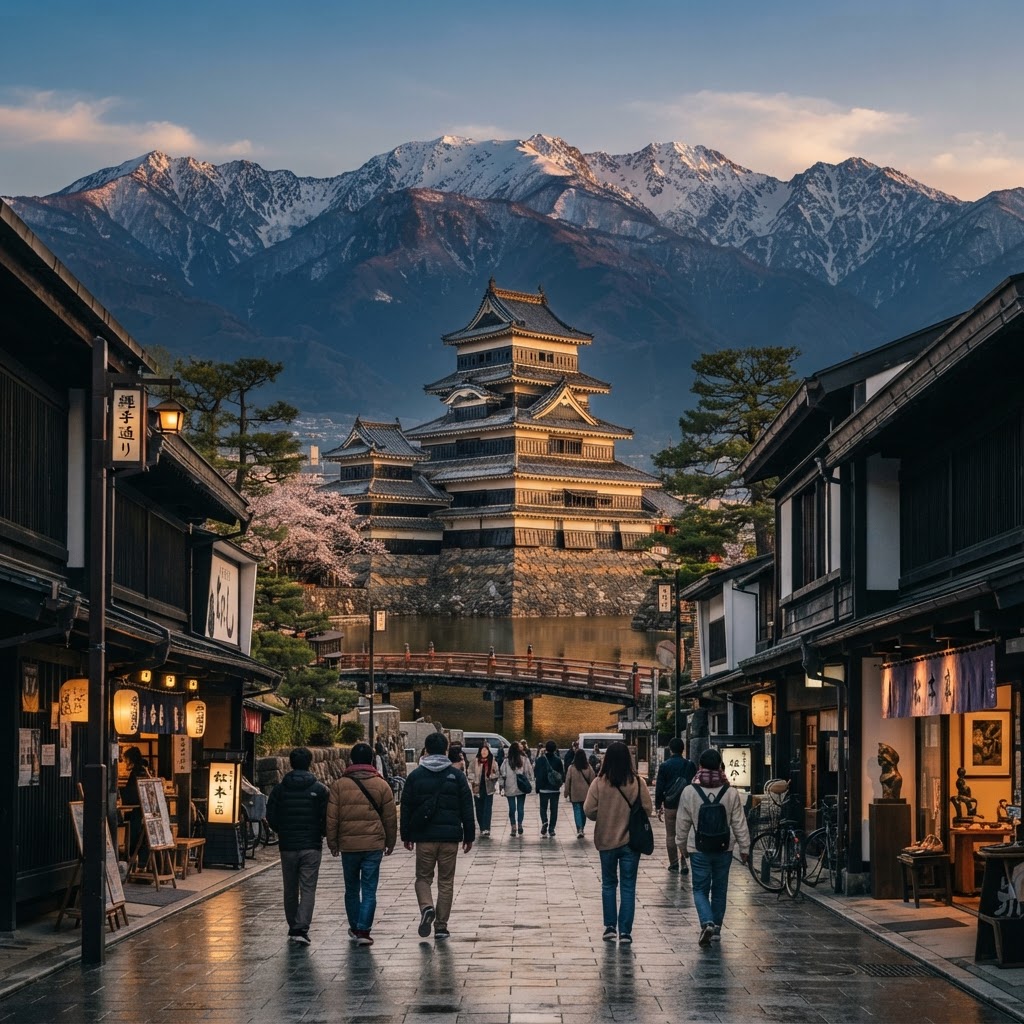
Matsumoto
Japan
Feudal black timber architecture framed by the Northern Alps and alpine art culture
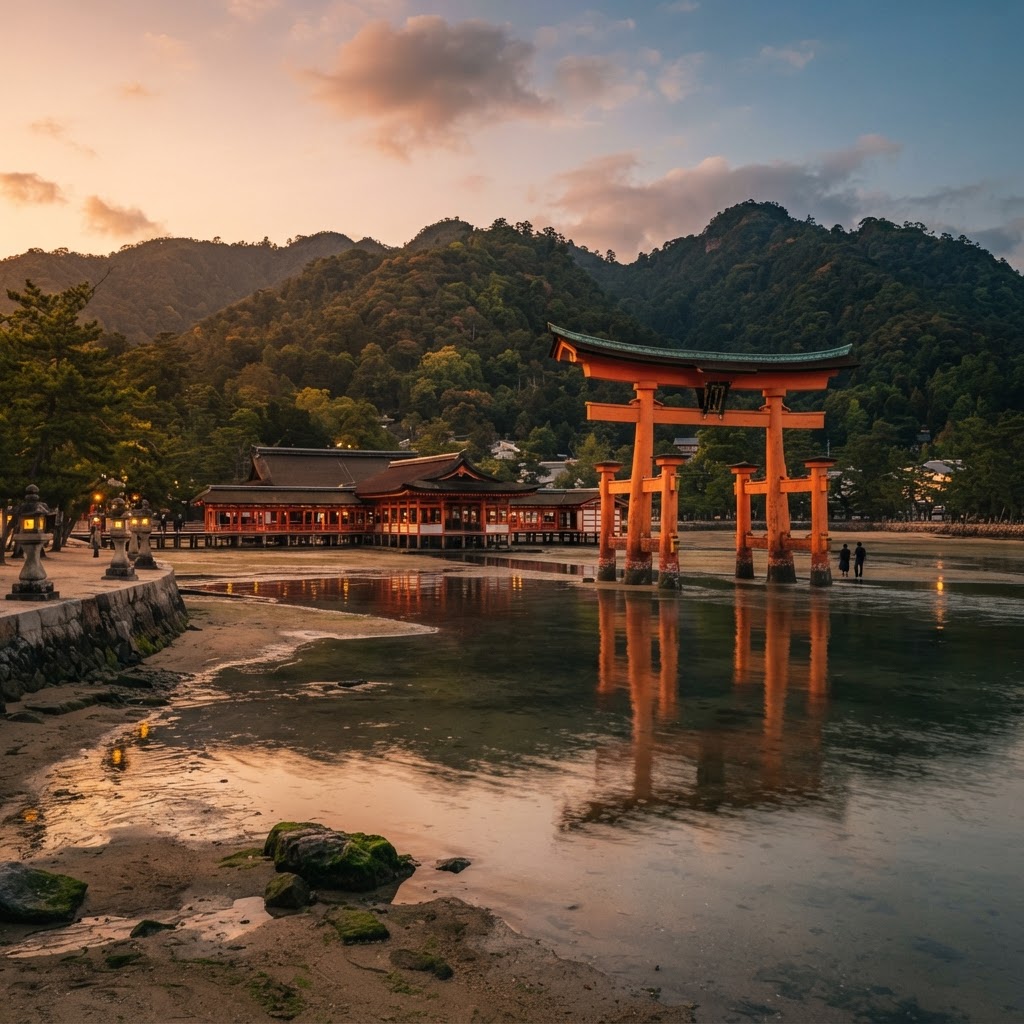
Miyajima (Itsukushima), Japan
Japan
A sacred island of tidal shrines, ancient virgin forest, and silent lantern-lit evenings.
Readymade itineraries
Start from a tested template — then make it yours.
Ready to book
Lock in your Kanazawa trip
Everything in one place. We may earn a small commission — it never costs you more.
Plan a trip to Kanazawa
Pick a length and we'll build a day-by-day plan around how you travel — neighborhoods clustered, budget-aware, and editable.
Get better at planning trips like this
Occasional notes on planning smarter — no spam, unsubscribe anytime.
Plan a trip to Kanazawa
Turn this guide into a day-by-day plan built around your pace, your group, and your budget.
Build my Kanazawa trip