Japan
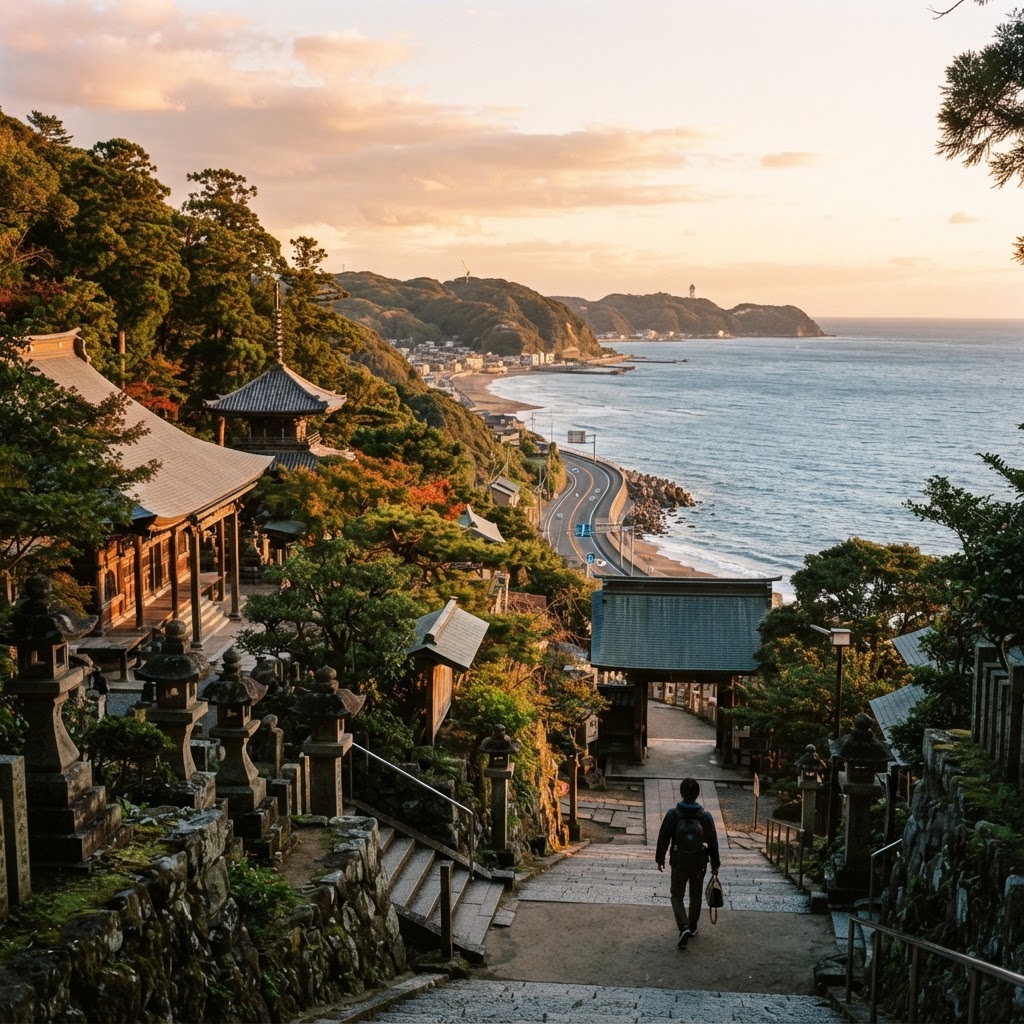
Kamakura, Kanagawa, Japan
Feudal Zen temples, coastal ridges, and seaside breeze an hour from Tokyo.
Plan & book
Sort your Kamakura, Kanagawa, Japan trip in one place.
We point you to the booking tools we'd actually use — live prices, no markup. Or let us build the day-by-day plan around you first, then book.
Kamakura was Japan's political capital during the 12th-century Kamakura shogunate, and that warrior heritage left behind a dense cluster of Zen temples nestled into coastal mountain gullies. Flanked on three sides by forested hills and opening southward to Sagami Bay, it delivers quiet moss gardens, monumental outdoor bronzes, and vintage coastal tram rides that provide an immediate counterweight to Tokyo's neon sprawl.
2 days / 1 night
Best time
Mid-October through November for vivid foliage and crisp air, or late May for lush green bamboo groves without peak summer moisture.
Build your own trip with these prebuilt itineraries
Each one is a tested, day-by-day plan for Kamakura, Kanagawa, Japan — start here, then make it yours.
Kamakura offers Kyoto-caliber Zen monastic heritage and historic walking trails without requiring a 2.5-hour Shinkansen trek west. You can walk centuries-old forested passes between cedar-shaded temple compounds in the morning, browse traditional wagashi shops along Komachi-dori by midday, and watch the sun set over Enoshima and Mount Fuji from Yuigahama Beach by late afternoon.
Where to stay
Getting there
Getting around
Food & drink
What it costs
Skip it if
Skip Kamakura if you are already spending 4+ days in Kyoto and Nara on a fast-paced trip, as you will cover similar classical Buddhist architecture, or if steep stone staircases and unpaved temple trails pose severe mobility challenges for your group.
When to go
June brings legendary hydrangeas to Meigetsu-in and Hase-dera, but also persistent rainy-season downpours and crushing two-hour queues. Autumn swaps the humidity for dry air, comfortable walking temperatures on the Daibutsu hiking course, and glowing Japanese maples across the temple courtyards.
Spring (March to May)
Late March to early April brings cherry blossoms across Tsurugaoka Hachimangu's Dankazura path; May offers ideal temperatures and vibrant new greenery before the rains hit.
Summer (June to August)
June brings massive crowds for blooming hydrangeas despite monsoon rain. July and August are hot, muggy, and beach-focused along Yuigahama, though midday temple walks become exhausting.
Autumn (September to November)
September still faces lingering heat and occasional typhoons, but late October through November delivers Kamakura's finest weather: crisp skies, golden light, and brilliant maple colors.
Winter (December to February)
Cold, crisp, and quiet with deciduous gardens stripped bare, but offers the year's best visibility for spotting Mount Fuji across Sagami Bay from the Enoden line.
Neighborhoods
Where you stay shapes the trip. Here's how to think about it.
Kita-Kamakura
Serene, forested mountain basin defined by Zen monastic compounds, tall cedars, and traditional tearooms.
Best for:Hikers, temple purists, and travelers escaping midday crowds
Don't miss:The circular window view onto maple branches at Meigetsu-in and the ancient moss steps at Engaku-ji.
Kamakura Station & Komachi-dori
Energetic civic hub centered on a pedestrian retail artery running toward the grand Shinto approach.
Best for:First-timers, souvenir shoppers, and food-stall grazing
Don't miss:Tsurugaoka Hachimangu's central shrine staircase and walking the cedar-flanked Dankazura median path back to the station.
Hase
Historic coastal village atmosphere anchored by monumental Buddhism, hillside foliage, and old machiya houses.
Best for:Classic sightseeing, culture travelers, and ocean view seekers
Don't miss:Climbing the hillside path at Hase-dera for open views across Yuigahama beach, followed by the outdoor Great Buddha at Kotoku-in.
Yuigahama & Zaimokuza
Breezy seaside retro strip lined with surf shacks, modern design cafes, and timber beach houses.
Best for:Overnight couples, coastal walkers, and summer unwinding
Don't miss:Grabbing an afternoon coffee along the beachfront and watching surfers as the sun dips behind the Enoshima peninsula.
Shichirigahama & Koshigoe
Laid-back Pacific shoreline where the vintage Enoden train runs directly along the coastal highway.
Best for:Scenic rail enthusiasts, beachside brunchers, and photographers
Don't miss:Catching sunset over Sagami Bay from Shichirigahama Beach, with Mount Fuji silhouetted to the west on clear winter afternoons.
Destination intelligence
Updated 9/14/2026The structured record we plan every Kamakura, Kanagawa, Japan itinerary from.
Walkability
High in localized clusters (Kita-Kamakura, Hase, and around Kamakura Station), but distances between eastern and western valley attractions require the Enoden tram, local buses, or dedicated ridge hiking paths.
Transit quality
Excellent; seamless 1-hour direct JR links from central Tokyo and reliable Enoden tram connections along the coast.
Car needed
Strictly avoid; narrow medieval streets and heavy tourist traffic make driving a liability.
Ideal duration
2 days / 1 night
Minimum useful
1 full day (8:30 AM to 6:00 PM)
Peak season
Late March to early April (cherry blossoms), June (rainy-season hydrangea blooms at Meigetsu-in and Hase-dera), and November to early December (vivid autumn foliage).
Shoulder season
May (lush green foliage and pleasant weather) and September to October (clear coastal days post-typhoon season).
Low season
January to February (crisp, dry, and cold with clear Mount Fuji vistas across the water, but bare deciduous trees) and July to August (intense summer heat and humidity).
Best for
Common mistakes
- Arriving at midday on a weekend: major sites like Kotoku-in and the Enoden trains become uncomfortably packed by 11:00 AM.
- Relying on taxis or private rental cars during weekends, which invariably get trapped in narrow, single-lane bottlenecks.
- Trying to sprint across all four major corners (Kita-Kamakura, central town, Hase, and Enoshima) in a rushed 5-hour visit.
- Eating street snacks while walking along Komachi-dori, which violates local city etiquette guidelines to reduce litter and crowding.
Best nearby
See what a trip to Japan actually costs. Travel Budget Co.
How to plan it
- Start at Kita-Kamakura Station rather than Kamakura Station to walk downhill through Engaku-ji and Kencho-ji toward central town, avoiding the reverse uphill trudge.
- Do not attempt both the Hokoku-ji bamboo grove in the eastern valley and the Hase Great Buddha in a single morning; they sit on opposite sides of town separated by heavy traffic.
- Take the Daibutsu hiking trail from Jochi-ji over the ridge to Kotoku-in if you want a forested woodland path instead of packed trains.
- Combine Kamakura with the offshore island of Enoshima only if you book an overnight stay; rushing both into a standard day trip results in seeing neither properly.
- Arrive at Hase-dera by 8:30 AM opening to view the eleven-headed Kannon statue and sea-view terrace before tour groups congest the narrow wooden boardwalks.
Questions
More in Japan
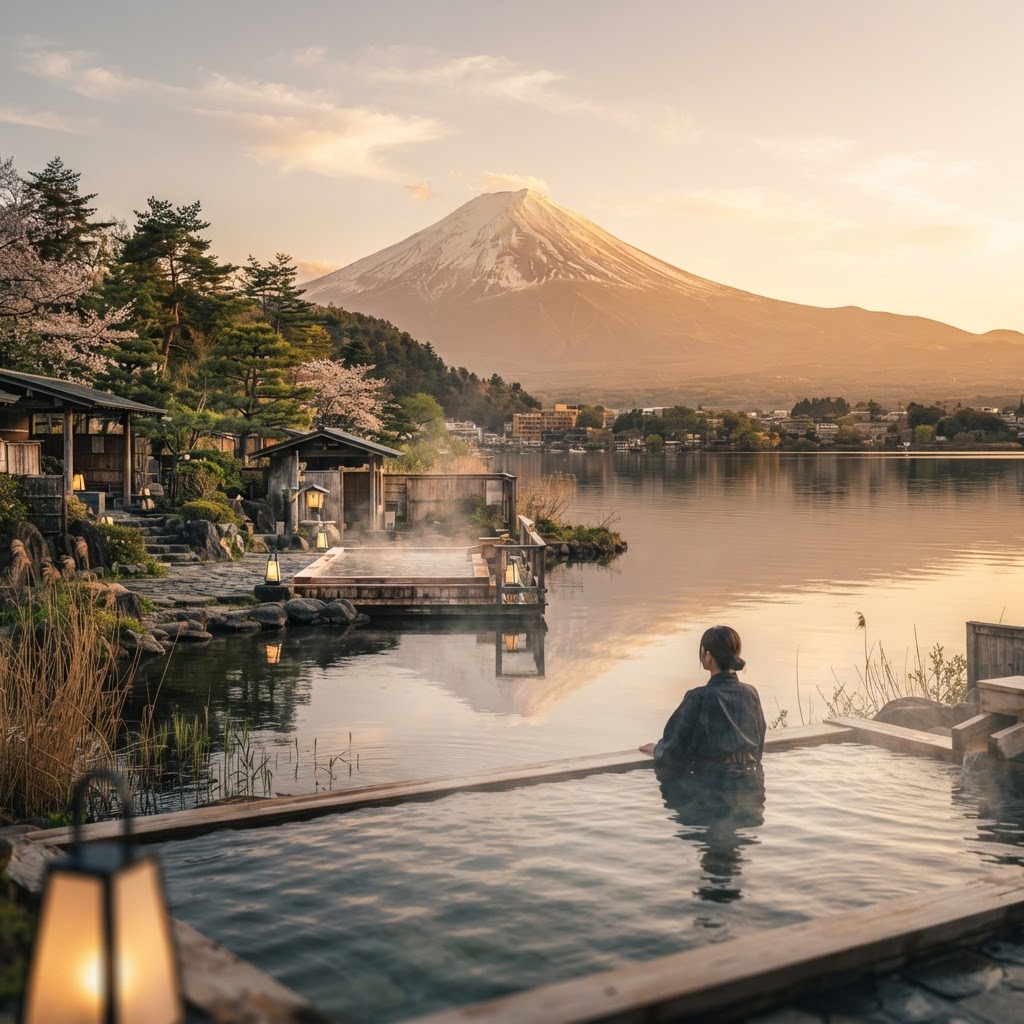
Kawaguchiko & Fuji Five Lakes
Japan
Unrivaled front-row views of Mount Fuji, lakeside onsens, and open mountain air.
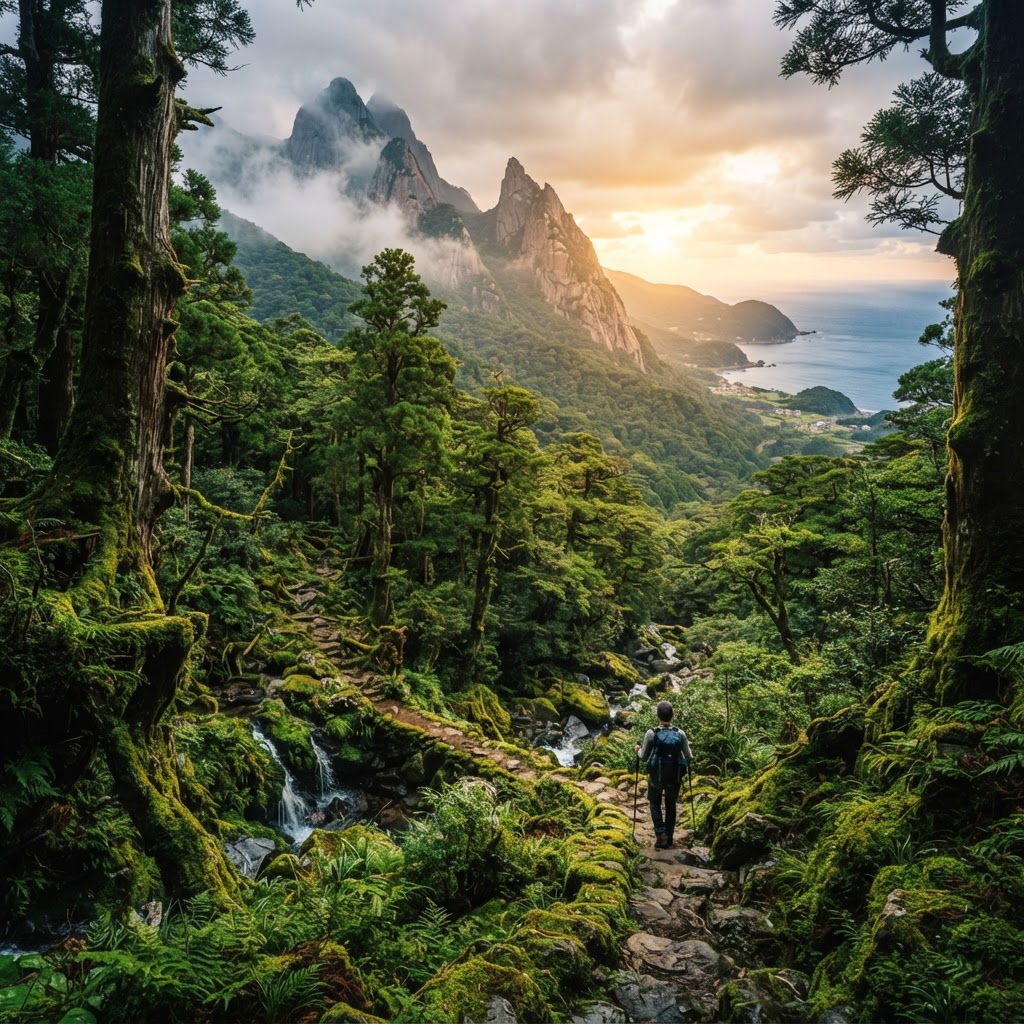
Yakushima, Japan
Japan
Ancient moss-draped cedar forests and misty granite peaks rising abruptly from the Pacific.
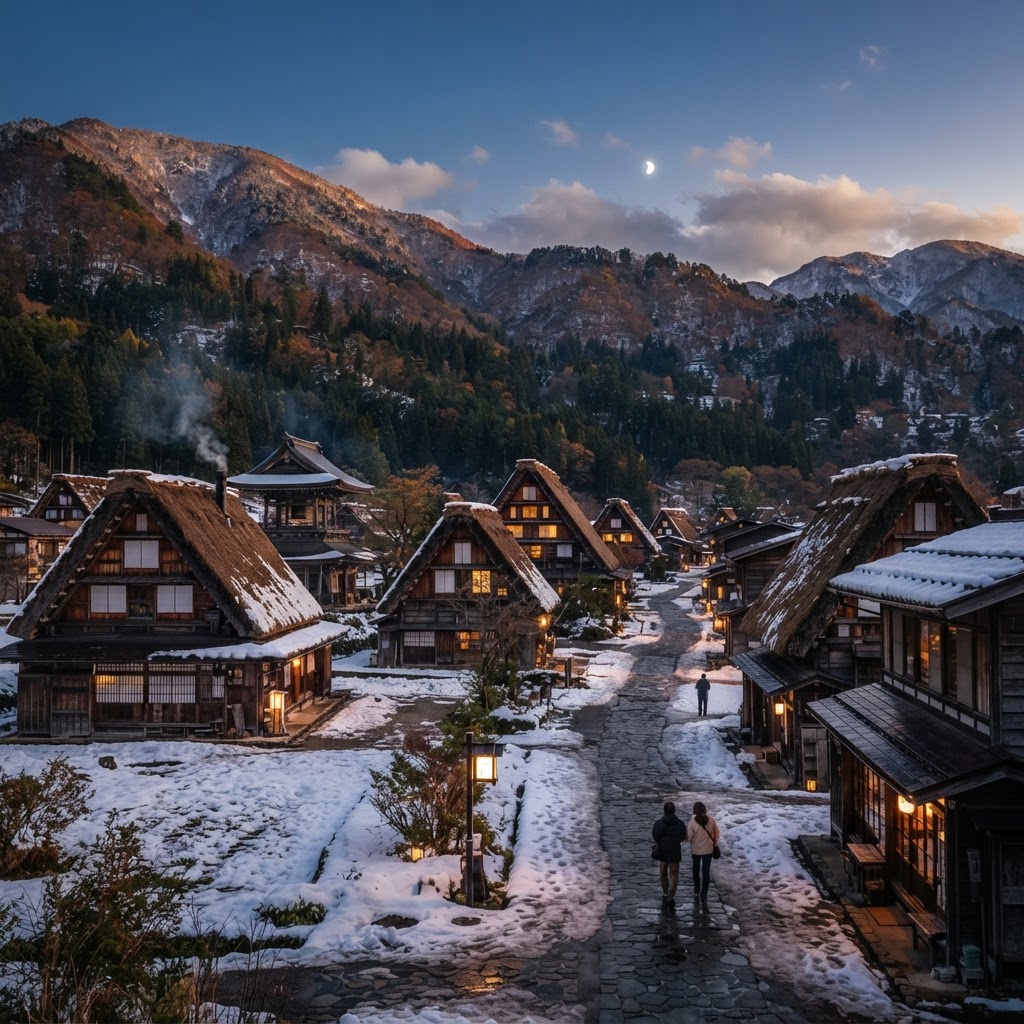
Shirakawa-go, Gifu, Japan
Japan
A living mountain settlement of steep-pitched thatch, silence at dusk, and alpine timbercraft.
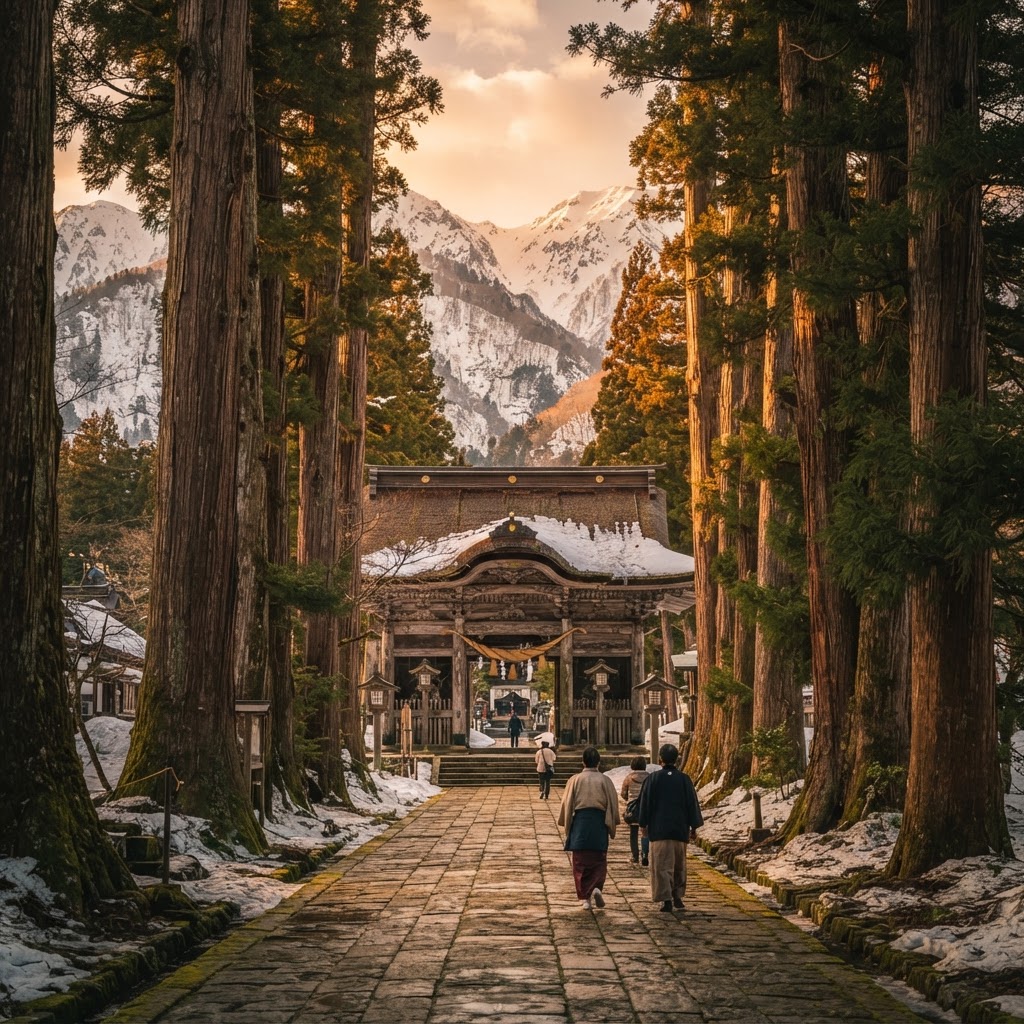
Nagano, Japan
Japan
Pilgrim temples, cedar-lined alpine shrines, and the gateway to Japan's northern powder peaks.
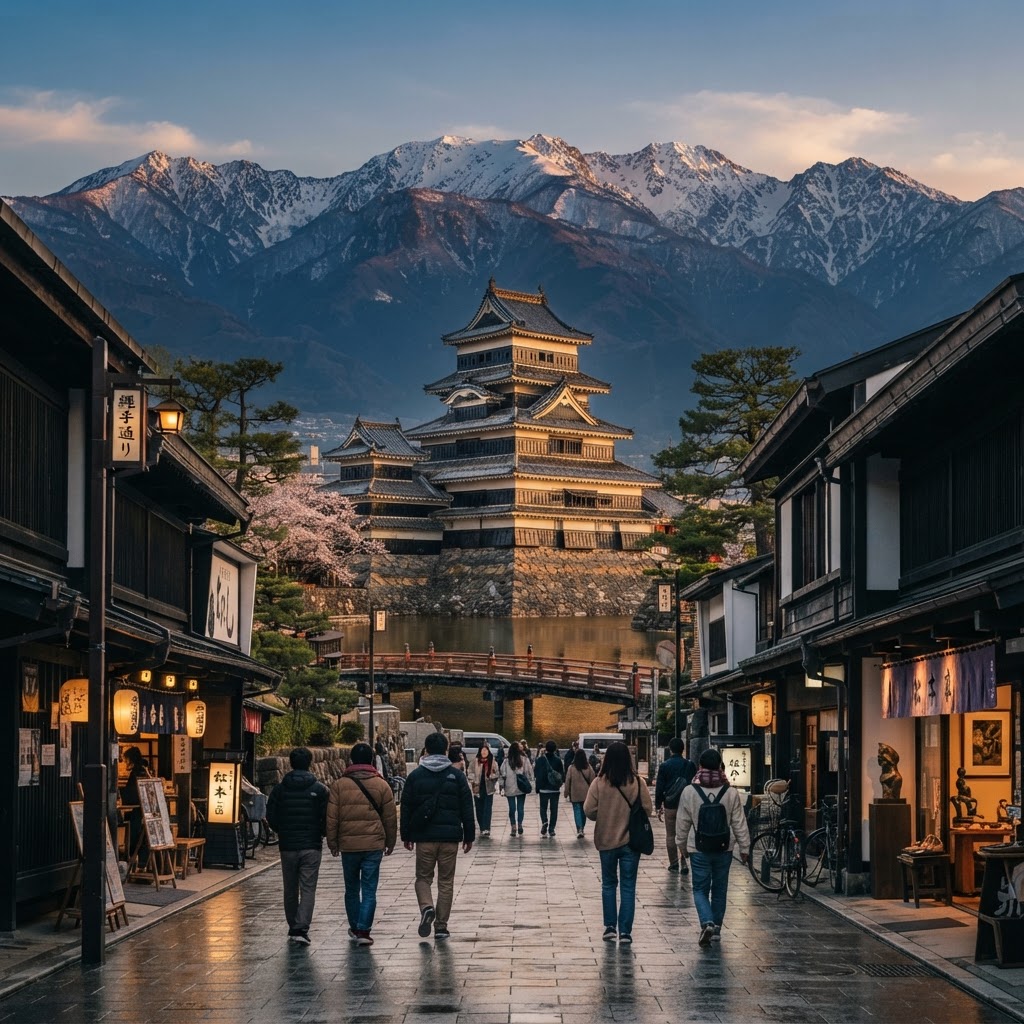
Matsumoto
Japan
Feudal black timber architecture framed by the Northern Alps and alpine art culture
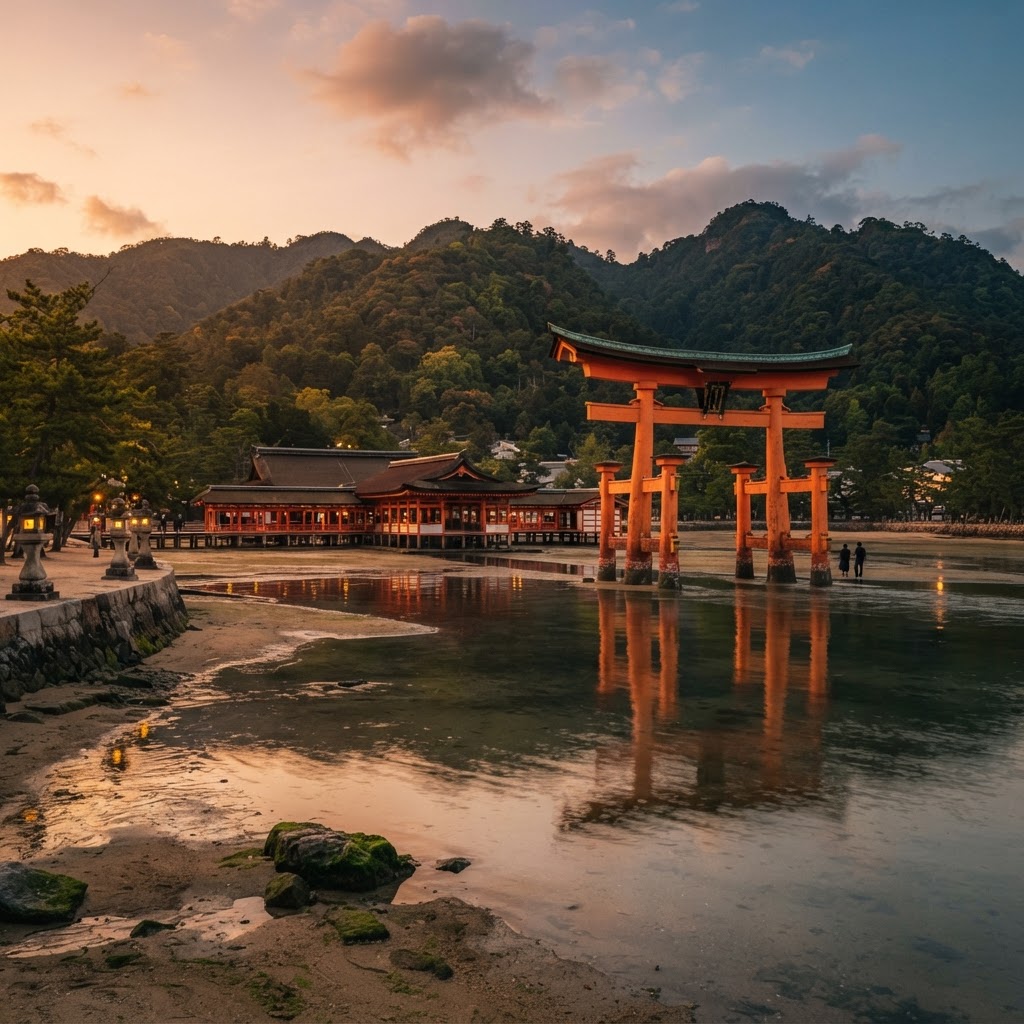
Miyajima (Itsukushima), Japan
Japan
A sacred island of tidal shrines, ancient virgin forest, and silent lantern-lit evenings.
Readymade itineraries
Start from a tested template — then make it yours.
Ready to book
Lock in your Kamakura, Kanagawa, Japan trip
Everything in one place. We may earn a small commission — it never costs you more.
Plan a trip to Kamakura, Kanagawa, Japan
Pick a length and we'll build a day-by-day plan around how you travel — neighborhoods clustered, budget-aware, and editable.
Get better at planning trips like this
Occasional notes on planning smarter — no spam, unsubscribe anytime.
Plan a trip to Kamakura, Kanagawa, Japan
Turn this guide into a day-by-day plan built around your pace, your group, and your budget.
Build my Kamakura, Kanagawa, Japan trip