
Japan
Hiroshima Itinerary: How Many Days + Sample Plans
Hiroshima is a city rebuilt and at peace — the Peace Park, the bomb's memory, and a bullet train to a sacred island.
Traveler rating
Loved by history.
Plan & book
Sort your Hiroshima trip in one place.
We point you to the booking tools we'd actually use — live prices, no markup. Or let us build the day-by-day plan around you first, then book.
Pick your trip length
How many days do you need in Hiroshima?
Each of these opens a full day-by-day plan you can make your own.
- 2 days — Two days — the essentials, no rushing.
- 3 days — Three days — the icons plus one neighborhood.
- 4 days — Four days — a full city without sprinting.
- 5 days — Five days — room for a day trip.
- 7 days — A week — the city at a human pace.
- With Kids trip — Shorter days, earlier dinners, what to skip.
- For Couples trip — Two-person pacing with evenings built in.
- Solo trip — A plan that works well on your own.
- Food trip — Meals and markets as the anchors.
- Outdoors trip — Nature, walks and open air.
- Culture trip — History, museums and the streets around them.
Hiroshima is a city that turned its tragedy into a message — the Peace Memorial Park and Museum are essential, sobering, and beautifully done. Add the rebuilt castle, eat okonomiyaki (invented here), and take the train to Miyajima, the sacred island of the floating torii. It's a moving, human city.
1–2 days
Best time
Mid-October through November or late March through April.
Budget
¥12,000–22,000 per person per day at mid-range.
Build your own trip with these prebuilt itineraries
Each one is a tested, day-by-day plan for Hiroshima — start here, then make it yours.
2 Days in Hiroshima
Essential historical sites and city center focus
3 Days of Culture and Island Exploration
Deep dive into Miyajima and peace memorial history
5 Days Hiroshima and Inland Sea Region
Slow-paced exploration including Tomonoura and regional food culture
Hiroshima delivers one of the most powerful historical lessons on the planet, framed not by lingering resentment but by a deliberate, warm-hearted civic commitment to peace. Beyond the somber weight of the Peace Memorial Park, it is an exceptionally livable water city threaded with wide delta rivers, excellent regional cuisine, and effortless access to the sacred island forests of Miyajima. It offers an essential balance to the neon blitz of Tokyo and the manicured temple circuits of Kyoto.
Where to stay
Getting there
Getting around
Food & drink
What it costs
Things to do
Book tours & tickets in HiroshimaSkip it if
Skip it as a rushed half-day tag on your route if you are not prepared for emotionally confronting war history, or if your Japan trip is under a week and already stretched thin between Tokyo and Kyoto.
When to go
Spring brings cherry blossoms along the riverbanks, while autumn illuminates the Japanese maples of Momijidani Park on Miyajima without the suffocating summer heat and typhoon threats.
Spring (March to May)
Comfortable temperatures and stunning blossoms along the Motoyasu River; cherry blossom peak around early April brings steep hotel prices and crowded trams.
Summer (June to August)
Intensely humid with monsoon rains in June/July. August 6 draws tens of thousands for the Peace Memorial Ceremony, requiring hotel reservations months in advance.
Autumn (September to November)
Crisp sunny days and peak red foliage on Mount Misen; widely considered the most rewarding travel window across the Seto Inland Sea region.
Winter (December to February)
Crisp and dry with very few crowds; peak harvest season for Hiroshima Bay oysters, though mountain paths can feel biting and daylight hours are short.
Neighborhoods
Where you stay shapes the trip. Here's how to think about it.
Hondori & Nagarekawa
Bustling downtown covered arcade by day turning into narrow izakaya alleys and lively neon after dark.
Best for:Foodies, shoppers, and evening explorers
Don't miss:Taking the elevator up through Okonomimura (Okonomi Village) to grab a counter seat in front of a sizzling griddle.
Peace Memorial Park & Otemachi
Wide leafy boulevards, quiet riverbanks, and a contemplative, open-air civic calm.
Best for:First-timers, history travelers, and early risers
Don't miss:Walking past the illuminated Atomic Bomb Dome and crossing Motoyasu Bridge at twilight once tour groups clear out.
Hiroshima Station & Matsubara-cho
Fast-paced transit corridor packed with modern shopping plazas and subterranean dining halls.
Best for:Short stays, early Shinkansen departures, and regional day-trippers
Don't miss:Browsing the regional Setouchi citrus and oyster snack stalls inside the ekie shopping complex on the station ground floor.
Miyajima Island (Itsukushima)
Ancient forested mountain island dotted with free-roaming deer, seaside shrine corridors, and serene temple steps.
Best for:Ryokan enthusiasts, couples, and nature lovers
Don't miss:Watching the sunset flood tide rise around the base of the Great Torii Gate after the final mainland day-trip ferries leave.
Money & essentials
Currency
Japanese yen (JPY). Cash and IC cards.
Language
Japanese. A translation app helps.
Safety
Extremely safe day and night, with low crime rates and well-lit pedestrian corridors throughout downtown and river parks.
Budget range
¥12,000–22,000 per person per day at mid-range.
Tipping
Tipping is not customary in Japan; exceptional service is covered in the bill, and leaving extra cash can cause confusion.
See what a trip to Japan actually costs. Travel Budget Co.
How to plan it
- Dedicate your first morning entirely to the Peace Memorial Museum and Park, keeping the early afternoon open so you are not rushing into sightseeing while emotionally spent.
- Time your Miyajima excursion using local tide tables: arrive at high tide for water reflections, or low tide if you want to walk out to the foot of the Great Torii Gate.
- Take the JR San-yo Line from Hiroshima Station to Miyajimaguchi (28 minutes) rather than the streetcar (over an hour) if you want to maximize your daylight on Miyajima.
- Head to Okonomimura between 5:30 PM and 6:30 PM to bypass the long staircase queues at the most popular fourth-floor teppan counters.
- If hiking Mount Misen on Miyajima, take the ropeway up and hike down through Daisho-in course to see forest shrines without burning your calves on the ascent.
Questions
More in Japan
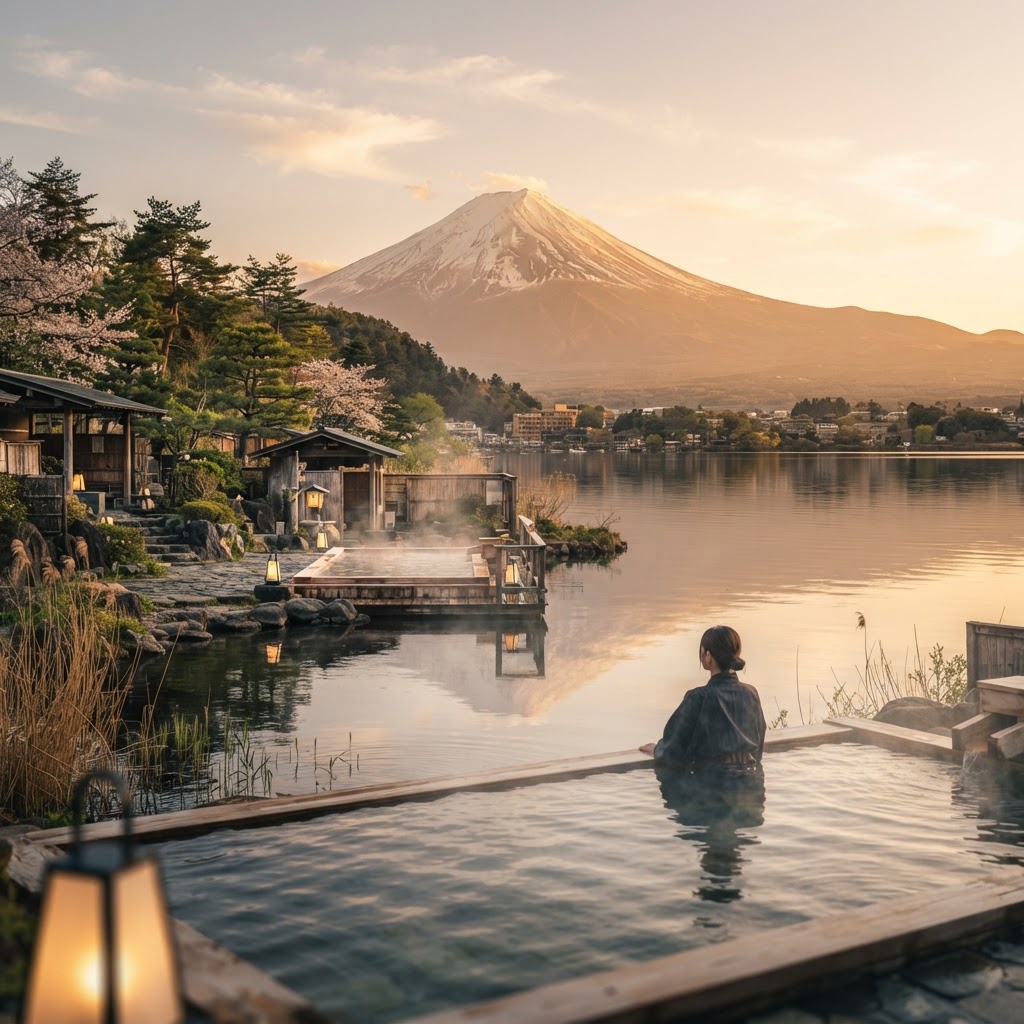
Kawaguchiko & Fuji Five Lakes
Japan
Unrivaled front-row views of Mount Fuji, lakeside onsens, and open mountain air.
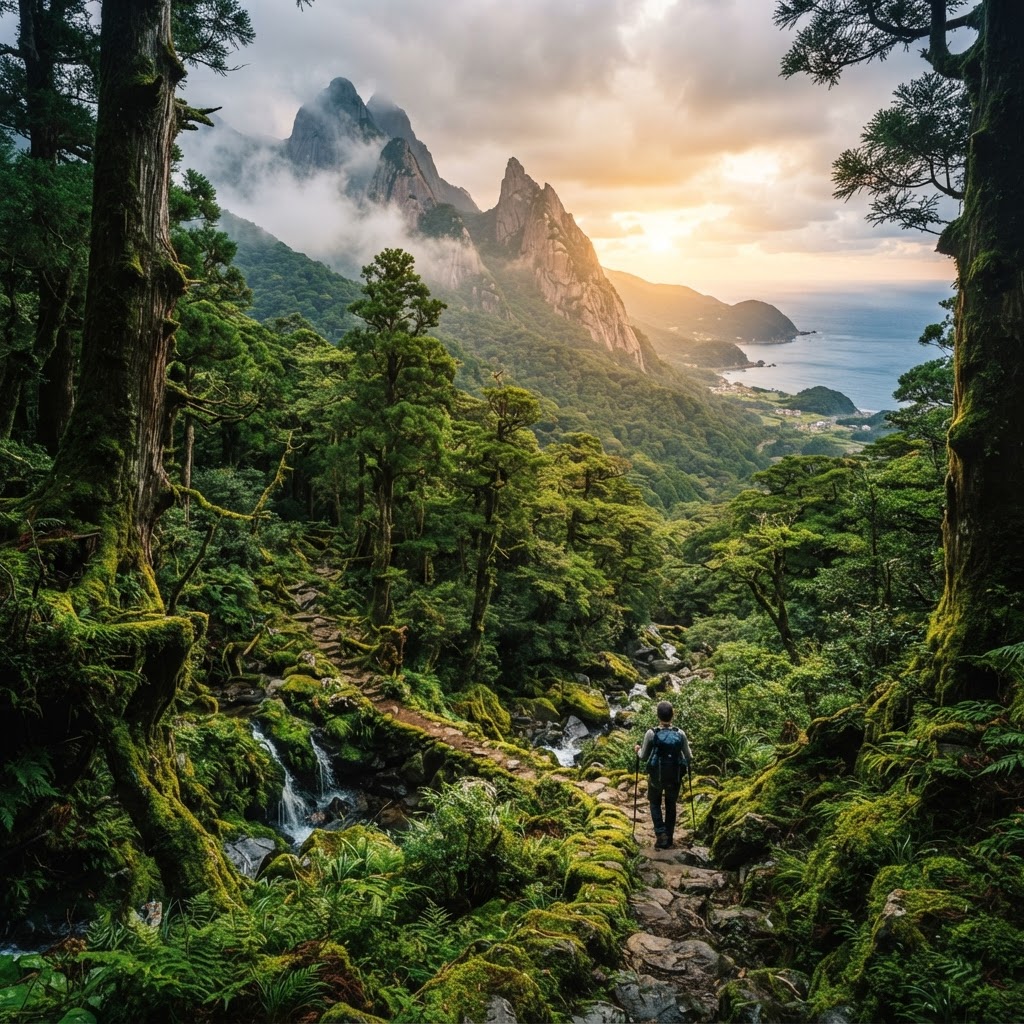
Yakushima, Japan
Japan
Ancient moss-draped cedar forests and misty granite peaks rising abruptly from the Pacific.
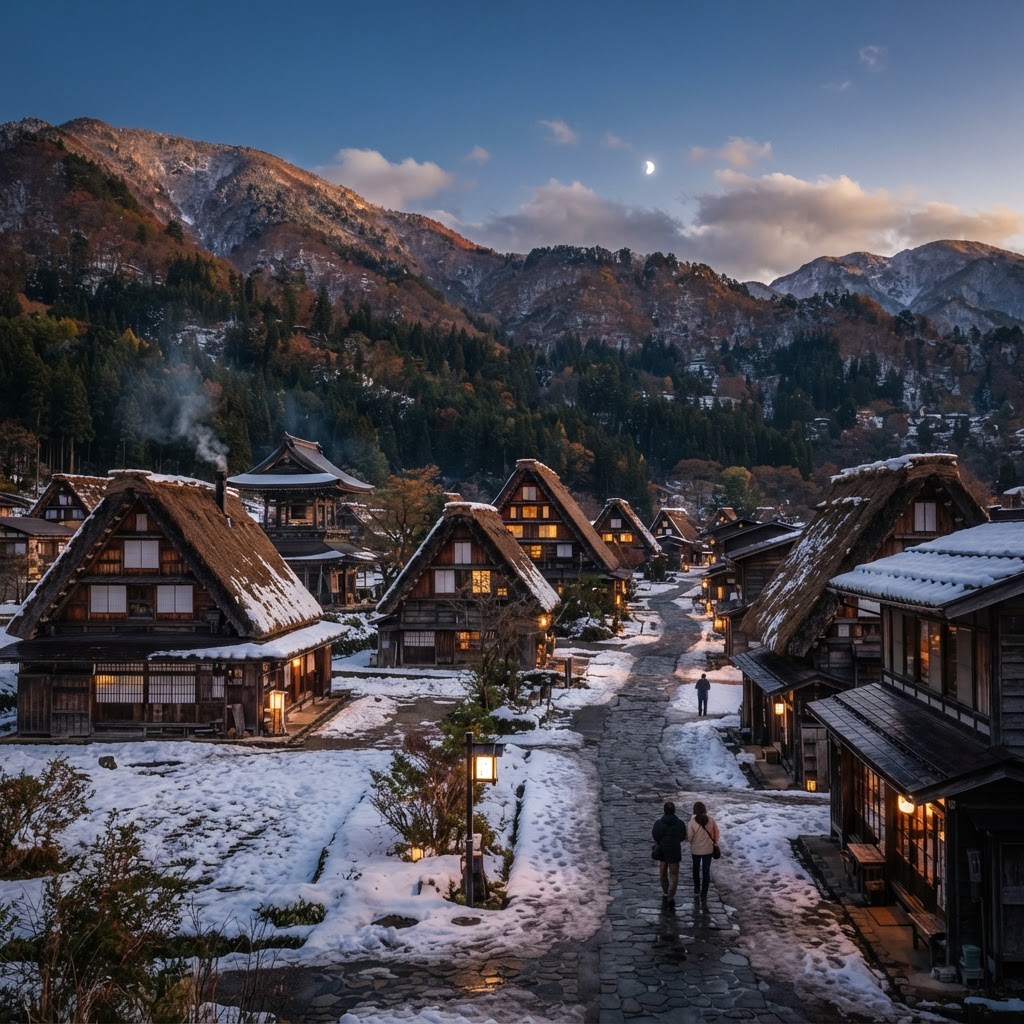
Shirakawa-go, Gifu, Japan
Japan
A living mountain settlement of steep-pitched thatch, silence at dusk, and alpine timbercraft.
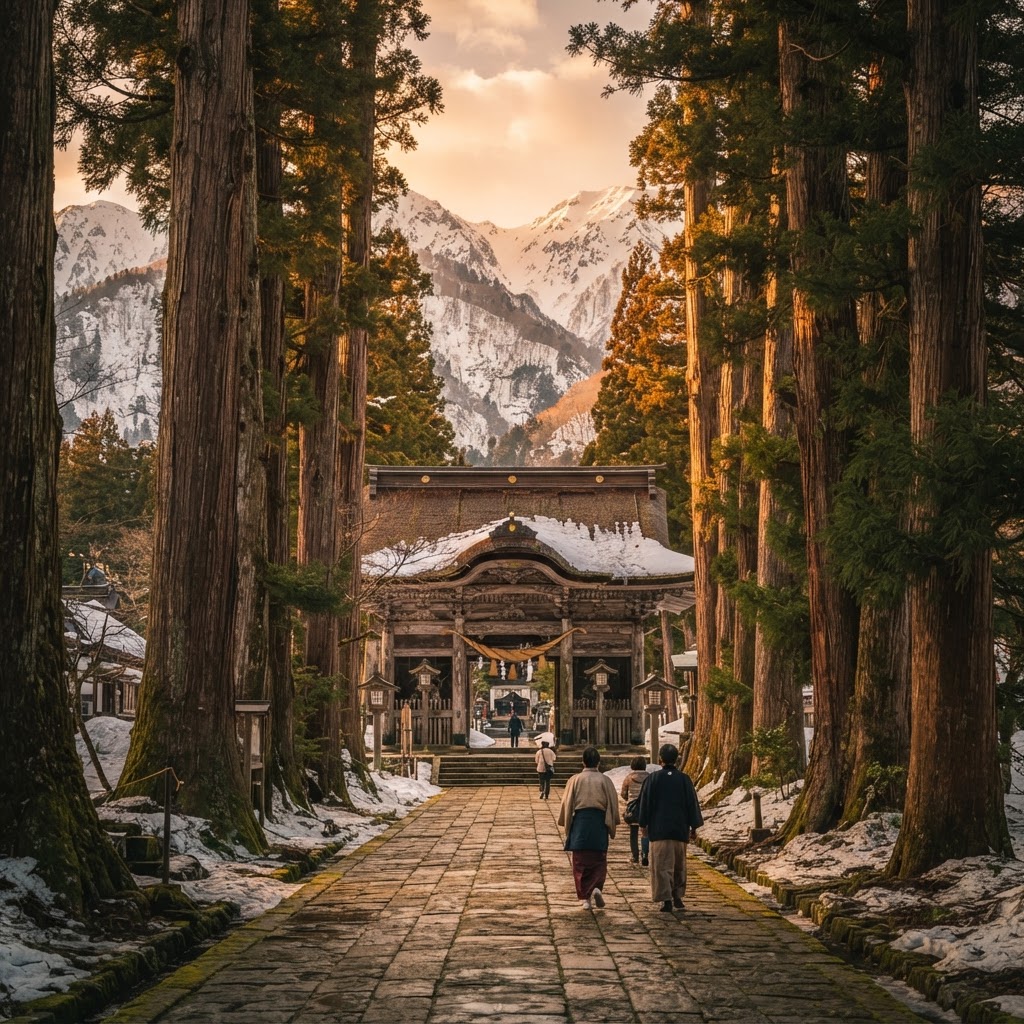
Nagano, Japan
Japan
Pilgrim temples, cedar-lined alpine shrines, and the gateway to Japan's northern powder peaks.
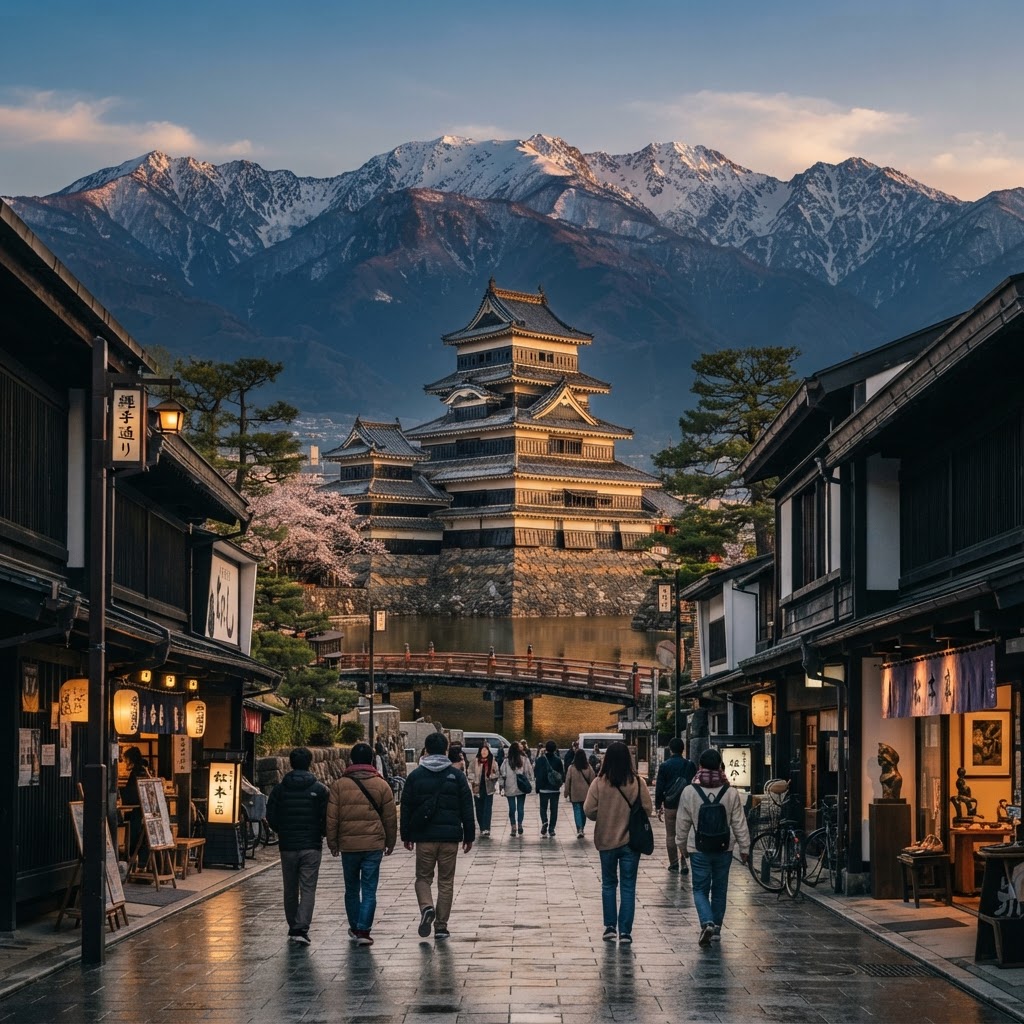
Matsumoto
Japan
Feudal black timber architecture framed by the Northern Alps and alpine art culture
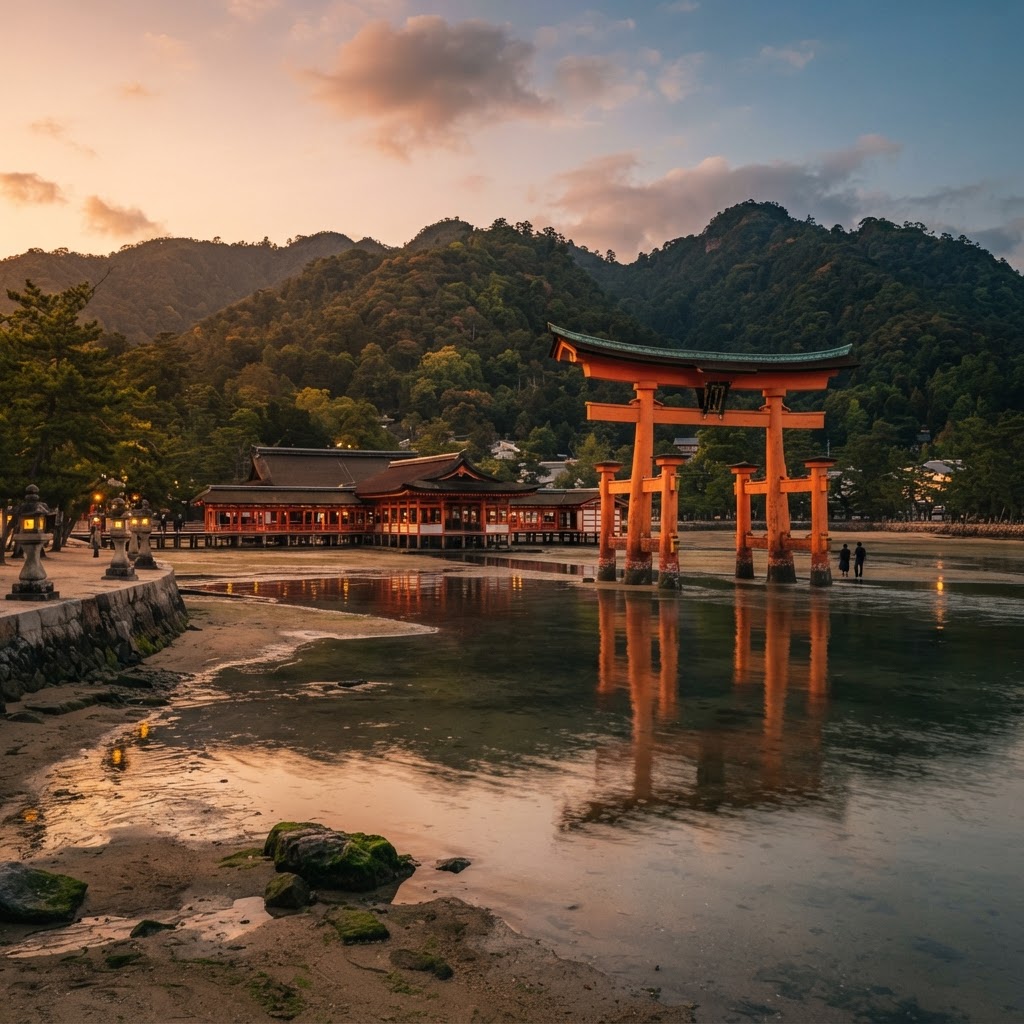
Miyajima (Itsukushima), Japan
Japan
A sacred island of tidal shrines, ancient virgin forest, and silent lantern-lit evenings.
Readymade itineraries
Start from a tested template — then make it yours.
Ready to book
Lock in your Hiroshima trip
Everything in one place. We may earn a small commission — it never costs you more.
Plan a trip to Hiroshima
Pick a length and we'll build a day-by-day plan around how you travel — neighborhoods clustered, budget-aware, and editable.
Get better at planning trips like this
Occasional notes on planning smarter — no spam, unsubscribe anytime.
Plan a trip to Hiroshima
Turn this guide into a day-by-day plan built around your pace, your group, and your budget.
Build my Hiroshima trip