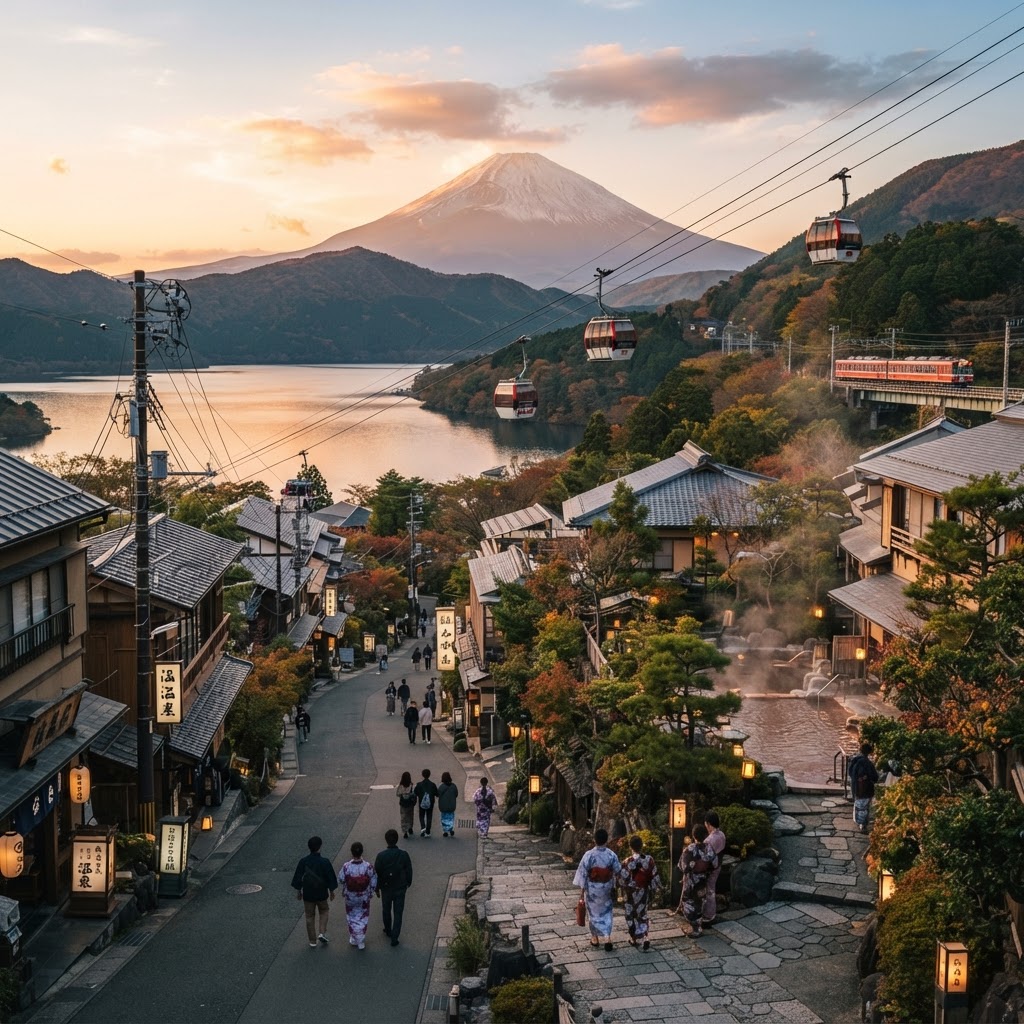
Japan
Hakone, Japan
Thermal baths, mountain transit, and fleeting glimpses of Mount Fuji.
Plan & book
Sort your Hakone, Japan trip in one place.
We point you to the booking tools we'd actually use — live prices, no markup. Or let us build the day-by-day plan around you first, then book.
Perched inside a volcanic caldera 90 minutes southwest of Tokyo, Hakone is Japan's classic onsen retreat. It is famous for its intricate circuit of mountain switchback trains, cable cars, ropeways, and lake cruisers, paired with hot-spring ryokan hospitality and world-class sculpture parks.
2 days / 1 night
Best time
November for blazing autumn foliage, or mid-January to February for the highest probability of crisp, snow-capped Mount Fuji views.
Build your own trip with these prebuilt itineraries
Each one is a tested, day-by-day plan for Hakone, Japan — start here, then make it yours.
3 Days of Forest Art, Healing Waters & Slow Trails in Hakone
A relaxed retreat exploring world-class sculpture parks, quiet forested shrine paths, and peaceful highland onsen away from the crowds.
2 Days of Classic Ryokan & Mountain Transit in Hakone
The quintessential overnight loop featuring traditional onsen, scenic ropeways, volcanic valleys, and iconic lake vistas.
1 Day Transit & Highlights Sprint in Hakone
An ambitious day trip from Tokyo tackling the multi-modal circuit, Hakone Open-Air Museum, and Lake Ashi without luggage.
Hakone delivers an immediate atmospheric contrast to Tokyo without demanding long rail transfers. The multi-modal 'Hakone Loop' lets you glide over steaming sulfur vents at Owakudani, wander Henry Moore bronzes against mountain ridgelines at the Hakone Open-Air Museum, and soak in mineral-heavy hot springs before a multi-course kaiseki dinner.
Where to stay
Getting there
Getting around
Food & drink
What it costs
Things to do
Book tours & tickets in Hakone, JapanSkip it if
Skip Hakone if your primary goal is a postcard-perfect, up-close view of Mount Fuji (Lake Kawaguchiko in the Fuji Five Lakes is significantly better positioned), or if you dislike crowds and structured public transit transfers, as the main tourist corridor can feel like an outdoor transit conveyor belt during midday peaks.
When to go
Hakone trades off Fuji visibility against ambient comfort. Summer brings lush greenery and cool highland breezes compared to Tokyo, but cloud cover frequently obscures Mount Fuji. Winter is freezing at elevation, yet delivers crystal-clear blue skies, unbeatable outdoor onsen soaking, and the lowest transit crowds of the year.
Peak (Late March–Mid April & Late October–November)
Spectacular spring cherry blossoms and autumn maples across the caldera, but ropeway and bus lines can stretch over an hour, and top ryokan sell out 3–5 months ahead.
Shoulder (May–June & September)
June brings lush mountain hydrangea blooms along the Tozan railway tracks; lines thin out and rates normalize, though you must prepare for early-summer rain.
Low (December–February)
Bitter mountain cold, but this window offers the clearest atmospheric conditions for seeing Mount Fuji across Lake Ashi, alongside blissfully uncrowded thermal baths.
Neighborhoods
Where you stay shapes the trip. Here's how to think about it.
Hakone-Yumoto
Bustling riverside gateway packed with souvenir arcades, footbaths, and historic soba shops.
Best for:First-timers, short one-night stays, and travelers with heavy luggage avoiding mountain bus transfers
Don't miss:The pedestrian street tasting fresh steamed onsen manju and browsing intricate Hakone yosegi-zaiku woodcraft shops right outside the station.
Gora
Hillside onsen enclave anchored by switchback trains, cable cars, and forest-tucked ryokan.
Best for:Round Course navigators, luxury ryokan seekers, and travelers wanting quick transit hubs without staying down in Yumoto
Don't miss:The outdoor French-style formal grounds at Gora Park paired with the start of the Hakone Tozan Cable Car route to Sounzan.
Moto-Hakone & Hakone-machi
Serene lakeside villages dominated by cedar-lined walking trails, boat piers, and iconic water shrines.
Best for:Fuji view chasers, lake walkers, and history enthusiasts following the old Tokaido highway
Don't miss:The water torii gate of Hakone Shrine on Lake Ashi and the towering century-old cedar avenue along the Old Tokaido Road.
Sengokuhara
Quiet, open highland plateau framed by pampas grass fields and world-class modern art institutions.
Best for:Architecture and contemporary art enthusiasts, couples seeking secluded luxury villas, and slow-paced retreats
Don't miss:Walking through the golden susuki (silver grass) fields in late autumn before visiting the Pola Museum of Art immersed in the beech forest.
Miyanoshita
Atmospheric mountain junction blending Meiji-era Western architecture, retro antique shops, and old-school cafe culture.
Best for:Heritage architecture fans, antique hunters, and travelers who appreciate vintage hill-station nostalgia
Don't miss:Tea or a drink inside the historic Fujiya Hotel, which has welcomed travelers since 1878 with its unique blend of Japanese temple and Western styling.
Destination intelligence
Updated 9/14/2026The structured record we plan every Hakone, Japan itinerary from.
Walkability
Low. While individual hamlets and museum grounds are walkable, navigating between valleys, ridges, and lakes requires buses, cable cars, or trains.
Transit quality
High. The integrated network of mountain trains, cable cars, ropeways, and public buses covered by the Hakone Freepass is exceptionally well coordinated.
Car needed
No. In fact, driving is strongly discouraged due to narrow roads, limited parking, and severe mountain traffic during peak periods.
Ideal duration
2 days / 1 night
Minimum useful
1 full day (exhausting transit loop)
Peak season
October to November (autumn foliage) and late March to mid-April (cherry blossoms); expect packed ropeways and booked-out ryokan months in advance.
Shoulder season
May to June (fresh greenery and hydrangeas along the mountain railway) and September; pleasant weather with manageable transit queues.
Low season
January to February; cold mountain temperatures, but this provides the clearest skies of the year for viewing Mount Fuji, paired with uncrowded hot springs.
Best for
Common mistakes
- Treating Hakone as a guaranteed Mount Fuji observation deck; clouds frequently obscure the peak for days at a time
- Hauling full-sized rolling suitcases along the multi-modal mountain transit loop instead of using the Hakone-Yumoto station luggage delivery service
- Renting a car on weekends or holidays, resulting in hours stuck in gridlock on winding single-lane mountain roads
- Rushing the entire transit loop as an exhausting day trip from Tokyo instead of staying overnight to experience early morning silence and hot springs
- Queueing for over an hour just for an Instagram shot at the water torii gate of Hakone Shrine when the forested upper shrine complex is empty
Best nearby
See what a trip to Japan actually costs. Travel Budget Co.
How to plan it
- Travel counter-clockwise along the classic Hakone Round Course (Hakone-Yumoto → Gora → Sounzan → Owakudani → Togendai → Lake Ashi → Moto-Hakone) early in the morning to stay ahead of the largest tour bus bottlenecks.
- Send your main luggage from Tokyo to Kyoto via Yamato Takkyubin and bring only a light 24-hour overnight backpack to avoid navigating narrow mountain funiculars with suitcases.
- Book the Odakyu Romancecar observation front seats (GSE model) exactly 30 days in advance at 10:00 AM JST if you want floor-to-ceiling mountain railway views on the ride down from Shinjuku.
- Plan your evenings around your inn: almost all village restaurants, cafes, and museum gift shops close tight between 17:00 and 18:00, making a ryokan stay with half-board (kaiseki dinner and breakfast) essential.
Questions
More in Japan
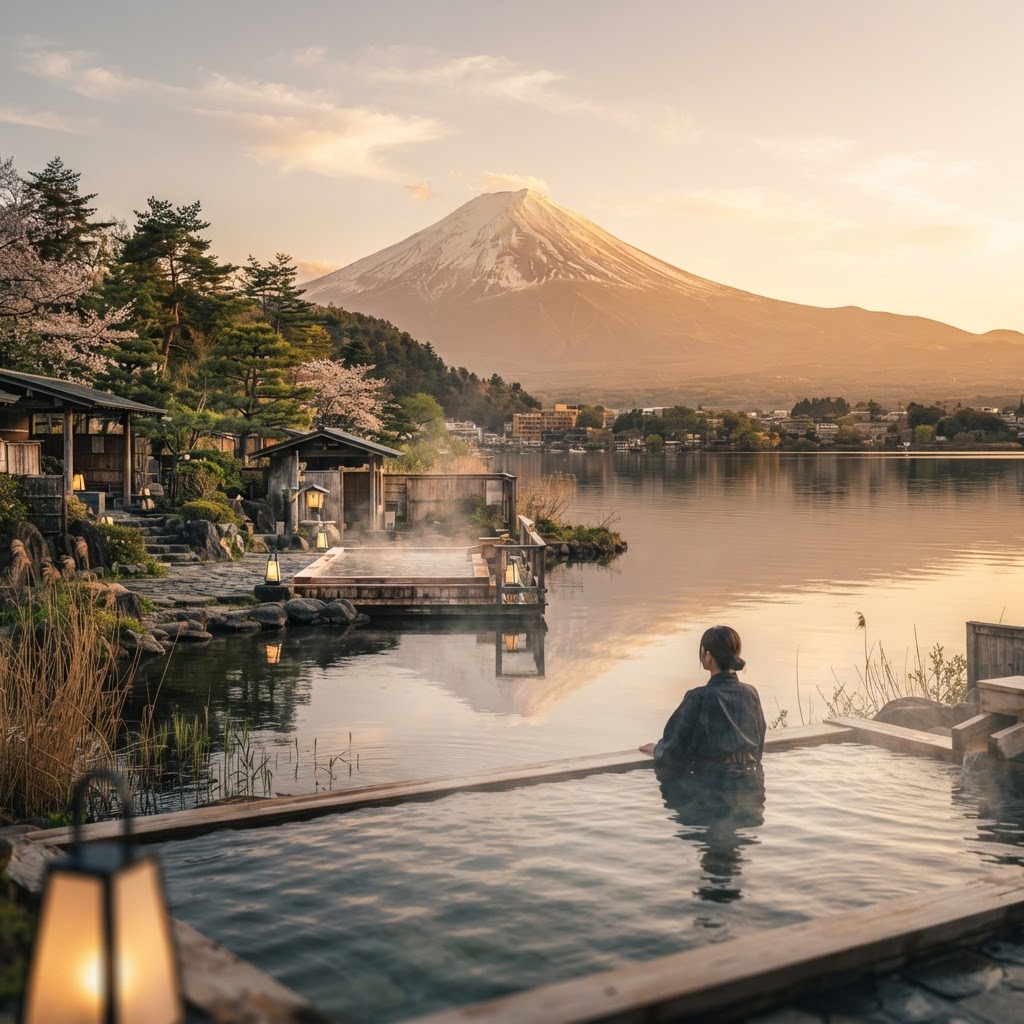
Kawaguchiko & Fuji Five Lakes
Japan
Unrivaled front-row views of Mount Fuji, lakeside onsens, and open mountain air.
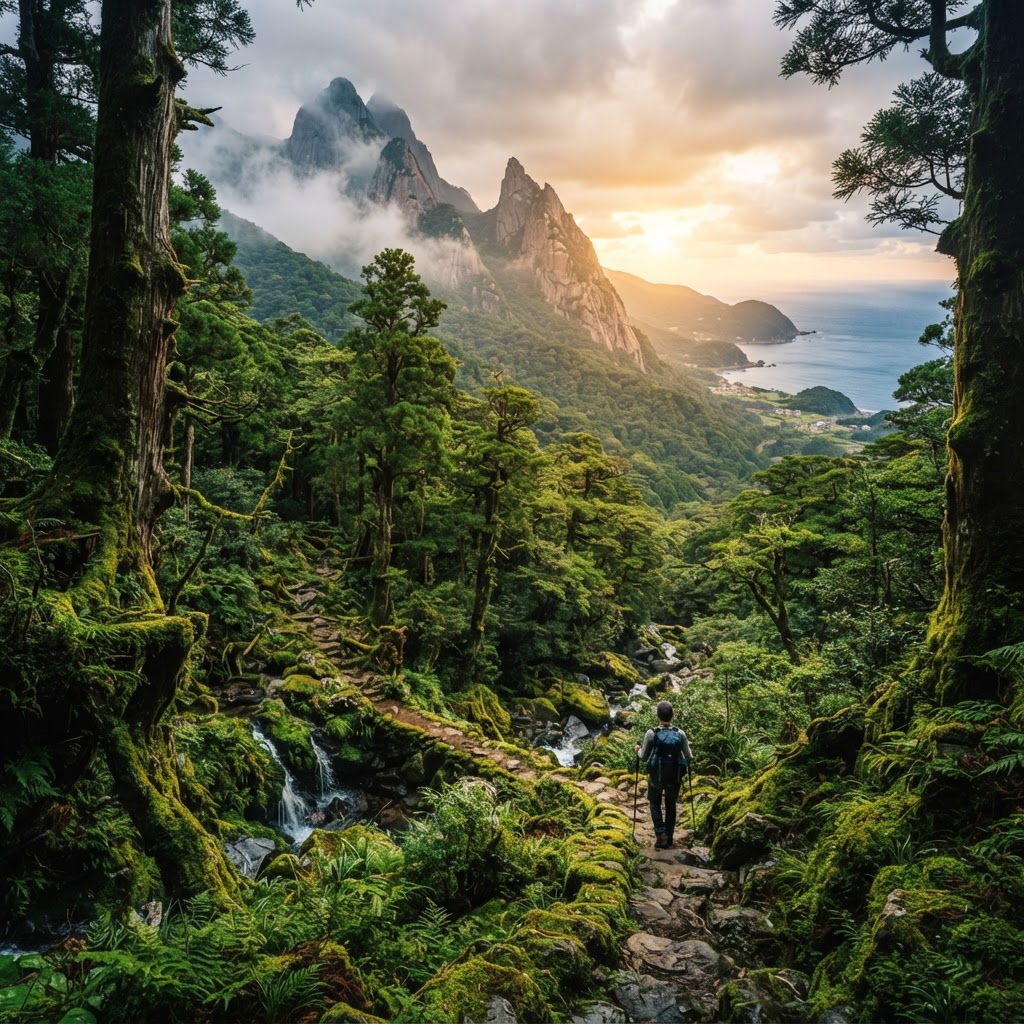
Yakushima, Japan
Japan
Ancient moss-draped cedar forests and misty granite peaks rising abruptly from the Pacific.
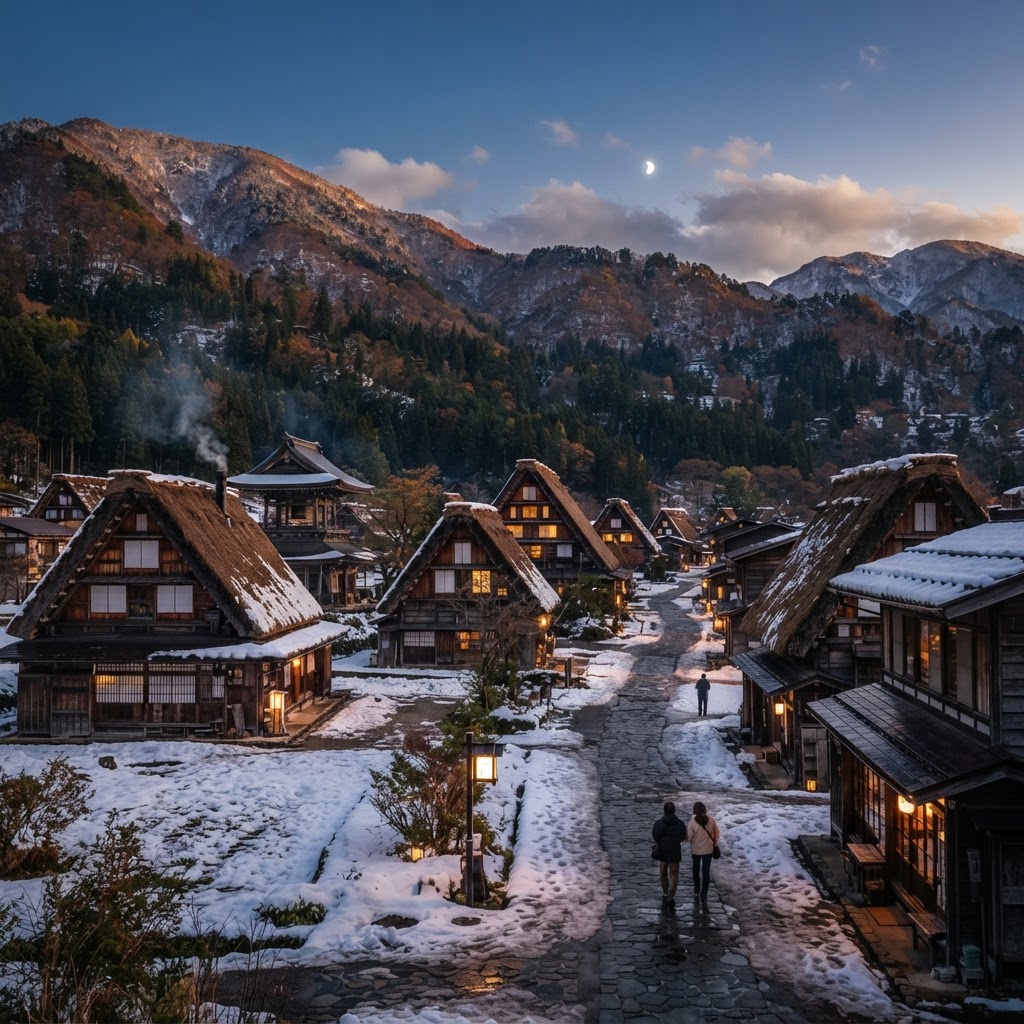
Shirakawa-go, Gifu, Japan
Japan
A living mountain settlement of steep-pitched thatch, silence at dusk, and alpine timbercraft.
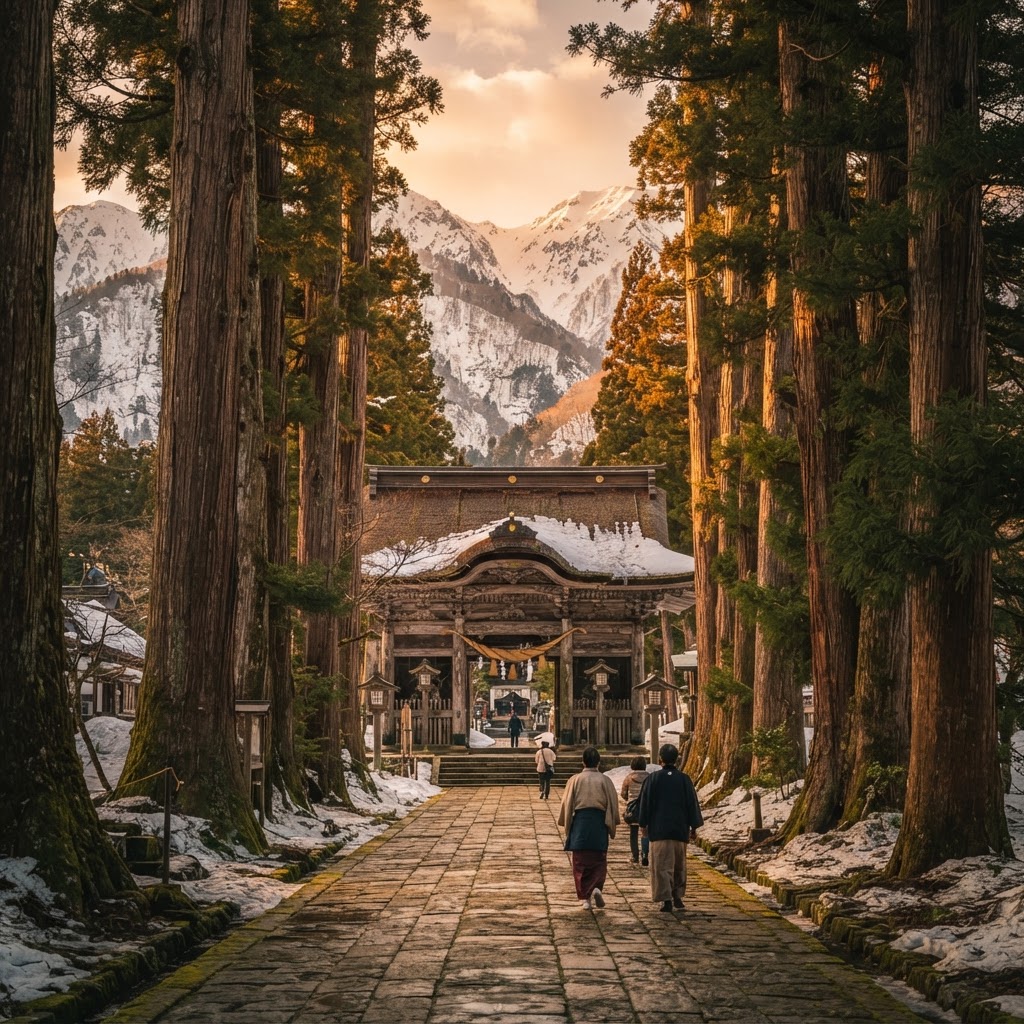
Nagano, Japan
Japan
Pilgrim temples, cedar-lined alpine shrines, and the gateway to Japan's northern powder peaks.
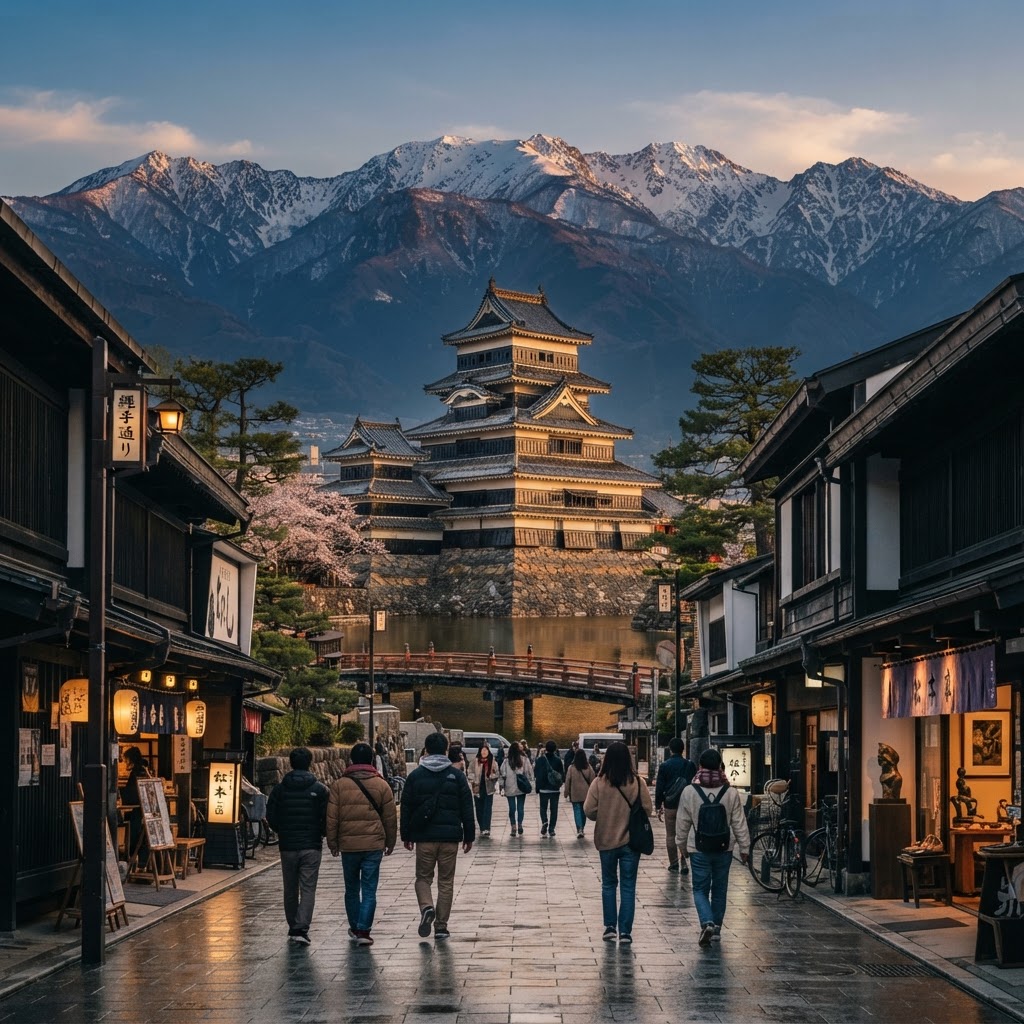
Matsumoto
Japan
Feudal black timber architecture framed by the Northern Alps and alpine art culture
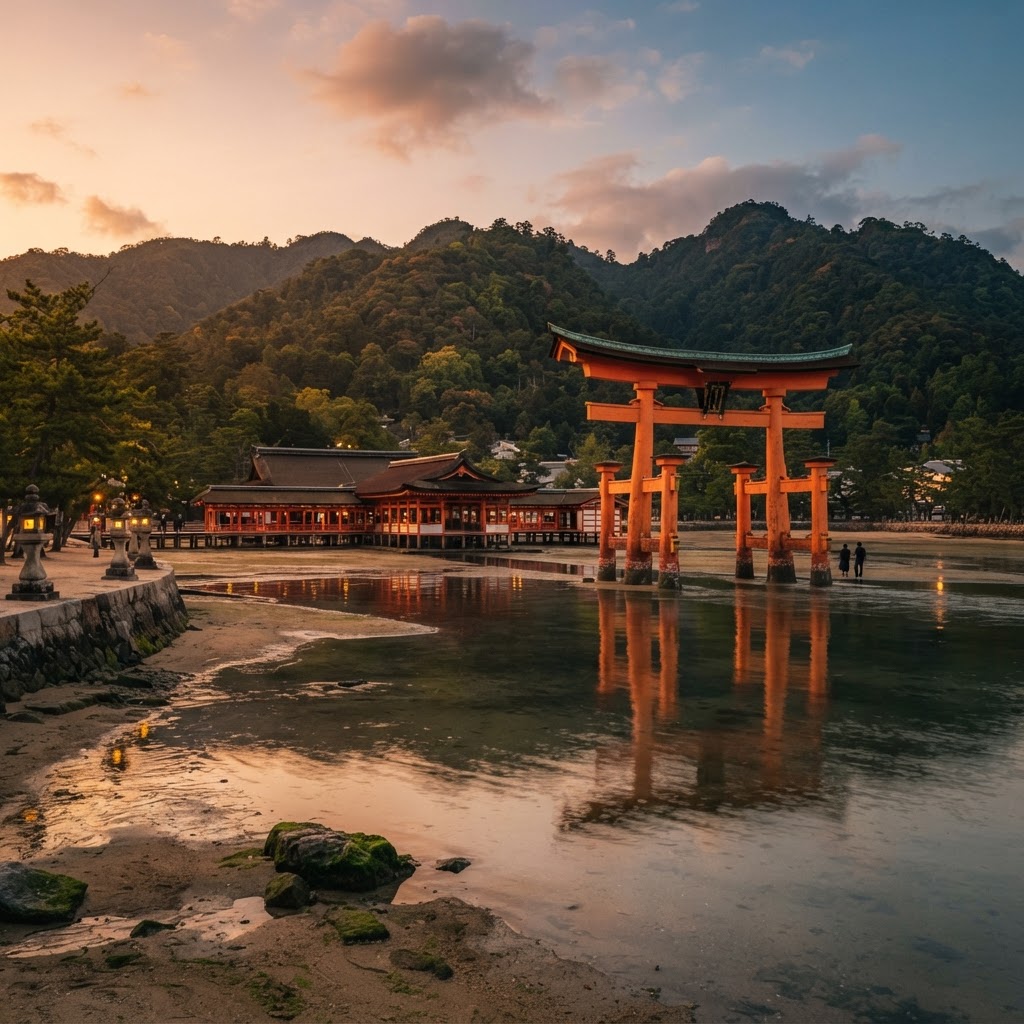
Miyajima (Itsukushima), Japan
Japan
A sacred island of tidal shrines, ancient virgin forest, and silent lantern-lit evenings.
Readymade itineraries
Start from a tested template — then make it yours.
Ready to book
Lock in your Hakone, Japan trip
Everything in one place. We may earn a small commission — it never costs you more.
Plan a trip to Hakone, Japan
Pick a length and we'll build a day-by-day plan around how you travel — neighborhoods clustered, budget-aware, and editable.
Get better at planning trips like this
Occasional notes on planning smarter — no spam, unsubscribe anytime.
Plan a trip to Hakone, Japan
Turn this guide into a day-by-day plan built around your pace, your group, and your budget.
Build my Hakone, Japan trip