
Japan
Fukuoka Itinerary: How Many Days + Sample Plans
Fukuoka is Japan's ramen capital and the country's most livable big city — warm, southern, and underrated.
Traveler rating
Loved by food lovers.
Plan & book
Sort your Fukuoka trip in one place.
We point you to the booking tools we'd actually use — live prices, no markup. Or let us build the day-by-day plan around you first, then book.
Pick your trip length
How many days do you need in Fukuoka?
Each of these opens a full day-by-day plan you can make your own.
- 2 days — Two days — the essentials, no rushing.
- 3 days — Three days — the icons plus one neighborhood.
- 4 days — Four days — a full city without sprinting.
- 5 days — Five days — room for a day trip.
- 7 days — A week — the city at a human pace.
- With Kids trip — Shorter days, earlier dinners, what to skip.
- For Couples trip — Two-person pacing with evenings built in.
- Solo trip — A plan that works well on your own.
- Food trip — Meals and markets as the anchors.
- Outdoors trip — Nature, walks and open air.
- Culture trip — History, museums and the streets around them.
Fukuoka is Kyushu's easy-going hub — birthplace of tonkotsu ramen and home to yatai street stalls along the river. It's warmer, slower, and friendlier than Tokyo; eat at a yatai at night.
2–3 days
Best time
Mid-October through November, or late March through April.
Budget
¥10,000–18,000 per person per day at mid-range.
Build your own trip with these prebuilt itineraries
Each one is a tested, day-by-day plan for Fukuoka — start here, then make it yours.
2 Days of First-Time Highlights
Essential sightseeing covering Hakata, Tenjin, and Ohori Park
3 Days of Culinary Exploration
Deep dive into the yatai food stalls, local ramen culture, and seafood markets
5 Days of Regional Day Trips
Using Fukuoka as a base to explore Dazaifu, Yanagawa, and the coast of Itoshima
Fukuoka delivers Japan's most relaxed metropolitan experience, stripped of the relentless rush of Tokyo but loaded with exceptional regional food. It is the birthplace of tonkotsu ramen and home to one of the last surviving open-air street stall scenes in Japan. With a major international airport sitting just five minutes by subway from the bullet-train station, it is effortlessly accessible and offers a warm, hospitable southern culture.
Where to stay
Getting there
Getting around
Food & drink
What it costs
Things to do
Book tours & tickets in FukuokaSkip it if
Skip it as a standalone long-haul journey if you want vast temple complexes like Kyoto or towering futuristic megacity scale like Tokyo; Fukuoka shines brightest as a 2 to 3-day gateway paired with wider exploration of Kyushu or southern Honshu.
When to go
Spring brings cherry blossoms around Maizuru Park and Ohori Park, while autumn brings crisp, dry weather ideal for outdoor dining at riverside yatai stalls without the stifling humidity or typhoon disruptions of high summer.
Peak (Late Mar–Apr & Golden Week early May)
High demand, higher hotel rates, and massive crowds for cherry blossoms and Hakata Dontaku; secure central accommodations at least 2 to 3 months in advance.
Shoulder (May–Jun & Oct–Nov)
The sweet spot for weather and comfort. October and November in particular bring mild evenings perfect for street-stall dining, manageable lines, and standard hotel rates.
Low (Jan–Feb & Jul–Aug)
Mid-summer is sweltering and humid with regular typhoon cancellations; winter is brisk and windswept along the coast, though hotel bargains abound and hot pots like motsunabe hit the spot.
Neighborhoods
Where you stay shapes the trip. Here's how to think about it.
Hakata
Transit hub meets historic merchant alleys and temple enclaves.
Best for:First-timers, short stays, and travelers prioritizing shinkansen or airport convenience.
Don't miss:The towering Gion Yamakasa festival float kept year-round at Kushida Shrine, followed by an early morning stroll to Shofukuji, Japan's oldest Zen Buddhist temple.
Tenjin & Daimyo
Dense retail energy giving way to low-rise vintage boutiques, indie cafes, and narrow alleys.
Best for:Shoppers, cafe lovers, and anyone who wants central walkability and street life outside their door.
Don't miss:Browsing Daimyo's independent streetwear labels and indie coffee counters before tucking into crispy Tetsunabe iron-pot gyoza or Wan Gyoza on the neighborhood border.
Nakasu
Canal-island entertainment strip glowing under neon with nighttime open-air food culture.
Best for:Night owls, solo diners, and food-stall hopping enthusiasts.
Don't miss:Grabbing a tiny stool along the Nakagawa River for a late-evening bowl of Hakata tonkotsu ramen at an authentic yatai stall.
Ohori Park & Akasaka
Sprawling lakefront calm paired with upscale izakayas, wine bars, and neighborhood bakeries.
Best for:Relaxed travelers, morning runners, design buffs, and visitors seeking a quieter residential pace.
Don't miss:Walking the pine-lined willow causeway across Ohori Park lake to the traditional Japanese garden and the Fukuoka Art Museum.
Money & essentials
Currency
Japanese yen (JPY). Cash for yatai stalls; IC cards for transit.
Language
Japanese. A translation app helps; some English at hotels.
Safety
Extremely safe across all districts day and night, with standard precautions for touts in nightlife zones.
Budget range
¥10,000–18,000 per person per day at mid-range.
Tipping
Tipping is not customary in Japan; exceptional service is included in your bill.
See what a trip to Japan actually costs. Travel Budget Co.
How to plan it
- Base yourself near Hakata Station if you intend to take shinkansen day trips around Kyushu or have an early flight, but stay in Tenjin or Daimyo if you want dinner and nightlife right at your doorstep.
- Pair Fukuoka with a 2-day rail loop down to Nagasaki or Kumamoto via the Kyushu Shinkansen and Kamome express lines rather than treating it in total isolation.
- Don't spend more than 60–90 minutes at a single yatai; order a drink, a specialty dish like mentaiko tamagoyaki or ramen, soak up the atmosphere, and rotate to an indoor izakaya so others can sit.
- Combine a morning visit to Dazaifu Tenmangu shrine with an afternoon trip to Nanzoin Temple by commuter train; both are easy half-day trips from downtown that fit cleanly into a 3-day visit.
- Reserve high-end sushi and specialty motsunabe spots at least 2 to 4 weeks ahead, as Fukuoka's local dining scene is fiercely supported by residents and domestic business travelers.
Questions
More in Japan
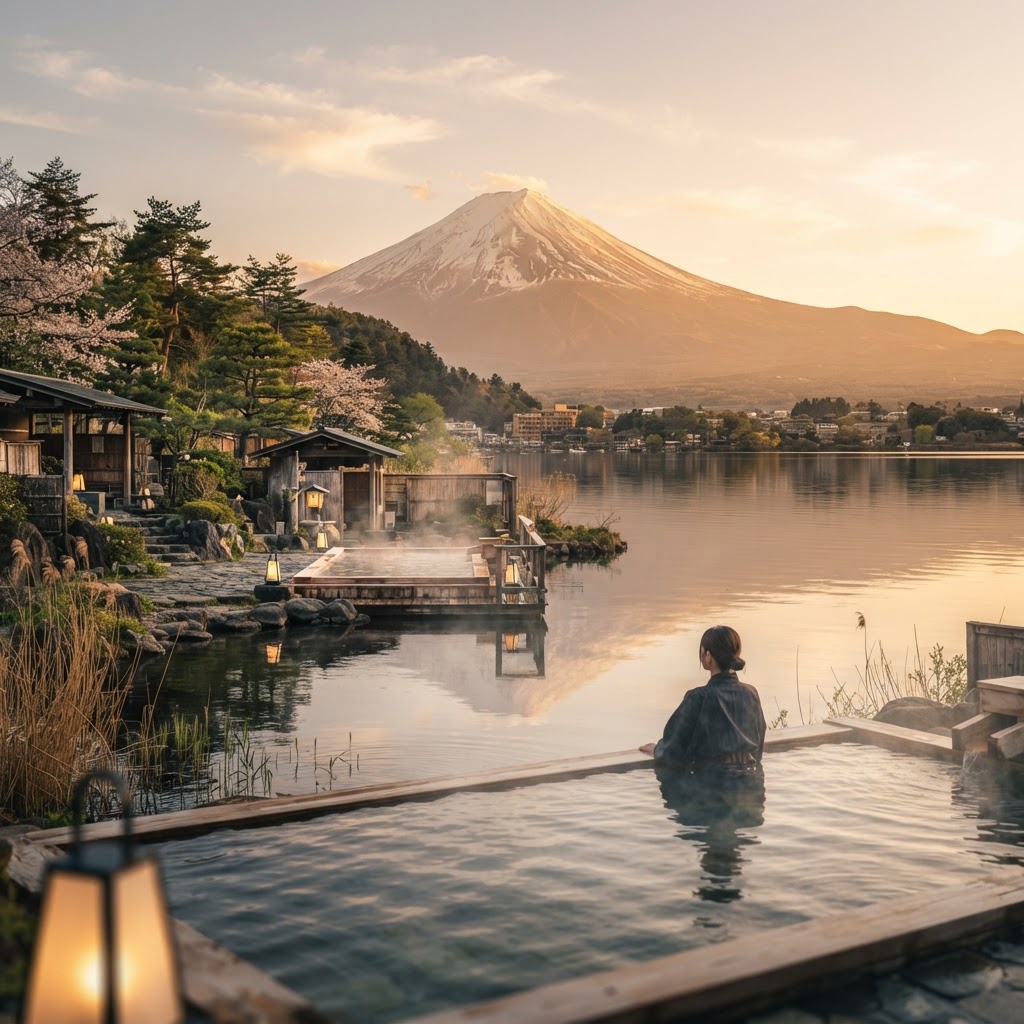
Kawaguchiko & Fuji Five Lakes
Japan
Unrivaled front-row views of Mount Fuji, lakeside onsens, and open mountain air.
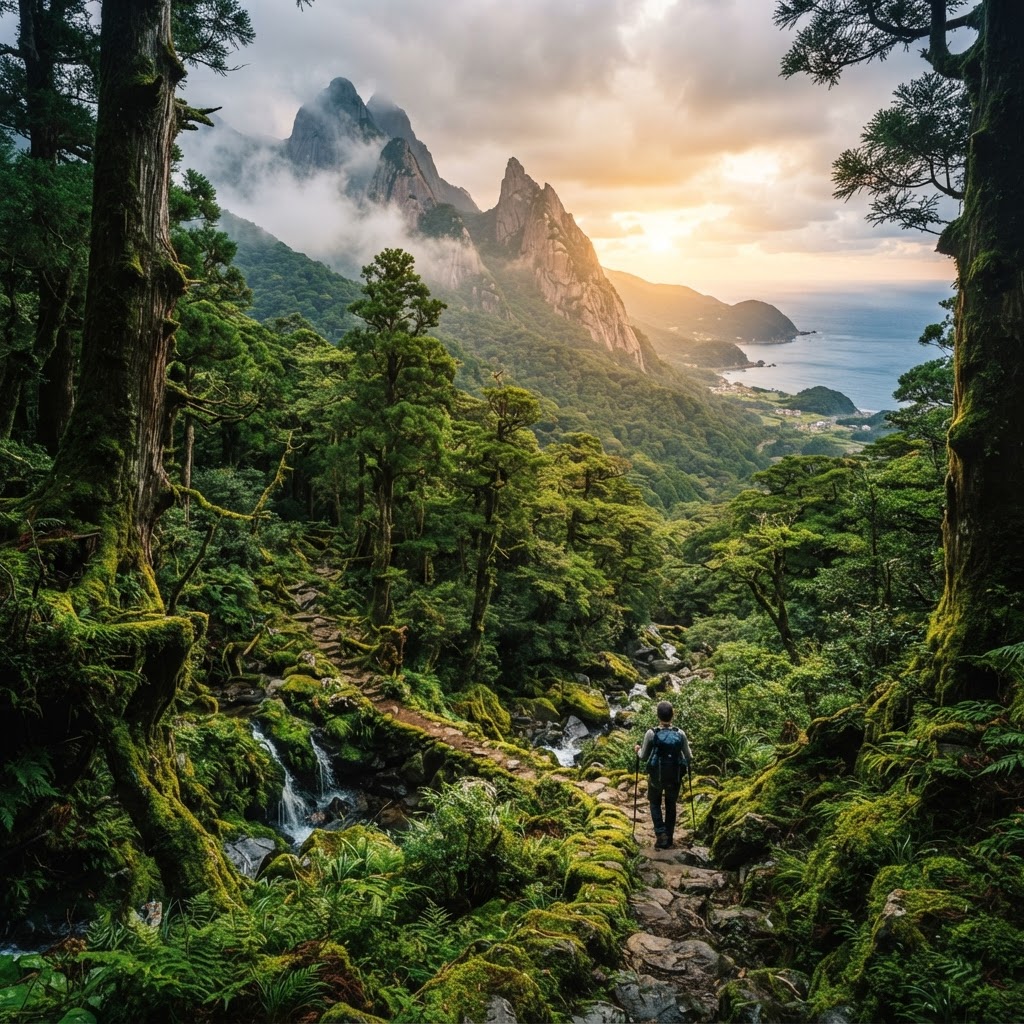
Yakushima, Japan
Japan
Ancient moss-draped cedar forests and misty granite peaks rising abruptly from the Pacific.
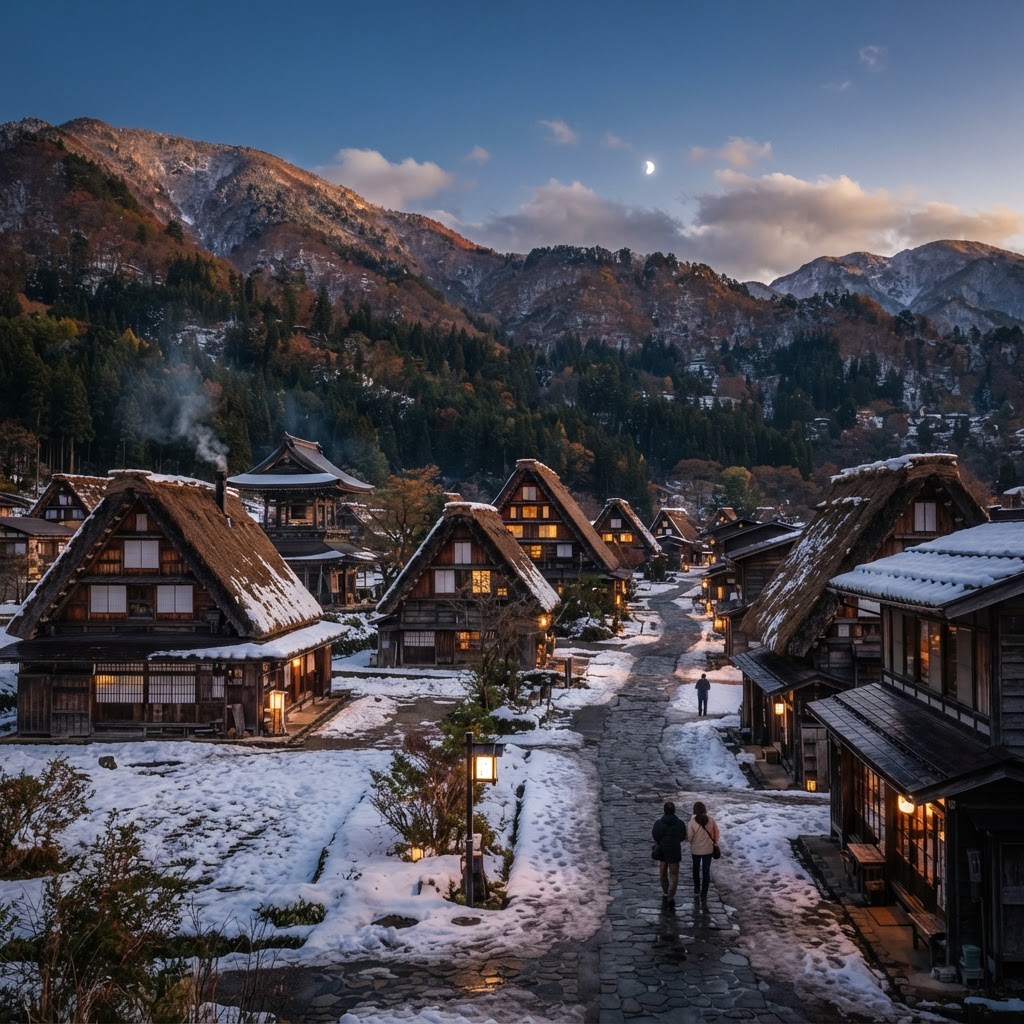
Shirakawa-go, Gifu, Japan
Japan
A living mountain settlement of steep-pitched thatch, silence at dusk, and alpine timbercraft.
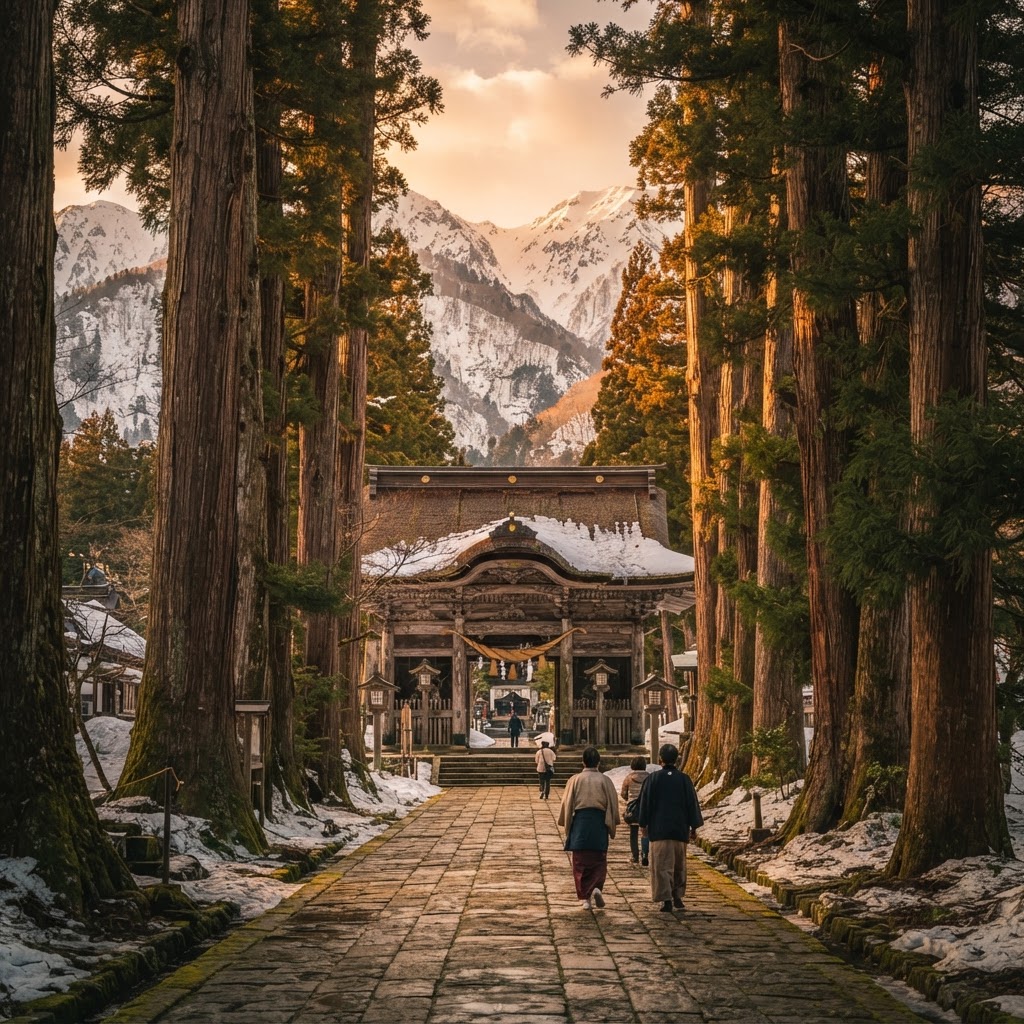
Nagano, Japan
Japan
Pilgrim temples, cedar-lined alpine shrines, and the gateway to Japan's northern powder peaks.
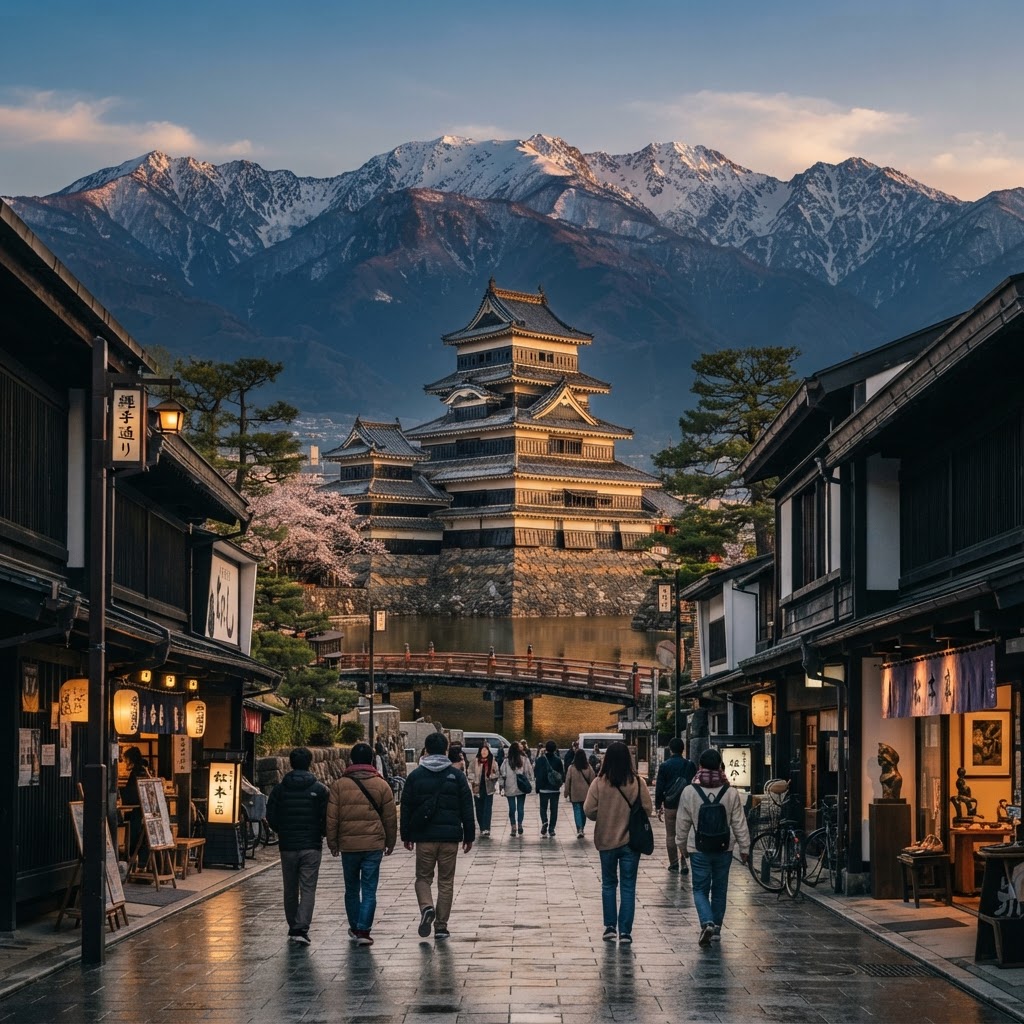
Matsumoto
Japan
Feudal black timber architecture framed by the Northern Alps and alpine art culture
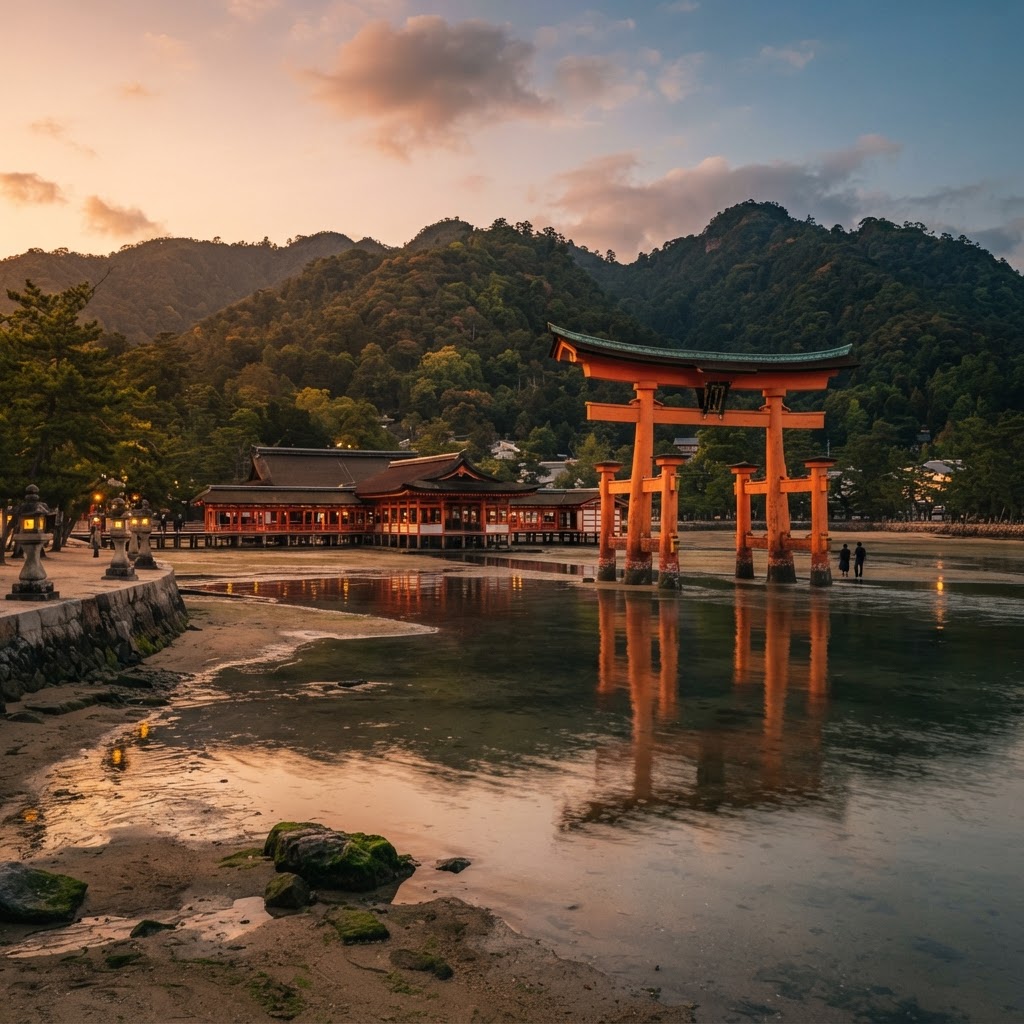
Miyajima (Itsukushima), Japan
Japan
A sacred island of tidal shrines, ancient virgin forest, and silent lantern-lit evenings.
Readymade itineraries
Start from a tested template — then make it yours.
Ready to book
Lock in your Fukuoka trip
Everything in one place. We may earn a small commission — it never costs you more.
Plan a trip to Fukuoka
Pick a length and we'll build a day-by-day plan around how you travel — neighborhoods clustered, budget-aware, and editable.
Get better at planning trips like this
Occasional notes on planning smarter — no spam, unsubscribe anytime.
Plan a trip to Fukuoka
Turn this guide into a day-by-day plan built around your pace, your group, and your budget.
Build my Fukuoka trip