
Spain
Valencia Itinerary: How Many Days + Sample Plans
Valencia is paella's birthplace — a beach, a futuristic complex, and Madrid's price without Madrid's crowds.
Traveler rating
Loved by first-timers.
Plan & book
Sort your Valencia trip in one place.
We point you to the booking tools we'd actually use — live prices, no markup. Or let us build the day-by-day plan around you first, then book.
Pick your trip length
How many days do you need in Valencia?
Each of these opens a full day-by-day plan you can make your own.
- 2 days — Two days — the essentials, no rushing.
- 3 days — Three days — the icons plus one neighborhood.
- 4 days — Four days — a full city without sprinting.
- 5 days — Five days — room for a day trip.
- 7 days — A week — the city at a human pace.
- With Kids trip — Shorter days, earlier dinners, what to skip.
- For Couples trip — Two-person pacing with evenings built in.
- Solo trip — A plan that works well on your own.
- Food trip — Meals and markets as the anchors.
- Outdoors trip — Nature, walks and open air.
- Culture trip — History, museums and the streets around them.
Valencia is Spain's third city and its underrated star — the birthplace of paella, a long beach, the futuristic City of Arts and Sciences, and an old riverbed turned park. It's cooler, cheaper, and more livable than Barcelona or Madrid; eat paella where it was invented and cycle the old riverbed.
2–3 days
Best time
Mid-April to May and September to October offer the best balance of warmth, open-air dining, and calm streets.
Budget
€80–140 per person per day at mid-range.
Build your own trip with these prebuilt itineraries
Each one is a tested, day-by-day plan for Valencia — start here, then make it yours.
2 Days of City Highlights
First-time visitor focus on the historic center and modern City of Arts and Sciences
7 Days of Regional Exploration
A slow-paced trip using Valencia as a base for inland excursions to vineyards, Albufera Natural Park, and historic coastal towns
5 Days of Gastronomy and Coastal Culture
Deep dive into local paella traditions, market culture, and relaxed Mediterranean beach lifestyle
Valencia pairs world-class cultural heft with an exceptionally livable pace that Madrid and Barcelona have largely lost to over-tourism. You get Santiago Calatrava's striking avant-garde architecture, UNESCO-listed Gothic silk halls, and Europe's largest continuous urban park tucked inside an old diverted riverbed. Add authentic wood-fired rice traditions, expansive Mediterranean beaches, and lower accommodation costs, and it stands out as Spain's most comfortable coastal city.
Where to stay
Getting there
Getting around
Food & drink
What it costs
Things to do
Book tours & tickets in ValenciaSkip it if
Skip Valencia if your definition of a beach vacation requires dramatic cliffs and coves (the local coastline is wide, flat, and urban) or if your Spain trip is under five days and you haven't yet seen Madrid or Seville.
When to go
Spring and early autumn deliver comfortable daytime temperatures (around 22–26°C) for cycling the Turia without midsummer's oppressive humidity. Mid-March brings Las Fallas—an unmissable pyrotechnic spectacle if you plan a year ahead, but an inescapable sensory overload of 24/7 firecrackers that paralyses standard sightseeing.
Spring (March–May)
March is dominated by Las Fallas (crowded, expensive, intense); April and May are breezy, floral, and perfect for walking and outdoor terraces.
Summer (June–August)
High heat and heavy humidity drive crowds to Malvarrosa; midday sightseeing shuts down, and many local indie restaurants close in August.
Autumn (September–November)
Warm sea waters linger through October; gentle sunshine and thin crowds make this the savviest window for cycling and food touring.
Winter (December–February)
Crisp, mild, and sunny with daylight highs around 16°C; low hotel rates and empty museums make it ideal for a relaxed cultural escape.
Neighborhoods
Where you stay shapes the trip. Here's how to think about it.
Ciutat Vella (Old Town & El Carmen)
Narrow Gothic alleys, street murals, Roman ruins, and shaded plaza terraces.
Best for:First-timers, architecture buffs, and walk-everywhere sightseers
Don't miss:Climbing the Torres de Serranos for skyline views over the Turia riverbed, followed by a mid-morning coffee at Mercado Central.
Russafa (Ruzafa)
Buzzing, bohemian, and design-led, with specialty coffee roasters, wine bars, and art spaces.
Best for:Food lovers, cafe hoppers, and late-night diners
Don't miss:Grabbing a counter stool for almuerzo (mid-morning savory sandwich) near Mercado de Ruzafa.
El Cabanyal & Malva-rosa
Former fishing quarter with tiled modernist facades, salty breezes, and low-key seafood taverns.
Best for:Beach lovers, summer travelers, and paella purists
Don't miss:An afternoon drink along Carrer de la Reina before walking two blocks down to Playa de la Malvarrosa.
Eixample & Gran Vía
Polished, wide-boulevard elegance lined with turn-of-the-century facades and upscale shopping.
Best for:Travelers wanting quieter nights, boutique hotels, and easy walking access to the center
Don't miss:Admiring the iron-and-glass Art Nouveau architecture of Mercado de Colón over a glass of horchata.
Camins al Grau / Quatre Carreres
Broad, hyper-modern avenue grid framed by futuristic Calatrava arches and park access.
Best for:Architecture fans, families with young kids, and long-distance runners
Don't miss:Renting a bike and pedaling through the sunken Turia Gardens straight to the City of Arts and Sciences.
Money & essentials
Currency
Euro (EUR). Cards accepted.
Language
Spanish and Valencian. English in tourist areas.
Safety
Very high safety profile with low violent crime; keep standard guard against petty pickpockets at the central market, train stations, and public beaches.
Budget range
€80–140 per person per day at mid-range.
Tipping
Discretionary; rounding up the bill or leaving 5–10% for exceptional sit-down table service is appreciated but never mandatory.
Deeper country context: Valencia in the Spain Field Guide.
See what a trip to Spain actually costs. Travel Budget Co.
How to plan it
- Base yourself in Ciutat Vella for historical walking access, or in Russafa if late-night vermouth bars and independent dinners drive your trip.
- Reserve lunch at least 24 hours in advance if you want an authentic Paella Valenciana (rabbit, chicken, butter beans, and rosemary), because the rice requires 30–40 minutes to cook from scratch.
- Skip the metro between central monuments—rent a bike for the 9-kilometer car-free Turia riverbed to connect the old city with the futuristic Calatrava complex.
- Pair a morning boat tour on the Albufera freshwater lagoon with lunch in the adjacent hamlet of El Palmar, where paella was born among the rice paddies.
- Do not visit during March 15–19 (Las Fallas) unless you want an around-the-clock festival of fireworks, closed streets, and massive noise; go in late April instead for quiet sightseeing.
Questions
More in Spain
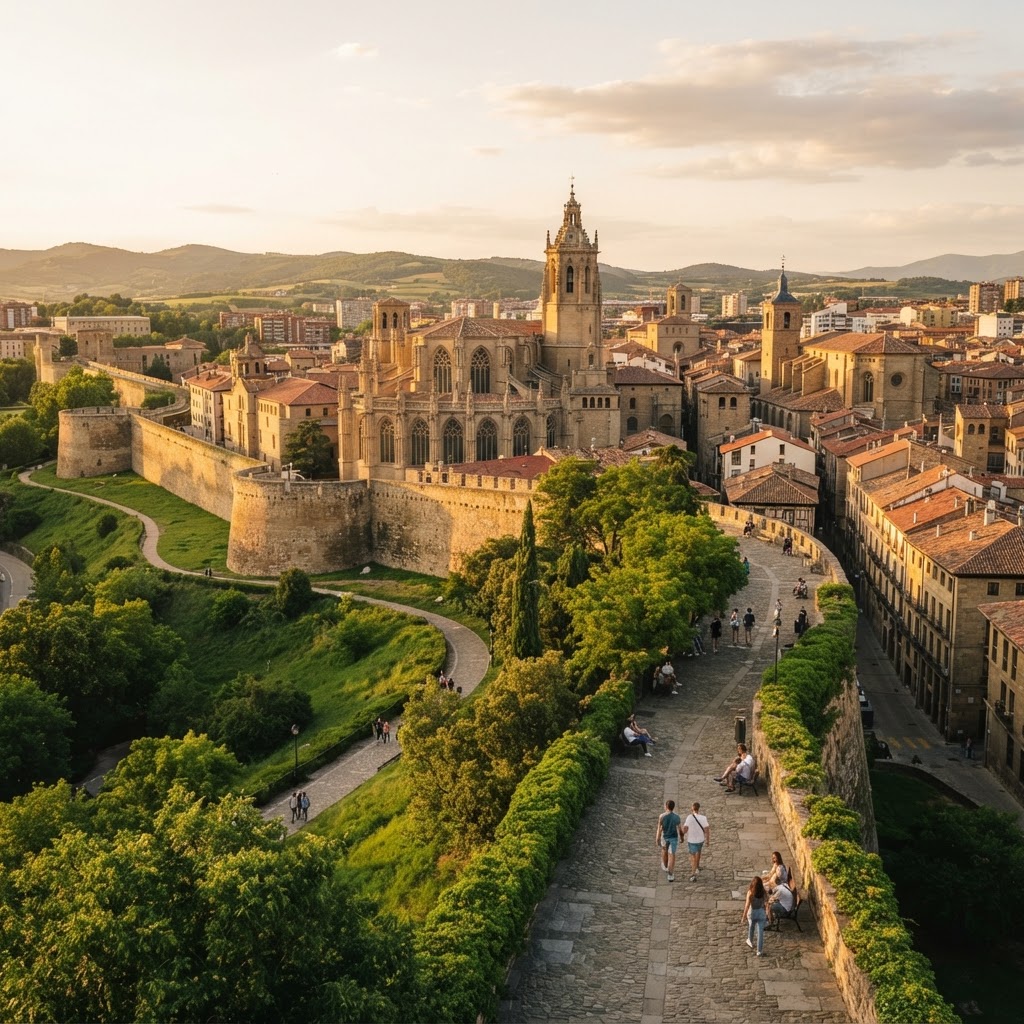
Pamplona, Spain
Spain
Beyond the bull run: a walkable fortress city of world-class pintxos, gothic cloisters, and verdant ramparts.
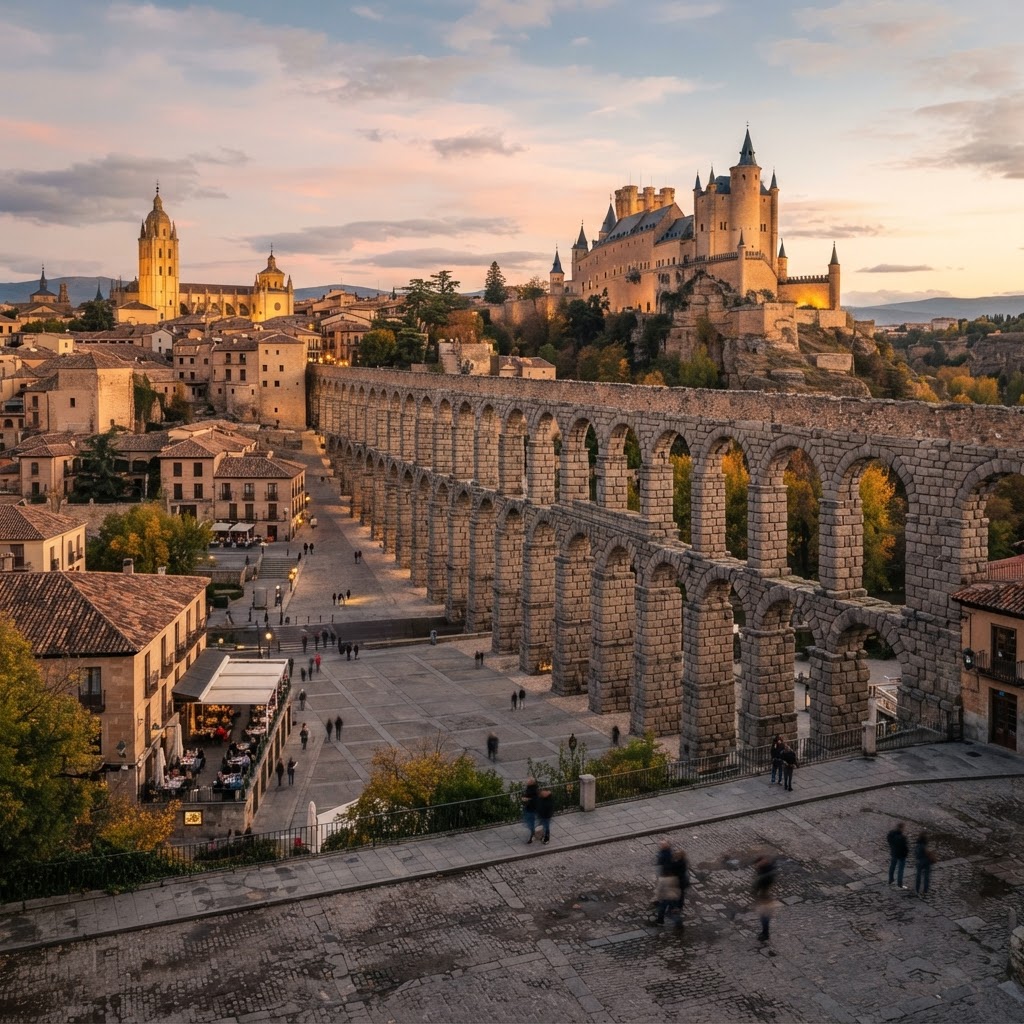
Segovia, Spain
Spain
Roman engineering, fairytale fortresses, and slow-roasted suckling pig just thirty minutes from Madrid
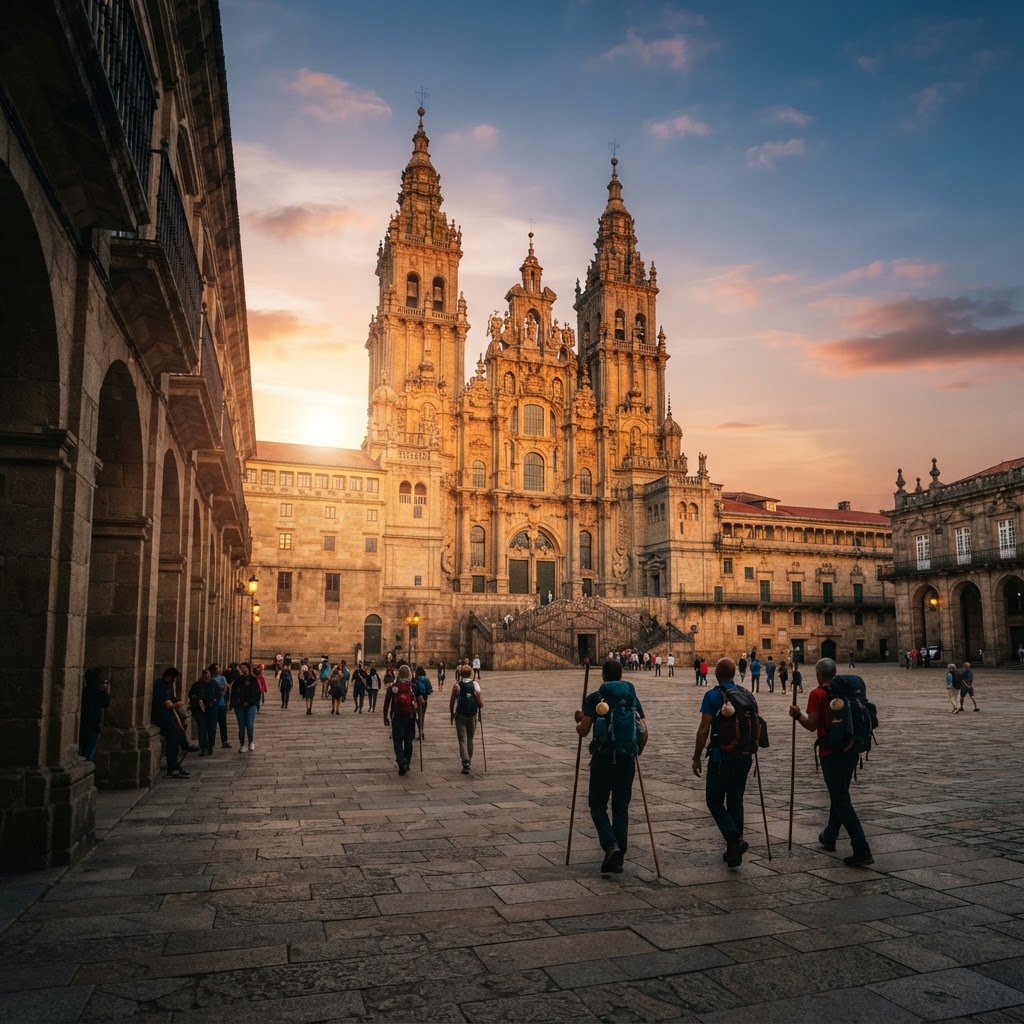
Santiago de Compostela, Galicia, Spain
Spain
Granite arcades, triumphant pilgrim squares, and Spain's most storied seafood capital.
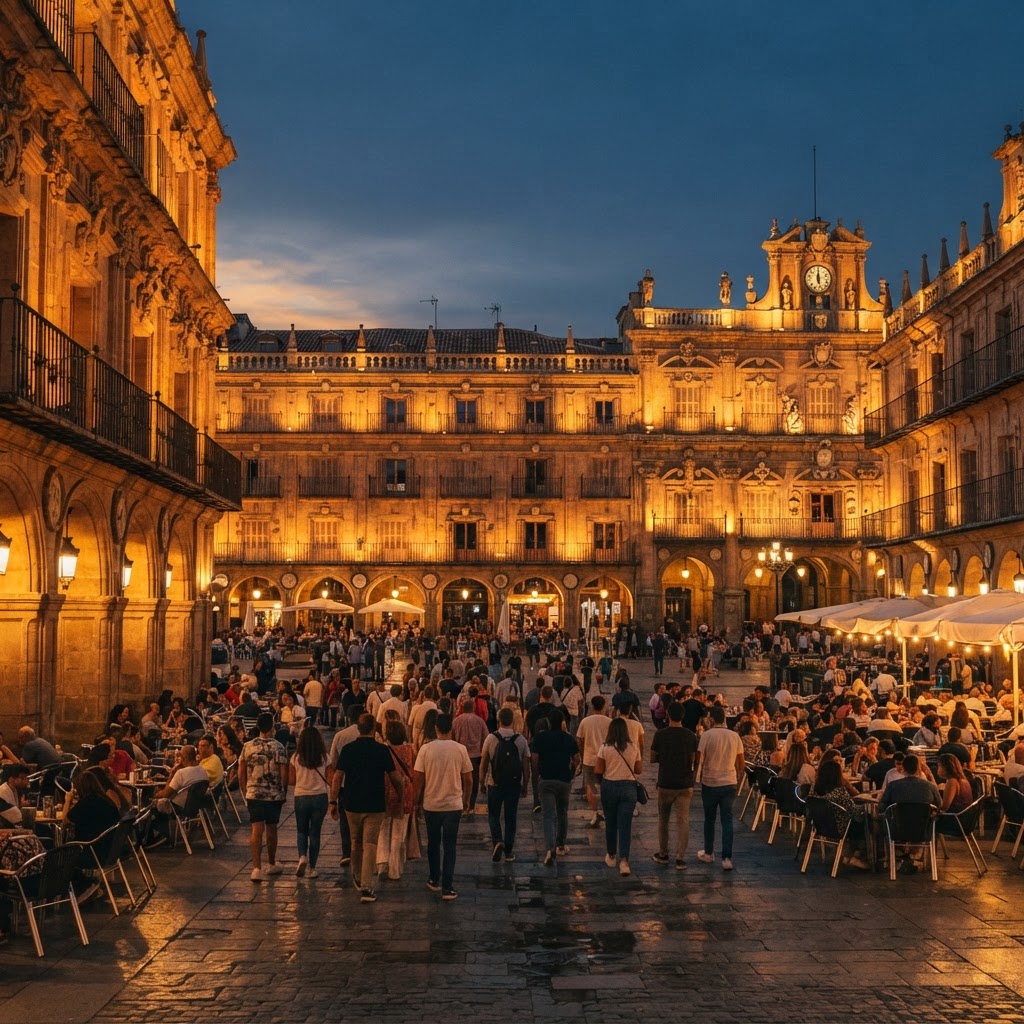
Salamanca
Spain
Spain's golden sandstone intellectual capital with an unrivaled late-night plaza culture.
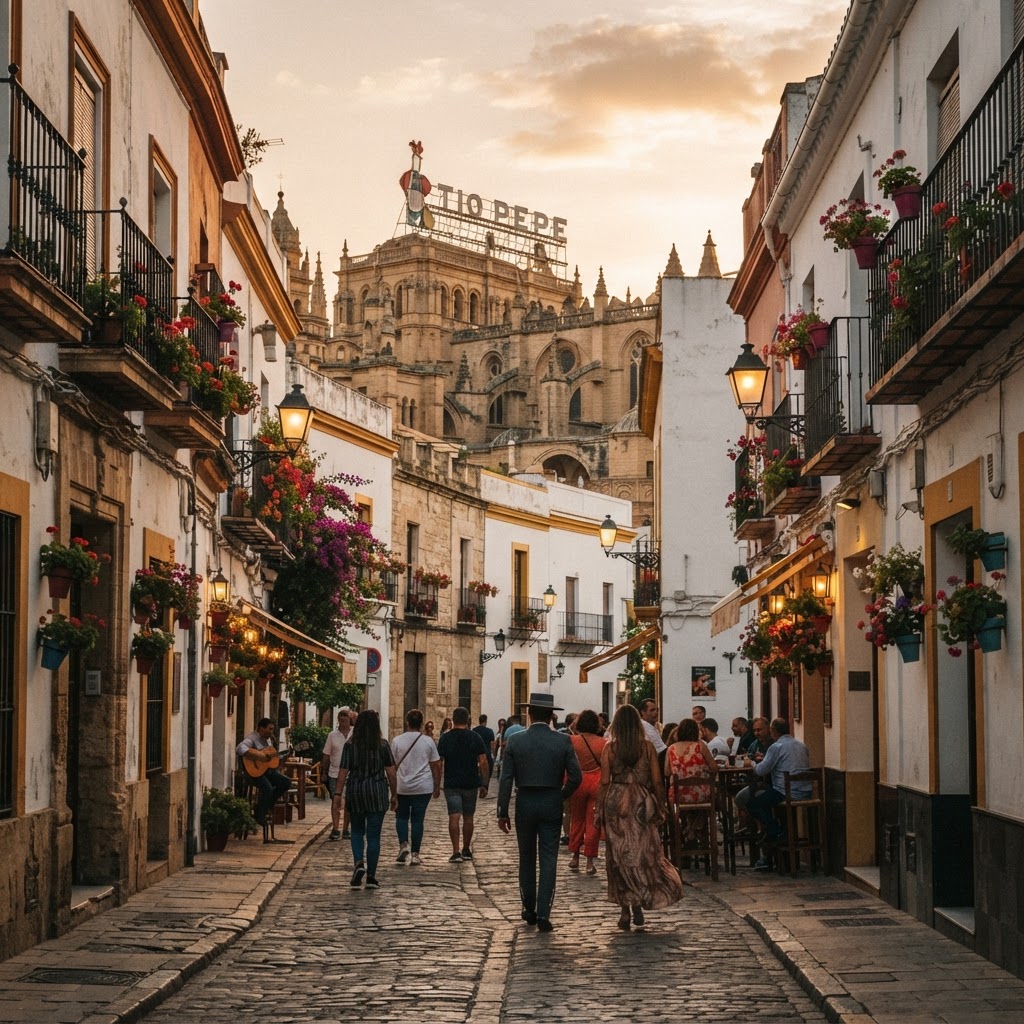
Jerez de la Frontera
Spain
The cradle of pure flamenco, cathedral-like sherry bodegas, and unfiltered Andalusian life.
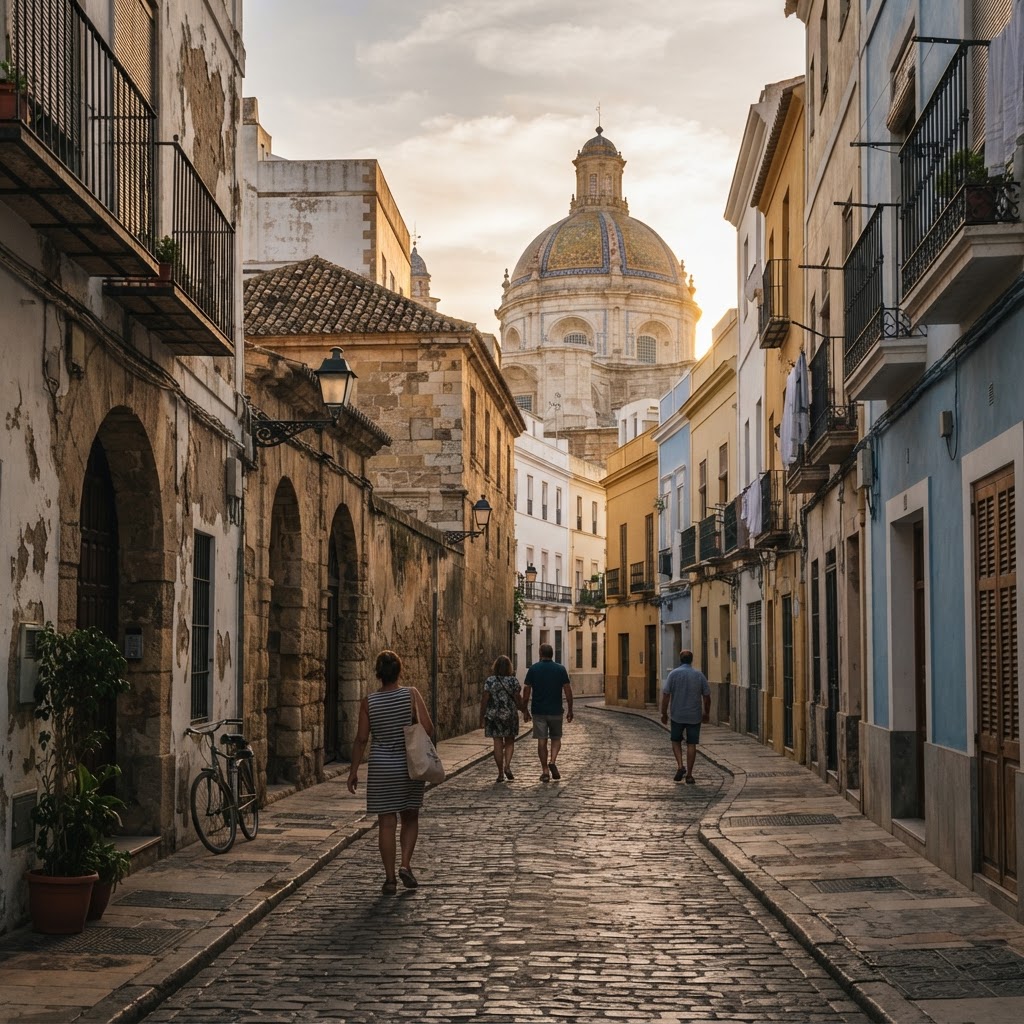
Cádiz
Spain
Europe’s oldest continuously inhabited port, stripped of pretension and wrapped in sea air
Readymade itineraries
Start from a tested template — then make it yours.
Ready to book
Lock in your Valencia trip
Everything in one place. We may earn a small commission — it never costs you more.
Plan a trip to Valencia
Pick a length and we'll build a day-by-day plan around how you travel — neighborhoods clustered, budget-aware, and editable.
Get better at planning trips like this
Occasional notes on planning smarter — no spam, unsubscribe anytime.
Plan a trip to Valencia
Turn this guide into a day-by-day plan built around your pace, your group, and your budget.
Build my Valencia trip