Spain
Toledo, Castile-La Mancha, Spain
A fortress of three faiths that rewards those who stay past the last train back to Madrid.
Plan & book
Sort your Toledo, Castile-La Mancha, Spain trip in one place.
We point you to the booking tools we'd actually use — live prices, no markup. Or let us build the day-by-day plan around you first, then book.
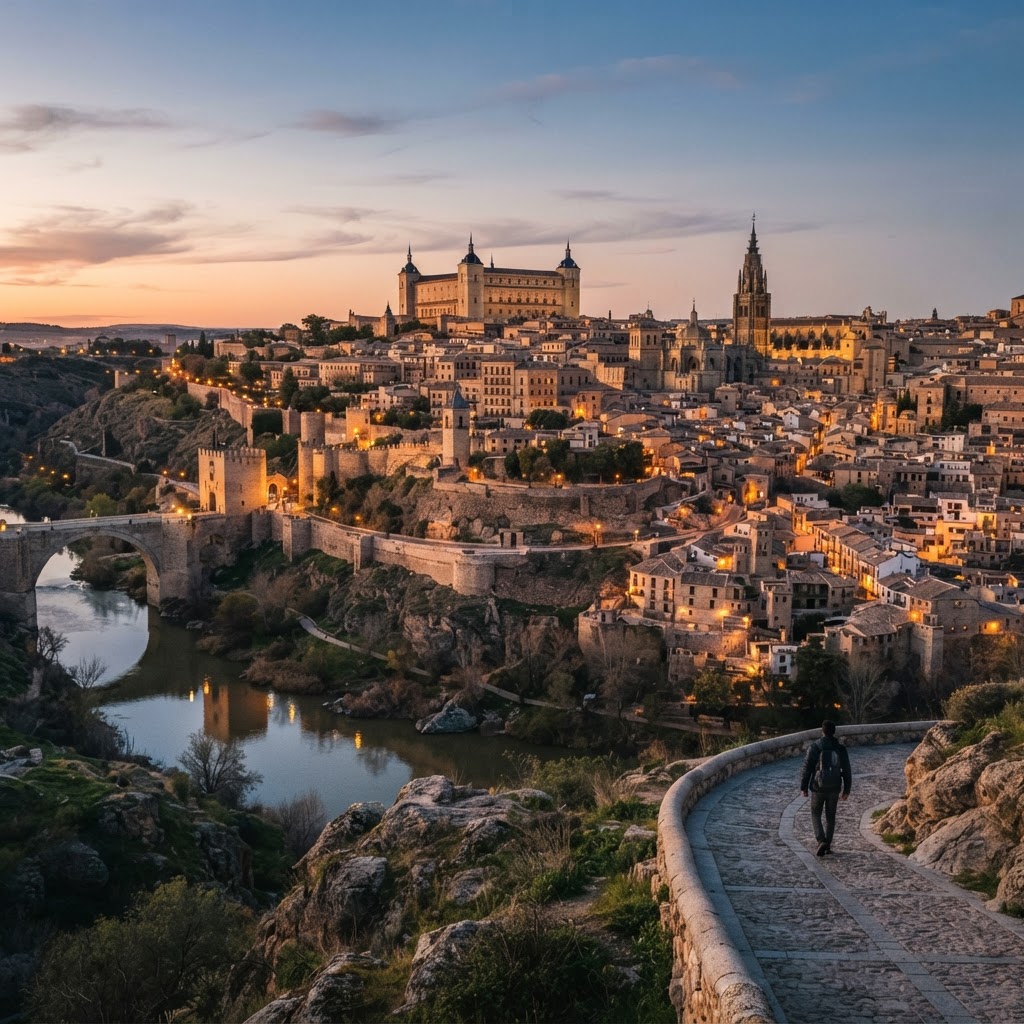
Perched on a rugged granite gorge carved by the Tagus River, Toledo served as the ancient capital of the Visigothic Kingdom and imperial Spain. Renowned as the 'City of the Three Cultures,' its labyrinthine alleys intertwine Christian cathedrals, Moorish horseshoe arches, and Sephardic synagogues within towering medieval ramparts. While often treated as a frantic commuter run from Madrid, Toledo's true character emerges when dusk falls, the day-trippers vanish, and the stone alleys echo with quiet stillness.
2 days / 1 night
Best time
Mid-April through May and late September through October provide the ideal balance of manageable temperatures and daylight.
Build your own trip with these prebuilt itineraries
Each one is a tested, day-by-day plan for Toledo, Castile-La Mancha, Spain — start here, then make it yours.
3 Days in Toledo in Toledo
Slow medieval immersion, gorge viewpoints, and artisan damascene workshops
2 Days in Toledo in Toledo
The Three Cultures depth, El Greco masterworks, and overnight illuminated alleys
1 Day in Toledo in Toledo
Essential monuments and day-trip highlights without the midday crowds
Toledo offers one of Europe's most intact ensembles of Mudéjar, Gothic, and Sephardic architecture squeezed onto a dramatic hill. Unlike Madrid's wide 19th-century boulevards, Toledo's streets are medieval canyons engineered for defensive concealment and shade. Visiting lets you trace centuries of coexistence and conflict through monuments like the Primada Cathedral, Sinagoga de Santa María la Blanca, and the works of El Greco preserved in situ.
Where to stay
Getting there
Getting around
Food & drink
What it costs
Skip it if
Travelers with significant mobility impairments or those relying on strollers, as Toledo's historic core is a relentless series of steep ramps, staircases, and irregular stones. Also skip if you are on a tight 3-day Madrid timeline where giving up a full day would sacrifice Madrid's world-class museums.
When to go
Spring and autumn bypass the brutal, unshaded 40°C heat of Castilian summers and the freezing canyon winds of deep winter, though booking train slots and hotels early is non-negotiable around religious festivals.
Peak (Apr–May, Sep–Oct)
Mild daytime walking weather, but heavy tour bus crowds until 5:00 PM; book Renfe Avant tickets well in advance.
Shoulder (Mar, Nov)
Crisp morning air and noticeably sparser crowds in the Judería; ideal for unhurried monument visits.
Low (Jul–Aug, Jan–Feb)
Extreme summer heat turns stone alleys into radiant ovens; winter is peaceful and cheap but requires warm layers against bitter winds.
Neighborhoods
Where you stay shapes the trip. Here's how to think about it.
Judería (Jewish Quarter)
Atmospheric, steep cobblestone lanes framed by Mudéjar masonry and quiet courtyards.
Best for:History buffs, art lovers, and evening walkers
Don't miss:Synagogue of Santa María la Blanca and its striking whitewashed horseshoe arches.
Plaza de Zocodover & Alcázar Quarter
The bustling civic entryway packed with café terraces, tour groups, and commanding ramparts.
Best for:First-timers needing easy transit access and central navigation
Don't miss:The climb to the top of the Alcázar ramparts for vistas stretching toward the Tagus river canyon.
San Juan de los Reyes / West Gates
Dramatic riverfront edge dominated by monumental stone gates and cloisters.
Best for:Architecture seekers and sunset photographers
Don't miss:Crossing the fortified medieval Puente de San Martín as the gorge lights up at golden hour.
Cathedral Quarter
Densely packed clerical alleys encircling the monumental heart of Spanish Catholicism.
Best for:Central convenience and late-night strolls once day-trippers disperse
Don't miss:The Transparente baroque altarpiece inside the Primada Cathedral under morning skylight.
Destination intelligence
Updated 9/14/2026The structured record we plan every Toledo, Castile-La Mancha, Spain itinerary from.
Walkability
High within the core, but demanding; streets are pedestrianized but extremely steep, slick, and hilly.
Transit quality
Moderate; the Madrid-Toledo rail spur is flawless, while local transit relies on city buses to reach the train station and viewpoints.
Car needed
No. A car is an active liability inside the medieval center; park in lower perimeter lots if road-tripping through Castile-La Mancha.
Ideal duration
2 days / 1 night
Minimum useful
1 full day (8 to 9 hours)
Peak season
April to May and September to October (mild weather, vibrant religious festivals like Corpus Christi, heavy day-trip volumes).
Shoulder season
March and November (cooler mornings, fewer bus tours, comfortable walking conditions).
Low season
July to August (extreme summer heat regularly surpassing 40°C / 104°F) and January to February (crisp, quiet Castilian winter).
Best for
Common mistakes
- Treating it strictly as a 4-hour rush between 11:00 AM and 3:00 PM, hitting the absolute peak heat and tour group crowds while missing the tranquil evening atmosphere.
- Renting a car and trying to drive inside the old city walls, leading to narrow-alley gridlock and steep parking fines.
- Wearing slick-soled dress shoes or heels on polished, steep medieval cobblestones.
- Failing to purchase Renfe Avant train tickets in advance on weekends, getting stranded when morning departures sell out.
- Skipping the Mirador del Valle viewpoint across the river gorge because it requires a taxi or Line 71 bus.
Best nearby
See what a trip to Spain actually costs. Travel Budget Co.
How to plan it
- Book your Renfe Avant high-speed train from Madrid-Atocha at least 2 weeks in advance; commuter slots sell out early.
- Stay overnight inside the Judería or near Plaza de Santo Domingo to experience empty cobblestone alleys after 6:00 PM.
- Do not walk all the way around to Mirador del Valle midday; catch local bus 71 or split a taxi before dusk for the classic panoramic view.
- Dedicate a solid 2 to 2.5 hours exclusively to the Primada Cathedral to properly see the choir stalls, treasury, and sacristy art gallery.
Questions
More in Spain
Pamplona, Spain
Spain
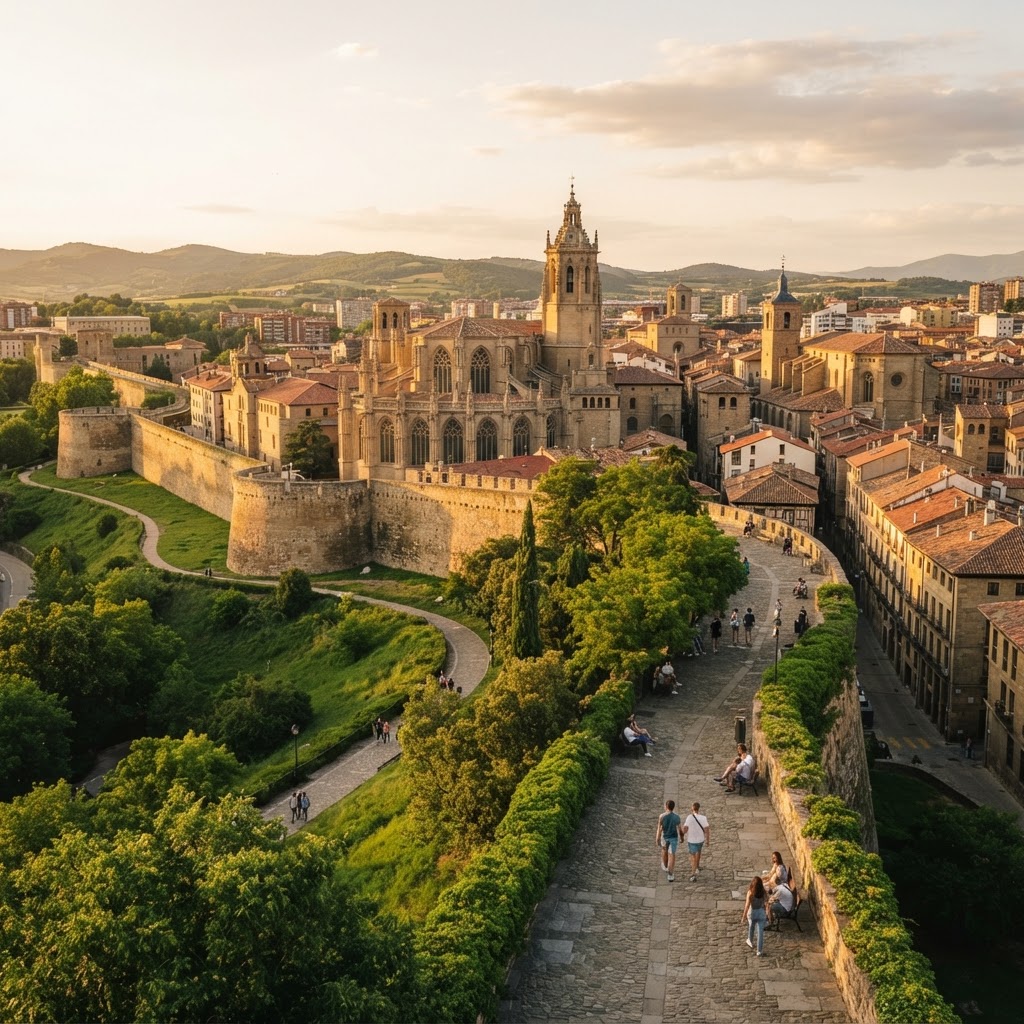
Beyond the bull run: a walkable fortress city of world-class pintxos, gothic cloisters, and verdant ramparts.
Segovia, Spain
Spain
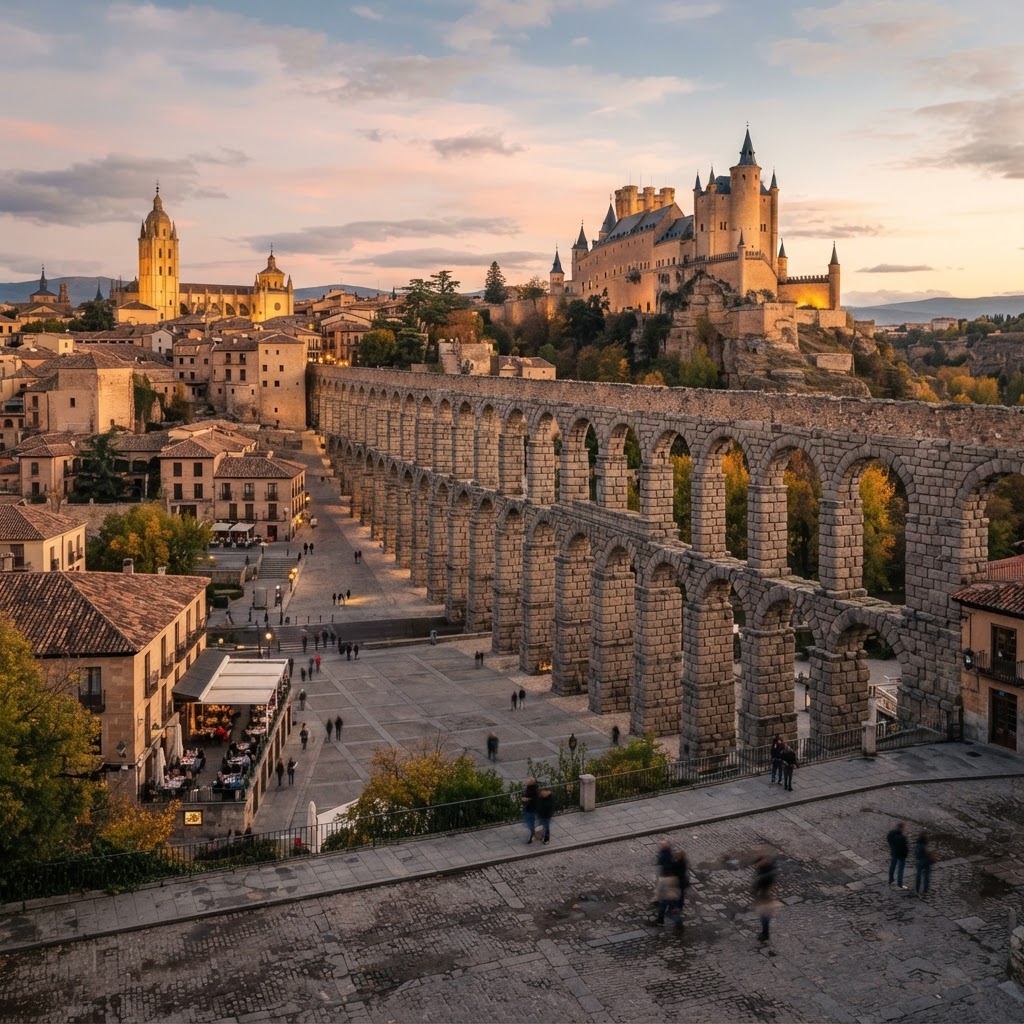
Roman engineering, fairytale fortresses, and slow-roasted suckling pig just thirty minutes from Madrid
Santiago de Compostela, Galicia, Spain
Spain
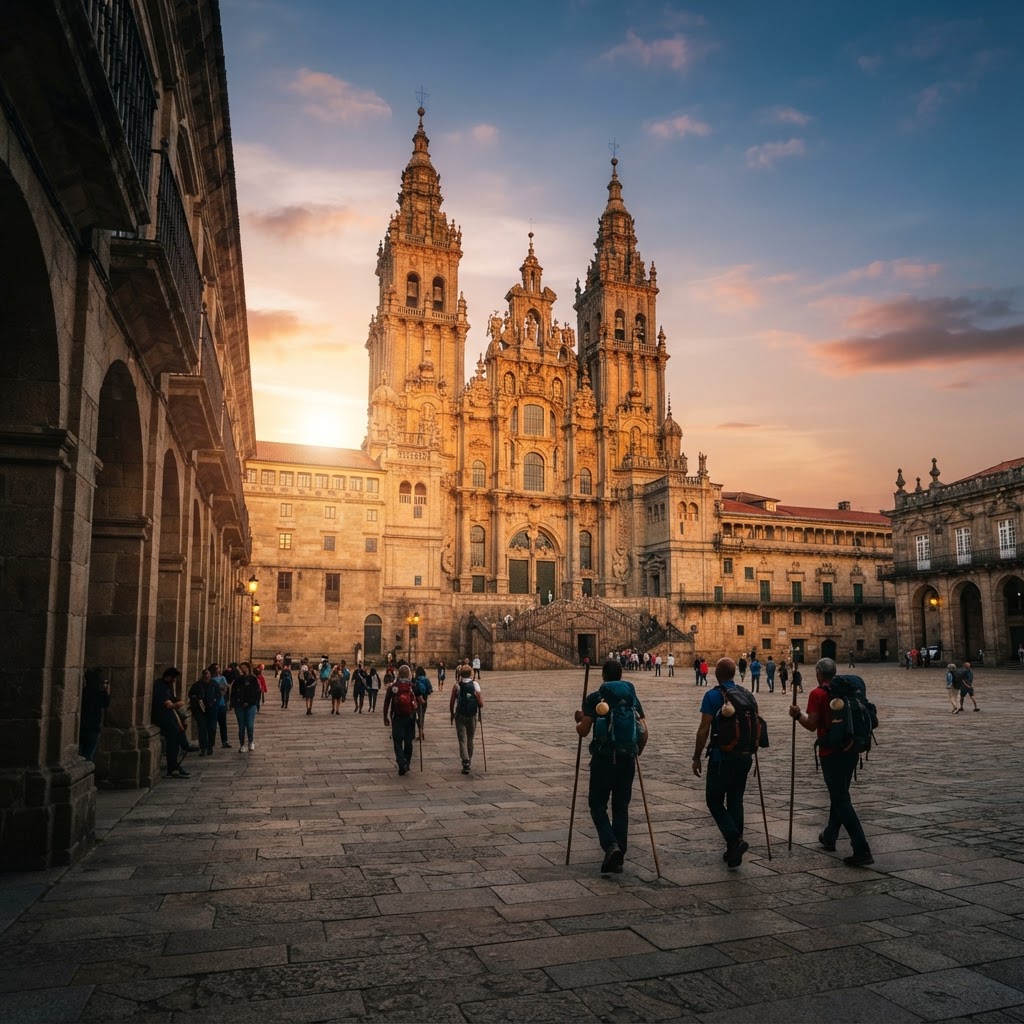
Granite arcades, triumphant pilgrim squares, and Spain's most storied seafood capital.
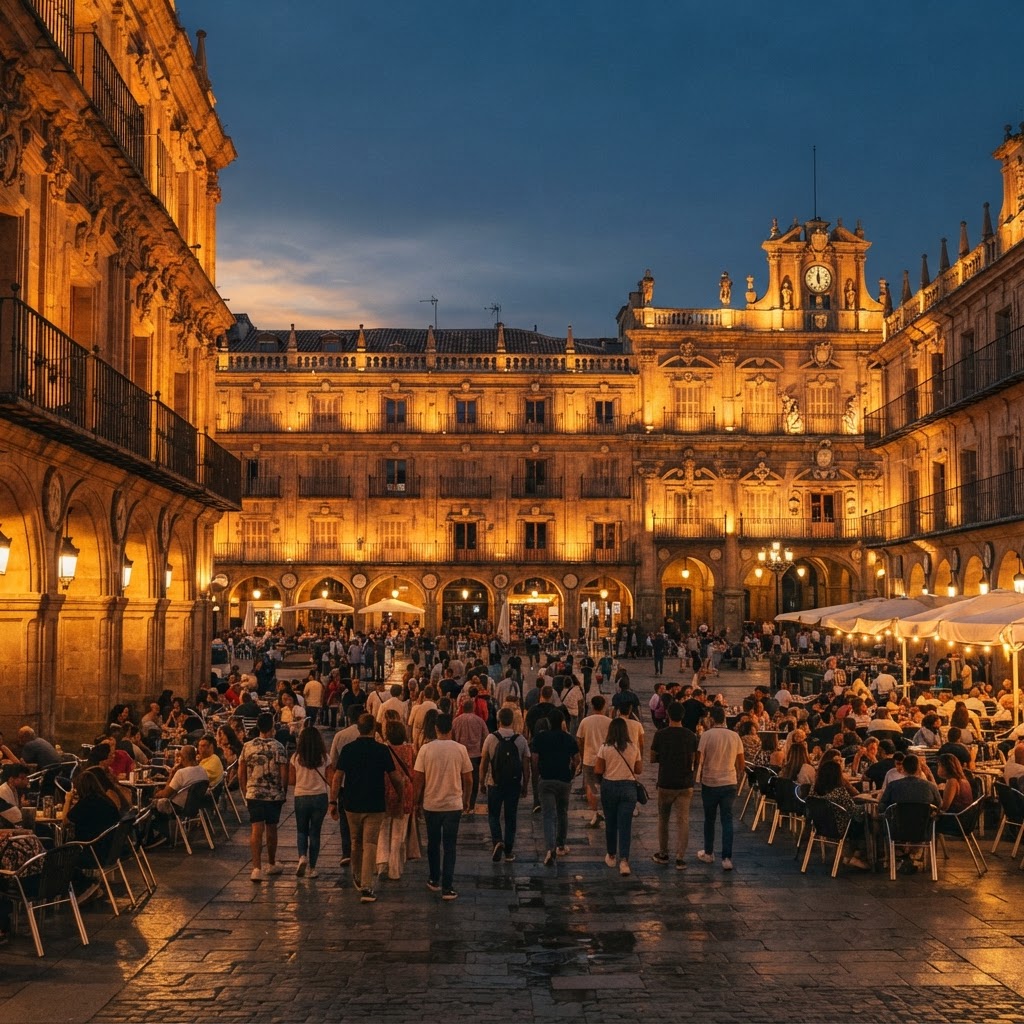
Salamanca
Spain
Spain's golden sandstone intellectual capital with an unrivaled late-night plaza culture.
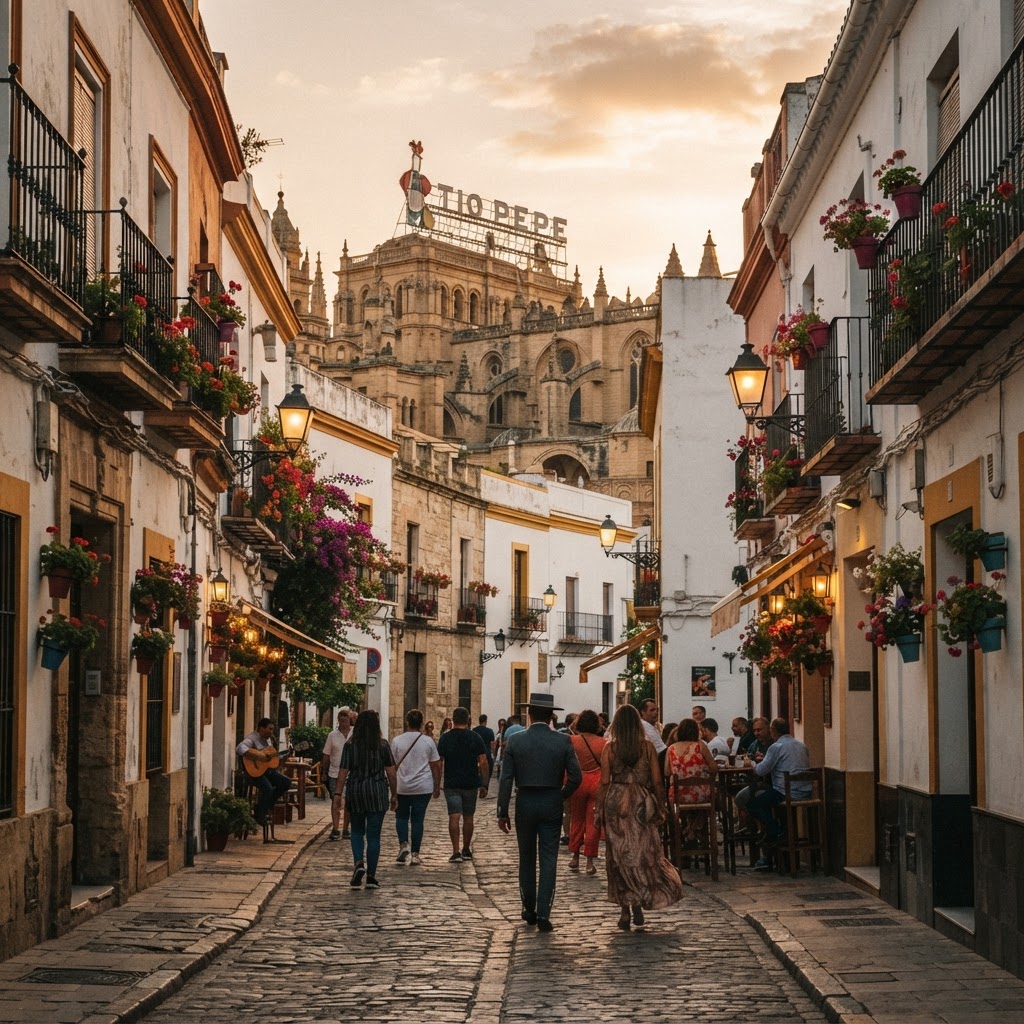
Jerez de la Frontera
Spain
The cradle of pure flamenco, cathedral-like sherry bodegas, and unfiltered Andalusian life.
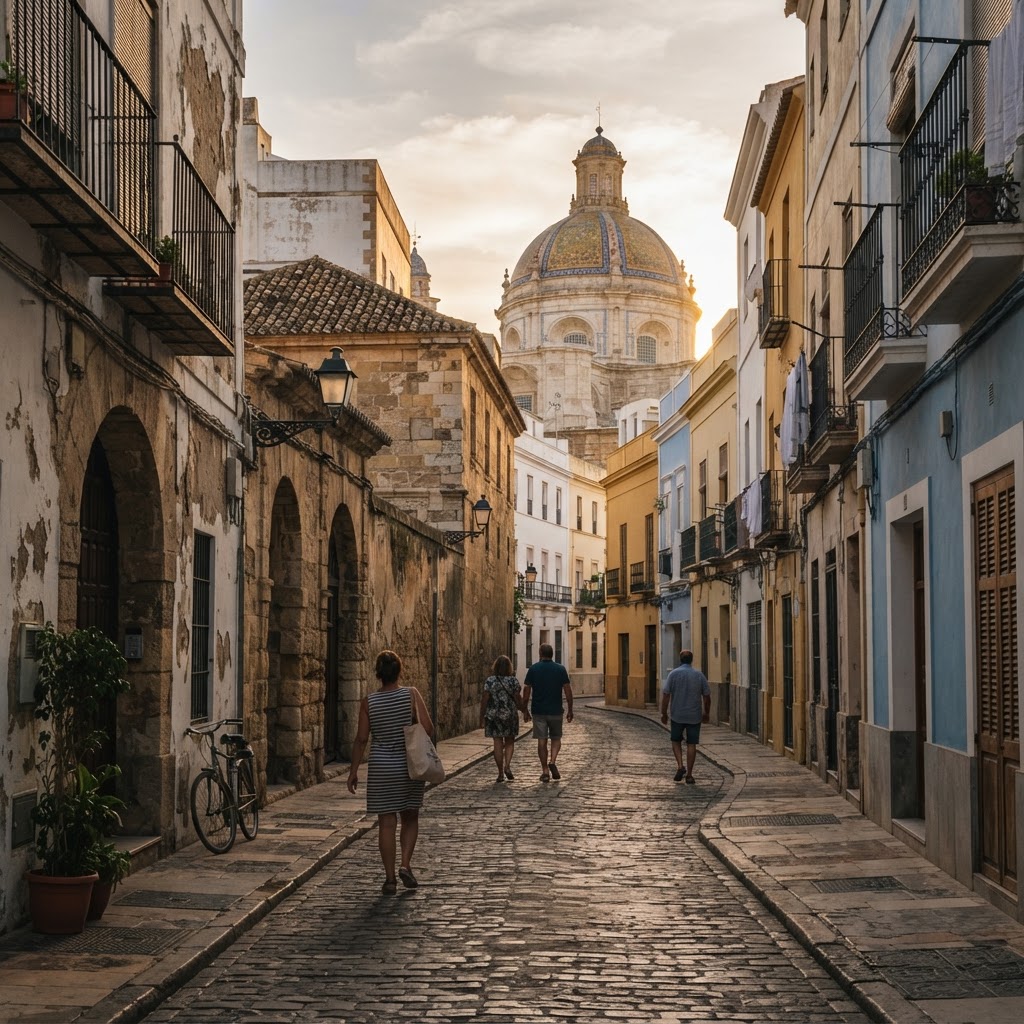
Cádiz
Spain
Europe’s oldest continuously inhabited port, stripped of pretension and wrapped in sea air
Readymade itineraries
Start from a tested template — then make it yours.
Ready to book
Lock in your Toledo, Castile-La Mancha, Spain trip
Everything in one place. We may earn a small commission — it never costs you more.
Plan a trip to Toledo, Castile-La Mancha, Spain
Pick a length and we'll build a day-by-day plan around how you travel — neighborhoods clustered, budget-aware, and editable.
Get better at planning trips like this
Occasional notes on planning smarter — no spam, unsubscribe anytime.
Plan a trip to Toledo, Castile-La Mancha, Spain
Turn this guide into a day-by-day plan built around your pace, your group, and your budget.
Build my Toledo, Castile-La Mancha, Spain trip