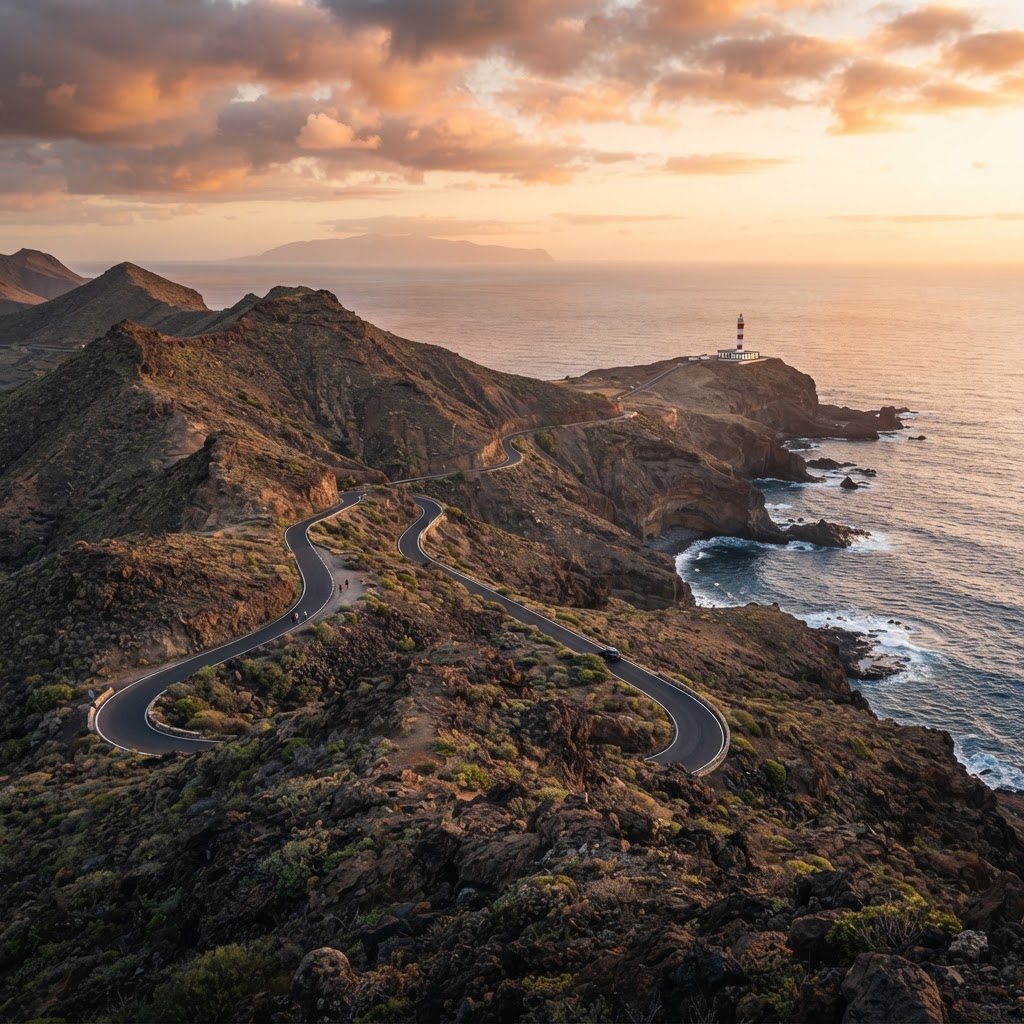
Spain
Tenerife
Volcanic microclimates, high-altitude lunar ridges, and dramatic Atlantic coastlines.
Plan & book
Sort your Tenerife trip in one place.
We point you to the booking tools we'd actually use — live prices, no markup. Or let us build the day-by-day plan around you first, then book.
Tenerife is far more nuanced than its package-holiday reputation suggests. Dominated by Spain's highest peak, the dormant volcanic cone of Mount Teide, the island fractures into distinct ecological and climatic zones: misty ancient laurel forests and historic colonial towns in the north, high-altitude volcanic deserts above the cloudline, and dry, sun-baked coasts in the south. Choosing the right corner to base yourself and securing your own wheels makes all the difference between a generic resort stay and an exceptional outdoor expedition.
7 to 10 days
Best time
May to June or September to November for optimal hiking weather, warm ocean swims, and manageable crowds.
Build your own trip with these prebuilt itineraries
Each one is a tested, day-by-day plan for Tenerife — start here, then make it yours.
10 Days of Surf, Sun & Slow Living in Tenerife
A relaxed coastal and cultural itinerary focusing on south coast watersports, natural sea pools, seafood dining, and slow-paced exploration
7 Days Across Tenerife: The Complete Road Trip in Tenerife
A classic island circuit balancing historic northern towns, Masca switchbacks, Teide National Park, and coastal scenery
5 Days of Volcanic Trails & Dark Skies in Tenerife
High-altitude hiking, Teide summiting, stargazing, and cloud forest trekking in Anaga
Few destinations pack as much topographic diversity into a one-hour driving radius. You can hike through cloud-draped laurel forests in Anaga Rural Park in the morning, cross surreal volcanic badlands at 2,000 meters in Teide National Park at noon, and end the evening eating fresh Atlantic cherne along the cliffs of Los Gigantes.
Where to stay
Getting there
Getting around
Food & drink
What it costs
Things to do
Book tours & tickets in TenerifeSkip it if
Travelers seeking pristine, uninterrupted white-sand beaches with flat, walk-everywhere urban infrastructure without steep climbs should look toward Fuerteventura, Lanzarote, or Mallorca instead. Tenerife's best assets require elevation changes, winding car journeys, and navigating black volcanic sand.
When to go
Summer brings heavy domestic crowds and soaring heat on the southern coast, while winter fills southern resorts with European sunseekers. The shoulder months offer warm Atlantic water temperatures, minimal rainfall across the north, and quiet high-altitude trails.
Peak (December to April & July to August)
Expect peak rental car and lodging rates. Winter attracts northern Europeans chasing southern coastal sun, while midsummer fills resorts with mainland Spanish families.
Shoulder (May to June & September to November)
The prime window for active exploration. Ocean water is at its warmest in autumn, high-altitude Teide trails are temperate, and rental cars cost half their peak rates.
Low (Late spring & late autumn lulls)
Outside school holidays, expect uncrowded colonial towns and mountain ridges, though northern microclimates see frequent cloud cover (la panza de burro).
Neighborhoods
Where you stay shapes the trip. Here's how to think about it.
San Cristóbal de La Laguna
Cobblestone university streets lined with pastel 16th-century Mudéjar mansions, bookshops, and misty mountain air.
Best for:History buffs, walkers, and culture-first travelers wanting an authentic Canarian urban base.
Don't miss:Tasting local wines and goat cheeses on the pedestrian corridor of Calle San Agustín.
Puerto de la Cruz
Lush northern coastal hub blending black-sand shorelines with traditional Canarian plazas and leafy botanical gardens.
Best for:Travelers who want northern greenery and local dining without sacrificing seaside amenities.
Don't miss:Swimming in the seawater pools designed by César Manrique at Lago Martiánez.
Costa Adeje (including La Caleta)
Polished, sun-drenched resort strip with manicured promenades, high-end dining, and sheltered swimming coves.
Best for:Families, luxury travelers, and warm-water beach seekers wanting dependable sun.
Don't miss:Freshly caught Atlantic fish alongside mojo sauces at the waterfront restaurants of La Caleta.
El Médano
Laid-back, wind-whipped bohemian surf enclave with wooden boardwalks, kitesurfing rigs, and casual taperías.
Best for:Windsurfers, active outdoors lovers, and remote workers avoiding mega-resorts.
Don't miss:The hike up the red volcanic cinder cone of Montaña Roja right from the beach.
Garachico
Quiet, historic coastal village rebuilt over 18th-century lava flows, dominated by heritage manor houses.
Best for:Couples and slow travelers seeking dramatic Atlantic scenery away from tourist crowds.
Don't miss:Bathing in the natural volcanic ocean rock pools of El Caletón during calm tides.
Destination intelligence
Updated 9/14/2026The structured record we plan every Tenerife itinerary from.
Walkability
Low overall. While town centers like La Laguna, Puerto de la Cruz, and central Santa Cruz are pedestrian-friendly, the island's main attractions are separated by steep mountain ranges and highway distances.
Transit quality
Moderate. TITSA operates clean, dependable buses between cities and along the TF-1 and TF-5 motorways, but service into high-altitude parks, Masca, and Anaga ridge routes is limited and slow.
Car needed
Yes, unless you plan to remain inside a single self-contained resort town and only take organized bus excursions.
Ideal duration
7 to 10 days
Minimum useful
4 days
Peak season
December to April (winter sunseekers escaping northern Europe) and July to August (mainland Spanish and family summer holidays).
Shoulder season
May to June and September to November (mild ocean temperatures, thinner crowds, and lower car-hire rates).
Low season
Late spring and late autumn non-holiday periods offer the quietest mountain trails and lower accommodation pricing.
Best for
Common mistakes
- Staying exclusively on the south strip and never visiting Teide or the Anaga mountains.
- Failing to pack layers; coastal warmth quickly drops to freezing temperatures above 2,000 meters in Teide.
- Not booking Mount Teide summit permits months in advance; access to the ultimate peak above the cable car requires a strictly capped free permit.
- Underestimating mountain driving times—covering 20 kilometers on switchback roads like the TF-436 to Masca can take well over an hour.
Best nearby
See what a trip to Spain actually costs. Travel Budget Co.
How to plan it
- Split a 7-night trip into two bases: 4 nights in the north (Puerto de la Cruz or La Laguna) for hiking and dining, and 3 nights in the south (Costa Adeje or El Médano) for sun and ocean sports.
- Do not attempt to hike Anaga Rural Park and drive the TF-436 Masca gorge on the same day; they sit on opposite ends of the island and require technical mountain driving.
- Book your Mount Teide summit permit at least 8 to 12 weeks ahead of your arrival date on the official national parks reservation portal.
- Check northern webcams before setting out to hike; if dense cloud (panza de burro) blankets Puerto de la Cruz, Mount Teide or the south coast often remains completely clear.
- Visit traditional hillside guachinches in the La Orotava valley specifically for lunch between Thursday and Sunday, when local vintners open their seasonal cellars.
Questions
More in Spain
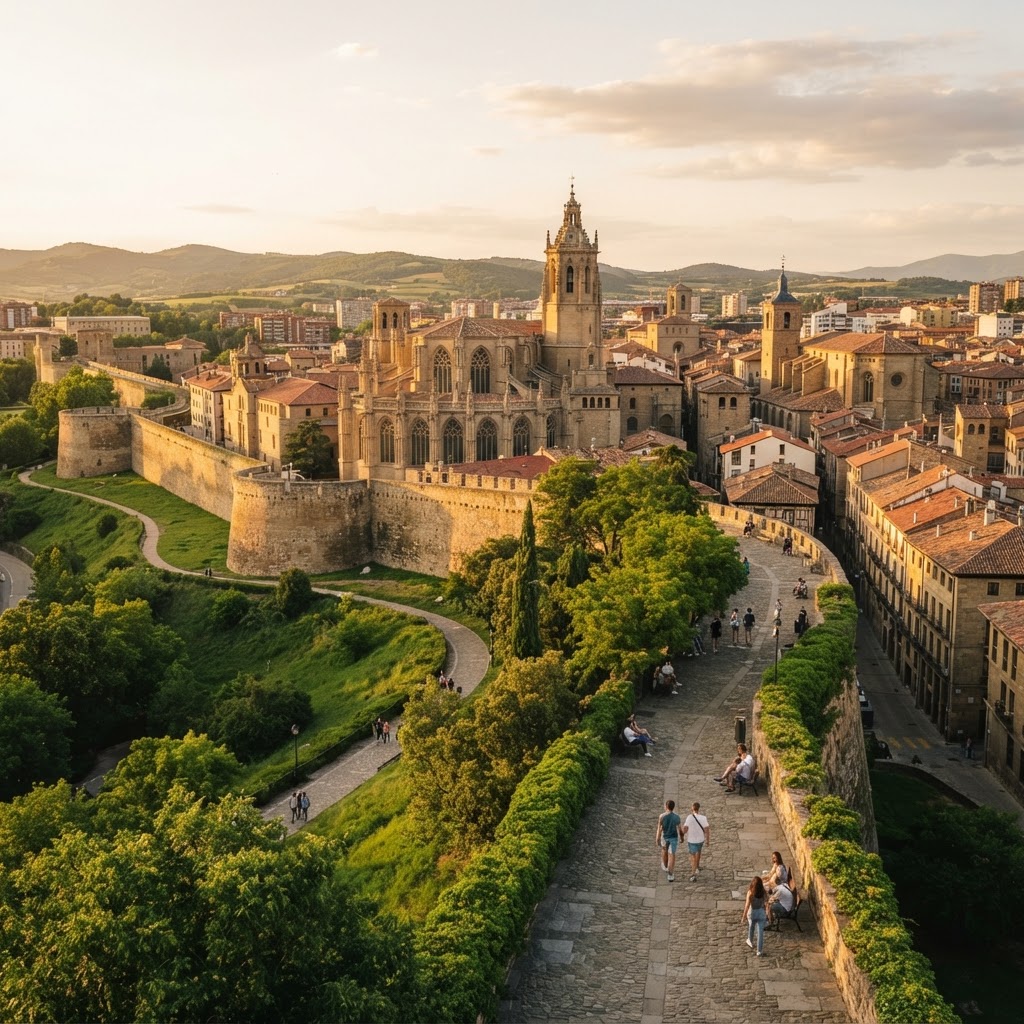
Pamplona, Spain
Spain
Beyond the bull run: a walkable fortress city of world-class pintxos, gothic cloisters, and verdant ramparts.
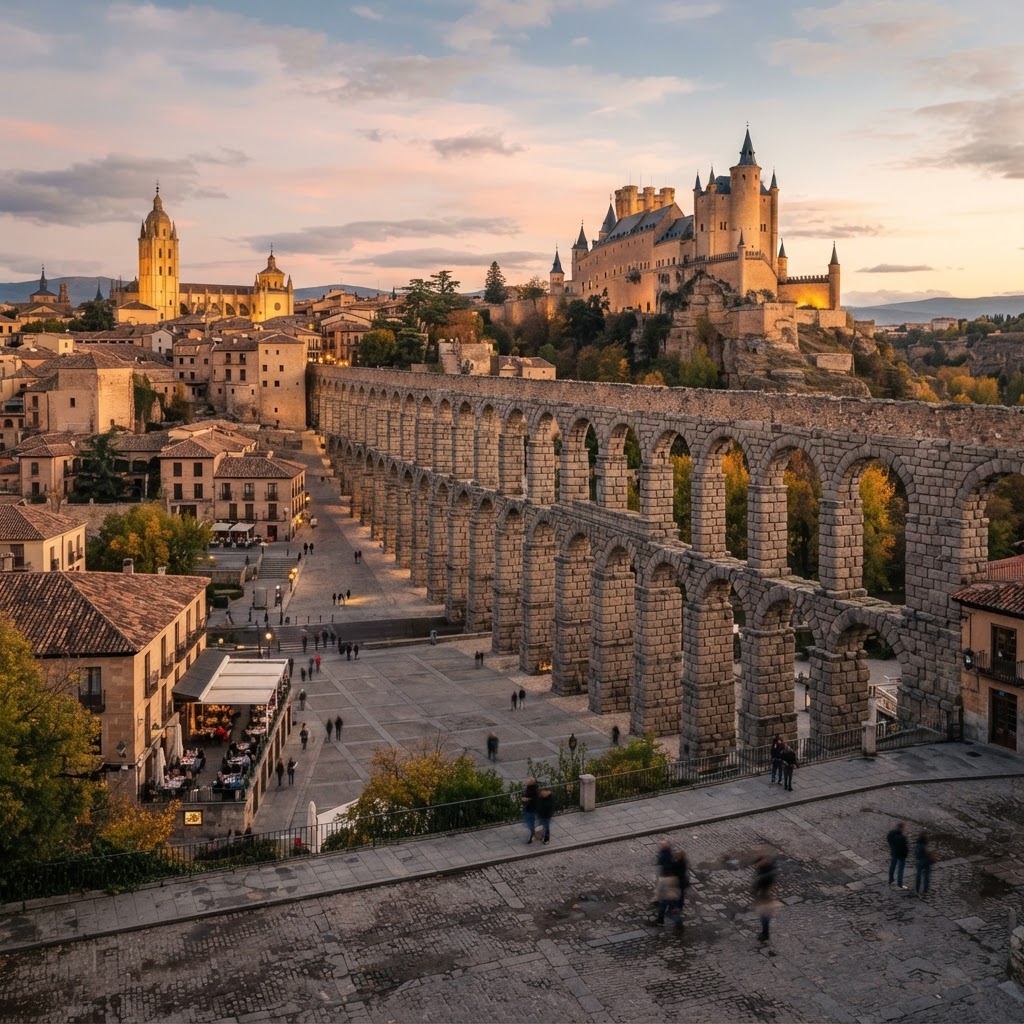
Segovia, Spain
Spain
Roman engineering, fairytale fortresses, and slow-roasted suckling pig just thirty minutes from Madrid
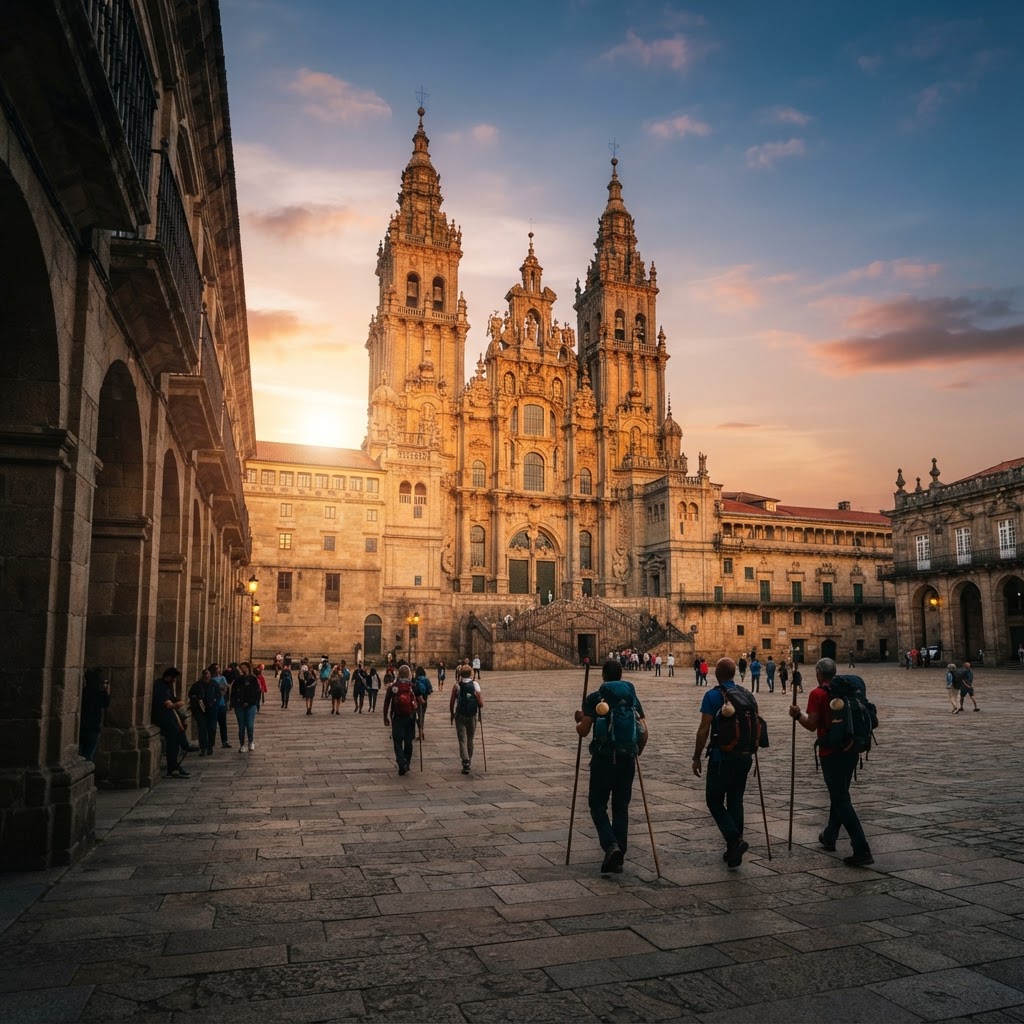
Santiago de Compostela, Galicia, Spain
Spain
Granite arcades, triumphant pilgrim squares, and Spain's most storied seafood capital.
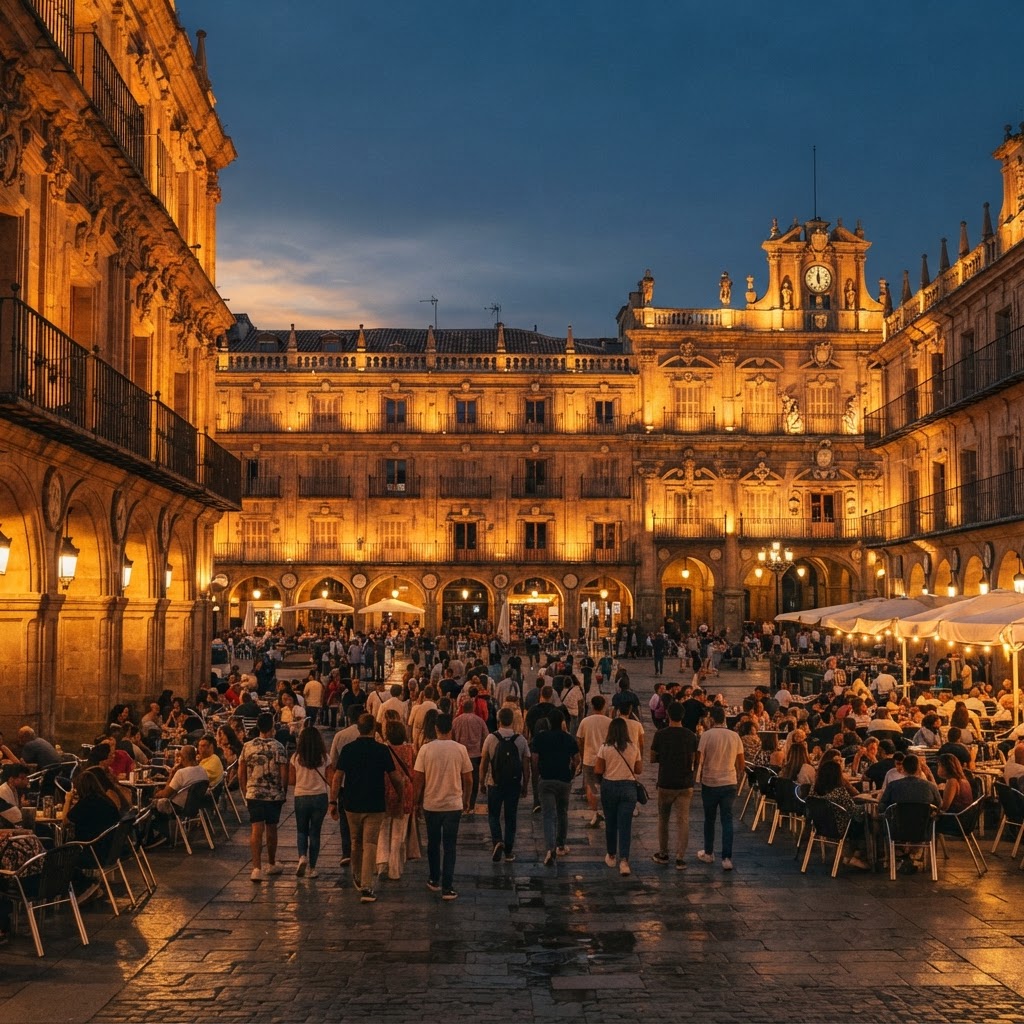
Salamanca
Spain
Spain's golden sandstone intellectual capital with an unrivaled late-night plaza culture.
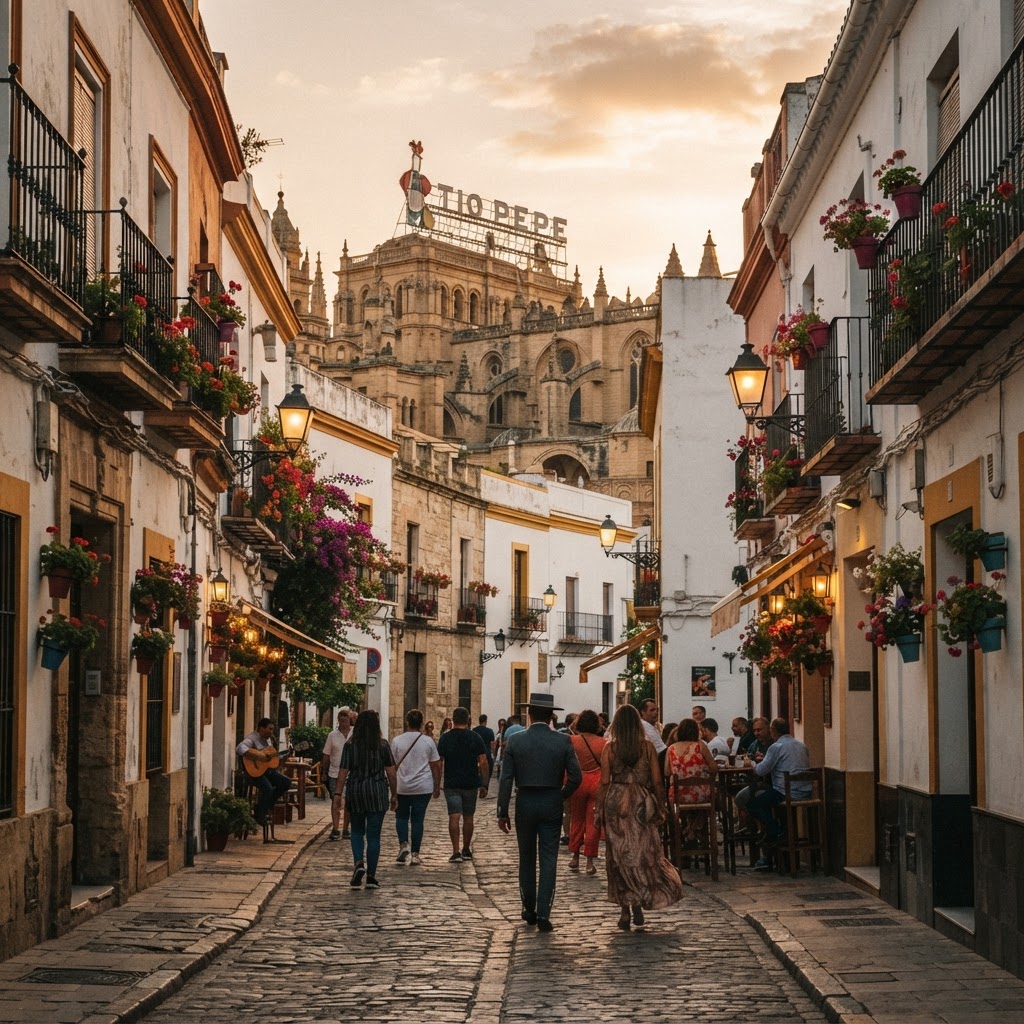
Jerez de la Frontera
Spain
The cradle of pure flamenco, cathedral-like sherry bodegas, and unfiltered Andalusian life.
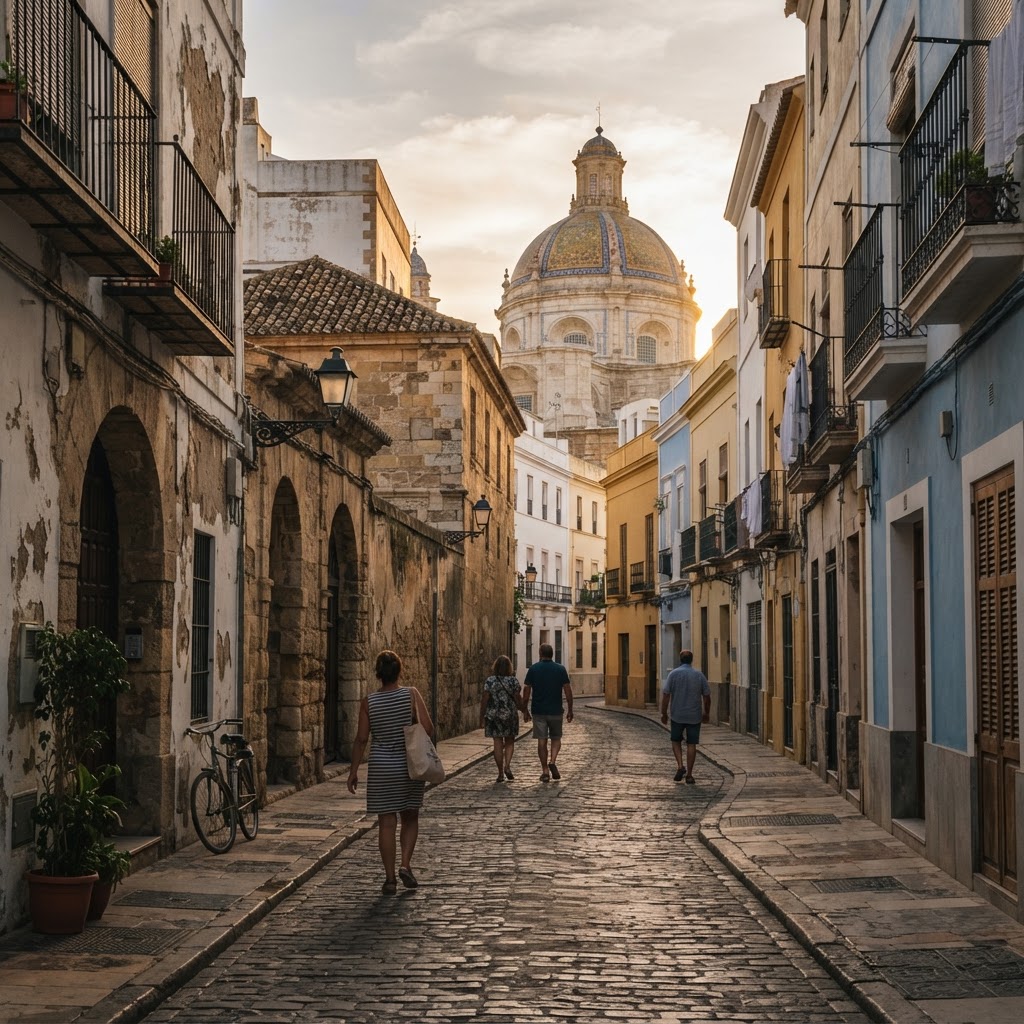
Cádiz
Spain
Europe’s oldest continuously inhabited port, stripped of pretension and wrapped in sea air
Readymade itineraries
Start from a tested template — then make it yours.
Ready to book
Lock in your Tenerife trip
Everything in one place. We may earn a small commission — it never costs you more.
Plan a trip to Tenerife
Pick a length and we'll build a day-by-day plan around how you travel — neighborhoods clustered, budget-aware, and editable.
Get better at planning trips like this
Occasional notes on planning smarter — no spam, unsubscribe anytime.
Plan a trip to Tenerife
Turn this guide into a day-by-day plan built around your pace, your group, and your budget.
Build my Tenerife trip