Philippines
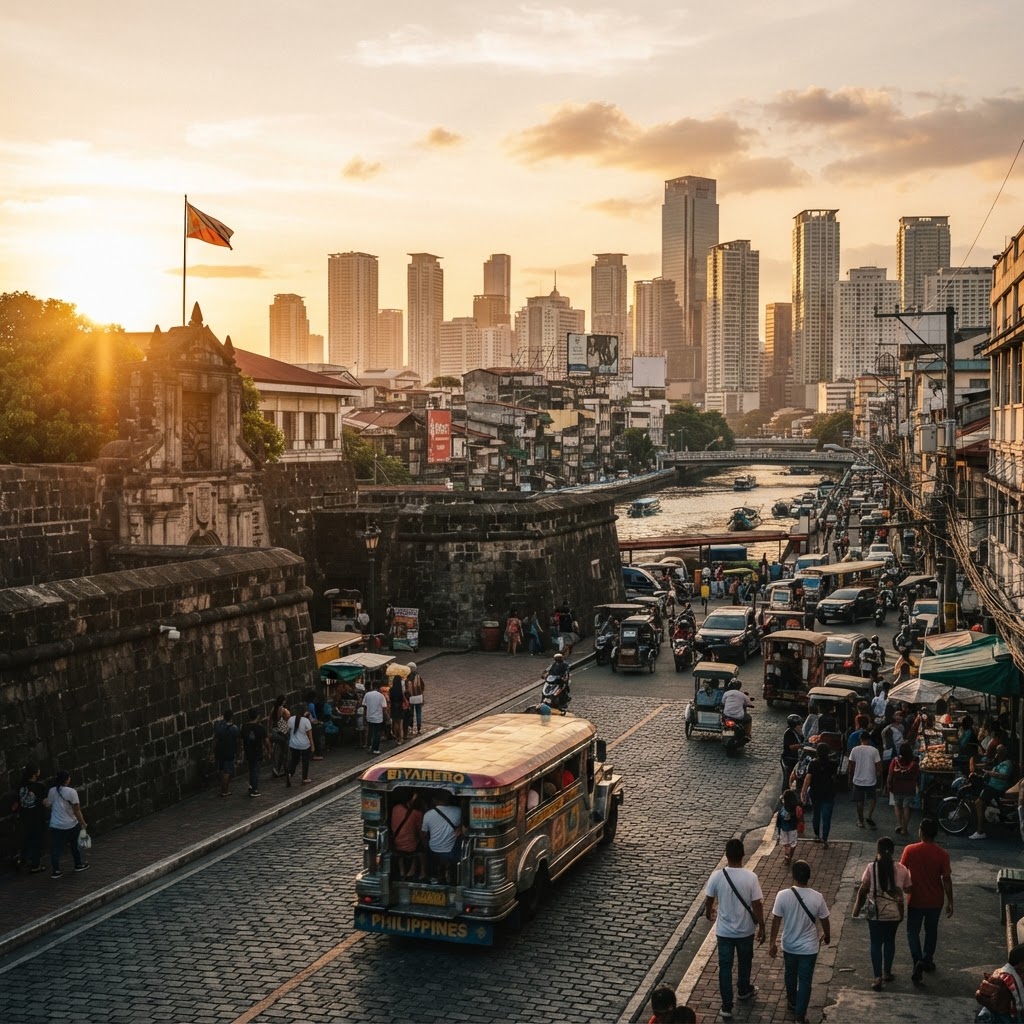
Manila, Philippines
A complex mega-city of colonial bastions, culinary enclaves, and razor-sharp urban contrasts
Plan & book
Sort your Manila, Philippines trip in one place.
We point you to the booking tools we'd actually use — live prices, no markup. Or let us build the day-by-day plan around you first, then book.
Metro Manila is a dense confederation of sixteen cities that tests the patience of unprepared travelers and rewards those who navigate it with intention. Rather than treating it solely as an airport hub before boarding a domestic flight to Palawan or Siargao, spend 48 hours exploring its historic core in Intramuros and Binondo alongside the modern dining and bar scenes in Makati and Bonifacio Global City (BGC). Approaching Manila strategically—cluster-by-cluster to outmaneuver gridlock traffic—reveals an electric capital rich in architectural layers and culinary culture.
2 to 3 days
Best time
December to February for dry weather, manageable heat, and cooler evening breezes.
Build your own trip with these prebuilt itineraries
Each one is a tested, day-by-day plan for Manila, Philippines — start here, then make it yours.
4 Days in Manila: Art, Design & Modern Living in Manila
Contemporary art galleries, walkable design quarters in BGC and Makati, and architectural heritage collections
3 Days in Manila: Culinary & Nightlife Deep-Dive in Manila
Regional Filipino tasting menus, Chinatown street food, and late-night craft cocktail speakeasies in Poblacion
2 Days in Manila: The Essential Stopover in Manila
Historic colonial landmarks in Intramuros and Binondo heritage food walks on an efficient transit-smart schedule
Manila presents four centuries of layered colonial and trade heritage juxtaposed with Southeast Asia's most dynamic contemporary cocktail and culinary countercultures. It is home to Binondo, the world's oldest Chinatown established in 1594, the intact stone fortifications of Intramuros, and an inventive contemporary dining scene in Poblacion that cannot be replicated in the archipelago's resort towns.
Where to stay
Getting there
Getting around
Food & drink
What it costs
Things to do
Book tours & tickets in Manila, PhilippinesSkip it if
Skip spending more than a transit night if your sole priority is idyllic, quiet white-sand beaches, diving, and nature, or if sensory overstimulation from heavy traffic, urban noise, and tropical humidity dampens your travel experience.
When to go
This window avoids the torrential flooding and typhoon disruptions of the summer monsoon while maintaining temperatures around 28°C to 31°C before the blistering pre-monsoon heat sets in. The tradeoff is holiday crowds and elevated rates for domestic transit connections.
Peak (December to February)
Clear skies, lower humidity, and festive urban energy; book accommodations and domestic flights well ahead to offset holiday markups.
Shoulder (March to May)
Intense dry heat reaching 35°C+ that makes midday walking in Intramuros exhausting; plan outdoor activities for early mornings or late afternoons.
Low (June to November)
Southwest monsoon brings heavy downpours, severe traffic gridlock due to street flooding, and flight delays; low hotel rates do not offset travel friction.
Neighborhoods
Where you stay shapes the trip. Here's how to think about it.
Intramuros
Walled 16th-century Spanish colonial military fortress with cobblestone lanes, calesas, and heavy historical gravity
Best for:History buffs, photographers, and first-time cultural travelers
Don't miss:Renting a bamboo bicycle from Bambike Ecotours to trace the ramparts of Fort Santiago and visit San Agustin Church
Binondo
Dense, chaotic, wok-fired culinary district established in 1594 as the world's oldest Chinatown
Best for:Foodies, street food explorers, and adventurous walkers
Don't miss:Fresh fried pork dumplings at Dong Bei Dumpling and hand-pulled noodles along Ongpin Street
Poblacion (Makati)
Gritty former red-light backstreets turned into a dense hub for craft cocktails, microbreweries, and chef-led concepts
Best for:Night owls, cocktail enthusiasts, and solo culinary wanderers
Don't miss:Craft drinks at Run Rabbit Run or Agimat Foraging Bar followed by street-level pulutan at El Chupacabra
Legazpi & Salcedo Villages (Makati)
Shaded, walkable corporate enclaves with third-wave espresso bars, art galleries, and manicured parks
Best for:Digital nomads, business travelers, and relaxed morning explorers
Don't miss:Browsing local artisan produce, kakanin, and regional eats at the weekend Salcedo (Saturday) or Legazpi (Sunday) markets
Bonifacio Global City (BGC)
Ultra-modern, pedestrian-first district of gleaming high-rises, wide boulevards, public street murals, and upscale rooftop dining
Best for:Families, luxury travelers, and those requiring seamless walkability
Don't miss:An open-air evening stroll along the pedestrianized Bonifacio High Street followed by dinner at Gallery by Chele
Destination intelligence
Updated 9/14/2026The structured record we plan every Manila, Philippines itinerary from.
Walkability
Low overall across the metropolis; high within localized micro-districts such as BGC, Legazpi Village, and inside the walls of Intramuros.
Transit quality
Moderate; the LRT and MRT lines provide high-speed gridlock relief along core north-south corridors, but network reach is constrained and requires hailing Grab cars for last-mile transit.
Car needed
No. Self-driving is inadvisable due to aggressive congestion, scarce parking, and localized coding restrictions; use Grab or hired chauffeured cars.
Ideal duration
2 to 3 days
Minimum useful
1 full day (stopover)
Peak season
December to February (cooler temperatures, low humidity, dry days, and holiday festivities)
Shoulder season
March to May (hot, dry summer season with intense midday heat and clear skies)
Low season
June to October (southwest monsoon season bringing heavy rainfall, typhoons, and localized street flooding)
Best for
Common mistakes
- Booking cross-town activities during peak hours (16:30 to 20:30), stranding yourself in gridlock on EDSA
- Relying on street-hailed unmetered white taxis outside NAIA airport arrivals instead of using the Grab app
- Underestimating NAIA inter-terminal transit times on domestic-to-international flight connections
- Attempting to cross large arterial multi-lane roads on foot where overhead walkways or underpasses are designated
- Skipping Manila completely without experiencing its world-class regional restaurant landscape
Best nearby
See what a trip to Philippines actually costs. Travel Budget Co.
How to plan it
- Never schedule Intramuros and BGC on the same afternoon; traffic between the northern historic core and southern business hubs can take upwards of 90 minutes each way.
- Base yourself in Makati or BGC if you want walkable access to safe evening dinners and cocktail bars without enduring cross-city transit at rush hour.
- Book progressive dinners and tasting menus—such as Gallery by Chele or Toyo Eatery—at least 3 to 4 weeks in advance, as tables are fiercely contested.
- Pair your Binondo walking tour directly with Intramuros in a single morning-to-lunch block; they sit across the Pasig River from one another and form a logical historical circuit.
- Allow a minimum of 4 hours when transferring back to Ninoy Aquino International Airport (NAIA) for domestic or international flights to absorb unpredictable expressway backups.
Questions
More in Philippines
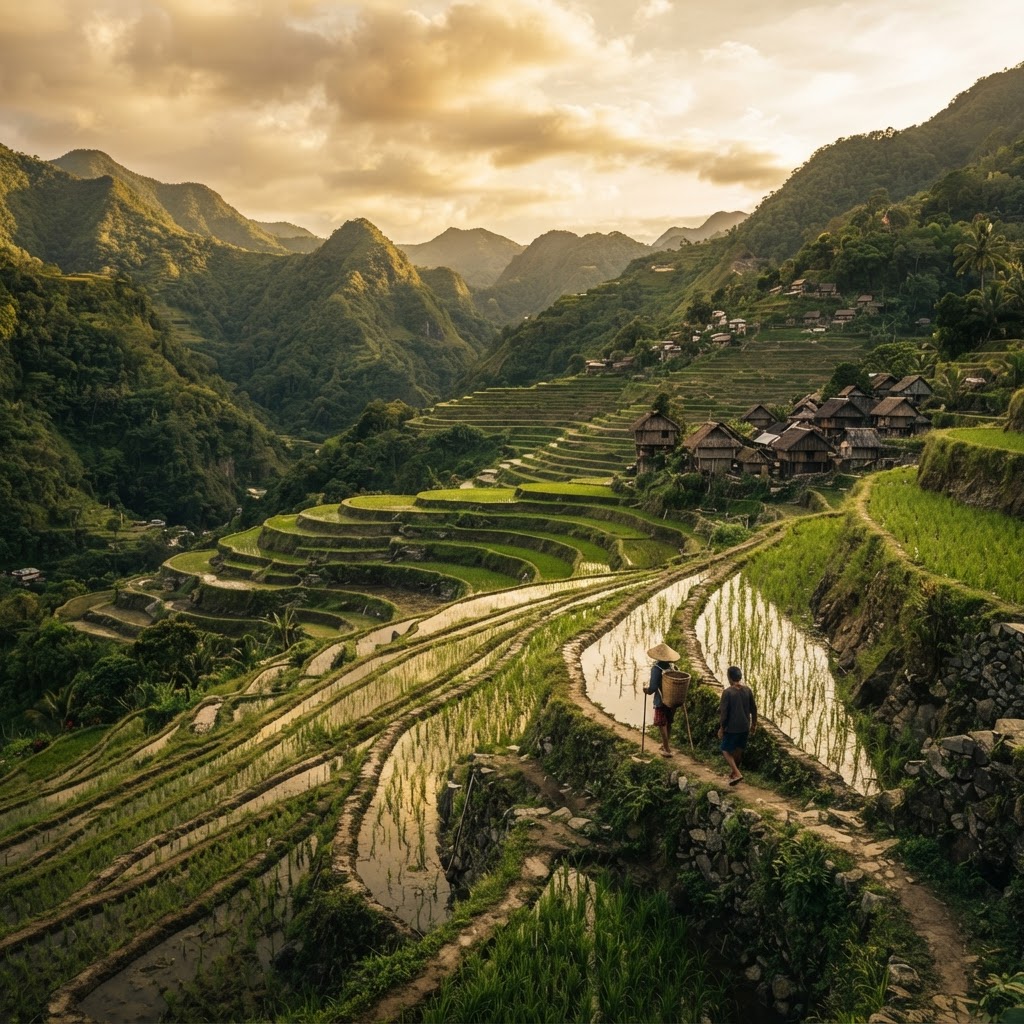
Banaue, Philippines
Philippines
Carved stone, emerald amphitheatres, and high-altitude endurance in Luzon's northern mountains
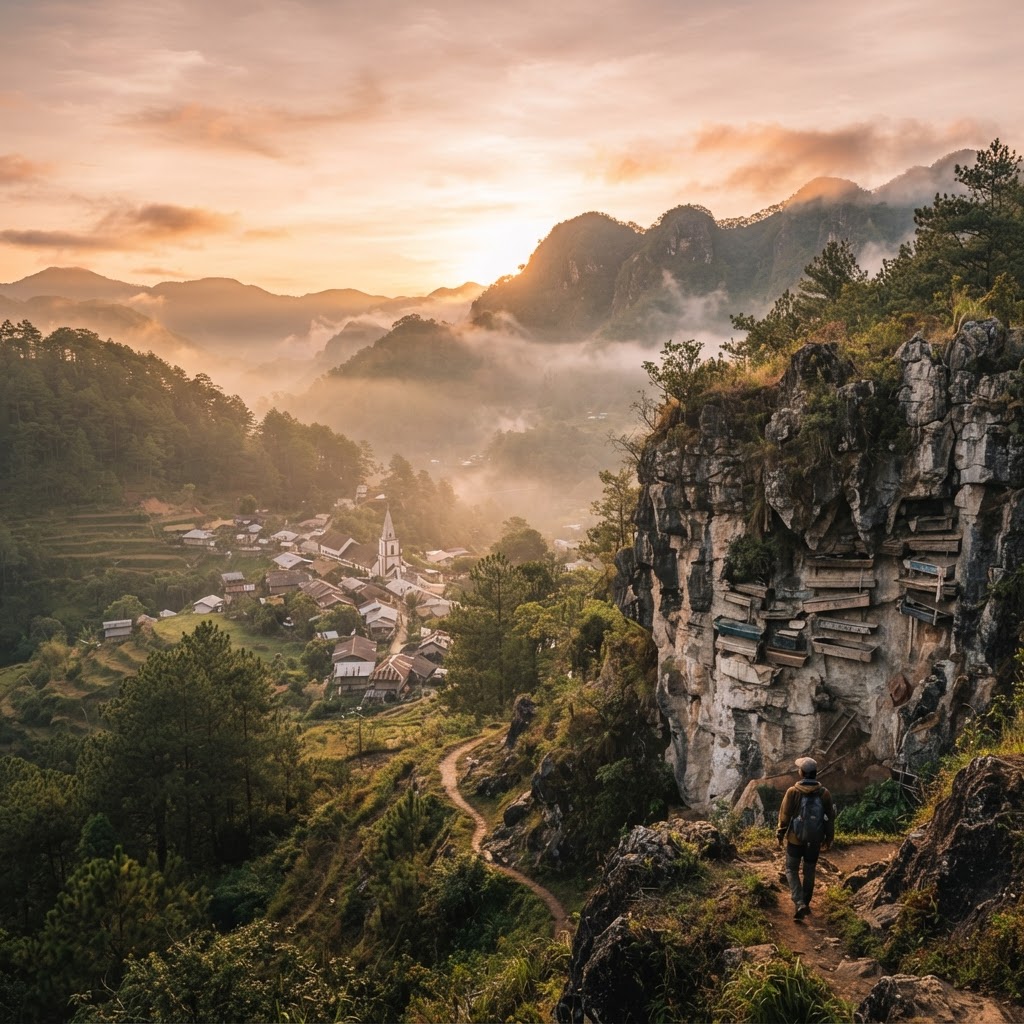
Sagada, Philippines
Philippines
A misty Cordillera sanctuary of pine ridges, subterranean rivers, and ancestral limestone cliff burials.
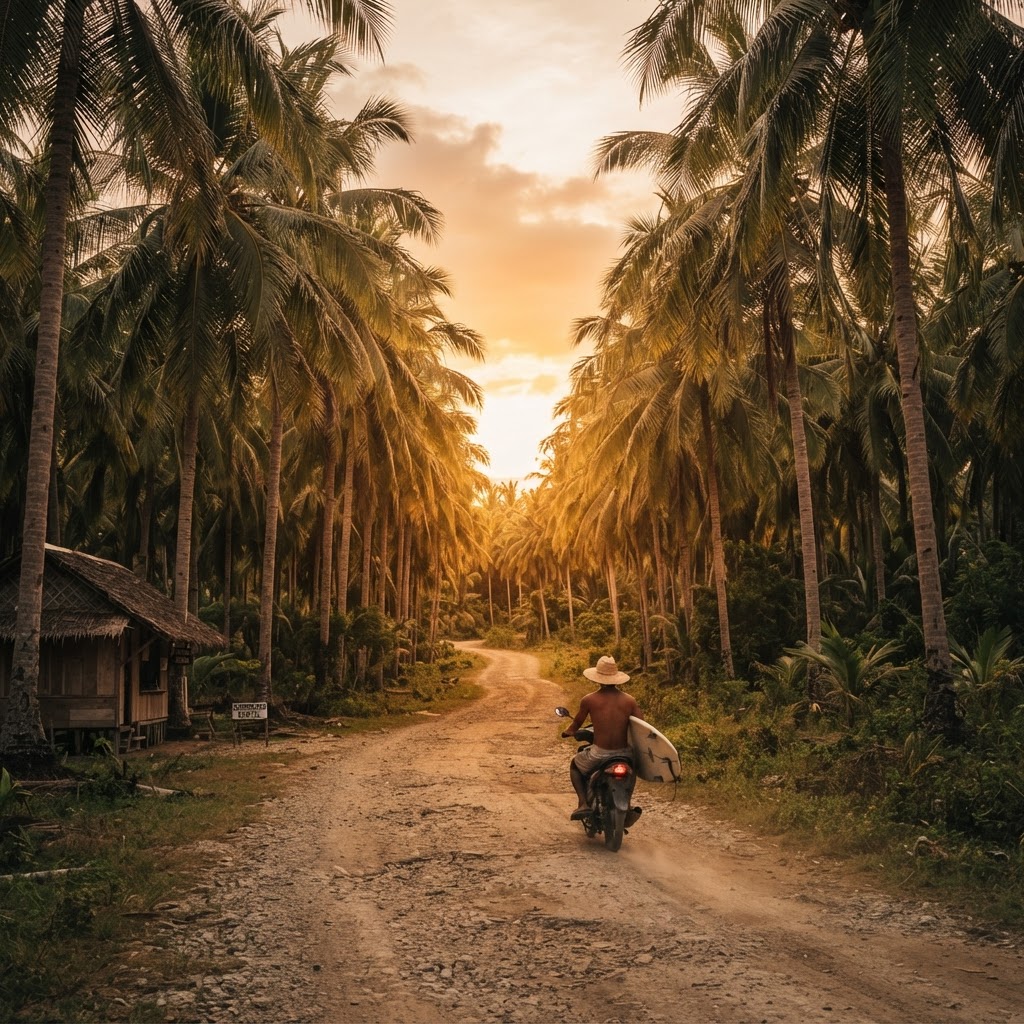
Siargao, Philippines
Philippines
World-class reef breaks, coconut-canopy backroads, and raw island pace
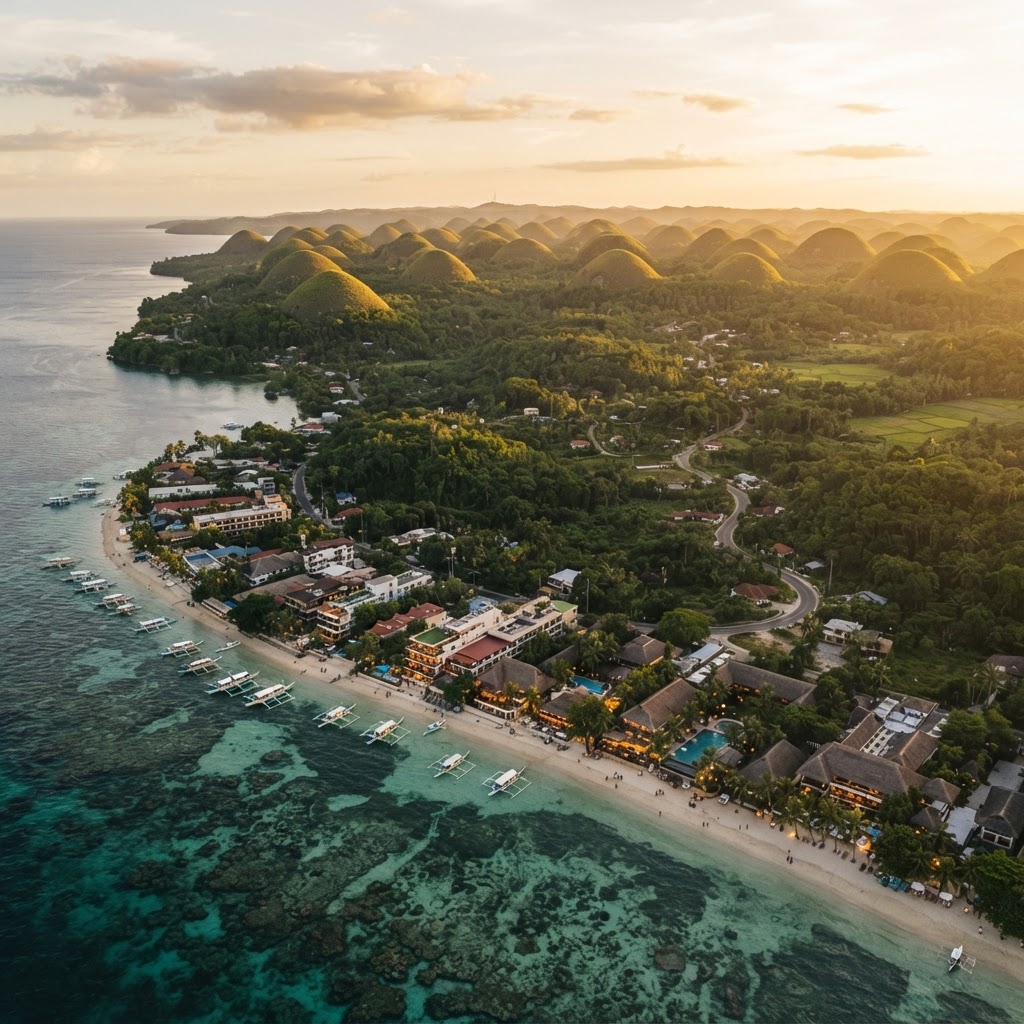
Bohol, Philippines
Philippines
Limestone karst hills, reef-fringed outposts, and a distinct split between resort strip and quiet interior.
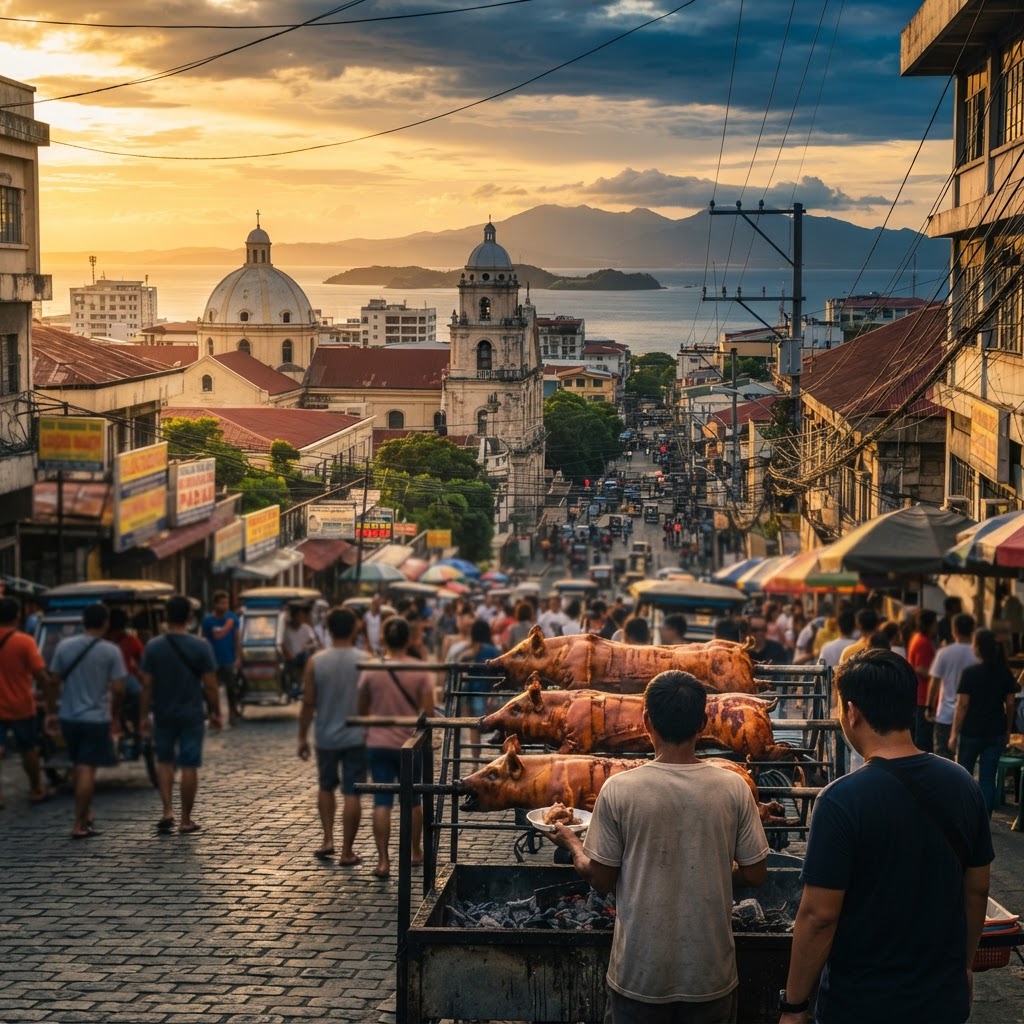
Cebu, Philippines
Philippines
Urban heritage, roast lechon, and gateway to Visayan reefs and canyons
More in Southeast Asia
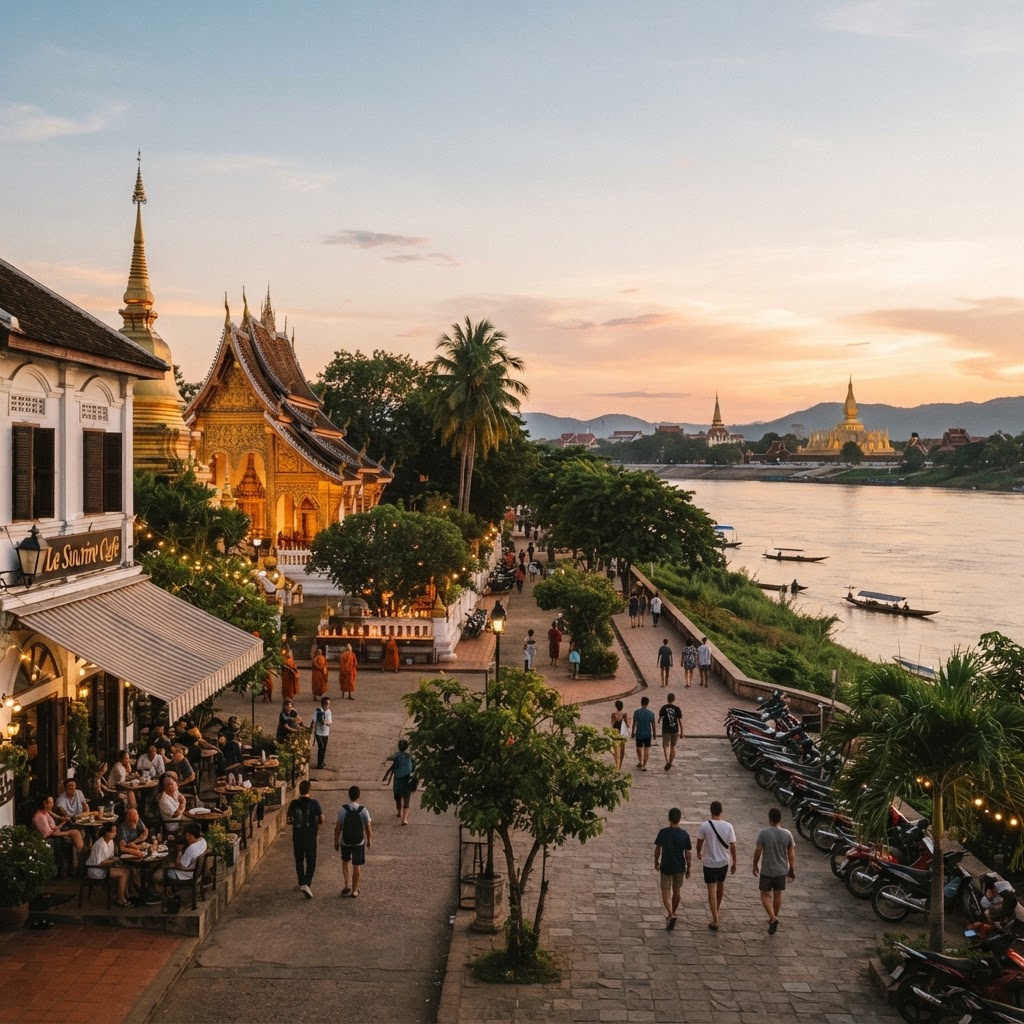
Vientiane, Laos
Laos
A slow-cadence riverfront capital defined by French café culture, quiet Theravada wats, and an unhurried urban pace.
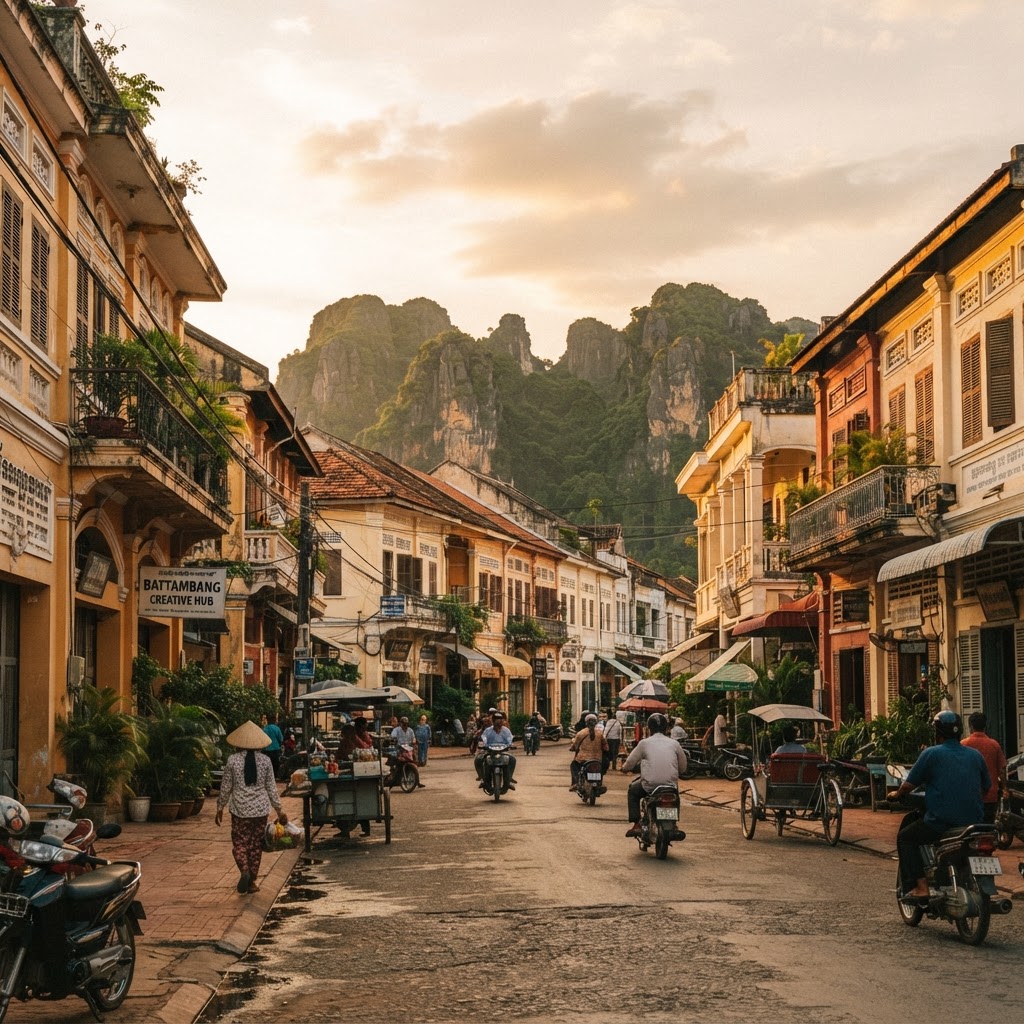
Battambang, Cambodia
Cambodia
Cambodia's creative engine, lined with French colonial shophouses and rural limestone karst landscapes.
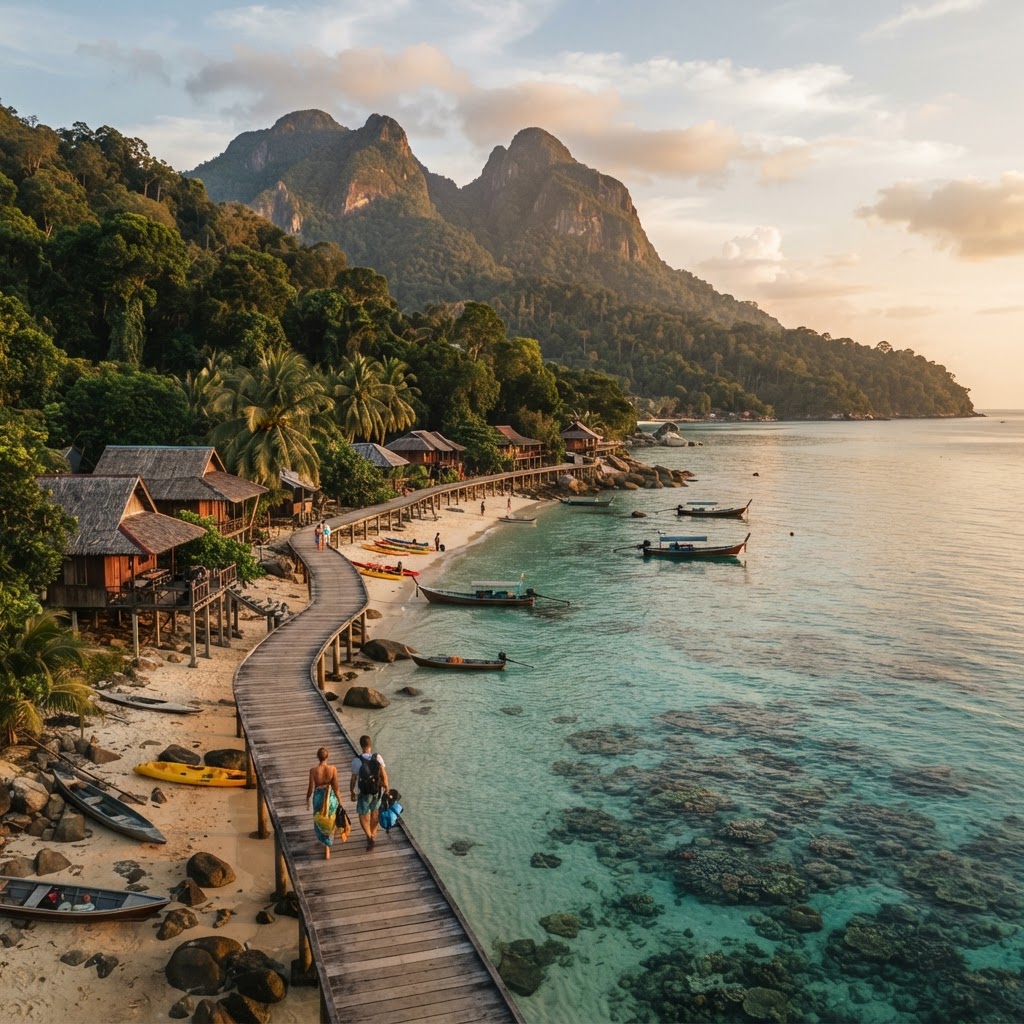
Tioman Island, Malaysia
Malaysia
Dense granite jungle meets protected coral reefs on a slow-paced, roadless island escape.
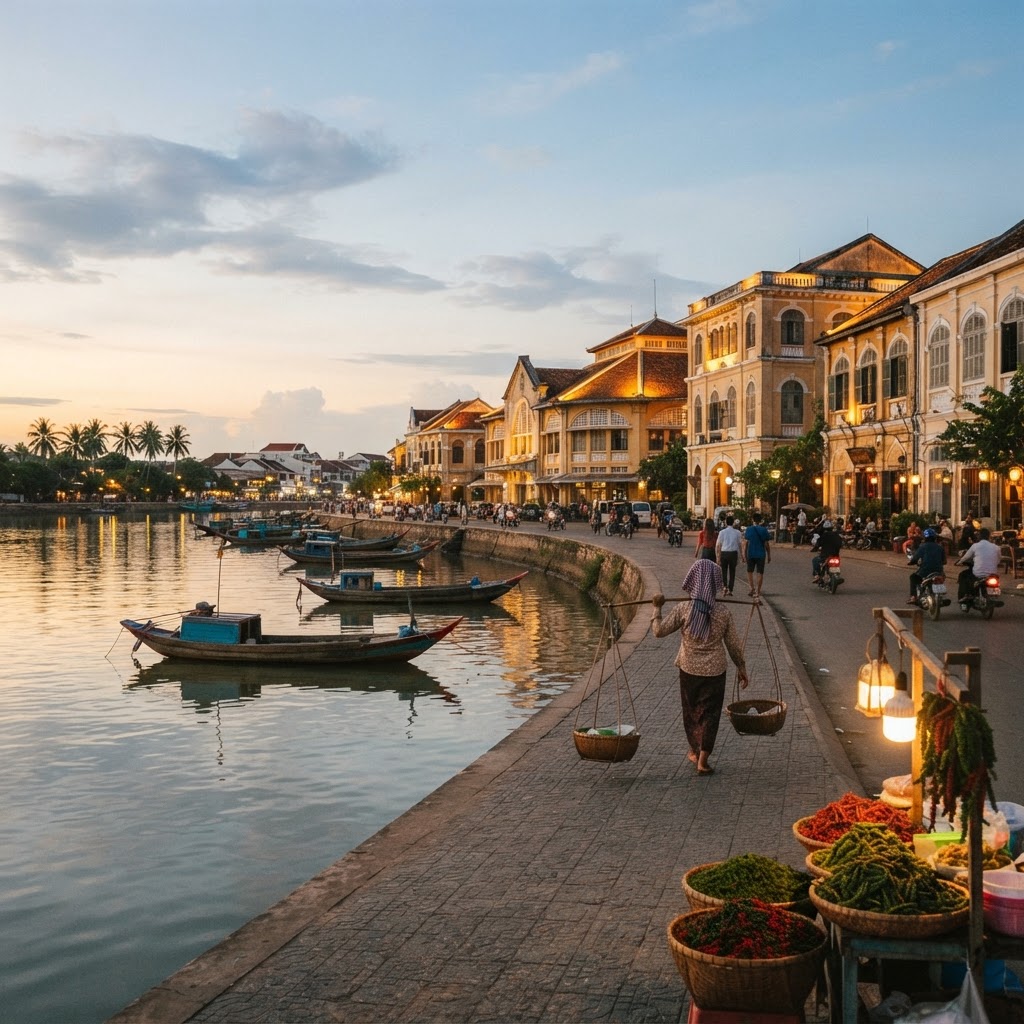
Kampot, Cambodia
Cambodia
Unhurried French colonial architecture, fiery fresh peppercorns, and tranquil riverside evenings
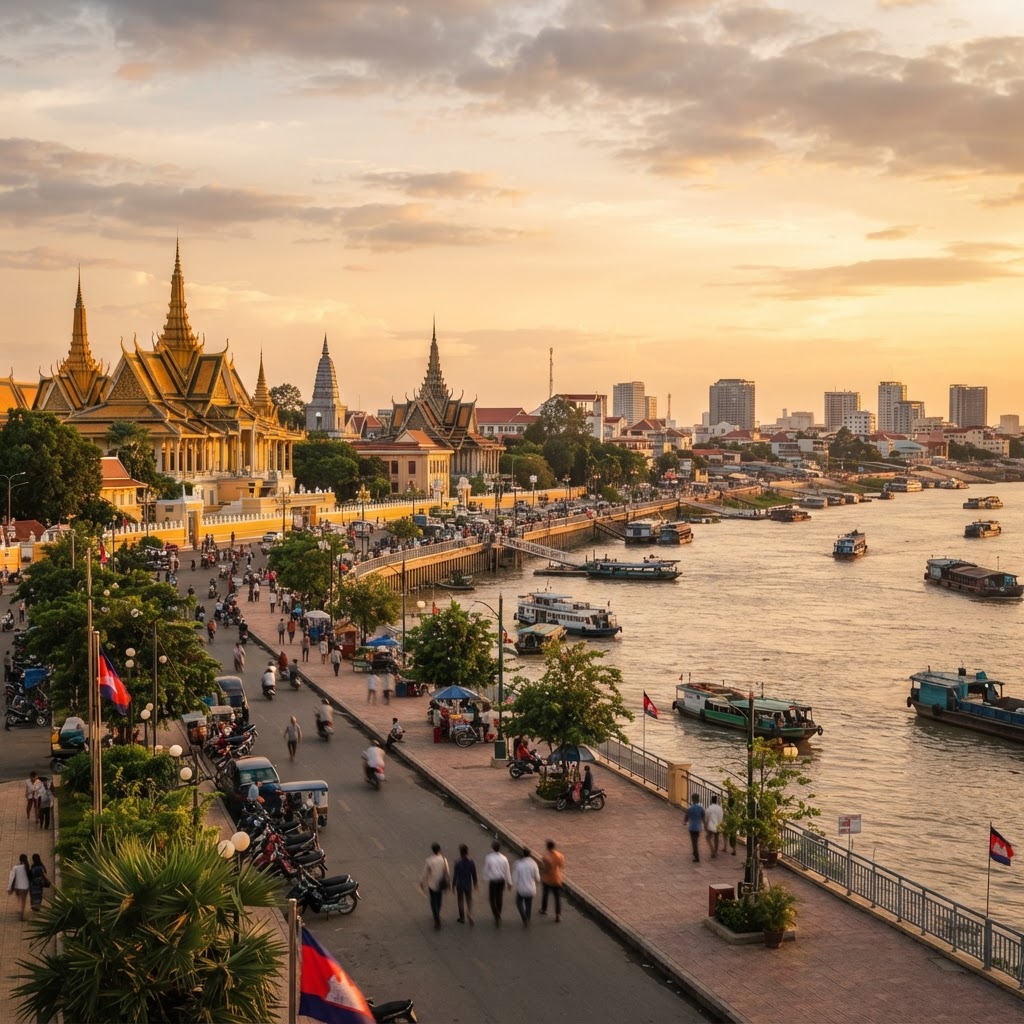
Phnom Penh
Cambodia
Raw history, buzzing riverfronts, and Cambodia's modern soul.
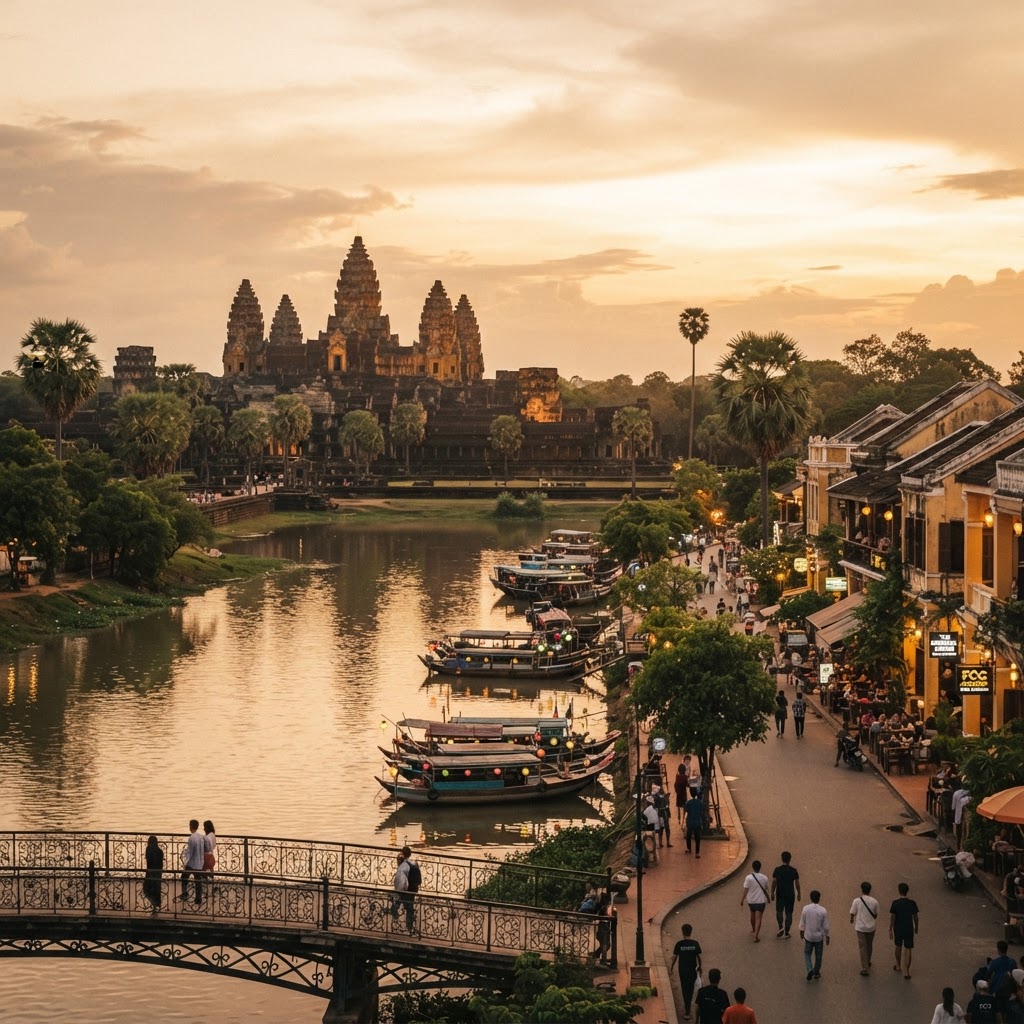
Siem Reap & Angkor
Cambodia
Monumental medieval stone temples anchored by an intimate, creative river town
Readymade itineraries
Start from a tested template — then make it yours.
Ready to book
Lock in your Manila, Philippines trip
Everything in one place. We may earn a small commission — it never costs you more.
Plan a trip to Manila, Philippines
Pick a length and we'll build a day-by-day plan around how you travel — neighborhoods clustered, budget-aware, and editable.
Get better at planning trips like this
Occasional notes on planning smarter — no spam, unsubscribe anytime.
Plan a trip to Manila, Philippines
Turn this guide into a day-by-day plan built around your pace, your group, and your budget.
Build my Manila, Philippines trip