Cambodia
Phnom Penh
Raw history, buzzing riverfronts, and Cambodia's modern soul.
Plan & book
Sort your Phnom Penh trip in one place.
We point you to the booking tools we'd actually use — live prices, no markup. Or let us build the day-by-day plan around you first, then book.
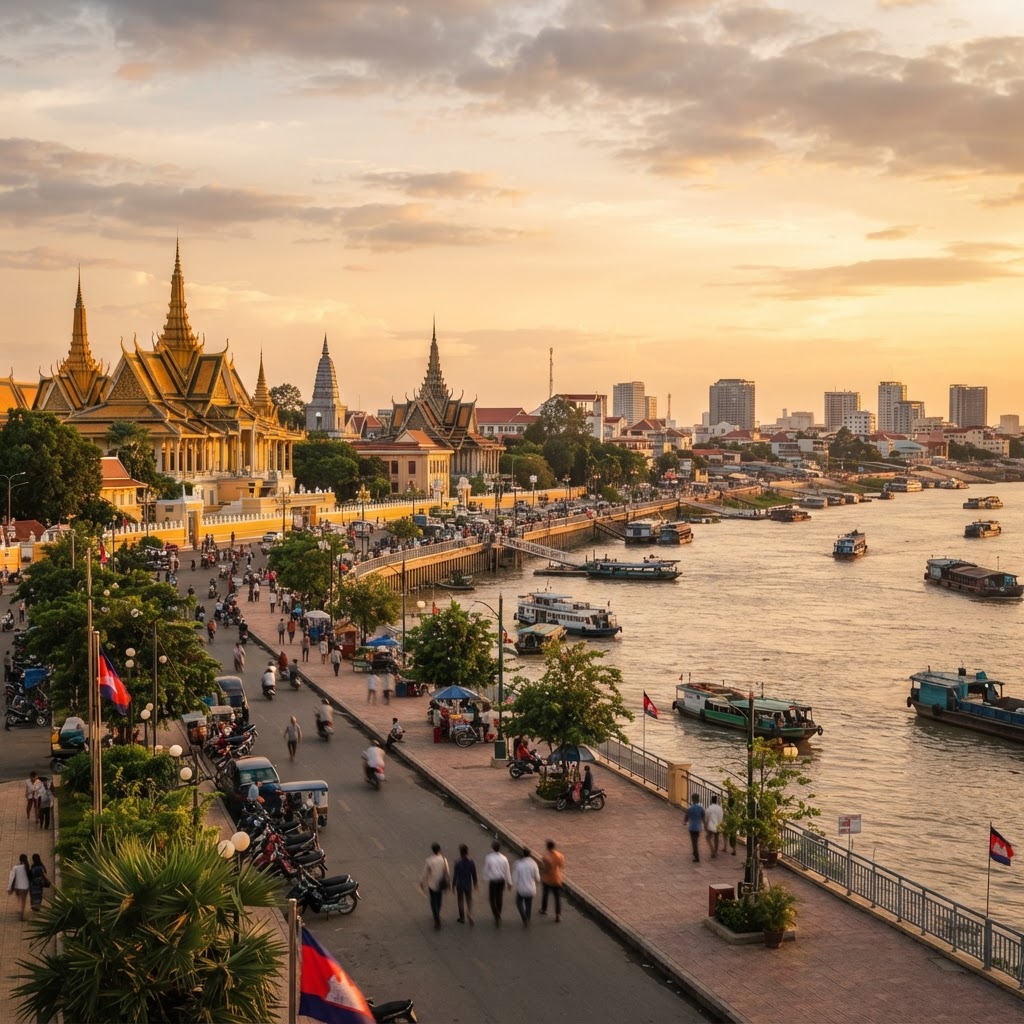
Phnom Penh is not built for easy, detached sightseeing. Cambodia's capital is loud, dusty, and intensely alive, confronting visitors head-on with the atrocities of the Khmer Rouge regime while showcasing a dynamic contemporary food scene, bustling riverfront esplanades, and golden royal palaces. It provides the essential, complex context of modern Cambodia that temples alone in Siem Reap cannot deliver.
2 to 3 days
Best time
Late November through February for manageable urban heat and dry weather.
Build your own trip with these prebuilt itineraries
Each one is a tested, day-by-day plan for Phnom Penh — start here, then make it yours.
4 Days in Phnom Penh: Art, Architecture & Silk Island in Phnom Penh
A deeper creative dive into New Khmer Architecture, contemporary art spaces, and a day escape to Koh Dach silk-weaving village
3 Days in Phnom Penh: Street Food, Markets & River Culture in Phnom Penh
A culinary and local life exploration focusing on morning market tours, afternoon street dining, and evening riverside sunsets
2 Days in Phnom Penh: Modern History & Essential Heritage in Phnom Penh
First-timer highlights balancing royal landmarks with thoughtful pacing between difficult 20th-century history sites
Phnom Penh is necessary to understand modern Cambodia. Without confronting the history at Tuol Sleng and Choeung Ek, an itinerary through Cambodia remains half-told. Beyond its somber history, the city offers an exciting culinary renaissance—from bustling street markets around Phsar Thmey to hidden craft cocktail bars along Bassac Lane—at a fraction of the cost found in neighboring regional capitals.
Where to stay
Getting there
Getting around
Food & drink
What it costs
Things to do
Book tours & tickets in Phnom PenhSkip it if
Travelers looking for polished, pristine resort environments, family vacations focused solely on child-friendly theme parks and beaches, or anyone emotionally overwhelmed by heavy historical memorial sites with little interest in Southeast Asian geopolitical history.
When to go
Phnom Penh's concrete streetscapes amplify heat aggressively, making the cool, dry winter window essential for walking or riding open-air tuk-tuks without physical exhaustion. Shoulder months bring mounting humidity, while mid-year brings tropical afternoon deluges that can quickly flood localized intersections.
Peak (November – February)
Comfortable daytime temperatures hover around 28°C to 30°C with lower humidity and virtually zero rain. Room rates are at their annual ceiling and historic sites see higher foot traffic, so book premier boutique stays several weeks in advance.
Shoulder (October & March)
October sees receding monsoon rains and lush green parks, while March begins to experience intense midday heat climbing past 35°C. Expect better hotel deals and fewer crowds at major memorial sites, but plan around the early afternoon sun.
Low (April – September)
April and May are blisteringly hot with temperatures regularly crossing 38°C to 40°C, followed by heavy afternoon monsoonal downpours from June to September. Travel is very affordable, but plan all outdoor walking excursions before 11:00 AM.
Neighborhoods
Where you stay shapes the trip. Here's how to think about it.
BKK1 (Boeung Keng Kang 1)
Polished, tree-lined diplomatic enclave packed with third-wave roasteries, boutique hotels, and upscale dining.
Best for:First-timers, remote workers, and travelers prioritizing quiet streetscapes and international amenities.
Don't miss:Craft coffee and Khmer-inspired brunch along Street 306, followed by cocktail hopping along Street 288.
Toul Tom Poung (Russian Market)
Bohemian, residential grid where heritage shophouses meet creative craft beer spots and artisanal bakeries.
Best for:Independent travelers, food lovers, and shoppers looking for a neighborhood feel away from luxury high-rises.
Don't miss:Navigating the labyrinthine, fabric-and-hardware-packed central lanes of Psar Toul Tom Poung before drinking iced coffee at an alleyway stand.
Riverside (Sisowath Quay)
Bustling, wide-open pedestrian riverfront alive with communal aerobics, rooftop watering holes, and street vendor carts.
Best for:Sightseers who want walkable access to major national heritage sites and evening strolls along the Tonle Sap.
Don't miss:Dusk walks along the river esplanade as local families gather, followed by river views from a terrace overlooking the junction of the Mekong.
Daun Penh & Royal Palace Enclave
Grand, historic colonial core anchored by sprawling French-era villas, monumental boulevards, and national museums.
Best for:Culture seekers, architecture enthusiasts, and travelers who value central proximity to traditional landmarks.
Don't miss:Exploring the vibrant creative gallery spaces and hidden cafes tucked inside the residential courtyard of Street 240.
Bassac Lane / Chamkarmon
Compact, gritty-chic web of micro-bars, bespoke cocktail counters, and open-front izakayas nestled in historic alleyways.
Best for:Evening socializers, design-minded couples, and cocktail enthusiasts.
Don't miss:Late-evening boutique bar hopping down the narrow pedestrian alleys of Street 308 for live acoustic music and craft gin.
Destination intelligence
Updated 9/14/2026The structured record we plan every Phnom Penh itinerary from.
Walkability
Low. Sidewalks frequently serve as scooter parking, construction zones, or street kitchens. Aside from Sisowath Quay and parts of BKK1, walking is chaotic and difficult.
Transit quality
Basic. There is no urban metro or light rail network; urban public buses exist but run slow and infrequently. App-based ride hailing (Grab, PassApp) is the de facto transit system.
Car needed
Not required. Driving a rental car is strongly discouraged due to erratic traffic patterns, scarce parking, and readily available, cheap tuk-tuks.
Ideal duration
2 to 3 days
Minimum useful
2 days
Peak season
November through February (cool, dry season with lower humidity and daytime highs around 30°C/86°F).
Shoulder season
October and March (transitional months; higher humidity and rising heat or occasional late monsoonal rains).
Low season
April through September (April and May bring blistering heat topping 38°C/100°F; June to September brings afternoon monsoon downpours).
Best for
Common mistakes
- Pairing both Tuol Sleng and the Killing Fields back-to-back without leaving emotional decompression time.
- Holding smartphones loosely in hand while standing near roads or riding open tuk-tuks, making them easy targets for drive-by phone snatching.
- Accepting torn or crumpled US Dollar bills; local merchants and banks reject US currency with tiny rips or markings.
- Attempting to walk long distances across multi-lane boulevards instead of spending $1.50 on a PassApp rickshaw.
Best nearby
See what a trip to Cambodia actually costs. Travel Budget Co.
How to plan it
- Front-load Phnom Penh at the start of your Cambodia journey; unpacking the country's turbulent 20th-century history here provides vital cultural and emotional grounding before seeing the ancient Angkor temples in Siem Reap.
- Do not pair Tuol Sleng (S-21) and Choeung Ek with a packed afternoon itinerary; the visceral reality of Cambodia's genocide requires mental decompression time afterward.
- Base yourself in BKK1 or Toul Tom Poung if you want leafy streets, indie dining, and micro-bars; stay along Sisowath Quay only if river views and proximity to the Royal Palace outweigh peace and quiet.
- Download the Grab and PassApp ride-hailing apps as soon as you land to avoid street-side fare haggling and eliminate miscommunications over street numbers.
- Schedule outdoor temple exploration and palace walks strictly between 8:00 AM and 10:30 AM before midday urban radiation sets in.
Questions
More in Cambodia
Kep
Cambodia
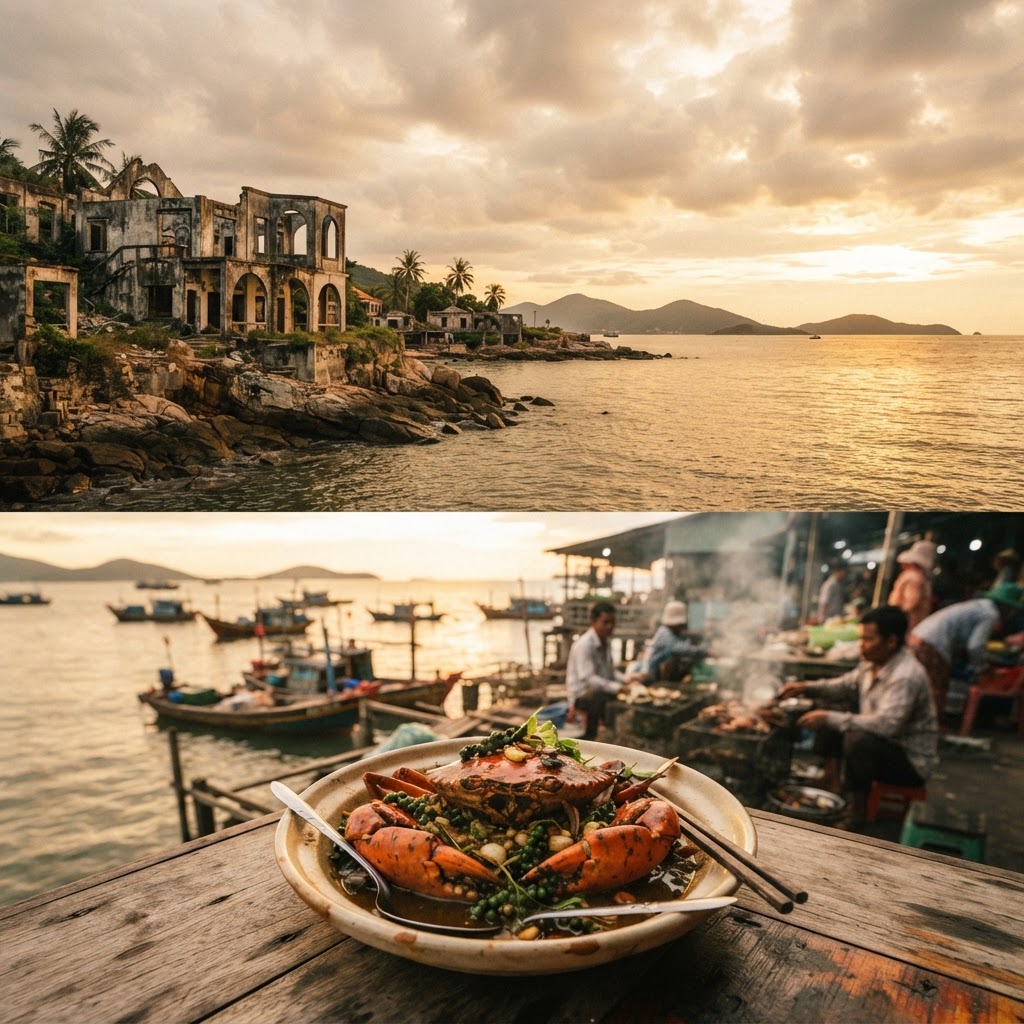
Salt air, ruined modernist villas, and green Kampot pepper crab.
Battambang, Cambodia
Cambodia
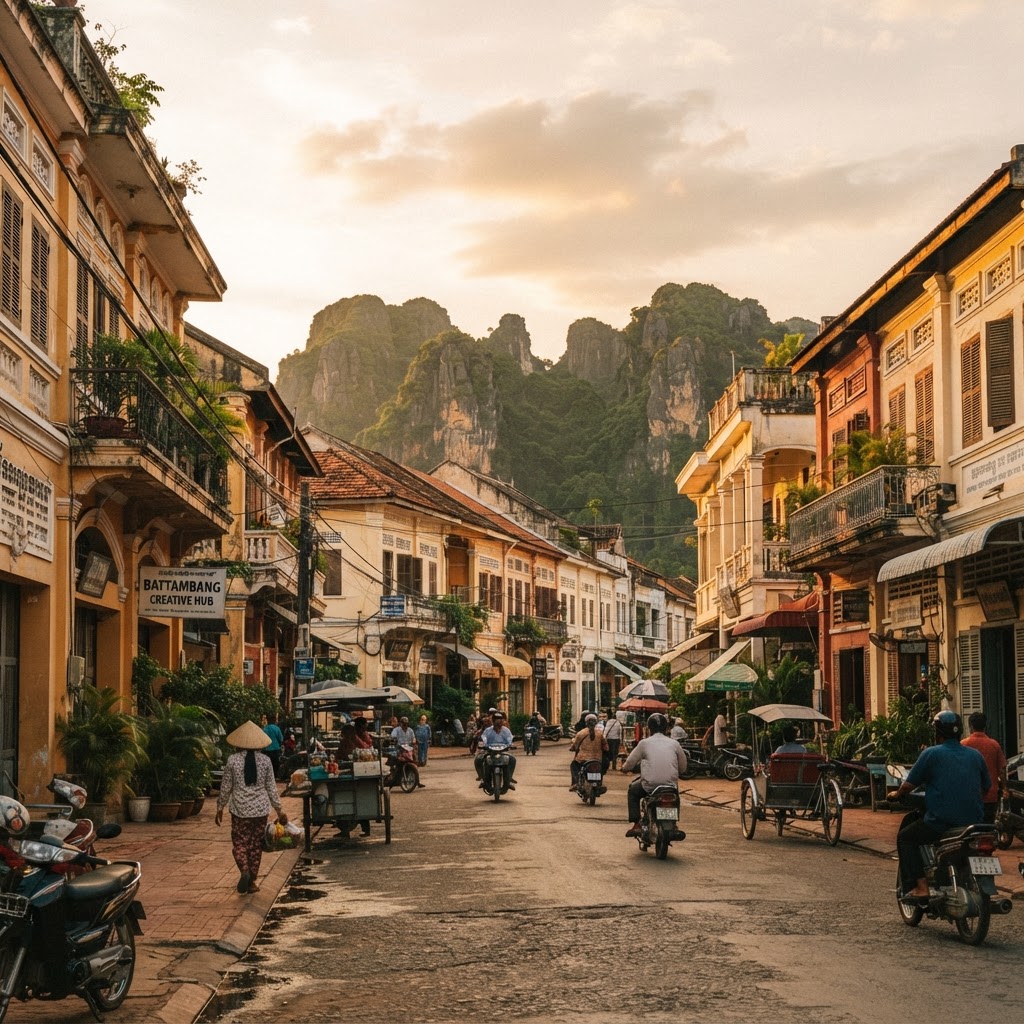
Cambodia's creative engine, lined with French colonial shophouses and rural limestone karst landscapes.
Kampot, Cambodia
Cambodia
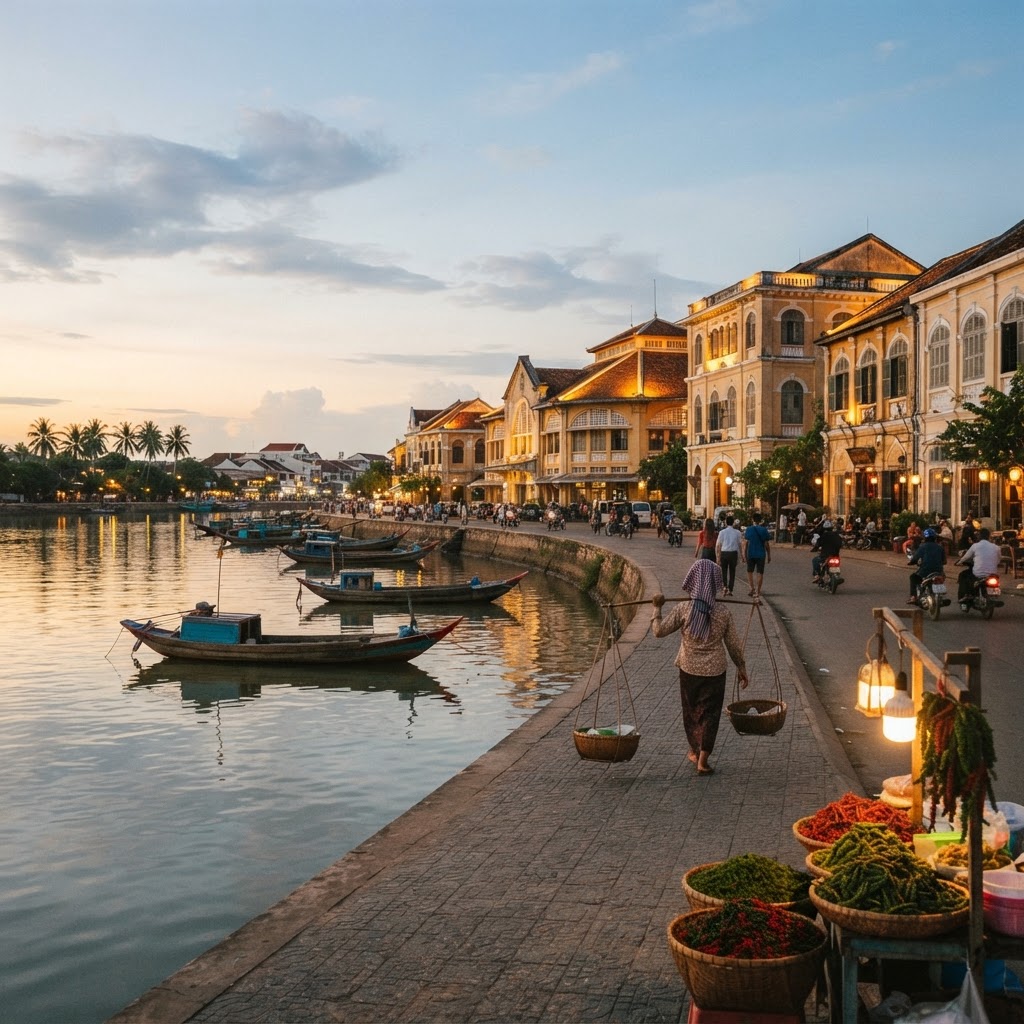
Unhurried French colonial architecture, fiery fresh peppercorns, and tranquil riverside evenings
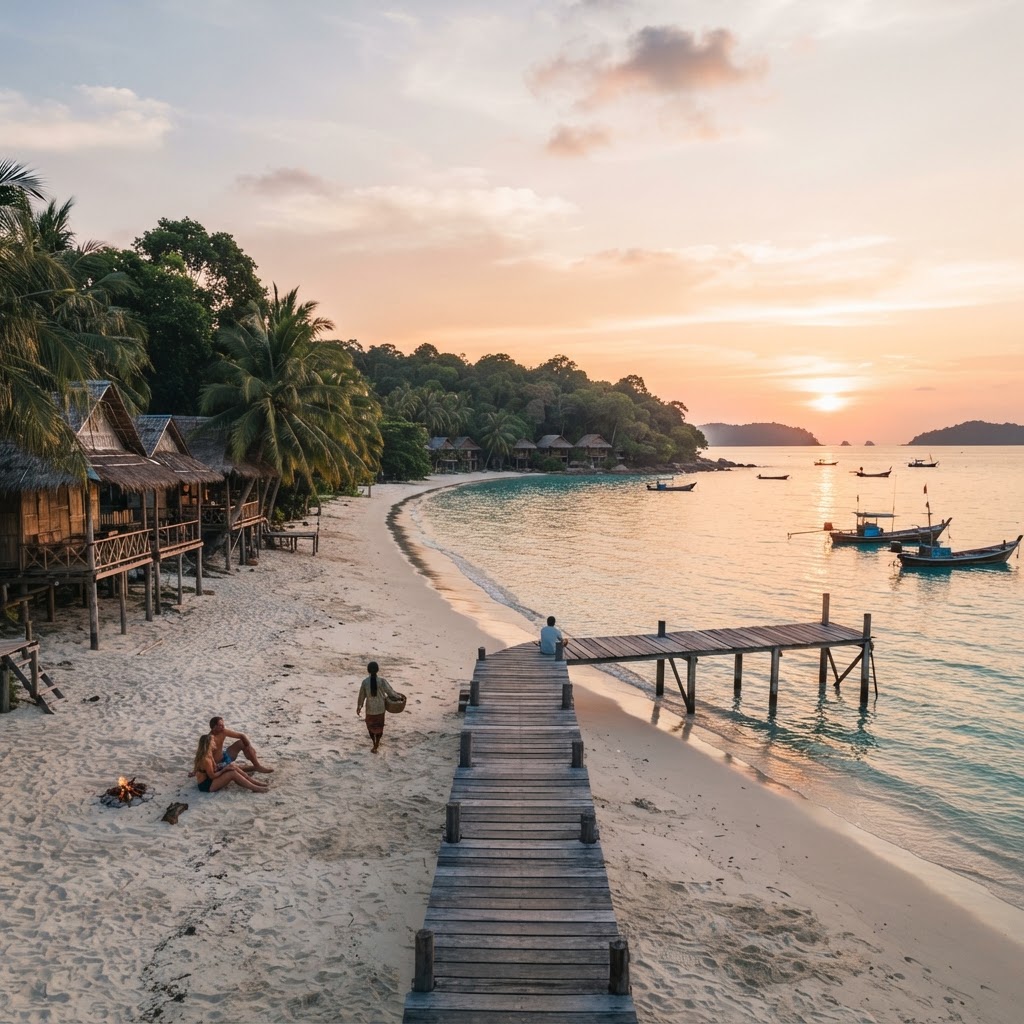
Koh Rong
Cambodia
Undeveloped white sand arcs, phosphorescent bays, and slow-paced Gulf of Thailand living.
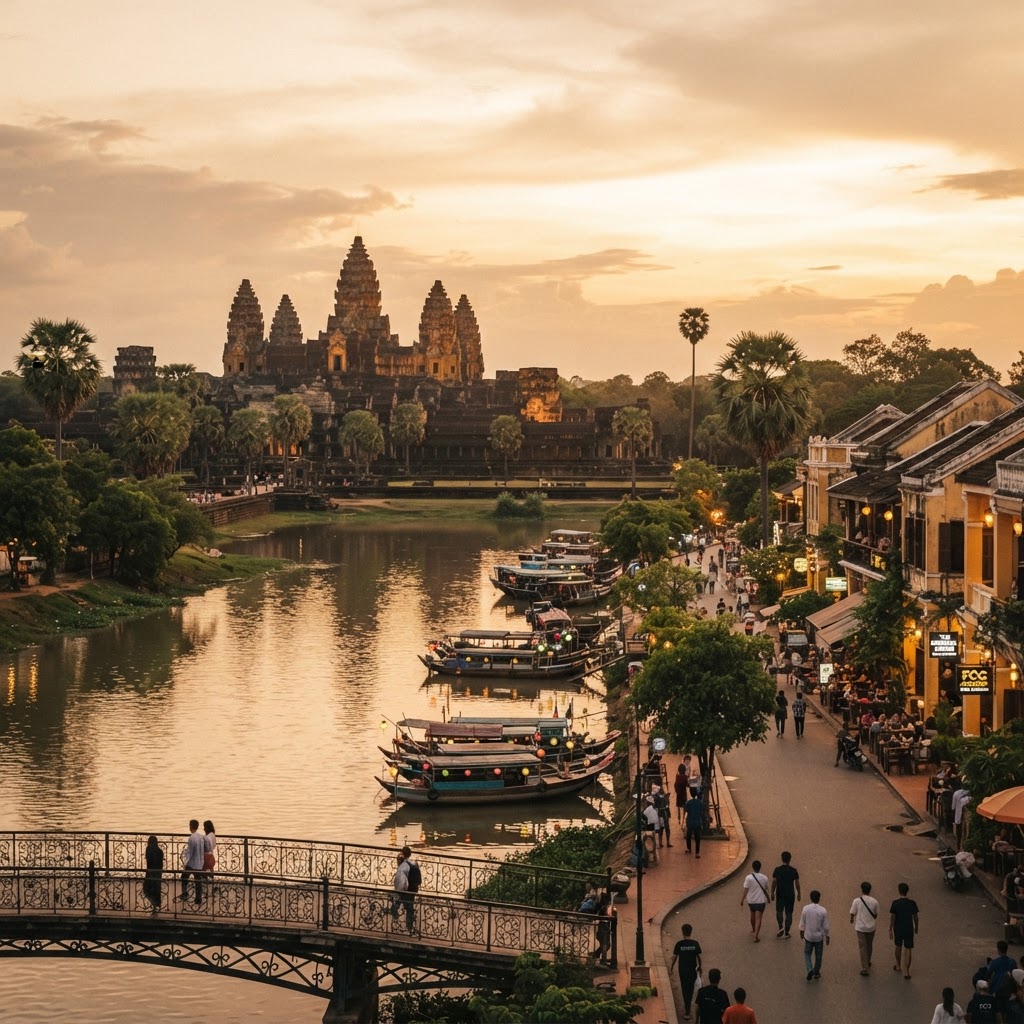
Siem Reap & Angkor
Cambodia
Monumental medieval stone temples anchored by an intimate, creative river town
More in Southeast Asia
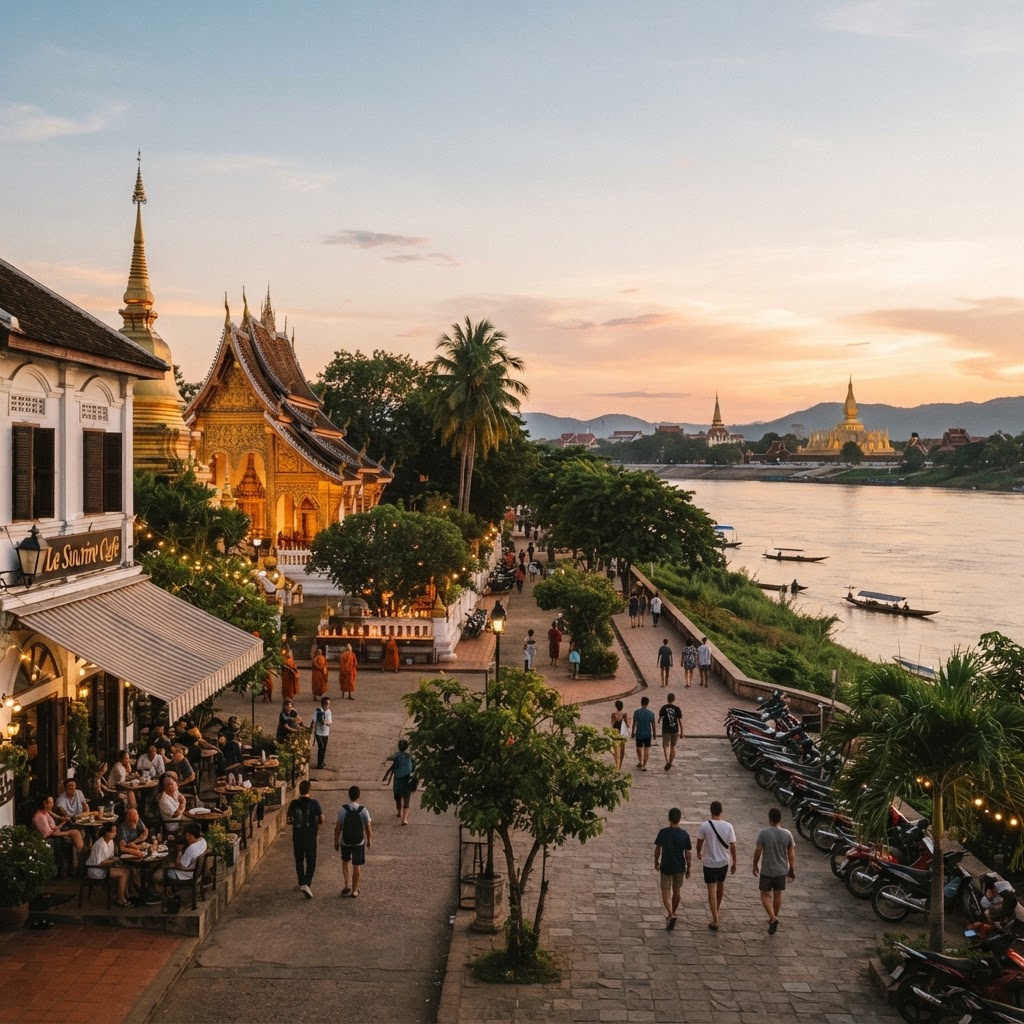
Vientiane, Laos
Laos
A slow-cadence riverfront capital defined by French café culture, quiet Theravada wats, and an unhurried urban pace.
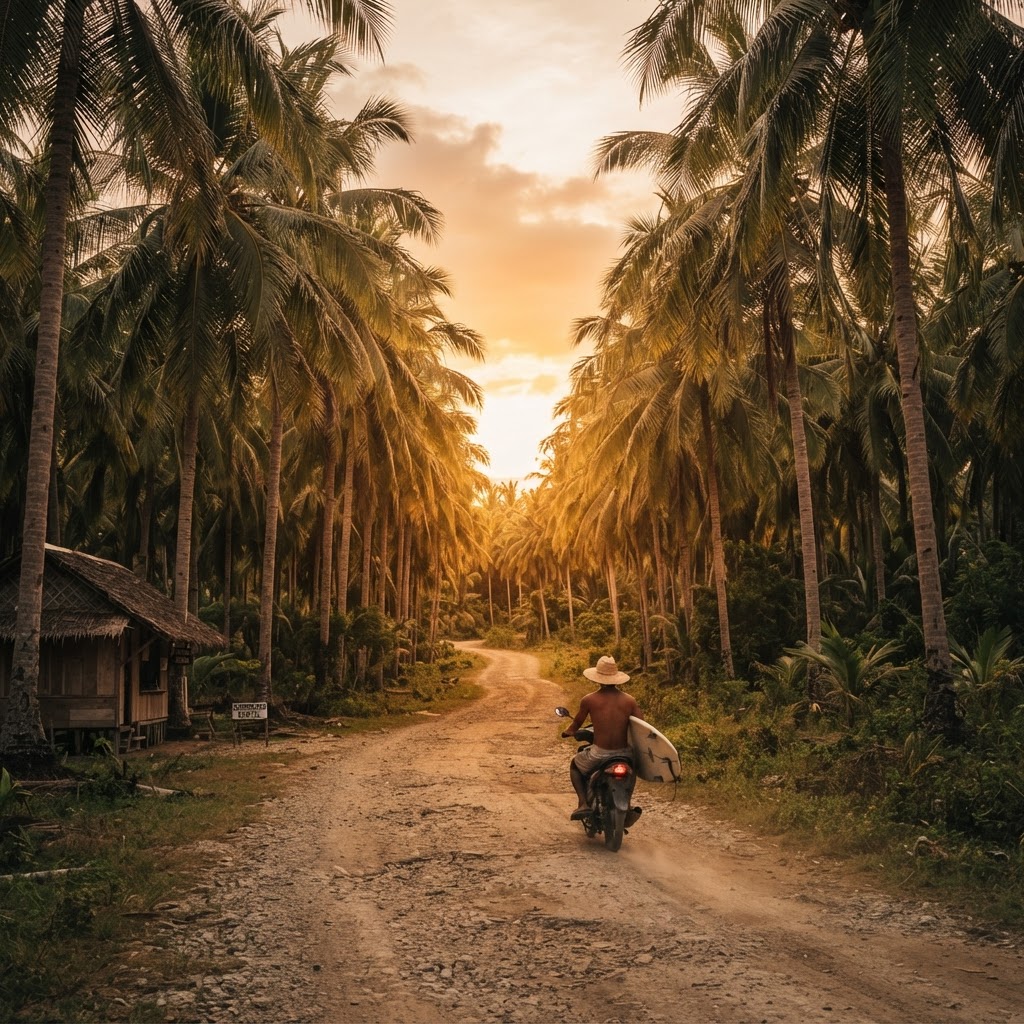
Siargao, Philippines
Philippines
World-class reef breaks, coconut-canopy backroads, and raw island pace
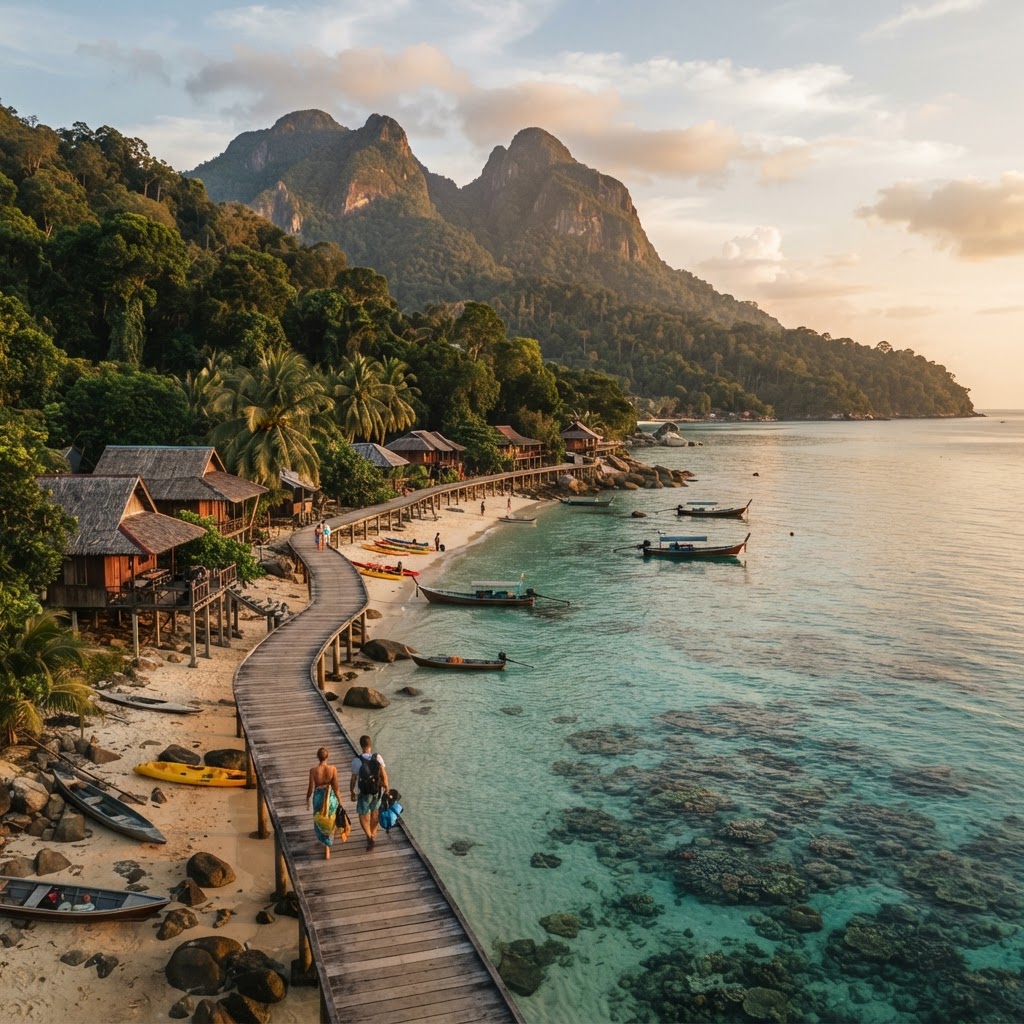
Tioman Island, Malaysia
Malaysia
Dense granite jungle meets protected coral reefs on a slow-paced, roadless island escape.
Readymade itineraries
Start from a tested template — then make it yours.
Ready to book
Lock in your Phnom Penh trip
Everything in one place. We may earn a small commission — it never costs you more.
Plan a trip to Phnom Penh
Pick a length and we'll build a day-by-day plan around how you travel — neighborhoods clustered, budget-aware, and editable.
Get better at planning trips like this
Occasional notes on planning smarter — no spam, unsubscribe anytime.
Plan a trip to Phnom Penh
Turn this guide into a day-by-day plan built around your pace, your group, and your budget.
Build my Phnom Penh trip