Cambodia
Battambang, Cambodia
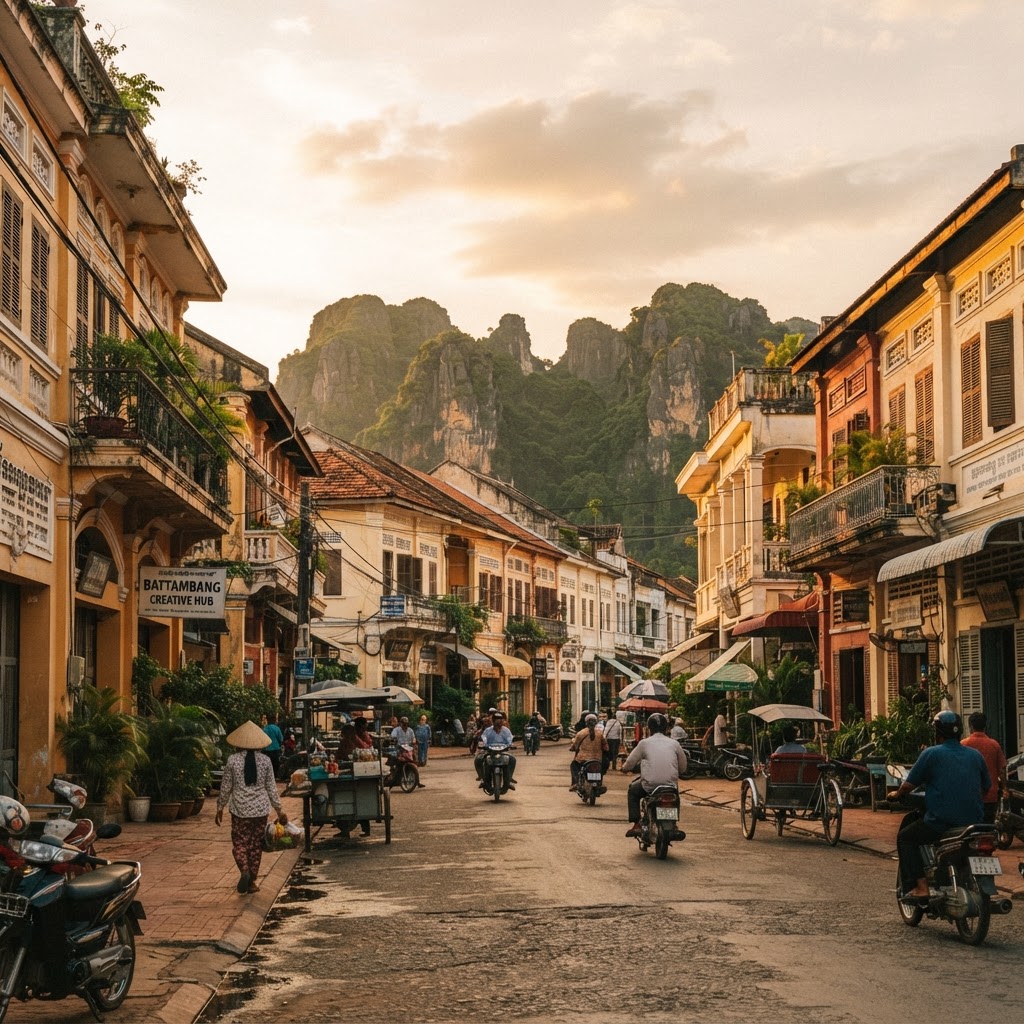
Cambodia's creative engine, lined with French colonial shophouses and rural limestone karst landscapes.
Plan & book
Sort your Battambang, Cambodia trip in one place.
We point you to the booking tools we'd actually use — live prices, no markup. Or let us build the day-by-day plan around you first, then book.
Battambang is Cambodia's cultural and agricultural heartland, free of the frenetic tourist infrastructure of Siem Reap and the high-rise sprawl of Phnom Penh. Centered on the Sangker River, the city pairs quiet, preserved 20th-century French colonial shophouses with a thriving homegrown contemporary art and circus scene, alongside jagged limestone hills hiding Angkorian ruins and somber recent history.
2 to 3 days
Best time
November to February for mild temperatures and dry, breezy days ideal for rural cycling.
Build your own trip with these prebuilt itineraries
Each one is a tested, day-by-day plan for Battambang, Cambodia — start here, then make it yours.
3 Days in Battambang: Slow Rural Cycling & Khmer Flavors in Battambang
An immersive, cycling-forward exploration of quiet paddy paths, local rice paper workshops, regional breakfast dishes, and uncrowded countryside temples.
2 Days in Battambang: Essential Heritage & Countryside in Battambang
First-time highlights covering colonial streetscapes, rural artisan villages, the Phare circus, and the Phnom Sampeau sunset bat emergence.
1 Day in Battambang: The Whirlwind Circuit in Battambang
An action-packed single-day tuk-tuk route hitting Psar Nat, early Angkorian ruins, and the dusk spectacle at the bat caves.
Battambang delivers authentic provincial Cambodian life without the tourist bubble. Travelers come to see Phare Ponleu Selpak's world-class circus performances, tour independent artist studios like Romcheik 5 Artspace, cycle past pomelo orchards along the Sangker River, and watch millions of free-tailed bats stream out of the Phnom Sampeau caves at twilight without elbowing hundreds of tour buses.
Where to stay
Getting there
Getting around
Food & drink
What it costs
Things to do
Book tours & tickets in Battambang, CambodiaSkip it if
Skip Battambang if you have fewer than 5 days total in Cambodia and have not yet seen Angkor Wat and Phnom Penh, or if your vacation priority is luxury resort shopping, high-end nightlife, or tropical coastal beaches.
When to go
This peak window avoids the oppressive pre-monsoon heat that makes unshaded temple climbs grueling, though hotel rates are marginally higher than during the monsoon.
Peak (November–February)
Comfortable mornings around 20°C climbing to 30°C; clear skies make long tuk-tuk rides and bicycle loops through paddy dikes manageable.
Shoulder (July–October)
Lush emerald paddies and low tourist density; daily afternoon torrential downpours can turn rural unpaved roads into slick red mud.
Low (March–May)
Brutal heat regularly exceeding 38°C with dry, dusty conditions; outdoor temple stair climbs at Wat Banan become punishing by 10 AM.
Neighborhoods
Where you stay shapes the trip. Here's how to think about it.
Psar Nat & French Quarter
Colonial shophouses, bustling market commotion, and walkable coffee culture.
Best for:First-timers, architecture buffs, and solo travelers wanting evening walkability.
Don't miss:The 1930s Art Deco central market hall and surrounding early morning noodle stalls on Street 1.5.
East Sangker Riverside
Tree-lined, quiet residential riverfront with boutique villas and slow-paced local eateries.
Best for:Couples, light sleepers, and travelers seeking garden escapes away from morning market noise.
Don't miss:Crossing the footbridge at sunset toward Wat Piphithearam for quiet views over the Sangker River.
Phnom Sampov Base
Rural limestone karst settlement surrounded by rice fields, village lanes, and bat flight spectators.
Best for:Backpackers, rustic homestay seekers, and travelers focusing on outskirts day trips.
Don't miss:Claiming a plastic stool with a cold Angkor beer around 5:30 PM to watch millions of wrinkle-lipped bats stream out of the cliff cave.
Wat Kor Cultural Village
Pristine rural heritage pocket filled with preserved century-old Khmer wooden stilt houses and fruit orchards.
Best for:Culture purists, cyclists, and travelers looking for upscale traditional architecture.
Don't miss:Guided tours of the antique hardwood stilt homes led by resident families, specifically Khor Sang House.
Destination intelligence
Updated 9/14/2026The structured record we plan every Battambang, Cambodia itinerary from.
Walkability
Moderate within the colonial grid around Psar Nat; very low for out-of-town temples and sights which require a tuk-tuk or bike.
Transit quality
Basic. No local municipal buses; rely on PassApp/Grab tuk-tuks in town, booked remorques for the outskirts, and intercity minivans.
Car needed
No. Self-driving is discouraged. Local tuk-tuks, bicycles, and private drivers handle all urban and provincial transit easily.
Ideal duration
2 to 3 days
Minimum useful
2 days
Peak season
November through February (dry, pleasantly cool mornings and evenings, lower humidity).
Shoulder season
July through October (green season with afternoon monsoonal downpours, lush emerald rice paddies, and fewer travelers).
Low season
March through May (scorching, dusty pre-monsoon heat reaching 38°C to 40°C).
Best for
Common mistakes
- Treating Battambang as a 4-hour rush transit stop between Bangkok and Siem Reap; you miss the evening circus and countryside life.
- Renting a car to self-drive: provincial roads and rural dirt paths are best navigated by local remorque drivers who know current road conditions and local family workshops.
- Expecting the restored 'Bamboo Train' (Norry) to be an authentic rail voyage; the modern relocated tourist loop is loud, short, and primarily a novelty ride.
- Skipping the bat caves at dusk because of midday heat—the sunset bat departure at Phnom Sampeau is one of the most stunning wildlife spectacles in Indochina.
Best nearby
See what a trip to Cambodia actually costs. Travel Budget Co.
How to plan it
- Base yourself within three blocks of Psar Nat or just across the river footbridge if you want to walk to dinner and avoid negotiating late-night tuk-tuks.
- Pair Battambang directly with Siem Reap or Phnom Penh via minivan, rather than attempting to squeeze it into a hurried single overnight stop.
- Do not cram Wat Banan and Phnom Sampov into a morning; schedule Phnom Sampov strictly for late afternoon so you are in position for the 5:30 PM bat exodus and sunset from the hill summit.
- Book a guided half-day morning bicycle tour with Soksabike to explore the cottage-industry backroads (rice paper, dried banana, and rice wine production) before the midday heat peaks.
- Reserve circus tickets at Phare Ponleu Selpak as soon as your hotel dates are locked, since shows do not happen every night.
Questions
More in Cambodia

Kep
Cambodia
Salt air, ruined modernist villas, and green Kampot pepper crab.
Kampot, Cambodia
Cambodia
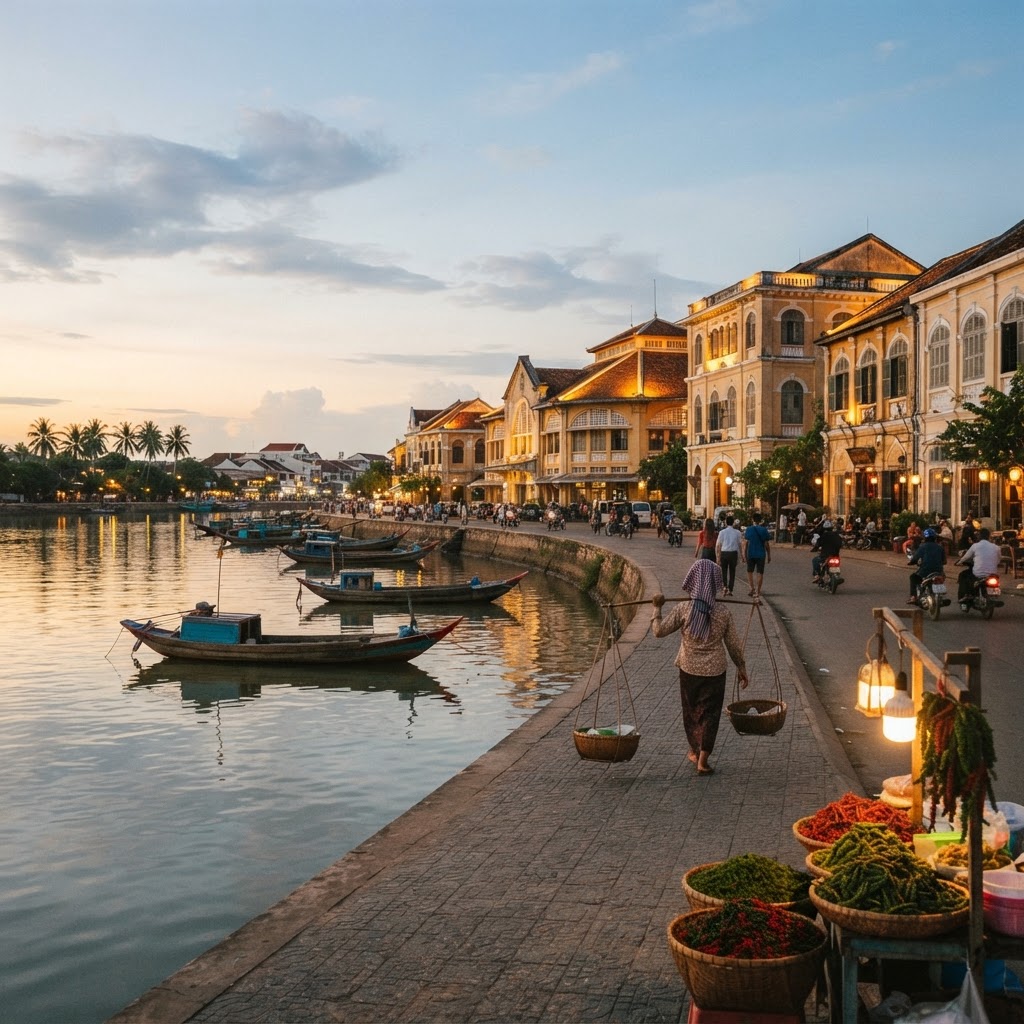
Unhurried French colonial architecture, fiery fresh peppercorns, and tranquil riverside evenings
Koh Rong
Cambodia
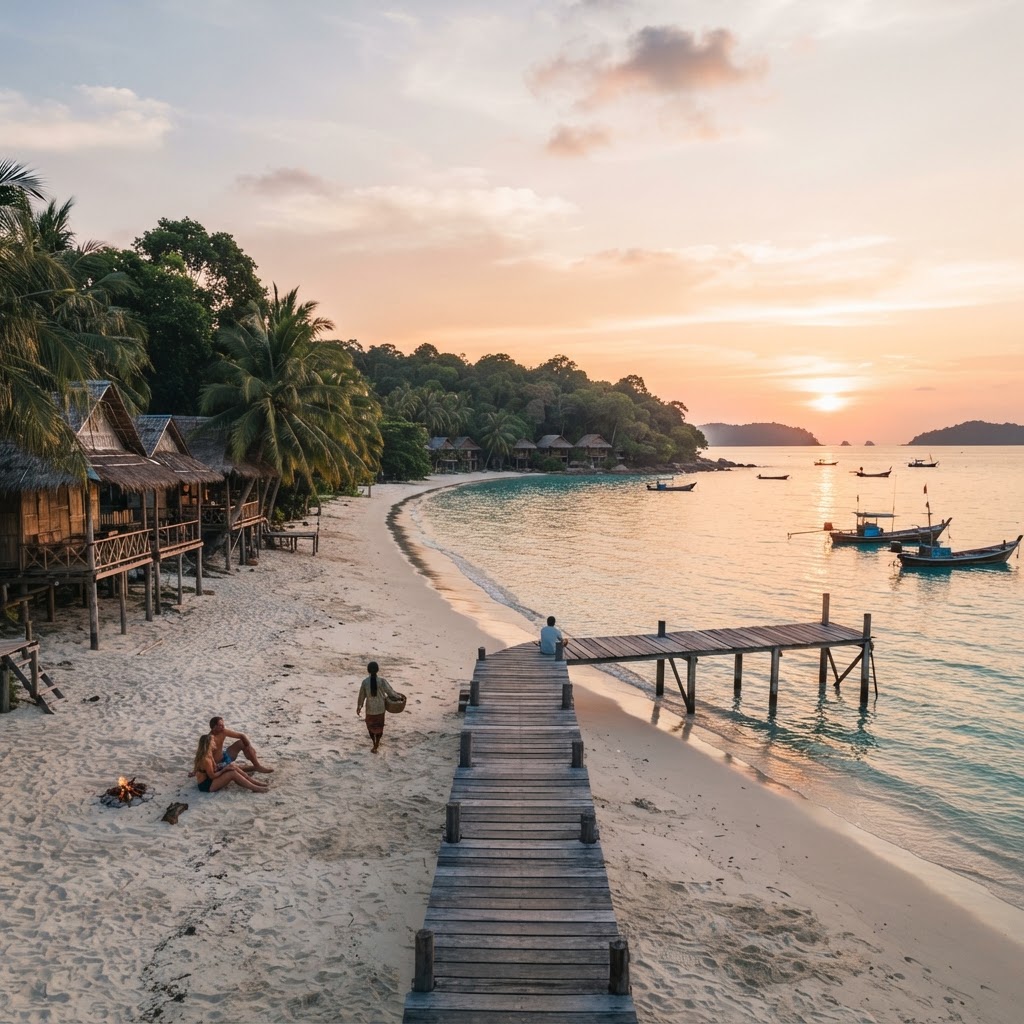
Undeveloped white sand arcs, phosphorescent bays, and slow-paced Gulf of Thailand living.
Phnom Penh
Cambodia
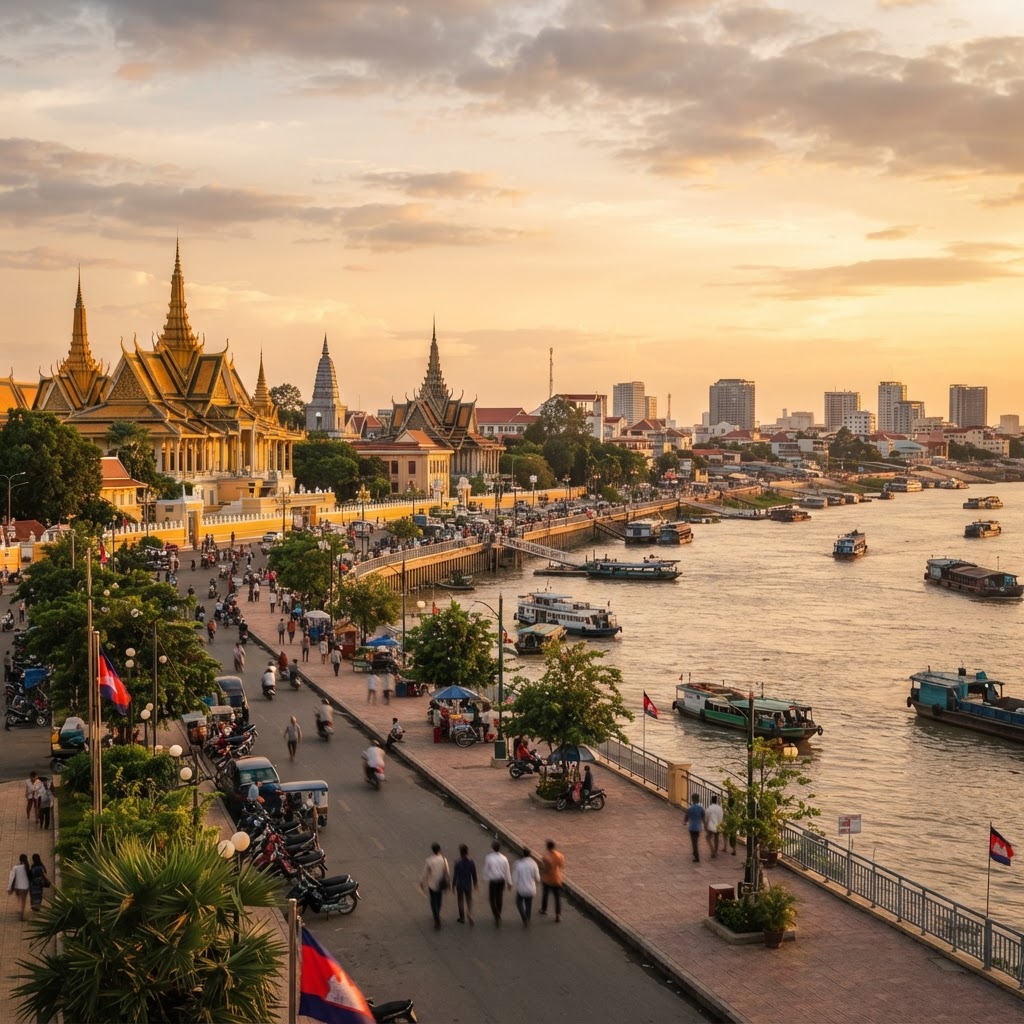
Raw history, buzzing riverfronts, and Cambodia's modern soul.
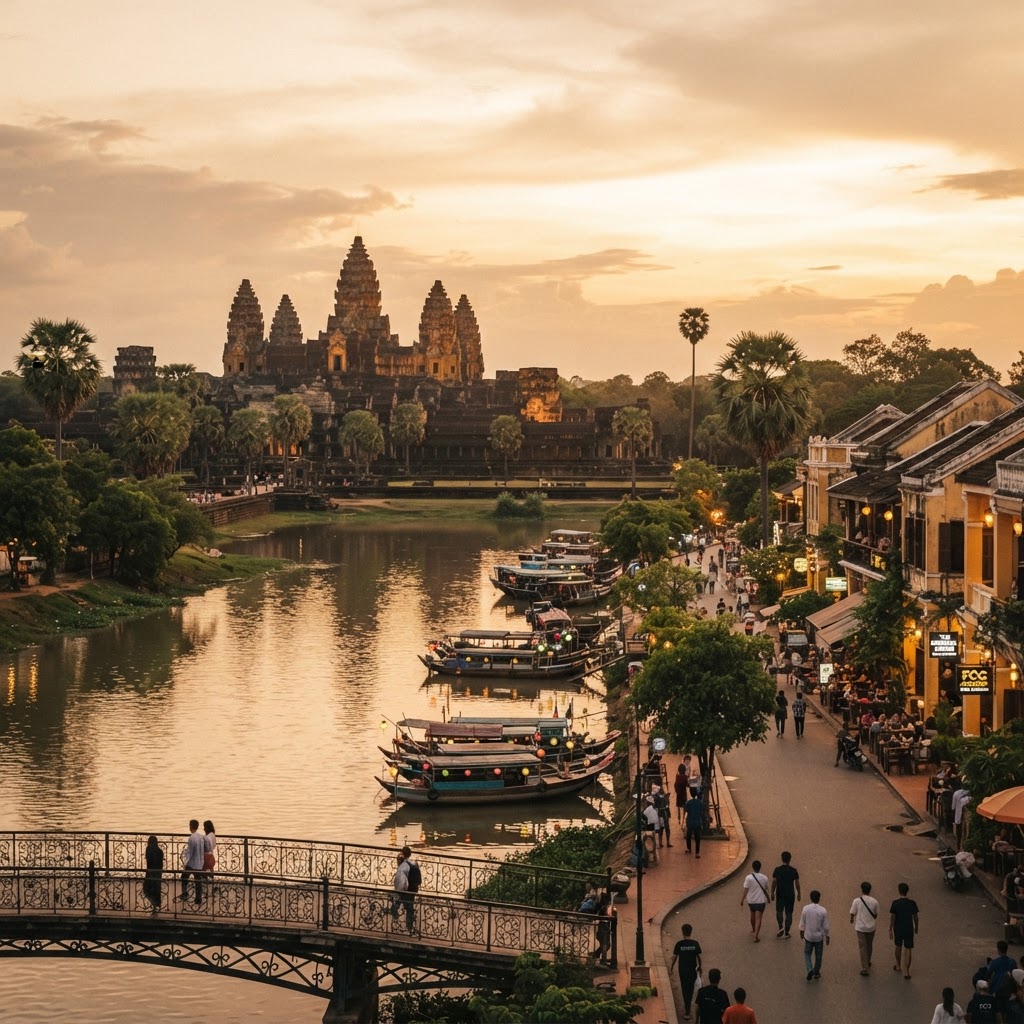
Siem Reap & Angkor
Cambodia
Monumental medieval stone temples anchored by an intimate, creative river town
More in Southeast Asia
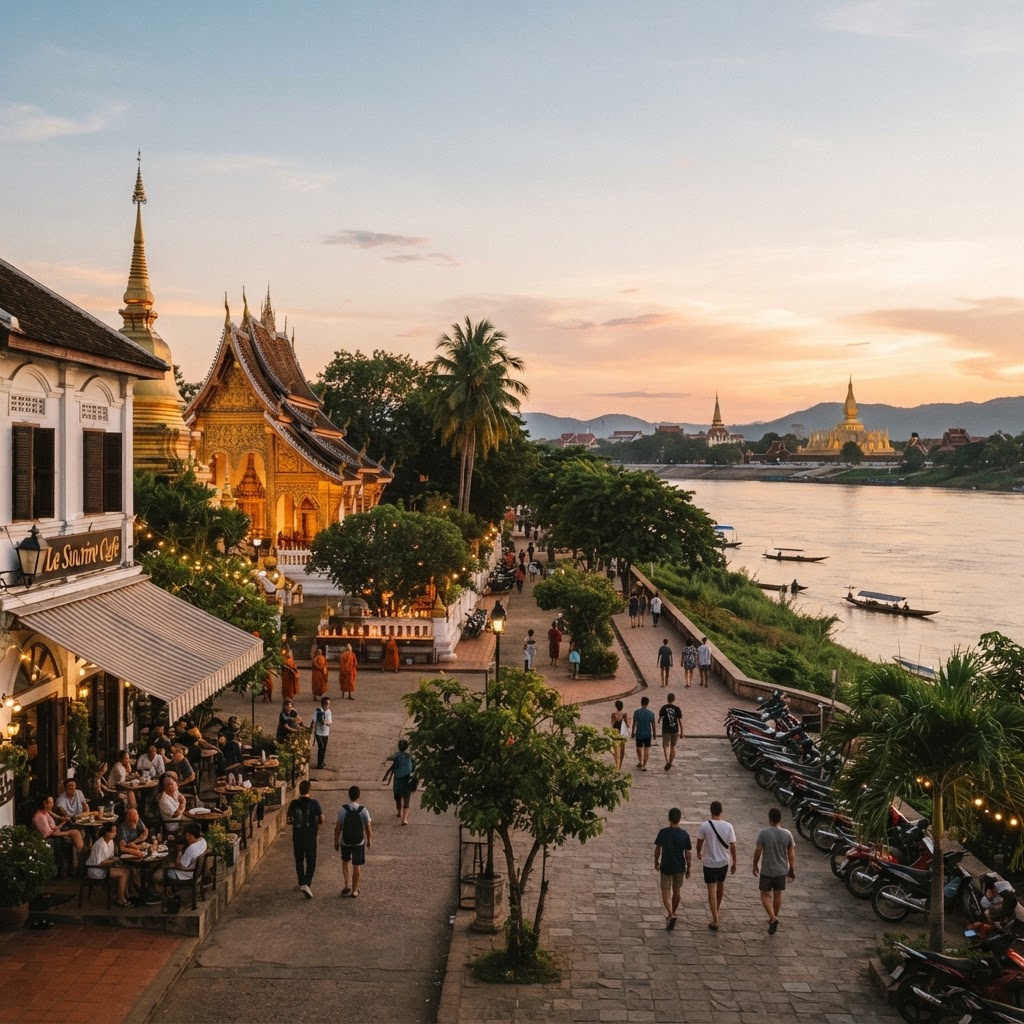
Vientiane, Laos
Laos
A slow-cadence riverfront capital defined by French café culture, quiet Theravada wats, and an unhurried urban pace.
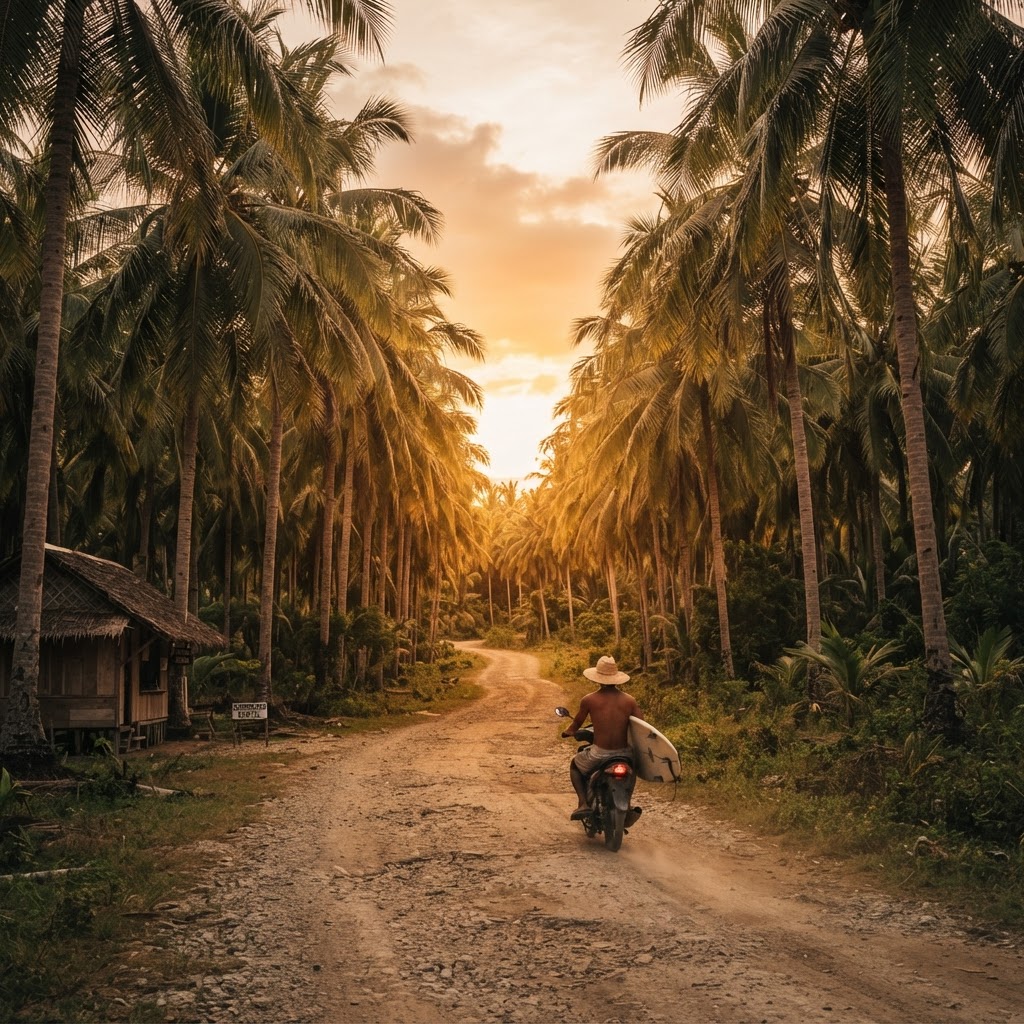
Siargao, Philippines
Philippines
World-class reef breaks, coconut-canopy backroads, and raw island pace
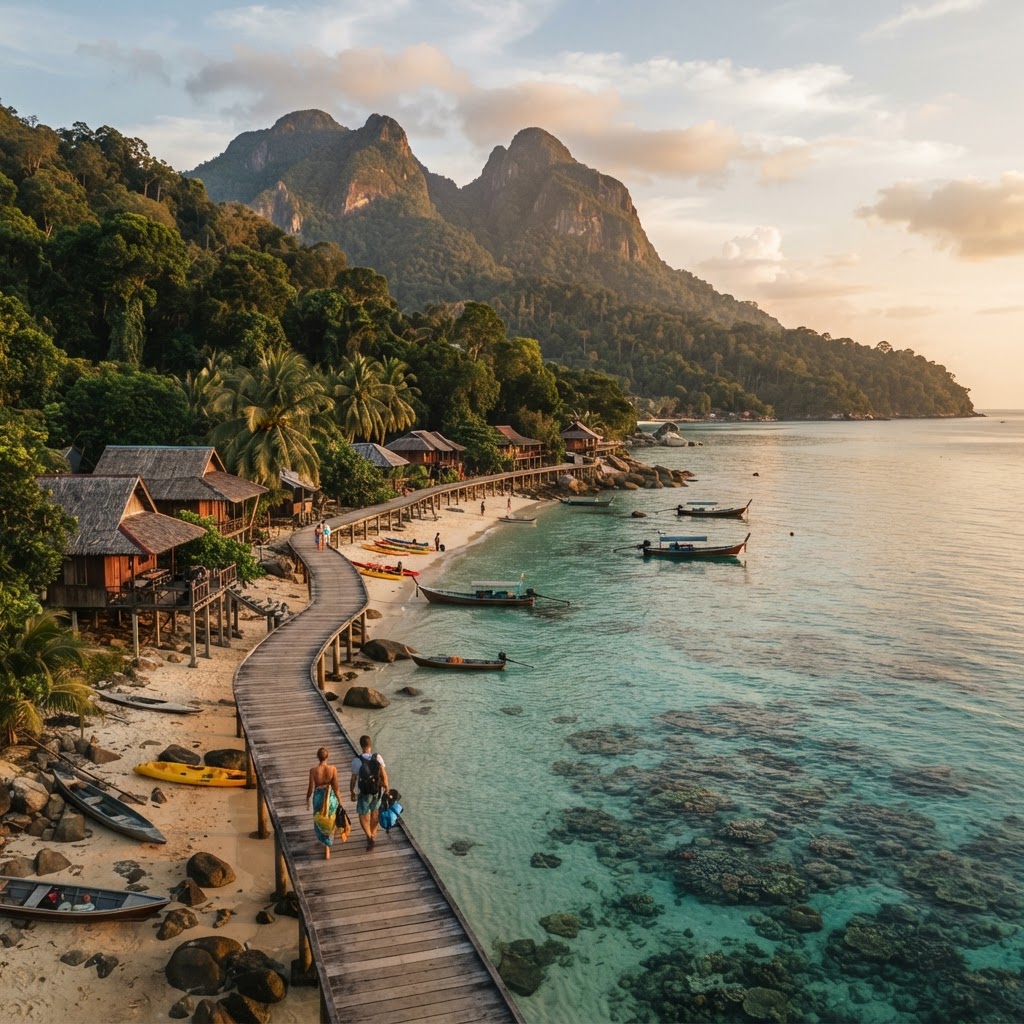
Tioman Island, Malaysia
Malaysia
Dense granite jungle meets protected coral reefs on a slow-paced, roadless island escape.
Readymade itineraries
Start from a tested template — then make it yours.
Ready to book
Lock in your Battambang, Cambodia trip
Everything in one place. We may earn a small commission — it never costs you more.
Plan a trip to Battambang, Cambodia
Pick a length and we'll build a day-by-day plan around how you travel — neighborhoods clustered, budget-aware, and editable.
Get better at planning trips like this
Occasional notes on planning smarter — no spam, unsubscribe anytime.
Plan a trip to Battambang, Cambodia
Turn this guide into a day-by-day plan built around your pace, your group, and your budget.
Build my Battambang, Cambodia trip