Cambodia
Siem Reap & Angkor
Monumental medieval stone temples anchored by an intimate, creative river town
Plan & book
Sort your Siem Reap & Angkor trip in one place.
We point you to the booking tools we'd actually use — live prices, no markup. Or let us build the day-by-day plan around you first, then book.
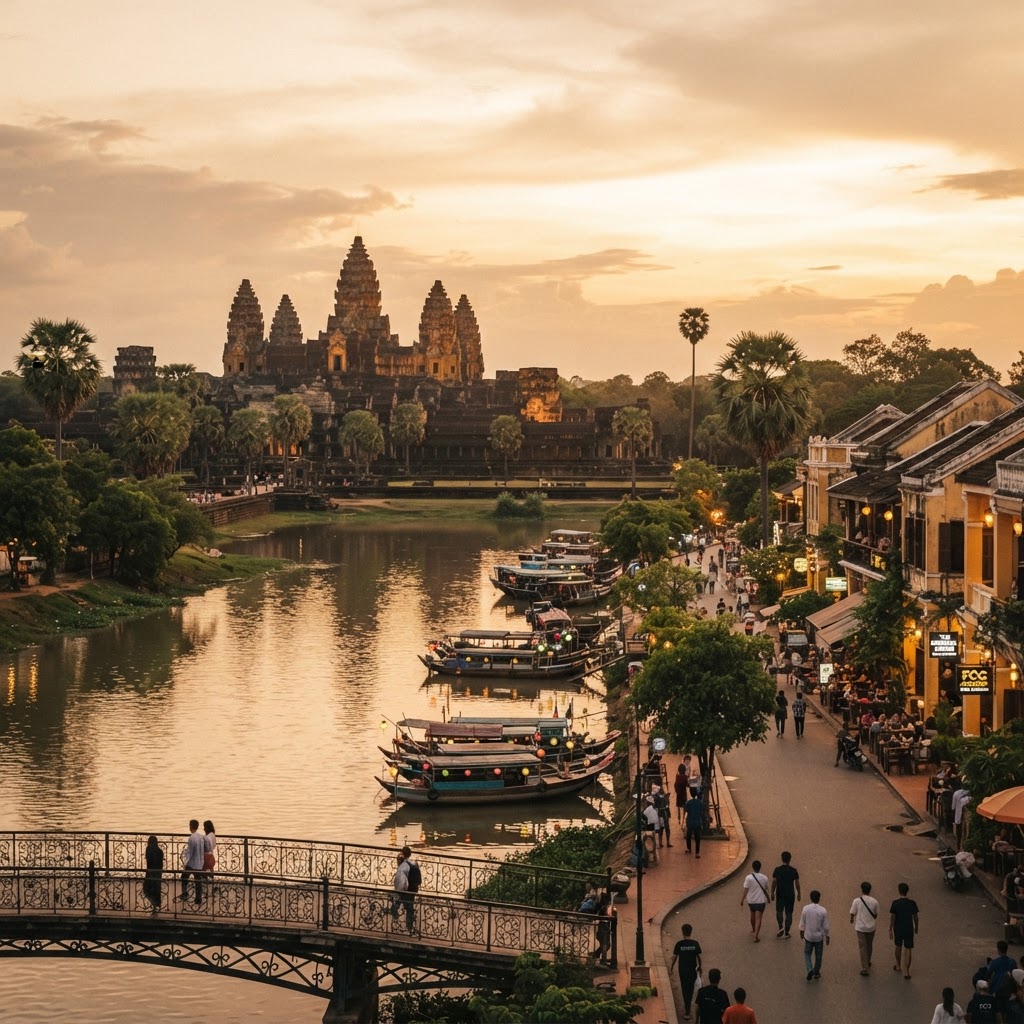
Siem Reap is defined by the colossal twelfth-century temple network of Angkor Archaeological Park just north of town, yet it works as a destination because the base itself is genuinely enjoyable. Instead of an impersonal tourist staging ground, Siem Reap offers a lush, walkable pocket along the river, exceptional boutique hotels, and an authentic contemporary Khmer dining and arts revival.
4 to 5 days
Best time
November to February for dry, manageable heat and crisp temple mornings.
Build your own trip with these prebuilt itineraries
Each one is a tested, day-by-day plan for Siem Reap & Angkor — start here, then make it yours.
5 Days in Siem Reap: Deep Temples & Remote Ruins in Siem Reap/Angkor
In-depth archaeological exploration venturing out to Beng Mealea, Banteay Srei, and the Tonle Sap flooded forests
4 Days in Siem Reap: Slower Pace, Arts & Active Wellness in Siem Reap/Angkor
Leisurely temple cycling, midday boutique retreats, contemporary Khmer culinary arts, and Phare circus performances
3 Days in Siem Reap: The Iconic Temples & Culture in Siem Reap/Angkor
First-timer highlights focusing on Angkor Wat sunrise, major circuits, and vibrant town dining
Angkor is the largest pre-industrial city in human history, featuring sprawling stone complexes like Angkor Wat, the face-carved towers of Bayon, and the strangling strangler figs of Ta Prohm. Beyond the archaeological reserve, Siem Reap delivers high-caliber hospitality at accessible rates, top-tier contemporary Khmer dining, and an engaging cultural scene exemplified by social-enterprise circus performances and artisan workshops.
Where to stay
Getting there
Getting around
Food & drink
What it costs
Things to do
Book tours & tickets in Siem Reap & AngkorSkip it if
Skip if your idea of a vacation is sleeping until noon and avoiding heat, humidity, dust, and physical steps. It is also not worth visiting on a frantic 24-hour turnaround or quick layover, as the new airport is an hour outside town and temple fatigue sets in rapidly when rushed.
When to go
November through February keeps temperatures around 30°C (86°F) and moats full, but requires contending with peak crowds at Angkor Wat and higher boutique hotel rates. Visiting in the shoulder months offers fewer crowds, but March is intensely hot while October can bring muddy jungle trails.
Peak (November–February)
Pleasant, dry days with cool mornings perfect for dawn temple starts; book guides, premier boutique rooms, and dawn tuk-tuks months ahead.
Shoulder (October & March)
March tests endurance with heat spiking past 35°C (95°F); October delivers brilliant green landscapes, full moats, receding rains, and sparse crowds.
Low (April–September)
April and May are punishingly hot (up to 40°C/104°F); June through September features daily monsoon cloudbursts, vibrant emerald moss on ancient stones, and rock-bottom hotel rates.
Neighborhoods
Where you stay shapes the trip. Here's how to think about it.
Wat Bo
Leafy, design-forward enclave packed with chic cafes, stylish boutique stays, and standout dining on the quiet eastern bank of the river.
Best for:Boutique hotel lovers, food enthusiasts, and design-minded travelers
Don't miss:Banlle Vegetarian Restaurant for creative Khmer-inspired plant-based fare in a serene garden setting
Old Market & Pub Street (Psar Chaa)
High-octane, neon-lit tourist epicenter overflowing with market stalls, cocktail lounges, massage parlors, and late-night revelry.
Best for:Nightlife seekers, backpackers, and first-time budget travelers who want everything on foot
Don't miss:Navigating the interior spice, dried fish, and produce aisles of Psar Chaa (Old Market) at mid-morning
Kandal Village (Hup Guan Street)
Charming, curated micro-neighborhood lined with indie coffee bars, ethical apparel boutiques, and art galleries.
Best for:Shoppers, remote workers, and relaxed daytime walkers
Don't miss:Grabbing a signature pour-over at The Little Red Fox Espresso before browsing local design shops
French Quarter & Charles de Gaulle
Stately, wide boulevard neighborhood characterized by heritage architecture, mature rain trees, upscale resorts, and tranquil embassies.
Best for:Luxury travelers, families wanting quiet, and visitors who prioritize fast vehicular access to Angkor
Don't miss:The manicured Royal Independence Gardens and evening walks along the tranquil upper riverbank
Destination intelligence
Updated 9/14/2026The structured record we plan every Siem Reap & Angkor itinerary from.
Walkability
Moderate within individual town pockets like Wat Bo, Kandal Village, and the Old Market river corridor; poor for moving between outer town sections, and impossible for temple exploration which requires dedicated transport.
Transit quality
No metro or municipal bus network exists in Siem Reap. Transport is entirely decentralized via ubiquitous app-hailed tuk-tuks (Grab and PassApp) and booked private drivers.
Car needed
No. Self-driving a car is impractical, stressful, and unnecessary. Hire an affordable private remork driver or car service for all park expeditions and regional excursions.
Ideal duration
4 to 5 days
Minimum useful
3 days
Peak season
November through February (coolest and dryest weather, daytime highs around 30°C/86°F, highest hotel rates and crowds at major temple gates)
Shoulder season
October and March (March is heating up rapidly; October brings lush green jungle moss, full moats, and receding monsoon showers with lighter crowd density)
Low season
April through September (April and May are punishingly hot reaching 40°C/104°F; June to September brings frequent afternoon monsoon downpours but dramatic photogenic skies, vibrant green fields, and lowest accommodation prices)
Best for
Common mistakes
- Rushing through temples between 11:30 AM and 2:30 PM under brutal equatorial heat instead of taking a midday pool break in town and returning mid-afternoon
- Dressing inappropriately for holy sites: bare shoulders, cleavage, or exposed knees will bar you from climbing the upper towers of Angkor Wat and Angkor Thom
- Booking hotel rooms directly onto Pub Street / Street 8 if you want sleep, due to high-decibel outdoor club sound systems until 3:00 AM
- Spending your entire visit strictly inside the central temple circuit without seeing outlying sites like Banteay Srei or Beng Mealea
- Forgetting small US dollar bills in pristine condition; torn, creased, or stamped bills are routinely rejected across Cambodia
Best nearby
See what a trip to Cambodia actually costs. Travel Budget Co.
How to plan it
- Base yourself in Wat Bo if you want calm, walkable dining streets; stay in the French Quarter if you want historic luxury resort grounds and quick vehicle access to Angkor.
- Split your temple visits into two half-day sessions—early morning through late morning, then mid-afternoon through dusk—retreating to your hotel pool during midday heat.
- Do not try to combine the Grand Circuit temples, Banteay Srei, and a Tonle Sap floating village visit into a single day; Banteay Srei alone demands 45 minutes of transit each way.
- Purchase your official Angkor Pass online the afternoon before your first morning visit to bypass ticket lines and head directly through the gates for dawn at Angkor Wat.
Questions
More in Cambodia
Kep
Cambodia
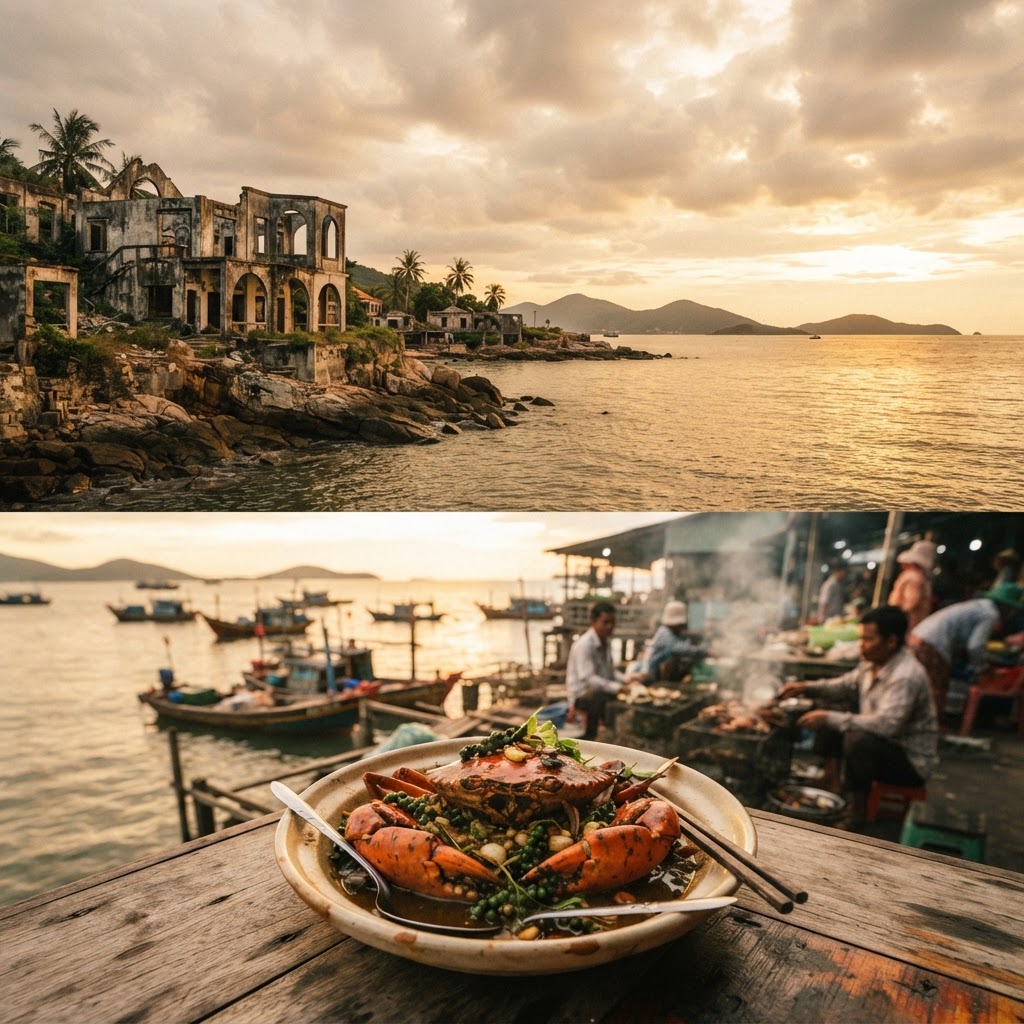
Salt air, ruined modernist villas, and green Kampot pepper crab.
Battambang, Cambodia
Cambodia
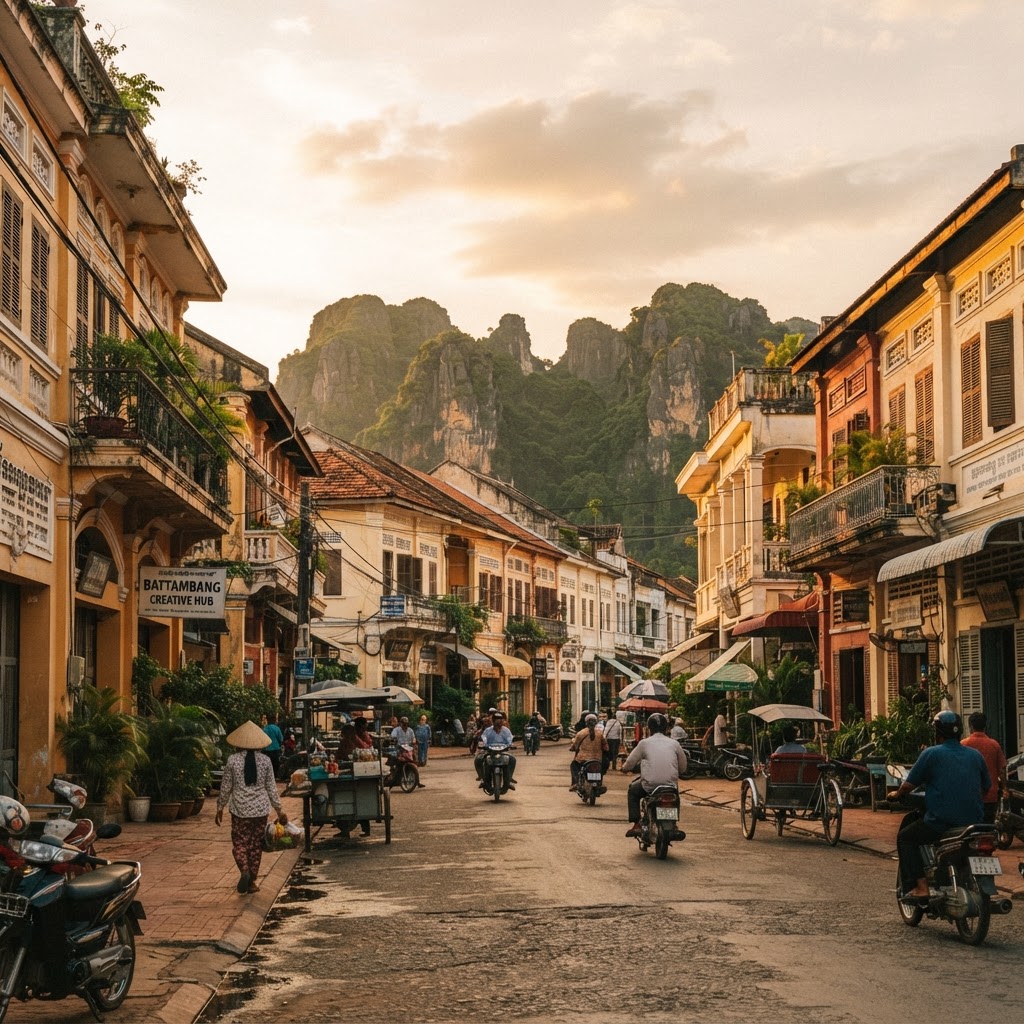
Cambodia's creative engine, lined with French colonial shophouses and rural limestone karst landscapes.
Kampot, Cambodia
Cambodia
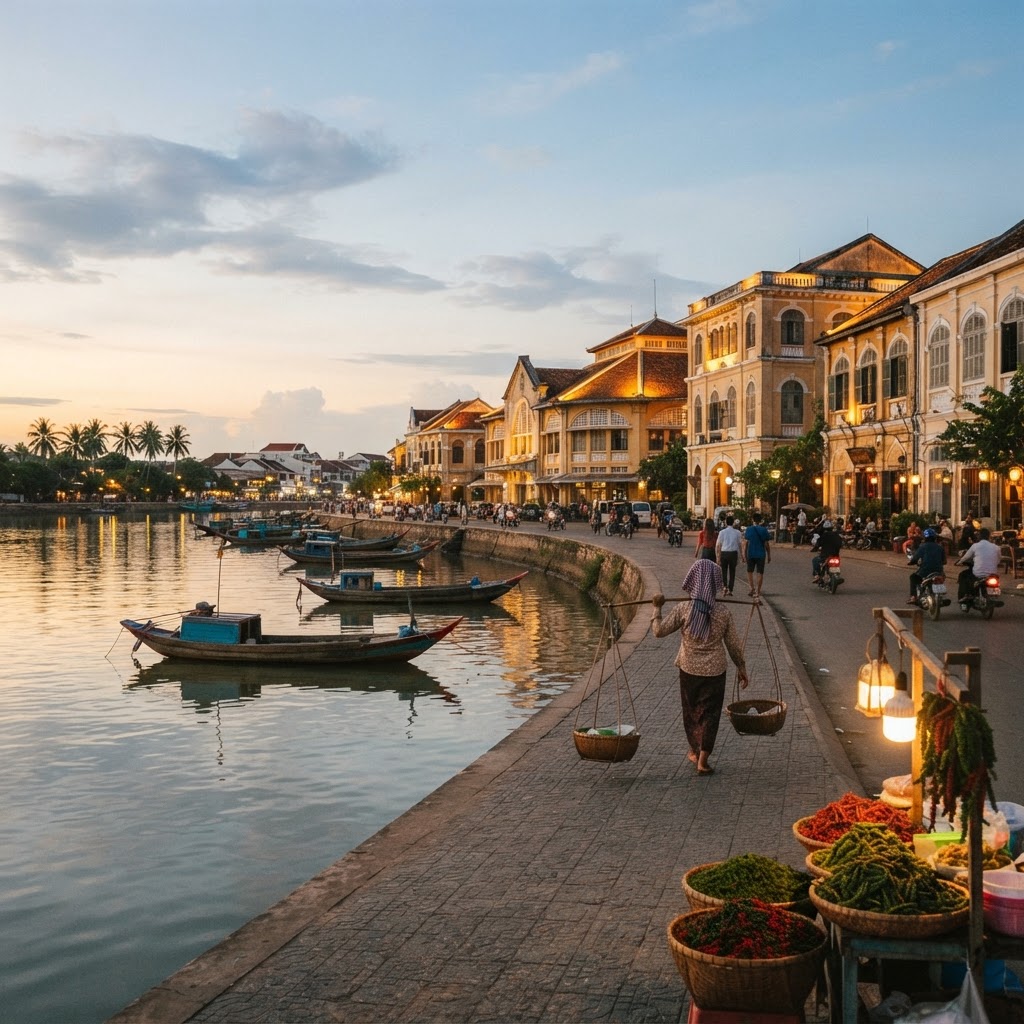
Unhurried French colonial architecture, fiery fresh peppercorns, and tranquil riverside evenings
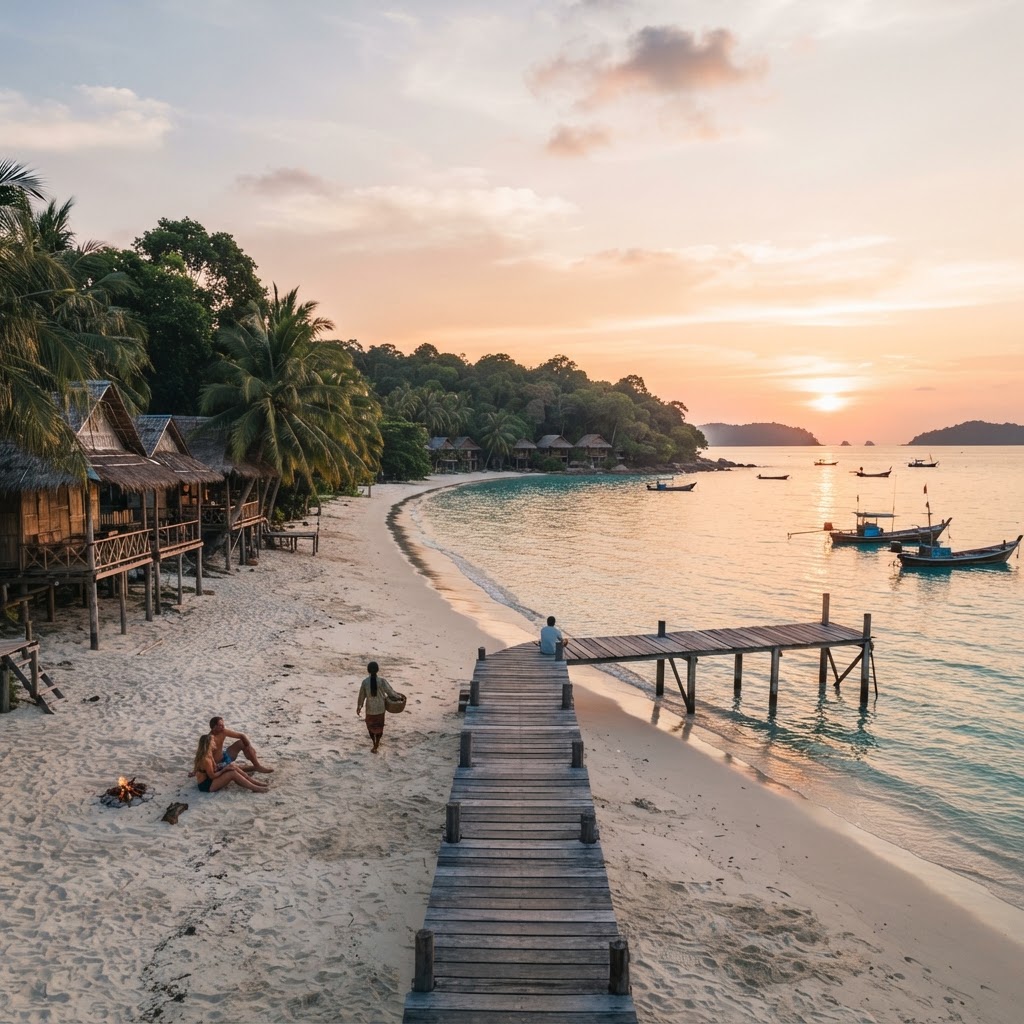
Koh Rong
Cambodia
Undeveloped white sand arcs, phosphorescent bays, and slow-paced Gulf of Thailand living.
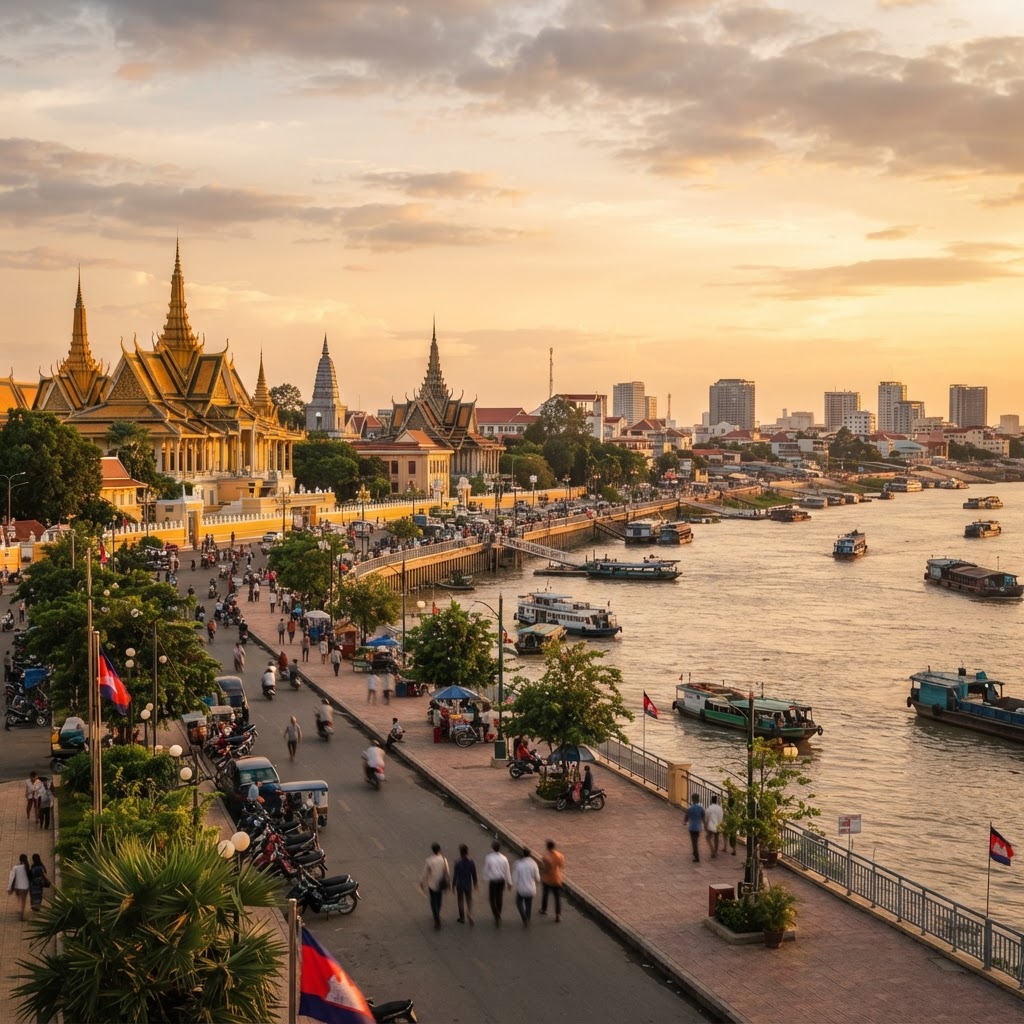
Phnom Penh
Cambodia
Raw history, buzzing riverfronts, and Cambodia's modern soul.
More in Southeast Asia
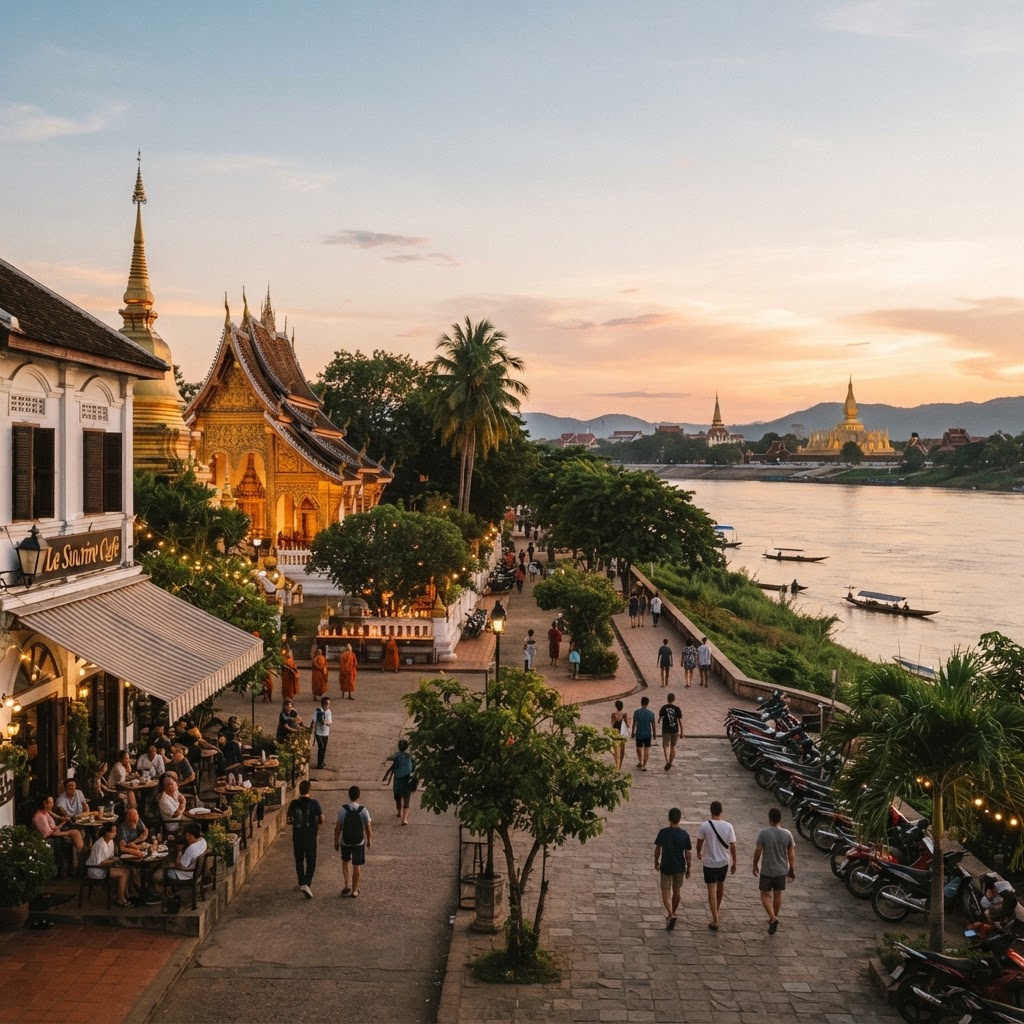
Vientiane, Laos
Laos
A slow-cadence riverfront capital defined by French café culture, quiet Theravada wats, and an unhurried urban pace.
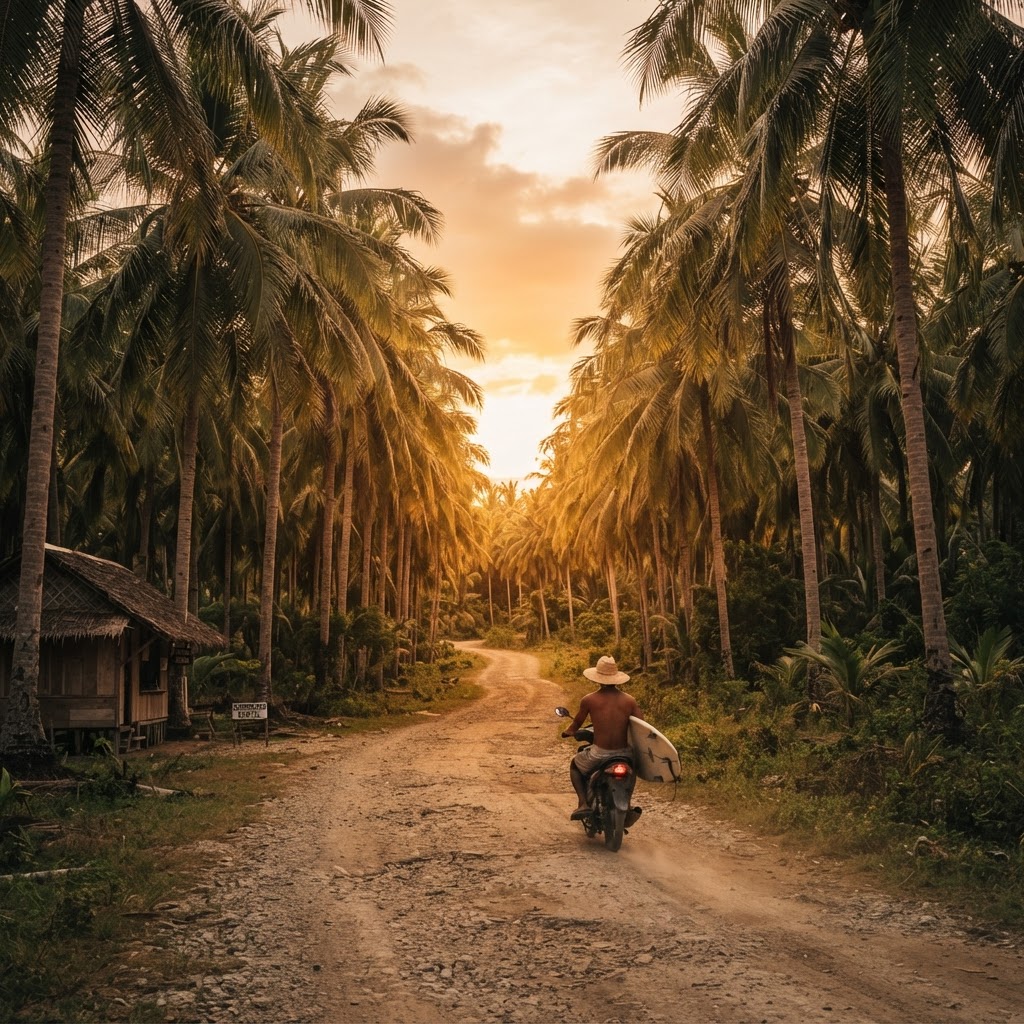
Siargao, Philippines
Philippines
World-class reef breaks, coconut-canopy backroads, and raw island pace
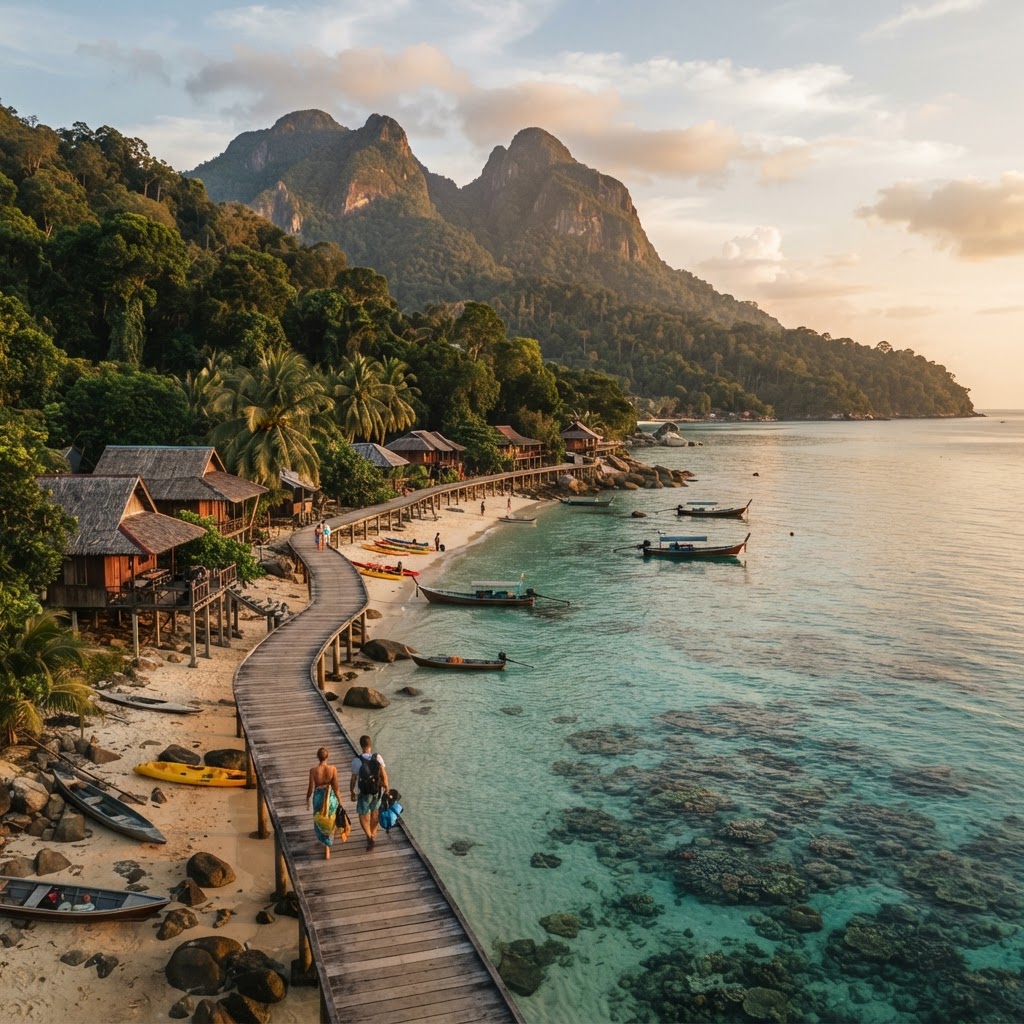
Tioman Island, Malaysia
Malaysia
Dense granite jungle meets protected coral reefs on a slow-paced, roadless island escape.
Readymade itineraries
Start from a tested template — then make it yours.
Ready to book
Lock in your Siem Reap & Angkor trip
Everything in one place. We may earn a small commission — it never costs you more.
Plan a trip to Siem Reap & Angkor
Pick a length and we'll build a day-by-day plan around how you travel — neighborhoods clustered, budget-aware, and editable.
Get better at planning trips like this
Occasional notes on planning smarter — no spam, unsubscribe anytime.
Plan a trip to Siem Reap & Angkor
Turn this guide into a day-by-day plan built around your pace, your group, and your budget.
Build my Siem Reap & Angkor trip