Cambodia
Kep
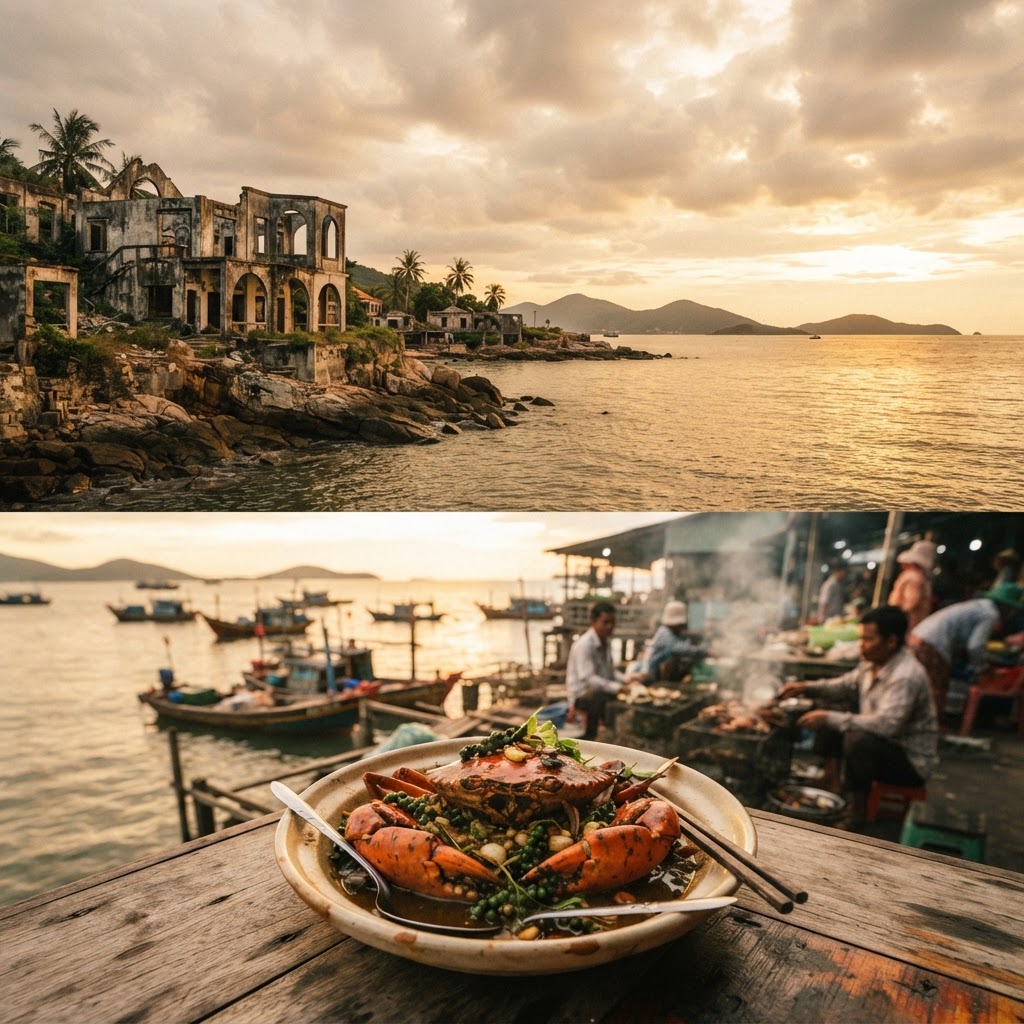
Salt air, ruined modernist villas, and green Kampot pepper crab.
Plan & book
Sort your Kep trip in one place.
We point you to the booking tools we'd actually use — live prices, no markup. Or let us build the day-by-day plan around you first, then book.
Kep is Cambodia’s sleepy coastal counterweight to the frantic tempo of Phnom Penh and Siem Reap. Once the glamorous playground of the French colonial elite and the 1960s Golden Age jet set under King Sihanouk, it was largely abandoned during the Khmer Rouge era. Today, modernist villas sit overgrown with bougainvillea against the slopes of Kep National Park, while fishermen haul blue swimmer crabs directly from the Gulf of Thailand into open-air waterfront kitchens.
2 to 3 days
Best time
November to February for crisp coastal breezes, calm seas, and dry jungle trails.
Build your own trip with these prebuilt itineraries
Each one is a tested, day-by-day plan for Kep — start here, then make it yours.
3 Days of Coastal Trails & Island Retreat in Kep
Active nature and relaxation pairing Kep National Park jungle hikes with a rustic island day trip to Koh Tonsay
1 Day Gastronomy & Countryside Tasting in Kep
Culinary deep-dive featuring Kampot pepper plantations, local salt fields, and freshly caught blue crab prepared waterside
2 Days of Seafood & Coastal Charm in Kep
First-time coastal escape highlighting the morning crab market, sunset boardwalk dining, and French colonial-era modernist ruins
Go for one of Southeast Asia's greatest food combinations: sweet blue swimmer crab wok-tossed with fresh bunches of aromatic, fiery green Kampot peppercorns right at the water's edge. Beyond the Crab Market, Kep is compelling for its ghost-town elegance, where modernist 1960s architecture meets coastal jungle trails, offering an unhurried, low-rise atmosphere absent from the commercialized resort strips elsewhere in the region.
Where to stay
Getting there
Getting around
Food & drink
What it costs
Things to do
Book tours & tickets in KepSkip it if
Skip Kep if you require energetic nightlife, walkable urban variety, or expansive, powdery tropical beaches. Travelers wanting cafes, lively bars, and active backpacker socializing should base in nearby Kampot instead and treat Kep as a day trip.
When to go
Peak months deliver clear waters for Koh Tonsay crossings and pleasant temperatures for hiking Kep National Park, but hotels fill up around weekends and holidays. The shoulder months offer cheaper rooms and sensational pepper harvests, traded against fierce afternoon heat.
Peak (November–February)
Coolest temperatures, little rain, and calm waters ideal for boat transfers to Koh Tonsay. Expect weekend crowds of Phnom Penh weekenders at the Crab Market.
Shoulder (March–May)
Rising heat and humidity topping 35°C, but excellent for visiting pepper plantations during harvest season before the monsoons hit.
Low (June–October)
Frequent afternoon downpours, rougher boat trips, and occasional murky runoff in the sea, counterbalanced by vibrant jungle greenery and deeply discounted boutique villas.
Neighborhoods
Where you stay shapes the trip. Here's how to think about it.
Crab Market (Phsar Kdam) Waterfront
Raucous, salt-crusted working waterfront lined with wooden piers, open-air seafood shacks, and smoking charcoal grills.
Best for:Seafood enthusiasts, street photographers, and casual sunset dining
Don't miss:Ordering steamed blue swimmer crabs wok-tossed with fresh green Kampot peppercorns at Kimly or Holy Crab directly over the water.
Kep Beach Promenade
Breezy seaside curve fronted by casuarina trees, local picnic mats, and mid-century seaside statuary.
Best for:First-timers wanting walkable swimming access, easy street snacks, and relaxed ocean strolls
Don't miss:The iconic white Giant Crab statue (Sla Ket) and buying grilled squid with lime-chili dipping sauce from roadside cart vendors.
Kep National Park Foothills
Lush jungle canopy, whispering cicadas, and secluded boutique eco-lodges overlooking the Gulf of Thailand.
Best for:Couples, quiet-seekers, and hikers wanting panoramic sea views away from seaside dust
Don't miss:Stopping for an iced Khmer coffee or cold draft beer at Led Zep Cafe along the park's main circuit trail.
Villa Ruin Corridor (Preah Haong Reach & Road 33A)
Haunting, sun-bleached residential backstreets scattered with overgrown New Khmer Architecture ruins from the 1950s and 60s.
Best for:History buffs, architecture lovers, and travelers exploring on bicycles or scooters
Don't miss:Viewing the decaying, modernist facade of the former King Sihanouk Palace jutting out over the coast.
Koh Tonsay (Rabbit Island)
Off-grid, rustic island time with coconut palms, open-air hammock shacks, and generator-powered electricity.
Best for:Day-trippers looking to unplug, swim in shallow warm water, and disconnect from digital life
Don't miss:The 25-minute longtail wooden boat ride from Kep Pier out to the golden sand main bay.
Destination intelligence
Updated 9/14/2026The structured record we plan every Kep itinerary from.
Walkability
Moderate within specific pockets like the Crab Market row or the beachfront, but overall low between districts due to spread-out coastal geography.
Transit quality
Limited. There is no scheduled municipal bus or train inside town; local travel depends entirely on tuk-tuks, bicycles, and scooters.
Car needed
No. Taxis are recommended for regional arrivals from Phnom Penh, but around Kep a rented scooter or on-demand tuk-tuk is ideal.
Ideal duration
2 to 3 days
Minimum useful
1 day (or a day trip from Kampot)
Peak season
November to February: cool, dry weather, calm coastal waters, and comfortable hiking conditions in the national park.
Shoulder season
March to May: rising heat and humidity, excellent for mango and pepper harvests, followed by occasional afternoon showers.
Low season
June to October: monsoon rains, rougher sea crossings to Koh Tonsay, and murky water, offset by lush green scenery and empty hotels.
Best for
Common mistakes
- Expecting broad, pristine white sand beaches; Kep Beach is compact and sand is trucked in, meaning the real charm lies in seafood and jungle hikes, not extensive swimming resorts.
- Visiting the Crab Market late in the evening when the fresh haul has been picked over and vendor activity winds down; arrive mid-morning or at sunset.
- Walking between districts on unlit backroads after dark, where loose village dogs can be territorial; use a tuk-tuk for nighttime dinner runs.
- Treating Kep as merely an hour-long stopover rather than staying for a lazy sunset dinner over the water.
Best nearby
See what a trip to Cambodia actually costs. Travel Budget Co.
How to plan it
- Arrive on the Royal Railway southern line from Phnom Penh for a leisurely, rural journey into Kep station rather than dealing with highway minivan traffic.
- Base yourself along the national park hillside if you want upscale boutique serenity; stay near Kep Beach if you want morning ocean walks on foot.
- Pair a morning hike around the 8-kilometer Kep National Park circuit trail with a late-afternoon feast at the waterfront Crab Market when fishing boats return.
- Never attempt Koh Tonsay during heavy monsoon swells—keep the island trip strictly to calm morning weather windows between November and April.
- Dedicate a half-day detour to an organic pepper plantation in neighboring Damnak Chang'aeur before settling in for sunset seafood.
Questions
More in Cambodia
Battambang, Cambodia
Cambodia
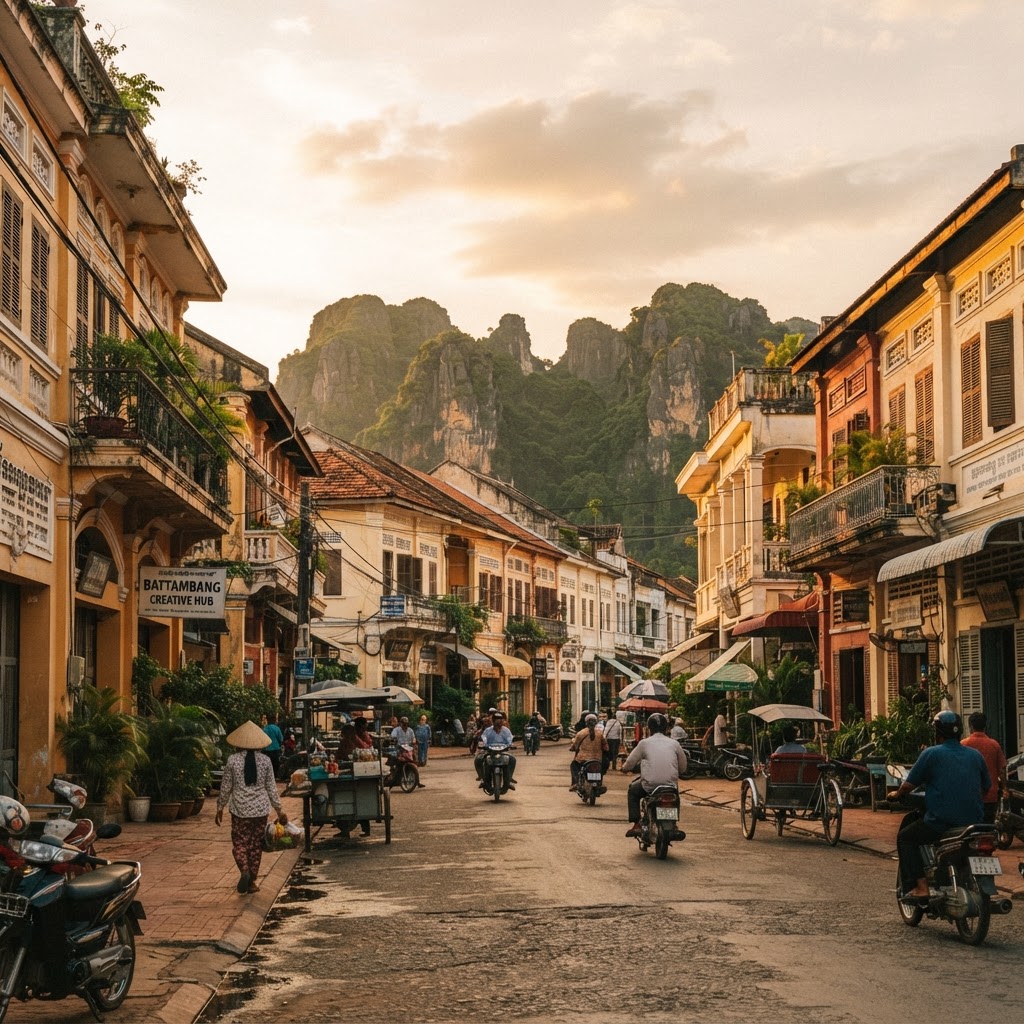
Cambodia's creative engine, lined with French colonial shophouses and rural limestone karst landscapes.
Kampot, Cambodia
Cambodia
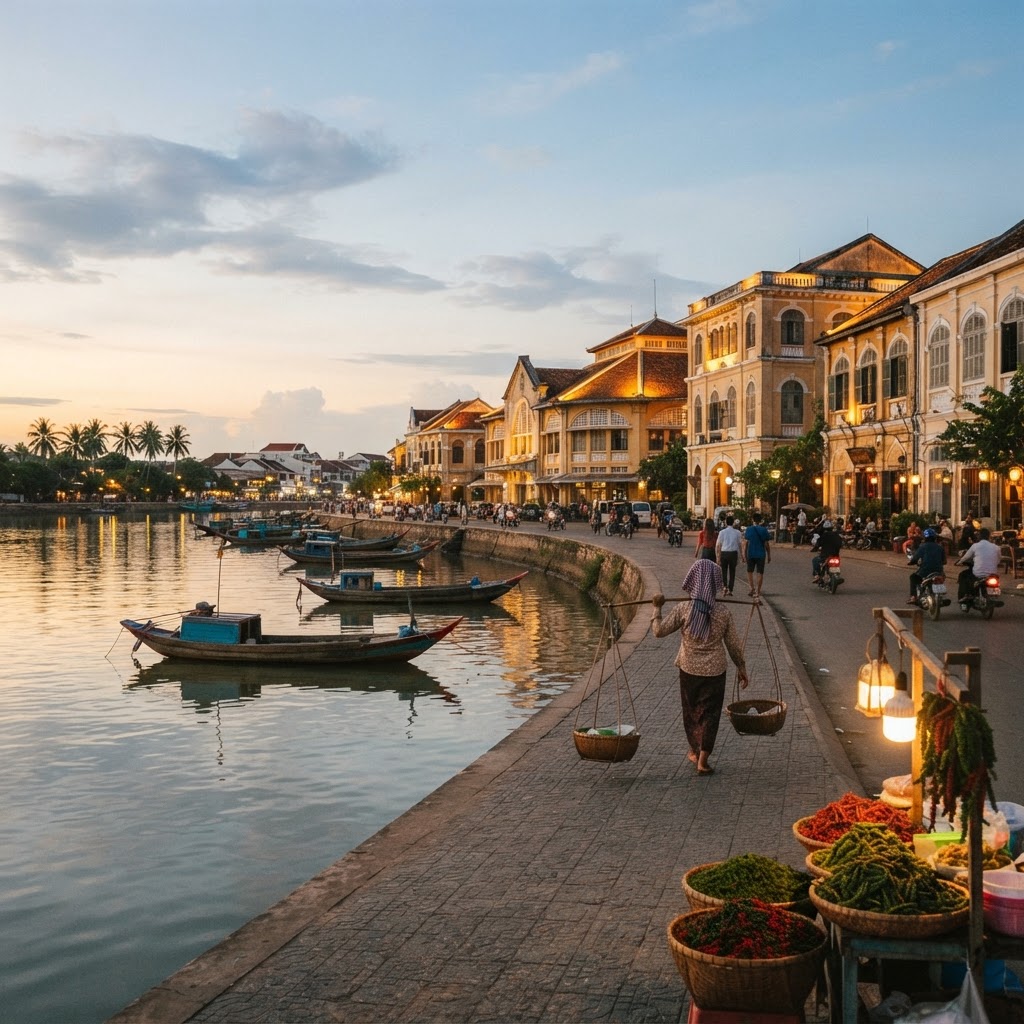
Unhurried French colonial architecture, fiery fresh peppercorns, and tranquil riverside evenings
Koh Rong
Cambodia
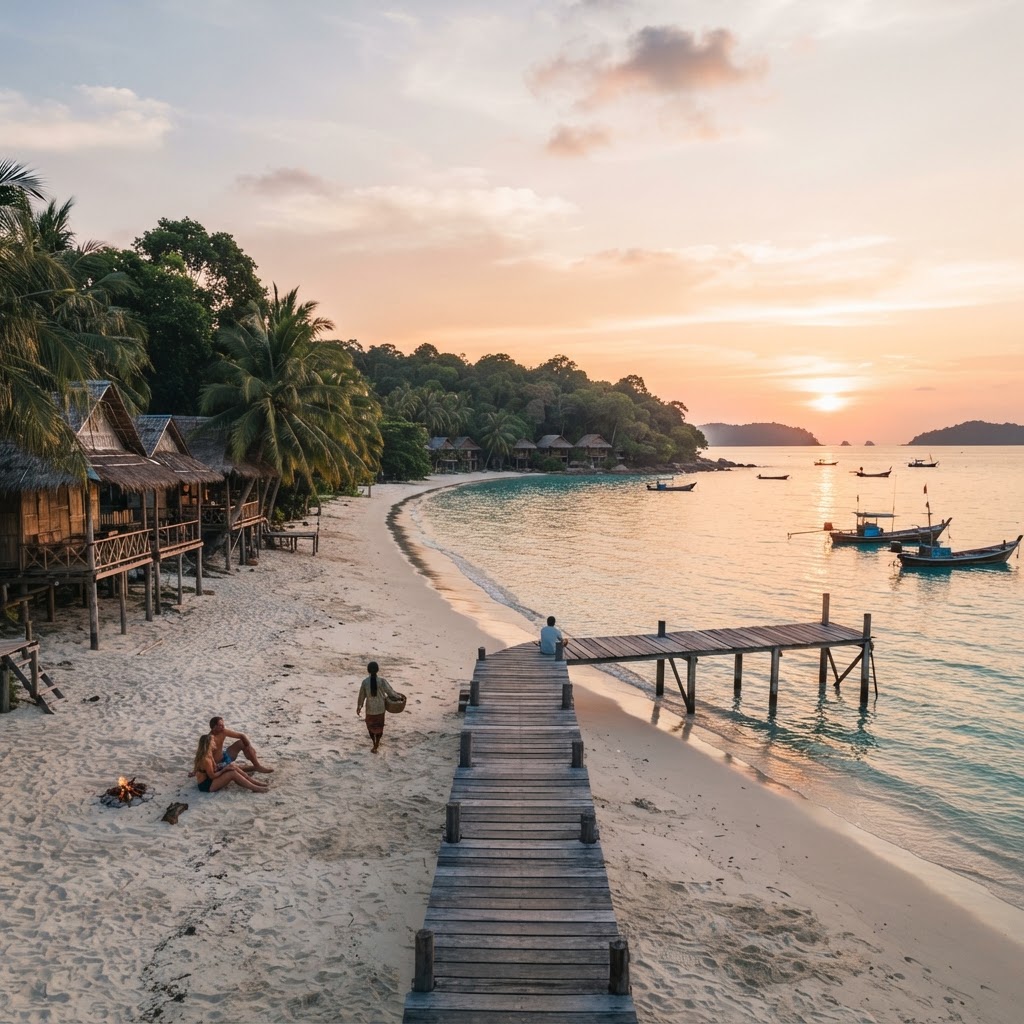
Undeveloped white sand arcs, phosphorescent bays, and slow-paced Gulf of Thailand living.
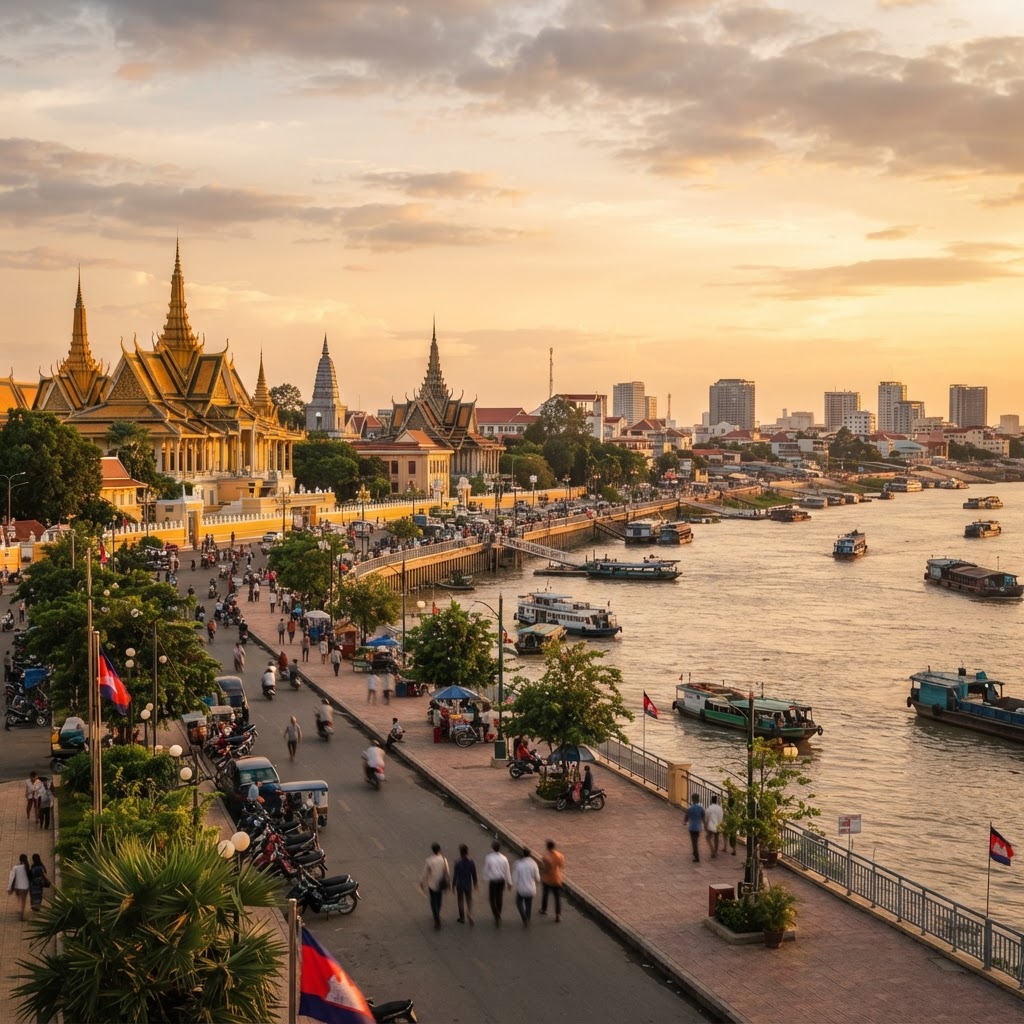
Phnom Penh
Cambodia
Raw history, buzzing riverfronts, and Cambodia's modern soul.
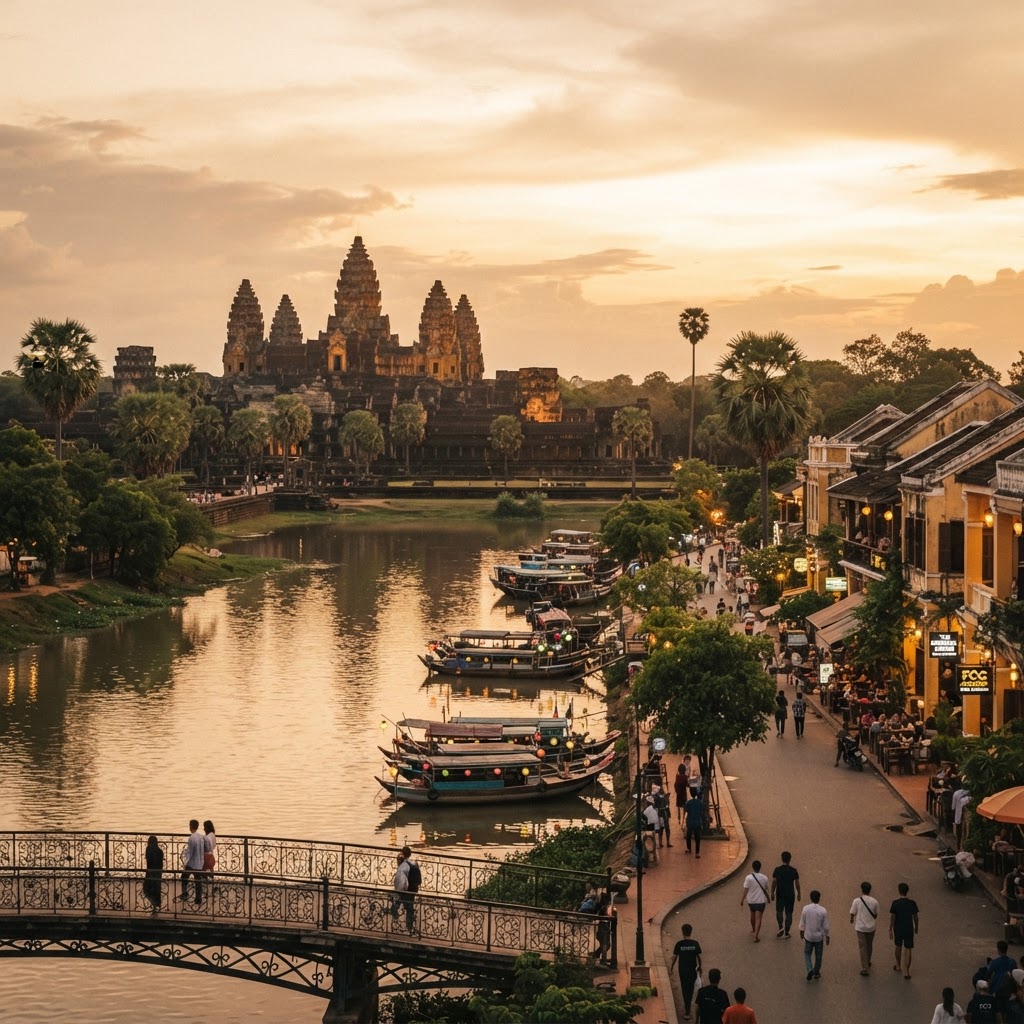
Siem Reap & Angkor
Cambodia
Monumental medieval stone temples anchored by an intimate, creative river town
Readymade itineraries
Start from a tested template — then make it yours.
Ready to book
Lock in your Kep trip
Everything in one place. We may earn a small commission — it never costs you more.
Plan a trip to Kep
Pick a length and we'll build a day-by-day plan around how you travel — neighborhoods clustered, budget-aware, and editable.
Get better at planning trips like this
Occasional notes on planning smarter — no spam, unsubscribe anytime.
Plan a trip to Kep
Turn this guide into a day-by-day plan built around your pace, your group, and your budget.
Build my Kep trip