Spain
Málaga
Andalusia’s coastal cultural capital, trading resort clichés for art museums and espetos.
Plan & book
Sort your Málaga trip in one place.
We point you to the booking tools we'd actually use — live prices, no markup. Or let us build the day-by-day plan around you first, then book.
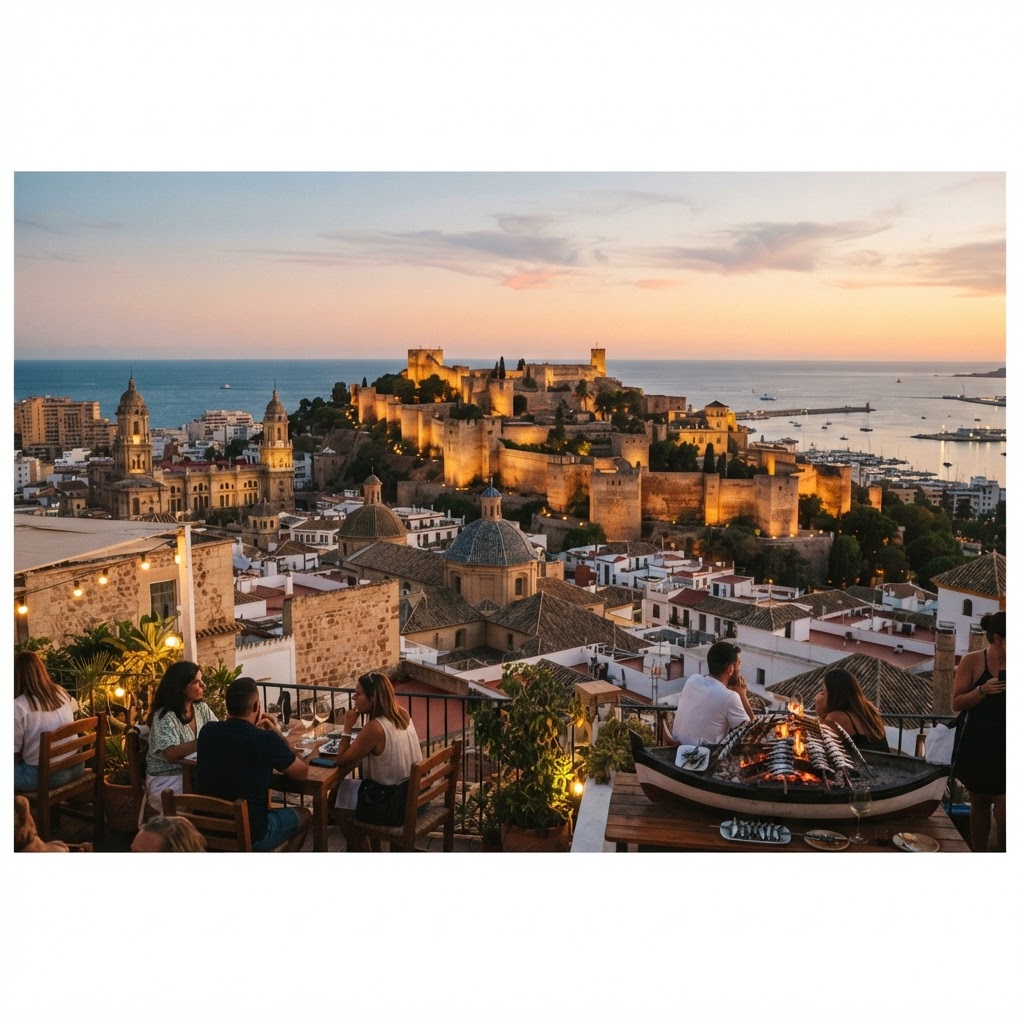
Long misjudged as merely an airport transit hub for the Costa del Sol, Málaga has engineered one of southern Europe's sharpest cultural transformations. Anchored by the 11th-century Moorish Alcazaba fortress and the unfinished Renaissance cathedral known as La Manquita, the city now boasts over thirty cultural institutions, including Centre Pompidou Málaga and Museo Picasso. With a pedestrianized marble old town, thriving seafront promenade along Muelle Uno, and working-class fishing traditions still alive in Pedregalejo, Málaga offers genuine Andalusian life without the inland summer furnace of Seville or Córdoba.
3 days
Best time
May to June or late September to mid-October for ideal sea swimming, breezy evenings, and unhindered sightseeing.
Build your own trip with these prebuilt itineraries
Each one is a tested, day-by-day plan for Málaga — start here, then make it yours.
5 Days: Seafood, Villages & Andalusian Day Trips in Málaga
A slower-paced deep dive pairing Málaga's culinary and beach scenes with inland day excursions to whitewashed mountain villages and dramatic gorges.
3 Days: The Complete Culture & Coastal Classic in Málaga
The definitive Málaga experience balancing Centro Histórico fortresses, vibrant Soho street art, market tapas, and relaxed seaside espetos in Pedregalejo.
2 Days: Art, History & Rooftops in Málaga
A fast-paced urban highlights escape focusing on walkable historic landmarks, Picasso and Pompidou art museums, and sunset harbor views without needing a car.
Málaga is the rare Mediterranean port that seamlessly marries genuine Moorish and Phoenician heritage with a heavyweight modern museum roster and easy beach access. Travelers come here to explore defensive fortress walls in the morning, browse 20th-century art collections at midday, and spend the evening eating flame-roasted sardines directly off beachfront fishing boats, all within walking distance or a short commuter rail hop.
Where to stay
Getting there
Getting around
Food & drink
What it costs
Things to do
Book tours & tickets in MálagaSkip it if
Skip staying in Málaga if your Andalusian priority is isolated white-village tranquility, as the city center is energetic and busy. Skip it also if you want Caribbean-style turquoise waters, because urban beaches like Malagueta feature coarser dark volcanic sand.
When to go
Spring and early autumn offer sunny daytime temperatures between 21°C and 27°C (70°F–80°F), allowing you to explore the Alcazaba ramps and lounge at the beach without the oppressive heat of midsummer. Accommodation prices are significantly lower and central streets remain calm outside the chaotic festival weeks.
Peak (July–August, Semana Santa, Feria de Málaga)
Expect dense crowds, sweltering temperatures above 32°C (90°F), and lodging price spikes of 50–100%. Visit now only if you are explicitly traveling for the August fair or Holy Week processions.
Shoulder (April–June & September–October)
The sweet spot. Perfect walking weather, warm Mediterranean waters for swimming, operational seasonal chiringuitos, and manageable lines at Picasso and Pompidou museums.
Low (November–February)
Crisp, sunny days averaging 16°C–18°C (61°F–64°F) make this continental Europe's most dependable winter refuge; ocean swimming is off-limits, but cultural sightseeing is completely uncrowded.
Neighborhoods
Where you stay shapes the trip. Here's how to think about it.
Centro Histórico
Marble-paved, pedestrianized alleys crowded with open-air taperías, buskers, and centuries of overlapping Moorish and Renaissance architecture.
Best for:First-time visitors, short 48-to-72-hour stays, and culture buffs prioritizing door-to-door walkability.
Don't miss:The climb to the Alcazaba fortress gates followed by sweet fortified Moscatel wine straight from the wooden cask at Antigua Casa de Guardia on Alameda Principal.
Soho (El Barrio de las Artes)
An edgy grid of monumental street murals, boutique roasteries, craft taprooms, and converted warehouse spaces nestled between Alameda Principal and the port.
Best for:Independent travelers, remote workers, and creative urbanites seeking quiet evenings just five minutes from the main thoroughfares.
Don't miss:The large-scale public murals by Obey (Shepard Fairey) and D*Face framing the dry Guadalmedina riverbed behind Centro de Arte Contemporáneo (CAC).
La Malagueta
Salty sea breezes, high-rise residential apartment blocks, palm-lined promenades, and traditional beachfront chiringuitos frying fish over olive-wood embers.
Best for:Beach lovers, swimmers, and families wanting a relaxed coastal perimeter within a flat 15-minute walk of the historic core.
Don't miss:Skewered sardines (espetos de sardinas) roasted over sand-filled wooden boat barbecues right on the sand at Chiringuito Tropicana.
Pedregalejo & El Palo
A sun-bleached, low-rise former fishing barrio with a vintage promenade, colorful cottage facades, and locals lingering over long seafood lunches.
Best for:Slow travelers, authentic seafood purveyors, and anyone keen to dodge international tour crowds.
Don't miss:A plate of crisp chanquetes and fried anchovies at a waterfront table along Paseo Marítimo El Pedregal, easily reached via the EMT #3 or #11 bus.
La Merced
A social, energetic square dominated by students, open-air cafe terraces, international expat wine bars, and late-night tapas crawls.
Best for:Solo travelers, foodies, night owls, and art lovers visiting Picasso's childhood orbit.
Don't miss:Picasso's birthplace at Museo Casa Natal, followed by gourmet cured cheeses and cured Iberian ham at Mercado de la Merced.
Destination intelligence
Updated 9/14/2026The structured record we plan every Málaga itinerary from.
Walkability
High. The Centro Histórico, Soho, and Muelle Uno waterfront are entirely flat and pedestrianized. You only encounter hills when climbing Mount Gibralfaro.
Transit quality
High. The Cercanías C1 train seamlessly links the airport to the city center, while EMT city buses make coastal neighborhoods like Pedregalejo quick and cheap to access.
Car needed
No. A car is an expensive liability in the center due to restricted traffic zones and steep parking fees. Only rent a vehicle when departing for inland mountain day trips.
Ideal duration
3 days
Minimum useful
2 days
Peak season
July and August, along with Semana Santa (Holy Week) and the August Feria de Málaga. Expect soaring accommodation rates, dense crowds, and temperatures exceeding 32°C (90°F).
Shoulder season
April to June and September to October. Temperatures hover between 21°C and 27°C (70°F–80°F), ideal for combining sightseeing, museum visits, and sea swimming without stifling heat.
Low season
November through February. Winter stays mild with highs around 16°C to 18°C (61°F–64°F) and low precipitation, making it one of the sunniest winter getaways in continental Europe.
Best for
Common mistakes
- Treating Málaga solely as an airport connection to Marbella or Torremolinos and skipping the city entirely.
- Renting a car to stay in the historic center, where streets are pedestrianized and underground parking garages run €25–€35 per day.
- Eating paella along Calle Larios instead of walking to the Mercado Central de Atarazanas or heading east to Pedregalejo for espetos.
- Underestimating the steep walk between the Alcazaba and Gibralfaro in the summer heat without taking bus 35 or packing water.
Best nearby
See what a trip to Spain actually costs. Travel Budget Co.
How to plan it
- Base yourself in Soho if you prefer a quieter neighborhood with independent cafes while still staying under a 7-minute walk to Calle Larios and the C1 airport train.
- Pair Málaga with Granada or Córdoba via the high-speed Avant/AVE trains rather than renting a car; both cities are reachable in 70 to 90 minutes from María Zambrano station.
- Don't try to cram the Alcazaba and the climb to Castillo de Gibralfaro into the midday heat; visit the lower fortress at 9:00 AM, take the #35 bus up to Gibralfaro in late afternoon, and walk down for sunset.
- Book the Caminito del Rey suspension footpath 4 to 6 weeks in advance if you want an inland adventure; daily slot allocations sell out rapidly year-round.
- Take a morning culinary run through Mercado Central de Atarazanas for fresh almonds, figs, and razor clams before 1:00 PM when fishmongers begin packing down.
Questions
More in Spain
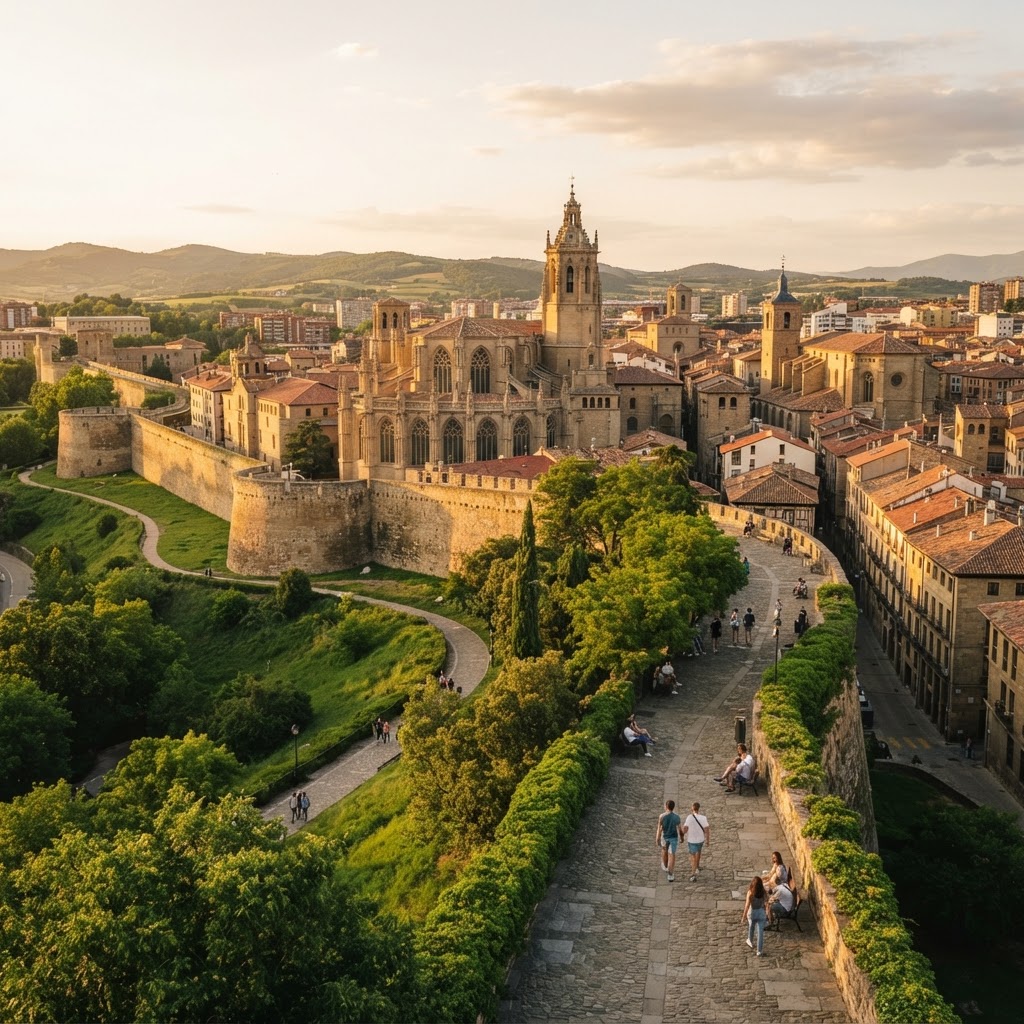
Pamplona, Spain
Spain
Beyond the bull run: a walkable fortress city of world-class pintxos, gothic cloisters, and verdant ramparts.
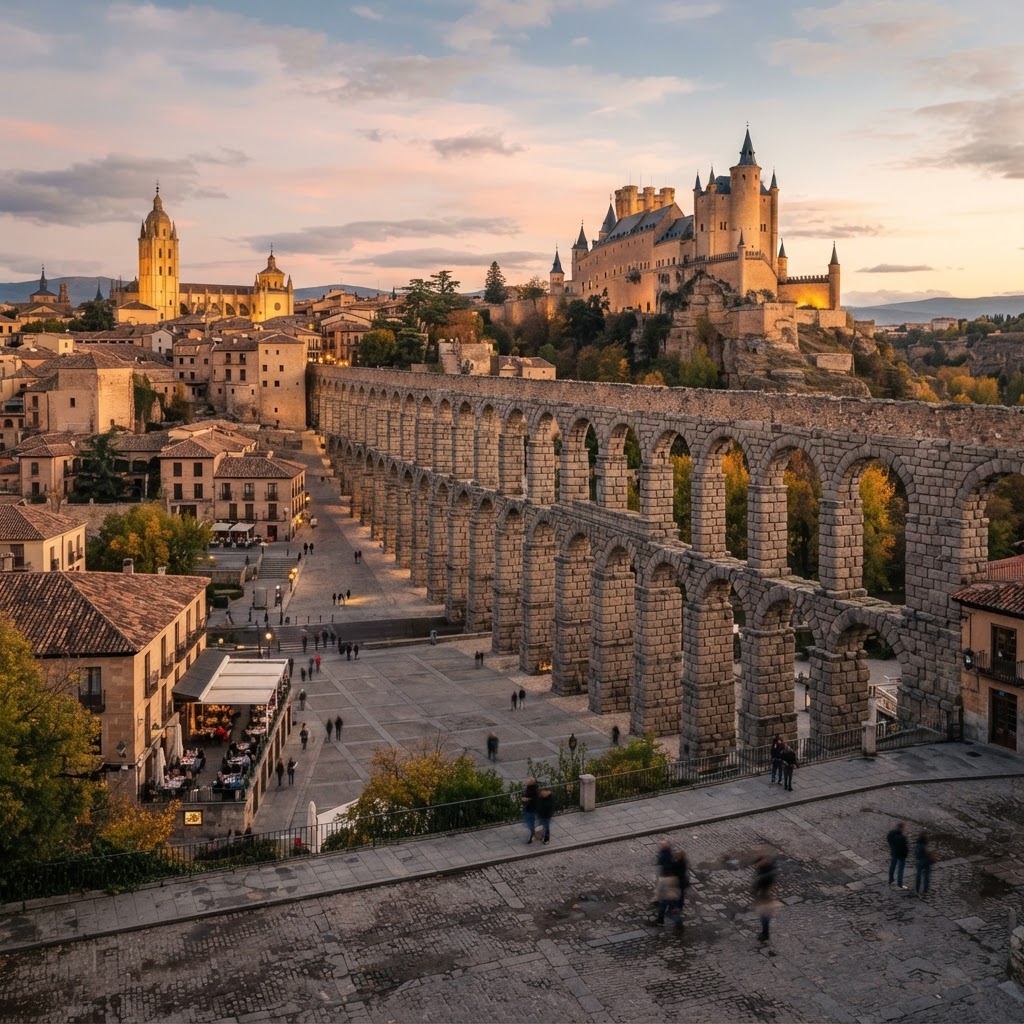
Segovia, Spain
Spain
Roman engineering, fairytale fortresses, and slow-roasted suckling pig just thirty minutes from Madrid
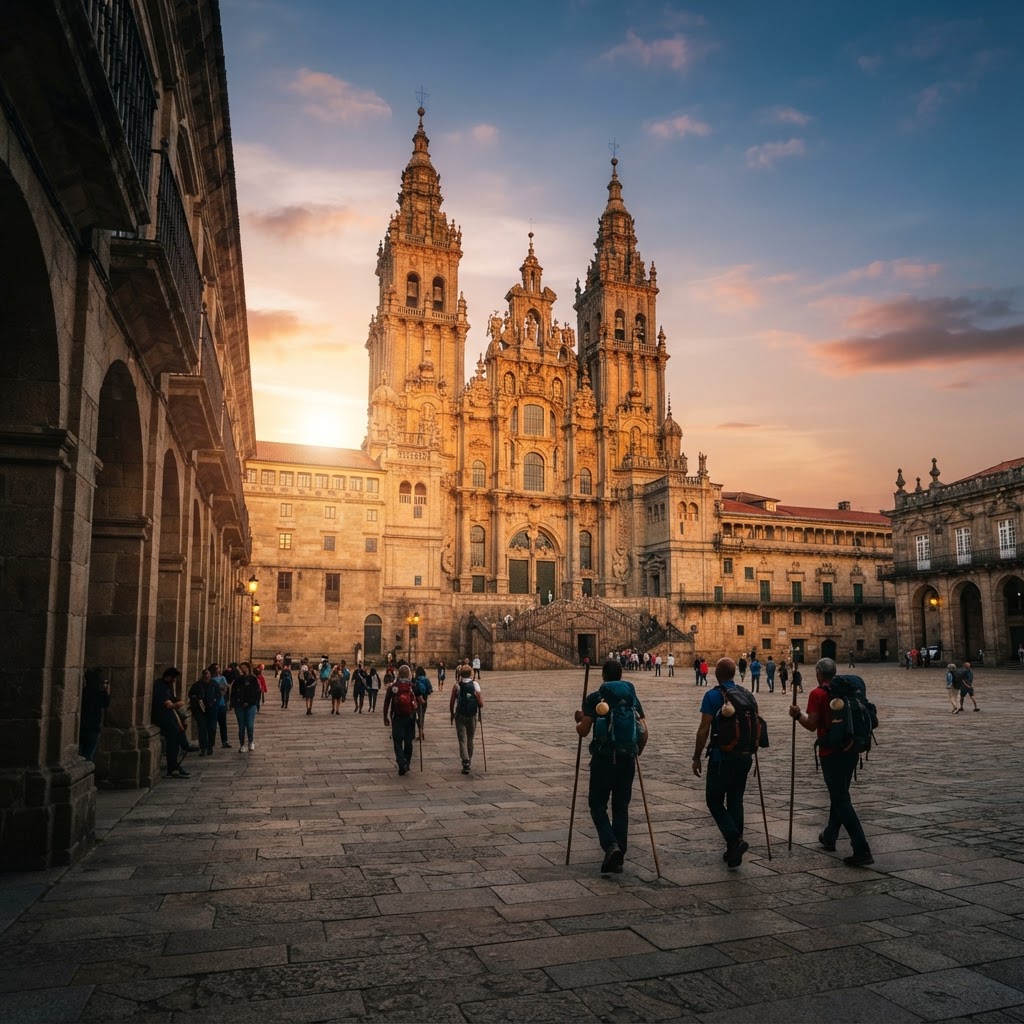
Santiago de Compostela, Galicia, Spain
Spain
Granite arcades, triumphant pilgrim squares, and Spain's most storied seafood capital.
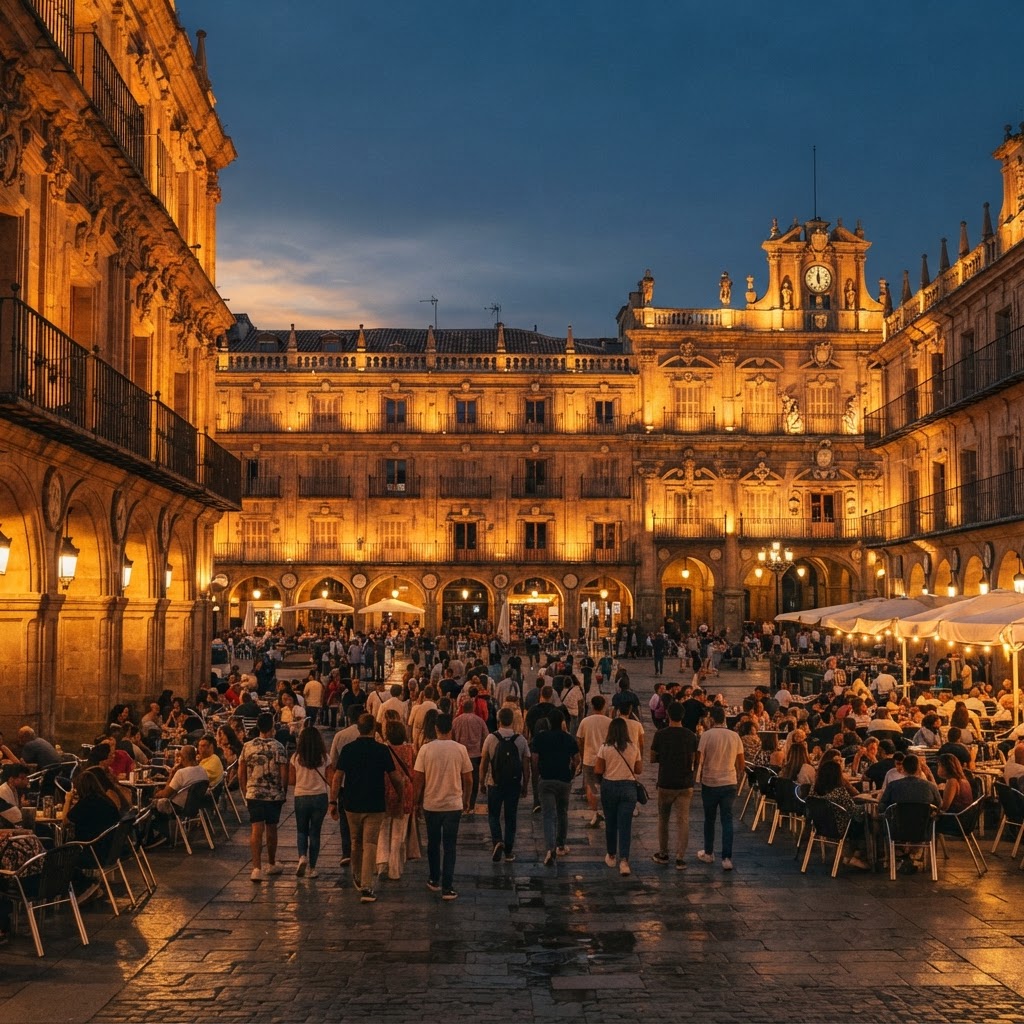
Salamanca
Spain
Spain's golden sandstone intellectual capital with an unrivaled late-night plaza culture.
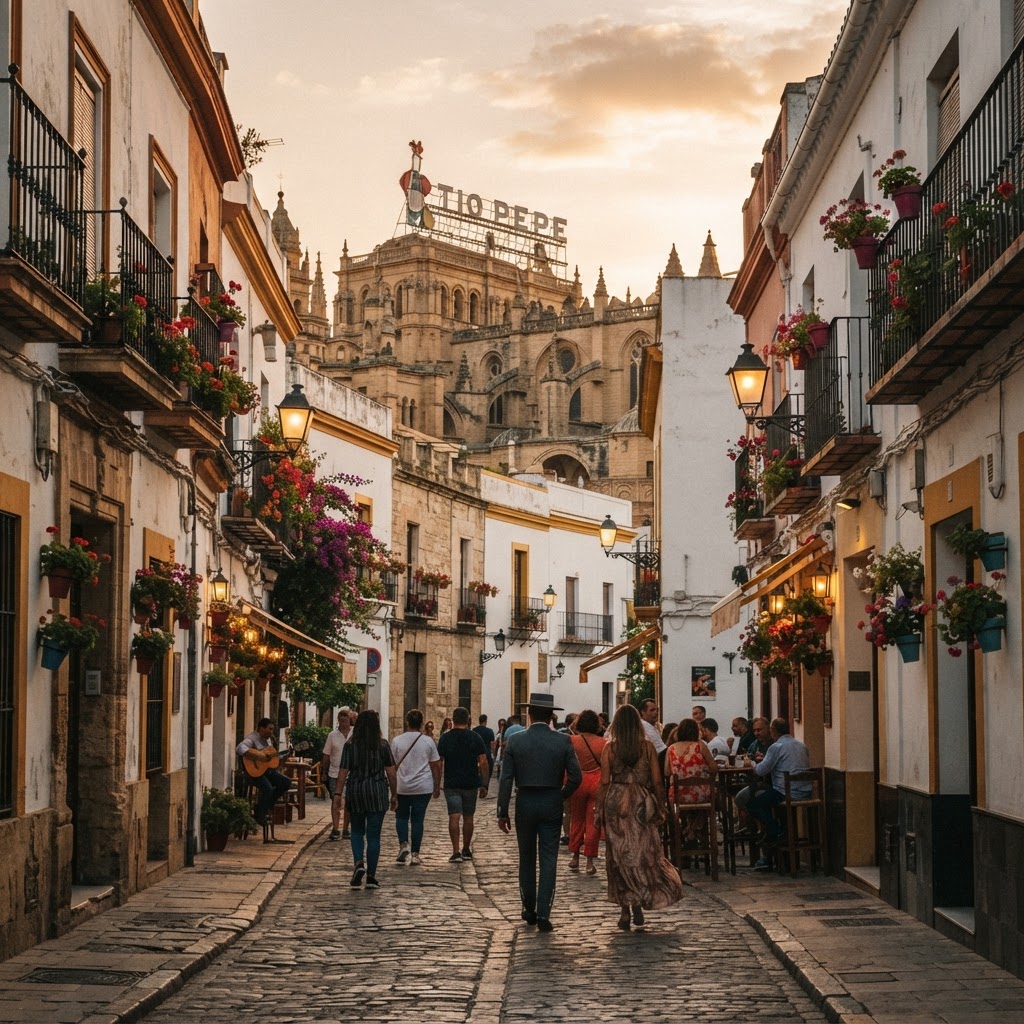
Jerez de la Frontera
Spain
The cradle of pure flamenco, cathedral-like sherry bodegas, and unfiltered Andalusian life.
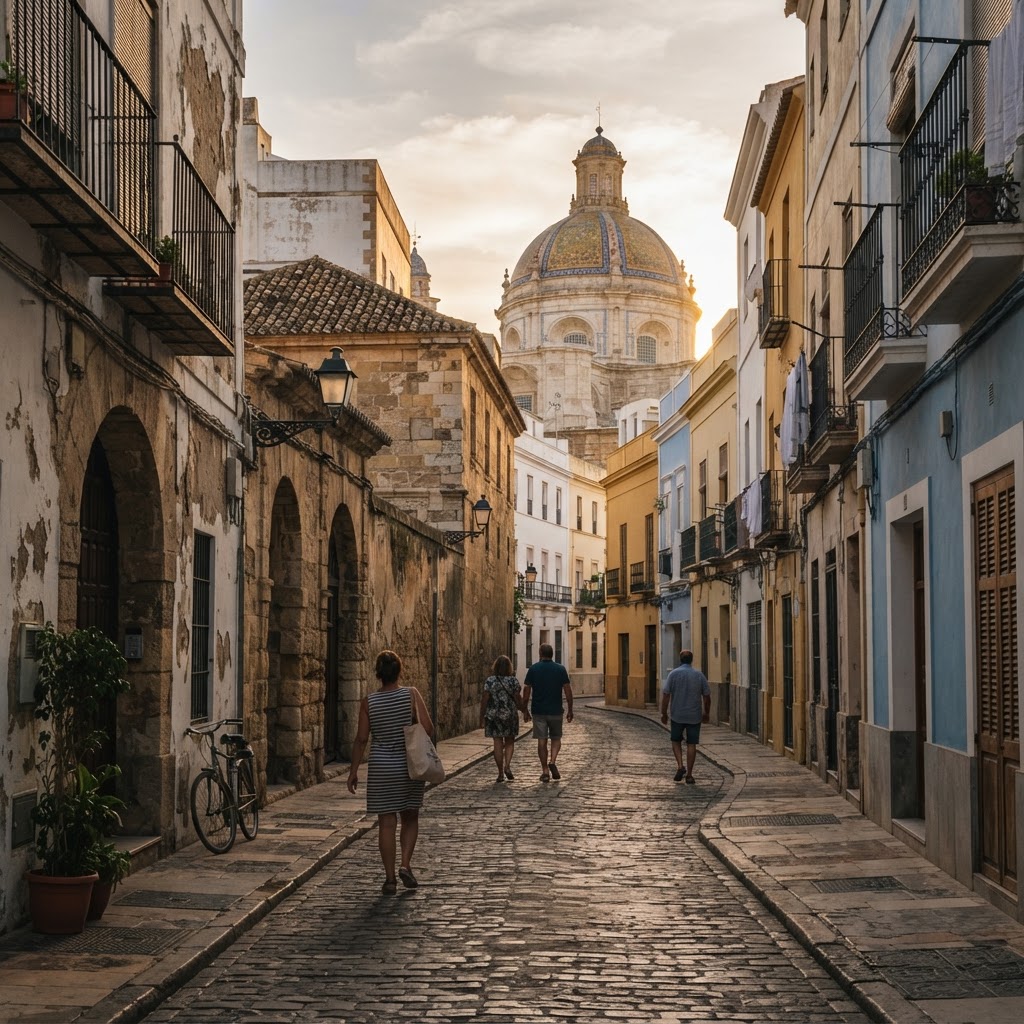
Cádiz
Spain
Europe’s oldest continuously inhabited port, stripped of pretension and wrapped in sea air
Readymade itineraries
Start from a tested template — then make it yours.
Ready to book
Lock in your Málaga trip
Everything in one place. We may earn a small commission — it never costs you more.
Plan a trip to Málaga
Pick a length and we'll build a day-by-day plan around how you travel — neighborhoods clustered, budget-aware, and editable.
Get better at planning trips like this
Occasional notes on planning smarter — no spam, unsubscribe anytime.
Plan a trip to Málaga
Turn this guide into a day-by-day plan built around your pace, your group, and your budget.
Build my Málaga trip