
Canada
Gros Morne National Park, Newfoundland, Canada
Exposed Earth mantle, glacial fjords, and rugged coastal outports without Rocky Mountain crowds.
Plan & book
Sort your Gros Morne National Park, Newfoundland, Canada trip in one place.
We point you to the booking tools we'd actually use — live prices, no markup. Or let us build the day-by-day plan around you first, then book.
Gros Morne National Park is a UNESCO World Heritage expanse on western Newfoundland's rugged coast where continental drift collided, thrusting the Earth's toxic, rust-orange mantle directly onto the surface. Far removed from the congested tour-bus corridors of the Canadian Rockies, Gros Morne matches alpine grandeur with sheer-walled glacial fjords, wind-sheared spruce tuckamore, and living coastal outport communities like Woody Point, Norris Point, and Rocky Harbour.
5 to 6 days
Build your own trip with these prebuilt itineraries
Each one is a tested, day-by-day plan for Gros Morne National Park, Newfoundland, Canada — start here, then make it yours.
To stand in one of the rarest geological phenomena on Earth—the sterile peridotite expanse of the Tablelands—and navigate the towering billion-year-old cliff faces of Western Brook Pond. Gros Morne delivers remote, serious wilderness combined with genuine Newfoundland maritime culture, fresh seafood, and empty trails that offer genuine isolation.
Where to stay
Getting there
Getting around
Food & drink
What it costs
Skip it if
Skip Gros Morne if you cannot drive a car, require luxury five-star resort amenities, expect bustling urban nightlife, or become frustrated by frequent weather-induced cancellations and raw North Atlantic fog.
Destination intelligence
Updated 9/13/2026The structured record we plan every Gros Morne National Park, Newfoundland, Canada itinerary from.
Walkability
Low. While towns like Woody Point and Rocky Harbour have small, walkable harbor centers, park trailheads, viewpoints, and docks are separated by tens of kilometers along high-speed secondary highways.
Transit quality
None. There is no municipal or regional public bus system operating within the park boundaries.
Car needed
Yes. A rental car or personal vehicle is essential to reach trailheads, restaurants, accommodations, and visitor centers.
Ideal duration
5 to 6 days
Minimum useful
3 days
Peak season
July to August: warmest days (16°C to 22°C), all seasonal boat tours, restaurants, and trails fully open, but highest accommodation and car rental rates.
Shoulder season
September to early October (dramatic fall foliage, fewer crowds, crisp weather, active wildlife) and June (icebergs lingering off the northern coast, lower crowds, though Gros Morne summit trail remains closed until late June for caribou calving and ptarmigan nesting).
Low season
November through May: freezing temperatures, heavy snowpack, seasonal accommodations and restaurants shuttered, boat tours suspended.
Best for
Common mistakes
- Underestimating the driving distance around Bonne Bay: Driving from Woody Point (South) to Rocky Harbour (North) takes an hour by car because there is no vehicle bridge across the fjord.
- Failing to book rental cars months ahead: Western Newfoundland experiences extreme vehicle rental shortages between late June and August.
- Not bringing heavy-duty windproof and waterproof layers: Coastal weather changes radically within an hour; clear skies at sea level frequently mask freezing gales and dense fog on the Gros Morne summit.
- Skipping Western Brook Pond boat bookings: Tour tickets frequently sell out days in advance in peak July and August, leaving stranded hikers unable to view the inner gorge.
Best nearby
More in Canada

Cape Breton Island, Nova Scotia
Canada
Sea-sculpted highlands, living Celtic fiddling traditions, and wild Atlantic drama.
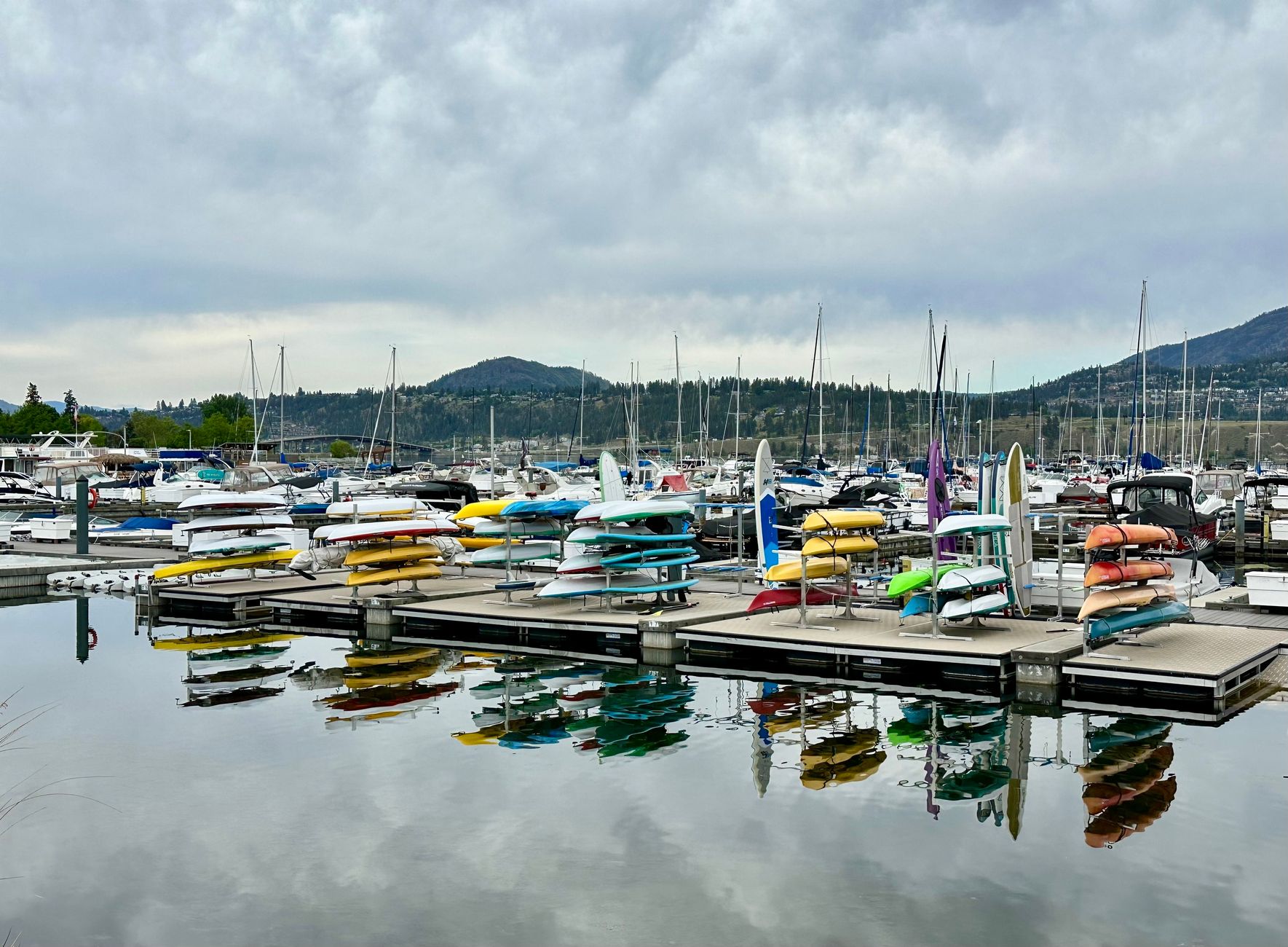
Kelowna
Canada
Sun-drenched vineyards, lakeside living, and pine-scented benchlands in British Columbia’s interior.
Whitehorse
Canada
The subarctic wilderness capital where boreal trails meet gold rush frontier culture
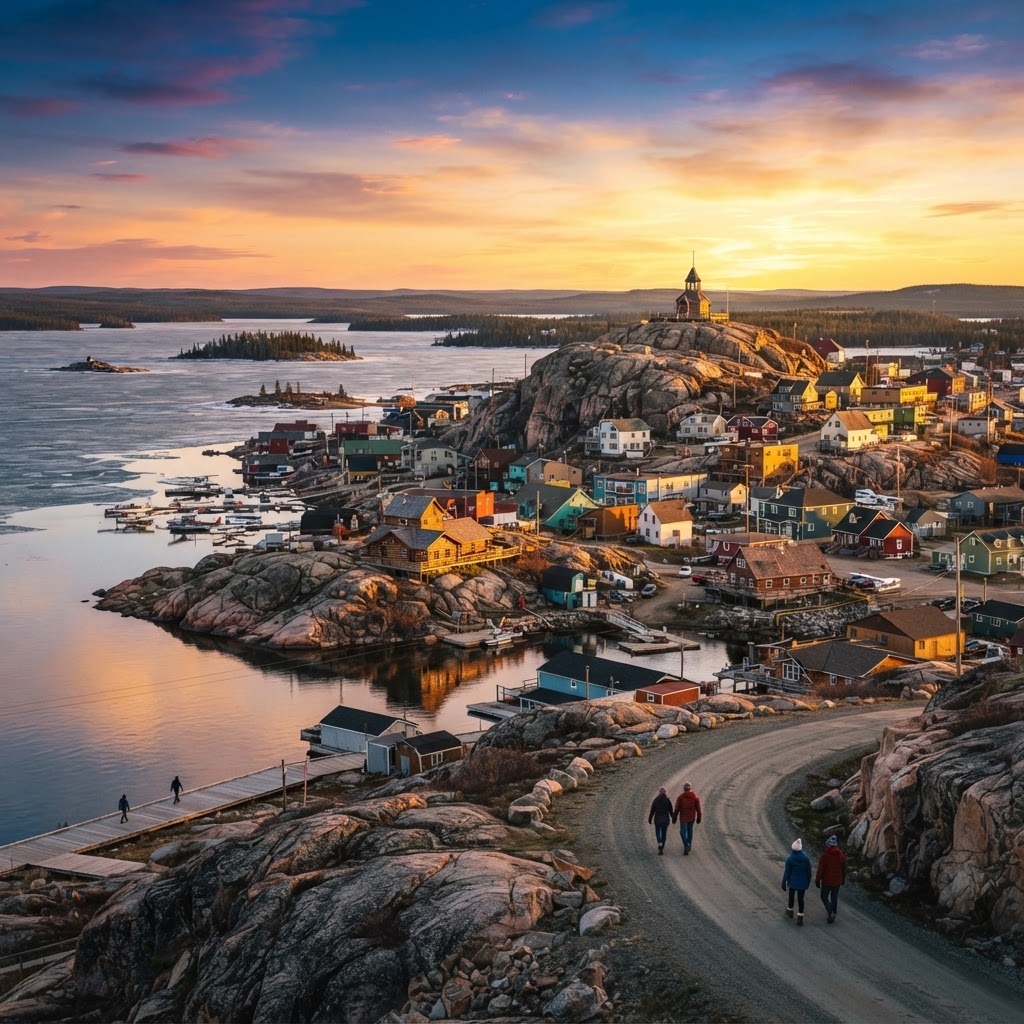
Yellowknife, Northwest Territories, Canada
Canada
The subarctic aurora capital perched on the ancient Canadian Shield.
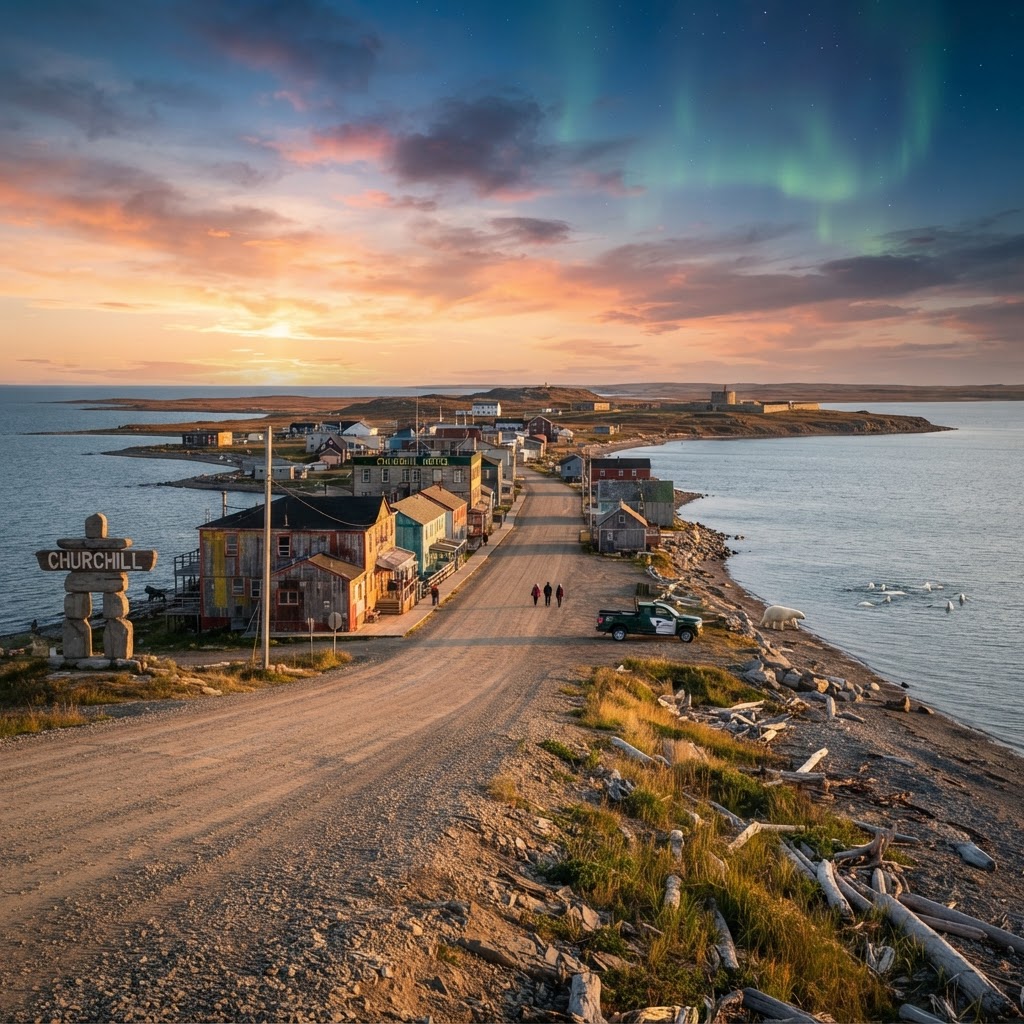
Churchill, Manitoba
Canada
The subarctic frontier for wild polar bears, estuary belugas, and uninterrupted auroras.
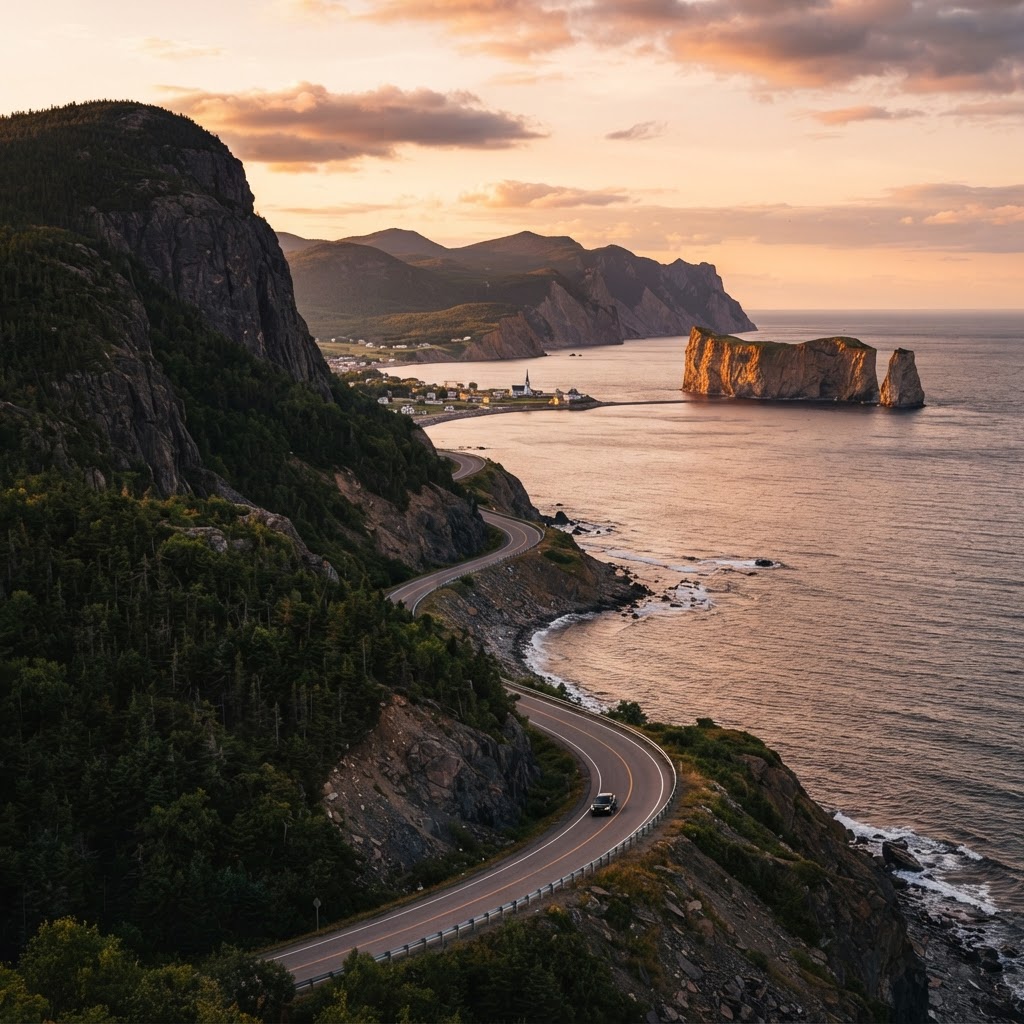
Gaspé Peninsula (Gaspésie), Quebec
Canada
End-of-the-world sea cliffs, ancient Appalachian spines, and winding coastal highways.
Readymade itineraries
Start from a tested template — then make it yours.
Ready to book
Lock in your Gros Morne National Park, Newfoundland, Canada trip
Everything in one place. We may earn a small commission — it never costs you more.
Plan a trip to Gros Morne National Park, Newfoundland, Canada
Pick a length and we'll build a day-by-day plan around how you travel — neighborhoods clustered, budget-aware, and editable.
Get better at planning trips like this
Occasional notes on planning smarter — no spam, unsubscribe anytime.
Plan a trip to Gros Morne National Park, Newfoundland, Canada
Turn this guide into a day-by-day plan built around your pace, your group, and your budget.
Build my Gros Morne National Park, Newfoundland, Canada trip