Canada
Yellowknife, Northwest Territories, Canada
The subarctic aurora capital perched on the ancient Canadian Shield.
Plan & book
Sort your Yellowknife, Northwest Territories, Canada trip in one place.
We point you to the booking tools we'd actually use — live prices, no markup. Or let us build the day-by-day plan around you first, then book.
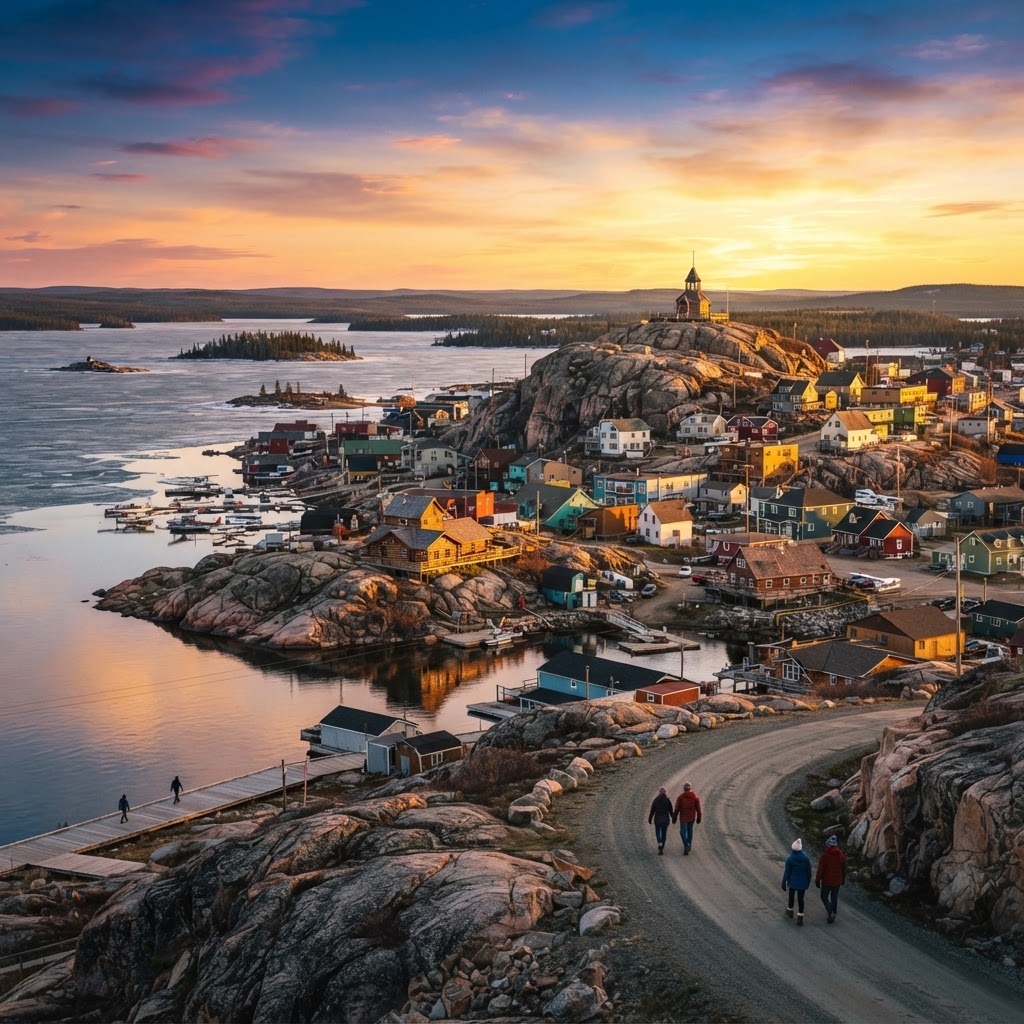
Perched on the northern shore of Great Slave Lake, Yellowknife is a frontier capital where rugged bush-pilot history meets subarctic wilderness. Renowned as one of the world's most reliable hubs for viewing the aurora borealis, the city features a distinct split between its modern administrative centre and historic Old Town, where log cabins, floatplanes, and houseboats define daily life.
4 to 5 nights
Best time
Mid-January to late March for quintessential frozen winter aurora; late August to September for autumn aurora without the extreme cold.
Build your own trip with these prebuilt itineraries
Each one is a tested, day-by-day plan for Yellowknife, Northwest Territories, Canada — start here, then make it yours.
5 Days of Autumn Aurora & Ingraham Trail Wilderness in Yellowknife
Late summer and autumn outdoor focus featuring vibrant fall foliage, open-water aurora reflections, and backcountry canoeing along the Ingraham Trail.
4 Days of Winter Aurora & Sub-Zero Adventure in Yellowknife
Classic sub-zero winter highlights focusing on aurora borealis viewing, dog sledding, and ice road exploration across frozen lakes.
3 Days of Midnight Sun & Northern Heritage in Yellowknife
Summer daylight immersion focusing on historic Old Town, Indigenous culture, lakeside hiking, and 24-hour midnight sun living.
Yellowknife sits directly beneath the auroral oval with flat subarctic terrain and low precipitation, yielding over 200 nights of active aurora viewing annually. Beyond the night sky, it offers immediate access to the Canadian Shield, dramatic winter ice roads, and an authentic northern Indigenous and bush-pilot culture.
Where to stay
Getting there
Getting around
Food & drink
What it costs
Skip it if
Skip Yellowknife if you cannot handle severe sub-zero cold or require urban luxury shopping, manicured resort amenities, and an active nightlife scene.
When to go
Winter brings frozen ice roads and snow sports alongside dark skies, but demands extreme cold-weather gear for -30°C temps. Late summer yields milder nights with aurora reflecting on open lake water, though you forfeit dog sledding and the ice castle.
Peak (Mid-Jan to Mar & Mid-Aug to Sep)
Top conditions for aurora viewing. Winter features Snowking's Winter Festival and the Dettah ice road; late summer offers warm daytime paddling and shimmering lake reflections under dark skies.
Shoulder (Jun to Jul)
24 hours of daylight with the Midnight Sun, hiking, and Folk on the Rocks music festival, but aurora sighting is impossible due to perpetual daylight.
Low (Apr to May & Oct to Nov)
Freeze-up and thaw seasons bring slushy lake ice, overcast cloud layers, closed outdoor routes, and transitional weather.
Neighborhoods
Where you stay shapes the trip. Here's how to think about it.
Old Town
Historic bush-pilot enclave with log cabins, floatplane docks, and rugged lakeside character.
Best for:independent travelers, photographers, and local dining
Don't miss:Climbing Bush Pilot's Monument for panoramic views over Yellowknife Bay and the vibrant local houseboats.
Downtown
Functional subarctic territorial hub lined with administrative hubs, outfitters, and tour departures.
Best for:first-timers, tour-based travelers, and convenience
Don't miss:Browsing Indigenous northern artwork and traditional carvings at the Down to Earth Gallery or Northern Images.
Latham Island & The Houseboat Community
Off-grid living meets northern waterway culture on the edge of Great Slave Lake.
Best for:explorers, kayakers, and architectural curiosity
Don't miss:Watching floatplanes take off and land along the channel, or walking across the ice road directly past houseboats in deep winter.
Frame Lake / Capital Area
Spacious civic district surrounded by subarctic parkland, lakeshore boardwalks, and institutional architecture.
Best for:families, nature walkers, and civic history buffs
Don't miss:Visiting the Prince of Wales Northern Heritage Centre and walking the trail around Frame Lake.
Destination intelligence
Updated 9/14/2026The structured record we plan every Yellowknife, Northwest Territories, Canada itinerary from.
Walkability
Moderate in summer between Downtown and Old Town; poor in deep winter due to extreme sub-zero temperatures and ice.
Transit quality
Basic municipal bus system serving core routes; limited frequency on evenings and weekends.
Car needed
Recommended for independent aurora chasing and exploring the Ingraham Trail, though organized tours can substitute.
Ideal duration
4 to 5 nights
Minimum useful
3 nights
Peak season
Mid-January through March (winter aurora and ice festivals) and mid-August through September (autumn aurora with open water reflections).
Shoulder season
June through July (24-hour daylight, canoeing, and hiking, but zero aurora visibility).
Low season
April–May (spring thaw/break-up) and October–November (fall freeze-up and overcast skies).
Best for
Common mistakes
- Booking a trip for aurora viewing in June or July when the 24-hour midnight sun prevents dark skies.
- Visiting in late October or May during the seasonal 'freeze-up' and 'break-up' when outdoor lake activities shut down and skies are cloudier.
- Failing to rent winter parkas and extreme-weather boots, assuming standard ski jackets will withstand sub-zero wind chills.
- Staying fewer than three nights, which drastically lowers the probability of clear skies during aurora viewing.
Best nearby
How to plan it
- Stay Downtown if you are relying on hotel shuttles and tour operators; choose an Old Town B&B if you want immediate access to Great Slave Lake, floatplanes, and character dining.
- Pair winter aurora hunting with midday excursions—like driving the Dettah Ice Road or touring the Prince of Wales Northern Heritage Centre—to conserve late-night energy.
- Do not attempt winter driving along the Ingraham Trail unless you are familiar with subarctic conditions and have cellular emergency redundancy; hire an experienced aurora chaser instead.
- Reserve dinner tables at Bullock's Bistro well before arriving; the intimate counter and seating fill up daily with both locals and tour groups.
- If your primary goal is seeing the northern lights without enduring -35°C frost, target the last two weeks of August or the first three weeks of September.
Questions
More in Canada

Cape Breton Island, Nova Scotia
Canada
Sea-sculpted highlands, living Celtic fiddling traditions, and wild Atlantic drama.
Kelowna
Canada
Sun-drenched vineyards, lakeside living, and pine-scented benchlands in British Columbia’s interior.
Whitehorse
Canada
The subarctic wilderness capital where boreal trails meet gold rush frontier culture
Churchill, Manitoba
Canada
The subarctic frontier for wild polar bears, estuary belugas, and uninterrupted auroras.
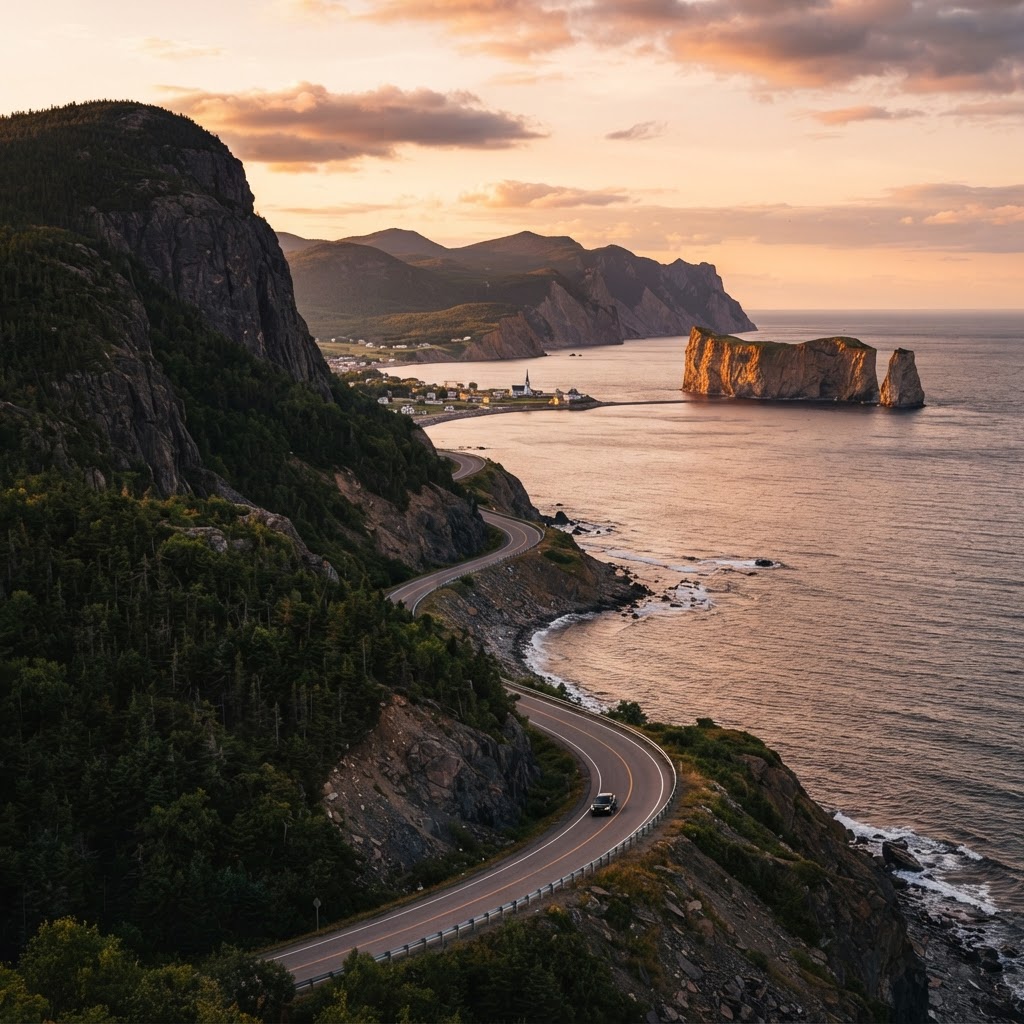
Gaspé Peninsula (Gaspésie), Quebec
Canada
End-of-the-world sea cliffs, ancient Appalachian spines, and winding coastal highways.
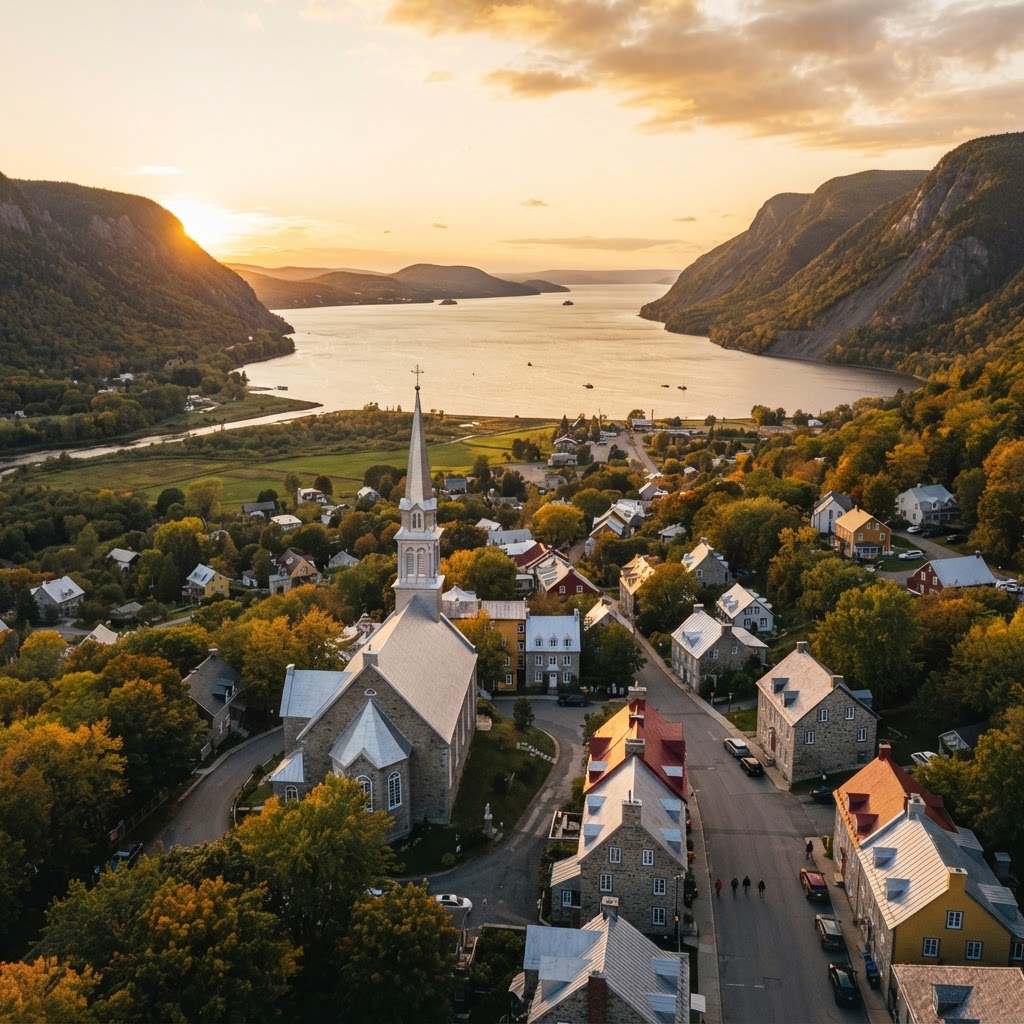
Charlevoix
Canada
Ancient meteorite crater where Laurentian peaks plunge straight into the St. Lawrence.
Readymade itineraries
Start from a tested template — then make it yours.
Ready to book
Lock in your Yellowknife, Northwest Territories, Canada trip
Everything in one place. We may earn a small commission — it never costs you more.
Plan a trip to Yellowknife, Northwest Territories, Canada
Pick a length and we'll build a day-by-day plan around how you travel — neighborhoods clustered, budget-aware, and editable.
Get better at planning trips like this
Occasional notes on planning smarter — no spam, unsubscribe anytime.
Plan a trip to Yellowknife, Northwest Territories, Canada
Turn this guide into a day-by-day plan built around your pace, your group, and your budget.
Build my Yellowknife, Northwest Territories, Canada trip